Best Fishing Spots in Kentucky
Kentucky offers an incredible tapestry of fishing opportunities, but with so many lakes, rivers, and streams winding through the Bluegrass State, it's easy to feel a bit overwhelmed when trying to pick the perfect spot. You might be dreaming of a trophy bass, a cooler full of crappie, or a battle with a massive catfish, only to wonder where to even begin your quest. This comprehensive guide is here to cut through the confusion, highlighting the absolute best fishing spots in Kentucky, detailing what makes them special, and helping you plan your next unforgettable angling adventure.
Kentucky Lake: The Mecca for Bass and More
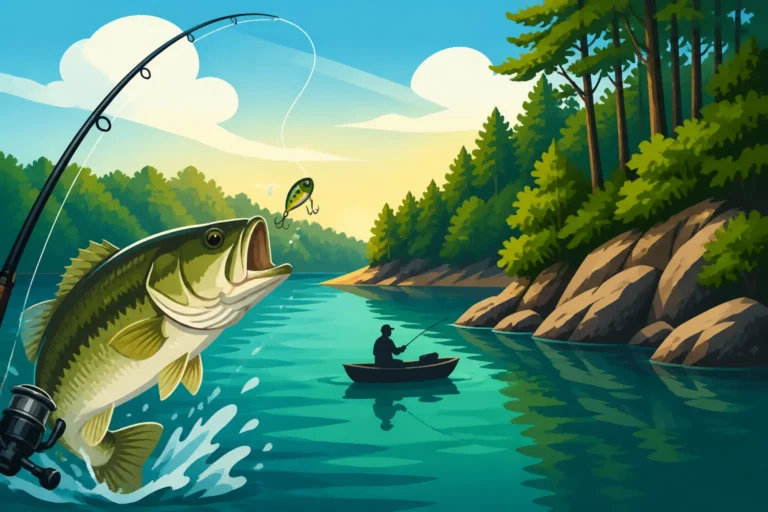
When you talk about fishing in Kentucky, it's almost impossible not to start with Kentucky Lake. This massive impoundment, stretching over 160,000 acres and shared with Tennessee, is legendary among anglers for a very good reason. It's not just big; it's consistently productive, offering some of the finest fishing experiences in the entire country, especially if you're chasing after the elusive largemouth.
Trophy Largemouth Bass Habitat
Kentucky Lake is a true trophy destination for largemouth bass. The lake's vast expanses of submerged timber, aquatic vegetation, ledges, and creek channels create an intricate underwater landscape that bass absolutely thrive in. Anglers come from all over the world with the specific goal of landing a bucket-mouth here.
Imagine launching your boat before dawn, the mist still rising off the water, and heading to a familiar ledge where you've had success before. You might be casting a deep-diving crankbait, like a Strike King 6XD, or slowly working a Carolina rig along the drops. The key here is understanding the seasonal patterns; in spring, bass move shallow to spawn in protected coves and backwaters, making them accessible to a wider range of anglers. During the hotter summer months, they often retreat to deeper ledges and brush piles, requiring more precise electronics and boat positioning. Fall sees them aggressively feeding as they prepare for winter, often schooling on baitfish, which can lead to incredible topwater action. For those specifically targeting these prized fish, our guide on Best Bass Fishing Spots on Kentucky Lake delves much deeper into the nuances of this fantastic fishery.
Abundant Crappie and Catfish Populations
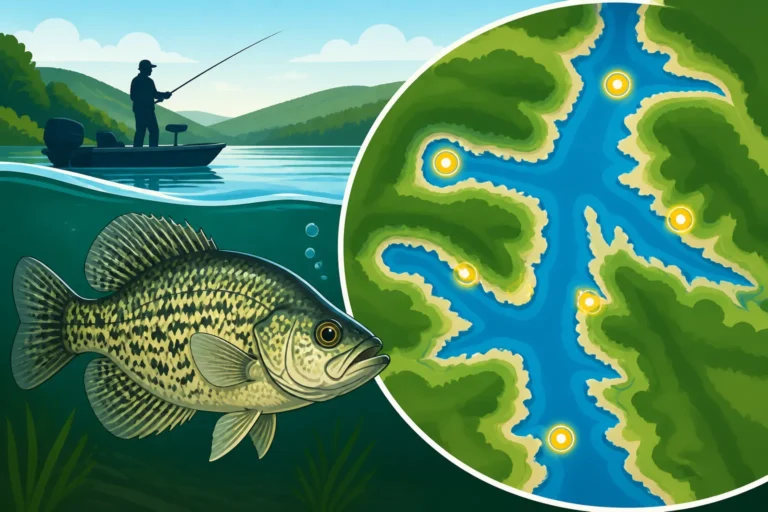
While bass might get the lion's share of attention, Kentucky Lake is far from a one-trick pony. The crappie fishing here is phenomenal, attracting thousands of anglers each year who are after both black and white crappie. You'll find these tasty panfish congregating around brush piles, stumps, and submerged trees, especially in the numerous bays and creeks.
Picture yourself spider-rigging with multiple poles, each tipped with a minnow or a small jig, slowly drifting over a known crappie hole. Or, during the spring spawn, you might be casting tiny jigs into shallow cover, targeting the abundant fish moving in to lay their eggs. Areas like Big Sandy and Jonathan Creek are particularly famous for their crappie fishing. Beyond crappie, the catfish population, including channel, blue, and flathead, is incredibly healthy. Large blue catfish often roam the main lake channel and river bends, providing a thrilling fight for those prepared with heavy gear and substantial cut bait. Many seasoned anglers consider this one of the Best Catfish Holes on Kentucky Lake.
Lake Barkley: A Twin Lake Gem with Unique Flavors
Right next door to Kentucky Lake, separated only by the Land Between the Lakes National Recreation Area and the Barkley Canal, lies Lake Barkley. This lake, slightly smaller at around 57,000 acres, often gets overshadowed by its larger twin, but that's a mistake. Lake Barkley offers incredible fishing in its own right, with many similarities but also distinct characteristics that make it a favorite among dedicated Kentucky anglers.
Excellent White Bass and Sauger Runs
One of the standout features of Lake Barkley is its exceptional white bass and sauger fisheries, especially during their seasonal runs. In early spring, as water temperatures begin to rise, schools of white bass surge up the lake's tributaries, like the Little River and Cumberland River, creating frenzied feeding events that can be absolutely unforgettable. Anglers line the banks and fill boats, casting small inline spinners, jigs, or spoons into the churning water.
The sauger fishing here is also legendary, particularly in the colder months. These walleye cousins are plentiful and provide fantastic action, especially below the Lake Barkley Dam. Many dedicated anglers focus their efforts on vertical jigging or slow trolling with crankbaits in the deeper river channels from late fall through early spring. It's a completely different challenge than bass fishing, often requiring more patience and a keen understanding of current and bottom structure. If you're looking for an intense sauger bite, Lake Barkley is your destination. You can find more targeted advice in our Lake Barkley Fishing Guide for Kentucky Anglers.
Thriving Bass and Crappie Opportunities
Just like Kentucky Lake, Lake Barkley boasts a very strong population of largemouth and smallmouth bass. The habitat is similar—ledges, submerged timber, and creek channels—providing ample opportunities for anglers to chase these popular game fish. While it might not always produce the sheer numbers of trophy bass that Kentucky Lake does, it still offers a fantastic experience, often with less pressure on the water.
Crappie fishing on Lake Barkley is also top-notch, mirroring the success of its sister lake. Anglers target brush piles, standing timber, and creek channels for both black and white crappie. The numerous coves and bays provide excellent protection from wind, making for comfortable fishing even on breezier days. If you're fishing with family, these protected areas are perfect for a relaxed day of catching panfish. Whether you're a seasoned angler or just starting out, Lake Barkley provides a diverse and rewarding fishing experience. You can even use services like FishingBooker to find a local guide who knows these waters intimately and can put you right on the fish, ensuring a successful outing.
Lake Cumberland: Deep Waters, Trout, and Walleye Dreams
Venturing into the eastern part of Kentucky, you'll encounter Lake Cumberland, a colossal reservoir often hailed as the "Houseboat Capital of the World," but equally famous for its incredible fishing. With over 50,000 acres of deep, clear water and more than 1,200 miles of shoreline, Lake Cumberland is a truly unique fishing destination that stands apart from the shallower, stump-filled western lakes.
World-Class Striper and Walleye Fishery
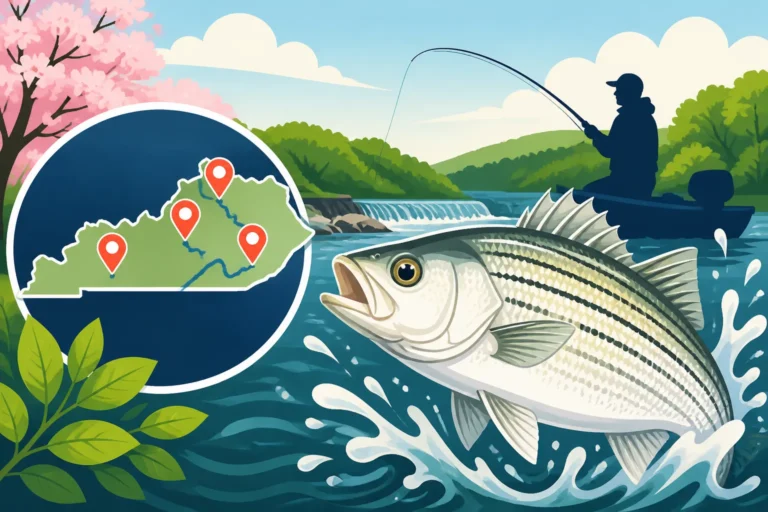
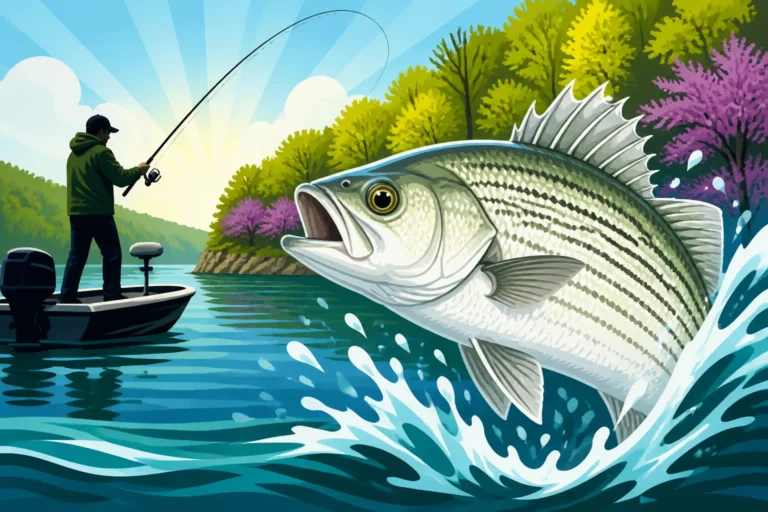
Lake Cumberland is undeniably best known for its epic striped bass fishing. These powerful pelagic predators grow to immense sizes in its deep, nutrient-rich waters, often topping 40 or even 50 pounds. Anglers specifically targeting stripers often employ heavy-duty trolling gear, pulling large swimbaits or live bait, like shad or alewives, over deep humps and along river channels. The fight from a Lake Cumberland striper is legendary, testing even the most experienced angler's strength and tackle.
Beyond stripers, Lake Cumberland is one of Kentucky's premier walleye destinations. These highly prized game fish can be found in deeper areas, especially around rocky points, ledges, and submerged islands. Trolling crankbaits, jigging spoons, or drifting with live bait like nightcrawlers are common and effective methods. The clear waters often make walleye a bit more challenging, but the reward of their delicious fillets is well worth the effort. For those looking to experience the thrill of catching these hard-fighting species, securing a Kentucky Fishing License Guide is the first step, as certain species might have specific regulations.
Thriving Trout and Bass Populations
What truly sets Lake Cumberland apart is its thriving cold-water fishery, particularly for trout. The lake is regularly stocked with rainbow trout, and you'll even find brown and brook trout in some of the deeper, cooler sections. These fish provide fantastic year-round action, especially during the colder months. Anglers often target trout by trolling small spoons or spinners, or by still-fishing with power bait or corn in the deeper pockets. This lake is truly a gem for cold-water species, making it a prime spot for Winter Trout Fishing at Kentucky's Lake Cumberland.
Of course, no major Kentucky lake would be complete without a healthy bass population. Lake Cumberland offers excellent fishing for both largemouth and smallmouth bass. The smallmouth, in particular, thrive in its clear, rocky environs, often schooling around steep bluffs and submerged points. Anglers often find success with drop shots, shaky heads, or jig-and-pig combinations. The largemouth can be found in the shallower creek arms and coves, especially during the spring spawn.
The Mighty Ohio River: Catfish and River Monsters
The Ohio River, forming Kentucky's northern border, is far more than just a transportation corridor; it's a dynamic, powerful fishery teeming with a diverse array of species, most notably its legendary catfish. This massive river system, with its ever-present current and complex underwater structure, offers a completely different fishing experience compared to the state's impoundments.
Trophy Blue and Flathead Catfish
If you're after truly gargantuan catfish, the Ohio River is where you need to be. It's renowned for its trophy-sized blue catfish, with fish regularly caught in the 50-80 pound range, and the potential for even larger monsters. Flathead catfish, equally impressive in size and fighting power, also call the Ohio River home. These fish are powerful, relentless fighters that demand heavy tackle and plenty of patience.
Anglers targeting these giants often employ techniques like anchoring on ledges, around submerged structures, or in deep holes, and presenting large pieces of cut bait (shad, skipjack herring are favorites) or live bait. The currents of the Ohio require heavier weights to keep baits on the bottom, and a strong, reliable rod and reel setup is crucial. Some of the most productive stretches are often found below the various dams, where the churning water concentrates baitfish and, consequently, hungry catfish. This river is truly one of the Best Catfish Fishing Spots on Kentucky's Ohio River.
Unique Paddlefish and Striped Bass Opportunities
Beyond the catfish, the Ohio River offers some unique and exciting fishing opportunities that aren't readily available in other Kentucky waters. Paddlefish, an ancient and truly prehistoric-looking species, are targeted by snagging in certain areas during specific seasons. It's a highly specialized technique, but hooking into one of these massive filter feeders is an unforgettable experience.
Striped bass, often migrating up from the Mississippi River or released from locks, also offer a thrilling challenge. These powerful fish can be found in the tailwaters below dams or in deeper main channel areas, often preying on schools of baitfish. White bass and hybrid striped bass (a cross between striped and white bass) are also abundant and provide excellent action, particularly during their spring spawning runs up the river's tributaries. When planning a trip to this magnificent river, always review the Kentucky Fishing Regulations Explained as river systems often have specific rules that differ from lake regulations.
Herrington Lake: Kentucky's Deep Water Bass Lake
Tucked away in central Kentucky, Herrington Lake is a unique and often challenging fishery that rewards persistent anglers. Formed by the Dix River Dam, it's Kentucky's deepest lake, plunging to over 249 feet in some sections. This incredible depth, combined with steep rock bluffs and clear water, creates a distinct environment that attracts a specific kind of angler, especially those seeking quality bass.
Challenging but Rewarding Bass Fishing
Herrington Lake is not known for its sheer numbers of bass, but rather for the quality of the fish it produces. Both largemouth and smallmouth bass thrive in its deep, rocky structure, and catching a true trophy here is a badge of honor among local anglers. The clear water can make the bass a bit more finicky, often requiring a subtle approach and precise lure presentation.
Anglers frequently target the many steep rock bluffs and main lake points, working jigs, drop shots, or shaky heads down the ledges. In the spring, some largemouth will move into shallower pockets and coves, but the deep-water patterns are often key for consistent success. During the summer, the thermocline plays a crucial role, with bass often suspending at specific depths over open water or relating to deep brush piles. Patience and good electronics are your best friends on Herrington Lake, and knowing how to read the bottom contours is paramount. Local guides, often found through platforms like FishingBooker, specialize in unlocking Herrington's secrets.
Abundant Panfish and Catfish
While bass might be the star, Herrington Lake also offers excellent opportunities for panfish and catfish. The lake's abundant rocky structure and submerged timber create ideal habitat for crappie, bluegill, and various sunfish. These species provide consistent action, especially for family outings or when the bass bite is slow. Kids, in particular, can have a field day catching bluegill and sunfish from docks or along shallow banks with simple live bait setups.
Catfish, including channel and flathead, are also prevalent throughout the lake. They often hang out in the deeper channels and around submerged logs, making them a great target for those fishing with cut bait or live bait on the bottom. While perhaps not as famed as the Ohio River for monster catfish, Herrington still produces plenty of sizable specimens that offer a good fight. It's a diverse fishery, offering something for almost every angler, provided you adapt to its unique deep-water characteristics.
Barren River Lake: Family Fun and Diverse Catches
In south-central Kentucky, near Bowling Green, lies Barren River Lake, a picturesque 10,000-acre reservoir known for its recreational opportunities and excellent, well-rounded fishing. This lake offers a bit of everything, from healthy bass and crappie populations to abundant panfish, making it an ideal destination for families and anglers seeking a relaxed, productive day on the water.
Consistent Bass and Crappie Action
Barren River Lake is a solid choice for consistent bass fishing. It holds a healthy population of largemouth bass, which can be found relating to the lake's abundant standing timber, creek channels, and gradual sloping banks. During the spring, anglers will find bass in the shallow coves and pockets, particularly around emergent vegetation or rocky points. In summer, they move to deeper points, ledges, and brush piles, often following schools of baitfish.
Crappie fishing here is also excellent, with both black and white crappie thriving. The standing timber, which is prevalent throughout much of the lake, provides prime habitat for these schooling fish. Anglers often employ spider-rigging techniques, slow trolling with jigs and minnows, or casting into brush piles during the spawn. The lake is generally easy to navigate, with plenty of public access and boat ramps, making it a favorite among local anglers. Check out our detailed guide on Barren River Lake Fishing Guide for Kentucky Anglers for more specific tips.
Abundant Panfish and Catfish for All Ages
One of Barren River Lake's strongest suits is its panfish population. Bluegill, redear sunfish, and other sunfish species are plentiful and provide fantastic action, especially for kids and beginner anglers. These fish are often found along the shoreline, around docks, or in shallow brush, and they readily bite on small worms, crickets, or tiny jigs. It's the kind of lake where you can almost guarantee a bend in the rod, making it perfect for introducing youngsters to the joys of fishing.
The catfish population, primarily channel catfish, also provides great opportunities. Anglers often target them in deeper channels or around submerged structures using stink baits, cut bait, or worms. Night fishing for catfish can be particularly productive on Barren River Lake during the warmer months. Its blend of accessible fishing, diverse species, and beautiful scenery makes Barren River Lake a fantastic option for a day trip or a longer family fishing vacation.
Hidden Gems and Smaller Lakes: Beyond the Big Names
While the big lakes get all the glory, Kentucky is dotted with countless smaller lakes, reservoirs, and public ponds that offer fantastic, often less-pressured, fishing. These hidden gems can provide incredible experiences, whether you're looking for a quiet day of bank fishing, a family-friendly spot, or a chance at a specific species without the crowds of a major reservoir.
Taylorsville Lake: A Nearby Bass Haven
Just a short drive from Louisville, Taylorsville Lake is a popular 3,000-acre lake known for its excellent bass fishing, particularly for largemouth. The lake features abundant standing timber, submerged creek channels, and plenty of coves, providing diverse habitat. It’s a fantastic spot for spring and fall bass fishing, with anglers finding success using spinnerbaits, crankbaits, and jigs around the timber and laydowns.
Taylorsville also offers good crappie and catfish fishing, making it a well-rounded destination for a day trip. Its proximity to a major city means it gets a fair amount of pressure, but strategic anglers can still find plenty of success by exploring its many arms and pockets. It’s also a favorite for kayak anglers who can easily navigate its shallower sections.
Green River Lake: Scenic Beauty and Diverse Species
Located in central Kentucky, Green River Lake offers over 8,000 acres of beautiful water, surrounded by Green River Lake State Park. It's known for its clear waters and excellent fishing for largemouth and smallmouth bass, crappie, and catfish. The lake's numerous standing timber fields and brush piles provide prime cover for crappie, while bass can be found along rocky points and creek channels.
Green River Lake is also a great spot for muskie, offering a chance at these elusive trophy fish for dedicated anglers. The scenic beauty and ample recreational opportunities make it a fantastic destination for a longer fishing vacation, combining angling with camping, hiking, and boating.
Cave Run Lake: Muskie Capital of the South
For those obsessed with muskie, Cave Run Lake in Eastern Kentucky is arguably the premier destination in the southern United States. This 8,270-acre lake is meticulously managed for muskie, and it consistently produces large, healthy fish, earning it the nickname "Muskie Capital of the South." Anglers here are serious about their pursuit of these toothy predators, often spending countless hours casting massive bucktails, crankbaits, and jerkbaits.
While muskie are the main draw, Cave Run also offers excellent fishing for bass, crappie, and catfish. The lake's deep, clear waters and abundant standing timber create a diverse fishery. If you're looking for a truly unique challenge and the chance at a freshwater giant, Cave Run Lake should be high on your list. Utilizing a service like FishingBooker can help you connect with experienced muskie guides who specialize in this demanding fishery.
Planning Your Kentucky Fishing Adventure
Kentucky's diverse waterways mean there's a fishing spot for every preference and skill level. However, a successful trip requires a bit of planning, beyond just knowing where to go. From understanding local regulations to ensuring you have the right gear, a little preparation goes a long way.
Navigating Licenses and Regulations
Before you even wet a line in Kentucky, the first and most crucial step is to obtain a valid fishing license. The Kentucky Department of Fish and Wildlife Resources (KDFWR) issues licenses, and there are different options for residents and non-residents, as well as annual, short-term, and specialty licenses (like a trout permit, if you're targeting trout). You can easily purchase your license online, at most bait and tackle shops, or at county clerk offices. Our guide on How to Buy a Kentucky Fishing License Online can walk you through the process.
Beyond the general license, it's absolutely vital to familiarize yourself with Kentucky's specific fishing regulations. These include statewide size and creel limits for different species, but also crucial lake-specific or river-specific exceptions. For example, a lake might have a different bass size limit than the statewide rule, or a particular river section might have unique rules for paddlefish snagging. Ignoring these rules can lead to significant fines. Always double-check the current KDFWR fishing guide before your trip. For more details, explore our comprehensive resource on Kentucky Fishing Regulations Explained.
Essential Gear and Boat Considerations
The gear you bring will largely depend on your target species and chosen location. For bass fishing on larger lakes like Kentucky Lake or Lake Barkley, you'll want a medium-heavy to heavy casting rod, a quality baitcasting reel, and a selection of lures ranging from crankbaits and spinnerbaits to jigs and soft plastics. For crappie, lighter spinning gear with small jigs or minnow rigs is ideal. Catfishing on the Ohio River demands heavy-duty rods, stout reels, and strong line to handle powerful fish in current.
If you're bringing a boat, ensure it meets all Kentucky boating safety requirements, including proper registration, life jackets for all occupants, and any necessary safety equipment like fire extinguishers. For larger lakes, a boat with a powerful engine and reliable electronics (fish finder, GPS) will greatly enhance your experience. Kayaks are also incredibly popular for accessing shallower areas or smaller lakes. For comprehensive information, our guide on Best Boats for Kentucky Lake and Lake Barkley Fishing provides detailed insights on vessel choices.
When to Go: Understanding Kentucky's Seasons
Kentucky offers fantastic fishing year-round, but understanding the seasonal patterns for different species can dramatically increase your success.
| Season | Best Species to Target | Typical Techniques | Key Locations |
|---|---|---|---|
| Spring (March-May) | Largemouth Bass, Crappie, White Bass, Sauger | Shallow crankbaits, jigs, spinnerbaits, live minnows (crappie), inline spinners (white bass) | Protected coves, shallow flats, tributary mouths (spawning areas) |
| Summer (June-August) | Catfish, Striped Bass, Deep Bass, Panfish | Live bait, cut bait (catfish), deep jigs, crankbaits, trolling (stripers, bass), worms (panfish) | Main lake channels, deep ledges, brush piles, shaded areas |
| Fall (September-November) | Largemouth Bass, Smallmouth Bass, Crappie, White Bass | Topwater, crankbaits, jerkbaits, jigs, spoons, live minnows | Creek channels, points, schooling baitfish areas |
| Winter (December-February) | Sauger, Trout, Deep Bass, Crappie (deep) | Vertical jigging, slow trolling, live bait, small spoons, PowerBait (trout) | Tailwaters below dams, deep holes, main lake channels, stocked trout waters (e.g., Lake Cumberland) |
This table provides a quick overview, but each species and each body of water has its own micro-seasons and optimal times. For a more detailed breakdown, dive into our Kentucky Fishing Seasons: What to Catch Each Month article. Planning your trip around these peak times will undoubtedly lead to a more productive and enjoyable fishing experience in the beautiful waters of Kentucky.
Disclaimer
The information provided in this guide is for general informational purposes only and is subject to change. Always consult the official Kentucky Department of Fish and Wildlife Resources (KDFWR) regulations and local authorities before engaging in any fishing activities. Fishing regulations, license requirements, and safety guidelines can vary and are updated periodically.