Best White Bass Runs on Lake Barkley in Spring
There’s nothing quite like the electrifying feeling of hooking into a feisty white bass, especially when they're running strong in the spring. For many anglers, the challenge isn't just catching one, but knowing where and when to find those explosive "runs" on a massive body of water like Lake Barkley. This guide is dedicated to helping you unlock the secrets of Lake Barkley's spring white bass runs, sharing actionable tips, prime locations, and proven techniques to make your next trip a success, rather than a frustrating search.
Understanding the Spring White Bass Run Phenomenon
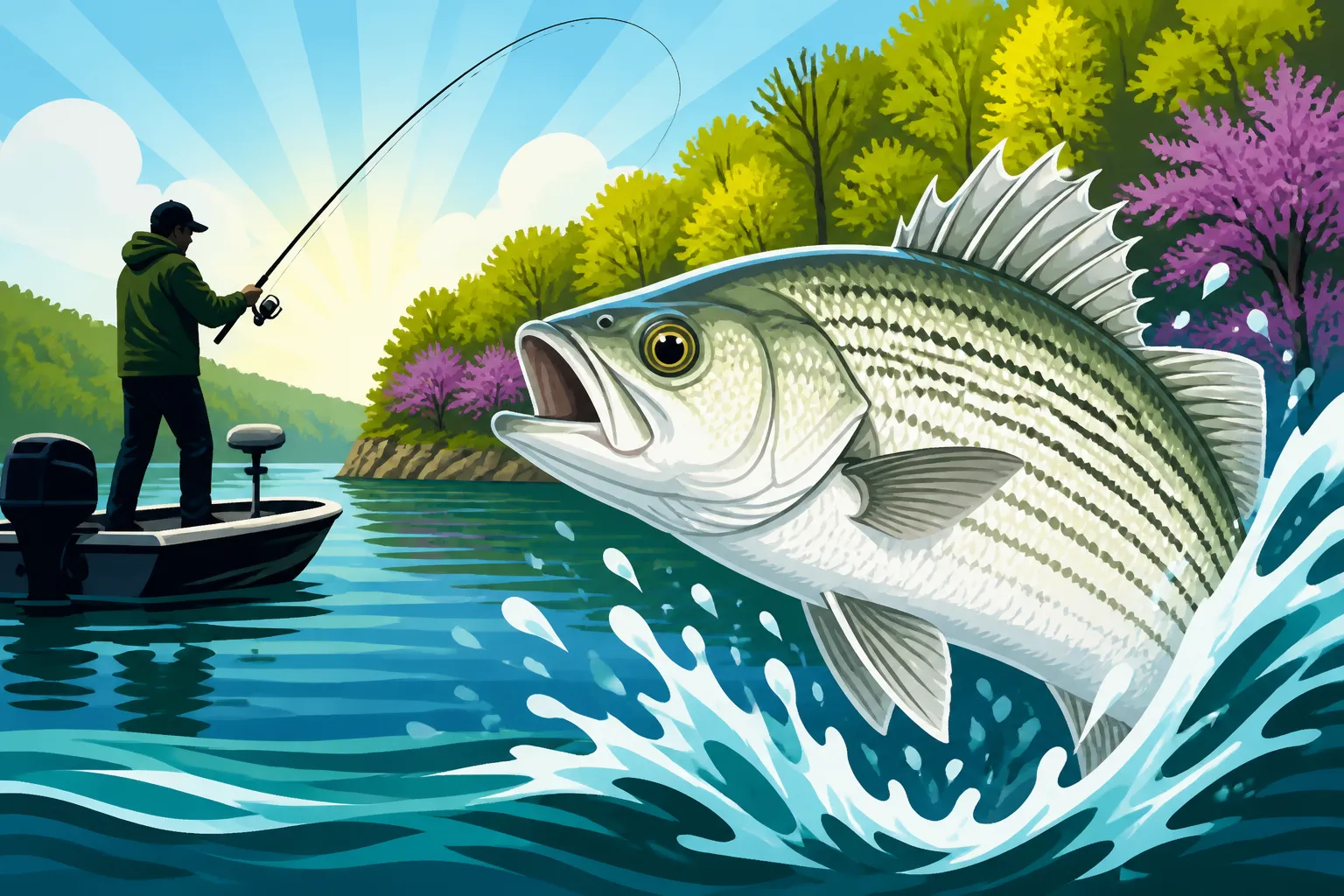
The spring white bass run on Lake Barkley is a truly special event for anglers across Kentucky. It’s driven by the primal urge of these prolific fish to spawn, moving from the deeper, open waters of the lake into shallower creeks and river arms. When these runs hit their peak, you can often find massive schools of white bass concentrated in relatively small areas, offering some of the most consistent and exciting fishing of the year.
What Drives the Spring Migration?
At its heart, the white bass migration is all about reproduction. As winter’s chill recedes and the water temperatures begin to climb steadily into the upper 40s and 50s Fahrenheit, white bass start feeling the urge to move. They're looking for moving water, often in the upper reaches of creeks or smaller rivers that feed into Lake Barkley, where they can deposit their eggs and ensure the next generation. This biological imperative means they become incredibly predictable in their movements, offering a fantastic opportunity for anglers who know what to look for.
It's not just the temperature, though. Increasing daylight hours also play a role, signaling to the fish that spring is truly here. While they’re focused on spawning, they’re also voracious eaters, needing energy for the journey and the act of spawning itself. This combination of predictable movement and aggressive feeding makes them a prime target in the spring. If you're looking for a deeper dive into the seasonal movements of various species, our guide on Kentucky Fishing Seasons: What to Catch Each Month offers a broader perspective.
Distinguishing a "Run" from General Activity
When we talk about a "white bass run," we're specifically referring to these large-scale, upstream movements into tributaries for spawning. It's different from simply finding a scattered school of white bass in the main lake during other times of the year. During a run, you’ll see concentrations of fish that are much higher, often packing into river bends, deeper creek channels, or even below small riffles if the tributary has enough flow.
These runs are usually quite intense but relatively short-lived in any single spot, often lasting just a few weeks in a particular creek before the fish move back to the main lake or disperse. Knowing this temporal aspect is crucial; you need to strike while the iron is hot, so to speak. If you’re planning a trip, consider checking local reports or even contacting a guide through platforms like FishingBooker, as they often have real-time insights into where the runs are peaking.
Prime Locations for White Bass Runs on Lake Barkley
Lake Barkley, with its extensive network of creeks and bays, offers numerous excellent locations for intercepting spring white bass runs. The key is to focus on the feeder creeks and the main river channels that extend far back into the landscape, providing the moving water and suitable spawning grounds these fish seek.
Major Tributaries and Their Significance
When white bass ascend into Lake Barkley's tributaries, they’re not just swimming aimlessly; they’re following distinct pathways and seeking specific conditions. The larger, more prominent creek arms tend to be the most reliable, as they offer sustained flow and diverse habitats.
- Little River: This is arguably one of the most famous and productive white bass destinations on Lake Barkley. The Little River arm, particularly its upper stretches above Canton, Kentucky, becomes a hotspot. Look for areas where the river channel narrows, creating natural choke points, or where smaller feeder creeks dump into the main flow. The fish will move steadily upstream, often congregating below small riffles, road culverts, or bridge crossings where current is present. Early in the run, they might be found further down, but as the water warms, they push further and further up.
- Eddy Creek: Another fantastic option, Eddy Creek on the eastern side of Lake Barkley, offers similar opportunities. Its winding channel and numerous pockets provide excellent staging areas. Focus your efforts where the creek transitions from broader lake-like conditions to a more riverine flow. Marinas and boat ramps further up Eddy Creek, like those near Eddyville, can provide easy access to prime bank or boat fishing spots.
- Blood River: While perhaps not as famed for its "runs" as Little River or Eddy Creek, Blood River still sees significant white bass activity. Anglers should concentrate on the main channel and any incoming smaller creeks, especially after a good rain which can draw fish further upstream.
- Casey Creek and Crooked Creek: These creeks, situated on the western side of the lake within the Land Between the Lakes (LBL) National Recreation Area, also offer excellent opportunities. These tend to be a bit more remote and less pressured, providing a more serene fishing experience. Similar to other areas, targeting the bends, points, and channel swings as the creek narrows will be productive. Many of these spots can be scouted on a mapping app beforehand to identify potential holding areas.
If you're looking for a broader overview of the lake's hot spots, our comprehensive Best Fishing Spots on Lake Barkley, Kentucky guide provides even more detail on various species and times of year.
Identifying Productive Sections within Tributaries
Once you're in a promising tributary, knowing where within that creek to focus your efforts is key. White bass are highly social and will stack up in specific types of structures that offer them comfort, current breaks, and ambush points.
- Channel Bends and Current Seams: White bass love to hold on the inside and outside bends of river channels where the current creates a distinct seam. The fish will often sit just out of the main flow, darting into the current to intercept baitfish. Look for areas where the channel narrows or takes a sharp turn; these are natural funnels.
- Submerged Structure: Don't overlook submerged timber, rock piles, or old roadbeds. These structures offer fish places to rest, hide from predators, and ambush prey. Your fishfinder will be invaluable here, helping you locate these hidden gems.
- Points and Flats Near Channels: As fish move up, they'll often stage on points or adjacent flats that are close to the main channel. These areas can be particularly productive in the earlier stages of the run when fish are still making their way upstream.
- Bridge Pilings and Culverts: Any man-made structure that creates current breaks or funnels water can be a magnet for white bass. Bridge pilings offer vertical structure and current breaks, while culverts under roads can concentrate fish in tighter spaces, especially after heavy rains increase water flow.
Remember, the fish can be very specific about their depth preference during the run. Sometimes they're right on the surface, pushing bait, and other times they're hugging the bottom in a deeper channel. Adaptability is crucial, so be prepared to work different depths until you find the sweet spot. Planning your day with a local guide through FishingBooker can offer a significant advantage, as they often have up-to-the-minute knowledge of exactly where the fish are holding.
| Creek/River Arm | Key Features for White Bass | Access Notes | Prime Time (Water Temp) |
|---|---|---|---|
| Little River | Upper stretches, narrow channels, bridge crossings, small riffles, incoming feeder creeks. | Multiple boat ramps, bank access near bridges. | Early-Mid Spring (48-58°F) |
| Eddy Creek | Winding channel, transitions from lake to riverine, marinas. | Boat ramps in Eddyville, bank access. | Early-Mid Spring (48-58°F) |
| Blood River | Main channel, incoming small creeks. | Limited public access, best by boat. | Mid Spring (52-60°F) |
| Casey Creek | Channel bends, submerged timber, more remote. | LBL access points, boat required for upper reaches. | Mid Spring (52-60°F) |
Timing Your Trip for Peak White Bass Action
Hitting the white bass run at its peak requires a combination of knowing the right time of year, understanding water temperature cues, and paying attention to daily patterns. It’s not just about showing up; it’s about timing your efforts for when the fish are most active and concentrated.
The Seasonal Window: When Spring Truly Kicks Off
The white bass run on Lake Barkley typically begins in earnest once sustained warm weather starts to penetrate the region, usually in late March through April, and sometimes extending into early May. This window is highly dependent on the particular year's weather patterns. A cold, drawn-out spring will delay the run, while a sudden burst of warmth can bring it on quickly.
The most consistent action often coincides with the blooming of dogwood trees – an old angler’s adage that often holds true for spring spawns in Kentucky. This visual cue tells you that the water temperatures are likely in that crucial 50-60°F range, triggering the fish to move. While the general Kentucky Crappie Fishing: Spring Spawn Run Guide outlines similar timing, white bass tend to move a bit earlier than crappie, especially if the current is strong.
Water Temperature: The Ultimate Trigger
Forget the calendar; water temperature is the real key to predicting and locating white bass runs. These fish become most active and begin their upstream migration when the water temperature in the creeks and river arms reaches around 48-50°F. The peak of the spawn, and thus the most intense part of the run, generally occurs when temperatures are in the mid-50s to low 60s Fahrenheit.
- Early Run (48-52°F): In the colder part of this window, white bass will be staging in deeper pockets closer to the main lake or in the lower to middle sections of the larger creek arms. They might be a bit lethargic, but aggressive lures can still trigger a bite.
- Peak Run (53-60°F): This is when the action truly heats up. Fish will be pushing further upstream, often into the shallowest parts of the tributaries that offer good current. You'll find them schooling heavily, and the bite can be incredibly fast and furious.
- Late Run (60°F+): As temperatures continue to rise, the main spawning activity winds down, and fish begin to disperse back towards the main lake. You might still catch them, but they’ll be more scattered and less predictable in their locations.
Monitoring water temperature is critical. A portable thermometer or a fishfinder with a temperature gauge is an invaluable tool during this time. Pay attention to warming trends; a few consecutive sunny days after a cold spell can rapidly raise water temps and ignite a run.
Daily Patterns and Best Fishing Times
Even during a strong run, white bass aren't active 24/7. They tend to follow daily patterns that can help you maximize your success.
- Morning and Evening: Just like many other species, white bass are often most active during the low-light periods of dawn and dusk. This is when they feel safest to feed aggressively and move more freely. Getting on the water early, just as the sun is coming up, can often lead to the most productive bites.
- Mid-day Warmth: On sunny spring days, the mid-day hours can also be very good, especially if the morning was cool. The sun warms the shallow waters of the creeks, making the fish more active and concentrating baitfish. If you're fishing a longer stretch of water, targeting sun-drenched banks and shallow flats during these hours can be quite effective.
- Post-Rain Flows: A good spring rain can be a mixed blessing. While heavy, muddy flows can temporarily shut down the bite, a moderate rain that increases current and slightly stains the water can actually draw more fish upstream and stimulate feeding. After a moderate rain, look for the water to clear slightly, and the bite can be exceptional.
Remember to always consult the latest Kentucky Fishing Regulations Explained before you head out, as limits and rules can change.
Essential Gear and Techniques for Lake Barkley White Bass
You don’t need a specialized arsenal of expensive gear to catch white bass during their spring runs, but having the right setup and understanding a few key techniques can make a world of difference. Simplicity and efficiency are often the keys to success when these fish are biting aggressively.
Rods, Reels, and Line Choices
For white bass, lighter tackle is usually more enjoyable and effective. These fish, though not huge, are incredibly feisty fighters, especially in current.
- Rod: A 6-foot to 7-foot light to medium-light action spinning rod is ideal. The lighter action allows for better casting of small lures and enhances the fight of each fish, making even a modest white bass feel like a heavyweight. A sensitive tip will also help you detect subtle bites.
- Reel: Pair your rod with a small spinning reel (2000 or 2500 series) spooled with 6 to 10-pound test monofilament or fluorocarbon line. Monofilament offers a bit more stretch, which can be forgiving when a fish makes a sudden run, while fluorocarbon offers excellent sensitivity and less stretch, which can be beneficial for detecting light bites. Some anglers prefer a braided line for its sensitivity and casting distance, but you might want to add a fluorocarbon leader to reduce visibility. Our guide on Best Rods and Reels for Kentucky Fishing offers more general advice that can be adapted for white bass.
Lures That Entice the Strike
White bass are aggressive and will strike a wide variety of lures, especially during the run. The key is to offer something that mimics their primary forage – small baitfish or shad – and can be retrieved effectively in current.
- Small Inline Spinners: Brands like Mepps Aglia or Rooster Tail in sizes #1 or #2 are absolute killers for white bass. Silver, gold, white, or chartreuse blades are typically the most effective. The flash and vibration mimic baitfish perfectly.
- Small Jigs: Jigging is incredibly effective. Think 1/8 to 1/4 ounce lead head jigs paired with small curly-tail grubs, paddle-tail swimbaits, or marabou jigs. White, chartreuse, smoke, and pearl colors are perennial favorites. You can fish these on their own or tipped with a small piece of live bait.
- Spoons: Casting spoons like a Little Cleo or Kastmaster in 1/8 to 1/4 ounce are excellent for covering water and getting down to deeper schools. A fast, erratic retrieve often triggers a strike.
- Small Crankbaits: Shallow-diving crankbaits that imitate shad can be very effective, especially in areas with less current. Look for lipless crankbaits or small minnow-style lures in chrome, white, or shad patterns.
- Live Bait: While artificial lures are usually preferred for the sheer numbers they can catch, small minnows fished under a bobber or on a bottom rig can also be deadly, especially if the bite on artificials is slow.
You'll find more general advice on Best Lures for Early Spring Fishing that can be applied to white bass as well.
Proven Techniques for Success
Mastering a few simple techniques will help you maximize your catch during the white bass run.
- Cast and Retrieve: This is the most straightforward and often most effective method. Cast your inline spinner, jig, or spoon upstream or across the current and retrieve it steadily. Experiment with retrieval speeds until you find what the fish prefer. Sometimes a fast, erratic retrieve is best, while other times a slow, steady retrieve with occasional pauses is the ticket.
- Vertical Jigging: If you've located a school of fish on your fishfinder, particularly in deeper channels or below structures, vertical jigging directly over them can be incredibly effective. Drop a spoon or jig to their depth and use short, sharp lifts and drops of your rod tip.
- Fan Casting: When you first arrive at a spot, don't just cast in one direction. "Fan cast" by making casts at different angles, covering a wide swath of water. This helps you locate where the fish are holding and how they're orienting in the current.
- Focus on Current Breaks: White bass will expend less energy if they can sit just out of the main current and dart into it to feed. Cast your lure so it drifts into or through these current breaks, such as behind rocks, logs, or bridge pilings.
- Boat Positioning: If fishing from a boat, try to position yourself so you can drift with the current, casting ahead of your drift. This allows your lures to appear natural to the fish. When boating around Lake Barkley, remember to always be mindful of other anglers and adhere to safety guidelines. Our guide on Lake Barkley's Boat Ramps and Marina Access in Kentucky can help you find suitable launch points. While the techniques for Boat Fishing Techniques for Crappie might focus on a different species, many of the boat positioning and casting principles are transferable to white bass.
Frequently Asked Questions About Lake Barkley White Bass
It's natural to have questions, especially when planning a trip to target a specific fish during a specific time. Here are some common queries that often come up about Lake Barkley's spring white bass runs.
How do I know if the white bass run has started?
The easiest way to tell if the white bass run has started is by monitoring local fishing reports. Social media groups, local tackle shops, and online forums often have up-to-the-minute information. Also, keep an eye on the water temperature in the main lake and, more importantly, in the feeder creeks. Once those creek temperatures consistently hit the upper 40s to low 50s Fahrenheit, the fish will start to move. A visual cue, as mentioned, is often when the dogwood trees begin to bloom around late March or early April in the region. Many anglers also check resources like FishingBooker for reports from local guides.
Can I catch white bass from the bank during the run?
Absolutely! Many of the prime white bass run locations, especially in the upper reaches of creeks like the Little River, offer excellent bank fishing opportunities. Look for public access points near bridge crossings, culverts, or areas where the creek narrows and offers easy casting access to the main flow. These areas are often where fish concentrate. You won't need a boat to intercept large schools if you can find the right spot.
What’s the difference between a white bass and a yellow bass?
While they are both members of the temperate bass family and often school together, white bass and yellow bass are distinct species. White bass generally grow larger, have a more silvery body with faint, broken lateral lines, and a single dorsal fin where the spiny and soft-rayed parts are clearly separated. Yellow bass, on the other hand, are smaller, more yellowish in color, and have more pronounced, unbroken lateral lines. Their dorsal fins are typically connected. If you want to dive deeper into identification, check out our White Bass and Yellow Bass Fishing in Kentucky guide.
Do white bass have size or creel limits on Lake Barkley?
Yes, like most game fish in Kentucky, white bass are subject to statewide regulations. While these can change, typically there are no minimum size limits for white bass in Kentucky. However, there is usually a daily creel limit, which is often generous, allowing anglers to keep a good number of fish during a strong run. Always double-check the current Kentucky Department of Fish and Wildlife Resources regulations before you go, as site-specific regulations can occasionally apply to certain bodies of water.
What should I do if the white bass aren't biting in a spot I expected them to be?
Don't get discouraged! White bass can be fickle, even during a strong run. If a spot isn't producing, here are a few things to try:
- Change Depths: They might be shallower or deeper than you're fishing. Try different retrieve speeds or jig weights.
- Change Lures/Colors: Sometimes a different profile or color is all it takes to trigger a strike.
- Move: If a spot remains unproductive after 20-30 minutes of varied effort, move on. The fish might have moved, or they might not be in that particular spot yet. Try another section of the same creek, or even a different tributary altogether. White bass are constantly on the move during the run.
- Check Water Conditions: Has the water temperature changed dramatically? Is it suddenly muddy? These factors can cause fish to shut down or relocate.
Conclusion: Chasing the Excitement of Lake Barkley's White Bass
The spring white bass runs on Lake Barkley offer some of the most thrilling and action-packed fishing experiences Kentucky has to offer. It's a fantastic opportunity to fill your cooler with delicious fish and create lasting memories on the water. By understanding the motivations behind these migrations, knowing where to focus your efforts in the productive creek arms, paying close attention to water temperature and daily patterns, and equipping yourself with the right gear and techniques, you'll be well on your way to intercepting those incredible schools of fighting white bass. So, grab your gear, check the forecast, and get ready for some serious spring fishing adventure on Lake Barkley!
Disclaimer
The information provided in this guide is for general informational purposes only and is not intended as legal or professional advice. Fishing regulations, conditions, and best practices can change rapidly. Always consult the official Kentucky Department of Fish and Wildlife Resources (KDFWR) website or local authorities for the most up-to-date rules, regulations, and safety guidelines before engaging in any fishing activities. Adherence to all local, state, and federal laws is the responsibility of the angler.