Lake Cumberland: Kentucky’s Best All-Around Fishing Lake
You know, there’s nothing quite like that feeling of loading up the truck, boat hooked up, and heading out for a serious fishing adventure. But sometimes, finding that perfect spot – the one that truly offers a bit of everything, a real challenge for the experienced angler and a rewarding experience for the beginner – feels like chasing a mirage. Kentucky has countless incredible fishing destinations, but for those seeking a truly diverse and consistently productive fishery, one lake truly stands out from the crowd. This guide will take a deep dive into why Lake Cumberland is widely celebrated as Kentucky's best all-around fishing lake, covering everything from its trophy trout to its thriving bass populations, and how you can make the most of your next trip.
Why Lake Cumberland Stands Out as an All-Around Fishing Destination
Lake Cumberland isn't just another big body of water; it's a monumental aquatic ecosystem carved into the heart of Kentucky. Fed by the mighty Cumberland River, this reservoir boasts a truly unique combination of features that make it an angler's paradise, offering a fishing experience that's hard to beat anywhere else in the state. From its immense size to its astounding depth and clarity, every aspect of Lake Cumberland contributes to its reputation as a premier fishing spot. It's the kind of place where you can spend a lifetime exploring and still find new honey holes and uncover hidden gems.
Geographical Advantages and Water Characteristics
When you first lay eyes on Lake Cumberland, its sheer scale is often the first thing that strikes you. Stretching over 100 miles and boasting more than 1,200 miles of shoreline – more than Florida’s coastline! – it provides an almost endless expanse of water to explore. This incredible size means less pressure on individual fishing spots, allowing fish populations to thrive and giving anglers plenty of room to spread out and find their peace. The lake’s depth is another critical factor, plunging to over 200 feet in some areas, especially near the Wolf Creek Dam. This deep, cold water is absolutely crucial for sustaining species that demand specific thermal conditions, particularly those elusive trout and walleye that often struggle in shallower, warmer reservoirs.
The water clarity in Lake Cumberland is also generally excellent, especially compared to some of Kentucky’s more turbid waters. While it’s not always gin-clear, especially after heavy rains, it often provides good visibility, which can be a double-edged sword for anglers. Clearer water means you might need to adjust your tackle, opting for lighter lines and more natural presentations, but it also allows for better sight fishing in certain conditions. The rocky bluffs, submerged timber, and countless coves and creeks arms all contribute to an incredibly varied underwater landscape. This geological diversity creates a multitude of fishing opportunities, from shallow water topwater action in the spring to deep-jigging for suspended fish in the summer and winter.
Diverse Habitat and Ecosystem
One of the true marvels of Lake Cumberland is the sheer diversity of its aquatic habitats, supporting an ecosystem rich with various fish species. You'll find everything from vast open water expanses where schooling fish like striped bass roam, to intricate creek channels and submerged timber perfect for bass and crappie, and even cold-water zones near the dam ideal for trout. The lake's irregular bottom contours, featuring old roadbeds, submerged islands, and steep drops, provide endless structure for fish to relate to. These features create natural ambush points and migratory routes that savvy anglers learn to exploit throughout the seasons.
This incredible range of habitats means that no matter your preferred fishing style or target species, Lake Cumberland has something to offer. Crappie anglers can target brush piles and standing timber, while bass fishermen can work rocky points, docks, and submerged grass beds. Those chasing elusive walleye often focus on humps and ledges in deeper water, while trout fanatics gravitate towards the tailwaters and the main lake's cooler depths. This rich tapestry of environments isn't just good for the fish; it's what truly solidifies Lake Cumberland’s reputation as the ultimate all-around fishing lake, ensuring there’s always an exciting challenge waiting, regardless of the time of year or current conditions.
Unraveling Lake Cumberland's Trophy Trout Fishery
If there's one thing that truly sets Lake Cumberland apart, it's the phenomenal trout fishery it sustains, especially in its deeper, colder sections. For many Kentucky anglers, the idea of catching big trout might conjure images of rushing mountain streams out of state, but Lake Cumberland proves that world-class trout fishing is alive and well right here in the Commonwealth. The Kentucky Department of Fish and Wildlife Resources (KDFWR) has put a tremendous amount of effort into cultivating this fishery, making it a dream destination for those seeking the thrill of a hard-fighting rainbow or brown trout. It’s not just a bonus; it’s a cornerstone of what makes this lake so special.
Rainbow and Brown Trout Stocking Program
The backbone of Lake Cumberland's robust trout population is the dedicated and consistent stocking program carried out by the KDFWR. Each year, thousands of rainbow and brown trout are released into the lake, particularly in the deeper, cooler waters that mimic their natural riverine habitats. These aren’t just tiny fingerlings; many of the stocked fish are of a catchable size, providing immediate angling opportunities, while others are destined to grow into impressive lunkers. This constant influx of new fish ensures a healthy and sustainable population, replenishing stocks and guaranteeing that anglers have a good chance of success. If you're wondering What Trout Are Stocked at Lake Cumberland Each Season, it's primarily rainbows and browns, with a focus on creating diverse angling experiences.
The success of this stocking program relies heavily on the unique limnological characteristics of Lake Cumberland, particularly its thermal stratification. Below the thermocline, the water remains consistently cold and oxygenated, providing the ideal conditions for trout to thrive, even during Kentucky’s hot summer months. This cold-water refuge allows the stocked trout not only to survive but to grow significantly, putting on weight and developing into true trophy-sized fish. It's a testament to effective fisheries management and the natural potential of this incredible lake. Anglers often appreciate the transparency of KDFWR, frequently posting updates on stocking efforts and locations, allowing for better planning.
Best Spots and Techniques for Trout
Once you understand that Lake Cumberland is essentially a giant, deep-water trout stream, you can begin to pinpoint the best spots and techniques. The areas around Wolf Creek Dam, particularly the deep channels and humps in that general vicinity, are absolute magnets for trout. The cold water discharged from the dam into the lake creates a consistent cold-water zone that trout gravitate towards. Drifting with downriggers or planer boards, using light tackle, is a popular and effective method. You're typically targeting fish suspended at various depths, so a good fish finder is invaluable for identifying the thermocline and locating schools.
As for bait and lures, live minnows, corn, and power bait are perennial favorites, especially when fished on light line with a small split shot and a tiny hook. For those who prefer artificials, small spoons, inline spinners like Rooster Tails or Panther Martins, and even small crankbaits can be highly effective. Fly fishermen, while facing a challenge on such a large reservoir, can find success by trolling larger streamers or nymphing deep drop-offs, particularly in cooler months. Remember, trout often prefer subtle presentations, so a stealthy approach and an understanding of their deep-water habits are key. Exploring Lake Cumberland's Best Trout Fishing Spots in Kentucky will definitely give you a head start.
Winter Trout Fishing Opportunities
Many anglers pack away their trout gear once the colder months arrive, assuming that stream fishing is the only option. However, Lake Cumberland offers exceptional winter trout fishing opportunities that are often overlooked. As the surface waters cool, the thermal stratification can weaken, and trout might move into shallower depths, becoming more accessible to anglers without specialized deep-water trolling gear. This is a fantastic time for shore anglers or those in smaller boats to target trout, especially in the upper reaches of creek arms that feed into the main lake.
During winter, trout are often feeding more actively to maintain their energy reserves, making them more willing to strike. Techniques like vertical jigging with small spoons or blade baits over humps and ledges can be incredibly productive. Trolling smaller crankbaits or even live bait at slower speeds can also yield excellent results. The crisp, quiet winter days on Lake Cumberland, combined with the chance to land a hefty trout, make it a truly magical experience. Plus, with fewer boats on the water, you often have these prime spots all to yourself. Don’t let the cold keep you home; winter on Lake Cumberland can be truly rewarding.
Mastering Bass Fishing on Lake Cumberland
While Lake Cumberland's trout fishery is legendary, it's equally renowned for its incredible bass fishing, offering opportunities for largemouth, smallmouth, and spotted bass. Each species presents its own unique challenge and demands slightly different tactics, making Lake Cumberland a true proving ground for bass anglers. Whether you're a seasoned tournament pro or a weekend warrior, the lake's diverse structure and abundant forage provide ample chances to hook into some serious bucketmouths and bronzebacks. It's truly a bass angler's dream, consistently producing healthy populations and trophy-sized fish.
Largemouth Bass Hotspots and Seasonal Patterns
The largemouth bass population in Lake Cumberland is robust, thriving in the myriad of coves, creek arms, and shallow-to-mid depth areas with abundant cover. As you might expect, spring is prime time for largemouth, as they move into shallower waters for the spawn. During this period, target areas with standing timber, brush piles, submerged grass beds, and rocky banks in the backs of pockets and creeks like Fishing Creek, Otter Creek, and Beaver Creek. Square bill crankbaits, spinnerbaits, and Texas-rigged soft plastics are deadly around this cover. As the water warms into summer, largemouth will often move to deeper points, ledges, and humps, relating to baitfish schools.
In summer, look for schools of shad in open water, and try throwing Carolina rigs, deep diving crankbaits, or even big swimbaits around offshore structure. Topwater action can be explosive during early mornings and late evenings, especially around docks and shallow cover. Fall sees largemouth migrating back towards creek arms as baitfish move shallower, providing excellent opportunities for reaction baits like jerkbaits and ChatterBaits. Winter bass fishing can be tough, but slowing down your presentation with jigs, shaky heads, and Ned rigs on deeper points and bluff walls can yield surprising results. The key is adapting to the seasonal movements and understanding the baitfish patterns throughout the year.
Smallmouth Bass in the Deep Waters
If you love the aggressive fight of a smallmouth bass, Lake Cumberland will not disappoint. The lake’s clear, deep, and rocky waters are absolutely perfect for bronze-backed beauties, and they grow to impressive sizes here. Unlike their largemouth cousins who prefer shallower cover, smallmouth often gravitate towards the main lake’s rocky points, bluff walls, humps, and steep drop-offs, especially in the lower half of the lake closer to the dam. They are true rock dwellers and often relate to structure that plunges into deep water, chasing baitfish like shad and alewives.
Effective techniques for smallmouth include drop-shotting, shaky heading, and Ned rigging small finesse worms or creature baits on vertical rock walls and deep ledges. Hair jigs, tube baits, and small grubs are also highly effective, particularly when fished slowly along the bottom. In cooler months, blade baits and spoons jigged vertically can elicit violent strikes from big smallmouth. Topwater action, especially with prop baits and walk-the-dog style lures, can be incredible during low-light conditions when smallmouth push bait to the surface. Just remember, these fish fight incredibly hard, so make sure your drag is set right! You can learn more about Smallmouth Bass Fishing in Kentucky: The Complete Guide if you’re looking to truly hone your skills for this species.
Spotted Bass: An Underrated Challenge
Often overlooked in the shadow of their larger largemouth and smallmouth relatives, the spotted bass (sometimes called "spots" or "Kentucky bass") in Lake Cumberland offer a fantastic and consistent fishing experience. While they don't typically reach the trophy sizes of largemouth or smallmouth, they are incredibly aggressive, readily strike a variety of lures, and are abundant throughout the lake. Spotted bass share habitat preferences with both largemouth and smallmouth, often found on main lake points, bluff ends, and creek channel swings, but they can also be found deeper than largemouth and shallower than smallmouth, truly making them an "all-around" bass species.
Spotted bass are usually easier to catch than their larger cousins, making them an excellent target for beginners or for days when the bite is tough for other species. They respond well to smaller crankbaits, spinnerbaits, and finesse techniques like shaky heads and drop-shots. One of their most exciting habits is schooling; you'll often find large groups of spotted bass chasing baitfish in open water, creating surface boils that are impossible to resist. Keeping an eye out for these feeding frenzies, especially in late summer and fall, can lead to incredible action with fast and furious catches. A light-action spinning rod with fast retrieve is perfect for these feisty fighters.
Chasing Walleye and Saugeye in Lake Cumberland
Beyond the impressive bass and trout, Lake Cumberland holds another secret weapon in its arsenal of game fish: a thriving population of walleye and their hybrid cousins, saugeye. These elusive, hard-to-catch species are highly prized for their delicious taste and the challenge they present to anglers. While they might not be as numerous as bass, the reward of landing a toothy walleye or saugeye from Lake Cumberland makes the effort well worth it. They are truly the "ghosts of the deep," requiring patience and persistence to master.
Understanding Walleye and Saugeye Behavior
Walleye and saugeye are cool-water species, preferring deeper, clearer waters with rocky or gravel bottoms. They are notoriously light-sensitive, meaning their most active feeding periods often occur during low-light conditions—dawn, dusk, cloudy days, or even at night. This nocturnal or crepuscular behavior is a key factor in how and when anglers successfully target them. They primarily feed on baitfish like shad, alewives, and perch, so understanding the movements and locations of these forage species is paramount to finding walleye and saugeye.
Saugeye, being a hybrid of walleye and sauger, often exhibit characteristics of both parents. They tend to be more tolerant of warmer, more turbid waters than pure walleye, and often grow faster and are more readily caught. In Lake Cumberland, both species typically relate to submerged points, humps, ledges, and deep creek channels. They often suspend off the bottom, particularly when chasing schools of baitfish, so a good fish finder is absolutely essential for identifying their preferred depths and ambush points. They are master camouflagers, blending perfectly with their surroundings, making them difficult to spot on sonar, but if you mark bait, they're often not far behind.
Prime Locations and Best Times for Walleye/Saugeye
The best locations for walleye and saugeye in Lake Cumberland tend to be in the lower half of the lake, particularly around the main lake points, deep humps, and the mouths of major creek arms that offer steep drop-offs and rocky structure. The areas around Grider Hill Marina, Jamestown Marina, and the main lake basin near the dam are historical hotspots. Trolling with deep-diving crankbaits is one of the most popular and effective methods, allowing you to cover vast amounts of water and present lures at precise depths. Colors mimicking shad or crawfish are often excellent choices.
Vertical jigging with spoons, blade baits, or heavy jigs tipped with minnows or nightcrawlers can also be incredibly productive when you've located schools of fish on your electronics. This technique is especially effective when fishing over humps, roadbeds, or submerged timber. As mentioned, low-light periods are prime, so consider fishing at dawn, dusk, or after dark. Night fishing for walleye and saugeye can be particularly exciting, as they move shallower to feed under the cover of darkness. Many experienced anglers also book a trip with a local guide who specializes in walleye or saugeye to pinpoint the best spots, especially since conditions on such a large lake can change rapidly. For those specifically seeking these species, checking out Best Walleye Fishing Spots on Lake Cumberland, Kentucky is a must.
Excelling at Panfish and Catfish on Lake Cumberland
While the marquee species like bass, trout, and walleye often grab the headlines, Lake Cumberland also offers outstanding opportunities for panfish and catfish. These species provide consistent action, are often easier to catch, and are perfect for family outings or for those looking to fill a cooler with some delicious table fare. Don’t underestimate the thrill of a big crappie or the fight of a hefty catfish; they add another layer to Lake Cumberland’s "best all-around" reputation. Plus, they’re often accessible from the bank, making them ideal for anglers without a boat.
Abundant Crappie and Bluegill Populations
Lake Cumberland is home to abundant populations of both black and white crappie, as well as several species of sunfish, with bluegill being the most popular. Crappie fishing really shines in the spring when these fish move into shallower water to spawn, congregating around submerged timber, brush piles, dock pilings, and the protected backs of coves. Light spinning gear with small jigs (1/16 to 1/8 ounce) tipped with minnows or soft plastic crappie tubes are incredibly effective. Popular colors include chartreuse, white, and black/chartreuse combinations. As the water warms, crappie often move to deeper brush piles and ledges, requiring anglers to spider rig or use electronics to locate them.
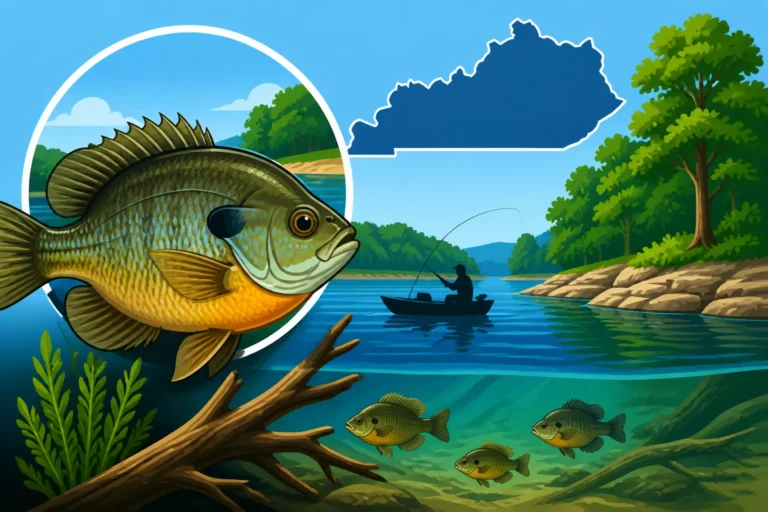
Bluegill and other sunfish, like redear and green sunfish, are ubiquitous throughout the lake and provide excellent action for anglers of all ages. They are found in shallow, weedy areas, around docks, and along rocky banks. A simple cane pole or ultralight spinning rod with a bobber, a small hook, and a piece of worm, crickets, or mealworms is all you need for endless fun. They’re fantastic for introducing kids to fishing, as they bite readily and put up a surprising fight for their size. Look for their spawning beds in late spring and early summer, typically shallow, dish-shaped depressions in gravelly areas, and you can catch them one after another. If you're looking for Best Bream Fishing Coves on Lake Cumberland, Kentucky, you'll find plenty of opportunities.
Catfish: Targeting Channel, Blue, and Flathead
For those who enjoy the powerful tug of a big cat, Lake Cumberland offers excellent catfish opportunities, with channel, blue, and flathead catfish all calling its waters home. Channel catfish are the most widespread and can be found almost anywhere in the lake, from shallow coves to deep channels. They readily take a variety of baits, including cut bait, stink baits, chicken livers, and nightcrawlers, fished on the bottom with a Carolina rig. They provide consistent action and are superb eating.
Blue catfish are the lake’s bruisers, capable of reaching truly impressive sizes. These giants prefer deeper, open water areas, often congregating in main lake channels, river bends, and around humps. They are primarily scavengers and piscivores, meaning cut bait (shad, herring, or skipjack) is often the most effective offering. Heavy conventional tackle is essential for tangling with these powerful fish. Flathead catfish, the ambush predators, prefer live bait and often relate to heavy cover like submerged timber and rock piles in creek channels or river bends. A live bluegill or shad fished near structure on a heavy-duty rod and reel can entice a trophy flathead. Night fishing is particularly effective for all three species, especially during the warmer months when they are most active.
Essential Gear and Techniques for Lake Cumberland
Navigating and fishing a massive body of water like Lake Cumberland successfully requires more than just a fishing license and a prayer. Having the right gear and understanding effective techniques for its varied conditions and species can make all the difference between a frustrating outing and a truly memorable one. Think of it as preparing for a marathon, not a sprint – the right tools give you the endurance and efficiency you need.
Recommended Rods, Reels, and Line for Each Species
When it comes to bass fishing, a versatile setup is key. For largemouth, a medium-heavy to heavy power casting rod (6'6" to 7'6") paired with a baitcasting reel spooled with 15-20 lb fluorocarbon or 30-50 lb braided line is ideal for throwing jigs, crankbaits, and Texas rigs. For smallmouth and spotted bass, especially when using finesse techniques, a 6'6" to 7' medium-light to medium power spinning rod with a fast action, paired with a 2500-3000 series spinning reel, spooled with 8-12 lb fluorocarbon or braided line with a fluorocarbon leader, is perfect.
For trout fishing, a lighter touch is necessary. An ultralight to light power spinning rod (5'6" to 7') with a sensitive tip is crucial for detecting subtle bites. Pair it with a small spinning reel (1000-2000 series) spooled with 4-6 lb monofilament or fluorocarbon. If you're trolling deep, a medium-light rod with a line counter reel and heavier braided line might be preferred, again with a fluorocarbon leader.
Walleye and saugeye often require a sensitive, medium-light to medium power spinning rod (6'6" to 7'6") for jigging, or a medium power casting rod for trolling crankbaits. Spool spinning reels with 6-10 lb braided line and a fluorocarbon leader for maximum sensitivity. For trolling, specialized trolling rods with line counter reels are often preferred, loaded with monofilament or braided line depending on depth and presentation.
For crappie and panfish, an ultralight or light action spinning rod (5' to 7') with a small 500-1000 series reel and 4-6 lb monofilament line is perfect. For catfish, particularly the larger blue and flathead, you'll need heavy-duty gear. A medium-heavy to heavy power casting rod (7' to 10') with a robust baitcasting or conventional reel capable of holding 20-50 lb monofilament or 50-80 lb braided line is essential. Remember, matching your line to your target species and presentation is just as important as the rod and reel itself.
Effective Baits and Lures for Lake Cumberland
The sheer variety of fish in Lake Cumberland means you'll need a diverse tackle box. For bass, carry a range of options: soft plastics like worms, creature baits, and swimbaits (Texas rigs, Carolina rigs, drop shots); crankbaits (square bills, deep divers); spinnerbaits; jigs (flipping, football); and topwater lures (poppers, walking baits) for early mornings. Match colors to water clarity and forage, often shad or crawfish patterns.
Trout respond well to live baits like minnows and nightcrawlers, as well as prepared baits like PowerBait and corn. Artificials such as small inline spinners (Rooster Tail, Panther Martin), spoons (Kastmaster, Little Cleo), and tiny crankbaits are also very effective.
For walleye and saugeye, deep-diving crankbaits in shad or crawfish patterns are a go-to for trolling. Jigging spoons, blade baits, and bucktail jigs tipped with minnows are excellent for vertical presentations. Live minnows and nightcrawlers on a Lindy rig or jig head are also highly productive.
Crappie can be caught on live minnows under a bobber or on small jigs (tube jigs, Bobby Garland minnows) in chartreuse, white, or black/chartreuse. Panfish love small worms, crickets, mealworms, and tiny jigs or flies.
Finally, for catfish, cut bait (shad, skipjack), chicken livers, stink baits, and nightcrawlers are excellent choices for channel cats. Live bait (bluegill, shad) is often preferred for flatheads, while cut bait and large prepared baits work wonders for blue cats. The diversity of forage, from shad to alewives, means that imitating the local food source is usually a winning strategy.
Boating and Electronics for Navigating Big Water
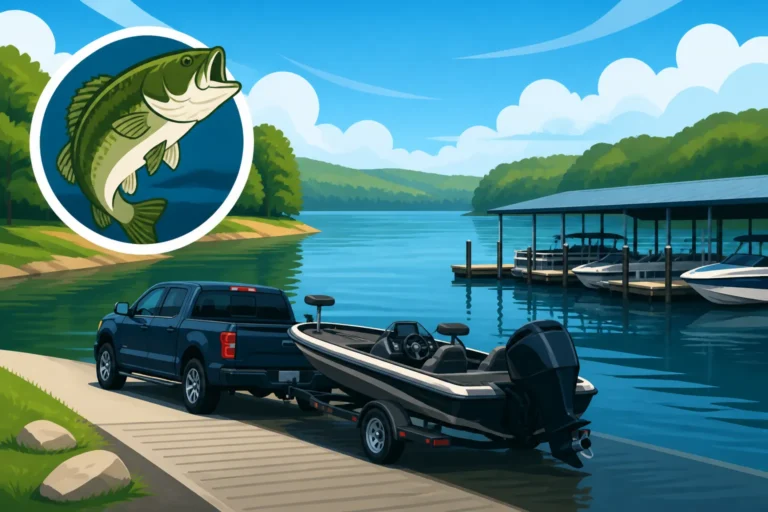
Lake Cumberland is a vast body of water, and having the right boat and electronics can significantly enhance your fishing success and safety. A sturdy bass boat, a versatile multi-species boat, or even a well-equipped pontoon can provide an excellent platform for fishing. However, even a robust fishing kayak can provide access to secluded coves and excellent fishing, though navigating the main lake can be challenging in windy conditions. For bigger water like Lake Cumberland, always prioritize safety equipment like life jackets, distress signals, and a good anchor. You can find out more about Lake Cumberland Boat Ramps and Access Points in Kentucky for safe launching.
Modern marine electronics are practically a necessity on Lake Cumberland. A reliable GPS unit will help you navigate the lake's countless coves and identify your position relative to key fishing spots. More importantly, a high-quality fish finder with down imaging, side imaging, and traditional 2D sonar is invaluable. This technology allows you to locate submerged timber, rock piles, ledges, and baitfish schools, as well as marking individual fish. Knowing where the thermocline is can also be crucial for targeting trout and walleye. Many anglers also utilize a powerful, foot-controlled trolling motor, often equipped with GPS spot-lock technology, to precisely position their boat over structure or against wind and current, allowing for more accurate presentations and less time spent maneuvering. Investing in good electronics is truly an investment in better fishing on Lake Cumberland.
Planning Your Lake Cumberland Fishing Adventure
A successful fishing trip to Lake Cumberland isn't just about having the right gear; it's about smart planning. From understanding the local regulations to knowing where to launch your boat and even considering a professional guide, a little foresight goes a long way. Lake Cumberland is an immense resource, and approaching it with a well-thought-out plan will ensure you maximize your time on the water and create lasting memories.
Kentucky Fishing License and Trout Permit Requirements
Before you even think about casting a line in Lake Cumberland, you need to make sure you're legally prepared. Everyone aged 16 and older needs a valid Kentucky fishing license. These licenses typically run from March 1st to the last day of February each year, so make sure yours is current. You can easily purchase your license online through the KDFWR website, at most bait and tackle shops, or at county clerk offices across the state. It's often convenient to buy it online so you have an immediate digital copy on your phone, though carrying a printed version is always a good idea. For a full breakdown, check out the Kentucky Fishing License Guide.
Additionally, if you plan to target trout in Lake Cumberland, which is a major draw, you will also need to purchase a Kentucky Trout Permit, sometimes called a trout stamp. This is an add-on to your standard fishing license and is required for anyone fishing in designated trout waters, including Lake Cumberland. The cost is usually quite modest, but failing to have one can result in fines. Make sure you understand the Kentucky Trout Permit Guide and ensure you have both your general fishing license and the trout permit if you're hoping to catch some of those beautiful rainbows or browns. It’s always best to be prepared and avoid any unnecessary hassles with the game wardens.
Access Points, Marinas, and Accommodations
Lake Cumberland is dotted with numerous marinas and public access points, making it relatively easy to get your boat in the water or find a spot for bank fishing. Some of the most popular marinas include Wolf Creek Marina, Jamestown Marina, State Dock, Grider Hill Marina, and Lee's Ford Marina. These facilities often offer bait and tackle shops, fuel, boat rentals, and even lodging options like cabins or houseboat rentals. Many also have excellent restaurants where you can grab a meal after a long day on the water. Researching the specific amenities of each marina can help you choose the best base for your trip.
For accommodation, you’ll find everything from rustic campsites in the Daniel Boone National Forest along its shores, to full-service resorts and charming Airbnb rentals in nearby towns like Jamestown, Russell Springs, and Somerset. Staying near the lake allows for early morning starts and late evening finishes, maximizing your fishing time. For anglers who prefer to stay on the water, houseboat rentals are a popular option, offering comfortable lodging and direct access to prime fishing grounds. There are also numerous state parks in the vicinity, like Lake Cumberland State Resort Park, which provide fantastic amenities and further access.
Hiring a Local Guide for a Productive Trip
For those who are new to Lake Cumberland, or who want to maximize their chances of success, especially when targeting specific species, hiring a local fishing guide is an investment that often pays dividends. A good guide knows the lake intimately – its ever-changing conditions, the seasonal movements of different fish species, and where the current hotspots are. They can teach you local techniques, help you understand the lake’s structure, and often put you on fish much faster than you could on your own. They usually provide all the necessary gear and bait, too, making it a hassle-free experience.
Many guides specialize in particular species, such as trophy striped bass, deep-water walleye, or various bass species. This expertise can be invaluable. A professional guide can also teach you about Kentucky Fishing Regulations Explained for the specific species you’re targeting, ensuring you stay within the legal limits. When booking a guide, do your research, read reviews, and communicate your expectations clearly. Platforms like FishingBooker are excellent resources for finding reputable, experienced Lake Cumberland guides who can tailor a trip to your preferences, whether you're looking for a family outing or a serious hunt for a personal best. They can often provide insights into the best times to visit and what to expect from the current bite.
Lake Cumberland Fishing Snapshot
To help you quickly visualize the diverse opportunities at Lake Cumberland, here’s a snapshot of what you can expect from some of its most popular species:
| Fish Species | Best Season(s) | Primary Habitat/Location | Common Baits/Lures | Notes |
|---|---|---|---|---|
| Rainbow Trout | Fall, Winter, Spring | Deep, cold water near dam, main lake | PowerBait, minnows, spoons, small spinners | Requires a Trout Permit. Consistent stocking. |
| Brown Trout | Fall, Winter, Spring | Deep, cold water near dam, main lake | Minnows, small crankbaits, spoons | Less common but grow to trophy sizes. |
| Largemouth Bass | Spring, Fall | Coves, creek arms, shallow cover | Jigs, crankbaits, soft plastics, topwater | Thrives in timber & brush. |
| Smallmouth Bass | Spring, Fall, Summer | Main lake points, bluff walls, humps | Drop shots, tubes, jigs, topwater | Fights hard. Prefers clear, rocky water. |
| Spotted Bass | Year-round | Main lake points, creek channels | Small crankbaits, spinnerbaits, shaky heads | Aggressive, often school in open water. |
| Walleye/Saugeye | Spring, Fall, Night (Summer) | Deep humps, ledges, main lake channels | Deep crankbaits, jigs, minnows, nightcrawlers | Elusive but prized for taste. Low-light feeders. |
| Crappie | Spring, Fall | Brush piles, docks, standing timber | Minnows, small jigs | Excellent table fare. Good for family trips. |
| Bluegill | Spring, Summer | Shallow coves, docks, weed lines | Worms, crickets, tiny jigs | Abundant. Great for kids & beginners. |
| Channel Catfish | Year-round, Summer (night) | Anywhere, shallow to deep | Stink bait, chicken livers, cut bait | Widespread and good eating. |
| Blue Catfish | Year-round, Summer (night) | Deep channels, river bends | Cut bait (shad, skipjack) | Can reach trophy sizes. Heavy tackle needed. |
| Flathead Catfish | Summer (night) | Heavy cover, submerged timber | Live bait (bluegill, shad) | Ambush predators. Patience required. |
Disclaimer
The information provided in this guide is for general informational purposes only and is subject to change. Fishing regulations, license requirements, and fish stocking schedules are determined by the Kentucky Department of Fish and Wildlife Resources and can be updated annually or seasonally. Always consult the official KDFWR website or their current fishing guide before planning your trip to ensure you have the most accurate and up-to-date information. Adherence to all local, state, and federal regulations is the angler's sole responsibility. We are not responsible for any changes in regulations or conditions.