Smallmouth Bass Fishing in Kentucky: The Complete Guide
Ah, the smallmouth bass – the bronzeback! If you've ever tangled with one of these feisty fighters, you know the thrill. But if you're like many anglers in Kentucky, you might find yourself scratching your head, wondering where these elusive beauties hide and what it really takes to bring one to the net. It's a common frustration, especially when they seem to vanish into thin air. This comprehensive guide is here to unravel the mystery, giving you all the knowledge, techniques, and insider tips you need to confidently target and catch smallmouth bass across Kentucky's diverse waters.
Understanding Kentucky's Smallmouth Bass
Smallmouth bass are truly special, and they present a unique challenge and reward for anglers. They're not just any bass; they're known for their powerful fights and preference for clear, flowing water. Getting to know them means understanding their biology, their preferred hangouts, and what makes their bellies rumble.
Identifying Smallmouth Bass in Kentucky Waters
First things first, let's talk about telling a smallmouth apart from its cousins. It's not always as straightforward as it sounds, especially when you're caught up in the excitement of a bending rod! In Kentucky, you'll encounter largemouth bass, spotted bass, and, of course, the smallmouth. Each has distinct characteristics, and knowing them is key to understanding their behavior and adhering to specific regulations that might apply to each species in different waters.
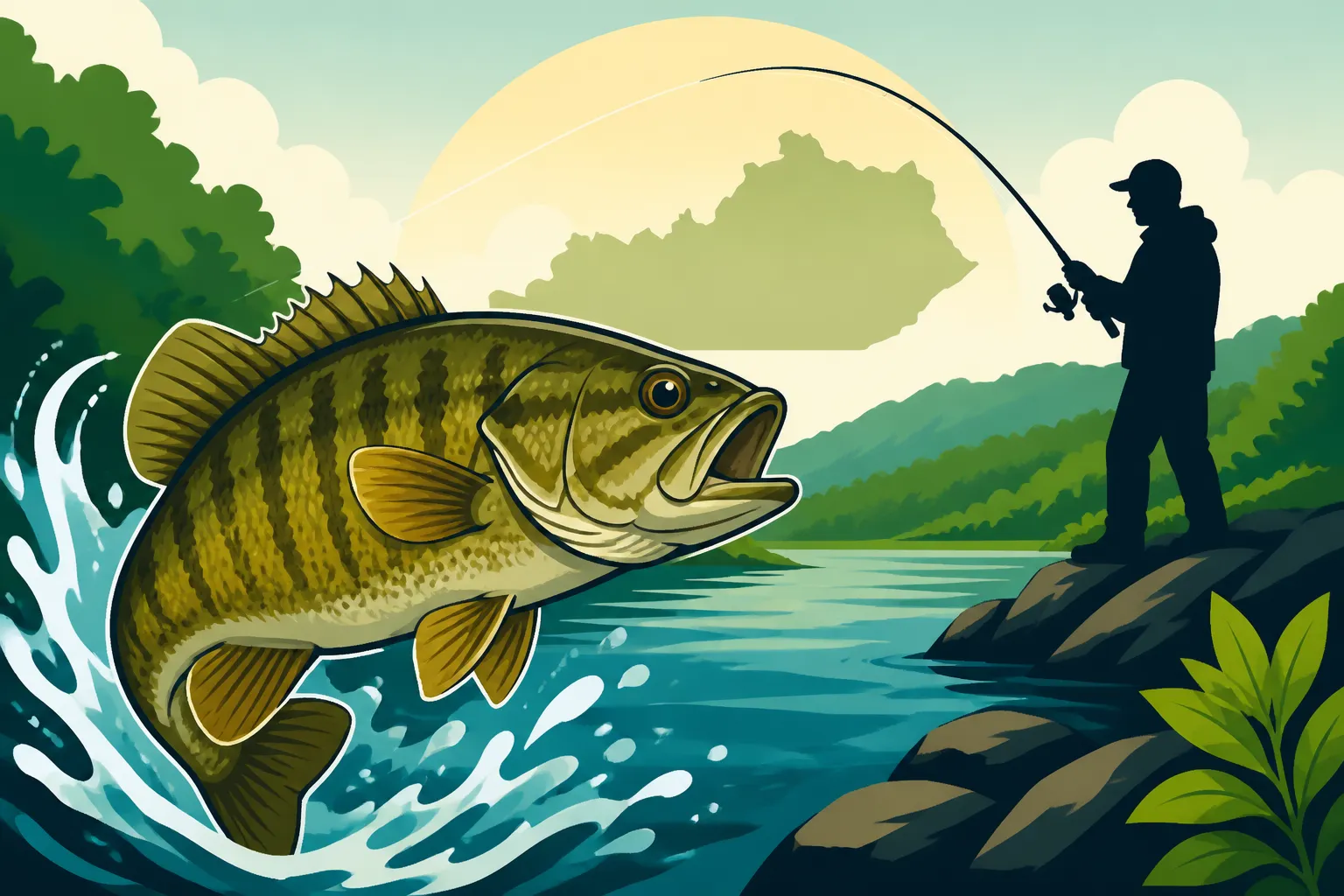
The smallmouth bass, Micropterus dolomieu, usually has a more streamlined, torpedo-shaped body compared to the chunkier largemouth. Its coloration typically ranges from bronze to dark brown, often with vertical bars or blotches along its sides, which can sometimes look like tiger stripes. The most distinguishing feature, and how it gets its "smallmouth" moniker, is that when its mouth is closed, the upper jaw (maxilla) does not extend beyond the back of the eye. This is a critical difference from the largemouth, whose jaw extends noticeably past the eye. Spotted bass, sometimes called Kentucky bass, can be trickier, as they also have a smaller jaw, but they usually have a distinct horizontal row of spots along their belly and a rough patch of teeth on their tongue – features absent in the smallmouth. The dorsal fin on a smallmouth is also generally continuous, without the deep notch often seen in largemouth. When you hook one, you'll know it by its fighting style: aerial acrobatics and deep, powerful runs are hallmarks of the smallmouth. For a deeper dive, check out How to Identify a Smallmouth Bass by Its Markings.
Habitat Preferences of Kentucky Smallmouth
Once you know what you're looking for, the next step is knowing where to find them. Smallmouth bass are particular about their homes. Unlike largemouth bass that love weedy flats, lily pads, and murky backwaters, smallmouth crave cooler, clearer water, especially where there's current. They are true fans of rocky environments. Think about it: fast-flowing rivers with gravel beds, boulder-strewn stretches, and deep pockets. In lakes, they'll gravitate towards rocky points, humps, ledges, submerged timber, and deep, clear main lake areas with plenty of rock structure. They're often found around current breaks, like eddies behind large boulders or points where the water swirls. This preference for rocky, oxygen-rich environments is why you'll often find them in tailwaters below dams or in highland reservoirs with a lot of natural rock.
Consider the Cumberland River below Lake Cumberland, for example. This is prime smallmouth territory, with its consistent cold water releases and abundant rock and current. You won't find many smallmouth hiding in a shallow, muddy pond. They seek out areas with good water flow, plenty of ambush points among rocks, and a clean substrate for their food sources. Understanding this habitat preference is crucial because it immediately narrows down where you should focus your efforts. If you're fishing a lake, ignore the shallow, weedy coves if smallmouth are your target; instead, head to the main lake points and steeper, rocky banks.
The Smallmouth Bass Diet: What They Eat and Why
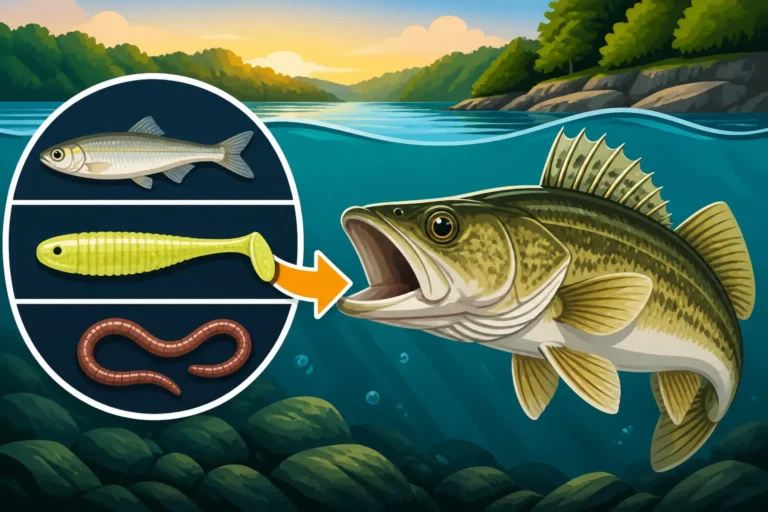
Knowing what's on the menu for a smallmouth bass is like having a secret weapon in your tackle box. These opportunistic feeders have a varied diet, but there are definite favorites. Their primary food source often consists of crayfish – those little freshwater lobsters are like candy to a smallmouth! If you flip over a rock in a smallmouth stream, chances are you'll find crayfish scurrying, and so will the bass. Minnows, shiners, darters, and other small forage fish are also high on their list. Beyond that, they'll gobble up insects, hellgrammites (the larval form of dobsonflies), and even small frogs or salamanders if the opportunity arises.
Their diet is heavily influenced by their environment. In a rocky river, crayfish and hellgrammites will be dominant. In a clear lake, they might key in on schools of baitfish, or patiently wait for a juicy crayfish to emerge from a rock crevice. Matching the hatch, or in this case, matching the forage, is incredibly effective. If you know there's a strong crayfish population, a lure that mimics a crayfish, whether a jig-and-trailer combo or a crankbait, will often be irresistible. Observing the natural environment and perhaps even looking in the stomach of a kept fish (if regulations allow) can provide invaluable clues. This understanding helps you select not just the type of lure, but also its size and color, making your presentation much more effective.
Top Kentucky Waters for Smallmouth Bass
Kentucky is blessed with incredible fishing opportunities, and for smallmouth fanatics, there are some truly legendary spots. Knowing where to go is half the battle, and some waters just consistently produce those bronze beauties.
Premier Rivers: The Cumberland and Beyond
When we talk about river smallmouth in Kentucky, the Cumberland River, particularly below Lake Cumberland, almost immediately springs to mind. This stretch of water is nationally renowned for its trophy smallmouth fishery. The cold, oxygenated water discharged from the dam provides ideal conditions, and the river bottom is a mosaic of rock, gravel, and submerged timber – absolutely perfect smallmouth habitat. Anglers here often target powerful fish that have grown large on abundant forage. Floating this river in a drift boat or kayak, casting to current seams, eddies, and rock piles, is an unforgettable experience.
But don't limit yourself to just the big name! Kentucky has a network of smaller rivers and larger creeks that offer fantastic, albeit sometimes more challenging, smallmouth fishing. Rivers like the Green River, the Kentucky River, and even tributaries of the Ohio River can hold respectable populations of smallmouth. These smaller waters often require a more stealthy approach, perhaps wading or using a canoe or smaller kayak. Look for areas with a good gradient, plenty of rock structure, and clear water. Even some of the larger creeks that feed into big reservoirs can provide incredible smallmouth action, especially during specific times of the year. The key is finding those stretches that resemble a true smallmouth stream: clean, cool, and rocky with good flow.
Lake Hotspots for Kentucky Smallmouth
While river smallmouth have a certain allure, Kentucky's lakes also offer phenomenal opportunities for these hard-fighting fish. Dale Hollow Lake, straddling the Kentucky-Tennessee border, is perhaps the most famous smallmouth lake in the region, and the Kentucky side certainly holds its own. Known for its incredibly clear water, deep rock formations, and abundant baitfish, Dale Hollow is a bucket-list destination for many smallmouth anglers seeking truly massive fish. Here, smallmouth often relate to deep structure like humps, points, and bluff walls, requiring different tactics than river fishing.
Lake Cumberland, famous for its striper and trout fishing, also boasts a very healthy smallmouth population, especially in its upper reaches and around its many rocky points and deep cwater areas. The lake's vast size and diverse structure mean there's always a new spot to explore. Other deep, clear, rocky reservoirs can also surprise you with their smallmouth potential. Think about lakes with significant amounts of natural rock, deep channels, and clear water visibility. The smallmouth in these lake environments often grow larger due to a stable food supply and less current to fight, but they can be incredibly challenging to locate and entice, often requiring precise depth control and presentation. For more on a specific hotspot, check out Dale Hollow Lake's Best Smallmouth Bass Spots.
Hidden Gems and Lesser-Known Smallmouth Fisheries
Beyond the well-known trophy waters, Kentucky is full of smaller, often overlooked rivers, creeks, and highland reservoirs that hold respectable populations of smallmouth bass. These hidden gems can offer a more intimate and less crowded fishing experience. Imagine exploring a winding creek, wading through pristine waters, and discovering untouched pools where smallmouth are eager to bite. These spots might not produce state-record fish, but they offer consistent action and the pure joy of discovery.
To find these places, study topographical maps, look for areas with good flow and rocky bottoms, and don't be afraid to try smaller, unheralded waterways. Sometimes, a creek that seems insignificant on a map can hold a fantastic population of smallmouth, especially if it flows through a relatively undeveloped area. Local bait shops are often an excellent source of information for these types of spots, as are online fishing forums where local anglers share tips (sometimes very guardedly!). Remember to always respect private property and check local regulations, as rules can vary even between neighboring waterways. The beauty of these hidden gems is that they challenge you to think like a smallmouth, to understand the subtle cues of the environment, and to ultimately feel the immense satisfaction of earning your catch through thoughtful exploration.
Essential Gear and Tackle for Smallmouth Success
Having the right tools for the job can make a world of difference when you're chasing smallmouth. These fish are notorious for their strong fights and sometimes subtle bites, so your gear needs to be up to the task.
Rods, Reels, and Line Selection
For smallmouth bass, particularly in the clear waters they prefer, sensitivity and casting accuracy are paramount. Most experienced smallmouth anglers opt for a medium-light to medium power spinning rod, typically in the 6'6" to 7'6" range, with a fast or extra-fast action. This combination provides enough backbone to fight powerful fish, while the sensitive tip detects the slightest tap and allows for precise casting of lighter lures. A fast action means the rod bends mostly in the tip section, which helps with quick hooksets and feeling those nuanced bites.
Pair that rod with a quality spinning reel in the 2000-3000 size range. Look for smooth drag, as a smallmouth's initial run can be explosive, and a good gear ratio for quick line retrieval. Line choice is critical too. Many anglers prefer 6-10 lb fluorocarbon line because of its near invisibility in clear water, low stretch for sensitivity, and excellent abrasion resistance against rocks. Alternatively, a high-quality monofilament line of similar strength can work, especially for topwater presentations where its buoyancy is an advantage. Some anglers might use a braided mainline with a fluorocarbon leader for maximum sensitivity and casting distance, especially when throwing lighter baits. You can find a fantastic selection of these setups on Amazon if you're looking to upgrade your arsenal. To dive deeper into overall gear, check out Best Rods and Reels for Kentucky Fishing.
Lures and Baits That Smallmouth Can't Resist
This is where the fun really begins! Smallmouth bass are aggressive predators, and they respond well to a variety of presentations. Knowing what to throw and when can transform a slow day into a memorable one.
-
Soft Plastics: These are arguably the most versatile and effective for smallmouth.
- Tube Baits: These hollow, cylindrical soft plastics, often rigged with an internal jig head, perfectly imitate crayfish and small baitfish. Dragged along the bottom or jigged through current, they are absolutely deadly.
- Grubs/Swim Baits: Single-tail or paddle-tail grubs fished on a light jig head can mimic small baitfish. Swimbaits, especially those with realistic profiles, are excellent for covering water and triggering reaction strikes.
- Finesse Worms/Senkos: Wacky rigged or Texas rigged, these can be incredibly effective in clear, pressured waters, offering a subtle, natural presentation.
- Creature Baits: Imitating crayfish or other critters, these are great for working heavy cover.
-
Hard Baits:
- Crankbaits: Smaller, rocky-bottom-digging crankbaits in crayfish patterns or natural baitfish colors are fantastic for covering water in both rivers and lakes.
- Jerkbaits: Suspended jerkbaits, especially those with erratic, darting actions, are irresistible to smallmouth, particularly in cooler water when paused.
- Topwater Lures: Poppers, walk-the-dog baits, and prop baits can be explosive in low-light conditions or when smallmouth are actively feeding on the surface.
-
Live Bait: Don't overlook the effectiveness of live bait, especially when the bite is tough. Live crayfish, shiners, or even large minnows can be incredibly productive, especially when fished on a simple bottom rig or under a float.
Color choices are also crucial. Natural colors like greens, browns, and watermelon are excellent for clear water. White, silver, and chartreuse can work well in stained water or for aggressive fish. Always have a variety, because what works one day might not the next! For a closer look at effective lures, try Best Lures for Smallmouth Bass in Kentucky Rivers.
Essential Accessories and Apparel
Beyond the rod, reel, and lures, a few key accessories and the right apparel can significantly enhance your smallmouth fishing experience, especially when you're out on the water for long periods or in challenging environments.
First, polarized sunglasses are non-negotiable. They cut glare, allowing you to see into the water, spot submerged rocks, logs, and even cruising smallmouth that you'd otherwise miss. This is particularly vital in clear smallmouth waters where visual hunting is a legitimate strategy. Next, consider your footwear. If you're wading rivers, a good pair of wading boots with felt or studded soles provides crucial grip on slippery rocks, preventing falls and ensuring your safety. Even for bank or boat fishing, comfortable, water-resistant shoes are a must.
Tackle management is also key. Small, organized tackle boxes or soft-sided bags are excellent for keeping your lures accessible and protected. A fishing vest or a compact backpack is perfect for river anglers, allowing you to carry essentials without bulk. Don't forget a pair of pliers or forceps for hook removal, especially with those sharp trebles on crankbaits. A small landing net with rubberized mesh is highly recommended to protect the fish's slime coat if you plan on catch and release.
Finally, think about seasonal clothing. Lightweight, breathable, sun-protective clothing is essential for summer days. In cooler weather, layers are your friend – a moisture-wicking base layer, insulating mid-layers, and a waterproof outer shell will keep you comfortable. A wide-brimmed hat or a baseball cap also provides protection from the sun. Investing in quality gear, perhaps even from a trusted retailer like Amazon, ensures you're prepared for whatever Kentucky's smallmouth waters throw at you.
Mastering Smallmouth Fishing Techniques
Smallmouth bass fishing isn't just about showing up with a rod and reel; it's an art form that requires understanding the fish, its environment, and adjusting your approach. Whether you're in a rushing river or a deep lake, different tactics will unlock success.
River Fishing Strategies for Current and Structure
River smallmouth are often considered the purest form of the species – lean, mean, and incredibly strong due to constantly fighting current. Fishing for them in rivers demands a strategic approach centered around reading the water and presenting your bait effectively in flowing water.
Reading the Water: The current is your map. Look for "current breaks" – areas where the flow slows down. This includes eddies behind large boulders, fallen trees, bridge pilings, or points where the river bends. Smallmouth will position themselves just out of the main current, in these calmer seams, waiting to ambush prey that gets swept by. Also, pay attention to riffles and runs where oxygen levels are high, and the bottom is rocky or gravelly. Deeper pools downstream from rapids can also hold larger fish.
Presentation is Key: When casting, often casting slightly upstream and allowing your bait to drift naturally downstream with the current is most effective. This "drift fishing" mimics a natural food source being carried by the water. For jigs and soft plastics, maintain a tight line to feel strikes as your bait tumbles along the bottom. Use just enough weight to keep contact with the bottom without getting constantly snagged. When wading, approach slowly and cautiously to avoid spooking fish. Work upstream to keep your presence from washing downstream ahead of you. Vary your retrieve speed and depth until you find what the fish are reacting to. On the Cumberland River, for instance, a tube jig drifted through the current can be absolutely deadly.
Lake Fishing Tactics for Deep Water and Rock Piles
Lake smallmouth can present a different challenge than their riverine cousins. They often relate to deep structure in clear water, and finding them can require a more systematic approach, sometimes with the aid of modern electronics.
Targeting Structure: In lakes like Dale Hollow or Lake Cumberland, smallmouth will patrol rocky points, humps (underwater hills), ledges, and bluff walls. These areas offer both food and protection. Start by identifying these key structures on your sonar or mapping unit. Smallmouth will often school up in these areas, making them incredibly productive if you can find them. Deep, clear lakes often mean the fish might be suspended over deep water, or holding tight to bottom structure in 20-40 feet or more.
Effective Techniques:
- Drop-shotting: This finesse technique is perfect for deep, clear water. A weight is tied to the end of the line, and the hook is tied directly to the main line a foot or two above the weight. This suspends your soft plastic bait (often a small worm or minnow imitation) at a precise depth, allowing you to quiver it enticingly without moving the weight from the bottom.
- Jigging Spoons: These heavy metal lures are fantastic for vertical jigging over deep structure. Drop them down to the fish you see on your sonar and sharply snap them up, letting them flutter back down.
- Carolina Rig: For covering bottom more quickly, a Carolina rig with a long leader and a plastic lizard or creature bait can be effective when dragged over points and flats.
- Slow Rolling Crankbaits: Deep-diving crankbaits that slowly "crawl" over rocky bottom can trigger aggressive bites, especially when they deflect off structure.
Using fish finders and GPS units is invaluable on large lakes. Mark waypoints when you catch a fish or find productive structure. This allows you to return to productive spots and build a pattern. Fish Finders and Electronics for Kentucky Lake Fishing is a good resource for understanding these tools.
Seasonal Adjustments for Smallmouth Behavior
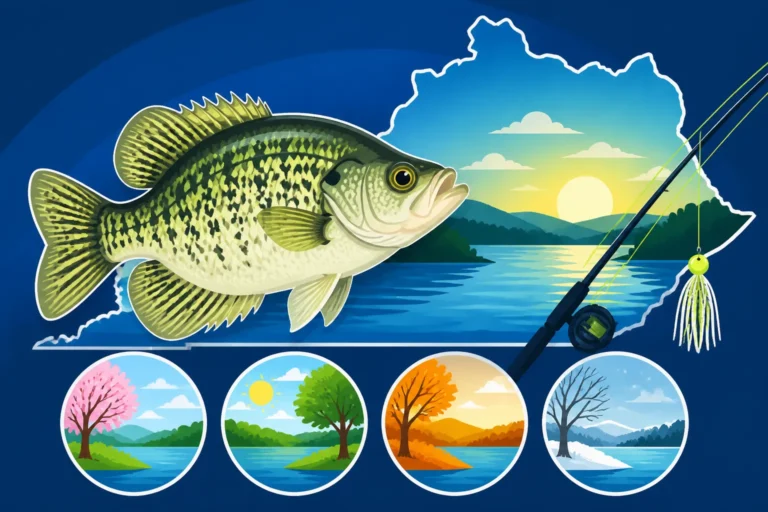
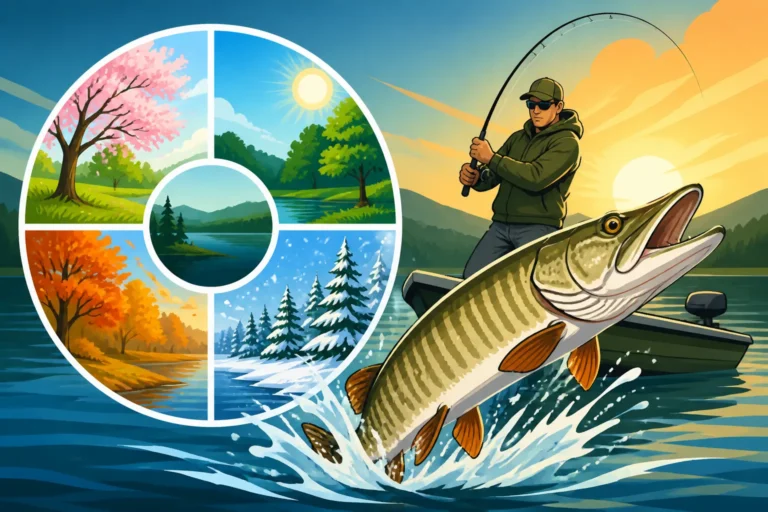
Smallmouth bass, like most fish, are highly influenced by water temperature and the changing seasons. What works in spring won't necessarily work in winter. Being able to adapt your approach to their seasonal movements and feeding patterns is critical for consistent success.
-
Spring (Pre-spawn, Spawn, Post-spawn): This is often considered prime time. As water temperatures rise into the 40s and 50s Fahrenheit, smallmouth begin to move from their deeper wintering holes towards shallower spawning areas. They'll be feeding aggressively in the pre-spawn, staging on points and secondary breaks. Once the water hits the mid-50s to low-60s, they move onto gravel beds or rocky flats to spawn. Post-spawn, they might be a bit lethargic, recuperating before moving back to deeper water. During pre-spawn, crankbaits, jerkbaits, and jigs are excellent. During the spawn, sight fishing with tubes or finesse worms can be productive, but it's often best to leave spawning fish undisturbed for conservation. After the spawn, topwaters and soft plastics become more effective. Kentucky Bass Fishing: The April-May Peak Season offers more seasonal insights.
-
Summer: With water temperatures peaking, smallmouth often move to deeper, cooler water. They'll relate to deep structure like humps, submerged islands, and bluff walls, especially during the heat of the day. Early mornings and late evenings might find them shallower, chasing baitfish on points. Techniques like drop-shotting, vertical jigging, and fishing deep crankbaits are effective. Night fishing can also be productive, especially for larger fish.
-
Fall: As water temperatures begin to drop, smallmouth enter a major feeding frenzy, bulking up for winter. They'll move shallower again, chasing baitfish aggressively. This is a fantastic time for crankbaits, jerkbaits, spinnerbaits, and topwater lures. Focus on main lake points, channel swings, and areas where baitfish are congregating.
-
Winter: Smallmouth become more lethargic in cold water, often retreating to the deepest holes and slowest currents in rivers, or deep main lake basins in lakes. Their metabolism slows, and they feed less frequently. Finesse techniques, like slow-fished jigs, blade baits, or suspending jerkbaits with very long pauses, are often most effective. The bite can be subtle, so sensitivity in your gear is paramount.
By understanding these seasonal shifts, you can predict where the smallmouth will be and what they'll be willing to bite, significantly increasing your chances of success.
Smallmouth Bass Regulations and Conservation
As anglers, we have a responsibility to not only enjoy the resource but also to protect it for future generations. Understanding and adhering to Kentucky's fishing regulations is not just about avoiding penalties; it's a vital part of conservation.
Kentucky's Statewide and Lake-Specific Rules
Kentucky has a comprehensive set of fishing regulations designed to manage its diverse fisheries. For smallmouth bass, there are statewide size and creel (daily possession) limits that apply to most public waters. Generally, you'll find a minimum size limit, meaning any smallmouth you catch below a certain length must be immediately released. There's also a daily creel limit, dictating how many smallmouth you can keep in a 24-hour period. These limits are in place to ensure enough fish survive to reproduce and maintain healthy populations. You can find general information on Statewide Bag and Size Limits by Fish Species.
However, and this is crucial, many major lakes and river sections in Kentucky have site-specific regulations that supersede the statewide rules. For example, Dale Hollow Lake, a premier smallmouth fishery, has unique size and creel limits for smallmouth bass, often more restrictive, to protect its trophy potential. The Cumberland River below the dam might also have special rules, particularly regarding how many fish you can keep and their size. It's imperative that before every fishing trip, you consult the current Kentucky Fishing & Boating Guide or the Kentucky Department of Fish and Wildlife Resources (KDFWR) website. Ignorance of the law is not an excuse, and game wardens do regularly check for compliance. Keeping abreast of these rules is your responsibility as an angler. More general information can be found in Kentucky Fishing Regulations Explained.
Catch and Release Best Practices
Many smallmouth anglers, especially those targeting larger fish or in waters with restrictive limits, practice catch and release. This isn't just a trend; it's a vital conservation practice that helps sustain fish populations, particularly for species like smallmouth bass that can take several years to reach trophy size. But simply letting a fish go isn't enough; doing it correctly minimizes stress and maximizes the fish's survival chances.
Here are some best practices:
- Minimize Handling Time: The less time a fish is out of water, the better. Have your camera ready if you want a photo, but make it quick.
- Wet Your Hands: Always wet your hands before touching a fish. Dry hands can remove the fish's protective slime coat, making it vulnerable to disease.
- Support the Fish: If you're holding a fish horizontally for a photo, support its belly. Never hold a large bass solely by the jaw, as this can damage its jaw and spine, especially for heavier fish.
- Use a Net: A rubberized landing net is excellent for controlling a lively fish quickly and safely in the water, reducing handling time and preventing scrapes.
- Quick Hook Removal: Use pliers, forceps, or a hook remover to quickly extract the hook. If a fish is deeply hooked and removal would cause significant damage, it's sometimes better to cut the line as close to the hook as possible.
- Revive the Fish: If the fish seems stressed, gently hold it in the water, facing into the current (if in a river) or moving it back and forth (if in still water) to pass oxygen over its gills. Release it only when it can swim away strongly on its own.
- Consider Barbless Hooks: Crushing the barb on your hooks makes removal much easier and less damaging to the fish.
Practicing these techniques ensures that the smallmouth you release has the best chance of survival, living to fight another day and perhaps grow even larger.
Protecting Kentucky's Smallmouth Fishery
Beyond regulations and personal handling, broader conservation efforts are essential for the long-term health of Kentucky's smallmouth bass fisheries. Anglers play a crucial role in advocating for and participating in these efforts.
Habitat Preservation: Smallmouth thrive in clean, clear, rocky environments. Protecting these habitats from pollution, siltation, and destructive development is paramount. This includes advocating for responsible land use practices along riverbanks and shorelines, maintaining riparian buffers, and supporting initiatives that improve water quality. Erosion control, for example, prevents sediment from smothering gravel beds essential for spawning.
Angler Ethics: This encompasses everything from properly disposing of all trash, including old fishing line, to respecting private property rights and practicing ethical angling behavior. Leaving no trace, or even better, picking up litter you find, shows respect for the environment and for fellow outdoor enthusiasts. It also means educating newer anglers about these practices.
Supporting Conservation Organizations: Many local and national organizations are dedicated to protecting fisheries and waterways. Supporting them through membership, donations, or volunteering can make a significant difference. The KDFWR itself relies on license sales and other funds to manage and enhance fish populations. Understanding Kentucky Fishing License Guide is the first step in contributing to these efforts.
By embracing a conservation mindset, we ensure that the thrill of battling a Kentucky smallmouth bass remains a cherished experience for generations of anglers to come.
Planning Your Kentucky Smallmouth Adventure
So you're ready to hit the water and chase those bronzebacks? Great! A little planning goes a long way to ensure a safe, enjoyable, and successful trip. From timing your visit to deciding how you'll explore, these considerations will get you started.
Best Time of Year for Smallmouth Fishing
While you can technically catch smallmouth bass year-round in Kentucky, certain seasons offer more consistent action and better opportunities for trophy fish. Understanding these prime windows will help you schedule your adventure for maximum success.
Spring (March to May): This is arguably the most popular and productive time for smallmouth. As water temperatures climb after winter, smallmouth become highly active, moving out of deep wintering holes to feed aggressively in the pre-spawn period. They're looking to bulk up for the upcoming spawn. Jerkbaits, crankbaits, and jigs are excellent choices during this time. Once the water warms further (mid-50s to low-60s), they move onto spawning beds, usually rocky or gravelly areas in shallower water. Post-spawn can be a bit slower as they recover, but they quickly transition back to aggressive feeding.
Fall (September to November): Another fantastic season. As water temperatures begin to drop, smallmouth once again enter a "feeding frenzy" mode, gorging themselves in preparation for winter. They often move shallower and become very aggressive, chasing baitfish. This is a great time for reaction baits like spinnerbaits, crankbaits, and topwater lures. The cooler weather also makes for a more comfortable fishing experience.
Summer (June to August): Can be challenging but still productive. During the hottest months, smallmouth often retreat to deeper, cooler water during the day. Targeting them requires deep-water tactics like drop-shotting, jigging spoons, or fishing deep crankbaits on main lake points and humps. Early mornings, late evenings, and even night fishing can also yield good results when they move shallower to feed.
Winter (December to February): This is the toughest time, but big smallmouth can be caught by dedicated anglers. Fish are lethargic and often hold in deep, slow-moving water. Finesse presentations with very slow retrieves, like jigs or suspending jerkbaits with long pauses, are the most effective. Patience is key, and the bites can be incredibly subtle.
Access Points and Boating Considerations
How you plan to access the water is crucial for a smooth trip. Kentucky offers a variety of public access points, from large boat ramps on major lakes to smaller, more primitive access for river wading or kayak launches.
Major Lakes: Lakes like Dale Hollow, Lake Cumberland, or even the Kentucky side of Lake Barkley (though more known for largemouth, it has smallmouth too) have numerous well-maintained public boat ramps. These are suitable for everything from bass boats to pontoon boats. Always check ramp conditions, especially during low water periods. If you're bringing a boat, make sure it's properly registered in Kentucky or your home state. You can find information on general boating safety in Kentucky Boat Safety Certificate Requirements.
Rivers and Smaller Creeks: For rivers like the Cumberland or smaller creeks, access might involve more primitive boat launches suitable for canoes, kayaks, or smaller jon boats. Wading is also a popular option for many smallmouth streams, but always prioritize safety – wear a wading belt, bring a wading staff, and be aware of current strength and water levels. Some areas might require a short hike to reach prime fishing spots.
Kayak/Canoe Options: Kayak fishing is incredibly popular for smallmouth, especially in rivers and smaller lakes. It allows you to access areas larger boats can't, offering a quieter and often more productive experience. Ensure you have the right kayak for the water you'll be on – a stable, maneuverable kayak for rivers, and a capable, perhaps longer, kayak for lakes. Always wear a life jacket, especially in current. Read more about this in Best Fishing Kayaks for Kentucky Lakes and Rivers.
Regardless of your chosen method, always confirm public access points, parking availability, and any specific launch fees before you head out.
Hiring a Guide or Exploring Solo?
Deciding whether to hire a fishing guide or embark on a solo adventure (or with fishing buddies) is a common dilemma, and each approach has its distinct advantages.
Hiring a Guide: For many anglers, especially those new to a particular body of water or new to smallmouth fishing in general, hiring a professional guide can be an invaluable investment.
- Pros: Guides possess intimate knowledge of the local waters, including seasonal patterns, hot spots, and effective techniques. They provide all the necessary gear, expertise, and often the boat, saving you the hassle. It's a fantastic way to accelerate your learning curve and maximize your chances of catching fish. They can teach you how to read the water, identify structure, and present baits like a pro.
- Cons: Guides can be expensive, and a single day might not be enough to fully grasp all the nuances.
Exploring Solo: For many, the true joy of fishing lies in the challenge and satisfaction of figuring things out for themselves.
- Pros: It's often more budget-friendly and offers the immense satisfaction of discovery. You can fish at your own pace, explore new areas, and experiment with different techniques without pressure. It fosters a deeper connection with the environment and builds self-reliance.
- Cons: It can involve a steep learning curve, potentially leading to unproductive days as you try to locate fish and patterns. It requires more personal research, gear preparation, and navigating unknown waters.
Ultimately, the choice depends on your budget, experience level, and personal fishing philosophy. Many anglers opt for a hybrid approach: hiring a guide for an initial trip to gain foundational knowledge, then applying those lessons on subsequent solo trips. Whichever path you choose, the pursuit of Kentucky's smallmouth bass is an incredibly rewarding journey.
Disclaimer
This article is for general informational purposes only and does not constitute professional advice. Laws, prices and regulations vary by location and change over time. Consult a qualified professional for guidance on your specific situation.