Best Shore Fishing Spots on Lake Barkley, Kentucky
It can feel a little daunting, can't it? You're itching to get out on the water, maybe you've heard all the hype about the incredible fishing on Lake Barkley, but you don't have a boat. You're left wondering, "Where in the world do I even start when I'm stuck on shore?" This guide is all about empowering you, the bank angler, with the local knowledge and strategies to find fantastic shore fishing spots and reel in some great catches right from the bank on Lake Barkley.
Understanding Lake Barkley for Productive Shore Fishing
Lake Barkley isn't just a lake; it's a massive reservoir, sprawling across western Kentucky with an incredible amount of diverse shoreline. For those of us who prefer to keep our feet on solid ground, or at least launch a kayak without needing a massive boat ramp, it's important to understand how its geography impacts where fish will be. Unlike smaller, more uniform ponds, Lake Barkley has a mix of steep bluffs, gently sloping banks, rocky points, and areas rich with submerged timber. Each of these features attracts different fish species at different times of the year, making your choice of shore access crucial.
When you're looking at a map or even just driving along the scenic byways that hug the lake, think like a fish. What offers cover? What provides food? Where are the sudden drop-offs or shallow flats that fish might use for spawning or feeding? These are the kinds of questions that will guide you to the most productive shore fishing locations. The sheer size of the lake, coupled with its connection to Kentucky Lake through the Barkley Canal, means there's an abundance of fish habitat, even if you’re limited to bank access. Just remember that what works on one part of the lake might not work on another, so a little scouting goes a long way.
Navigating Public vs. Private Access
One of the biggest frustrations for bank anglers on any large body of water is figuring out what's public land and what's private. Lake Barkley is no exception. While much of the shoreline is managed by the U.S. Army Corps of Engineers and the Tennessee Valley Authority (TVA), allowing for public access, there are also numerous private properties, marinas, and resorts. You definitely don't want to inadvertently trespass, so always look for clear signs of public access. State parks, county parks, and wildlife management areas are your best bets.
Sometimes, even if an area looks publicly accessible, it might be part of a private lease or property that prohibits fishing. A quick check of local maps or even an online search for "Lake Barkley public access" can save you a headache. It's always a good idea to respect local signage and property lines, not just for legal reasons, but to maintain a good reputation for all anglers. If you're unsure, it's better to find another spot. Many local bait shops are also fantastic resources for understanding hyper-local access nuances.
Identifying Key Fish Habitats from Shore
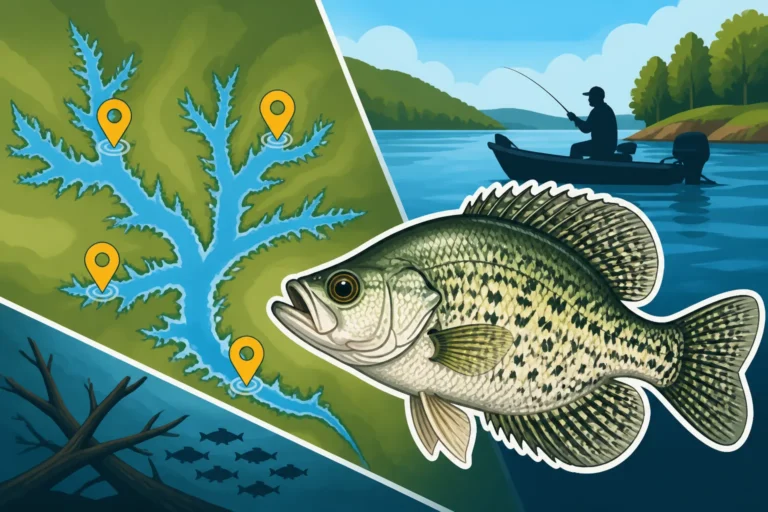
Lake Barkley is renowned for its diverse fishery, offering everything from chunky largemouth and smallmouth bass to plentiful crappie, hard-fighting catfish, and even sauger in the cooler months. When you're fishing from shore, understanding where these species prefer to hang out will dramatically improve your chances. Look for areas with fallen trees, submerged brush piles, or rocky outcroppings. These provide excellent cover for bass and crappie.
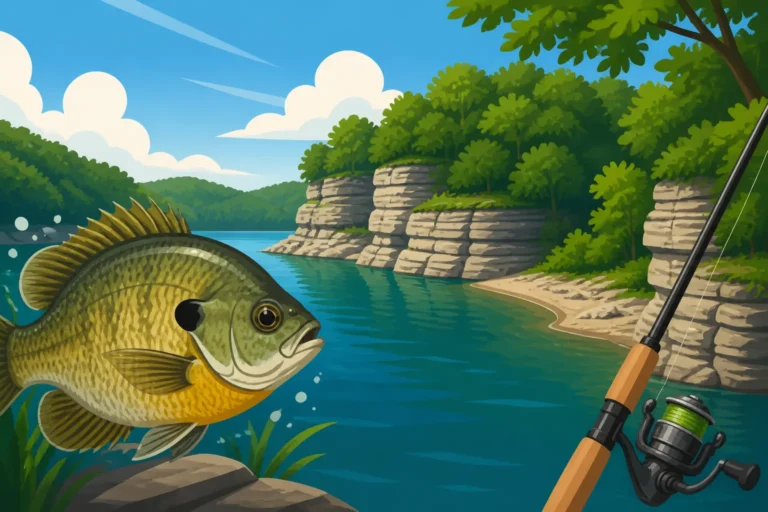
For catfish, deeper holes or areas with a slower current, especially near creek mouths or the main lake channel, can be productive. If you're targeting panfish like bluegill, shallower coves with some weed growth or lily pads are often prime. Recognizing these subtle signs from the bank is a learned skill, but starting with known public access points that offer a variety of these features will set you up for success. Remember, even a small change in depth or cover can hold a big difference for fish, so pay attention to the details of your chosen spot.
Top Shore Access Points and Parks on Lake Barkley
When you're without a boat, finding those sweet spots on Lake Barkley requires knowing exactly where you can get down to the water's edge safely and legally. Luckily, there are some fantastic public areas that offer excellent opportunities for bank anglers, providing access to different types of fish habitat and, often, convenient amenities.
Lake Barkley State Resort Park
This is often the first place people think of when discussing Lake Barkley, and for good reason. Lake Barkley State Resort Park offers a significant amount of public shoreline access, and it’s generally very angler-friendly. You’ll find several areas within the park where you can comfortably set up your gear. One of the best features here is the marina area and surrounding shoreline. While the main docks are for boaters, the adjacent banks often have good depth and structure, attracting a variety of species.
Around the lodge and various picnic areas, you can find gentler slopes that are easy to navigate, perfect for a family fishing trip targeting panfish like bluegill. For those seeking more challenging species like bass or crappie, look for sections of the shoreline that drop off more quickly or have some visible submerged timber. The park maintains its grounds well, so access is usually pretty clear, making it less of a bushwhacking adventure and more of a pleasant outing. Don't forget to check out the fishing pier if they have one available, as these can put you over deeper water without needing a boat. For general information about the lake, checking a guide like Lake Barkley Fishing Guide for Kentucky Anglers can offer broader insights that you can then apply to your shore fishing strategy.
Canal Loop Trail and Little River Access
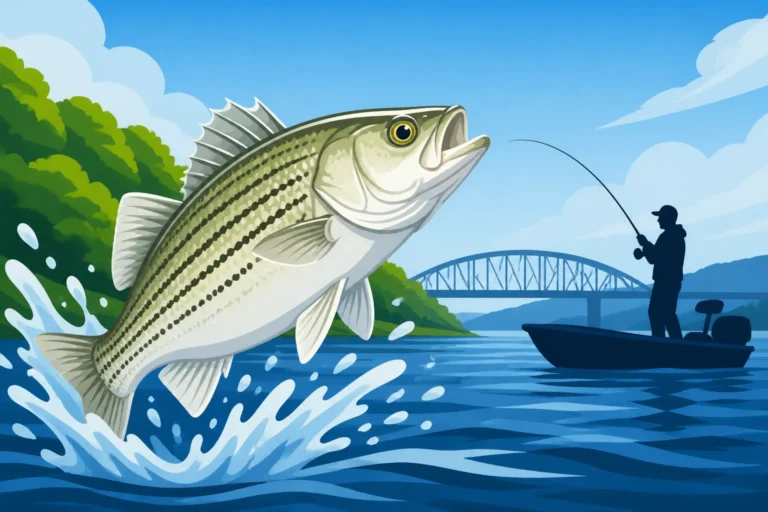
The area around the Barkley Canal, which connects Lake Barkley to Kentucky Lake, is a hotbed of activity, and the Canal Loop Trail offers some intriguing opportunities for bank anglers. While much of the main canal itself is geared towards boat traffic, sections of the trail run alongside smaller embayments or quieter stretches of water that can be great for shore fishing. The key here is finding areas with some current breaks or structure where fish might congregate, especially white bass and sauger during their runs.
For something a little different, explore the access points around the Little River area. The Little River feeds into Lake Barkley, and its lower stretches, particularly where bridges cross, can offer some excellent bank fishing. Here, you might encounter crappie, bass, and even catfish. These riverine sections often have more current, so adapting your techniques to account for that is important. Remember that during certain times of the year, particularly the spring, these river mouths become magnets for spawning fish, presenting excellent opportunities for anglers without a boat. If you're specifically targeting white bass, you might find some good tips in articles like Best White Bass Spots on Lake Barkley, Kentucky when they make their spring runs.
Public Boat Ramps and Access Areas
Even if you're not launching a boat, public boat ramps can be surprisingly good spots for shore fishing. Many boat ramps, especially those managed by the Corps of Engineers or state agencies, offer adjacent bank access, jetties, or small piers. These areas are often maintained, have ample parking, and most importantly, they typically feature some man-made structure like rip-rap or submerged concrete that attracts fish. Fish are drawn to these structures for cover and because baitfish often congregate there.
Consider ramps such as the one at Canton or the numerous smaller Corps of Engineers access points scattered around the lake. While you’ll need to be mindful of boaters, the areas immediately surrounding the ramps can be quite productive. You're usually able to cast out into deeper water much quicker than from a purely natural bank. These spots are particularly good for targeting bass and crappie that use the deeper water near the channels, or catfish that patrol the bottom. For a comprehensive overview of various access points, even if you’re just bank fishing, an article like Lake Barkley's Boat Ramps and Marina Access in Kentucky can highlight where these public areas are located. Don't overlook these spots just because they're designed for boats; they offer crucial points of contact with the lake's best fishing zones.
Here's a quick look at some key characteristics of popular shore fishing spots on Lake Barkley:
| Shore Fishing Spot | Primary Access Type | Best For (Species) | Key Features for Fish | Amenities |
|---|---|---|---|---|
| Lake Barkley State Resort Park | Maintained shoreline, pier | Panfish, Bass, Crappie | Docks, brush piles, drop-offs | Restrooms, picnic areas, lodging, bait shop |
| Canal Loop Trail (select spots) | Trails, bank access | White Bass, Sauger, Bass | Current breaks, eddies | Parking, hiking trails |
| Little River Bridge Areas | Roadside, bridge access | Crappie, Bass, Catfish, Panfish | River current, timber | Limited parking, natural banks |
| Canton Public Boat Ramp | Paved ramp, rip-rap | Bass, Crappie, Catfish | Rip-rap, channel access | Parking, restrooms |
| Various COE Access Points | Varies (gravel, dirt) | Mixed species, depends on spot | Varied (rock, timber, flats) | Parking, often primitive |
Essential Techniques and Gear for Lake Barkley Bank Anglers
Just because you're fishing from shore doesn't mean you can't be effective. In fact, many successful anglers prefer the challenge and intimacy of bank fishing. The key is to adapt your techniques and gear to maximize your reach and effectiveness from a fixed position, targeting the fish that naturally come closer to the bank.
Choosing the Right Rod and Reel
For bank fishing on a large lake like Barkley, versatility is your friend. You'll want a rod that offers good casting distance but still has enough sensitivity to detect subtle bites and enough backbone to handle larger fish. A medium to medium-heavy spinning rod, typically in the 7 to 8-foot range, is often ideal. This length gives you that extra casting distance to reach submerged structure or deeper water that might be just out of reach with a shorter rod. Pair this with a reliable spinning reel spooled with 8-12 lb monofilament or fluorocarbon line, or even braided line for enhanced casting distance and sensitivity.
The longer rod also helps you keep your line clear of any shoreline obstacles and provides better leverage when fighting a fish, especially if you have to "lift" it over a log or some weeds to land it. You might also consider a more specialized setup if you’re only targeting a specific species, such as a lighter ultra-light rod for panfish or a heavier catfish rod. But for general-purpose bank fishing, that medium-heavy spinning setup will serve you well across a range of species and conditions. Remember, you might not have a boat to chase a fish, so having gear that can handle the unexpected is crucial. You can find more specific recommendations for your setup in a guide like Best Gear for Bank Fishing.
Effective Bank Fishing Rigs and Baits
From the bank, presentation is paramount. You need rigs and baits that can be cast effectively and entice fish in potentially shallower or more pressured waters. One of the most classic and effective setups is a simple Carolina rig or a slip sinker rig for bottom fishing. These are excellent for targeting catfish, but also effective for bass and crappie that are feeding near the bottom. For bait, think natural: nightcrawlers, chicken liver, cut bait (like shad or bluegill), or live minnows are all proven winners for various species.
For more active presentations, consider using a bobber rig with a live minnow or a jig tipped with a plastic grub. These can be cast out and slowly retrieved, or left to drift in areas with a gentle current. Small spinnerbaits, crankbaits, or soft plastic worms (Texas-rigged to be weedless) are also excellent for bass and can be surprisingly effective from shore, especially if you’re targeting points or areas with visible cover. Don't forget the power of a simple jig and plastic trailer for crappie, especially during their spawning season when they move into shallower water. When in doubt, carrying a variety of baits and rigs allows you to adapt to whatever the fish are biting.
Locating Fish from the Shoreline
Finding fish when you're restricted to the bank requires a keen eye and a bit of environmental detective work. Look for visible structure: fallen trees, rock piles, sudden changes in bank contour, or points that extend out into the water. These are natural ambush points or resting areas for fish. Also, pay attention to current. Even subtle currents can concentrate baitfish, and where the bait is, the predators will follow.
Another key indicator is observing other wildlife. If you see herons or kingfishers actively feeding, it's a good sign that baitfish are present, which in turn means game fish are likely nearby. If you’re fishing in the early morning or late evening, keep an eye out for surface activity – bass busting baitfish or crappie dimpling the surface. While you might not have a fancy fish finder, your eyes and ears are incredibly powerful tools. Spend a few minutes observing before you even make your first cast. This scouting from shore can dramatically increase your chances, much like what you'd learn about fish behavior in a general guide like Bank Fishing Techniques for Beginners.
Navigating Seasonal Changes for Shore Fishing Success
Lake Barkley is a dynamic fishery, and how you approach shore fishing should definitely change with the seasons. Fish behavior is heavily influenced by water temperature, light conditions, and spawning cycles, all of which vary dramatically throughout the year. Understanding these patterns will give you a significant edge, helping you predict where fish will be and what they'll be willing to bite.
Spring: The Time of Opportunity
Spring is arguably the best time of year for bank anglers on Lake Barkley. As water temperatures begin to rise, fish become much more active and, crucially, move into shallower areas for spawning. This brings them within easy casting distance from shore, often into coves, creeks, and protected bays. Crappie are usually the first to make a strong move, followed by bass.
During the spring, target those shallower areas with submerged timber, brush piles, or rocky banks. For crappie, a small jig or a minnow under a bobber can be incredibly effective when cast near structure in 2-10 feet of water. Bass will hit spinnerbaits, crankbaits, or soft plastics fished around newly budding vegetation or hard cover. Even catfish become more active in the warming water. The spring provides a fantastic window where many species are concentrated and accessible. This is also a great time to research Kentucky Crappie Fishing: Spring Spawn Run Guide to really dial in your crappie efforts from the bank.
Summer: Adapting to the Heat
Summer fishing from the bank can be a bit more challenging, but certainly not impossible. As water temperatures peak, many fish retreat to deeper, cooler water during the day. This doesn't mean they're entirely out of reach, but you'll need to adjust your tactics. Early mornings, late evenings, and even night fishing become particularly productive. During these cooler periods, fish will often move back into shallower areas to feed.
Focus your efforts on areas where deep water is accessible from shore, such as steep banks, points, or near river channels. Catfish often remain active throughout the summer, making night fishing with stink baits or cut bait a popular and effective strategy. Bass might be found around shaded areas, submerged brush, or boat docks (if accessible). Fishing deeper with Carolina rigs, drop shots, or heavy jigs can also help you reach those heat-averse fish. Even during peak heat, there are always opportunities, you just have to adapt your schedule and presentation.
Fall: The Pre-Winter Feast
As autumn arrives and water temperatures start to drop, fish begin to feed aggressively in preparation for winter. This "fall bite" can be incredibly productive for bank anglers. Many species, especially bass and crappie, will move back into shallower coves and flats, chasing baitfish that are also fattening up. Look for schools of baitfish, often visible dimpling the surface in the mornings or evenings, and cast your lures or baits into the commotion.
Crankbaits, spinnerbaits, and swimbaits that imitate baitfish can be very effective for bass. For crappie, jigs and minnows fished around brush piles or standing timber (if you can reach it) will often yield good results. Catfish also continue to feed well into the fall. The falling leaves and cooler air make for a pleasant fishing experience, and the fish are often cooperative. This is a time when fish are often concentrated, making it easier for bank anglers to find them.
Winter: The Cold Water Challenge
Winter fishing on Lake Barkley from the bank can be tough, but it's not without its rewards, especially for hardy anglers willing to brave the cold. Many species become less active, but they often concentrate in specific areas, usually deeper holes, creek channels, or near warmer discharge areas (though these are less common for bank access). Sauger, for instance, can be a prime target in the colder months, often congregating in deeper holes or below dams if you can find bank access nearby. You might find some excellent specific tips for this species in Lake Barkley's Best Sauger Fishing Spots in Kentucky.
For bass and crappie, slow presentations are key. Vertical jigging small spoons or jigs in deeper spots, or very slowly retrieving a lipless crankbait, can sometimes coax a bite. Catfish might be found in deep holes, and a large chunk of cut bait or a fresh shad fished on the bottom can sometimes produce a trophy. While the action might be slower, winter fishing can often yield fewer but larger fish for the persistent bank angler. Always prioritize safety in cold weather, dressing in layers and being aware of slippery banks.
Planning Your Lake Barkley Shore Fishing Trip
A little planning goes a long way, especially when you're relying on shore access. Knowing what to bring, what regulations to follow, and having a backup plan can make all the difference between a frustrating day and a memorable one.
Essential Gear and Supplies
Beyond your rod, reel, and tackle, there are a few other items that are absolutely essential for a successful and comfortable bank fishing trip on Lake Barkley:
- A Valid Kentucky Fishing License: This is non-negotiable. Make sure you have one for the current season. You can learn more about this in articles like Kentucky Fishing License Guide or How to Get a Fishing License in Kentucky.
- Comfortable Footwear: You might be walking a bit, often over uneven terrain. Sturdy, waterproof shoes are a blessing.
- Sun Protection: Hat, sunglasses, and sunscreen are crucial, even on cloudy days. The sun reflecting off the water can be intense.
- Drinks and Snacks: Stay hydrated and energized.
- Small Cooler: For keeping your catch fresh, or just your drinks cold.
- Multi-tool or Pliers: Indispensable for cutting line, removing hooks, and various other tasks.
- Bug Spray: Especially during warmer months, mosquitoes and ticks can be a nuisance.
- Small Backpack: To carry all your essentials, keeping your hands free for your rod.
- Trash Bag: Always practice "leave no trace" and pack out everything you pack in.
- Net or Lip Grippers: Essential for safely landing and handling fish, especially if you're targeting larger species.
Checking Regulations and Forecasts
Before you head out, always, always double-check the current Kentucky fishing regulations. While general statewide limits apply, Lake Barkley often has specific regulations regarding size and daily limits for certain species like bass or crappie. Knowing these rules ensures you're fishing legally and sustainably. A resource like Kentucky Fishing Regulations Explained is a good starting point, but always verify site-specific rules.
Additionally, checking the weather forecast is critical. Strong winds can make casting difficult and fishing uncomfortable. Rain can quickly turn dirt paths into muddy, slippery trails. Thunderstorms are a serious safety concern when you're near water. Plan your trip around favorable weather windows, and always be prepared for sudden changes. A truly rewarding trip often starts with being well-informed and prepared.
Considering Other Lake Barkley Experiences
Even if your primary goal is shore fishing, don't forget that Lake Barkley offers a broader recreational experience. Perhaps you're looking for different perspectives or want to scout areas you can't reach from the bank. While you might not have your own boat, services exist. For instance, sometimes people use platforms like FishingBooker to explore guided fishing trips, which can give you a completely different view of the lake's hot spots and techniques. While not directly for bank fishing, understanding where charter captains operate can sometimes hint at productive areas that might also have adjacent shore access or public grounds. Think of it as broadening your knowledge of the lake as a whole. Knowing about boat access can even help you understand fish movements relative to channels and deeper structure.
Disclaimer
Please be aware that fishing conditions, regulations, and access points can change. Always check the latest Kentucky Department of Fish and Wildlife Resources (KDFWR) regulations before your trip. Exercise caution and respect private property.