Best Sauger Fishing Spots on Lake Barkley
There’s nothing quite like the thrill of feeling that distinct sauger bite – a subtle tap, tap, then a solid thud – especially when you know you’re on the magnificent waters of Lake Barkley. However, finding these elusive, hard-fighting fish can sometimes feel like searching for a needle in a haystack, leaving many anglers frustrated and empty-handed. This comprehensive guide is here to cut through the guesswork, revealing the absolute best sauger fishing spots on Lake Barkley, along with the insider tips and techniques you’ll need to make your next trip a resounding success.
Understanding Lake Barkley's Sauger Fishery
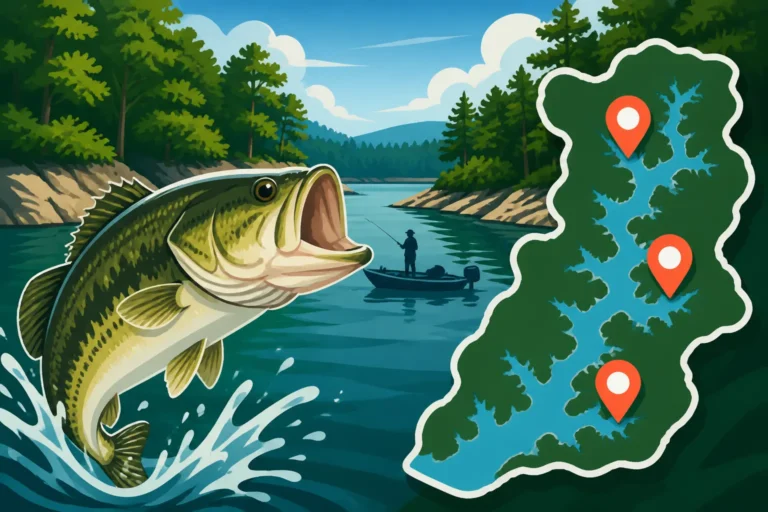
Lake Barkley, straddling the Kentucky-Tennessee border, is a true gem in the heart of the Bluegrass State, offering some phenomenal fishing opportunities, especially for sauger. This expansive reservoir, formed by the impoundment of the Cumberland River, is directly connected to Kentucky Lake via the Barkley Canal, creating a dynamic and nutrient-rich environment that sauger absolutely thrive in. But what exactly makes Lake Barkley such a consistent sauger hotspot, and when should you plan your visit for the best chances of success?
Why Lake Barkley is a Sauger Hotspot
Sauger are cold-water fish, members of the perch family, and they absolutely adore moving water, deep channels, and plenty of forage. Lake Barkley ticks all these boxes and then some. The lake’s origin as a river system means it retains much of its riverine characteristics, particularly its deep, well-defined main channel, which provides ideal wintering and migration routes for sauger. The constant flow of water from the Cumberland River, especially below the Barkley Dam, creates strong current breaks and eddies that sauger use to ambush baitfish.
Furthermore, the lake is teeming with forage species like shad and skipjack herring, which form the primary diet of sauger. These baitfish congregate in predictable areas, especially during colder months, drawing sauger in right behind them. The presence of numerous creek channels, humps, ledges, and submerged timber along the main river channel provides the perfect ambush points and holding structures for sauger as they move throughout the lake. Unlike some other species that scatter, sauger tend to school up in these specific deep-water structures, making them a fantastic target once you locate a school.
Prime Sauger Season on Lake Barkley
Timing is everything when it comes to sauger fishing on Lake Barkley. While you can catch them year-round, certain seasons offer a significantly better chance at a bountiful haul. The undisputed prime time for sauger on Lake Barkley begins in the late fall, continues strong throughout the winter, and peaks in the early spring during their pre-spawn and spawning movements. Many seasoned anglers will tell you that the colder the water gets, the better the sauger bite often becomes.
As water temperatures drop in October and November, sauger begin to migrate from their summer haunts in deeper, cooler water up into the main river channel and towards the dam areas. This migration intensifies in December, January, and February, making these months fantastic for targeting concentrated schools. The pre-spawn period, typically from late February through March, sees sauger staging in massive numbers in the deeper holes and current seams, preparing for their upstream spawn. This is arguably the most productive time to fill a cooler, as the fish are aggressive and plentiful. Once the spawn concludes in April, sauger begin to disperse, making them a bit more challenging to locate, though good catches are still possible in deeper main lake areas. For specific guidance on the best times, be sure to check out our detailed article on When Is Sauger Season at Lake Barkley Kentucky.
Top Sauger Fishing Locations on Lake Barkley
Now that we understand the "why" and "when," let's dive into the "where." Lake Barkley offers a variety of fantastic sauger fishing spots, each with its unique characteristics. Focusing on areas with good current, deep water, and nearby structure will significantly increase your odds.
Targeting Sauger Below Barkley Dam
Without a doubt, the area immediately below the Barkley Dam is one of the most consistent and productive sauger hotspots on the entire lake, particularly during the colder months. The dam creates an incredible amount of current and oxygenated water, which sauger absolutely relish. The main discharge area and the numerous eddy lines and current breaks it creates are magnets for baitfish, and consequently, for sauger.
Anglers often find success drifting or trolling jigs and crankbaits through the deeper scour holes and along the current seams where the faster water meets the slower, slack water. These seams are where sauger position themselves to conserve energy while waiting for an easy meal to be swept past them. Be mindful of boat traffic here, as it can get busy, especially on prime fishing days. The Cumberland River below the dam also holds huge skipjack herring, which sauger actively feed on, making large profile baits effective. Always be aware of the generation schedule from the dam, as water flow changes dramatically impact fishing success and safety.
Creek Mouths and Tributaries
As the sauger migrate and stage, the mouths of major creeks and tributaries feeding into Lake Barkley become prime real estate. These areas often feature deeper creek channels that wind out into the main lake, providing excellent travel corridors and staging areas for sauger as they prepare to move further upstream to spawn. Key creeks to focus on include Little River, Blood River, and Eddy Creek.
Look for the distinct drop-offs, submerged roadbeds, and old creek channel bends within these areas. Sauger will often stack up on the edges of these channels, particularly where there’s a sudden depth change or a significant piece of structure like a brush pile or rock pile. Trolling crankbaits that mimic shad along these channel edges or vertical jigging over concentrated schools marked on your sonar can be incredibly effective. The currents in these creek mouths, while not as strong as below the dam, still provide enough flow to attract bait and sauger.
Main Lake Channel and River Bends
Don't overlook the main lake channel of Lake Barkley itself. The old Cumberland River channel, now submerged, snakes its way through the entire length of the lake, providing a continuous highway for sauger. Major river bends, especially those with sharp drops on the outside edge and slower-moving water on the inside bend, are classic sauger holding areas. These deep water sections often feature submerged stumps, rock piles, or old timber that provide cover and ambush points.
Concentrate your efforts on depths ranging from 20 to 50 feet, depending on the time of year and water temperature. Using your fish finder to locate schools of baitfish and the sauger lurking beneath them is crucial here. Once you mark fish, position your boat directly over them and engage in vertical jigging techniques. Trolling deep-diving crankbaits parallel to the channel edges can also cover a lot of water and help you locate scattered fish. Popular areas along the main lake channel include sections near Linton, between Dover and Model, and further south towards Clarksville, Tennessee. Knowing the Lake Barkley Boat Ramps and Marina Access in Kentucky will be vital for reaching these main lake areas.
Essential Techniques and Tackle for Lake Barkley Sauger
Landing sauger consistently requires more than just knowing where they are; it demands specific techniques and the right tackle to entice these often-finicky biters. Sauger have distinct preferences, especially when the water gets cold, so having the right approach makes all the difference.
Best Lures and Baits for Success
Sauger are primarily piscivores, meaning they feed on other fish, so your lure selection should mimic their natural prey.
- Jigs: Hands down, jigs are the most effective baits for sauger. Lead head jigs, typically 1/4 to 3/4 ounce depending on current and depth, tipped with a soft plastic grub, curly tail, or a minnow, are deadly. Colors like chartreuse, white, orange, and pearl often work well, especially in stained water conditions common on Lake Barkley. Pair your jig with a live minnow for an irresistible combination. For a deeper dive, check out How to Jig for Sauger in Deep Water.
- Live Bait: Live minnows are king for sauger. Fathead minnows, shiners, or small shad hooked through the lips or dorsal fin are incredibly effective, especially when fished on a bare hook, a jig, or under a slip bobber in slower current.
- Crankbaits: When sauger are more active or when you're covering large areas via trolling, deep-diving crankbaits are excellent. Lures like the Rapala Shad Rap, Berkeley Flicker Shad, or the Bandit Walleye Deep are popular choices. Look for colors that imitate shad or crawfish, such as chrome with a blue back, firetiger, or various shades of pearl.
- Blade Baits: These vibrating metal lures, like the Silver Buddy or Cotton Cordell C.C. Spoon, are fantastic for vertical jigging, especially when sauger are tightly schooled. Their high vibration and flash can trigger strikes from reluctant fish.
Mastering Vertical Jigging and Trolling
Once you've located sauger on your fish finder, the next step is presenting your bait effectively. Two techniques stand out for Lake Barkley sauger:
- Vertical Jigging: This is often the most productive method, especially when fish are concentrated in deep holes or along ledges. Position your boat directly over the marked fish. Drop your jig or blade bait straight down to the bottom, then lift it sharply about a foot or two, letting it fall back on a semi-slack line. The bite often occurs on the fall, so watch your line intently for any unnatural movement. For more advanced tips, read about the Vertical Jigging Technique for Sauger. This technique allows precise bait presentation in specific fish zones.
- Trolling: Trolling crankbaits is excellent for covering large areas, especially along creek channels or the main river bends, to find active fish. Use a planer board system or simply flatline your baits behind the boat, adjusting your speed (typically 1.5 to 2.5 mph) until you find the sweet spot. Experiment with different lure depths and colors until you get bites. Trolling is particularly effective during the pre-spawn when sauger are actively migrating.
Reading the Water and Electronics
Sauger are creatures of habit and structure, but their exact location can vary daily with current, temperature, and bait movement. Mastering the art of reading the water and effectively using your electronics is paramount to consistent success.
- Fish Finders (Sonar): A good quality fish finder with down imaging and side imaging is invaluable. Look for arcs (individual fish) or dense clouds (schools of baitfish) near the bottom, especially along channel edges, humps, and submerged timber. Sauger often hug the bottom, so pay close attention to the bottom contour.
- GPS and Mapping: Use your GPS to mark waypoints of productive spots, channel edges, and submerged structure. Detailed lake maps are also crucial for identifying river bends, creek channels, and depth changes before you even launch your boat.
- Current and Eddies: Pay attention to current. Sauger will almost always be found in or near current breaks – areas where faster water meets slower water. These are natural ambush points. Observe how the current influences your boat and adjust your drifts or trolling passes accordingly.
- Water Temperature: Keep an eye on water temperature, especially in fall and spring. Sauger become most active as water temperatures drop into the 40s and low 50s. This helps confirm the Cold-Water Sauger Fishing at Kentucky's Lake Barkley window.
Planning Your Lake Barkley Sauger Trip
A successful fishing trip is often made before you even cast a line. Careful planning, understanding local regulations, and knowing your resources can make all the difference, especially when chasing a prized species like sauger on a large body of water like Lake Barkley.
Navigating Regulations and Licensing
Before you head out, ensure you're squared away with all the necessary legal requirements. In Kentucky, anyone age 16 and older needs a valid fishing license. This applies to both residents and non-residents, though the costs differ. You can easily purchase a license online through the Kentucky Department of Fish and Wildlife Resources (KDFWR) website, at a county clerk's office, or through authorized vendors. Remember, Lake Barkley is a big lake, and while it's mostly in Kentucky, sections extend into Tennessee, so be aware of border rules if you plan to venture far south. It's always a good idea to have a clear understanding of the Kentucky Fishing Regulations Explained and to review the Kentucky Fishing License Guide to avoid any issues. Also, make sure you know the current Statewide Bag and Size Limits by Fish Species for sauger before you keep any fish!
Finding a Local Guide or Charter
For many anglers, especially those new to Lake Barkley or sauger fishing, hiring a local guide can be a game-changer. A professional fishing guide knows the lake intimately, understands the seasonal patterns, and can put you on fish much faster than trying to figure it out on your own. They typically provide all the necessary gear, expertise, and often, an unforgettable experience.
If you're looking for a seasoned professional to lead you to the best sauger fishing spots on Lake Barkley, consider checking out platforms like FishingBooker. This service connects you with local, reputable fishing guides and charters who specialize in the area. You can browse different guides, compare their rates and services, and read reviews from other anglers to find the perfect fit for your trip. A good guide can teach you specific techniques, show you exact locations, and help you understand the nuances of the lake, making it a valuable investment, especially if your time on the water is limited.
Boat Access and Safety Considerations
Lake Barkley offers numerous public boat ramps and marina access points, making it relatively easy to launch your vessel. Popular ramps include those at Lake Barkley State Resort Park, Eddy Creek Marina, and various KDFWR access sites. Always check the water levels, as they can fluctuate, impacting ramp usability. For a comprehensive list and details, refer to Lake Barkley Boat Ramps and Marina Access in Kentucky.
Safety on a large lake like Barkley is paramount. Always inform someone of your float plan, check the weather forecast before heading out, and carry all required safety gear, including Coast Guard-approved life jackets for everyone on board. Large boats, barges, and other recreational vessels can operate on Lake Barkley, so stay alert and follow navigation rules. During colder months, hypothermia is a real risk, so dress in layers and consider wearing an inflatable life vest.
Snapshot of Lake Barkley Sauger Hotspots & Techniques
Here’s a quick overview of some prime sauger spots and the techniques that often yield the best results:
| Fishing Spot | Prime Season | Primary Technique | Recommended Lures/Bait | Key Features |
|---|---|---|---|---|
| Below Barkley Dam | Winter, Early Spring | Vertical Jigging, Drifting | Jigs (1/2-3/4 oz) w/ minnow, Heavy Blade Baits, Crankbaits | Strong current, deep scour holes, eddy lines |
| Creek Mouths (Little R., Eddy Cr.) | Late Fall, Early Spring | Trolling, Vertical Jigging | Deep-diving crankbaits, Jigs w/ minnow | Submerged creek channels, drop-offs, current breaks |
| Main Lake Channel Bends | Winter, Early Spring | Vertical Jigging, Trolling | Jigs (1/4-1/2 oz) w/ minnow, Blade Baits, Deep-diving Crankbaits | Deep contours, submerged timber, rock piles |
| Humps & Ledges (20-50 ft) | All Cold Months | Vertical Jigging | Jigs w/ minnow, Blade Baits | Irregular bottom structure, current breaks |
Remember, while this table gives a general idea, sauger can be found anywhere that offers current, deep water, and forage. Adapt your approach based on what your electronics are showing and what the fish are telling you.
Disclaimer
The information provided in this guide is for general informational purposes only. Fishing conditions, regulations, and fish behavior can change rapidly. Always consult the latest regulations from the Kentucky Department of Fish and Wildlife Resources (KDFWR) before any fishing trip. Adherence to all local, state, and federal laws is the responsibility of the angler. Fishing carries inherent risks, and safety precautions should always be observed.