Dale Hollow Lake’s Best Remote Coves for Bass
There's nothing quite like the feeling of pulling up to your favorite fishing spot, only to find it's already packed with other anglers. That dream of peace, quiet, and unpressured fish quickly turns into a frustrating reality. But what if you could escape the crowds and discover hidden gems where the bass are more willing to bite? This guide is all about helping you uncover Dale Hollow Lake's best remote coves for bass, offering you the solitude and angling success you've been craving.
Why Remote Coves on Dale Hollow Lake Are a Bass Angler's Dream
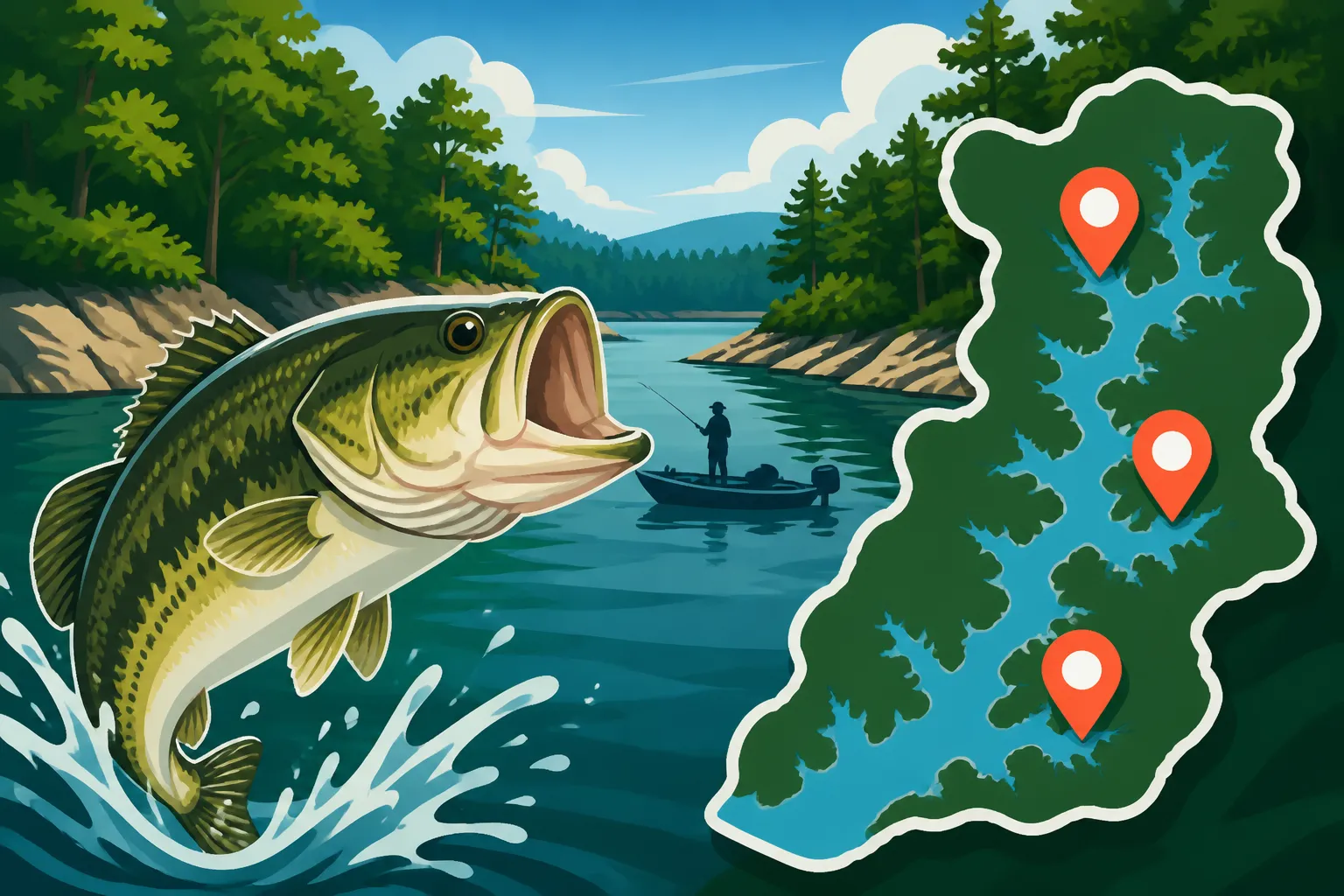
Dale Hollow Lake isn't just any body of water; it’s a legendary fishery straddling the Kentucky-Tennessee border, renowned for its incredible smallmouth and largemouth bass populations. While popular main lake points and marinas see heavy traffic, the lake's vast network of remote coves offers an entirely different, and often more rewarding, experience. These hidden nooks and crannies are where the truly memorable fishing trips often happen.
Escaping the Crowds and Finding Solitude
One of the biggest draws of targeting remote coves is the sheer tranquility. Imagine the only sounds you hear are the gentle lapping of waves against your boat, the chirping of birds, and the satisfying splash of a bass breaking the surface. This peace isn't just good for your soul; it's fantastic for fishing. Less boat traffic means less disturbed water and, crucially, less pressured fish. Bass in these secluded areas haven't seen every lure in the tackle box, and they're often more aggressive and less wary.
The reward of finding these untouched spots often outweighs the effort. There's a certain satisfaction that comes from navigating to a spot that feels truly wild, away from the hustle and bustle. It's a testament to your adventurous spirit and a chance to truly connect with nature and the sport of fishing. This solitude also allows you to experiment with different techniques without feeling rushed or observed, fostering a deeper understanding of the bass behavior in that specific cove.
Understanding Dale Hollow Lake's Unique Bass Habitat
Dale Hollow Lake is a deep, clear impoundment famous for its limestone bluffs, rocky points, and abundant submerged timber. This diverse underwater landscape creates perfect homes for both largemouth and smallmouth bass, but their preferences can differ. Largemouth bass often gravitate towards the thicker cover, like fallen trees, brush piles, and weed beds (where they exist), especially in the backs of coves or flatter pockets. Smallmouth, on the other hand, are kings of the rock and typically prefer steeper bluffs, rocky ledges, and deep main lake points or creek channel swings that are still part of a secluded cove system.
The clarity of Dale Hollow's water plays a huge role in how bass behave. In clear water, fish are often more sensitive to light and boat noise, tending to hold deeper or use cover more effectively. This means that remote coves, which offer both depth and ample natural cover, become prime sanctuaries. Understanding these habitat preferences is key to unlocking the potential of these remote locations, allowing you to tailor your approach to the specific type of bass you're targeting within the unique environment of each cove.
Identifying and Accessing Dale Hollow Lake's Remote Bass Coves
Finding those secret spots on a lake as large and complex as Dale Hollow can feel like searching for a needle in a haystack. But with the right knowledge and tools, you can dramatically improve your odds. It's all about recognizing the signs of a productive cove and having the means to get there, both physically and through information.
Key Characteristics of Productive Remote Coves
When you're scanning maps or idling along the shoreline, keep an eye out for several key features that often indicate a productive remote bass cove. Look for areas with a good mix of depth and cover. Steep banks and bluffs often signify deep water access close to the shore, which smallmouth love. Points that extend into the lake, especially those with rock piles or submerged timber, are natural ambush points for both species. Don't overlook transition areas where rock meets gravel or where a steeper bank gives way to a flatter, shallower pocket; these are often feeding zones.
Secluded inlets and long, winding creek arms that are difficult to access or far from main boat launches tend to hold less pressured fish. These areas provide sanctuary and can act as thermal refuges during extreme temperatures. The presence of standing timber or brush piles in deeper water within a cove is a huge bonus, offering perfect hideouts for largemouth. Remember, the less obvious the access, the higher the chance it's a remote gem.
Tools and Techniques for Locating Hidden Gems
Before you even launch your boat, technology can be your best friend. High-definition contour maps (both paper and digital apps like Navionics or C-MAP) are invaluable for identifying depth changes, creek channels, and submerged structures. Satellite imagery, readily available through Google Maps or similar platforms, can help you spot hidden coves, standing timber, and even potential bank access points that aren't on traditional navigation charts. Learning to read these maps and interpreting the contours for fish-holding structure is a skill every serious angler should develop.
Once on the water, your fish finder and GPS become essential. Use your electronics to confirm depths, identify submerged timber, and locate baitfish schools. Mark any promising spots with waypoints so you can return to them later. Sometimes, the best way to uncover these hidden gems is to tap into local expertise. Websites like FishingBooker can help you connect with experienced local guides who spend hundreds of days on Dale Hollow Lake and possess an intimate knowledge of its remote coves and the bass that inhabit them. A guided trip, even if just for a day, can provide an invaluable jumpstart to your own remote cove exploration.
Navigating to Remote Areas by Water and Land
Accessing these remote coves almost always requires a boat. A reliable vessel equipped with a good trolling motor is crucial for stealthy approaches and precise boat positioning. Electric motors allow you to move quietly into a cove without spooking fish, and shallow water anchors or poles can keep you locked in place once you find a sweet spot. Pay attention to water levels, as what might be a navigable entrance one day could be a shallow, prop-killing hazard the next. Always exercise caution and be aware of potential underwater obstructions, especially in lesser-traveled areas.
While most remote coves are primarily boat-accessible, a few might offer challenging bank access, often requiring a hike through undeveloped terrain. If considering bank fishing these spots, be prepared for rugged conditions and ensure you have all the necessary gear. For the majority of remote coves on Dale Hollow, however, boat-based exploration is the key. Make sure your boat is in good working order, you have extra fuel, and all safety equipment is on board. Before you head out, review the Kentucky Boat Registration Requirements Explained and ensure your vessel complies with state regulations, including Life Jacket Rules for Boats in Kentucky.
Top Remote Coves and Strategies for Dale Hollow Lake Bass
Dale Hollow is a big lake, and finding the remote coves can be a journey of discovery. While specific spots can change with water levels and seasons, certain arms and types of coves consistently offer excellent remote fishing opportunities on the Kentucky side. These areas often require a bit more travel but handsomely reward those willing to make the effort.
North Fork Obey River Arm (Kentucky Side)
The North Fork Obey River Arm, particularly as you move further up from the main lake, is a treasure trove of remote fishing spots on the Kentucky side. This long, winding arm features deep channels, steep rocky bluffs, and abundant standing or submerged timber. It’s a fantastic area for both smallmouth and largemouth, as the diverse habitat caters to both. As you navigate these waters, you'll notice fewer residential areas and less overall boat traffic, contributing to a more pristine fishing experience.
Fishing Strategies for the North Fork Obey River Arm:
- Target the Points: Look for points that drop off quickly into deeper water. Smallmouth will often stage here, especially during cooler months or early mornings. Cast suspending jerkbaits, hair jigs, or Ned rigs to these areas.
- Submerged Timber and Brush Piles: Use your fish finder to locate standing timber or brush piles, which are common along the old river channel. Pitch jigs, Texas-rigged creature baits, or shaky heads into these structures for largemouth. In clearer pockets, a dropshot rig can be deadly.
- Bluff Walls: Vertical jigging a spoon or a dropshot rig along the bluff walls can entice smallmouth holding tight to the rock face, especially when they're positioned deeper.
- Crankbaiting the Banks: In areas where the bank flattens out slightly within the coves, medium-diving crankbaits can be very effective, mimicking baitfish that may be cruising these shallower stretches.
You can often find incredible smallmouth here, making it worth the trip for any angler interested in Smallmouth Bass Fishing in Kentucky: The Complete Guide.
Illwill Creek and Wolf River Areas (Kentucky Side)
Moving further west on the Kentucky side, the Illwill Creek and upper Wolf River areas offer similarly remote and productive fishing. These zones are characterized by quieter waters, diverse cover including both rock and some shallow timber, and often fewer deep bluffs compared to the North Fork. The remoteness means fish here see fewer lures and are often less finicky. These areas are excellent for exploring smaller, unnamed coves and pockets that branch off the main creek arms.
Fishing Strategies for Illwill Creek and Wolf River:
- Pocket Fishing: Focus on the small, tucked-away pockets and coves that branch off the main creek. These can warm up faster in spring or offer cooler water in summer, attracting baitfish and bass. Cast weightless senkos, finesse jigs, or small spinnerbaits into these quiet corners.
- Fallen Timber and Laydowns: These areas are often rich with fallen trees and laydowns along the banks. Flipping and pitching jigs or creature baits into these tight covers is a classic largemouth tactic.
- Topwater Action: In the early morning or late evening, especially during warmer months, topwater lures like poppers, walking baits, or buzzbaits can be incredibly effective over shallow flats or near submerged cover in these remote spots. The low pressure here means bass are more likely to commit to a surface strike.
- Creek Channel Edges: Use your electronics to find the old creek channel as it winds through these areas. Bass will often relate to the drops and bends in these channels, especially during transitional periods. Slow roll a spinnerbait or retrieve a deep-diving crankbait along these edges.
East Fork Obey River Arm (Near the State Line)
While a portion of the East Fork Obey River arm extends into Tennessee, the Kentucky sections, especially those closer to the state line, hold some exceptional deep-water, clear-water opportunities perfect for targeting smallmouth. This arm is known for its sheer bluffs, rocky points, and extremely clear conditions, making it feel wild and untouched. Bass here can be a bit more challenging due to the water clarity, but the rewards are often bigger fish.
Fishing Strategies for the East Fork Obey River Arm:
- Deep Cranking: Employ deep-diving crankbaits that can reach depths of 15-25 feet or more. Target offshore humps, points, and channel swings. Colors mimicking crawfish or shad work well in the clear water.
- Drop-Shotting: Given the clear water and often suspended fish, a drop-shot rig is indispensable. Fish it vertically over deep structure, bluffs, and brush piles, using small finesse worms or minnow imitations. This technique is excellent for tempting wary smallmouth.
- Football Jigs: Work football jigs along rocky ledges and gravel bottoms, especially on points and breaks. The jig's head design helps it crawl over rocks without snagging, mimicking a crawfish.
- Swimbaits: Small paddle-tail swimbaits rigged on a weighted swimbait hook or a jig head can be very effective when bass are chasing baitfish. Fan cast them around points and open water areas where you see schooling bait.
Remember, Dale Hollow is also known for its fantastic Largemouth Bass Fishing in Kentucky: The Complete Guide, so always be prepared for a mixed bag in these diverse coves!
| Lure Type | Recommended Presentation | Target Species & Conditions |
|---|---|---|
| Jigs (Football/Finesse) | Crawl over rock, pitch into timber, skip under docks | Smallmouth on rocky ledges; Largemouth in heavy cover; all depths |
| Suspending Jerkbaits | Stop-and-go retrieve, long pauses | Smallmouth on points & bluffs in clear/cool water |
| Dropshot Rigs | Vertical presentation, subtle shakes | Finicky Smallmouth/Largemouth in deep, clear water |
| Creature Baits (Texas-Rigged) | Pitch into heavy cover, drag on bottom | Largemouth in timber & brush piles; good for slow retrieves |
| Deep-Diving Crankbaits | Long casts, retrieve to desired depth, deflect off structure | Smallmouth/Largemouth on offshore humps, points, channel swings |
| Weightless Senkos | Cast near cover, let sink slowly on slack line | Largemouth in shallow pockets, around laydowns |
| Topwater (Poppers/Walkers) | Walk-the-dog, pop-and-pause | Both species during low-light conditions or over shallow cover |
| Swimbaits (Paddle-tail) | Slow, steady retrieve; burn for schooling fish | Both species when actively feeding on baitfish in open water |
Essential Gear and Tips for Remote Cove Bass Fishing
Venturing into the remote coves of Dale Hollow Lake isn't just about knowing where to go; it's also about being properly equipped and mentally prepared for the unique challenges and rewards that these secluded spots offer. Having the right tools and a smart approach can make all the difference between a frustrating day and a truly memorable fishing adventure.
Must-Have Tackle and Equipment
When you're heading to remote coves, versatility is key. You'll want a selection of rods and reels to cover various techniques. A medium-heavy baitcasting setup is ideal for pitching jigs and creature baits into heavy cover, offering the power to pull big bass out of timber. For finesse presentations like dropshots or Ned rigs, a medium-light spinning rod provides the sensitivity needed to detect subtle bites in clear water. Consider a good quality fluorocarbon line for these clear-water techniques, as its low visibility is a huge advantage. For heavy cover, braided line can be a lifesaver. You can find excellent choices in our guide to Best Rods and Reels for Kentucky Fishing.
Beyond rods and reels, a well-stocked tackle box should include a variety of lures discussed earlier: jigs, creature baits, suspending jerkbaits, deep-diving crankbaits, weightless plastics, and a few topwater options. Don't forget essential accessories like extra hooks, weights, pliers, and a sharp line cutter. For boat safety, always carry a first-aid kit, extra fuel, a fully charged cell phone (though service can be spotty in remote areas), and a whistle or air horn. Make sure your boat is equipped with a reliable fish finder and GPS, similar to those recommended in our guide on Fish Finders and Electronics for Kentucky Lake Fishing, which can prove invaluable for navigating and pinpointing structure in unfamiliar waters.
Embracing the "Run and Gun" and Patience
Fishing remote coves often calls for a "run and gun" approach. This means quickly fishing a promising section of a cove – a point, a laydown, a bluff wall – making a few targeted casts, and if no bites, moving on to the next promising spot. These fish might be less pressured, but they're still bass, and they won't always jump on the first presentation. The key is to cover water efficiently until you find active fish. Don't get stuck spending hours in a barren cove just because it looks good.
Patience, paradoxically, is also crucial. While you might be moving quickly from spot to spot, once you hit a productive cove or find a fish, slow down and thoroughly work that area. Often, remote bass will hit after a few casts, but sometimes it takes a precise presentation or a slower retrieve to tempt them. The lack of competition means you have the luxury of working an area more thoroughly. Don't be afraid to try different lures or colors if you're marking fish but not getting bites. And if you're struggling to locate fish, consider booking a trip with a local guide through platforms like FishingBooker; their expertise can quickly put you on the fish and teach you invaluable patterns specific to Dale Hollow.
Respecting the Lake and Its Ecosystem
Dale Hollow Lake is a magnificent natural resource, and its remote coves offer a glimpse into a truly wild Kentucky. As anglers, we have a responsibility to protect these areas and ensure they remain pristine for future generations. Our actions on the water directly impact the health of the ecosystem and the quality of the fishing experience.
Leave No Trace Principles
The cornerstone of responsible outdoor recreation is the "Leave No Trace" philosophy. This means packing out everything you pack in, and then some. Don't leave behind discarded fishing line, bait containers, food wrappers, or any other trash. Old fishing line can be particularly deadly to wildlife. It's not just about keeping the lake beautiful; it's about minimizing our impact on the environment.
Beyond trash, be mindful of your boat's impact. Avoid running aground in shallow areas that might disturb sensitive habitat or damage your boat. Be conscious of noise levels in quiet coves, both from your engine and your conversation, to preserve the tranquility for other visitors and avoid disturbing wildlife. The goal is for your presence to be as unnoticed as possible after you've left.
Conservation and Responsible Angling
Practicing catch and release, especially for larger breeding bass, is vital for maintaining healthy fish populations in Dale Hollow Lake. While it's certainly rewarding to keep a few fish for a meal, consider releasing bigger fish so they can continue to spawn and contribute to the lake's genetics. If you do decide to keep fish, always handle them carefully and minimize their time out of the water. Our guide on Kentucky Statewide Bass Size and Daily Limit Rules provides crucial information on what you can legally keep.
Furthermore, always be aware of and adhere to Dale Hollow Lake's specific fishing regulations, which can sometimes differ from statewide rules. These regulations, designed to protect the fishery, include size limits, creel limits, and potentially special restrictions on certain gear or bait. You can find detailed information in our Kentucky Fishing Regulations Explained guide. Understanding and following these rules ensures that Dale Hollow remains a premier bass fishing destination for years to come.
Disclaimer
Please remember that fishing conditions, regulations, and fish behavior can change rapidly. Always consult the latest Kentucky Department of Fish and Wildlife Resources regulations before heading out. Safety should be your top priority on the water.