When Is Sauger Season at Lake Barkley Kentucky
There's nothing quite like the anticipation of a good fishing trip, especially when you're targeting a specific species. If you've ever found yourself wondering, "When is sauger season at Lake Barkley, Kentucky?" you're not alone. Many anglers feel the frustration of not knowing the exact timing to hit the water for that elusive sauger bite. This guide is here to unravel the mystery, providing you with detailed insights into the best times, techniques, and locations to find sauger in Lake Barkley, ensuring your next outing is a success.
The Prime Time for Sauger: Winter and Early Spring Dominance
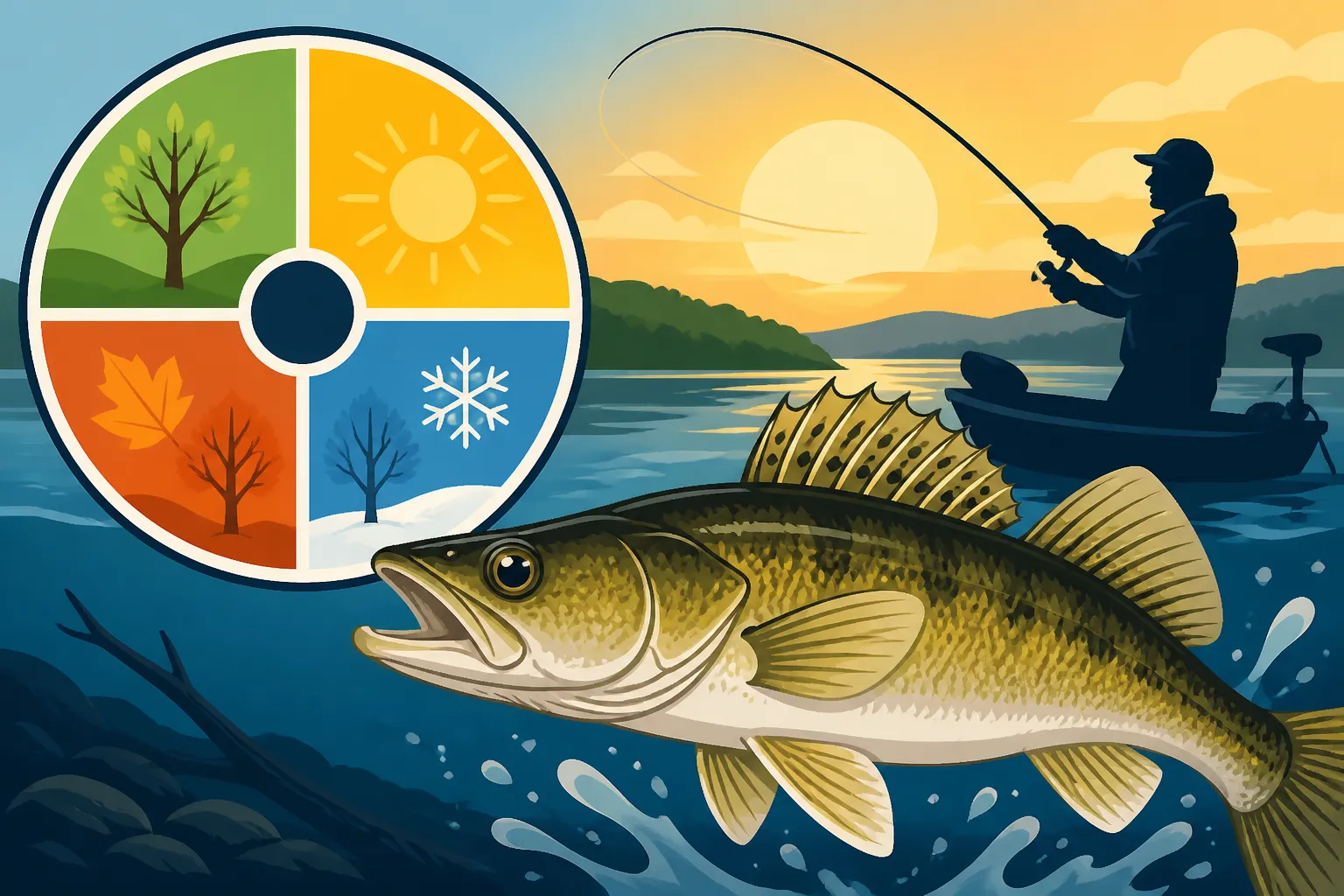
For anglers eager to target sauger in Lake Barkley, understanding the rhythm of the seasons is absolutely crucial. These fascinating fish aren't just swimming around biting all year long. They have distinct periods of high activity, and knowing these windows can make or break your trip. If you're looking for the absolute best sauger action, you'll want to set your sights on the colder months, particularly late fall, winter, and the very beginning of spring.
Peak Season Explained: Winter and Early Spring
The undeniable peak for sauger fishing in Lake Barkley really kicks into high gear once the water temperatures start plummeting in late fall and continues strong through the winter and into early spring. We're talking about those crisp, often chilly days when many other species have slowed down significantly. This is when sauger become incredibly active and much more concentrated, making them a prime target for those willing to brave the cold.
Think about it: as the water cools, sauger, which are naturally cold-water oriented fish, become more comfortable and actively feed. They're trying to fatten up for the upcoming spawn, or they're just holding in predictable areas where they can ambush prey. This period, roughly from November through March, is when you'll hear the most reports of successful sauger catches. The cold weather consolidates them into deeper holes, river channels, and below the dam, making them easier to locate. Don't let a little frost deter you; these are some of the most rewarding times to be out on the water. For more insights on fishing during the colder months, you might want to check out our guide on Cold-Water Sauger Fishing at Kentucky's Lake Barkley.
Water Temperature's Role in the Sauger Run
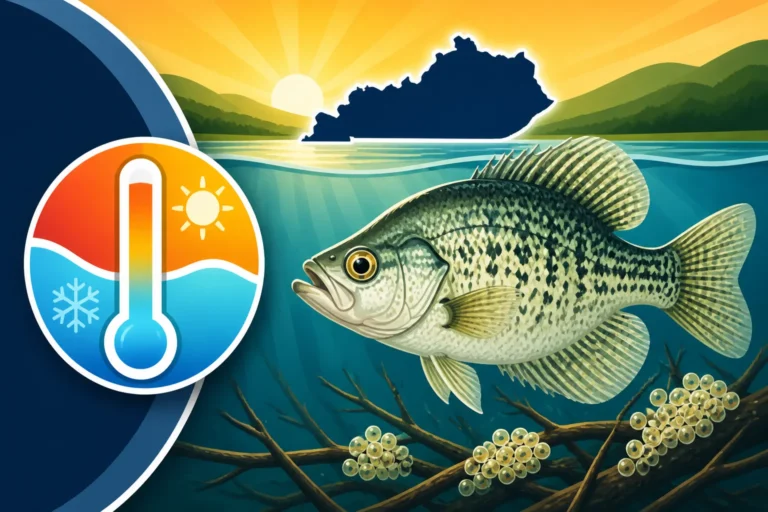
Water temperature isn't just a number; it's a vital trigger for sauger activity. While the general "winter to early spring" window is a great guideline, paying attention to specific water temperatures will help you fine-tune your timing. Sauger really start to get fired up when the water temperatures drop into the low 50s Fahrenheit, and their activity reaches its zenith when temperatures settle into the 30s and 40s.
As winter progresses, and water temperatures remain consistently low, sauger tend to school up in deeper parts of the lake, particularly in the old Cumberland River channel and associated deeper bends. Then, as spring slowly creeps in and water temperatures begin a slight, gradual rise into the mid-40s, it triggers their pre-spawn movements. They'll start migrating upstream towards traditional spawning grounds, often congregating below dams or in current-swept areas. This migration, often referred to as the "sauger run," provides some of the most phenomenal fishing opportunities. Understanding this thermal preference means you can predict their movements and adjust your fishing strategy accordingly. Keep an eye on local water temperature reports, as even a few degrees can make a difference in where you find them.
Understanding Sauger Behavior in Lake Barkley
Catching sauger isn't just about showing up during the right season; it's also about understanding how these fish behave in a complex system like Lake Barkley. They have specific preferences for habitat, food, and movement patterns that, once understood, can dramatically increase your chances of success. Lake Barkley's unique structure, being a large reservoir with a distinct river channel, plays a significant role in where you'll find sauger.
Where Sauger Hide in Lake Barkley
Sauger are typically bottom-dwelling fish, and they absolutely love current. In Lake Barkley, this means they are almost exclusively found in the deeper sections of the old river channel, particularly where there's some flow. This isn't a fish you'll typically find in shallow coves or suspended over open water. They hug the bottom, often near structural elements that offer current breaks and ambush points.
Prime locations include sharp drops, channel swings, submerged humps, and points that extend into the main river channel. Areas below dams, such as the Barkley Dam itself, are notorious sauger hotspots, especially during periods of water generation, as the current attracts baitfish and, consequently, sauger. They also utilize subtle depressions and scour holes in the riverbed. Knowing the underwater topography of Lake Barkley, perhaps with a good mapping unit or sonar, is invaluable. They prefer stained to murky water, which offers them cover to ambush prey, so don't be afraid of a little color in the water. For details on specific locations, our article on Best Sauger Fishing Spots on Lake Barkley, Kentucky offers some great pointers.
Spawning Habits and Post-Spawn Activity
The sauger spawning ritual is a critical time for anglers, as it influences their location and feeding behavior. Sauger typically spawn in late winter to early spring, usually when water temperatures are in the mid-40s to low 50s Fahrenheit. They are broadcast spawners, meaning they don't build nests but rather release their eggs and milt over rocky or gravelly bottoms in current-swept areas, often in the main river channel or upstream tributaries.
During this pre-spawn and spawn period, sauger concentrate heavily as they move to their spawning grounds. This is often when the "sauger run" is at its peak, with large numbers of fish congregating in predictable areas, making them relatively easier to catch. However, right after the spawn, fish can be a bit more lethargic and dispersed as they recover. This post-spawn period might see a slight dip in aggressive feeding as they rest and then slowly resume feeding in their deeper channel haunts. As spring progresses and water temperatures climb into the mid-50s and higher, sauger will generally move back to deeper, cooler water, becoming harder to target until the next cold season arrives. Understanding these cycles helps you adjust your expectations and techniques throughout the sauger season.
Essential Gear and Techniques for Lake Barkley Sauger
Once you've nailed down the "when" and "where" for Lake Barkley sauger, the next step is ensuring you have the right tools and strategies in your arsenal. Sauger fishing isn't necessarily complicated, but having the proper gear and employing effective techniques can make a world of difference between a slow day and a successful haul. These fish are fighters, but they also have a subtle bite that requires sensitive equipment.
Recommended Rods, Reels, and Line for Lake Barkley Sauger
When it comes to sauger fishing, sensitivity is key. You'll often be fishing in current and feeling for a subtle tap, so your gear needs to be up to the task.
- Rods: A medium-light to medium power spinning or baitcasting rod, typically 6'6" to 7'6" in length, is ideal. Look for a rod with a fast or extra-fast action. This action allows for quick hook sets and better feel when jigging. The sensitivity of a graphite rod is highly recommended for detecting those light bites. You don't need a heavy bass rod; precision and feel are more important. Our guide on Best Rods for Sauger Fishing on Kentucky's Lake Barkley delves deeper into specific recommendations.
- Reels: A spinning reel in the 2000-3000 size range or a low-profile baitcasting reel will pair well with your rod. Smooth drag is always important, as sauger can make surprising runs.
- Line: Many sauger anglers swear by braided line for its incredible sensitivity and lack of stretch, typically in the 10-20 lb test range. It allows you to feel every bump and bite, even in deep water or strong current. However, a fluorocarbon leader (6-10 lb test) is almost always recommended for its invisibility and abrasion resistance. Some anglers also opt for straight fluorocarbon or a good quality monofilament if they prefer a bit more stretch. You can find excellent options for all these fishing lines on Amazon, often with detailed reviews to help you choose. For a more in-depth look, check out Best Line and Leader Setup for Lake Barkley Sauger.
Top Lures and Baits for Success
Sauger are predatory fish that primarily feed on baitfish, so your lure selection should reflect this. The key is to present something that mimics their natural prey and gets down to where the sauger are holding.
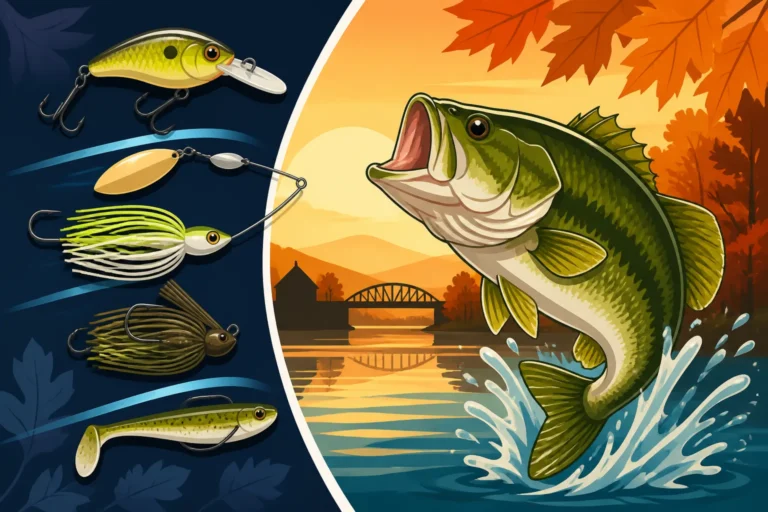
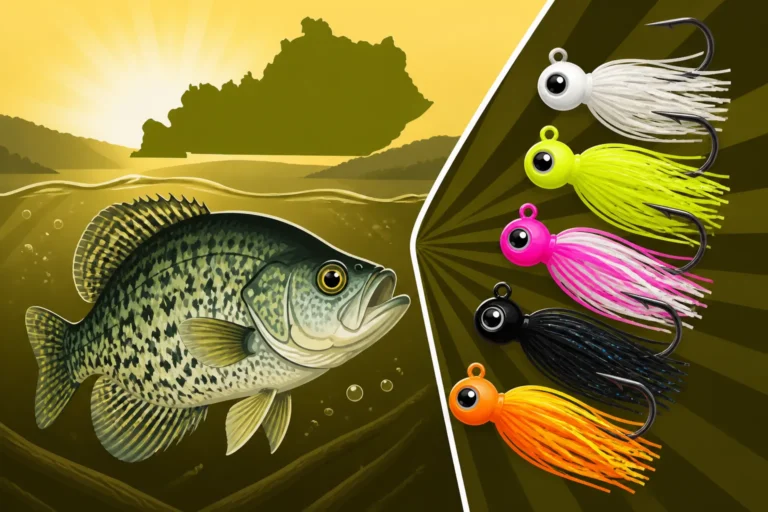
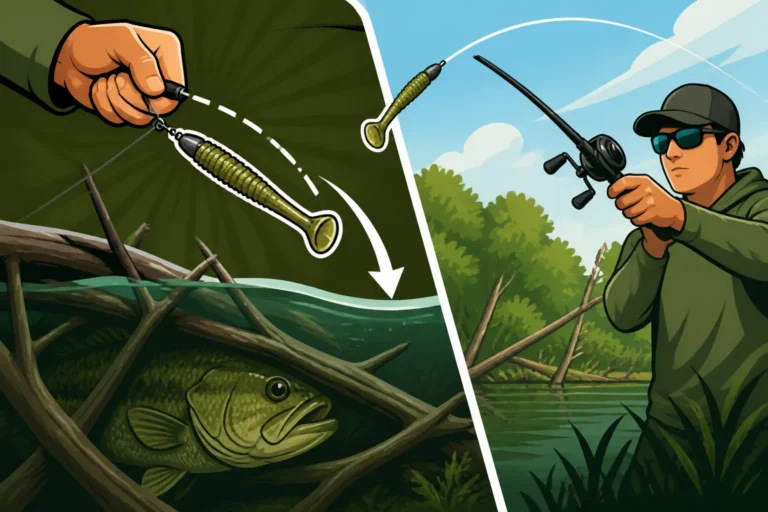
- Jigs: Without a doubt, jigs are king for sauger fishing. Lead head jigs, often tipped with a soft plastic grub, curly tail, or a minnow, are incredibly effective. Colors like chartreuse, orange, white, and dark patterns like black and blue often produce. Jig weights typically range from 1/4 ounce to 3/4 ounce, depending on the current and depth. When jigging, you'll want to employ a vertical jigging technique, letting the jig hit the bottom and then lifting it just enough to feel the weight, repeating this motion. Our guide on How to Jig for Sauger in Deep Water provides a step-by-step approach.
- Blade Baits: These vibrating lures, such as the Heddon Sonar or something similar you can find on Amazon, are deadly for sauger. They create a lot of flash and vibration, imitating a distressed baitfish. They are excellent for vertical jigging or casting and retrieving in current.
- Live Bait: Minnows are a classic and highly effective bait for sauger. They can be fished on a jig, under a bobber in slower current, or on a three-way rig. Shad can also be effective, especially larger ones for bigger sauger.
- Trolling: In some parts of Lake Barkley, especially during the colder months, slow trolling with crankbaits (like a Rapala Shad Rap) that dive to the sauger's depth can be very productive. Make sure your crankbait is designed to run deep enough to reach those channel-hugging fish.
- Spoons: Casting or vertical jigging heavy spoons can also work, especially when sauger are tightly schooled and actively feeding.
Experiment with different colors, sizes, and retrieval speeds. The sauger often tell you what they prefer on a given day, so don't be afraid to switch it up! For more details on effective lures, read our article on Best Lures for Sauger Fishing Below Dams.
Navigating Regulations and Planning Your Trip
Before you even think about casting a line for sauger in Lake Barkley, it's absolutely paramount to understand and adhere to Kentucky's fishing regulations. Not only does this ensure a legal and ethical fishing experience, but it also contributes to the long-term health of the sauger fishery. Getting caught without the right license or keeping illegal fish can quickly turn a fun day into a costly one.
Kentucky's Sauger Regulations and Limits
Kentucky's fishing regulations, set by the Kentucky Department of Fish and Wildlife Resources (KDFWR), are designed to manage fish populations and ensure sustainable angling opportunities. For sauger in particular, there are specific size and creel limits that every angler must be aware of.
Generally, for sauger statewide, the daily creel limit is six fish, and there is a minimum size limit of 14 inches. This means you can't keep any sauger shorter than 14 inches, and you can only possess up to six legal-sized sauger per day. However, it's critically important to remember that regulations can sometimes have site-specific exceptions or change from year to year. While these are the general rules for sauger, always double-check the most current KDFWR fishing guide before you head out. You can typically find this information on the KDFWR website or pick up a physical copy wherever fishing licenses are sold. Familiarizing yourself with the broader Kentucky Fishing Regulations Explained can save you a lot of headache.
Best Practices for a Successful and Compliant Trip
Planning a sauger trip to Lake Barkley involves more than just knowing where and when to fish; it also means being prepared and responsible.
- Licensing: First and foremost, you absolutely need a valid Kentucky fishing license. Whether you're a resident or non-resident, annual or short-term, make sure your license is current. You can easily purchase these online through the KDFWR website, or from authorized vendors like Walmart or local tackle shops. Our comprehensive Kentucky Fishing License Guide can walk you through the entire process.
- Check Site-Specific Rules: While the statewide sauger limits are generally consistent, specific bodies of water or sections of rivers can sometimes have different regulations. Always verify the rules for Lake Barkley and any specific areas you plan to fish, especially if you're fishing near the dam or in certain tributaries. The article Site-Specific Regulations Every Angler Should Check First emphasizes this importance.
- Safety First: Winter and early spring fishing on Lake Barkley can mean cold weather and potentially rough water. Always wear appropriate layers, including waterproof outerwear. Life jackets are non-negotiable, especially when boating in cold water or strong currents. Ensure your boat is equipped with all necessary safety gear, including a first aid kit and communication devices.
- Gear Check: Before you leave home, make sure all your tackle is in order. Sharpen your hooks, check your line for nicks, and ensure your reel's drag is working smoothly. Having spare jigs, leaders, and tools on hand is always a good idea. You can often stock up on these essentials on Amazon ahead of time.
- Respect the Resource: Practice catch-and-release for any fish you don't intend to keep, or for any sauger under the legal size limit. Handle fish carefully to minimize stress. Properly dispose of all trash and never leave anything behind on the lake or at the boat ramp.
By following these best practices, you'll not only have a more enjoyable and successful sauger fishing trip on Lake Barkley but also help preserve this fantastic fishery for future generations.
Sauger Season at Lake Barkley: At a Glance
To make it even easier, here's a quick overview of what to expect when sauger fishing at Lake Barkley throughout the year. Remember, these are general guidelines, and local conditions can always vary.
| Season | Primary Activity | Water Temperature Range | Best Locations | Recommended Techniques | Daily Creel Limit | Minimum Size Limit |
|---|---|---|---|---|---|---|
| Fall (Late) | Transition from deep water, increasing feeding | 50s – 60s°F | River channels, deeper points, dam tailwaters | Vertical jigging, blade baits | 6 | 14 inches |
| Winter | Peak season, concentrated in deep channels, pre-spawn | 30s – 40s°F | Deep river channels, below dam, current breaks | Vertical jigging, slow trolling | 6 | 14 inches |
| Early Spring | Spawning run, heavy concentrations in current-areas | 40s – low 50s°F | Dam tailwaters, upper river sections, rocky bottom | Vertical jigging, minnows | 6 | 14 inches |
| Late Spring | Post-spawn recovery, dispersing to deeper water | Mid 50s – 60s°F | Deeper channels, cooler sections | Less active, still catchable | 6 | 14 inches |
| Summer | Very low activity, difficult to target | 70s°F+ | Extremely deep, cool pockets if any | Not recommended as primary target | 6 | 14 inches |
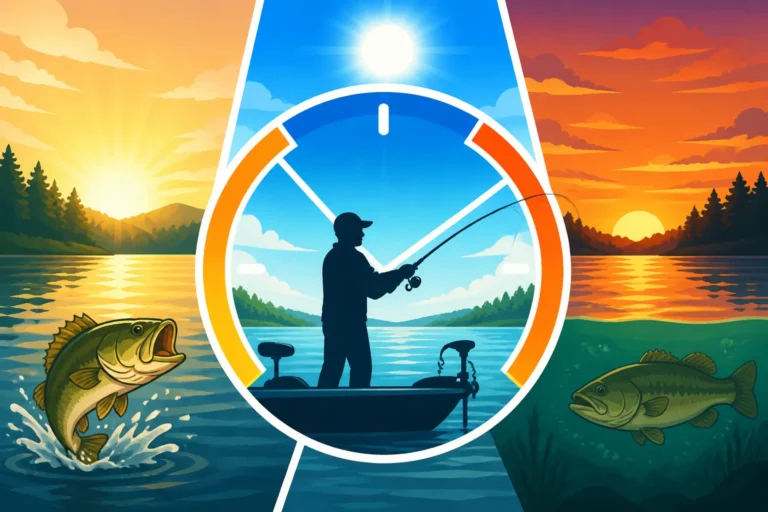
This table provides a snapshot, but each season presents nuances. For instance, knowing the Best Time of Day to Catch Sauger can also make a significant impact, even within the prime season.
Disclaimer
The information provided in this guide is for general informational purposes only and is not intended as legal advice or a substitute for official regulations. Fishing regulations, license requirements, and safety guidelines can change. Always consult the most current Kentucky Department of Fish and Wildlife Resources (KDFWR) official regulations before engaging in any fishing activities. Adherence to all local, state, and federal laws is the responsibility of the individual angler.