Best Crappie Coves on Lake Barkley, Kentucky
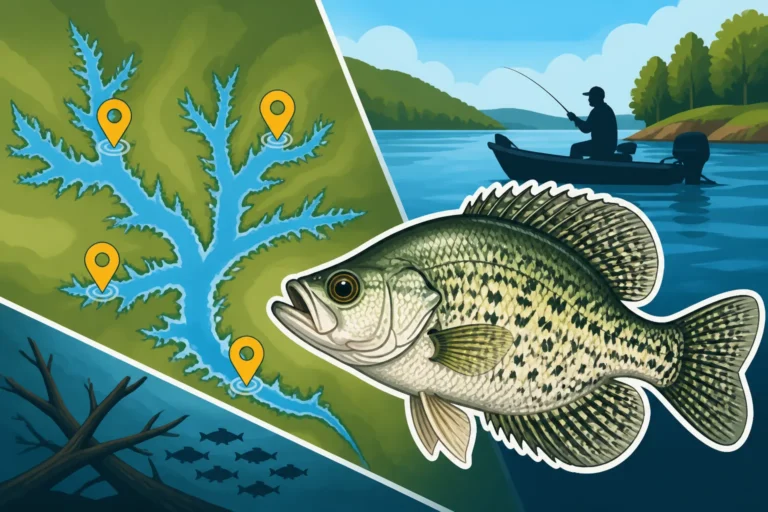
For many anglers, the hunt for crappie on Lake Barkley can feel like a daunting task. This sprawling reservoir, with its incredible length and countless nooks and crannies, holds some of the best crappie fishing in Kentucky, but knowing where to drop your line can be the biggest challenge. It's frustrating to spend hours scanning water only to come up empty-handed. This guide is dedicated to demystifying Lake Barkley's crappie fishing, leading you straight to the most productive crappie coves where these delicious papermouths love to hide.
Why Lake Barkley is a Prime Destination for Crappie Fishing
Lake Barkley isn't just a big body of water; it's a thriving ecosystem perfectly designed for crappie. If you’ve ever tried to fish a less-than-ideal lake, you know the struggle – scarce fish, no structure, just miles of empty water. But Barkley? It’s different. This lake is a true gem for crappie enthusiasts, offering consistent action and the chance for some really impressive catches, provided you know its secrets.
The Allure of Lake Barkley's Ecosystem for Crappie
What makes Lake Barkley such a crappie magnet? It really boils down to two main factors: habitat and forage. The lake boasts an incredible amount of submerged timber, brush piles, stump fields, and creek channels that provide perfect ambush points and cover for crappie. Think of it like a five-star hotel for fish, complete with endless hideouts from predators and prime spots to hunt for food. The U.S. Army Corps of Engineers and the Kentucky Department of Fish and Wildlife Resources have done an excellent job managing the lake, often adding additional structure to enhance fishing opportunities. This makes spots like the many coves throughout the lake incredibly rich environments for both black and white crappie.
Beyond just cover, Lake Barkley is teeming with the crappie's favorite snacks. Threadfin and gizzard shad are abundant, forming the base of a robust food chain. Crappie are visual predators, and having a dense population of baitfish allows them to thrive and grow to impressive sizes. When you combine plentiful food with intricate underwater structure, you create the ideal conditions for a healthy, vibrant crappie population that keeps anglers coming back year after year. Understanding these basics is the first step to successful crappie fishing on Lake Barkley.
Seasonal Migrations and the Importance of Coves
Crappie, much like us, enjoy their routines, and a big part of that is their seasonal migration. These fish don't just stay in one spot all year; they move, often quite dramatically, in response to water temperature and spawning urges. Coves become incredibly important during these movements, acting as vital staging and spawning grounds. In early spring, as water temperatures start to climb (usually into the mid-50s Fahrenheit), crappie will begin to move from deeper main lake channels into the backs of coves. This is often triggered when the water temperature triggers the crappie spawn in Kentucky. These coves warm up faster than the main lake, providing a comfortable, protected environment for them to feed heavily before moving even shallower to spawn.
During the actual spawn, which typically peaks in April and May, you’ll find crappie literally stacked in the shallowest reaches of these coves, often around flooded bushes, docks, and fallen trees. After the spawn, they’ll slowly retreat back out of the coves, first staging in slightly deeper water within the cove before heading back to their main lake haunts for the summer. Even in winter, deep coves with significant structure can hold schools of crappie seeking stable water temperatures. Knowing these patterns and understanding that coves are central to their lifecycle is crucial for targeting them effectively throughout the year. You can find more specific information on these patterns in our detailed guide on Kentucky Crappie Fishing: Spring Spawn Run Guide.
Identifying the Best Crappie Coves on Lake Barkley
Not all coves are created equal, especially when it comes to crappie. Just because a spot is a cove doesn't automatically mean it's a crappie hotspot. Experienced anglers know how to "read" the water and identify the characteristics that make a cove truly productive. It's not about luck; it's about understanding what crappie look for in their ideal hideout.
Key Structural Elements to Look For
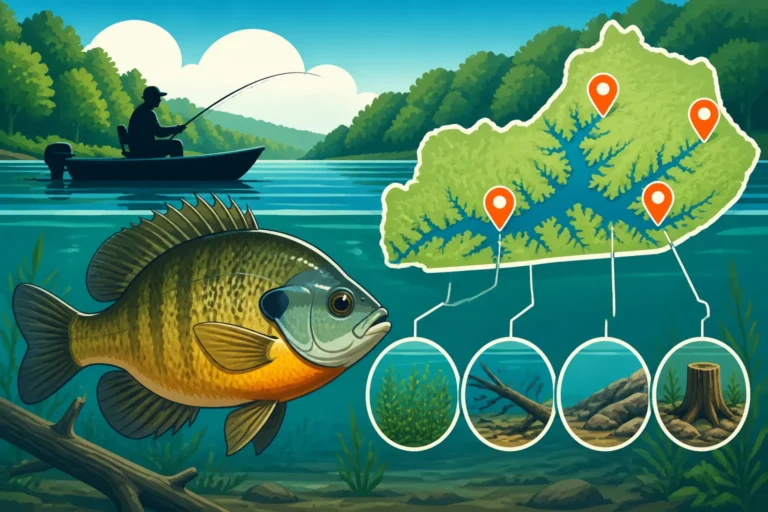
When you're searching for crappie coves on Lake Barkley, structure is your best friend. Crappie are ambush predators that love to relate to cover. Think about it: they want a place to hide from bigger fish, a shaded spot to conserve energy, and an easy vantage point to dart out and grab a passing shad. Productive coves will be packed with these features. Look for dense stands of flooded timber, especially hardwoods like oak and hickory, which tend to hold up well underwater. Brush piles, either natural accumulations of fallen trees or angler-placed structures, are absolute magnets. Docks, particularly those with brush sunk nearby, are another prime target.
Even subtle changes in the bottom contour can create excellent structure. A small ditch or hump running through a cove can concentrate fish. Don't overlook old roadbeds or foundations if you can find them using your electronics. These man-made structures are often overlooked but can hold significant schools of crappie. When fishing a new cove, spend some time idling slowly, using your sonar to map out these underwater treasures. The more structure a cove offers, especially diverse types, the higher its crappie holding potential. You can also explore how these elements play into the Best Crappie Spots on Kentucky Lake for a comparative understanding.
Understanding Water Depth and Clarity Preferences
Crappie are notoriously picky about water depth and clarity, and these preferences can change dramatically with the seasons and even the time of day. In spring, when crappie move shallow, you might find them in just 2-5 feet of water in the very backs of coves, especially when the sun is shining and warming those shallows. As summer progresses, they'll often retreat to depths of 10-20 feet, congregating around submerged structure or suspending over deeper creek channels within the coves. In winter, they can go even deeper, often suspending over 20-40 feet of water, though still relating to the deeper parts of those sheltered coves.
Water clarity also plays a significant role. Crappie prefer moderately clear to slightly stained water. Too clear, and they become spooky and harder to approach; too muddy, and their vision-based feeding is impaired. Lake Barkley often has a pleasant stained clarity, especially in its coves after a rain event or during runoff. When you encounter exceptionally clear water, try fishing deeper or presenting smaller, more natural-looking baits. In stained water, brighter colors and baits with more vibration can be effective. Always pay attention to the conditions and adjust your depth and presentation accordingly.
How Proximity to Main Channels Influences Cove Productivity
One of the most crucial, yet often overlooked, factors in a productive crappie cove is its relationship to the main lake channels. Coves that are too isolated or too shallow often don't hold the same numbers or quality of fish as those that are easily accessible from deeper water. Think of it from the crappie's perspective: during their seasonal movements, they're constantly transitioning between deep, stable main lake habitat and the shallower, food-rich coves. A good crappie cove on Lake Barkley acts as a comfortable "rest stop" or "staging area" on this journey.
Coves connected to or near main river or creek channels provide an easy highway for crappie to move in and out. These deeper channels offer refuge during cold fronts or when fish are seeking more stable temperatures. When a cove has a defined channel running through it, or a deep drop-off near its mouth, it creates an excellent travel corridor and a consistent holding area. These deep water access points are critical, especially during non-spawning periods when crappie are less committed to the shallows. When researching a new area, look at a map and identify coves that have a clear, deep path to the main lake or a significant creek arm. This connection is often the secret sauce to consistent crappie catches.
Top Crappie Cove Locations on Lake Barkley to Target
Lake Barkley is huge, stretching over 134 miles long with a massive 1,000 miles of shoreline. That's a lot of water to cover! But fear not, over years of fishing this incredible lake, certain areas and coves have proven themselves to be consistent producers for crappie. While exact spots can change with water levels and seasonal patterns, these general areas provide an excellent starting point for your crappie hunt. For a broader overview of the lake, check out our Lake Barkley Fishing Guide for Kentucky Anglers.
Northern Lake Barkley Crappie Havens
The northern end of Lake Barkley, closer to Grand Rivers and the connection to Kentucky Lake, offers some fantastic crappie fishing opportunities. This area is characterized by numerous bays and embayments that feed into the main lake, providing excellent structure and protection. One area that consistently produces is the section around Eddy Creek. The numerous fingers and smaller coves within Eddy Creek are often loaded with standing timber and brush piles. Look for points extending into the creek, especially those with deeper water nearby. These act as natural congregation points.
Another great zone is the area south of the Barkley Dam, particularly the coves and bays around the Little River confluence. This section has a good mix of shallow spawning flats and deeper channels, making it versatile for different seasons. Tributaries like Hurricane Creek also offer promising crappie coves, particularly in their lower and middle sections where they still feel the influence of the main lake. Anglers often find success here by targeting submerged brush and old creek beds within these protected areas. If you're planning a trip, exploring these northern havens is a smart move, and you might even consider booking a local guide through platforms like FishingBooker to get direct insights into the current hotspots.
Mid-Lake's Reliable Crappie Pockets
Moving further south, the mid-lake region of Lake Barkley also holds its share of crappie treasures. This section tends to be a bit wider, but still features plenty of secluded coves and creek arms. An excellent area to focus on is the Donaldson Creek arm. Donaldson Creek is a major tributary that has numerous secondary creeks and coves branching off it. These smaller pockets offer a fantastic mix of habitat, from shallow cypress trees to deeper creek channels that wind through the flooded timber. Look for areas where the creek channel swings close to shore, creating abrupt drop-offs that crappie love.
Another reliable mid-lake area is the Bee Spring Creek arm. Similar to Donaldson, Bee Spring offers extensive crappie habitat. Focus on the larger coves within Bee Spring, particularly those with a significant amount of standing or fallen timber. These coves often have a slower current flow, allowing baitfish to congregate and crappie to school up. Pay attention to older boat docks and private piers, as many homeowners sink brush piles around their docks to attract fish. These man-made structures can be honey holes. The mid-lake region often provides a good balance of fishing pressure, sometimes being less crowded than the more accessible northern areas.
Southern Lake Barkley's Secluded Sanctuaries
As you venture to the southern reaches of Lake Barkley, the landscape changes slightly, often becoming a bit more riverine in feel. However, this doesn't diminish its crappie potential; it simply means you're looking for different types of coves. The area around the Cumberland River Channel, as it winds through the southern lake, is a prime location. Look for the many embayments and small creeks that feed into this channel. These offer excellent protection and often hold deep water access points.
One specific area to explore is the section around Bumpus Mills and further south. The coves here can be incredibly productive, especially during the colder months when crappie retreat to deeper, stable water. The larger, deeper coves with plenty of standing timber are key. Additionally, look for areas with less boat traffic; these secluded sanctuaries often hold less pressured fish. If you're someone who enjoys a quieter fishing experience, the southern end of Barkley can be a real treat. Just remember that while the fish might be less pressured, you still need to adhere to the Kentucky Crappie Daily Limit Rules and all other regulations.
Here's a quick overview of crappie cove characteristics to help you quickly assess potential spots:
| Cove Characteristic | Best for Crappie When… | Why It Matters |
|---|---|---|
| Water Depth | 3-8 ft (Spring), 10-20 ft (Summer/Fall), 15-40 ft (Winter) | Crappie follow baitfish and seek comfortable temperatures at various depths. |
| Water Clarity | Moderately stained to slightly clear | Offers good visibility for feeding without making fish too spooky. |
| Structure Type | Flooded timber, brush piles, docks, old roadbeds, rock piles | Provides ambush points, shade, and protection from predators. |
| Access to Channel | Close to a main creek or river channel | Allows easy migration between deep and shallow water for crappie. |
| Forage Base | Abundant shad schools, small minnows | Crappie are active predators; good food supply keeps them in the area. |
| Shoreline Cover | Overhanging trees, fallen logs, lily pads | Offers shade and cover, especially in shallower water during warmer months. |
Essential Gear, Baits, and Techniques for Cove Crappie
Once you've identified a promising crappie cove on Lake Barkley, the next step is to ensure you have the right tools and strategies. It's not just about getting to the fish; it's about making them bite! Over the years, I've seen countless anglers, myself included, struggle because they're using the wrong setup or technique for the specific conditions. Let's make sure that's not you.
Recommended Tackle Setup for Coves
For crappie fishing in the coves of Lake Barkley, you don't need heavy-duty saltwater gear. In fact, lighter tackle is often more effective, allowing for better sensitivity and more subtle presentations. A good setup typically consists of a light to medium-light action spinning rod, around 6 to 7 feet in length. This length provides enough leverage for casting and fighting fish, but also enough precision for working baits around cover. Look for a rod with a fast or extra-fast tip for excellent bite detection. For reels, a 1000 or 2000 series spinning reel is perfect. These are lightweight, balance well with lighter rods, and have a smooth drag system.
When it comes to fishing line, many crappie anglers prefer 4-6 lb test monofilament or fluorocarbon. Monofilament offers good knot strength and some stretch, which can be forgiving with aggressive bites. Fluorocarbon is less visible underwater and has less stretch, providing more sensitivity. Some anglers also opt for a light braided line (e.g., 6-10 lb test) with a fluorocarbon leader for maximum sensitivity and strength, especially when fishing heavy cover. The key is balance; you want tackle that's light enough to feel those subtle crappie nibbles but strong enough to pull a slab out of a brush pile. For a deep dive into specific options, you might want to look at our guide on Best Reels for Crappie Fishing on Big Lakes.
Go-To Baits and Lures That Get Bites
Crappie can be finicky eaters, but there are a few consistent performers that every angler should have in their tackle box when targeting coves. Small jigs are undoubtedly king. Soft plastic jigs in sizes ranging from 1/32 to 1/8 ounce, paired with small plastic bodies like grub tails, tubes, or small minnow imitations, are incredibly effective. Popular colors vary, but chartreuse, white, black/chartreuse, and various shad patterns are always good starting points. Experiment with different colors until you find what the fish prefer on that particular day. Our guide on Best Crappie Jigs for Kentucky Waters offers more insights.
Beyond artificials, live bait is a classic crappie killer. Small minnows, hooked lightly through the lip or back, are irresistible to crappie. You can fish them under a bobber or simply tight-line them near structure. When the crappie are particularly stubborn, a small minnow on a tiny jig head can often coax a bite when nothing else will. Crappie nibblers (small, scented soft plastics or dough baits) can also be added to jigs for extra appeal. Always have a variety of options ready, as what works one day might not work the next. Checking the local bait shops or online resources like FishingBooker's local reports can often give you an idea of what's currently biting.
Effective Techniques for Maximizing Your Catch
Success in Lake Barkley's crappie coves often comes down to employing the right techniques. One of the most common and effective methods is vertical jigging. Position your boat directly over or very close to submerged structure, and drop your jig or minnow straight down. Slowly raise and lower your rod tip, imparting a subtle jigging motion. Pay close attention to your line for any twitch or slack, as crappie bites can be incredibly light. Spider rigging, where multiple rods are deployed from the front of the boat, each with a different depth and bait, is another popular technique, especially for covering larger areas of a cove.
Casting and retrieving small jigs or spinnerbaits is also highly effective, especially when crappie are shallow during the spawn. Fan cast around docks, fallen trees, and brush piles, allowing your lure to sink to the desired depth before slowly reeling it back. When crappie are suspended, try the "tightlining techniques for crappie fishing" approach, using heavier jigs or weights to get your bait down quickly and keep it in the strike zone. And don't forget the power of stealth! Crappie in shallow coves can be easily spooked by loud noises or sudden movements. Use your trolling motor sparingly and approach your spots quietly. Remember, you're trying to outsmart these fish, and a thoughtful approach often leads to a full livewell.
Disclaimer
The information provided in this guide is for general informational purposes only. Fishing conditions, regulations, and fish behavior can change rapidly. Always consult the latest regulations from the Kentucky Department of Fish and Wildlife Resources before your trip. Fishing inherently carries risks, and it is important to prioritize safety on the water.