Best Catfish Spots on Lake Barkley
Lake Barkley is a behemoth, a stunning body of water that can feel overwhelming when you're trying to pinpoint the best spots for a specific type of fish. Many anglers find themselves driving around endlessly, staring at a vast expanse of water, wondering where to even drop a line, especially when they're after the hard-fighting catfish. This guide is here to cut through that confusion, giving you a detailed look at where to find channel, blue, and flathead catfish in Lake Barkley, so you can spend less time guessing and more time reeling in those whiskered beauties.
Navigating Lake Barkley's Prime Catfish Territories
Lake Barkley, part of Kentucky's expansive Land Between the Lakes region, is a phenomenal fishery for all three major catfish species: channel, blue, and flathead. Its diverse underwater topography, including deep river channels, countless creek arms, submerged timber, and vast flats, creates a perfect environment for these bottom dwellers. Understanding these different habitats is the first step in locating your next trophy catfish.
It's not just about randomly dropping a line; it's about knowing where each species prefers to hang out and what kind of structure draws them in. The lake itself is a massive impoundment of the Cumberland River, and that old river channel running through it is a superhighway for big blues and flatheads, particularly in the deeper sections. Meanwhile, the shallower, warmer creek arms and feeder streams offer fantastic opportunities for channel cats, especially during warmer months. The sheer size of Lake Barkley can be daunting, but by focusing on these distinct areas, you can significantly increase your chances of success. Remember, Lake Barkley is famously connected to Kentucky Lake, and while they share similar characteristics, each lake has its nuances that local anglers truly master.
The Influence of the Main River Channel
The heart of Lake Barkley's catfish scene, especially for the larger blue and flathead species, lies within the remnants of the Cumberland River channel. This channel snakes its way through the entire length of the lake, offering deep water, consistent current, and an abundance of forage like shad and skipjack herring. Catfish, particularly the bigger ones, are often found patrolling the edges of this channel, especially where it meets significant creek mouths, humps, or submerged timber.
During periods of generation at the Barkley Dam, the current intensifies along this channel, which can be a double-edged sword. While it concentrates baitfish and, consequently, catfish, it can also make it challenging to hold bottom with your rig. Many experienced anglers target these channel edges and adjacent drop-offs, especially after dark, using heavy tackle and large chunks of fresh cut bait. Look for subtle bends in the channel or areas where secondary creek channels merge, creating ideal ambush points for flatheads and feeding lanes for blues. Don't be afraid to study a detailed lake map or use your fish finder to locate these underwater highways; they are crucial to consistent catfishing success on Lake Barkley.
Creek Arms and Tributary Confluences
Beyond the main river channel, Lake Barkley is riddled with numerous creek arms that offer entirely different, yet equally productive, catfishing opportunities. Creeks like Little River, Donaldson Creek, Eddy Creek, and Lick Creek are not just names on a map; they are vibrant ecosystems within the larger lake, each with its own character and hidden catfish treasures. These areas tend to be shallower, warm up faster in spring, and contain a wealth of structure such as submerged brush, standing timber, rock piles, and distinct creek channels that wind through the flats.
Channel catfish, in particular, absolutely thrive in these creek arms. They'll frequent the shallower flats and mud bottoms, especially during their spawning season in late spring and early summer. You'll find them cruising near points, along riprap banks, and around the mouths of smaller feeder ditches that dump into these larger creek systems. Flatheads also lurk in these areas, preferring the heavy timber and log jams found along the creek channel bends. For a more relaxed fishing experience, many anglers will explore these creeks from the bank or with smaller boats, targeting the natural cover. It’s a completely different approach than battling the deep main lake, offering both variety and plenty of action.
Prime Locations for Each Catfish Species
While catfish generally share an affinity for the bottom, each species has its own preferences regarding habitat, depth, and forage. Knowing these distinctions can help you refine your approach and specifically target the type of catfish you’re after on Lake Barkley. From the widespread channel cat to the elusive flathead, understanding their habits is key.
For many, the sheer size of Lake Barkley makes finding these specific spots feel like a monumental task. But with a little guidance, you can narrow down your search considerably. If you're new to the area or just want to maximize your chances, consider looking into charter options; a quick search on a platform like FishingBooker can connect you with local guides who spend hundreds of hours on these waters and know precisely where the fish are holding at any given time.
Channel Catfish Hotspots
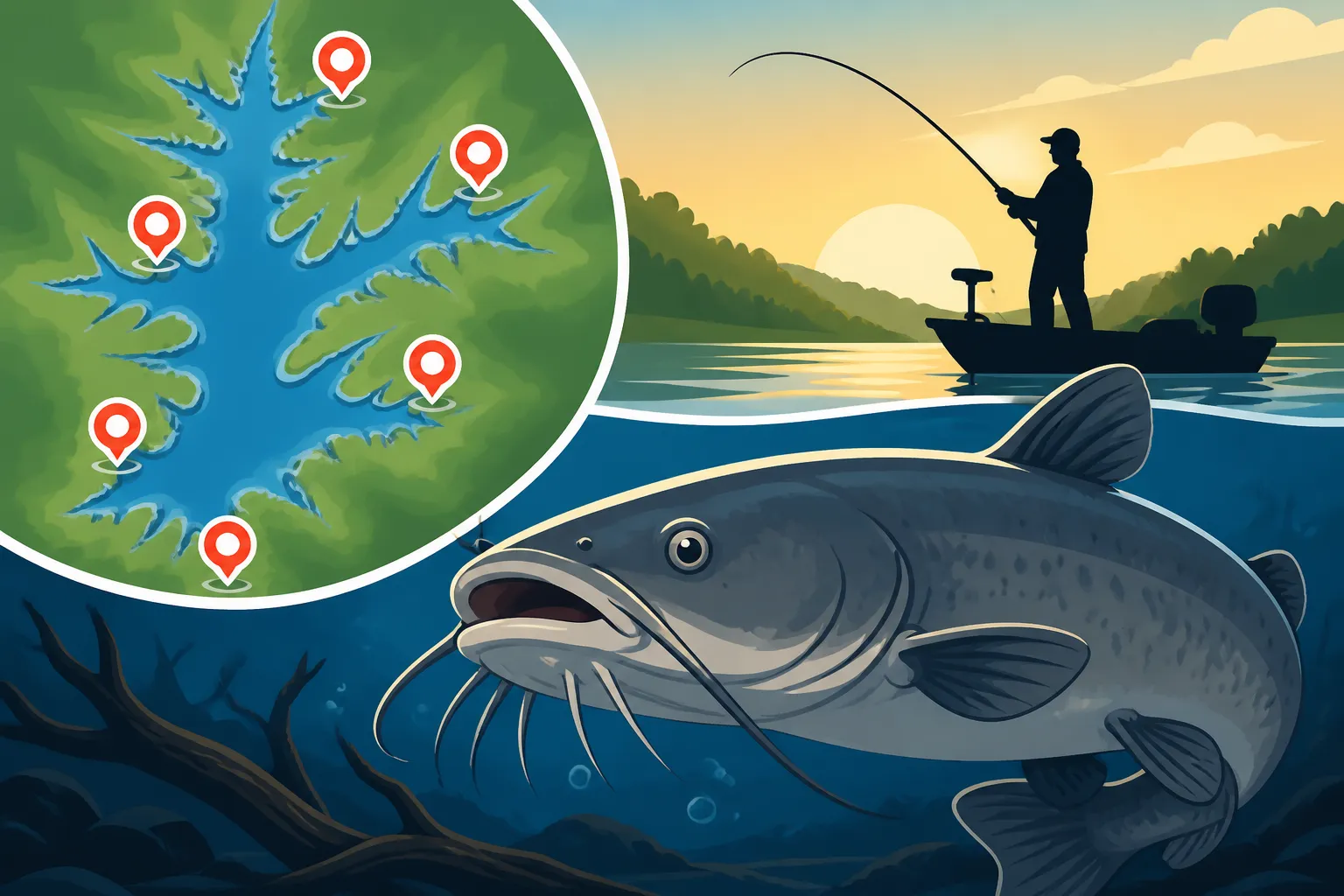
Channel catfish are arguably the most abundant and widespread catfish species in Lake Barkley, making them a fantastic target for anglers of all skill levels. They are less particular about depth than blues or flatheads and can be found in a wide range of habitats, from shallow flats to creek channels. However, there are some areas where they truly congregate.
Key areas for channel catfish:
- Shallow Flats and Bays: Especially in the warmer months, channel cats will cruise shallow flats, often in 5-15 feet of water, feeding on insects, crustaceans, and small baitfish. Look for areas with a soft, muddy bottom near creek mouths.
- Riprap Banks: The rocky banks of causeways, bridges, and shorelines offer excellent habitat. These rocks provide cover and collect various food sources, making them a magnet for hungry channel cats.
- Creek Mouths and Feeder Creeks: Any influx of freshwater, especially after a rain, will draw channel cats. They'll stage at the mouths of smaller creeks and even venture up into the tributaries themselves. Areas around Little River and Donaldson Creek are perennial favorites.
- Mid-lake Humps and Points: Submerged humps and points in the main lake that top out in 15-25 feet of water can hold schools of channel cats, especially if there's scattered brush or timber nearby.
When targeting channel cats, don't overthink your bait. They're opportunistic eaters, so classic choices like chicken livers, nightcrawlers, shrimp, and various manufactured stink baits work wonders. A simple bottom rig with an ounce or two of lead to hold it in place is usually all you need. You might even want to check out some Bank Fishing Techniques for Beginners if you prefer to fish from shore, as many of these channel cat spots are accessible without a boat.
Targeting Trophy Blue Catfish
For those chasing genuine monsters, Lake Barkley’s blue catfish population offers incredible opportunities. These powerful fish can grow to immense sizes, with Kentucky holding a state record of over 100 pounds. While impressive, remember that Kentucky Catfish Daily Limit and Trophy Fish Rule still apply, so always check the latest regulations. Blue cats are primarily residents of the main river channel and prefer deeper, open water areas, often in strong current.
Prime blue catfish zones:
- Main River Channel (Cumberland River): The old river channel that winds through Lake Barkley is the absolute best place to find big blue cats. They'll relate to the deepest sections, often 30-60 feet or more, especially along the edges where the channel meets a flatter shelf.
- Dam Area and Tailwaters: Below the Barkley Dam, the powerful current and abundant baitfish create a feeding frenzy for blue cats. While the immediate tailwaters have specific regulations, the main lake areas closer to the dam are highly productive.
- Deep Creek Channel Bends: Where major creek channels (like Little River or Eddy Creek) merge with or have deep bends near the main river channel, blue cats will stack up, particularly during the colder months.
- Submerged Humps and Islands: Deepwater structure, like large submerged humps or the tops of flooded islands adjacent to the main channel, can be ambush points for schooling blue cats.
The key to blue catfishing is fresh cut bait. Shad, skipjack herring, and even smaller bluegill cut into chunks are irresistible to these giants. Drifting these baits along the channel edges or anchoring on a prime spot and letting the current work your bait are effective techniques. Don't be afraid to use substantial tackle; heavy-action rods, robust reels, and at least 30-50 lb test line are common. Many anglers specifically look for guides on platforms like FishingBooker to help them navigate these challenging deep-water areas and target the biggest blue catfish, leveraging local expertise to find those truly monumental fish. Knowing How Big Do Blue Catfish Get in Kentucky? is a great motivator, but knowing where to find them is half the battle.
Hunting Elusive Flathead Catfish
Flathead catfish are the true apex predators of the catfish world in Lake Barkley. Unlike their channel and blue cousins, flatheads are ambush predators that prefer live bait and heavy cover. They are often solitary and much harder to locate, but the reward of hooking into a powerful flathead is unmatched. They thrive in areas with substantial woody debris and slow-moving current.
Where to find flathead catfish:
- Submerged Timber and Log Jams: Flatheads love to hide in dense cover. Look for large log jams, downed trees, and standing timber, especially along the edges of creek channels or the main river channel.
- Deep, Dark Holes in Creek Arms: Within the larger creek arms like Little River, Eddy Creek, and Donaldson Creek, flatheads will stake out deep holes (15-30 feet) that have plenty of woody structure.
- Rock Piles and Underwater Debris: Any substantial structure on the bottom, whether natural rock or man-made debris, can hold a flathead. They prefer places where they can hide and dart out to ambush passing prey.
- Undercut Banks: Along the main river and larger creek banks, look for areas where the current has carved out an undercut. These offer perfect hiding spots for flatheads.
Live bait is non-negotiable for flatheads. Bluegill, shad, and even sturdy goldfish are excellent choices. Hook them through the back or lips to keep them lively and present them near cover. Heavy gear is a must, as you'll be fishing in snaggy areas, and a big flathead can put an incredible strain on your equipment. Patience is also a virtue when targeting flatheads, as they may not bite as frequently as channel or blue cats. Techniques for flatheads are often similar to those discussed for Best Bait for Flathead Catfish on the Ohio River, with a focus on presenting live bait in dense cover.
Essential Gear and Techniques for Lake Barkley Catfish
Having the right gear and understanding effective techniques are crucial for a successful catfish outing on Lake Barkley. Whether you're chasing channel cats in the shallows or battling monster blues in the main channel, a tailored approach will make all the difference. The lake offers diverse environments, so being prepared for different scenarios is key.
Recommended Tackle
Your tackle selection will largely depend on the size of catfish you're targeting and the specific fishing conditions. For general channel catfishing in creek arms or shallower areas, a medium-heavy action rod (7-8 feet) paired with a baitcasting or spinning reel spooled with 15-25 lb monofilament or braided line is usually sufficient.
However, when you step up to targeting trophy blue and flathead catfish in deeper, snaggy areas of the main channel, you'll need to upgrade. A heavy-action rod (7.5-10 feet) with a strong backbone is essential for handling large fish and heavy weights. Pair this with a robust baitcasting reel capable of holding 50-80 lb braided line, often with a monofilament leader of similar strength. This kind of setup allows you to apply serious pressure to fish trying to bury themselves in cover. Don't forget quality hooks, typically 5/0 to 9/0 circle hooks, which are excellent for catfish as they often hook the fish in the corner of the mouth, making for easier release and less harm.
Best Baits for Lake Barkley Catfish
As we've touched on, bait choice is paramount and varies significantly by species:
| Catfish Species | Preferred Habitat | Best Baits | Optimal Season |
|---|---|---|---|
| Channel Catfish | Shallow flats, creek mouths, riprap, 5-25 ft | Chicken Livers, Nightcrawlers, Shrimp, Stink Baits, Cut Bait | Spring, Summer, Fall |
| Blue Catfish | Main river channel, deep holes, current breaks, 20-80+ ft | Fresh Cut Shad, Skipjack Herring, Bluegill (cut), Perch (cut) | Year-Round (deeper in winter) |
| Flathead Catfish | Heavy submerged timber, log jams, rock piles, 15-40 ft | Live Bluegill, Live Shad, Live Perch, Live Goldfish | Spring, Summer, Fall |
Always prioritize fresh bait, especially for blue and flathead catfish. Freshly caught shad or skipjack herring will significantly outperform frozen or stale bait. Learning how to properly prepare your cut bait, ensuring it bleeds and releases scent effectively, can also make a big difference. For channel cats, a variety of commercially available stink baits, dip baits, and even hot dogs can be surprisingly effective, offering convenience if you're not keen on handling live or cut fish.
Effective Fishing Techniques
Lake Barkley lends itself to several proven catfishing techniques:
- Bottom Fishing (Anchored): This is the most common method. Anchor your boat upstream or upcurrent from your chosen spot (e.g., a channel edge, a hump, or a log jam) and cast your bait downstream. Let your weight settle on the bottom and wait for the bite. This is excellent for all three species, especially if you're targeting a precise piece of structure.
- Drifting: For blue catfish in the main channel, drifting can be incredibly effective. Use a three-way swivel rig or a Santee Cooper rig with enough weight to keep your bait near the bottom as your boat drifts with the wind or current. This allows you to cover a lot of water and present your bait to numerous fish. You'll often find that Night Fishing Techniques for Catfish involve a lot of drifting, particularly for blues.
- Jug Fishing/Trotlining: While requiring specific permits and adherence to Kentucky Fishing Regulations Explained, jug fishing and trotlining are extremely productive methods for catching multiple catfish, particularly channel and blue cats, across large areas of the lake. Setting out multiple baited lines allows you to cover different depths and locations simultaneously. If you're new to this, a guide on Jug Fishing for Catfish: A Beginner's Guide can be very helpful.
- Bank Fishing: Don't underestimate bank fishing on Lake Barkley. Many accessible points, riprap areas, and creek mouths offer excellent opportunities for channel cats, especially in the spring and fall. A simple Carolina rig or a three-way swivel rig works well from shore.
Remember that understanding the seasonal movements of catfish can drastically improve your success. In spring, catfish move shallower to spawn, making them more accessible. In summer, they might retreat to deeper, cooler waters, especially blues. Fall sees them actively feeding, bulking up for winter, and winter often finds them congregated in the deepest parts of the main river channel. Always check for current site-specific regulations for Lake Barkley, as they can sometimes vary from statewide rules.
Maximizing Your Lake Barkley Catfish Experience
Fishing on Lake Barkley is more than just catching fish; it's about the entire experience, from preparing your gear to understanding the subtle nuances of the water. To truly make the most of your time on this magnificent lake, a little extra insight can go a long way.
The Role of Electronics and Lake Maps
In a large reservoir like Lake Barkley, electronics are not a luxury; they're almost a necessity for serious catfishing. A good fish finder with GPS capabilities can help you:
- Locate the main river channel and creek channels: These underwater highways are crucial for finding blue and flathead catfish.
- Identify submerged structure: Timber, rock piles, humps, and old roadbeds are catfish magnets. Your fish finder will reveal these hidden gems.
- Spot baitfish schools: Where there are baitfish, there are often predatory catfish nearby.
- Monitor depth and bottom composition: Catfish often prefer specific depths and soft, muddy bottoms or hard structure.
Combine your electronics with detailed lake maps (paper or digital). Study the contours, old creek beds, and potential access points before you even launch your boat. Many successful catfishermen spend as much time studying maps and electronics as they do actually fishing.
Leveraging Local Knowledge and Guides
Lake Barkley is vast and its conditions can change frequently due to weather, water levels, and current generation. While this guide provides a solid starting point, nothing beats real-time, local knowledge.
- Talk to Local Bait Shops: The folks running the local bait and tackle shops are often a treasure trove of information. They know what's biting, where, and on what bait. Places around Grand Rivers or Eddyville are excellent resources.
- Online Forums and Social Media Groups: Join local Kentucky fishing groups online. Anglers often share tips, recent catches, and general conditions. Just be respectful and don't expect anyone to give away their secret honey holes!
- Consider a Guided Trip: If you're new to Lake Barkley or want to quickly learn the ropes, hiring a local fishing guide is an invaluable investment. They have years of experience, specialized gear, and know the current patterns. As mentioned earlier, platforms like FishingBooker can help you find reputable guides who specialize in Lake Barkley catfishing, allowing you to learn from the best and dramatically increase your chances of a successful outing. A guide can teach you specific techniques for Best Catfish Holes on Kentucky Lake (which shares many similarities with Barkley) or how to target Kentucky Catfish Daily Limit and Trophy Fish Rule effectively.
Safety First on Big Water
Lake Barkley is a large body of water, and safety should always be your top priority.
- Check Weather Forecasts: Conditions can change quickly, especially with summer thunderstorms. Always check the forecast before heading out.
- Wear Life Jackets: While not always legally required for adults, wearing a life jacket, especially when moving or in rough water, is just smart. It's an absolute must for children; remember Kentucky Life Jacket Law for Kids Under 12.
- Inform Someone of Your Plans: Let a friend or family member know where you're going and when you expect to return.
- Have Essential Safety Gear: Beyond life jackets, ensure you have a throw cushion, whistle or horn, navigation lights (if fishing at dawn/dusk/night), and a fully charged cell phone. Also, consider the Kentucky Safe Boating Certificate Requirements for anyone operating a motorized vessel, especially if born after 1975.
By combining an understanding of catfish behavior, the right gear, effective techniques, and a healthy respect for Lake Barkley's waters, you're well on your way to a memorable catfishing adventure.
Disclaimer
Please note that fishing regulations, including license requirements, bag limits, and size restrictions, can change. Always consult the latest Kentucky Department of Fish and Wildlife Resources (KDFWR) guidelines before planning your fishing trip. This article is for informational purposes only and should not be considered legal advice.