Fishing Techniques After a Cold Front
There's nothing quite like the crushing disappointment of planning a perfect fishing trip to one of Kentucky's beautiful lakes or rivers, only to have a sudden cold front sweep through right before you hit the water. It can feel like the fish have vanished into thin air, leaving you wondering if it's even worth casting a line. But don't despair! While cold fronts certainly change the game, they don't have to ruin your day entirely. This guide will walk you through the essential adjustments and techniques to keep catching fish even when Mother Nature throws a chilly curveball.
Understanding the Impact of a Cold Front on Fish Behavior
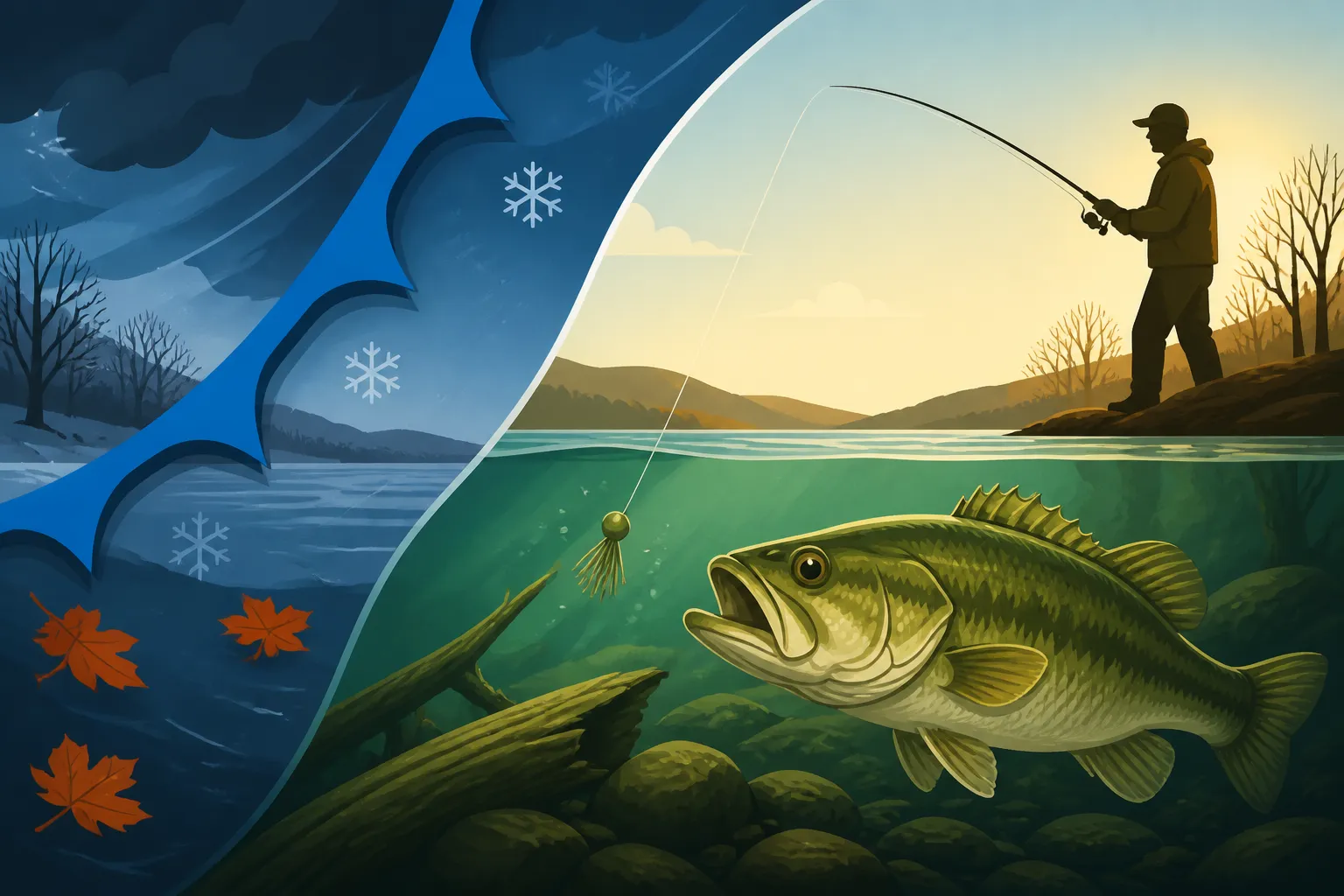
When a cold front rolls through, it's not just the air temperature that drops; the entire aquatic environment undergoes a significant shift. Fish are cold-blooded creatures, meaning their body temperature, and subsequently their metabolism, is directly tied to the surrounding water temperature. A sudden dip can send them into a state of shock, making them less willing to chase a lure.
How Water Temperature Fluctuations Affect Fish
The immediate aftermath of a cold front often brings clear, high-pressure skies and a noticeable drop in surface water temperatures. This might not seem like a huge deal to us, but for fish, it's like suddenly being plunged into a refrigerator. Their comfort zones shrink dramatically, and they'll often seek out areas where the water temperature is more stable or slightly warmer. This could mean moving deeper, tucking into thick cover, or relocating to parts of the lake that retain heat better. For instance, shallow flats that were bustling with activity just yesterday might be completely devoid of life today, as the fish have retreated to deeper channels or ledges in places like Kentucky Lake or Lake Cumberland, seeking more stable thermal environments. Understanding how falling water temperature changes fish behavior is crucial for adapting your strategy.
Changes in Fish Metabolism and Activity Levels
Think about how you feel on a cold, dreary day – you might not have the energy or motivation to run a marathon. Fish experience a similar slowdown. Their metabolism decreases, which means they don't need to eat as frequently or expend as much energy chasing food. This directly impacts their willingness to bite. Instead of aggressively striking at fast-moving baits, they become lethargic and less reactive. They're still hungry, eventually, but they're looking for an easy, low-energy meal. This shift means that the fast-paced, reaction-strike techniques that worked yesterday will likely fail miserably today. You need to present baits in a way that appeals to a slower, less active predator.
The Immediate Aftermath: Shock and Disorientation
The first 24-48 hours after a significant cold front can be the toughest. Fish can be in a state of shock, disoriented by the rapid changes in barometric pressure, light penetration (due to clearer skies), and water temperature. They might suspend aimlessly, burrow deep into cover, or simply stop feeding altogether for a period. This is when patience becomes your most valuable asset. It's not uncommon to fish an hour or two without a single bite, but understanding this initial "shock phase" helps manage expectations. They're not gone forever; they're just regrouping and trying to find their new comfort zone. This period is when the bite is typically the lightest, making every subtle strike a victory.
Key Adjustments to Your Fishing Approach
Fishing after a cold front demands a complete overhaul of your typical techniques. What worked yesterday probably won't work today, and stubbornly sticking to your old habits is a sure way to go home empty-handed. The key is to think like a lethargic fish – what would tempt you if you were cold and didn't want to move much?
Slowing Down Your Presentation
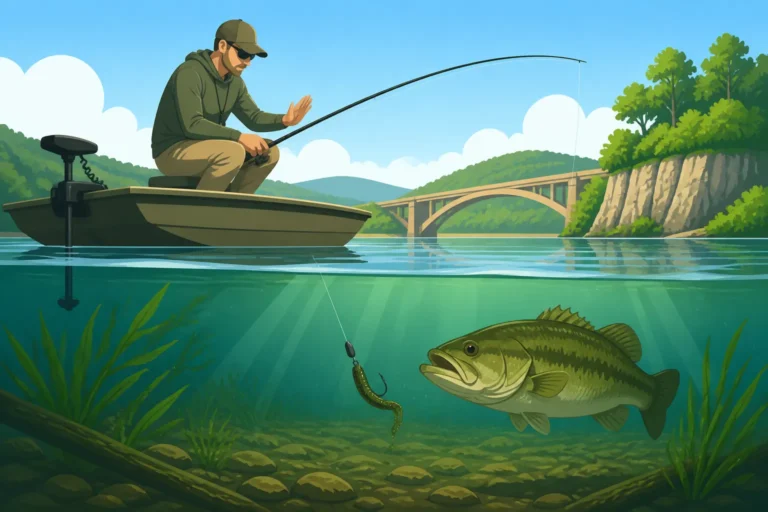
This is arguably the most critical adjustment you can make. Fish are no longer willing to chase a speedy meal. Instead, they want something that's practically handed to them. This means slowing down everything you do. If you're using a crankbait, try slow-rolling it instead of burning it back to the boat. For jigs and soft plastics, think about dragging them along the bottom with long pauses, barely twitching them. Dead-sticking, where you cast your lure out and let it sit motionless for extended periods, can be incredibly effective, especially for bass that are hunkered down. A subtle twitch every 10-15 seconds is often all it takes to trigger a bite from an otherwise uninterested fish. The goal is to make your bait appear like an easy, irresistible snack that requires minimal effort to catch.
Downsizing Baits and Lures
Just as fish are less active, their appetites might also be a bit smaller. A big, bulky lure that screamed "easy meal" yesterday might now appear too intimidating or simply too much effort for a post-front fish to pursue. This is where downsizing comes into play. If you were throwing a ½-ounce jig, try a ¼-ounce or even a ⅛-ounce. Swap out your large crankbaits for smaller, shallower-diving versions, or even consider finesse techniques like drop-shotting with smaller worms. Even your line size might benefit from being a bit lighter, making your presentation more natural and less visible in the clearer post-front water. You can find a huge variety of smaller, more subtle lures on Amazon that are perfect for these conditions.
Targeting Different Depths and Cover
Fish will seek out more stable and often deeper water after a cold front. This means abandoning those productive shallow flats and looking for transitions, drop-offs, channel swings, and deep pockets. If you're on a lake like Herrington Lake, known for its deep waters, focus on ledges and submerged points where fish can suspend or hug the bottom. Often, fish will also bury themselves into the densest cover they can find – thick brush piles, rock piles, submerged timber, or even deep weed lines. These spots offer both shelter and a slight thermal refuge. Don't be afraid to fish directly in the cover, not just around it, as the fish might be literally nose-down in the thick stuff. Your fish finder will be your best friend here, helping you locate these deeper structures and suspended fish. Knowing where to find the fish is half the battle, and these conditions often necessitate exploring new territory.
Lure and Bait Selection for Post-Front Conditions
Choosing the right bait after a cold front is less about finding something flashy and more about finding something subtle, natural, and appealing to a finicky eater. Forget the loud, aggressive presentations; it's time for finesse and realism.
Natural Baits and Subtle Lures
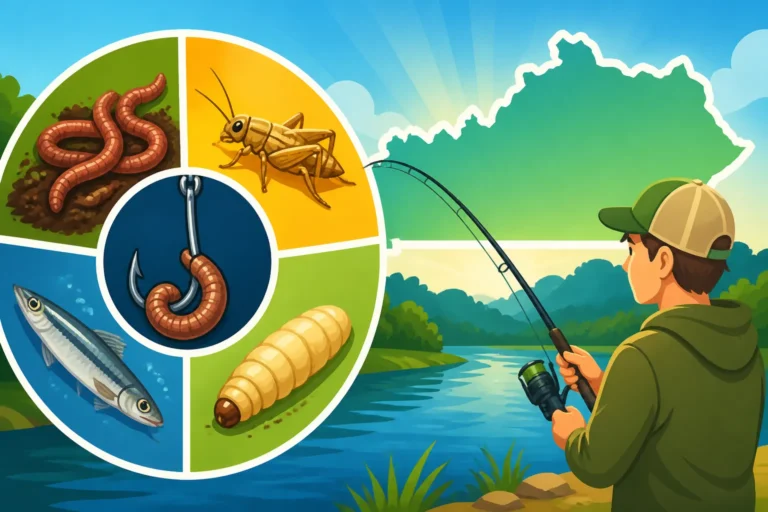
When fish are lethargic, live bait becomes incredibly effective because it looks, smells, and acts like a real meal. Minnows, shiners, nightcrawlers, and crickets fished under a bobber or on a simple Carolina rig can often coax a bite when artificials fail. For artificials, think soft plastics: shaky head worms, Ned rigs, drop-shot worms, or small tubes. These can be presented slowly, mimicking a dying or easy-to-catch baitfish. Even small, suspending jerkbaits can be deadly when fished with long pauses, allowing them to hang enticingly in the fish's strike zone. Remember, you're not trying to trigger a reaction strike; you're trying to offer an easy meal.
Colors and Profiles That Trigger Bites
Clearer water, often associated with post-front conditions, means natural colors tend to perform better. Think greens, browns, watermelon, pumpkinseed, and even clear or translucent lures with a hint of flake. If the water is still a bit stained, black and blue can be a good option for jigs. For profiles, stick to slender, natural shapes that imitate baitfish or crawfish. Overly bulky or vibrantly colored lures might spook wary fish. Subtle actions are key, so look for lures that have a natural wiggle or shimmer even with minimal angler input. You can explore many of these natural-looking baits on Amazon to stock your tackle box for those tough days.
| Lure/Bait Type | Recommended Post-Front Application | Key Characteristics | Common Colors |
|---|---|---|---|
| Soft Plastics (Worms, Creatures) | Texas Rig, Carolina Rig, Ned Rig, Drop Shot | Subtle action, natural feel | Watermelon, Green Pumpkin, Black/Blue |
| Jigs (Football, Finesse) | Slowly dragged, hopped on bottom | Mimics crawfish, baitfish | Green Pumpkin, Black/Blue, Brown |
| Suspending Jerkbaits | Long pauses, subtle twitches | Hangs in strike zone, imitates dying baitfish | Silver, Pearl, Natural Minnow |
| Live Bait (Minnows, Worms) | Under a bobber, on bottom | Natural scent, movement | N/A |
| Small Crankbaits | Slow retrieve, deflections | Subtle wobble, shallow to medium depth | Natural Baitfish, Shad |
Presenting Baits Near the Bottom
Cold-front fish often hug the bottom, seeking the most stable water temperatures. This means your bait needs to be down there with them. Texas-rigged worms, football jigs, and Carolina rigs are excellent choices for slowly dragging along the bottom, making contact with rocks, logs, and other structure where fish might be hiding. If you're fishing for crappie, don't be afraid to go deep, vertically jigging small jigs or minnows right on top of submerged brush piles. For catfish, the bottom is always king, and after a cold front, they'll be even more likely to be hugging it. Make sure your weight is sufficient to keep your bait down, even with slow retrieves. Mastering these bottom-oriented techniques is crucial for success when the bite gets tough.
Species-Specific Strategies for Kentucky Waters
While the general principles of slowing down and downsizing apply across the board, different species in Kentucky's diverse waters will respond with their own nuances after a cold front. Tailoring your approach to your target species will significantly increase your chances.
Bass Fishing After a Cold Front in Kentucky
Largemouth and smallmouth bass in Kentucky's lakes and rivers can be particularly finicky after a cold front. They'll often retreat from shallow cover and move to deeper main lake points, channel swings, and humps. On a lake like Lake Barkley, you might find them pulled off the typical stump fields and holding tight to deep ledges. For largemouth, a subtle presentation is key. Think about slowly working a football jig or a Texas-rigged creature bait along rock piles or submerged timber. The Ned Rig has become a go-to for many anglers in these conditions due to its small profile and subtle action. For smallmouth, often found in clearer, deeper waters, a drop-shot rig with a small worm or tube bait, or a blade bait vertically jigged near structure, can be very effective. Remember, your retrieve should be glacial. If you feel like you're going too slow, slow down even more. For more tips on when the bass bite peaks, check out our guide on Kentucky Bass Fishing: The April-May Peak Season.
Crappie Tactics in Post-Front Conditions
Crappie, especially black crappie, can be notoriously sensitive to cold fronts. They often pull off shallow spawning beds or brush piles and suspend in deeper water, or relocate to the thickest cover they can find. On a lake like Lake Cumberland, you might find them stacked up in deep timber. Vertical jigging small jigs (1/16 to 1/32 ounce) tipped with a minnow or a soft plastic grub directly into cover is often the most productive method. Pay close attention to your electronics to pinpoint their depth. Spider rigging with multiple rods, presenting live minnows or small jigs at varying depths, can also help you locate the productive zone. After a cold front, patience is paramount when crappie fishing. Consider reading up on Kentucky Crappie Fishing: Spring Spawn Run Guide for general crappie insights, though cold front conditions will require these additional adjustments.
Catfish and Panfish Adjustments
Catfish, while generally more resilient to temperature swings than bass or crappie, will still slow down after a cold front. Channel and blue catfish on the Ohio River or Kentucky Lake will often move to deeper holes, channel edges, or scour areas where current breaks offer refuge. You'll want to present cut bait or stink bait on a standard bottom rig, but let it soak for longer periods. Don't be surprised if the bites are very subtle. For flathead catfish, live bait (like bluegill or shad) presented on the bottom near heavy cover or log jams remains effective, but again, expect a slower bite.
Panfish like bluegill and redear sunfish also feel the effects. They'll often move from shallow spawning beds or weed edges to slightly deeper water, often concentrating around docks, brush piles, or submerged vegetation. Small jigs tipped with waxworms or crickets, fished very slowly under a small bobber, are usually your best bet. You might have to spend more time exploring different depths to find where they've congregated. For more information on different species, a general Kentucky Fish Species Guide: 265 Types You Can Catch can be a helpful resource.
Where to Find Fish After a Cold Front
Knowing how to fish differently is one thing, but knowing where to direct those efforts is just as important, especially after a cold front has scattered the fish. It's all about finding their new comfort zones.
Deeper Water and Transition Zones
As we've discussed, stable water is key, and deeper water generally offers more consistent temperatures. Look for main lake channels, deep creek channels, submerged humps, and ledges. Fish will often stage on the first deep breakline adjacent to where they were feeding before the front. These transition zones, where shallow water meets deep, provide easy access to both thermal refuge and potential feeding grounds once their metabolism kicks back in. On large reservoirs like Kentucky Lake, identifying these deep water transitions with your electronics is absolutely crucial. Don't be afraid to explore areas that are 15-30 feet deep, or even deeper, depending on the lake and time of year.
Heavy Cover and Structure
Fish crave security after a sudden change. Heavy cover provides not only protection from predators but also a sense of comfort and often a slight temperature buffer. Look for dense brush piles, standing timber, deep weed lines, rock piles, and submerged docks. Fish will often bury themselves deep within these structures. For example, if you're fishing Taylorsville Lake, focus on submerged timber in deeper coves. Pitching or flipping jigs and soft plastics into these areas, and letting them soak, can often entice a bite. It might be tedious, but thoroughly working dense cover will often pay off.
North-Facing Banks and Sheltered Areas
This is a trick many seasoned anglers use. After a cold front, skies often clear, bringing bright sunshine. North-facing banks typically receive less direct sunlight and therefore warm up slower, but more importantly, they are often sheltered from cold north winds. The wind can chill the surface water significantly. Sheltered coves and pockets, especially those with darker bottoms (like mud or rock), can absorb heat and warm up a degree or two faster than exposed areas. While a single degree might not seem like much to us, it can be a significant difference for cold-blooded fish and might be enough to make them slightly more active. Check out our guide on the Best Fishing Spots in Kentucky for general guidance, then apply these cold front filters to your chosen location.
Patience and Persistence: The Angler's Mindset
More than any specific lure or technique, your mindset is what will truly determine your success after a cold front. It's easy to get frustrated, but those who persevere and remain adaptable are the ones who come out on top.
Expecting a Tougher Bite and Adapting
Going into a post-front day, you need to set your expectations. It's highly unlikely you'll have a banner day with aggressive fish jumping into your boat. Bites will be subtle, few, and far between. You might feel a slight "tick," a spongy sensation, or just a little weight on your line instead of a definitive strike. This requires heightened focus and quick reaction. Be prepared to switch baits, techniques, and even locations frequently until you find something that works. What worked on one point might not work on the next, even if they look similar. Don't be afraid to experiment with different lure colors, sizes, and retrieve speeds. You can find a huge array of different options and experiment kits on Amazon that can help you diversify your approach without breaking the bank.
The Importance of Thoroughly Working a Spot
When the bite is tough, fish are often very localized. They might be concentrated in a very small area within a larger piece of structure. This means you can't just make a few casts and move on. You need to thoroughly dissect a spot, making multiple casts from different angles, letting your bait sit for longer, and meticulously working every piece of cover. If you get one bite from a brush pile, odds are there are more fish in there, and they're just super lethargic. Resist the urge to quickly move from spot to spot if you're confident in the location. Sometimes, waiting it out and methodically covering every inch is what leads to success. For instance, on a deep point in Lake Cumberland, you might need to make dozens of casts with a small jig before finding the sweet spot where the fish are holding.
When to Call It a Day (or Switch Spots)
While persistence is key, there's also a fine line between being persistent and being stubborn. If you've tried all the cold front techniques, fished multiple promising spots for extended periods, and haven't had a sniff, it might be time to rethink. Perhaps the front was more severe than anticipated, or the fish simply aren't going to bite that day. There's no shame in calling it quits or trying a completely different area or even a different body of water altogether. Sometimes, moving to a smaller, shallower pond that warms up faster, or a river with stable current, can yield better results than stubbornly banging your head against a wall on a large, deep lake. Knowing when to switch gears or pack it in is part of being an adaptable angler. Always remember to check Kentucky Fishing Regulations Explained before heading out, as rules can vary by water body and species.
Disclaimer
Fishing conditions and regulations in Kentucky can change rapidly. Always consult the most current Kentucky Department of Fish and Wildlife Resources regulations before planning any fishing trip. The information provided in this guide is for general informational purposes only and should not be considered a substitute for official regulations or professional guidance.