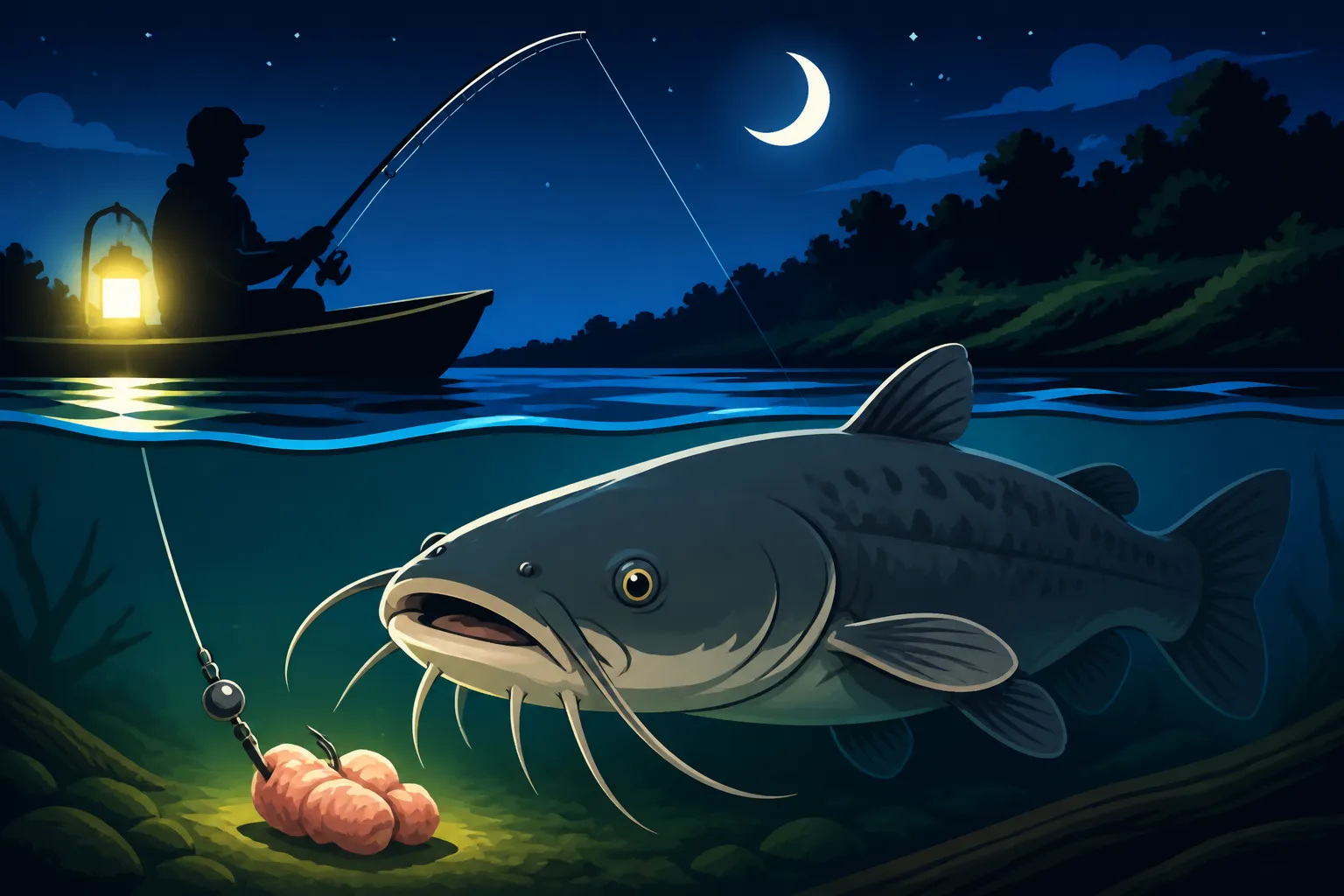
Night Fishing Techniques for Catfish
There's nothing quite like the peace and quiet of a Kentucky evening on the water, but let's be honest, sometimes the daytime bite for catfish just isn't cutting it. You've spent hours under the scorching sun, casting, re-baiting, and wondering why those big whiskers aren't showing any interest. Well, friend, if you're serious about landing some impressive catfish, it's time to embrace the darkness. This comprehensive guide is going to walk you through everything you need to know about night fishing techniques for catfish, turning those frustrating daytime outings into thrilling nocturnal adventures.
Why the Nighttime is the Right Time for Kentucky Catfish
For many anglers, the idea of fishing after sunset feels a little intimidating. The truth is, when it comes to whiskered predators like catfish, nightfall often flips a switch, transforming them from elusive bottom-dwellers into aggressive, hungry hunters. If you've ever found yourself frustrated by a slow bite during the day, you're not alone. The sun can really make catfish sluggish and wary, pushing them into deeper, cooler, and darker hideaways. But as soon as that sun dips below the horizon, things change dramatically.
Understanding Catfish Behavior After Dark
Think about it from a catfish's perspective. They have incredible senses, particularly their barbels (whiskers) which are packed with taste buds and highly sensitive to vibrations. In the low light or complete darkness of night, their natural advantages truly shine. They can actively hunt by scent and feel, giving them an edge over their prey, which might rely more on sight. This means they often move from their deep, daytime sanctuaries into shallower waters, actively cruising for a meal. They’re less cautious, more brazen, and typically more willing to hit a bait.
This shift in behavior isn't just a slight adjustment; it's a fundamental change that directly impacts your success rate. When the water cools down, especially during the sweltering Kentucky summers, those catfish become much more active. They'll venture out of the river channels or deep lake pockets they inhabit during the day, moving onto flats, ledges, and even into shallow coves to forage. They’re looking for baitfish, crawfish, and anything else they can get their barbels on. Understanding this nocturnal migration is the first step to truly successful night catfishing.
Escaping the Daytime Crowds and Heat
Let's be real: daytime fishing, especially on popular Kentucky lakes or the Ohio River, can get pretty busy. You're sharing the water with pleasure boaters, jet skis, and other anglers. This not only creates a lot of noise and disturbance that can spook fish but also means you're often competing for the best spots. The relentless summer sun can also be brutal, making for uncomfortable hours on the water.
Night fishing offers a refreshing escape from all of these frustrations. The crowds largely vanish, leaving you with a sense of solitude and peace that's hard to find during the day. The air is cooler, often with a pleasant breeze, making for a much more comfortable experience, especially in July and August. This calm environment isn't just better for you; it's better for the fish too. With fewer disturbances, catfish are more relaxed and less hesitant to come out and feed, which translates directly into more bites for you. It’s a win-win, offering both a more productive and a more enjoyable fishing experience.
Essential Gear for Your Nocturnal Catfish Hunt
Alright, so you're convinced that chasing catfish under the stars is the way to go. Fantastic! But before you head out, you need to make sure you have the right tools for the job. Night fishing isn't just daytime fishing after dark; it requires some specialized gear and modifications to your setup to ensure both safety and success. You don't want to be fumbling around in the dark, dropping your pliers, or worse, not being able to see where you're going.
Lighting Solutions for Safety and Efficiency
First and foremost, you absolutely need good lighting. This isn't just about seeing your bait; it's crucial for safety, navigation, and efficiently handling fish and tackle. A bright, hands-free light source is non-negotiable.
- Headlamps: These are your best friend at night. A good quality LED headlamp, often found on Amazon, frees up both your hands for tying knots, baiting hooks, and unhooking fish. Look for one with different brightness settings and, ideally, a red light option. Red light preserves your night vision and is less likely to spook fish or bother other anglers. It’s also much easier on your eyes for extended periods.
- Boat Navigation Lights: If you're on a boat, proper navigation lights are a legal requirement and a safety must-have. Make sure your bow (red/green) and stern (white) lights are fully functional and visible. Don't rely solely on a spotlight; navigation lights are for constant visibility to others.
- Area Lighting (Optional but Recommended): For your fishing area, a dim lantern or a small LED strip light can be invaluable. This provides ambient light for your workspace without being too harsh. Battery-powered options are perfect. Some anglers even use submersible lights to attract baitfish, which in turn can draw in hungry catfish. Just be mindful of local regulations regarding light usage on the water.
Rods, Reels, and Line for the Night Shift
While you might already have a favorite catfish setup, night fishing can put extra demands on your gear. You're often dealing with bigger, more aggressive fish in low visibility, which means you need reliable, sturdy equipment.
- Rods: Look for medium-heavy to heavy action rods, typically 7 to 9 feet long. This length gives you good casting distance from the bank or boat and leverage to fight larger fish. A sensitive tip is great for detecting subtle bites, but the backbone is essential for muscling in a big blue or flathead. Fiberglass or composite rods are often preferred for their durability.
- Reels: A robust baitcasting reel or a heavy-duty spinning reel is ideal. For serious catfishing, baitcasters like those from Abu Garcia or Penn are often favored for their power, line capacity, and smooth drag systems. Make sure your reel can hold at least 150-200 yards of heavy line. When considering a new reel, you can often find great deals on Amazon, especially if you're looking for brands known for their durability. Check out our guide on the best reels for catfish fishing for more in-depth advice.
- Line: Monofilament line in the 20-30 pound test range is a good all-around choice for its shock absorption and knot strength. However, many experienced night anglers prefer braided line (30-65 pound test) for its incredible strength, low stretch, and sensitivity. Braided line transmits even the lightest tap directly to your hands, which can be critical when bites are subtle in the dark. Just remember to use a monofilament or fluorocarbon leader with braid to absorb shock and provide some invisibility.
The Best Baits and Rigs That Glow in the Dark
Choosing the right bait is always critical, but at night, scent and vibration become even more paramount. Catfish hunt by smell and feel, so super-stinky baits are often the most effective.
- Stink Baits and Cut Baits: These are classic catfish attractants. Prepared stink baits, chicken livers, chunks of shad, skipjack, or even hot dogs soaked in garlic can be irresistible. Fresh cut bait, especially from oily fish like shad or mullet, releases a powerful scent trail that catfish can track from a distance. If you're targeting trophy blue catfish, bigger pieces of cut bait are the way to go. Our guide on the best baits for summer catfish fishing offers more insights into selection.
- Live Baits: For truly big flathead catfish, nothing beats live bait. Small bluegill, sunfish, or even large shiners rigged to stay lively are perfect. Flatheads are ambush predators, so presenting a struggling live bait near their hiding spots can trigger an aggressive strike.
- Rigs: The standard Carolina rig or a three-way swivel rig are excellent for night fishing. They keep your bait on the bottom where catfish feed, and allow the fish to take the bait without immediate resistance. Use heavy sinkers (1-4 ounces, depending on current) to keep your bait in place. Some anglers also use glow-in-the-dark beads or floats above the hook to add visual attraction, though scent is king at night. For specific rig details, check out our article on bottom fishing techniques for channel catfish.
| Gear Item | Purpose | Key Features for Night Use |
|---|---|---|
| Headlamp | Hands-free illumination | Multiple brightness settings, red light option, long battery life |
| Boat Lights | Legal compliance & collision avoidance (if boating) | Functional bow (red/green) & stern (white) lights |
| Rod | Casting & fighting fish | Medium-heavy to heavy action, 7-9 ft, strong backbone, durable |
| Reel | Line storage & drag system | High line capacity, smooth strong drag, durable construction |
| Line | Connecting rod to fish | 20-30lb mono or 30-65lb braid (with leader for braid) |
| Bait | Attracting fish | Strong scent (stink bait, cut bait), lively (live bait) |
| Bug Spray | Personal comfort | Repels mosquitoes and other nocturnal insects |
| First Aid Kit | Emergency care | Bandages, antiseptic wipes, pain relievers, necessary medications |
Scouting the Best Spots for Night Catfishing in Kentucky
You can have the best gear and bait in the world, but if you're not fishing where the catfish are, you're not going to catch anything. Night fishing requires a slightly different approach to spot selection than daytime angling. As we discussed, catfish move, and understanding these movements is key to finding their nocturnal feeding grounds. Kentucky is blessed with an abundance of fantastic catfishing opportunities, from massive reservoirs to winding rivers.
River Systems: The Ohio and Beyond
Kentucky's river systems, particularly the mighty Ohio River, are legendary for their catfish populations. During the day, big blue and flathead catfish often hold in deep holes, along ledges, or in submerged timber within the main channel. But as night falls, they become more adventurous.
- Current Seams and Eddies: Look for areas where the main current meets slower water, creating seams and eddies. These are prime ambush points where catfish can wait for baitfish to be swept by. Think about the downstream side of islands, bridge pilings, or large rock structures. The confluence of a creek or tributary with the main river can also be a hotspot, as these areas often wash in food and attract baitfish. The Ohio River near Louisville or Paducah offers excellent opportunities for this kind of fishing. Check out our guide on the best catfish spots on the Ohio River in Kentucky for more detailed locations.
- Shallow Flats Adjacent to Deep Water: Catfish will often move from deep channels onto nearby shallow flats (4-15 feet) to forage at night. These flats might have stumps, rocks, or even just a soft bottom where they can root around for crawfish and other invertebrates. Anchoring up on the edge of a deep channel that drops off to a flat can be incredibly productive.
- Log Jams and Submerged Timber: Flathead catfish, especially, love to hide in heavy cover. Log jams, brush piles, and fallen trees provide excellent ambush points. Approach these areas cautiously at night, as they can be navigation hazards. Use a strong braided line and a heavy-duty rod to pull these fish out of the snags.
Lake Structures: Channels, Humps, and Flats
Kentucky's large reservoirs like Kentucky Lake, Lake Barkley, and Lake Cumberland also offer phenomenal night catfishing, particularly for channel and blue catfish. The principles are similar to river fishing, but the structures might be slightly different.
- Deep Main Lake Channels: Just like in rivers, the main lake channels serve as highways for catfish. During the day, they might be deep in these channels, but at night, they'll move up onto the edges. Focus on where the channel swings close to a prominent point or a shallow flat.
- Humps and Submerged Islands: These underwater structures act like magnets for baitfish, which in turn attract catfish. Use your fish finder during the day to mark these humps and then return at night. Anchor upwind of the hump and cast your baits onto the top or along the sides. The best catfish holes on Kentucky Lake are often found around these kinds of structures.
- Creek Mouths and Coves: Especially during the warmer months, catfish will move into shallower creek mouths and coves at night to feed on baitfish that congregate there. Look for areas with a soft bottom or a scattering of submerged timber. These can be particularly good for channel catfish. Fishing these areas with strong-smelling cut bait can yield great results.
Private Ponds and Smaller Waters After Dark
Don't overlook smaller, often overlooked waters. While Kentucky's larger lakes and rivers grab the headlines, many private ponds and smaller public lakes can offer incredible night catfishing, especially for channel catfish.
- Aerators and Inflow Areas: If a pond has an aerator or a small stream flowing into it, these areas often have higher oxygen levels and attract baitfish, making them prime catfish spots. Catfish will often congregate around these spots, especially on hot summer nights.
- Deepest Sections and Bottom Structure: Even in a small pond, catfish will often gravitate towards the deepest sections during the day. At night, they might still relate to these areas, but they'll also cruise the edges. Look for any submerged structure like stumps, rock piles, or even old tires that can provide cover and ambush points.
- Vegetation Edges: The edges of lily pads or other aquatic vegetation can hold a surprising number of catfish at night. Baitfish will often hide in these areas, and catfish will patrol the perimeters, looking for an easy meal. Cast your bait right up to the edge of the vegetation for the best results. Remember, fishing without a license on private ponds is generally allowed if you have permission from the landowner, but always confirm local regulations.
Mastering Night Fishing Techniques for Catfish
Once you've got your gear ready and you've found a promising spot, it's time to put some techniques into action. Night fishing for catfish relies on many of the same principles as daytime fishing, but with a heightened emphasis on scent, patience, and silent presentation.
Bottom Fishing and Anchor Tactics
Bottom fishing is arguably the most popular and effective method for night catfishing. It’s relatively simple, allows you to target actively feeding fish, and can be done from either a boat or the bank. The key is presenting your bait naturally on the bottom where catfish primarily forage.
When fishing from a boat, anchoring is critical. Don't just drop anchor directly on top of your spot; try to anchor slightly up-current or up-wind of where you think the fish are. This allows your bait to drift naturally into the feeding zone. Use a sturdy anchor that will hold you in place, especially on larger rivers like the Ohio. Once anchored, cast multiple lines with different baits and at varying distances to cover more water. This helps you figure out what the catfish are biting on and where they're holding. Use rod holders to keep your rods secure and make it easier to detect bites visually and by sound. For more guidance on this tactic, consult our article on bottom fishing techniques for channel catfish.
From the bank, choose a spot with good access and clear casting lanes. You'll likely be casting into deeper pockets or channels. Use a heavier sinker to ensure your bait stays put, especially in current. A good sturdy rod holder that can be driven into the ground is a must-have to keep your rod from being pulled in by a big strike. Remember that patience is your biggest ally here; let the scent of your bait do the work and wait for those tell-tale tugs.
The Art of Jug Fishing Under the Moonlight
Jug fishing is a traditional and highly effective method for covering a lot of water and presenting multiple baits, especially for larger catfish. It’s essentially a floating trotline, allowing your baits to drift with the current or wind, presenting an irresistible target for cruising catfish.
Each "jug" typically consists of a plastic bottle (like a 2-liter soda bottle or a milk jug) or a small foam float, weighted at one end, with a length of line attached to a hook. You can run multiple hooks off a single jug, or have individual jugs for each hook. The beauty of jug fishing is its simplicity and efficiency. You deploy your jugs, let them drift, and then patrol the area periodically to check for fish. When a catfish takes the bait, the jug will start to move erratically, bob, or even disappear momentarily, signaling a bite. This method is particularly effective on large bodies of water like Kentucky Lake or the Ohio River, where catfish roam widely. Make sure you understand and adhere to Kentucky's specific regulations for jug fishing, including the number of jugs allowed and any tagging requirements. Our guide on jug fishing for catfish: a beginner's guide provides a great starting point.
Setting Up and Maintaining Trotlines
For serious catfishing, particularly if you're looking to catch a good number of fish for a fish fry, trotlines are incredibly efficient. A trotline is a long length of main line with multiple baited hooks attached at intervals. It can be set from bank to bank, across a river, or anchored in open water.
Setting a trotline requires careful planning and execution, especially at night. You'll need sturdy anchors on both ends, and it's helpful to have a boat to deploy and check it efficiently. The main line should be strong (often 100+ pound test braided line) to withstand the pull of multiple fish. Use heavy-duty swivel clips to attach your leaders and hooks, making it easy to replace lost hooks or re-bait. Space your hooks far enough apart to prevent tangles, typically 3-5 feet. Bait each hook with a strong-smelling offering like cut bait or chicken livers.
Checking a trotline at night requires a good headlamp and caution. Always approach from the downstream side so you don't spook fish or get tangled in the line. Bring a dip net and a sturdy pair of pliers for unhooking fish. Remember, trotlines are highly regulated in Kentucky, so be sure to check the latest rules regarding length, number of hooks, tagging requirements, and where they can be set. Our article on how to rig a trotline for catfish offers more detailed instructions and regulatory information.
Safety Protocols and Comfort for Night Anglers
Fishing at night in Kentucky offers a unique thrill, but it also comes with increased risks. Safety should always be your top priority. The reduced visibility means you need to be extra cautious, both for yourself and for anyone else on the water. Don't let the excitement of a potential trophy catfish override common sense.
Navigation and Visibility on Dark Waters
Operating a boat or even navigating unfamiliar terrain on foot in the dark is inherently more dangerous. It’s not just about seeing; it’s about being seen.
- Know Your Waterway: Before you even launch, familiarize yourself with the area during daylight hours. Note any hazards like submerged rocks, stumps, shallow bars, or tight turns. Relying solely on GPS at night can be risky, as GPS doesn't always show every nuance of the bottom or every obstruction.
- Required Lighting: As mentioned earlier, if you’re in a boat, your navigation lights (red/green on the bow, white on the stern) must be fully functional and switched on from sunset to sunrise. This isn't just a suggestion; it's a legal requirement and absolutely critical for preventing collisions. Always have extra batteries for your headlamp and a backup flashlight in case your primary light source fails.
- Slow Down: Reduce your speed significantly when operating a boat at night. It's much harder to judge distances and spot obstacles. Be especially vigilant for unlit buoys, debris, or other vessels. Sound travels differently at night, so listen carefully for other boats. Remember, Kentucky has strict Life Jacket Rules for Boats in Kentucky and you should always have enough Coast Guard-approved life jackets for everyone onboard.
Dealing with Wildlife and Unexpected Encounters
Kentucky's waterways are teeming with wildlife, and many animals are more active at night. While most pose no threat, it's good to be aware and prepared.
- Insects: Mosquitoes, gnats, and other biting insects can be a real nuisance at night, especially in humid conditions. Carry and use a good insect repellent. Consider wearing long sleeves and pants, even if it's warm, to minimize exposed skin.
- Snakes and Other Critters: Be mindful of where you step, especially near banks or in grassy areas. Venomous snakes like copperheads and cottonmouths are present in Kentucky and can be active after dark. Always wear sturdy, closed-toe shoes. If you hear rustling in the bushes, it's probably just a raccoon or opossum, but it's always wise to be aware of your surroundings.
- Other Anglers: While less crowded, you might still encounter other anglers. Be respectful of their space and avoid shining bright lights directly at them. A friendly wave and a quiet greeting are always appreciated.
Staying Warm and Comfortable Through the Night
Even on a warm summer day, night temperatures can drop significantly in Kentucky. Being cold or uncomfortable can quickly detract from your fishing experience and even lead to dangerous situations.
- Layer Your Clothing: Dress in layers, even if it feels warm when you start. You can always shed a layer if you get too hot. A waterproof outer shell is a good idea, as dew or unexpected showers can make you damp and cold.
- Warm Drinks and Snacks: Pack a thermos with hot coffee, tea, or cocoa. Warm drinks can make a huge difference in keeping your core temperature up. Bring plenty of snacks and water to stay hydrated and energized throughout the night.
- First Aid Kit: Always carry a well-stocked first aid kit. Minor cuts, scrapes, or hook punctures are more common in the dark. Be prepared with bandages, antiseptic wipes, pain relievers, and any personal medications you might need. You can find excellent, compact first aid kits suitable for boating or bank fishing on Amazon. Having a kit handy is essential for any fishing trip, day or night.
Troubleshooting and Tips for Successful Night Catfishing
Even with the right gear and knowledge, night fishing can present unique challenges. Sometimes the bite is slow, or things just don't go as planned. Learning to adapt and troubleshoot is part of becoming a successful night angler.
Reading the Water and Weather at Night
Understanding how conditions affect catfish activity is crucial, and it becomes a bit trickier under the cover of darkness.
- Moon Phase: Many anglers swear by moon phase for catfishing. A full moon can provide excellent visibility and often coincides with increased catfish activity as they take advantage of the ambient light to feed. However, some believe new moon phases, with total darkness, make catfish even bolder as they feel more secure. Experiment to see what works best in your favorite Kentucky fishing spots.
- Water Temperature: Pay attention to water temperature. Catfish are generally more active in warmer water, but extreme heat can push them deep. At night, as the surface cools, they often move shallower. In cooler months, they'll seek out slightly warmer pockets of water. Your fish finder, if you have one, can provide valuable temperature readings.
- Current and Wind: Current in rivers will always dictate where catfish position themselves. Look for breaks in the current. On lakes, wind can push baitfish against certain banks or structures, creating feeding opportunities for catfish. Pay attention to wind direction and how it might be concentrating baitfish. Even during the dark, these subtle changes in the water can indicate where the fish are.
Common Night Fishing Mistakes to Avoid
We all make mistakes, especially when trying something new like night fishing. Being aware of these common pitfalls can save you a lot of frustration.
- Too Much Light: While you need light for safety, overdoing it can spook fish. Avoid constantly shining your bright headlamp directly into the water where you're fishing. Use the red light setting whenever possible, and keep brighter lights for when you're handling fish or rigging up. Catfish are sensitive to light, and a sudden blast can send them scattering.
- Noise and Vibrations: Catfish have an excellent sense of hearing and feel vibrations through their lateral line. Slamming gear around, talking loudly, or heavy footsteps on the bank can easily alarm them. Try to be as quiet and stealthy as possible. Move deliberately and keep sounds to a minimum.
- Not Checking Regulations: This is a big one. Kentucky has specific regulations for fishing, including licenses, creel limits, and methods like jugging and trotlining. Rules can change by lake or river. Always check the latest Kentucky Fishing Regulations Explained before you go. Don't be caught off guard; the penalties for fishing without a license in Kentucky can be steep, and ignorance is no excuse. Also, be mindful of the Kentucky Catfish Limit: 15 Fish, Only 1 Over 25 Inches statewide, though some specific waters might have different rules.
- Insufficient Bait: Catfish are notoriously hungry, especially at night. You don't want to run out of your best bait just when the bite turns on. Bring plenty, and consider a variety if you're unsure what they'll prefer.
- Not Being Prepared for Emergencies: This ties back to safety, but it's worth reiterating. Night fishing is not the time to be unprepared. Have a fully charged cell phone, a first aid kit, extra water, and a way to signal for help if needed. A little preparation goes a long way in ensuring a safe and enjoyable outing.
By keeping these tips in mind, you'll be well on your way to experiencing the magic and thrill of night fishing for catfish in Kentucky. Good luck, stay safe, and enjoy those quiet hours under the stars!
Disclaimer
The information provided in this guide is for general informational purposes only and does not constitute legal advice. Fishing regulations in Kentucky can change, and it is the responsibility of each angler to consult the latest official regulations published by the Kentucky Department of Fish and Wildlife Resources before engaging in any fishing activities. Always prioritize safety on the water.