How Rain Affects Fishing and What to Do About It
There's nothing quite like having a perfect Kentucky fishing trip planned, only for the skies to open up and drench everything in sight. Many of us automatically assume rain means a ruined day on the water, but that's not always the case! This comprehensive guide will walk you through exactly how rain impacts Kentucky's diverse waterways and fish behavior, offering practical, real-world strategies to help you adapt your angling approach, stay safe, and even turn a rainy forecast into a successful fishing adventure.
Understanding Rain's Immediate Impact on Water Conditions
When rain starts to fall, it’s more than just drops hitting the surface; it sets off a whole chain reaction under the water that dramatically affects fish. Thinking about these changes is the first step to figuring out how to adjust your fishing strategy. It’s not just about getting wet; it’s about understanding the subtle shifts that either turn fish on or off.
Water Temperature and Clarity Shifts
One of the most noticeable impacts of rain, especially after a dry spell, is how it changes the water's temperature and clarity. A sudden downpour, particularly in spring or fall, can cool down warmer surface waters, which can actually be a good thing. If the surface water was too warm and oxygen-depleted, a bit of cooler rain can invigorate fish, making them more active. Conversely, a warm summer rain hitting cooler water might just mix things up without a dramatic temperature drop, but it can still stir up the bottom.
The clarity, however, is almost always affected. Runoff from the banks, agricultural fields, and urban areas carries sediment, silt, and debris into the water, turning clear streams and lakes murky. This turbidity is a double-edged sword: it can make fish harder to see your bait, but it also gives them a sense of security, often bringing them closer to the banks and shallower cover. Knowing How Falling Water Temperature Changes Fish Behavior can be key to adapting. If you're fishing a lake like Lake Cumberland, which is often very clear, even a little rain can make a big difference in visibility.
Oxygen Levels and Water Movement
Rain isn't just about temperature and clarity; it's a huge contributor to oxygenation and water movement. As raindrops hit the surface, they create ripples and splashes, effectively churning the water and introducing more dissolved oxygen. This is especially beneficial in stagnant ponds or in the warmer months when oxygen levels can naturally dip, making fish sluggish. A good rain can be like a breath of fresh air for fish, giving them a much-needed boost of energy.
Beyond oxygen, rain creates current and flow. In rivers and streams, even a light rain can increase flow, washing insects, worms, and other terrestrial food sources into the water. This influx of food can trigger a feeding frenzy. In lakes, rainwater runoff from tributaries creates distinct current lines and plumes of dirtier, food-rich water, drawing fish to these areas. These moving water patterns can concentrate baitfish and, consequently, the predatory game fish we're after.
How Rain Influences Fish Behavior
Fish aren't just passive observers when it rains; they react in very specific ways based on their instincts for feeding, safety, and comfort. Understanding these behavioral shifts is paramount to successfully angling in rainy conditions. It's about putting yourself in their fins, so to speak, and predicting where they'll be and what they'll be looking for.
Feeding Activity During and After Rain
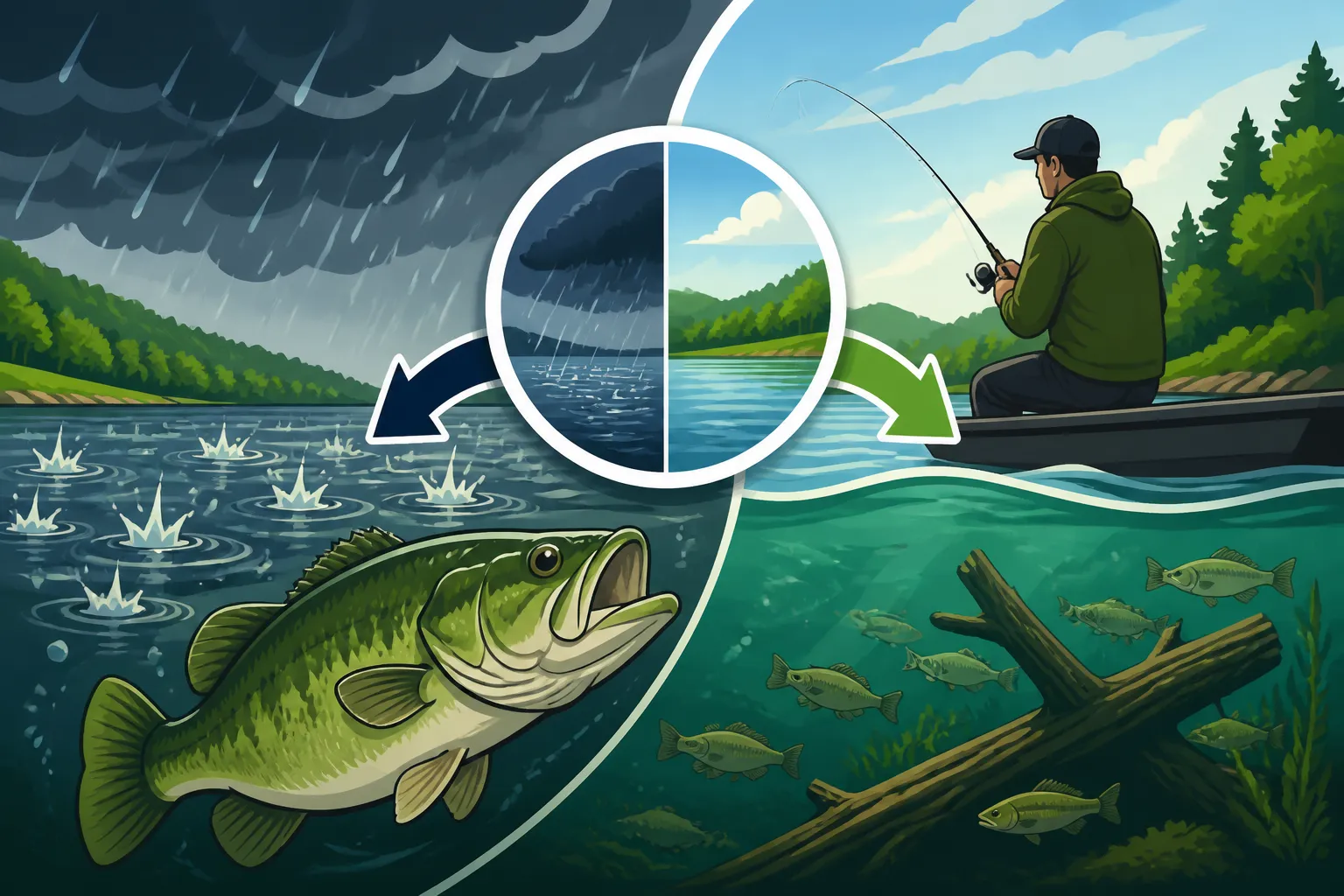
This is where rain often gets its "good for fishing" reputation. Many species, especially bass, crappie, and catfish, can become incredibly active feeders during and immediately after rainfall. The reduced light penetration from cloud cover and murky water provides a sense of security, allowing them to venture out from deeper cover or more exposed areas. They feel less vulnerable to predators (including anglers) and are more willing to chase prey.
The influx of food from runoff also plays a massive role. Worms, insects, and other small critters get washed into the water, presenting an easy meal. This is particularly true for bottom feeders like catfish, but even bass will opportunistically gorge on displaced terrestrial insects. The post-rain period, often referred to as "the bite," can be one of the most productive times to fish, as fish capitalize on this abundance of food. Just remember that the intensity of the rain can dictate just how long this feeding frenzy lasts.
Fish Location and Cover Preferences
Rain dramatically alters where fish prefer to hang out. During a steady, light rain, fish often move shallower, closer to the banks, and into areas of cover like submerged timber, weed lines, or brush piles. The decreased light and increased turbidity make them feel more secure in these normally exposed locations. This can be fantastic for anglers fishing from the bank or targeting shallow cover from a boat.
Heavy rain, especially if prolonged, can push fish to different areas. If water levels rise rapidly, fish might move to newly flooded cover or seek areas where the current isn't as strong. The inflows from tributaries are hot spots, as they bring in both fresh water and food. However, extreme turbidity and strong currents can sometimes push fish into deeper, more stable water or into slack water pockets where they can conserve energy. Your ability to read these conditions and understand How Weather Fronts Affect Fishing Times will definitely boost your success.
Fishing Strategies During a Light Rain or Drizzle
Don't let a little sprinkle send you packing! A light rain or drizzle often presents some of the best fishing opportunities, especially when combined with overcast skies. The conditions can be perfect for encouraging fish to come out of hiding and feed aggressively. It’s all about making a few smart adjustments to your typical approach.
Lure Selection and Presentation for Rainy Days
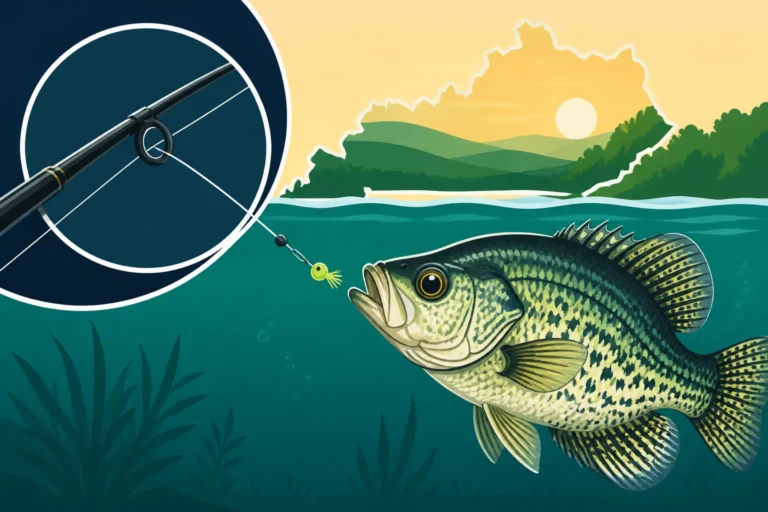
When the water clarity starts to drop due to rain, you want to choose lures that fish can easily find. This means focusing on vibration, sound, and profile. Instead of subtle, natural colors, you might want to opt for brighter, more contrasting colors like chartreuse, orange, or black and blue, especially for bass or crappie. Lures with a lot of movement or built-in rattles become incredibly effective. Think about spinnerbaits, chatterbaits, or noisy crankbaits that displace a lot of water. For crappie, a bright jig in murky water can make all the difference.
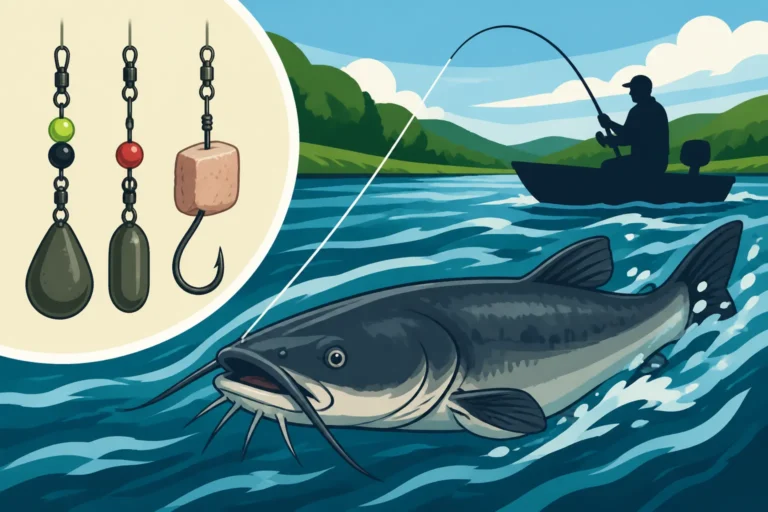
As for presentation, fish tend to be less shy and more aggressive in rainy, low-light conditions. You can often get away with a faster retrieve or more erratic action, mimicking a struggling baitfish. However, if the water is very cold or very murky, a slower retrieve might be necessary to give fish more time to locate your offering. For catfish, natural baits like worms, cut bait, or even chicken liver become irresistible as they're washed downstream, and a simple bottom rig is often all you need. You might find some excellent options for these on Amazon, from topwater lures to jigs.
Targeting Specific Species in Light Rain
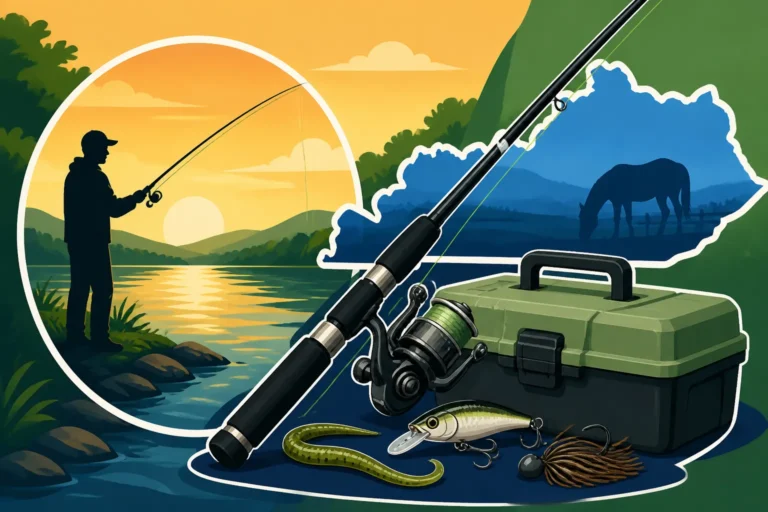
Light rain often turns on specific species. Bass are notorious for biting well in rainy conditions. They'll often move right up to the bank, cruising for easy meals. Spinnerbaits, chatterbaits, and topwater lures (if the rain isn't too heavy to disrupt the surface action) can be incredibly effective. Consider pitching jigs or Texas-rigged worms into flooded cover near the banks.
Crappie will also become more active. They'll push into shallower brush piles and tree lines, especially if there's any new inflow bringing in food. Small jigs in chartreuse, white, or black and chartreuse are fantastic. Try a slow retrieve or suspending a jig under a bobber near cover. For a deep dive into crappie, check out Kentucky Crappie Fishing: Spring Spawn Run Guide.
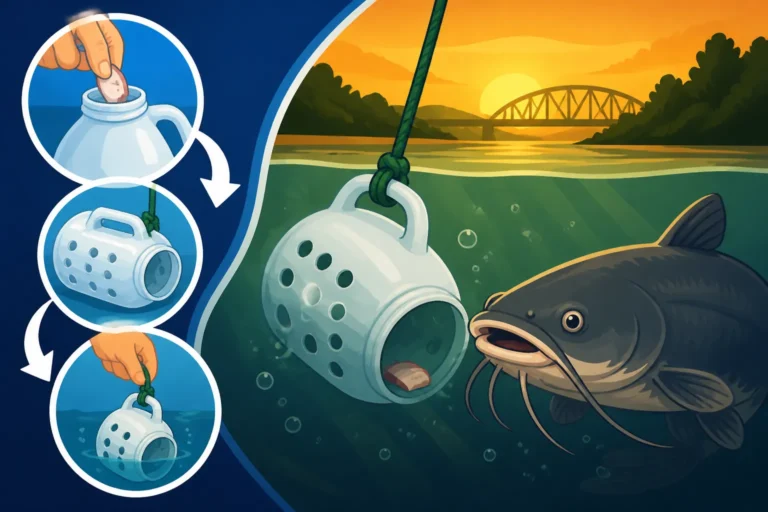
Catfish are perhaps the most reliable rainy-day fish. The runoff brings food, and the reduced light puts them at ease. They'll often move into shallower areas, especially near creek mouths and points where current concentrates food. Fresh cut bait, nightcrawlers, or stink bait fished on the bottom are always excellent choices. These are often the best times for Summer Catfish Fishing on the Ohio River in Kentucky or on Kentucky Lake.
Tactics for Heavy Rain and Post-Storm Fishing
While light rain can be a boon, heavy downpours and the aftermath of a major storm present a different set of challenges and opportunities. The water can become incredibly turbulent and muddy, making it difficult for both fish and anglers. However, with the right approach, even these extreme conditions can lead to memorable catches.
Navigating Runoff and Turbidity
Heavy rain means heavy runoff, and that translates to significantly increased turbidity. The water can turn chocolate milk brown, making visual feeding nearly impossible for many fish. In these situations, fish rely heavily on their lateral lines to detect vibrations and their sense of smell. Your lure choices need to reflect this. Over-sized lures that create a lot of vibration, like large spinnerbaits with big thumping blades, deep-diving crankbaits that "feel" their way through the water, or even noisy topwater lures (if the surface isn't too agitated) can be effective for bass. For catfish, the scent trail is paramount, so go with the stinkiest cut bait or prepared baits you can find.
Focus your efforts on areas where runoff is present but not overwhelming. Creek mouths, culverts, and points where tributary streams enter the main body of water are prime locations. These inflows create distinct current lines and plumes of dirtier water that carry a bounty of food, attracting baitfish and, in turn, predatory game fish. Look for slight changes in water color where the clearer lake water meets the muddy inflow – this "seam" can be a superhighway for feeding fish.
Exploiting Post-Rain Feeding Frenzies
After the heavy rain subsides and the water stabilizes a bit, that's often when the true feeding frenzy begins. The water might still be murky, but the extreme turbulence has lessened, and fish are now primed to gorge on the abundant food washed in. This is a fantastic time for all species, but particularly bass and catfish. Bass will often patrol the newly flooded edges, picking off worms and insects. They might also suspend in the slightly deeper water just outside the primary flow, waiting to ambush anything that drifts by.
For this post-rain bite, consider trying a variety of lures and baits. Don't be afraid to experiment with brighter colors in the still-murky water, but also try more natural presentations if the water is starting to clear a little. Topwater baits can be explosive if the surface is calm, as fish are looking up for easy meals. Soft plastics fished slowly along the bottom can also be highly effective for fish that might be hunkering down. The key is to be present during this window, as it can sometimes be short-lived but incredibly productive.
Essential Gear and Safety for Rainy Day Fishing in Kentucky
Fishing in the rain isn't just about fish behavior; it's also about staying comfortable and, more importantly, safe. Being prepared with the right gear can make the difference between a miserable experience and a truly enjoyable one. Never underestimate the power of Mother Nature, especially on Kentucky's larger lakes like Kentucky Lake or Lake Barkley.
Waterproof Apparel and Equipment Protection
Staying dry is paramount for comfort and safety when fishing in the rain. A high-quality waterproof rain suit – jacket and pants – is an absolute must-have. Look for breathable materials that will keep you from getting sweaty from the inside out. Brands like Simms, Frogg Toggs, or even more budget-friendly options found on Amazon can offer great protection. Don't forget waterproof boots and a wide-brimmed hat to keep rain off your face and neck.
Beyond personal apparel, think about protecting your gear. Electronics like fish finders, GPS units, and even your phone need to be shielded from moisture. Waterproof cases or simple zip-top bags can save valuable equipment. Keep extra towels in your boat or tackle bag for wiping down hands and gear. It's also a good idea to have a change of clothes stashed in your vehicle for when the day is done, especially if you're out chasing a Kentucky Catfish Daily Limit and Trophy Fish Rule and expect to get messy.
Prioritizing Safety in Inclement Weather
Safety should always be your number one concern when fishing, but especially so in rainy or stormy conditions. Lightning is a serious threat; if you hear thunder, it's time to get off the water immediately. Don't wait until the storm is directly overhead. Rain can also reduce visibility, making it harder to navigate, especially on busy lakes or rivers. Use your navigation lights and proceed with caution.
Wet surfaces on boats, docks, and rocky banks become incredibly slick, so watch your footing to prevent slips and falls. Always wear a Coast Guard-approved life jacket, even if you're a strong swimmer. This is particularly crucial if you're fishing from a boat or kayak, as a sudden capsize in cold, rainy conditions can quickly become life-threatening. Remember the Life Jacket Rules for Boats in Kentucky, especially for children under 12. If you're wondering about other safety measures, reviewing the Kentucky Boat Safety Certificate Requirements can provide a good overview of responsible boating practices.
| Rain Intensity | Water Conditions | Fish Behavior | Recommended Lures/Baits | Key Strategies |
|---|---|---|---|---|
| Light Rain/Drizzle | Cooler temps, slight murkiness, increased oxygen | Increased feeding, move shallower, less shy | Spinnerbaits, chatterbaits, bright jigs, topwater, live worms | Target shallow cover, creek mouths, faster retrieves. |
| Moderate Rain | Cooling, noticeable murkiness, increased current/flow | Active feeding, near inflows, seeking cover from current | Noisy crankbaits, big spinnerbaits, smelly cut bait, jigs | Focus on current breaks, seams of clean/murky water. |
| Heavy Downpour | Rapid cooling, very muddy, strong currents | Hunker down, near inflows, rely on scent/vibration | Large, vibrating lures; strong scent baits | Prioritize safety, fish deep sides of inflows, slack water. |
| Post-Rain (Clearing) | Stabilizing, still murky but clearing, abundant food | Aggressive feeding frenzy, patrolling edges, ambushing | Mix of aggressive and subtle lures, natural baits | Experiment, target newly flooded areas, primary feeding zones. |
Embracing the Kentucky Rain for Better Fishing
You know, for years, I used to dread the forecast that called for rain on my planned fishing days. I’d grumble, convinced it meant canceling my trip or, at best, a miserable, fruitless slog. But after years of hitting the waters of Kentucky, from the mighty Ohio River to the tranquil coves of Herrington Lake, I’ve learned to truly appreciate what a little rain can do for the fishing. It’s a game-changer, but only if you understand how to play the game differently.
Think about it: those bright, sunny days? They're often beautiful for a picnic, but sometimes the fish are deep, sluggish, and easily spooked. Rain, on the other hand, gives them permission to come out and play. That reduced light penetration acts like a giant security blanket, allowing them to cruise the shallows and chase bait with less caution. And all that runoff? It’s like a conveyor belt of delicious snacks for our finned friends, from worms to insects, pushing them right into their feeding zones.
I've had some of my most memorable days on the water in a light drizzle, feeling that cool air and watching the fish turn on. Whether I'm throwing a chartreuse spinnerbait for bass along a flooded bank or soaking some cut bait for catfish in a muddy creek mouth, the rain often signals a fantastic opportunity. It’s not just about the catch; there’s a certain peacefulness, a solitude that comes with being out there when others have packed it in. Just make sure you’ve got your good rain gear from, say, Amazon, and you’re practicing good boating safety if you’re out on a boat.
So, the next time you see rain in the forecast for your Kentucky fishing trip, don't automatically reach for the cancellation button. Instead, reach for your rain gear, review some of these strategies, and maybe even look into Kentucky Fishing Seasons: What to Catch Each Month to align with current conditions. You might just find that a rainy day is actually your new favorite day to hit the water. Embrace the wet, embrace the challenge, and embrace the increased chances of bringing home a great story and some tasty fish.
Disclaimer
The information provided in this guide is for general informational purposes only. Fishing conditions and regulations in Kentucky can change rapidly. Always consult the most current Kentucky Department of Fish and Wildlife Resources regulations before heading out on the water. Stay safe and be aware of weather conditions.