Kentucky Bass Fishing: The April-May Peak Season
There’s nothing quite like the anticipation of spring in Kentucky when you know those big bass are starting to wake up. Many of us have faced the frustration of hitting the water too early or too late, missing that sweet spot when the bite is absolutely on fire. This comprehensive guide is here to pinpoint exactly why April and May are the absolute peak months for bass fishing across Kentucky, and how you can capitalize on every moment to land some true trophy fish.
Understanding the Pre-Spawn and Spawn Phases in Kentucky
Spring in Kentucky is a dynamic time for bass. It’s when largemouth and smallmouth bass shake off their winter lethargy and begin their journey toward reproduction, a period that brings them into shallower, more accessible waters and makes them incredibly aggressive feeders. Understanding these phases – pre-spawn, spawn, and the immediate post-spawn – is crucial for any angler looking to maximize their success during this peak season. It’s not just about throwing a lure; it’s about understanding the entire lifecycle shift happening beneath the surface.
Water Temperature is Key for Bass Movement
The entire spring progression for bass is dictated by water temperature. As the sun climbs higher and days get longer, Kentucky's waters slowly begin to warm from the chilly winter lows. When surface temperatures climb into the mid-40s to low-50s, bass start to move out of their deep winter haunts and begin staging in transition areas, preparing for the spawn. This is the early pre-spawn, typically kicking off in late March or early April in some of the shallower, faster-warming lakes.
As temperatures continue to rise, hitting the upper 50s and low 60s, bass will push further into shallower coves, creek arms, and protected bays. This is the prime pre-spawn feeding frenzy, where fish are gorging themselves to build energy reserves for the strenuous spawning process. They’re hungry, aggressive, and often stacked up, making them a fantastic target for a variety of lures. Knowing that a 58-degree water temp could mean a major change in fish location is a game-changer.
Finally, when water temperatures consistently hold in the mid-60s, typically mid-April through May, the spawn truly kicks off. Bass will move onto beds, lay their eggs, and guard their nests. After the eggs are laid and hatched, females will move off to recover, while males often linger to protect the fry. This entire window is what makes April and May so productive, but you need to know where to look at what temperature to hit it just right.
Identifying Prime Spawning Areas
Finding the bass during the spawn means finding their beds, and they don't just spawn anywhere. Bass prefer protected, shallow areas with specific characteristics. Look for flat, hard bottom areas – often gravel, sand, or shell beds – that are protected from strong winds and current. These areas are usually found in the back of coves, on shallow points inside bays, or in small pockets with plenty of cover like submerged brush, docks, or overhanging trees.
Sunlight penetration is also a huge factor. Bass want areas that get plenty of sun exposure to help warm the water and incubate their eggs. North-facing banks or areas that get morning sun might warm up faster, but south-facing banks receiving prolonged midday sun are often prime as well. Pay attention to visible signs of beds, which look like lighter, circular depressions on the bottom, often cleaned clear of debris by the male bass. These can be surprisingly obvious in clear water, and learning to spot them is an invaluable skill.
Understanding the specific characteristics of your chosen lake or river is also key. For instance, on a massive body of water like Kentucky Lake, vast shallow flats and protected bays will hold countless beds, whereas on a deeper, clearer lake like Lake Cumberland, bass might spawn on shallower benches or points that provide access to deeper water nearby. Each body of water has its nuances, but the core preferences for calm, sun-warmed, hard-bottomed areas remain consistent.
The Brief But Explosive Post-Spawn
Right after the spawn, usually in late May or early June depending on the specific water body and weather, bass enter the post-spawn phase. This can be a tricky time for anglers because the females, especially, are often exhausted and scattered. They’ll move off the beds, often retreating to slightly deeper water or dense cover to recover from the ordeal of spawning. They might not be as aggressively feeding as they were in the pre-spawn.
However, once they recover, they become incredibly hungry again, needing to replenish their energy stores. This can lead to a secondary burst of aggressive feeding. The key is to target transition areas where they might be resting or moving towards deeper summer haunts. Look for points, humps, ledges, and the edges of weed lines or submerged timber near spawning flats. While the post-spawn can sometimes be a bit of a lull, understanding this recovery and subsequent feeding pattern means you can still have incredibly productive days, especially for those larger, recovering females.
Males, on the other hand, often stay shallower for a bit longer, guarding the fry. They’ll be smaller but still aggressive. This period often sees a mix of tactics being effective, from continued use of soft plastics to faster-moving baits as fish become more active.
Prime Lakes and Rivers for Spring Bass Fishing in Kentucky
Kentucky is blessed with an incredible diversity of waterways, each offering unique challenges and rewards for bass anglers during the peak April-May season. From sprawling reservoirs to mighty rivers, knowing where to focus your efforts can make all the difference. While the general principles of bass behavior apply statewide, specific tactics often need to be tailored to the individual characteristics of each fishing spot.
Kentucky Lake and Lake Barkley: The Powerhouse Duo
When anyone talks about bass fishing in Kentucky, Kentucky Lake: The State's Top Bass Fishing Destination and Lake Barkley Fishing Guide for Kentucky Anglers are almost always at the top of the list. These twin lakes, connected by a canal, are legendary for their largemouth bass fisheries, especially during the spring. The sheer amount of shallow cover, expansive flats, and protected bays makes them ideal spawning grounds. In April, you'll find bass transitioning from deeper creek channels onto main lake points and gradually into the backs of major creeks and coves.
By May, the spawn is often in full swing, with countless bass on beds in the protected pockets and shallow flats. The abundance of submerged timber, grass beds, and boat docks provides ample cover for staging and spawning fish. Anglers often employ a mix of power fishing techniques with crankbaits and spinnerbaits during the pre-spawn, transitioning to softer plastics and jigs for sight fishing once the bass move onto beds. The sheer size of these lakes means you can find fish in various stages of the spawn, even on the same day, by moving between areas that warm up at different rates.
Beyond largemouth, Lake Barkley also boasts a healthy population of smallmouth bass, particularly around rocky bluffs and deeper main lake points, adding another exciting dimension to your spring fishing plans. The fishing here can be truly world-class, but it can also be intimidating due to the vastness of the water, making local knowledge or a good mapping system invaluable.
Lake Cumberland and Herrington Lake: Deep Water Strategies
Moving east, Lake Cumberland: Kentucky's Best All-Around Fishing Lake and Herrington Lake Fishing Guide, Kentucky's Deep Water Bass Lake present a different set of challenges and opportunities. These are typically deeper, clearer, and often colder lakes, which means the spring bass patterns might develop a little later than on Kentucky Lake or Barkley. However, they offer fantastic smallmouth bass fishing, alongside strong largemouth populations.
In April and May, smallmouth on Lake Cumberland will be looking for rocky points, bluff walls, and transition banks that offer quick access to deeper water. They might stage on these structures before moving onto smaller, isolated gravel or sand patches to spawn. Largemouth will seek out the shallower creek arms and coves, particularly those with stained water or woody debris. Due to the clarity, finesse techniques like drop shots, shaky heads, and tube baits often shine here, especially for smallmouth.
Herrington Lake, known for its steep bluffs and deep channels, requires anglers to often focus on vertical presentations or targeting structure along the abundant rock walls. Bass will often stage on small shelves or breaks along these bluffs before moving into pockets with shallower spawning areas. Don't be afraid to experiment with deep-diving crankbaits or football jigs fished slowly along the bottom contours. These lakes reward patience and a keen understanding of how bass relate to deep-water structure during the warming trend.
The Ohio River: Current and Cover for Big Bass
The mighty Ohio River offers a completely different, yet equally exciting, spring bass fishing experience. Here, current is the dominant factor, and bass will position themselves out of the main flow, often in eddies, slack water pockets, or behind submerged structures. The river’s bass population consists primarily of largemouth, smallmouth, and even some spotted bass, which thrive in current.
In April and May, as water temperatures rise, bass will move into tributary creeks, backwaters, and protected embayments off the main river. These areas warm up faster and offer sanctuary from the strong current, making them prime spawning and staging zones. Look for areas with rock piles, downed trees, brush, and barge tie-offs – anything that breaks the current and provides cover.
Techniques here often involve heavy-duty tackle to deal with cover and strong fish. Jig-and-trailer combinations, heavy spinnerbaits, and stout Texas-rigged soft plastics are go-to choices. Anglers should also pay attention to wing dams and bridge pilings, as these can hold significant numbers of staging fish. Fishing the Ohio River requires a different mindset, but the rewards can be substantial, with the potential for truly massive largemouth and smallmouth that have grown strong fighting the currents. Just remember, river fishing requires extra vigilance regarding changing water levels and currents.
Essential Gear and Tackle for April-May Bass
Having the right tools for the job can make a world of difference when you're chasing Kentucky bass in the spring. This peak season demands versatility in your tackle box, as bass can be found in various water depths and stages of their reproductive cycle. From the rod in your hand to the electronics guiding your way, thoughtful preparation will boost your chances of success.
Rods, Reels, and Line Choices for Spring Bass
When it comes to rods and reels for spring bass fishing in Kentucky, versatility and power are paramount. You’ll want a mix to cover different techniques. For casting crankbaits, spinnerbaits, and jerkbaits, a medium-heavy action casting rod, typically 6'6" to 7'2" in length, paired with a high-speed baitcasting reel (7.1:1 or higher gear ratio) is ideal. This setup allows for quick line retrieve and strong hooksets, crucial for reaction baits.
For bottom-contact baits like jigs, Texas rigs, and Carolina rigs, a slightly longer (7' to 7'6"), heavier action casting rod with a sensitive tip is preferable. A moderate-fast or fast action helps you feel subtle bites and drive the hook home through tough bass mouths. Pair this with a slightly slower or mid-range gear ratio reel (6.4:1 or 6.8:1) for controlled retrieves. For finesse techniques or sight fishing with lighter soft plastics, a medium-light to medium power spinning rod (6'6" to 7') with a fast action tip and a reliable spinning reel is essential. This allows for lighter line and more delicate presentations.
Line choice is equally critical. For power fishing with crankbaits and spinnerbaits, 12-17 lb fluorocarbon or monofilament offers a good balance of strength and casting performance. Fluorocarbon is less visible and more sensitive, while monofilament has more stretch and is often preferred for treble hook baits. For jigs and Texas rigs, 15-20 lb fluorocarbon or braided line (with a fluorocarbon leader) provides maximum sensitivity and strength. When sight fishing or using finesse baits, 6-10 lb fluorocarbon or even a light braided line with a fluorocarbon leader is best for stealth and feel. Remember, a good fluorocarbon leader, like those you can find readily on Amazon, can make a huge difference in clarity and abrasion resistance.
Top Lures and Baits for Pre-Spawn and Spawn
The April-May window is incredibly productive because bass are either aggressively feeding or guarding their nests, making them susceptible to a wide array of lures. During the pre-spawn, focus on baits that mimic baitfish and crawfish, which are staple diets for hungry bass. Lipless crankbaits, medium to deep diving crankbaits in shad or crawfish patterns, and jerkbaits are excellent for covering water and triggering reaction strikes from staging fish. Spinnerbaits with tandem willow leaf or Colorado blades, especially in chartreuse, white, or firetiger, are also incredibly effective in stained water or around submerged cover.
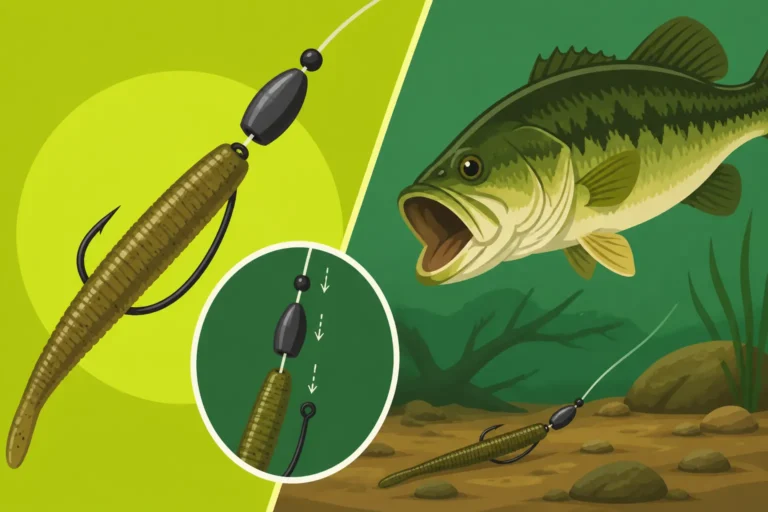
As bass move onto beds for the spawn, soft plastics become king. Texas-rigged worms, creature baits, or lizards are perfect for pitching into visible beds. Colors like black and blue, green pumpkin, or watermelon red are often irresistible to bedded bass. Jigs, especially those with a bulky skirt and a soft plastic trailer that mimics a crawfish, can also trigger aggressive strikes from protective bass. Don't forget shaky heads and Ned rigs with smaller worms, which are great for enticing finicky fish or when you need a more subtle approach.
For the post-spawn, when bass are recovering but still hungry, you might still find success with soft plastics, but don't shy away from topwater lures like poppers or walking baits in low light conditions, especially as the water continues to warm. Also, look at jigs, swimbaits, and even buzzbaits. The key is to match the hatch and the fish's mood – sometimes they want a fast-moving meal, other times they prefer a slow, subtle presentation. You can find a fantastic selection of these Best Bass Lures for Spring Fishing and other essential gear on sites like Amazon.
Electronic Aids: Fish Finders and Mapping
In today's competitive bass fishing world, relying solely on intuition is tough. Modern electronics, specifically fish finders and GPS mapping units, are indispensable tools for locating and catching bass during the April-May peak season. High-definition side-imaging and down-imaging sonars allow you to "see" underwater structures, brush piles, ledges, and even individual fish at impressive distances from your boat. This is crucial for identifying those pre-spawn staging areas or finding submerged cover where bass might be bedding or recovering.
GPS mapping, often integrated into the same unit, provides detailed contours, depth changes, and navigation aids. You can mark waypoints on productive spots, follow specific depth contours, and even overlay satellite imagery to get a better understanding of the shoreline and potential shallow spawning areas. On massive lakes like Kentucky Lake or Lake Barkley, having reliable GPS helps you navigate safely and efficiently, ensuring you spend more time fishing and less time searching.
Many units also offer 2D sonar, which is great for seeing what's directly beneath your boat and identifying baitfish schools or thermoclines. Some advanced units, like those from Humminbird or Garmin, even offer live-imaging sonar, allowing you to see fish reacting to your lure in real-time. Investing in a quality fish finder, like those found under Fish Finders and Electronics for Kentucky Lake Fishing, can drastically cut down on wasted casting and put you directly on the fish, making your peak season trips far more productive.
Effective Techniques for Pre-Spawn Bass
The pre-spawn period is arguably one of the most exciting times to fish for bass. These fish are driven by instinct to eat as much as possible, packing on weight before the rigors of the spawn. They're typically grouped up in transition areas, making them easier to locate and often very aggressive. Understanding how to present your lures effectively during this phase can lead to some truly epic days on the water.
Crankbaits and Jerkbaits: Covering Water
When bass are in their pre-spawn staging areas, often along points, humps, or creek channel bends, they are actively looking for a meal. This makes fast-moving search baits like crankbaits and jerkbaits incredibly effective for covering a lot of water quickly and locating active fish. Crankbaits, both lipless and diving models, are fantastic for mimicking shad or crawfish. Lipless crankbaits, like a Red Eye Shad, are excellent for fishing over submerged grass or ripping through sparse cover, triggering violent reaction strikes. Vary your retrieve, adding pauses or sudden accelerations, to entice followers.
Diving crankbaits, on the other hand, are designed to reach specific depths. Choose a crankbait that will just tick the top of the cover or dive to the depth of the structure you're targeting. Shad colors (chrome/blue, sexy shad) are great in clearer water, while crawfish patterns (red, orange, brown) excel in stained water or rocky areas. Throwing these baits on points that lead into spawning coves or along long, tapering banks can be incredibly productive.
Jerkbaits, like those from Rapala or Megabass, are another pre-spawn killer, especially when water temperatures are still on the cooler side (low to mid-50s). Their erratic darting action and suspended pause perfectly imitate a struggling baitfish. The key to jerkbait fishing is the "rip, rip, pause" retrieve. Experiment with the length of your pauses; sometimes a 5-10 second pause is what it takes to get that hesitant bass to commit. This technique is particularly effective around rocky banks, bluff ends, and channel swing points.
Jigs and Carolina Rigs: Bottom Bumping for Big Bites
For those larger, slower-moving pre-spawn bass that are hugging the bottom, jigs and Carolina rigs are often the ticket. These baits are excellent for targeting specific pieces of cover or structure where big bass are likely to be hunkered down. A football jig, for example, is perfect for crawling along rocky bottoms, gravel points, and ledges. Pair it with a bulky crawfish-imitating trailer, and you've got a meal that's hard for a hungry bass to pass up. Work the jig slowly, maintaining bottom contact, and pay close attention to any subtle taps or changes in line tension.
Flipping and pitching jigs into heavy cover like submerged brush piles, laydowns, or dock pilings is another deadly technique. These areas offer bass a place to ambush prey and stage comfortably. Use a stout rod and heavy line to extract these fish from thick cover. Black and blue, green pumpkin, or brown are classic jig colors that consistently produce.
The Carolina rig is a phenomenal search tool for pre-spawn bass on expansive flats, humps, or main lake points. It consists of a heavy sinker, a swivel, a bead, and a long leader (2-4 feet) tied to a soft plastic bait like a lizard, worm, or creature bait. The heavy weight allows you to cast a long distance and maintain bottom contact, while the unweighted bait behind it floats and wiggles enticingly. Dragging a Carolina rig slowly along the bottom allows the bait to flutter behind the weight, making it incredibly attractive to bass that are cruising for an easy meal. This rig is particularly good for pinpointing schools of bass that might be scattered across a broader area.
Spinnerbaits and Chatterbaits: Reaction Strikes
When you're dealing with wind, stained water, or bass that are spread out, spinnerbaits and chatterbaits are go-to lures for triggering powerful reaction strikes during the pre-spawn. Spinnerbaits, with their flashing blades and vibrating skirts, create a lot of commotion, making them highly visible and felt in murky conditions. They're incredibly versatile, capable of being fished shallow over grass, slowly along channel edges, or even vertically jigged.
In early spring, when the water is cooler and slightly stained, slow-rolling a large spinnerbait with big Colorado blades can be deadly. As the water warms and clears, switching to willow leaf blades allows for a faster retrieve and more flash. White, chartreuse, or a combination of both are standard productive colors. Try to retrieve them so the blades are just barely turning, causing the skirt to pulsate.
Chatterbaits (or bladed jigs) have exploded in popularity for good reason – they combine the flash of a spinnerbait with the erratic action of a crankbait. The vibrating blade sends out strong thumps, and when paired with a swimbait or crawfish trailer, they create an irresistible profile. They excel when fished around grass lines, wood cover, or even open water, triggering aggressive strikes from bass that might ignore other offerings. The key to a chatterbait is its continuous vibration; let the lure do the work. Vary your retrieve speed and occasionally "kill" the bait for a second to let it fall, often prompting a strike as it restarts its retrieve. These are excellent choices for covering water in a variety of conditions and can often fool even the most cautious pre-spawn bass.
Targeting Spawning Bass: Respectful and Productive Approaches
The peak of the April-May season often centers around the actual spawn. While the idea of catching bass off their beds can be controversial, many anglers participate, and doing so respectfully and productively means understanding the bass's behavior and applying specific techniques. The goal isn't just to catch them, but to understand their patterns and potentially even encourage them to return to their beds quickly if you're practicing catch-and-release.
Sight Fishing and Bed Fishing Tactics
Sight fishing for spawning bass is a specialized technique that requires keen eyesight, polarized sunglasses, and stealth. Once water temperatures hit the mid-60s, bass will create visible "beds" – circular, cleaned-out depressions on the bottom in shallow, protected areas. You'll typically spot the male bass guarding the nest, sometimes with the larger female nearby or lurking just out of sight. The key is to approach these areas quietly, often with a trolling motor, and scan the shallows carefully.
Once you spot a bed, observe the bass's behavior. Are they locked onto the bed, or do they swim away quickly? This will tell you how aggressive or spooky they are. Cast your lure well past the bed, then slowly drag or twitch it into the bed itself. The goal is to annoy the bass into striking, as they see the lure as a threat to their eggs or fry. Patience is paramount here; it might take dozens of casts to elicit a strike.
Keep your boat a respectful distance, minimizing disturbance. If the bass swims off, give it time to return. Remember, the goal is often to provoke a defensive strike, not necessarily a feeding bite. Some anglers choose not to fish for bedded bass, and that's a perfectly valid choice rooted in conservation. However, for those who do, understanding the nuances of how a bass defends its nest is key to success.
Soft Plastics and Finesse Rigs for Bedded Bass
When you’re targeting bedded bass, soft plastics and finesse rigs are usually your best friends. These baits offer a subtle presentation that can effectively agitate a bass without making it too wary. Texas-rigged creature baits, lizards, or smaller worms, often in natural colors like green pumpkin, watermelon, or shades of brown, are excellent choices. The idea is to mimic a predator that might be trying to eat the eggs. A small weight on the Texas rig helps keep the bait in the bed, allowing you to shake and twitch it in place.
Jigs, especially small pitching jigs with crawfish-imitating trailers, are also highly effective. Drop the jig right into the bed and let it sit. If the bass doesn't immediately react, give it tiny shakes, making the skirt pulsate and the trailer wave. Sometimes, just leaving the bait motionless on the bed for an extended period can eventually tick off the bass enough to strike. You can find many effective soft plastics for sight fishing on Amazon, perfect for a subtle approach.
For extremely finicky bedded bass, finesse rigs like a shaky head or a Ned rig can work wonders. These rigs present a small worm or soft plastic in a very subtle, unobtrusive way. The light weight and natural action often tempt bass that are hesitant to strike bulkier offerings. The key with all these presentations is to keep your bait in the bed for as long as possible, constantly annoying the fish until its protective instincts take over.
The Ethics of Fishing the Spawn
Fishing during the spawn, particularly sight fishing for bedded bass, is a topic that often sparks debate among anglers. On one hand, it's a highly effective way to catch large bass, especially the bigger females. On the other hand, there are valid concerns about the impact on the fish population and the reproductive cycle. Understanding the implications and practicing responsible angling is vital if you choose to fish the spawn.
The primary concern is that removing a bass from its bed, even for a short time, can leave the eggs vulnerable to predators like bluegill, crappie, or even other bass. If the bass is kept off the bed for too long, the entire spawn can be lost. To mitigate this, many anglers who fish the spawn advocate for quick catch-and-release, minimizing the time the fish is off the bed, and ensuring it's released immediately back to its nesting site. Some even suggest not keeping any fish caught off a bed to ensure the continued health of the fishery.
Kentucky's Kentucky Fishing Regulations Explained include specific size and creel limits for bass, which apply during the spawn. However, beyond legal requirements, ethical considerations come into play. Many conservation-minded anglers choose to avoid targeting bedded fish altogether, opting instead to focus on pre-spawn or post-spawn fish that are actively feeding. Others limit their bed fishing to catch-and-release only, ensuring the bass is returned swiftly. Ultimately, it’s a personal decision, but being informed and prioritizing the health of the fishery, and its long-term sustainability, should always be a part of your approach to any fishing, especially during this critical time.
Adapting to Post-Spawn and Weather Changes
Just because the main spawn is winding down in late May doesn't mean the bass fishing stops. In fact, the post-spawn period and the unpredictable spring weather often create dynamic fishing opportunities if you're willing to adapt. Understanding how bass recover and move, and how to react to sudden changes in conditions, is critical for sustained success.
Post-Spawn Recovery and Movement
Once the rigorous process of spawning is complete, especially for the larger females, bass enter a recovery phase. They're often exhausted and might move off the beds to slightly deeper, cooler water or denser cover to recuperate. This can make them less aggressive feeders initially, leading to what some anglers call the "post-spawn slump." However, this lull is usually brief. As they recover, their hunger kicks back in, and they'll start actively feeding again to regain lost energy.
During this recovery, look for bass in transition areas just outside of spawning coves. This could be on secondary points, main lake points, channel swings, or along the edges of submerged grass lines or brush piles in 8-15 feet of water. They're often staging there before moving to their deeper summer haunts. Slower presentations, like Texas-rigged worms, shaky heads, or even drop shots, can be very effective for these fish, as they might not chase a fast-moving bait just yet.
As the post-spawn progresses and water temperatures continue to climb, bass will become more active and start relating to offshore structure. This is when baits like deep-diving crankbaits, spoons, or large swimbaits become productive for targeting schools of bass on humps, ledges, and deep points. Keep an eye on your fish finder for baitfish schools, as bass will often follow their primary food source.
Dealing with Cold Fronts and Rain
Spring weather in Kentucky can be notoriously fickle. One day it's sunny and warm, the next a cold front sweeps through, dropping temperatures and often bringing rain. These changes can significantly impact bass behavior. A sudden cold front, especially one that brings clear skies and high pressure, can make bass lethargic and push them deeper. They might move off shallow flats to the nearest deep cover or suspend over deeper water.
When a cold front hits, it's often best to slow down your presentation. Finesse techniques like Ned rigs, drop shots, or small jigs worked excruciatingly slowly can often elicit strikes from sluggish fish. Target areas with vertical cover, like bluff walls or deep timber, where bass can move up and down easily to adjust to pressure changes. Don't be afraid to fish deeper than you were pre-front.
Rain can be a mixed bag. A gentle, warm rain can sometimes turn the bite on, especially if it adds current or washes bait into the water from shore. However, heavy, cold rain can cool the water rapidly and muddy it, scattering bass. In muddy conditions, baits with a lot of vibration and profile, like spinnerbaits, chatterbaits, or large-profile jigs, in dark colors (black and blue) or bright colors (chartreuse), can be effective. Also, target shallower, less affected areas where visibility might still be somewhat decent, such as the upper reaches of creek arms that haven't received as much runoff. Always check local forecasts before you head out, as adapting to the weather is as important as adapting to the fish.
Adjusting to Rising Water Levels
Spring rains in Kentucky can also lead to significant fluctuations in water levels, especially on reservoir systems like Kentucky Lake and the Ohio River. Rising water can be a blessing or a curse, depending on its severity and duration. A gradual rise can push bass into newly flooded cover, like bushes, weeds, or timber, which can create fantastic shallow-water flipping and pitching opportunities. Bass will follow the water line, looking for new ambush points and food sources.
However, a rapid, significant rise in water can muddy the water, drop temperatures, and spread the fish out, making them harder to locate. In these conditions, bass might retreat to more stable, established cover or deeper areas until conditions stabilize. They might also pull back to the mouths of coves or major creek channels, staying closer to deeper water.
When water levels are rising, focus on the shallowest, newly flooded cover. Texas-rigged creature baits, jigs, and even topwater frogs (if the temperature is warm enough) can be deadly when flipped into flooded bushes. Look for "new" current breaks created by the rising water. Pay attention to how the water clarity changes; often, the very backs of creeks will clear up faster than the main lake if the inflow isn't too severe. Always be mindful of submerged hazards when navigating rising waters, and check for Kentucky Fishing Rules by Lake and Water as they might be temporarily affected by severe conditions.
Tournament Angling During the Spring Peak
For competitive anglers, the April-May bass fishing peak in Kentucky is the most anticipated time of year. Tournaments are won and lost by understanding the subtle shifts in bass behavior during pre-spawn, spawn, and post-spawn. Developing a robust strategy for each phase, while being ready to adapt, is key to bringing big limits to the scales.
Strategy for Pre-Spawn Tournaments
Pre-spawn tournaments are often characterized by anglers chasing big, heavy females that are gorging themselves before the spawn. The strategy typically revolves around efficiently covering water to locate active schools of fish. Anglers will often focus on main lake points, secondary points, creek channel bends, and shallow humps that serve as staging areas.
Power fishing techniques are usually the bread and butter of pre-spawn tournaments. This means running and gunning with crankbaits, lipless crankbaits, spinnerbaits, and jerkbaits to cover a lot of territory and trigger reaction bites. Once a school of active bass is located, anglers might slow down with football jigs or Carolina rigs to pick off bigger, less active fish. Electronics play a huge role in identifying these staging areas and baitfish concentrations.
Consistency is key in pre-spawn tournaments. You might find one incredible spot, but having several backup areas is crucial, as bass can move quickly or get pressured. Understanding the subtle temperature differences between various parts of a lake can also give a significant advantage, as bass will progress through the pre-spawn at slightly different rates.
Spawn Period Tournament Approaches
Fishing during the actual spawn in a tournament environment can be contentious and challenging. Some tournament anglers actively seek out bedding bass, a technique often called "bed fishing" or "sight fishing." This involves visually locating bass on their nests and using soft plastics or jigs to agitate them into striking. It can be incredibly effective for catching large bass, but it's also time-consuming and requires extreme patience and precision.
Other tournament anglers choose to avoid bed fishing, either for ethical reasons or because they find it too inconsistent. Instead, they focus on "transitional" fish – bass that are either moving to beds, recovering from spawning, or males guarding fry. These fish are often found on the immediate outskirts of spawning areas, on small points, or around shallow cover. Techniques like pitching jigs or Texas-rigs into thick cover, or working topwater baits in early morning low light, can be effective for these fish.
The biggest challenge during the spawn is often consistency. Bedded bass can be finicky, and relying solely on sight fishing means you're at the mercy of water clarity and weather. A sudden storm can make sight fishing impossible. Therefore, a successful spawn tournament strategy often involves a mixed approach: a few prime bed fish targeted, coupled with alternative strategies for actively feeding or staging fish.
Post-Spawn Adjustments for Competition
Tournament anglers often find the post-spawn period to be the most challenging phase of the spring. The bass are scattered, recuperating, and often less aggressive. A successful post-spawn tournament strategy requires constant adaptation and the ability to find fish that are beginning their recovery.
Anglers will typically broaden their search from the shallow spawning grounds, looking for fish on secondary points, main lake points, humps, and ledges. These fish might be holding in 8-20 feet of water, often relating to submerged brush or timber. Finesse techniques like shaky heads, drop shots, and light Texas rigs become more prominent, as do swimbaits fished along breaklines.
Another key tactic is targeting isolated cover or shade lines. Recovering bass often seek out comfort and an easy meal. Flipping and pitching to individual laydowns, dock pilings, or shade pockets can produce quality bites. Topwater baits can also be incredibly effective during this period, especially in the early mornings or late evenings, when bass are more willing to chase. The key is to think about where bass would go to rest and recover, and then transition back to feeding, post-spawn. It's often a game of patience and picking apart smaller, more precise areas, rather than covering vast amounts of water.
Conservation and Sustainable Practices for Kentucky Bass
As anglers, we have a responsibility to ensure the health and longevity of Kentucky's incredible bass fisheries. The April-May peak season, while exciting, is also a critical time in the bass's reproductive cycle. Practicing conservation and sustainable angling is not just a nice idea; it's essential for ensuring future generations can enjoy the same opportunities we do.
Catch and Release Best Practices
Implementing proper catch and release techniques is one of the most important things you can do to protect Kentucky's bass populations. While it’s tempting to snap that perfect photo, minimize the time the fish is out of the water. Bass, especially larger ones, can suffer from stress and oxygen deprivation.
When you land a bass, handle it gently. Use wet hands or a wet towel to protect its slime coat, which is crucial for its health and disease resistance. Avoid gripping the fish by the eye sockets or gill plates, as this can cause serious injury. If possible, use a de-hooking tool to remove hooks quickly, especially deep-set ones. If a fish is bleeding heavily from a gill or gut hook, it's often best to keep it if legal, as its chances of survival are low.
For those big, heavy pre-spawn females or bedded fish, getting them back into the water quickly is paramount. Support the fish horizontally, allowing it to recover before release. If it struggles to swim off, gently hold it upright in the water until it regains its strength. This is especially true if you are fishing during the spawn. Every effort to ensure a healthy release contributes directly to future fish populations and the quality of fishing for everyone.
Understanding Kentucky Fishing Regulations Explained
Beyond ethical considerations, it is absolutely essential to understand and abide by all of Kentucky's fishing regulations. The Kentucky Department of Fish and Wildlife Resources (KDFWR) establishes these rules to manage fish populations, prevent overfishing, and maintain healthy ecosystems. These regulations cover everything from obtaining a valid Kentucky Fishing License Guide to specific size and creel limits for different species.
For bass, Kentucky has Kentucky Statewide Bass Size and Daily Limit Rules that specify minimum lengths and daily possession limits. These limits can also vary by lake or river, with some bodies of water having specific exceptions to protect local populations or enhance trophy potential. For example, some lakes might have a slot limit, where fish within a certain size range must be immediately released. Before heading out to any specific body of water, always check the current KDFWR fishing guide for that particular lake or river.
Not knowing the rules is not an excuse. Game wardens are out on the water, checking licenses and catches to ensure compliance. Ignorance of the law can lead to penalties for Fishing Without a License in Kentucky or fines for exceeding limits. These rules are in place for a reason – to protect our fishing heritage. A few minutes of research before your trip can save you headaches and help conserve our valuable resources.
Protecting Spawning Habitat
Preserving critical spawning habitat is another key component of sustainable bass fishing. Bass rely on specific types of shallow, protected areas with suitable bottom composition for successful reproduction. These areas are vulnerable to human impact and environmental changes.
Activities like shoreline development, dredging, or excessive boat traffic in shallow spawning coves can disrupt bass reproduction. Litter and pollution can also degrade habitat quality. As anglers, we can contribute by being mindful of where we cast our anchors, avoiding excessive idling over known spawning flats, and always packing out anything we pack in. Participating in or supporting local conservation efforts, such as habitat improvement projects or shoreline cleanups, can also make a significant difference.
Beyond direct physical disturbance, understanding the importance of water quality is also crucial. Runoff from agricultural or urban areas can introduce pollutants or sediment, negatively impacting spawning success. By supporting broader environmental conservation efforts, we contribute to healthier waterways which in turn support thriving bass populations. A healthy habitat means more bass, and more opportunities for us to enjoy the thrill of fishing Kentucky's peak spring season for years to come.
Disclaimer
Please remember that fishing regulations and conditions can change rapidly. Always consult the official Kentucky Department of Fish and Wildlife Resources (KDFWR) website or their current fishing guide for the most up-to-date rules, regulations, and advisories before heading out on any fishing trip. The information provided here is for general guidance and educational purposes only.