Best Time of Day to Catch Sauger
Figuring out the absolute best time of day to catch sauger can feel like trying to crack a secret code, especially when you're out on a vast body of water like Kentucky Lake or the Ohio River. Many anglers get frustrated fishing all day without a single bite, only to hear others rave about their success during a seemingly random window. This guide aims to clear up that mystery, providing a deep dive into sauger behavior and the precise times when you're most likely to hook into these elusive, delicious fish in Kentucky waters.
Understanding Sauger Behavior and Their Daily Rhythms
Sauger, those fantastic members of the perch family, are fascinating creatures with distinct habits that largely dictate when and where you'll find them biting. Unlike some fish that might be active throughout the day, sauger are particularly sensitive to light, which makes their feeding patterns quite predictable once you understand their preferences.
Why Light Sensitivity Dictates the Bite
Sauger have evolved with excellent low-light vision, giving them a distinct advantage over their prey when the sun isn't blazing down. Think of it like a natural superpower. Their eyes are designed to gather what little light is available, making them highly efficient predators during periods when other fish might be less active or less able to spot approaching danger. This sensitivity means that bright, sunny conditions often send them deeper or to shaded areas where they feel more comfortable and can ambush prey without being easily seen themselves.
During the brightest parts of the day, you'll often find sauger retreating to the deepest parts of the river channels or reservoir basins, hugging the bottom where light penetration is minimal. They might also seek out dense cover, like sunken brush piles, rock ledges, or under the shadow of bridge pilings. This isn't just about comfort; it's about survival and optimizing their hunting strategy. When the light is low, they can roam more freely and actively pursue baitfish. This knowledge is crucial for anyone trying to figure out when to target them, because if you're fishing in direct sunlight in shallow water, you're likely wasting your time.
Feeding Habits Through the Day
Their feeding activity isn't constant, but rather peaks during specific windows. When the conditions are right, sauger can go from lethargic bottom-dwellers to aggressive hunters in a matter of minutes. This often corresponds directly with light levels changing throughout the day. They aren't just waiting for baitfish to swim by; they are actively seeking them out when they have the upper hand visually.
Their diet consists primarily of smaller baitfish like shad and minnows, which also exhibit daily movements. Sauger will often follow these bait schools, especially as they move in and out of deeper water or current seams during low-light periods. Understanding this predator-prey relationship is key to predicting when and where the sauger bite will be hottest. It's less about them being "hungry" all day and more about them seizing opportunistic feeding windows when their environment gives them an advantage. This is especially true when it comes to the prime times we're about to discuss.
Optimal Times for Sauger Fishing in Kentucky
Given their light sensitivity and feeding patterns, there are definite windows during the day when sauger fishing in Kentucky tends to be at its absolute best. These aren't hard and fast rules, as weather and water conditions can always throw a curveball, but they provide an excellent starting point for any serious sauger angler.
Early Morning: The Dawn Patrol
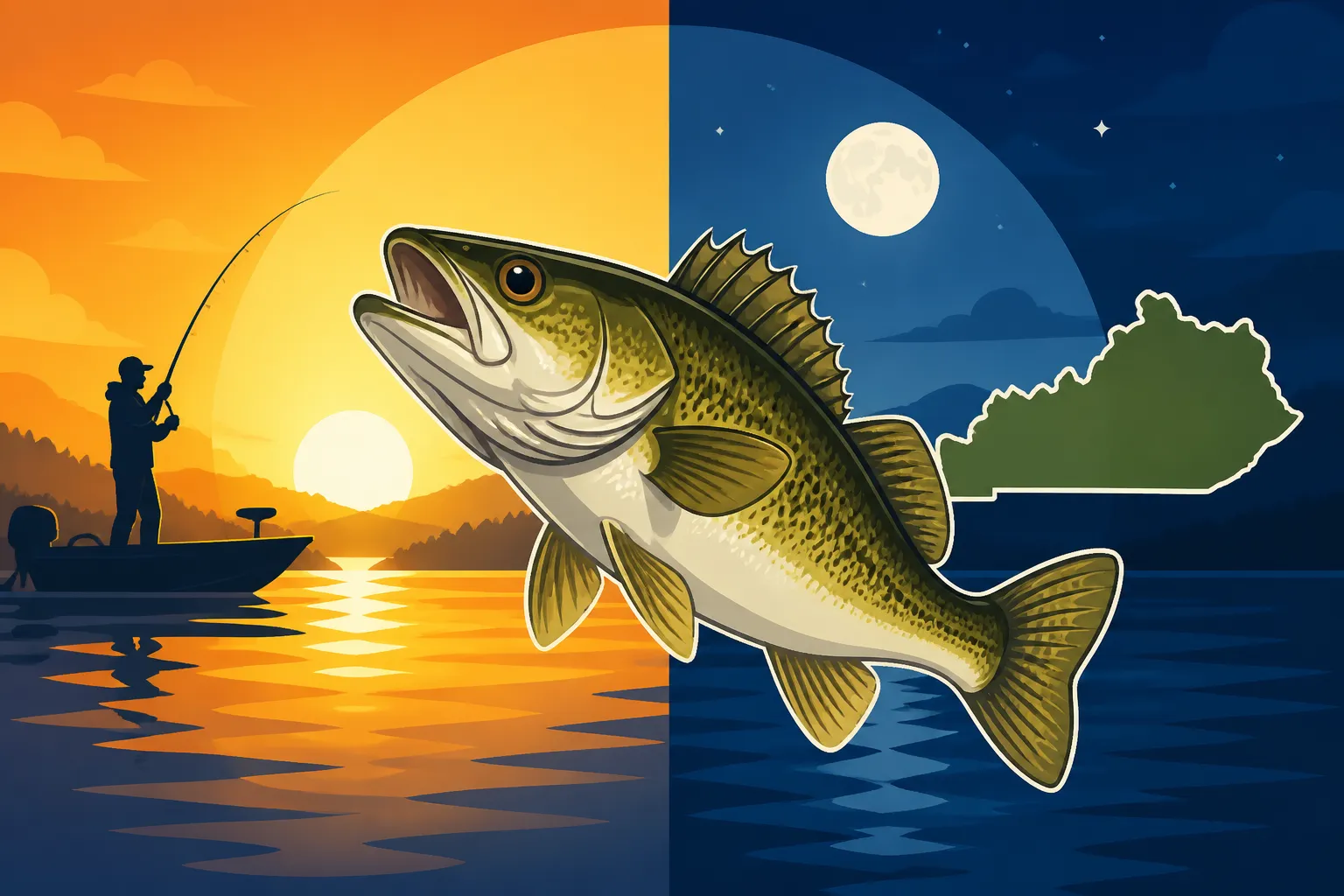
Just before sunrise and for about an hour or two afterward is consistently one of the most productive times to target sauger. As the first hints of light begin to creep across the horizon, the underwater world is still bathed in dimness. This is prime time for sauger, as they feel secure enough to move shallower, often closer to structure or current breaks where baitfish are starting to stir. The cooler temperatures and reduced light make them bold, and they'll actively chase down a jig or a trolled crankbait.
Imagine being out on Lake Barkley as the sky turns from deep indigo to soft orange and pink. You're casting a jig-and-minnow combination into a river channel bend, feeling the subtle tap-tap-tap as it bounces along the bottom. This is when sauger are often most aggressive, having spent the night in deeper water and now moving up to feed before the sun gets too high. Many of the biggest sauger catches happen in these early hours because the fish are actively hunting and less pressured. It's a fantastic time for both boat anglers working river channels and even bank anglers near current seams, if they have deep water access.
Late Afternoon to Dusk: The Evening Feast
Mirroring the morning bite, the hours leading up to sunset and into the twilight are another incredibly productive period for sauger. As the sun dips lower, casting long shadows across the water, the light levels diminish, and the sauger once again feel confident enough to move and feed. This can be an even more intense bite than the morning, as fish that have been hunkered down all day might be extra hungry.
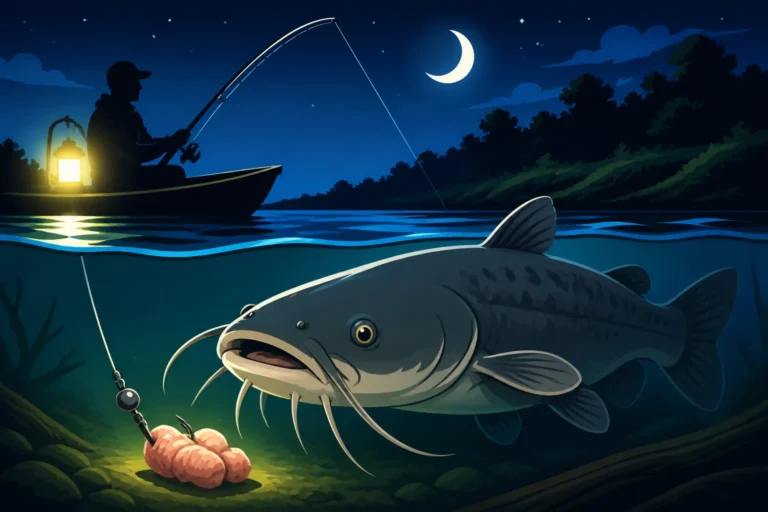
If you're fishing the Ohio River, think about setting up below a dam or along a major current break as the sun begins its descent. You might notice baitfish schooling up, and that's your cue that the sauger won't be far behind. Often, the bite will intensify as the light fades, sometimes continuing well after dark, especially if you're using glow-in-the-dark jigs or baits that show up well in low light. This is also a fantastic time for trolling crankbaits along drop-offs or river channels, as sauger will be actively patrolling these areas. The transition from light to dark offers them a perfect ambush scenario, making it a favorite time for many seasoned sauger anglers.
Cloudy Days and Overcast Conditions: An All-Day Bite
While dawn and dusk are typically the golden hours, a heavily overcast or rainy day can turn sauger fishing into an all-day affair. The consistent low light penetration mimics the conditions of early morning or late evening, keeping sauger active and feeding throughout the day. This is a blessing when you have a full day planned on the water and don't want to rely solely on sunrise and sunset.
On a cloudy day, sauger might hold slightly shallower than they would on a bright day, or they might be more willing to move across flats adjacent to deeper channels. Instead of being strictly glued to the bottom in 30 feet of water, you might find them in 15-20 feet, actively searching for food. This means you can often cover more ground and experiment with different depths and presentations. It's almost like Mother Nature gives you an extended "prime time" window. Always check the weather forecast before heading out; if it's going to be a consistently gray day, plan for extended periods of productive fishing.
| Time of Day | Light Conditions | Sauger Activity | Recommended Technique | Target Depth (General) |
|---|---|---|---|---|
| Pre-Dawn/Dawn | Very Low | High, aggressive | Vertical jigging, Trolling crankbaits | Mid-depth to shallow edges |
| Morning (1-2 hrs after sunrise) | Low to moderate | High, active | Vertical jigging, Casting jigs | Mid-depth, channel edges |
| Mid-Morning | Moderate | Moderate, deeper | Vertical jigging, Slower troll | Deeper channels |
| Mid-Day (Bright Sun) | High | Low, lethargic | Vertical jigging (slow), Deep trolling | Deepest channels, cover |
| Mid-Day (Overcast/Rain) | Low to moderate | High, active | Vertical jigging, Casting, Trolling | Mid-depth, cover |
| Late Afternoon | Moderate to Low | High, active | Casting jigs, Vertical jigging | Mid-depth, channel edges |
| Dusk/Twilight | Low to Very Low | High, aggressive | Vertical jigging, Trolling crankbaits | Mid-depth to shallow edges |
| Night | Very Low | High (depending on location/bait) | Vertical jigging (glow lures), Slow trolling | Varies, often shallower |
Factors Influencing the Sauger Bite Beyond Time of Day
While the clock plays a huge role, sauger are still wild fish influenced by their environment. Several other critical factors can drastically change when and how they bite, even during those "prime" hours. Ignoring these can lead to frustration, so paying attention to the full picture is essential for consistent success.
Water Temperature and Season
Sauger are cold-water fish. They thrive and are most active in cooler water temperatures, which is why they're often a prized catch during late fall, winter, and early spring. As the water temperature rises in late spring and summer, sauger tend to become less active and retreat to deeper, cooler sections of lakes and rivers. This means that the "best time of day" can shift seasonally.
For instance, during winter, sauger might bite well throughout a cloudy day, especially if the water temperature is stable. The best time to catch sauger at Kentucky's Lake Barkley, for example, is often in colder months. However, in the heat of July, even during dawn or dusk, their activity might still be subdued compared to their winter counterparts. You might need to fish even deeper or target periods right after a cold snap that brings water temperatures down a bit. Similarly, understanding the Kentucky Fishing Seasons: What to Catch Each Month can provide valuable context for sauger activity. The seasonal nuances are important; what works in March might not be as effective in August.
Current and Water Flow
Current is a sauger angler's best friend, especially on rivers like the Ohio or sections of Kentucky Lake influenced by dam releases. Sauger are ambush predators, and they love to sit just out of the main flow, letting the current bring food to them. Think of them like a baseball player waiting to steal a base; they use the current to their advantage, conserving energy while waiting for an easy meal.
Changes in current speed can trigger a feeding frenzy or shut the bite down completely. During periods of increased current, such as when dams are generating electricity, sauger can become incredibly active, as baitfish are disoriented and swept along. This can override typical time-of-day patterns; if the current is strong, sauger might bite aggressively even during midday. Conversely, slack water with no current can make sauger lethargic and harder to entice. Always check dam generation schedules if you're fishing near a major impoundment, as this intel can be more valuable than the clock itself.
Barometric Pressure and Weather Changes
Just like many other game fish, sauger are sensitive to changes in barometric pressure. A stable or slowly falling barometer often signals good fishing conditions, as fish tend to be more active. A rapidly falling barometer, usually associated with an approaching storm front, can sometimes trigger a pre-front feeding frenzy, but after the front passes and the pressure stabilizes high, the bite can be tough.
A high-pressure system, especially after a cold front, typically brings clear skies and bright sun – exactly what sauger don't like. During these post-front conditions, even the prime morning and evening windows might be slow, and you'll need to work harder, possibly fishing even deeper or targeting areas with heavy cover. Pay attention to weather forecasts not just for rain, but for pressure changes. A good weather app can become your best fishing buddy, helping you predict the bite before you even launch the boat.
Essential Gear and Techniques for Prime Sauger Times
Hitting the water at the right time is only half the battle; having the right gear and employing effective techniques are equally important to capitalize on those golden hours. Sauger fishing often requires specific approaches tailored to their habits and the conditions.
Rods, Reels, and Line
For sauger, a medium-light to medium power spinning rod, around 6'6" to 7 feet long, is often ideal. This length provides good casting distance while still offering enough sensitivity to detect those subtle sauger bites. A fast action tip is crucial for feeling the light tap and setting the hook quickly. Pair this with a lightweight spinning reel spooled with 6-10 pound test monofilament or fluorocarbon line. Many anglers prefer fluorocarbon due to its low visibility and excellent sensitivity, especially when fishing clear water or deep. You can find a wide selection of these setups on Amazon, making it easy to get rigged up.
When fishing deeper water or in heavy current, some anglers opt for a braid main line with a fluorocarbon leader. Braid offers incredible sensitivity and no stretch, helping you feel even the slightest bump on your jig when it's 30 or 40 feet down. A good, strong knot to connect your leader to your main line is essential here. The specific rod and reel can make a noticeable difference in your ability to detect strikes during those crucial low-light periods.
Lures and Baits for Active Sauger
When sauger are active during their prime feeding windows, a variety of lures can be incredibly effective.
- Jigs: By far the most popular and often most effective lure for sauger. A 1/4 to 3/4 ounce lead head jig, tipped with a live minnow, a plastic grub (like a Mister Twister or Kalin's Grub), or a paddle tail swimbait, is a deadly combination. Popular colors include chartreuse, green, orange, and white. The key is to present it vertically or with a slow, bottom-bouncing retrieve. You'll often find sauger concentrated in specific areas, so being able to drop a jig precisely where they're holding is vital.
- Crankbaits: Trolling deep-diving crankbaits can be incredibly productive, especially during periods when sauger are actively roaming. Lures like the Rapala Shad Rap, Berkley Flicker Shad, or various Bandit crankbaits that dive to 15-30 feet can cover a lot of water and attract aggressive fish. Choose colors that mimic local baitfish, like chrome/blue, shad patterns, or firetiger. Trolling speed and depth control are paramount when using crankbaits.
- Blade Baits: Lures like the Silver Buddy or Vibrato are excellent for vertical jigging, especially in deeper water. Their vibration and flash can call in sauger from a distance.
- Live Bait Rigs: While jigs are often tipped with minnows, dedicated live bait rigs, such as a three-way swivel rig with a minnow or small shad, can also be very effective, especially when fishing slower. This is a classic method for a reason.
Remember, presentation is often more important than the exact lure. A slow, controlled retrieve that keeps your bait near the bottom where sauger are holding will outperform fast, erratic movements almost every time. Learning How to Jig for Sauger in Deep Water is a fundamental skill for successful sauger fishing.
Electronic Aids
Modern fish finders and GPS units are game-changers for sauger fishing. During prime times, sauger are still often found congregating in specific structures like river channel bends, humps, or submerged rock piles. A good fish finder, especially one with side-imaging or down-imaging, allows you to pinpoint these structures and even identify schools of baitfish and sauger holding on them.
A GPS unit is invaluable for marking productive spots, especially on large bodies of water like Kentucky Lake. Once you find a school of sauger biting during that prime dawn window, you can mark the exact location and easily return to it. Having reliable electronics, which are readily available on Amazon with various features, helps eliminate guesswork and significantly increases your efficiency, ensuring you spend less time searching and more time fishing during those critical active periods.
Disclaimer
This article is for general informational purposes only and does not constitute professional advice. Laws, prices and regulations vary by location and change over time. Consult a qualified professional for guidance on your specific situation.