Best Lures for Rainbow Trout Fishing
Alright, fellow anglers! We've all been there, standing on the bank of a beautiful Kentucky stream or lake, watching those elusive rainbow trout dart through the clear water, wondering which magic lure will finally entice a bite. It can be incredibly frustrating to see them, yet not be able to connect. But don't worry, you're not alone in that feeling. This guide is dedicated to breaking down the best lures for rainbow trout fishing right here in Kentucky, offering practical advice and techniques to help you turn those sightings into successful catches.
Setting the Stage: Understanding Kentucky's Rainbow Trout
Before we even dive into specific lures, it's crucial to understand the fish we're after. Rainbow trout aren't like bass that smash anything that moves. They can be finicky, wary, and often require a more subtle approach. Knowing their habits and preferred environments in Kentucky waters will give you a significant advantage.
Where Rainbow Trout Are Found in Kentucky
Most of the rainbow trout you'll encounter in Kentucky are part of a fantastic stocking program. This means they're regularly introduced into various cold-water streams and lakes across the state, ensuring that anglers have ample opportunities to pursue them. The most famous destination, of course, is Lake Cumberland, renowned for its incredible trout fishery. Beyond Lake Cumberland, you'll find them in designated trout streams like those in the Cumberland River tailwater below Wolf Creek Dam, and numerous other smaller creeks and rivers. While some wild populations do exist in the colder headwaters of certain streams, the vast majority of your trout fishing experiences will be in these stocked waters. Understanding this helps immensely because stocked trout often behave a little differently than their wild cousins—sometimes they’re a bit less wary, but they can also be very pressured. To learn more about where these fish are, check out our guide on Kentucky's Lake Cumberland Trout Season Explained.
What Makes Rainbow Trout Strike
Rainbow trout are opportunistic feeders, but they do have preferences. In their natural habitat, they're constantly looking for aquatic insects, small baitfish, crustaceans, and even terrestrial insects that fall into the water. When they’re stocked, they’re often used to eating commercial feed pellets, which gives artificial baits that mimic this food source a slight edge initially. However, once they’ve been in the wild for a bit, their natural instincts kick in. They're attracted to things that resemble their food, things that flash and vibrate to mimic an injured baitfish, or things that simply look like an easy, protein-rich meal. The key is often to present something small, subtle, and natural-looking, or something that triggers an aggressive reaction.
Seasonal Considerations for Trout Fishing
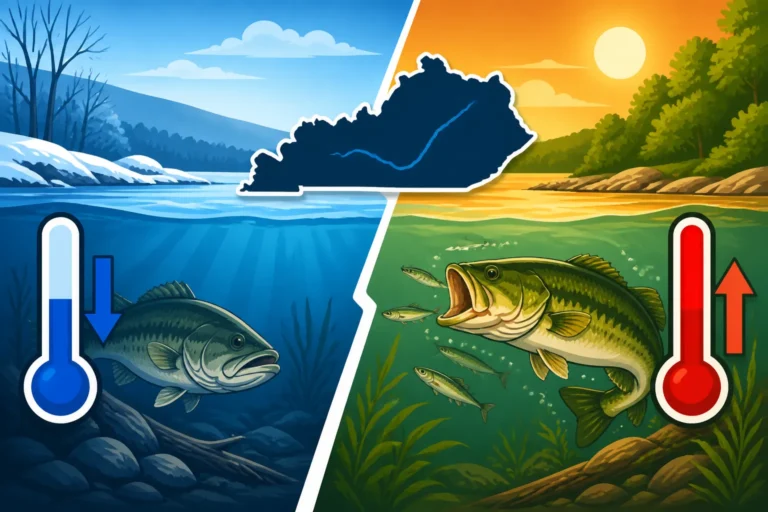
The time of year dramatically influences trout behavior and, consequently, your best lure choices. In the colder months of late fall and winter, trout tend to be less active and hold in deeper water. This calls for slower presentations and lures that can get down to their level. As spring arrives and water temperatures rise, trout become much more active, often moving into shallower areas to feed. This is when aggressive retrieves and brighter colors can really shine. During the heat of summer, especially in smaller streams, trout seek refuge in the coolest, most oxygenated water, usually deeper pools or shaded areas. Knowing when you’re fishing can help you decide what lures to pack. For instance, if you're planning a trip to the state's premier trout lake, you might want to consider Best Time of Year to Catch Rainbow Trout on Kentucky's Lake Cumberland.
The Go-To Lures: Spinners, Spoons, and More
Now that we've chatted about the fish itself, let's get into the tackle box specifics. You'll find a bewildering array of lures out there, but for Kentucky rainbow trout, a few stand head and shoulders above the rest. The trick is having a selection and knowing when to use each one.
Spinners and Spoons: Flash and Vibration
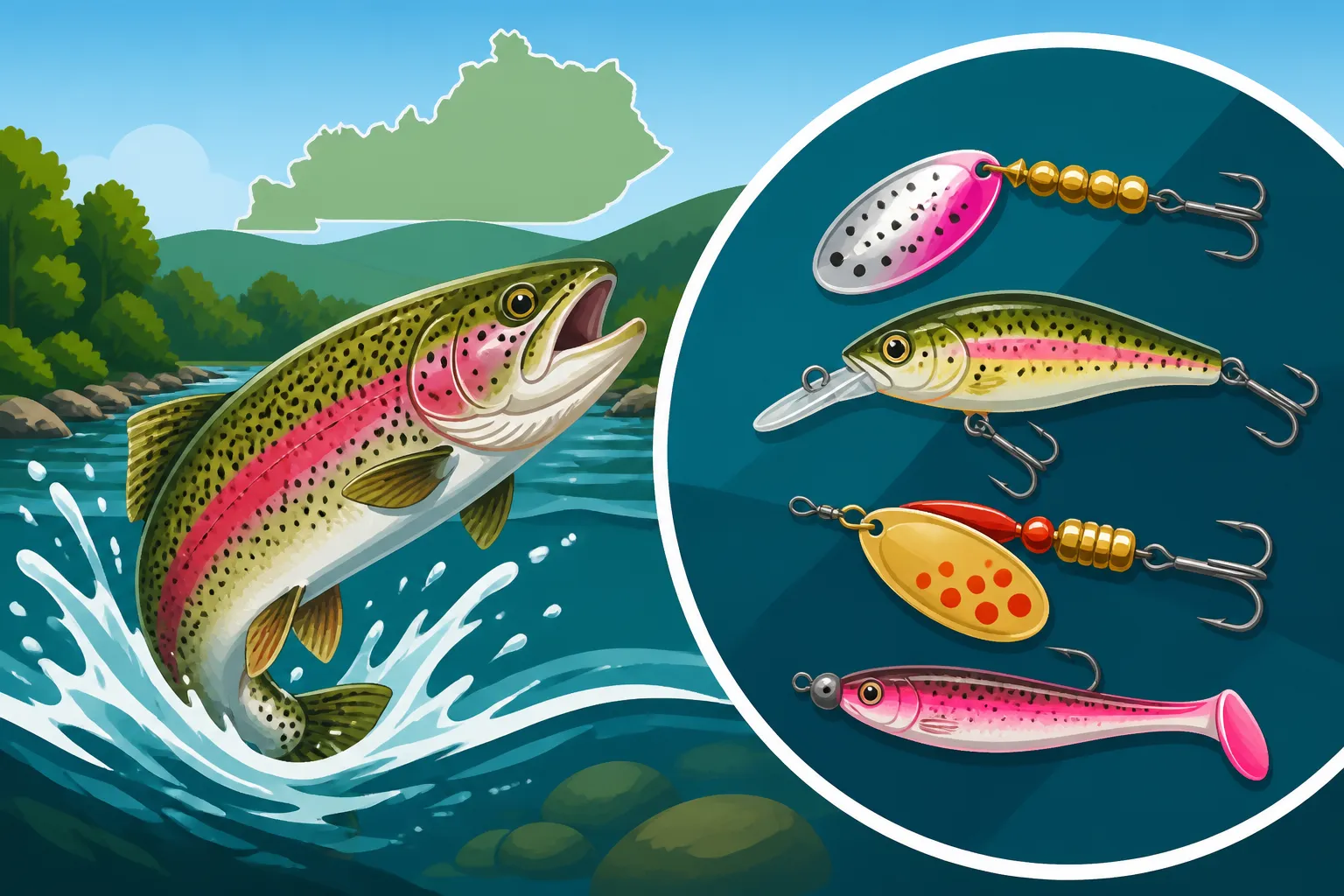
These are absolute classics for a reason. Spinners and spoons rely on flash and vibration to imitate small, frantic baitfish or insects, triggering a trout's predatory instincts. They're incredibly effective in a variety of conditions and are often the first choice for many experienced trout anglers.
For spinners, think brands like Mepps, Panther Martin, or Rooster Tail. The size is critical here; generally, you'll want to stick to smaller sizes, like #0, #1, or #2. The blades on these spinners rotate as you retrieve them, creating a flash and a subtle thump that trout can detect. Colors like silver, gold, copper, or those with bright red, orange, or chartreuse accents, often prove irresistible. I've had fantastic luck with a small gold blade and a dressed treble hook on clear, sunny days. The flash really catches their eye. When fishing these, a steady, slow retrieve is usually best, just fast enough to get the blade spinning. You can find a huge variety of these proven trout catchers on platforms like Amazon, allowing you to experiment with different sizes and colors without breaking the bank.
Spoons, on the other hand, flutter and wobble as they're retrieved or fall through the water column. They're excellent for imitating wounded baitfish. Again, small sizes are key—think 1/16 oz to 1/8 oz. Acme's Kastmaster or Little Cleo spoons are legendary for trout. Silver, gold, and brass are common, but don't overlook spoons with painted accents like blue and silver, or green and gold. I once had a tough day on a local trout stream until I tied on a small silver spoon with a hint of blue. It was like flipping a switch! Spoons can be cast and retrieved steadily, or you can use a "flutter and fall" technique, letting them sink a bit before reeling, mimicking a dying fish. They are particularly effective in slightly deeper pockets where trout might be holding.
Small Crankbaits and Jerkbaits: Mimicking Baitfish
Sometimes, trout want something a little more substantial or a more aggressive profile. That's where small crankbaits and jerkbaits come into play. These lures mimic minnows and other small forage fish with remarkable accuracy.
Look for crankbaits in the 1-inch to 2-inch range. Rapala's Countdown series or similar suspending jerkbaits are fantastic choices. Their realistic finishes, subtle wobbles, and ability to suspend at a specific depth can be deadly. Trout often follow a lure for a bit before committing, and a suspending jerkbait allows you to pause it right in their strike zone, giving them that extra moment to decide to bite. Natural baitfish patterns like silver and black, or perch and bluegill colors, are excellent. However, don't shy away from brighter, more aggressive colors like firetiger in stained or murky water. When fishing these, a stop-and-go retrieve with occasional twitches of the rod tip can be incredibly effective, making the lure dart and pause like a confused minnow.
Diving crankbaits are also useful, especially when you need to get down to trout holding in deeper pools or along channel edges. Make sure to match the diving depth of your crankbait to the depth where you expect the fish to be. Too shallow, and you'll be over their heads; too deep, and you'll be constantly snagging. Experimenting with these smaller hard baits can unlock a bite when other lures aren't producing.
Soft Plastics and Artificial Baits: Versatility and Scent
When trout are being especially finicky, or when you need a presentation that's incredibly subtle, soft plastics and artificial scented baits are your best friends. These baits offer versatility in presentation and often incorporate scent, which can be a huge advantage.
One of the most popular and effective artificial baits for rainbow trout is PowerBait, particularly the dough-style varieties. It comes in a dizzying array of colors and scents, but the key is its buoyant nature. When molded onto a small hook (often a size 12 or 14 treble hook) with a split shot or small sinker a foot or two above it, the PowerBait will float off the bottom, presenting itself perfectly to cruising trout. Popular colors include chartreuse, rainbow, pink, and white. I've seen days when nothing else worked, but a small blob of PowerBait would get hit almost instantly. You can stock up on various colors and formulas on Amazon, so you're ready for any water condition.
Beyond PowerBait, small artificial worms, grubs, and even tiny nymphs or egg patterns made from soft plastic can be incredibly effective. These are often fished on a very light jig head (1/32 oz or 1/64 oz) or under a bobber. The subtle action of these plastics, combined with their sometimes scented composition, can mimic natural food sources. Berkley Gulp! Alive! baits, which combine the realistic look of plastic with a strong scent, are another excellent choice. When fly fishing isn't an option, or you prefer spinning gear, these micro-plastics can truly shine. They offer a fantastic way to fish a tiny, lifelike offering that trout can't resist.
Flies: For Fly Fishing Enthusiasts
While this guide focuses primarily on lures for spinning gear, it would be remiss not to mention the power of flies for rainbow trout, especially in Kentucky's cold-water streams. For those who embrace the art of fly fishing, flies offer the ultimate in natural presentation. Common patterns that mimic local insect life, such as various nymph patterns (Prince Nymph, Pheasant Tail, Hare's Ear), dry flies (Elk Hair Caddis, Adams, Parachute Adams), and even small streamers (Woolly Bugger) are incredibly effective. Often, you'll find the most success by matching the "hatch" – using a fly that imitates the insects currently emerging or prevalent in the water. For a deeper dive into this, check out our piece on Fly Fishing Techniques for Trout.
Mastering the Presentation: Techniques for Success
Having the right lure is only half the battle. How you present that lure to the fish is equally, if not more, important. Rainbow trout have excellent eyesight and can be incredibly sensitive to unnatural movements or heavy lines.
Ultralight Gear for Optimal Presentation
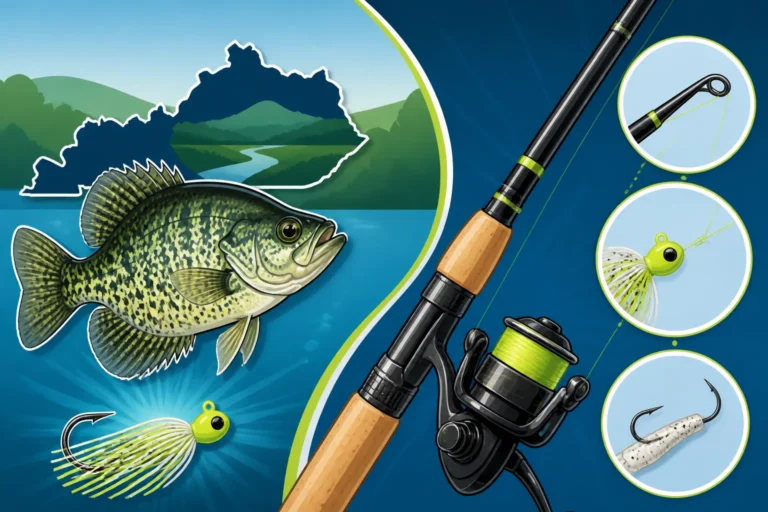
When chasing rainbow trout in Kentucky, think finesse. This generally means opting for ultralight spinning gear. A light-action rod, typically 5 to 6.5 feet long, paired with a small spinning reel (like a 1000 or 2000 size) spooled with 2-4 pound test monofilament or fluorocarbon line, is the ideal setup. This light line is crucial because it's less visible to the wary trout and allows your small lures to move more naturally in the water. Plus, the light rod allows you to cast those tiny lures a good distance and provides incredible sensitivity, letting you feel even the most subtle bites.
Monofilament has a bit of stretch, which can be forgiving, while fluorocarbon is nearly invisible underwater and has very little stretch, offering more direct feel. For clear Kentucky waters, I often lean towards fluorocarbon as a leader, or even as my main line if I'm not worried about a lot of snags. Using light gear is one of the foundational Spin Fishing for Trout: Gear and Technique principles.
Retrieval Speeds and Cadence
This is where many anglers either succeed or fail. There's no single "best" retrieve speed because trout behavior changes with water temperature, current, and pressure. The golden rule is to experiment.
- Spinners & Spoons: A slow, steady retrieve is often best, just fast enough for the blade to spin or the spoon to wobble enticingly. In current, you might even hold the lure in place, letting the water do the work, making it flutter downstream. Don't be afraid to try slight twitches or pauses; sometimes that unexpected change is what triggers a strike.
- Crankbaits & Jerkbaits: A "twitch, twitch, pause" retrieve is a classic for jerkbaits. Let it sit for a few seconds during the pause—this is often when the strike occurs. For diving crankbaits, a steady retrieve might work, but also try varying your speed or adding a sharp, short jerk every few feet.
- Soft Plastics/PowerBait: When fishing PowerBait on the bottom, simply let it sit and wait. For small grubs or worms on a jig head, a slow drag along the bottom, or short hops, can imitate an insect or larva. Under a bobber, just let the current drift it naturally.
Always be mindful of the current. If you're fishing a stream, casting slightly upstream and letting the lure drift naturally downstream (a "dead drift") can be incredibly effective, especially with smaller spinners or soft plastics.
Understanding Water Conditions and Lure Selection
The clarity and depth of the water also play a significant role in lure selection.
- Clear Water: In clear water, trout rely heavily on sight. This means you want lures that look as natural as possible. Opt for natural baitfish patterns on crankbaits, silver or gold spinners/spoons, and more subdued colors for PowerBait or soft plastics. Light line and a stealthy approach are paramount. Small size is usually preferred.
- Stained/Murky Water: When the water has a bit more color, trout rely more on vibration and scent. Brighter, more aggressive colors (chartreuse, fluorescent orange, hot pink) on spinners and spoons can become highly visible. Scented soft plastics become even more effective, and crankbaits with rattles can also help the fish locate your offering. A slightly larger profile lure might also be seen better.
- Depth: If trout are holding deep (common in lakes or large river pools), you need lures that can get down there. Heavy spoons, diving crankbaits, or soft plastics rigged with enough weight to reach the bottom are essential. If they're shallow, lighter lures that stay in the upper water column or float are better. This is where a proper Ultralight Spinning Gear for Trout Fishing setup becomes invaluable.
| Lure Type | Ideal Water Conditions | Key Trout Reaction Triggered | Common Colors/Patterns | Best Retrieve Strategy |
|---|---|---|---|---|
| Spinners | Clear to moderately stained | Flash, vibration, predatory | Silver, gold, black, red dot, chartreuse | Slow, steady, just enough to spin blade |
| Spoons | Clear to moderately stained, deeper water | Wounded baitfish, flash, flutter | Silver, gold, blue/silver, green/gold | Steady, or flutter & fall with pauses |
| Small Crankbaits | Clear to lightly stained | Imitates minnows, erratic dart | Natural baitfish, firetiger | Twitch, twitch, pause; steady retrieve |
| Soft Plastics/PowerBait | Any, especially finicky trout | Scent, subtle movement, easy meal | Rainbow, chartreuse, pink, white, natural insect | Dead drift, slow drag, sitting on bottom (PowerBait) |
Beyond the Lure: Essential Tips for Trout Anglers
Even with the best lures and techniques, there are always other factors that contribute to a successful trout fishing trip in Kentucky. These pro tips can make a significant difference.
Don't Spook the Fish
Rainbow trout are incredibly wary, especially in clear, shallow waters. Your approach is often as important as your lure.
- Stealth: Walk softly along the bank. Avoid heavy footsteps or loud noises that can send vibrations through the water. If you're wading, move slowly and deliberately.
- Visibility: Wear subdued clothing that blends in with your surroundings, not bright, contrasting colors. Stay low, using bankside vegetation or rocks for cover.
- Casting Shadows: Be mindful of your shadow. If it falls over the water where you're fishing, it can instantly put trout on alert. Try to cast from a position where your shadow is behind you or out of the trout's line of sight.
- Line Size: As mentioned, lighter line is less visible. Trout can easily see heavy monofilament, especially in clear water, leading them to avoid your presentation altogether.
Vary Your Approach
One of the biggest mistakes anglers make is sticking to one lure or one retrieve method for too long. If what you're doing isn't working after 15-20 minutes, change something!
- Change Lures: Cycle through different types of lures (spinners, spoons, soft plastics). If a spinner isn't working, try a PowerBait rig. If that fails, switch to a small crankbait.
- Change Colors: If your silver spinner isn't getting attention, try a gold one. If the trout ignore your pink PowerBait, switch to chartreuse.
- Change Retrieve: Speed up your retrieve, slow it down, add pauses, or twitch your rod more frequently. Sometimes a subtle change in cadence is all it takes to trigger a strike.
- Change Depth: Are you fishing too shallow or too deep? Try lures that run at different depths or add/remove weight to adjust your presentation.
Experimentation is the key to cracking the code on any given day. What worked yesterday or even an hour ago might not work now. This applies not just to lures, but also to how you're trying to fish. Sometimes, going from bank fishing to trying a float tube can make all the difference, depending on the spot.
Be Aware of Regulations
Kentucky has specific fishing regulations, especially for trout. These rules are in place to manage the fishery and ensure sustainable populations for everyone to enjoy. Always, always check the current regulations before you head out.
- Fishing License: You absolutely need a Kentucky Fishing License Guide to fish in public waters. And for trout, specifically, you'll need a special endorsement. Make sure you understand the Kentucky Trout Permit Cost and Requirements.
- Creel Limits and Size Restrictions: There are often daily creel (bag) limits and sometimes minimum size limits for trout. These can vary by water body. For example, some stretches of the Cumberland River might have different rules than Lake Cumberland. Be sure to consult the Kentucky Fishing Regulations Explained for your specific fishing destination. Keeping fish that are too small or exceeding your daily limit can result in penalties.
Knowing these rules not only keeps you legal but also contributes to the conservation efforts that make Kentucky such a fantastic place to fish for rainbow trout. Enjoy your time on the water, and may your lines be tight!
Disclaimer
This article is for general informational purposes only and does not constitute professional advice. Laws, prices and regulations vary by location and change over time. Consult a qualified professional for guidance on your specific situation.