How Falling Water Temperature Changes Fish Behavior
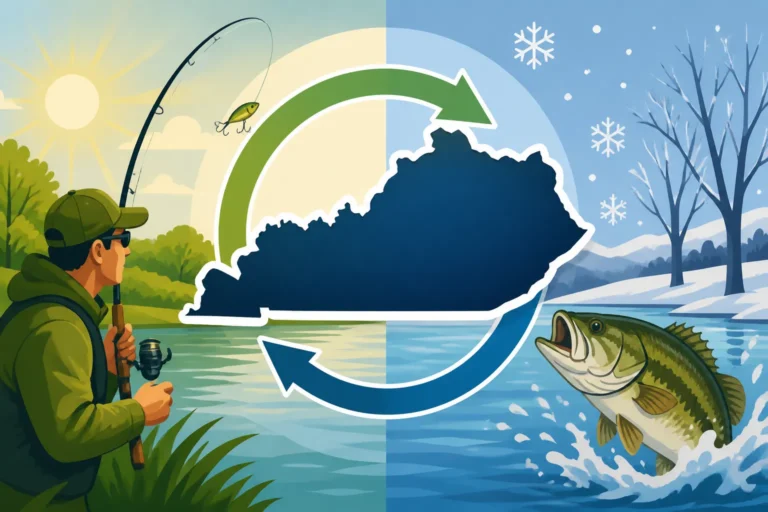
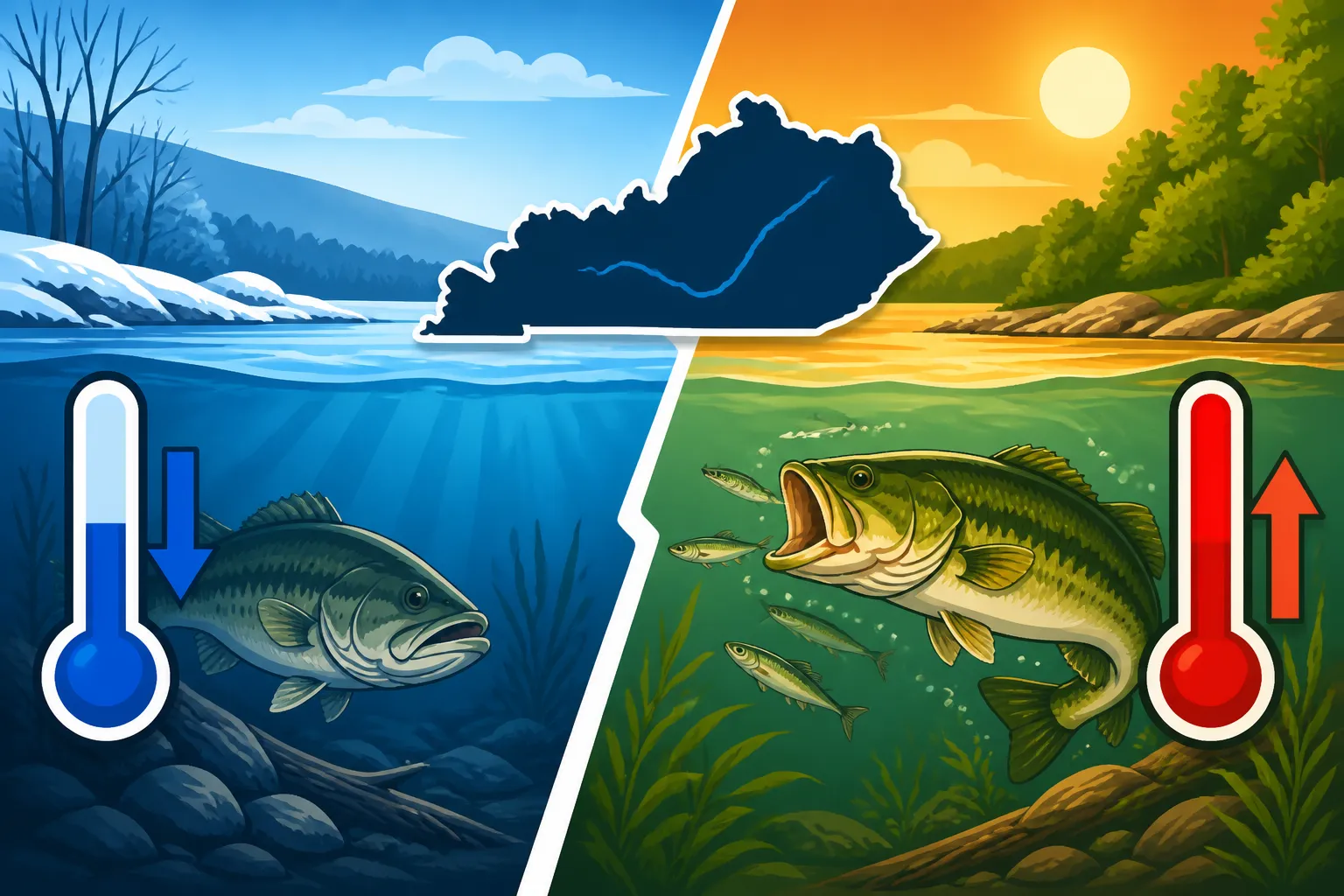
One of the most frustrating things about fishing, especially here in Kentucky, is when the bite suddenly shuts down. You've been on a hot streak, the weather's been gorgeous, and then, almost overnight, everything changes. Often, that shift can be attributed to falling water temperatures, which completely rearrange the aquatic world and, consequently, how our finned friends behave. This guide is all about helping you understand these critical changes so you can adapt your approach and keep those lines tight, even when the thermometer starts to drop.
Understanding the Autumn Turnover and Its Impact
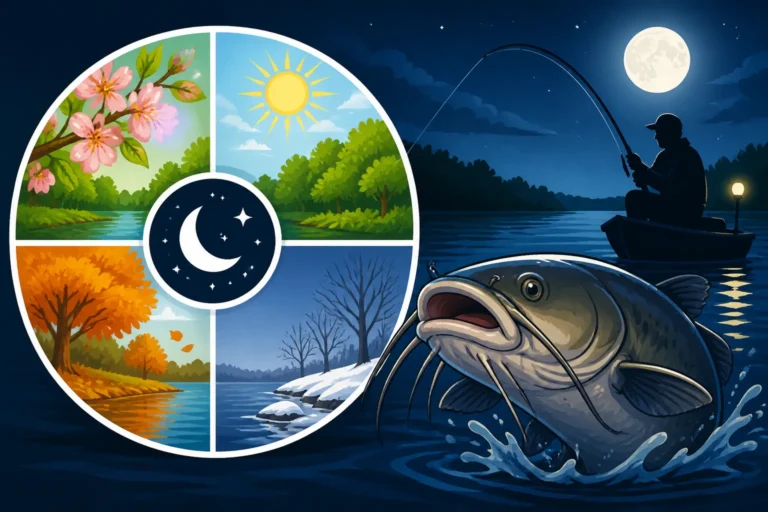
As summer fades into fall, and eventually winter, the entire ecosystem of our lakes and reservoirs undergoes a dramatic transformation. This isn't just a gradual cooling; there's a specific event, often called "turnover," that drastically impacts fish behavior. It’s a natural, annual process that can throw a serious wrench in your fishing plans if you don't know what's happening beneath the surface.
The Physics of Water Density and Stratification
Think about how a lake acts in summer. The sun bakes the surface, creating a warm layer on top. Below that, there’s a thermocline – a distinct boundary where the water temperature drops rapidly. Underneath the thermocline lies the colder, denser bottom layer. This creates what's known as thermal stratification. Fish, especially species like bass and crappie, often relate to this thermocline, as it offers a comfortable temperature range and good oxygen levels. However, as the air temperature cools in autumn, the surface water starts to lose heat and become denser. Eventually, it becomes as dense as the water below the thermocline, or even denser.
When this happens, the surface water begins to sink, displacing the warmer, less dense water from below. This sinking and rising action "turns over" the entire water column, mixing all the layers. Imagine stirring a giant pot of water – that's essentially what's happening. This mixing process redistributes nutrients, oxygen, and even some of the dissolved gases that might have accumulated at the bottom. While it's vital for the long-term health of the lake, it can be a real challenge for anglers in the short term, often leading to a period where fish are disoriented and the bite is incredibly tough.
How Turnover Affects Fish Habitat and Behavior
The immediate aftermath of turnover can be a confused time for fish. Their comfortable zones, based on temperature and oxygen, are suddenly gone. Instead of distinct layers, they find a more uniform, but often cooler, water column. This can scatter fish, making them harder to locate. For a few days, or even a week or two, they might be lethargic and less inclined to feed aggressively. It’s a common complaint among Kentucky anglers: "The fish just aren't biting after the cold snap!" This is often the turnover at play.
Once the initial shock of turnover subsides, fish begin to adjust. They’re no longer restricted by specific thermal layers and might spread out more, but generally, they'll start seeking out areas with stable temperatures and available food. This often means moving to deeper pockets, transitioning areas, or focusing on structures where baitfish might be congregating. Understanding this transition is key to adapting your approach, especially when planning a trip around the time the "How Falling Water Temperature Changes Fish Behavior" phenomenon starts to take hold.
How Different Fish Species React to Cooling Water
Not all fish react to falling water temperatures in the same way. Some species thrive in colder conditions, while others become sluggish and seek deeper, more stable environments. Knowing the preferred temperature ranges and behavioral patterns of your target species is crucial for success as Kentucky waters cool down.
Bass (Largemouth, Smallmouth, Spotted)
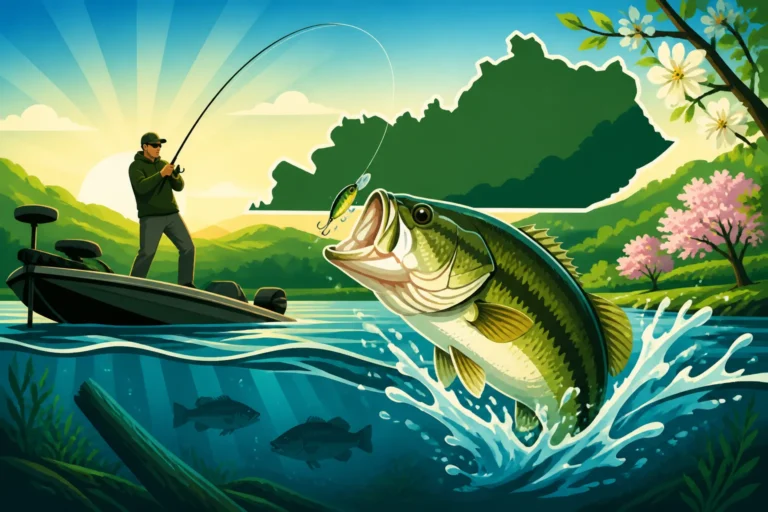
Bass, particularly largemouth bass, are highly sensitive to temperature changes. As water temperatures begin to drop from their summer highs, largemouth bass often enter a "fall feeding frenzy" phase. They know winter is coming and will gorge themselves on baitfish like shad and sunfish, trying to put on weight. During this time, you might find them actively chasing schools of baitfish in coves, around creek channels, and near points. Aggressive retrieves with crankbaits, spinnerbaits, and topwater lures can be incredibly effective.
However, once the water temperature falls consistently below, say, 55-60 degrees Fahrenheit, their metabolism slows down significantly. They become less active and move to deeper, more stable water, often relating to submerged timber, rock piles, or ledges. They won’t chase as much, so slower presentations with jigs, shaky heads, or deep-diving crankbaits become more productive. Smallmouth bass, found in rockier, clearer waters like Lake Cumberland, tend to tolerate colder water better than largemouths and can remain active deeper into the fall and winter, often suspending over deep structures. Understanding these seasonal shifts is vital, especially when considering the Kentucky Bass Fishing: The April-May Peak Season and how it contrasts with colder months.
Crappie (Black and White)
Crappie are another popular species in Kentucky that exhibit distinct behavioral shifts with falling water temps. Early fall, as temperatures are still moderate, can offer fantastic crappie fishing as they follow baitfish schools. You might find them suspended around brush piles, bridge pilings, or submerged timber in 10-20 feet of water. This is often an active period where they'll hit small jigs or minnows with enthusiasm. Many anglers consider this a prime time, similar to the Kentucky Crappie Fishing: Spring Spawn Run Guide in terms of activity.
As the water gets colder, especially below 50 degrees Fahrenheit, crappie tend to school up much tighter and move to deeper main lake structures. They might be found near the bottom in river channels, around very deep brush piles, or suspended over deep water relating to subtle changes in contour. Their bite becomes much more subtle, requiring light line and slow presentations. Often, you’ll need to vertical jig or tightline minnows directly to them. This is when a good fish finder becomes invaluable for locating these tightly grouped schools.
Catfish (Channel, Blue, Flathead)
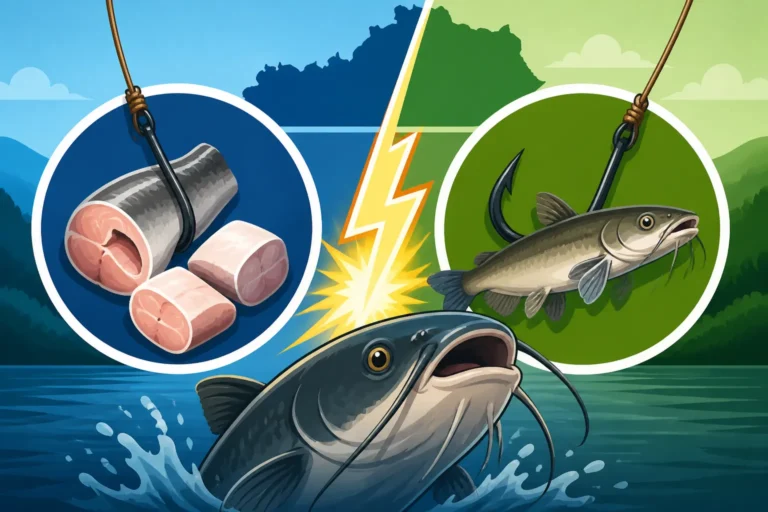
Catfish, particularly blues and channels, can remain quite active into the fall and even winter, especially the larger blues. As the water cools, smaller channel catfish might become less active, but the big blue catfish in places like the Ohio River or Kentucky Lake will continue to feed heavily, especially on gizzard shad. They'll often move to deeper holes in river channels, around deep bends, or near dam tailraces. The Kentucky Catfish Fishing: Ohio River and Kentucky Lake Guide offers insights into these powerful fish.
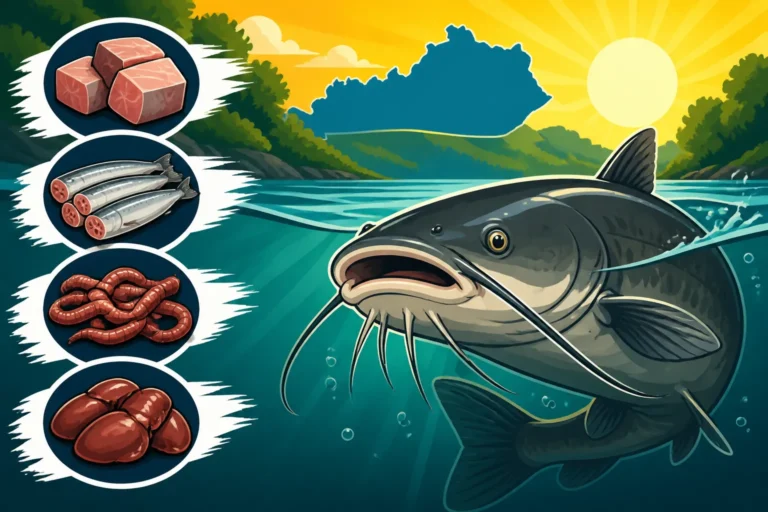
Flathead catfish, being ambush predators, will also seek out deeper log jams, rock piles, and structural elements as the water cools. They become less active than blues and channels, and their feeding windows might be shorter and more sporadic. For all catfish species in colder water, bait choice becomes critical. Fresh cut bait, particularly shad or skipjack, is often irresistible to blue and channel cats. For flatheads, live bait like bluegills or suckers presented slowly on the bottom are usually the ticket.
Trout (Rainbow, Brook, Brown)
Trout are the cold-water specialists of Kentucky's fisheries. Unlike bass or crappie, trout often become more active as water temperatures drop in the fall and winter, especially in stocked waters like Lake Cumberland or our colder mountain streams. This is when you can experience some incredible trout fishing, as outlined in the Winter Trout Fishing at Kentucky's Lake Cumberland guide.
Rainbow, brook, and brown trout thrive in water below 60 degrees Fahrenheit. In the fall, they'll often be found in shallower sections of rivers and streams, actively feeding on insects, small baitfish, and nymphs before seeking deeper pools or cover for the coldest parts of winter. In lakes like Cumberland, they’ll move throughout the water column, often suspending at specific depths where their preferred temperatures are found. Spin fishing with small spoons, spinners, or powerbait, and fly fishing with nymph patterns or streamers, can be highly effective.
Here's a quick look at how these common species generally react:
| Fish Species | Summer Water Temp (°F) | Falling Water Temp (Late Fall/Early Winter) (°F) | General Behavior Change | Primary Location Shift | Recommended Tactics |
|---|---|---|---|---|---|
| Largemouth Bass | 70-85 | 40-55 | Metabolism slows, less aggressive, seeks stable temps | Deeper channels, timber, rock piles, ledges | Slower presentations: jigs, shaky heads, deep cranks |
| Smallmouth Bass | 65-75 | 45-55 | Remains active longer, but slows, still relate to rock | Deep rock structures, suspending over humps | Jigs, drop shots, tubes, small swimbaits |
| Crappie | 70-80 | 40-55 | Schools tightly, less active, seeks deep cover | Deep brush piles, bridge pilings, river channels | Vertical jigging, tightlining minnows, slow retrieves |
| Channel Catfish | 70-85 | 45-60 | Slows but still feeds, smaller ones less active | Deep holes, channel bends, current breaks | Cut bait, stink bait, shrimp on bottom |
| Blue Catfish | 70-85 | 40-60+ | Remain very active, especially large ones, follow shad | Main river channels, deep holes, dam tailraces | Fresh cut bait (shad, skipjack), large chunks |
| Flathead Catfish | 70-80 | 45-55 | Less active, ambush predators, seek heavy cover | Deep log jams, rock piles, under heavy cover | Live bait (bluegills, suckers) presented slowly |
| Trout | 55-65 | 35-55 | More active and aggressive, thrive in cold water | Deeper pools, current seams, suspending at optimal depths | Small spoons, spinners, flies (nymphs, streamers), PowerBait |
Adjusting Your Tactics for Colder Water Fishing
When the water temperatures really start to plummet, your warm-weather techniques just won't cut it. Fish are no longer as interested in chasing down a fast-moving bait. Their metabolism has slowed, they need to conserve energy, and they're often holding tight to cover or deep structure. This means you need to slow down, size down, and sometimes go a bit deeper to find them.
Slow Down and Be Patient
This is probably the most crucial piece of advice for cold water fishing. When a fish's metabolism slows down, it doesn't need to eat as often, and it certainly won't exert much energy chasing a fast-moving meal. Your retrieve speed should go from a lively twitch to a crawl. Think subtle movements, pauses, and long drags. If you're used to burning a crankbait, try reeling it just fast enough to get it to wobble, with frequent stops. For jigs, it's about delicate hops or just letting it sit on the bottom for extended periods.
Sometimes, simply leaving your bait in the strike zone for a longer duration is the key. Fish might need more time to decide if they want to bite, or they might just be moving very slowly. Don't be afraid to count to ten or even twenty seconds between jig hops. Patience isn't just a virtue in cold water fishing; it's a necessity. This is quite a contrast to the high-energy demands during "How Fish Behavior Changes From Summer to Fall."
Focus on Deeper Structure and Cover
As waters cool, many species will migrate from shallow flats and open water to deeper, more stable environments. Look for features like creek channel swings, ledges, deep points, humps, and submerged timber. These areas offer consistent temperatures and often attract baitfish, which in turn attract predators. Using your electronics to locate these depth changes and identify potential fish-holding cover is more important than ever.
When you find a promising deep structure, don't just make a few casts and move on. Work it thoroughly from different angles. If you suspect fish are holding tight to a specific rock pile or submerged bush, present your bait directly to it. The fish aren't going to move far to eat, so you need to put the meal right in front of their noses. This methodical approach can pay off big time, especially when fish are grouped up.
Downsize Your Baits and Go Natural
In cold water, fish often prefer smaller, more natural-looking presentations. This isn't always a hard and fast rule, as a big blue cat might still hit a large chunk of cut bait, but for bass, crappie, and even some trout, downsizing can make a huge difference. Think about creatures that would be moving slowly in cold water – worms, crawfish, small baitfish.
Soft plastics like finesse worms, small jigs (like those used in How to Jig for Crappie in Shallow Water), and compact grubs become much more effective. Live bait, such as minnows or nightcrawlers, are also excellent choices because their natural movements are inherently slow and enticing. Consider your lure colors too; subtle, natural tones like browns, greens, and grays often outperform flashy or bright colors in clearer, colder water. Many anglers swear by particular jig colors, and you can usually find a great selection of these on Amazon.
Essential Gear for Cold Water Angling in Kentucky
Having the right gear isn't just about comfort; it's about effectiveness and safety when you're out on chilly Kentucky waters. From specialized rods to insulating clothing, a few key items can significantly improve your experience and success.
Rods, Reels, and Line for Sensitivity
When the bite is light in cold water, sensitivity is paramount. You need to feel those subtle taps that barely register as a bite. This means choosing a rod with a fast action tip and a good backbone. Often, a medium-light or medium power spinning rod is ideal for finesse presentations for bass and crappie. For trout, an ultralight setup provides incredible feel and makes fighting smaller fish a blast. For catfish, while strength is key, a sensitive tip can still help detect tentative bites. If you're upgrading, you can find many quality options on Amazon.
Pair your sensitive rod with a smooth reel that allows for precise line control and minimal resistance. Lighter lines, such as 6-8 pound fluorocarbon or braided line with a fluorocarbon leader, are excellent choices. Fluorocarbon is nearly invisible underwater and has very low stretch, transmitting even the lightest bite directly to your hand. Braided line offers extreme sensitivity, but a fluorocarbon leader is often preferred to maintain invisibility and provide some shock absorption. Learning how to tie a good leader knot is essential for this setup.
Proper Clothing and Safety Equipment
Cold water fishing isn't just about catching fish; it's about staying warm and safe. Layering your clothing is critical. Start with a moisture-wicking base layer, add insulating layers (fleece or down are great), and top it off with a waterproof and windproof outer shell. Don't forget a warm hat, gloves (fingerless for dexterity), and insulated waterproof boots. Hypothermia is a serious risk, and proper clothing is your first line of defense. You can find robust cold-weather fishing gear from trusted brands on Amazon.
Beyond clothing, always have essential safety equipment on board, especially if you're on a boat. This includes easily accessible life jackets for everyone, a whistle, a first-aid kit, and communication devices. Since fish can be found deeper, be mindful of currents and weather conditions. Water temperatures can be dangerously cold, and even a quick dip can be life-threatening. Always tell someone where you're going and when you expect to return. This is particularly important for those who frequent the Best Remote and Less-Crowded Fishing Spots in the State during colder times.
Electronics and Water Temperature Gauges
A good fish finder is an invaluable tool for cold water fishing. Side imaging, down imaging, and traditional sonar can help you locate those deep structures, identify baitfish schools, and even spot individual fish holding tight to cover. Learning how to effectively read your electronics will dramatically increase your success rate. Modern units often come with detailed mapping and GPS, allowing you to mark productive spots and navigate safely.
Equally important is a reliable water temperature gauge. Many fish finders have this built-in, but a separate handheld gauge can be useful for quick spot checks. Knowing the precise water temperature is your key to unlocking fish behavior. Small changes of just a few degrees can trigger a bite or send fish scattering. Use this information to inform your location choices and tactics, helping you understand where fish might go in winter.
Disclaimer
This article is for general informational purposes only and does not constitute professional advice. Laws, prices and regulations vary by location and change over time. Consult a qualified professional for guidance on your specific situation.