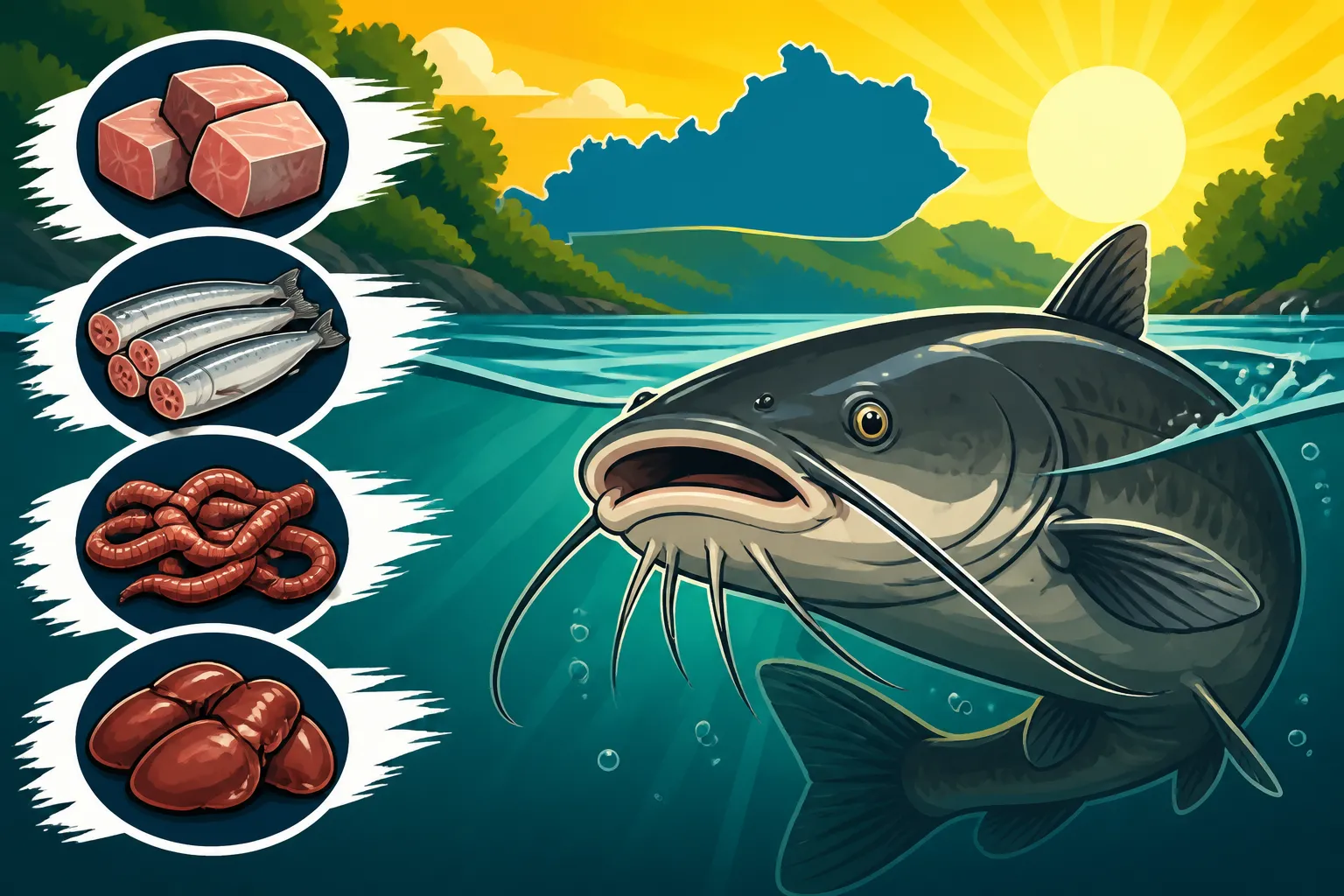
Best Baits for Summer Catfish Fishing
The scorching Kentucky summer can be a real challenge for catfish anglers. Those lazy days where cats just seemed to jump on anything? They often disappear when the water heats up, leaving many of us frustrated and wondering why the bite has suddenly died. But don't you worry! This comprehensive guide is here to unravel the mysteries of summer catfish behavior and equip you with the knowledge of the best baits to keep those rods bending, even when the mercury soars.
Understanding Summer Catfish Behavior in Kentucky Waters
When the Kentucky sun beats down, and the lakes and rivers start to feel more like bathwater than prime fishing grounds, catfish change their habits dramatically. It's not that they stop eating entirely; they just become a lot more particular about when and where they decide to feed. Understanding these shifts is the first step to filling your cooler.
The Impact of Warm Water on Catfish Activity
As the water temperature climbs into the 80s and even 90s in some of Kentucky's shallower bays and rivers, several things happen that directly impact catfish. First, fish metabolism slows down. They don't need to eat as frequently or expend as much energy. Think of it like us trying to run a marathon in a heat wave – we'd rather just chill out, right? Catfish are no different. They become more sluggish, preferring to conserve energy.
Secondly, and perhaps most crucially, warmer water holds less dissolved oxygen. This is a big deal for fish. Areas that were oxygen-rich and productive in spring might become virtual dead zones in late summer. This forces catfish to seek out cooler, more oxygenated water. In large reservoirs like Kentucky Lake or Lake Barkley, this often means moving much deeper, sometimes to the thermocline (a layer of rapid temperature change). In rivers like the Ohio River or the Green River, they'll congregate in deeper holes, near current breaks, or where cooler tributary streams enter the main flow. This shift means that your usual shallow-water spots might be completely barren in July and August, requiring a significant change in your approach.
Where to Find Catfish During Kentucky's Summer Months
So, if they're not in the usual spots, where do you even begin to look for these summer recluses? The key is to think cool and current. Catfish are intelligent creatures, and they'll naturally gravitate towards areas that offer relief from the heat and provide a steady supply of oxygen and food.
In reservoirs, focus your efforts on the deepest sections of the lake. We're talking about old river channels, deep creek beds, and the submerged structure along these routes. Look for humps, ledges, and drop-offs that transition from shallower flats to much deeper water. Submerged timber and brush piles in these deeper zones act as crucial cover, providing shade and ambush points. For species like blue and flathead catfish, these deep, structured areas are their summer homes. You'll often find them stacked up in these spots, waiting for an easy meal to drift by. For instance, on Lake Cumberland, known for its deep, clear waters, summer catfish will head to the abyss, sometimes 50-70 feet down, especially during the day.
When you're fishing rivers, whether it's the mighty Ohio River or smaller systems like the Barren River, the current becomes your best friend. Catfish will actively seek out current breaks where they can ambush prey without fighting the flow constantly. This means focusing on the downstream side of submerged logs, rocks, or bridge pilings. Deep holes scoured out by the current, especially those on the outside bends of a river, are prime real estate. Areas below dams, where the churning water is highly oxygenated, can also be fantastic summer hotspots, though you'll need to exercise extreme caution due to strong currents. Even a subtle current seam, where two different flows meet, can hold a congregation of hungry cats. Understanding the Summer Catfish Fishing on the Ohio River in Kentucky can give you a significant edge in these environments.
The All-Stars: Top Natural Baits for Kentucky Summer Catfish
Nothing beats fresh, natural bait when it comes to enticing a stubborn summer catfish. These baits are the closest thing to what catfish naturally forage on, making them incredibly effective, especially for the larger, more discerning trophy fish that haunt Kentucky's waters.
Cut Bait: Fresh is Best for Blues and Flatheads
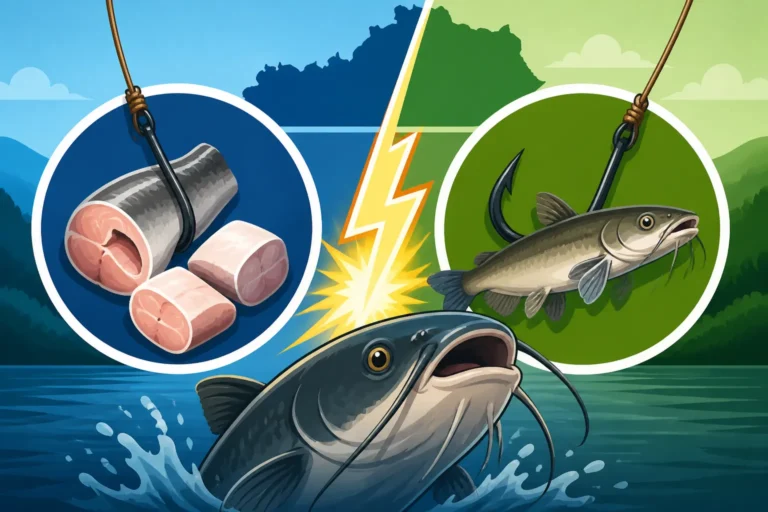
If you're serious about catching blue catfish or flathead catfish during the summer, cut bait is your absolute best bet. The scent trail that fresh cut bait emits in the warm water is a powerful attractant, drawing in catfish from a surprising distance. The fresher, the better – I can't stress this enough. Stale, freezer-burnt bait just doesn't have the same allure.
Your top choices for cut bait in Kentucky include gizzard shad and threadfin shad, both abundant in most Kentucky lakes and rivers. If you're fishing the Ohio River, skipjack herring is king. These oily, silvery fish are pure gold for big blues and flatheads. Other good options include small carp, perch, or even sunfish (check local regulations on using game fish as bait). To prepare cut bait, you can use whole small fish (like a small shad), cut larger fish into chunks, or fillet them into strips. For big blue catfish, a two- or three-inch chunk of a fresh shad or skipjack, including the head or tail section, works wonders. The blood and oils released create an irresistible chum line that flows with the current, leading hungry cats right to your hook. Remember, for the best results, catch your bait fresh with a cast net right before your trip. When you're fishing for that elusive Kentucky's Record Blue Catfish Weighed 106 Pounds 14 Ounces, fresh cut bait is paramount.
Live Bait: Irresistible for Flatheads and Larger Blues
While cut bait is fantastic, live bait takes the crown when it comes to targeting those elusive, monstrous flathead catfish, as well as exceptionally large blue catfish. Flatheads, in particular, are known to prefer live, struggling prey over anything else. The natural movement and distress signals from a live baitfish are often enough to trigger an aggressive strike.
The best live bait options are robust, lively fish that can withstand being on a hook for a while. Bluegill and other small sunfish (often referred to as bream) are phenomenal choices, especially for flatheads. Small carp, suckers, or even large shiners can also be incredibly effective. Make sure your live bait is healthy and active. A sluggish baitfish won't draw nearly as much attention. When rigging live bait, use a sturdy circle hook through the back, just above the lateral line, or through the lips. This allows the bait to swim naturally and stay alive longer. Ensure your tackle is robust enough to handle a potential heavyweight – a thrashing live bait can be a magnet for a truly giant cat. Always consult the latest Kentucky fishing regulations on the size and species of live bait you can use and how you can acquire it.
Worms: The Classic for Channel Cats and Panfish
Don't ever underestimate the humble worm! While cut bait and live bait dominate for the bigger blues and flatheads, good old nightcrawlers and redworms are still absolute dynamite for channel catfish, especially those respectable "eater" size fish. They're also incredibly effective for incidental catches of panfish, which can sometimes attract larger catfish to the area.
Worms are easy to find, relatively inexpensive, and universally appealing. In the summer, channel cats still cruise shallower flats and creek channels, especially during low-light hours, and a juicy nightcrawler presented on the bottom or under a slip bobber is tough for them to resist. For rigging, you can thread a whole nightcrawler onto a hook, letting the ends dangle enticingly, or use smaller pieces of redworm for lighter bites. Some anglers even combine worms with a small chunk of cut bait for a "cocktail" presentation, offering both scent and wiggling attraction. Keeping worms fresh in the summer heat is crucial; a small insulated container with some bedding and an ice pack can make all the difference. This classic bait remains one of the Best Baits for Channel Catfish Fishing, especially for consistent action.
Beyond the Basics: Prepared and Scented Baits for Kentucky's Heat
Sometimes, natural baits aren't available, or you're simply looking for a less messy, more convenient option, especially for channel catfish. That's where the world of prepared and scented baits shines. These often overlooked options can be incredibly productive, particularly in warmer water where their strong odors can travel further.
Stink Baits and Punch Baits: Channel Catfish Magnets
If you're targeting channel catfish, especially in smaller lakes, ponds, or slow-moving rivers in Kentucky during the summer, stink baits and punch baits are often your secret weapon. These concoctions are designed to emit an incredibly powerful, often pungent, odor that catfish simply can't ignore. Their ability to attract fish from a wide radius, even in warm water where scents dissipate quickly, is what makes them so effective.
There's a huge variety of manufactured stink baits on the market. You'll find them in various forms: dough baits that you mold around a treble hook or spring, dip baits that you use with a sponge or a tube, and the increasingly popular punch baits. Punch baits are typically a thick, fibrous paste that you "punch" onto a treble hook using a stick or specialized tool, creating a very durable presentation that stays on the hook well. Brands like Berkley PowerBait Catfish Chunks, Sonny's Super Sticky Baits, or Sudden Impact are popular choices among Kentucky anglers. The trick with these baits in summer is to give them time to work. Cast them out, let the scent plume develop, and be patient. Often, the bigger channel cats will move in after the smaller ones have investigated. These are particularly great if you're engaging in Bottom Fishing Techniques for Channel Catfish and want to cover a broader area with a strong scent.
Liver, Hot Dogs, and Other Homebrew Wonders
Beyond the commercial options, many everyday items, or slightly doctored ones, prove to be surprisingly effective for summer catfish. These "homebrew" baits are often inexpensive and readily available, making them a popular choice for many anglers.
Chicken liver is perhaps the most famous of these. Its strong, meaty scent and soft texture are highly attractive to channel catfish and even smaller blues. The biggest challenge with chicken liver, especially in warm water, is keeping it on the hook. It's notoriously soft and tends to fly off on the cast. To combat this, some anglers cure it with garlic salt or sugar, while others wrap it with a small piece of nylon stocking or netting before rigging. You can even find specialized "liver hooks" designed to hold it better. Its intense blood scent is a fantastic attractant in summer conditions.
Hot dogs are another surprising catfish favorite. While plain hot dogs will catch fish, many anglers "doctor" them up by cutting them into chunks and soaking them in garlic powder, Kool-Aid (strawberry and cherry are popular), or even a combination of both. The hot dogs become firmer and infused with additional scent and color, making them more appealing and easier to keep on the hook. Experimentation is key with these homebrew baits; what works one day might not work the next, but they often produce when other baits fail. For convenience, it's easy to pick up some garlic powder or Kool-Aid mixes from Amazon to spice up your hot dogs.
| Bait Type | Target Species | Pros | Cons | Summer Effectiveness |
|---|---|---|---|---|
| Fresh Cut Bait | Blue, Flathead Catfish | Strong scent, natural food source, attracts big fish. | Can be messy, requires baitfish, needs to stay fresh. | Excellent |
| Live Bait | Flathead, Large Blue Catfish | Irresistible movement, targets trophy fish. | Requires lively baitfish, specific rigging, can be delicate. | Excellent |
| Nightcrawlers | Channel Catfish, Panfish | Easy to find, universal appeal, clean. | Less effective for trophy blues/flatheads, can be picked apart. | Good |
| Stink/Punch Bait | Channel Catfish | Powerful scent, attracts from distance, stays on hook well. | Can be very messy, often less effective for flatheads. | Very Good |
| Chicken Liver | Channel Catfish, Small Blues | Strong scent, inexpensive. | Extremely soft, hard to keep on hook, messy. | Good |
| Doctored Hot Dogs | Channel Catfish | Inexpensive, easy to prepare, less messy. | Scent not as strong as specialized stink baits. | Fair to Good |
Rigging and Presentation Strategies for Summer Catfish
Having the best bait is only half the battle. How you present that bait to a summer catfish, especially one that might be deeper or less active due to the heat, makes all the difference. Your rigging choices and where you cast are just as important as what's on your hook.
Essential Rigs for Different Summer Scenarios
The right rig ensures your bait is presented effectively and that you have the best chance of hooking a fish. In Kentucky's summer waters, you'll want rigs that are designed for bottom fishing, capable of handling current, and sometimes for delivering bait into deeper zones.
The Santee Cooper rig is a fantastic choice, especially when fishing deep or in areas with moderate current. It's essentially a Carolina rig with a small float (often a peg float or a small slip float) on the leader, just above the hook. This float lifts your bait slightly off the bottom, keeping it visible above submerged vegetation or mud, and preventing it from being completely obscured by debris. This subtle lift can be the difference between a bite and no bite when catfish are hugging the bottom in deep channels.
The classic Carolina rig, or slip sinker rig, is incredibly versatile and reliable. It consists of a slip sinker (egg sinker or no-roll sinker), followed by a bead to protect the knot, a barrel swivel, and then a leader (usually 12-36 inches) tied to your hook. This allows the fish to pick up the bait and run without feeling the weight of the sinker, leading to more confident bites. It's excellent for fishing clean bottoms in deep holes or along ledges.
For heavy current or when you want to suspend multiple baits, a three-way swivel rig can be effective. Tie your main line to one eye of the swivel, a short leader with a sinker to another, and a longer leader with your hook and bait to the third. This rig allows your bait to drift naturally in the current while the sinker holds bottom, making it a great option for river fishing. When setting up these rigs, consider using stout, sharp circle hooks, like a 5/0 to 9/0, which are excellent for catfish as they typically hook in the corner of the mouth, reducing gut-hooking and making releases easier.
Targeting Deep Holes and Current Seams
Finding and effectively fishing deep holes and current seams is paramount for summer catfish success in Kentucky. Whether you're fishing from the bank or a boat, the strategy remains similar: get your bait to where the fish are holding, and keep it there.
From a boat, using your depth finder to locate those deep river channels, submerged creek beds, and ledges is non-negotiable. Look for abrupt depth changes and signs of fish congregating, often near structure. Once you've found a promising spot, anchoring upcurrent of the target area and casting downstream into the hole allows your bait to settle naturally with the current. This presents a much more realistic offering to the catfish. Alternatively, controlled drifts can also be effective, especially if you're trying to cover a larger deep area. For the Ohio River, understanding how to fish below dams or in major current breaks is crucial. You'll need substantial weight – often 2 to 4 ounces or more – to hold your bait in place against the flow. For more specific insights, reading up on Best Catfish Rigs for the Ohio River will serve you well.
Bank anglers need to be strategic. Look for natural deep spots close to shore, such as sharp bends in rivers, areas near bridge pilings, or known deep water access points on lakes. Long casts are often necessary to reach these deeper zones. If possible, find spots where you can cast parallel to a drop-off or into a river channel. Patience is key; once your bait is out, let it sit for a good while, allowing the scent to disperse.
Fishing Submerged Cover and Shaded Areas
Catfish love cover, especially in summer. Submerged trees, brush piles, rock formations, and even old tires provide shade, ambush points, and a sense of security. Flathead catfish, in particular, are notorious for hunkering down in the densest cover. The challenge, of course, is getting your bait into these snag-filled areas without losing your entire rig.
When targeting heavy cover, use heavier line and tackle. Braided line, with its superior abrasion resistance, is often preferred. You'll need to be prepared to lose some rigs, but the potential reward of a trophy cat makes it worth it. Try casting your bait as close to the edge of the cover as possible, allowing the current to carry the scent into the structure. If you're feeling brave and the cover isn't too dense, you can try to place your bait right in the heart of it. A Santee Cooper rig can help here, keeping your bait just above some of the nastiest snags. For flatheads, especially, a live bluegill presented right on the edge or within a submerged brush pile during the evening can be deadly. Remember, these fish are often less active during the day in such spots, but as dusk approaches, they become prime ambush predators.
Practical Tips for a Successful Kentucky Summer Catfish Trip
Catching catfish in the summer isn't just about the right bait and rig; it's also about a holistic approach that includes bait handling, timing, and proper gear. These practical tips will help maximize your success when facing the summer heat.
The Importance of Freshness and Storage
I cannot emphasize this enough: freshness is paramount for summer catfish bait, especially natural options like cut bait and live bait. Warm temperatures accelerate spoilage, quickly turning a potent attractant into a foul, ineffective offering.
For cut bait, keeping it on ice is non-negotiable. Invest in a good cooler, and pack your cut bait in sealed bags with plenty of ice. Ideally, cut your bait as you need it to preserve freshness. If you're catching your own shad or skipjack, a livewell on your boat or a bucket with an aerator is essential to keep them alive until you're ready to cut them. Live bait, such as bluegill or sunfish, requires even more care. A dedicated bait bucket with an aerator and frequent water changes (especially if the water gets too warm) will keep them lively and appealing. You can find excellent bait aerators and insulated bait buckets on Amazon that are perfect for Kentucky summers. Even worms need to be kept cool and moist; a small cooler with ice can house your worm container and keep them wiggling all day long.
Timing Your Fishing for Maximum Success
Summer catfish, particularly the larger ones, are often more nocturnal than during cooler months. The oppressive daytime heat and bright sun push them into deeper, darker, or more covered areas. As a result, your best fishing times will typically be during low-light conditions.
Late evening, overnight, and early morning are prime windows for summer catfish. As the sun begins to set, water temperatures start to drop, and catfish often become more active, moving out of their deep-water sanctuaries to forage. Fishing well into the night can be incredibly productive, especially for trophy flatheads and blue catfish. Many anglers prefer to set up just before dark and fish through the cooler overnight hours. The period just before dawn, as the day is breaking but the water is still cool, is also an excellent time. If you absolutely must fish during the day, focus on those deep holes, heavy cover, and current breaks, and be prepared for a slower bite. This is when understanding Night Fishing Techniques for Catfish really pays off. Remember, the What Month Do Kentucky Catfish Bite Best often depends on how early or late in the day you're fishing during the summer.
Gear Up for Summer Catfish Battles
Summer catfish can put up a serious fight, and the right gear will ensure you're ready for the battle. Don't show up with flimsy tackle if you're targeting big blues or flatheads!
You'll want heavy-duty rods with a strong backbone and a medium-heavy to heavy action, capable of handling large sinkers and powerful fish. Pair these with robust baitcasting or spinning reels spooled with strong, abrasion-resistant line – 20 to 50-pound test monofilament or braid is common, depending on the target species and water conditions. For night fishing, a reliable headlamp is an absolute must, allowing you to tie knots, bait hooks, and unhook fish in the dark. A sturdy rod holder will save your arms, especially if you're fishing multiple rods. Don't forget a large landing net or a sturdy set of lip grippers for handling big cats, and of course, a big cooler to keep your catches fresh (if you plan to keep them). Having a comfortable chair is also key for those long night sessions!
Disclaimer
Fishing regulations, license requirements, and local rules can change. Always check the latest Kentucky Department of Fish and Wildlife Resources (KDFWR) regulations before heading out on any fishing trip to ensure compliance.