Winter Fishing Techniques for Bass
Winter bass fishing in Kentucky can feel like a riddle wrapped in an enigma, especially when those crisp, biting winds sweep across our beautiful lakes and rivers. Many anglers pack away their gear once the leaves fall, thinking the bass bite has completely shut down. But I’m here to tell you that while it's certainly more challenging than the glorious spring spawn, you absolutely can catch quality bass in the dead of winter if you know the right techniques and have the patience of a seasoned pro. This comprehensive guide will arm you with the strategies you need to tackle those cold waters and find success when others are huddled indoors.
Understanding Winter Bass Behavior in Kentucky Waters
The biggest mistake most anglers make when winter fishing is assuming bass behave the same way they do in warmer months. That couldn't be further from the truth. Winter bass are a different breed altogether, and understanding their cold-weather patterns is the first step to putting them in the boat.
Where Bass Hold Up in Cold Water
When the water temperatures plummet into the 40s and even high 30s, bass aren't going to be cruising the shallow flats or chasing bait on topwater. Their biological imperative shifts from aggressive feeding to conservation of energy. This means they'll seek out stable, comfortable environments, which almost always means deeper water. Think about those steep channel swings, submerged creek beds, rocky ledges, and deep main lake points. On big bodies of water like Kentucky Lake or Lake Cumberland, these deep-water structures are absolute magnets. They offer consistent temperatures and often hold schools of baitfish that the bass will be lethargically shadowing. Bass will often suspend in these areas too, not always glued to the bottom, so your electronics become absolutely crucial in pinpointing them. They might be 15 feet down over 40 feet of water, just waiting for an easy meal to swim by.
The Metabolism Slowdown
Imagine trying to run a marathon after eating a huge holiday meal – that's kind of how a bass feels in winter. Their metabolism slows way down, meaning they don't need to eat as often, and when they do, they're not expending much energy to get it. This has huge implications for your fishing approach. Forget fast retrieves, aggressive jerks, or anything that requires a bass to chase. They're looking for an easy, slow-moving meal. Their strike zone shrinks considerably, and their bites can be incredibly subtle – sometimes feeling like nothing more than a slight "thump" or just added weight on your line. You've got to be hyper-attentive and willing to fish at a snail's pace. This is where the true patience of an angler is tested, and why many throw in the towel. If you're used to the action of Kentucky Bass Fishing: The April-May Peak Season, winter can be a rude awakening, but the rewards of catching a stout, healthy winter bass are unmatched.
Why the Baitfish Matter
Even with their slowed metabolism, bass still need to eat, and in winter, their diet almost exclusively revolves around baitfish. Shad, alewives, and other forage fish will also seek out warmer, more stable water, often schooling up in huge, dense balls in deeper sections of the lake. The bass will follow these schools religiously. If you can find the bait, you're usually not far from the bass. Use your fish finder to locate these bait balls, especially in creek channels or near major points. Sometimes, bass will be right underneath them, and other times they'll be slightly off to the side, waiting for a straggler. Understanding Where Do Fish Go in Winter is fundamentally about understanding baitfish migration. The cleaner, clearer water often found in winter also means bass are relying heavily on their eyesight, so matching the hatch – both in size and color – becomes even more critical.
Essential Gear for Cold Weather Bass Fishing
Cold weather fishing isn't just about different techniques; it often demands specific gear to maximize your chances and keep you comfortable. You can't just grab your summer setup and expect the same results.
Rods, Reels, and Line Choices
For winter bass, you generally want a setup that prioritizes sensitivity and finesse. Light line and a sensitive rod are paramount for detecting those incredibly subtle bites.
- Rods: Medium-light to medium power spinning rods are fantastic for presentations like jigging small spoons or throwing shaky heads. A fast action tip is key here, allowing you to feel every little tap without the fish feeling too much resistance. For deeper cranking or heavier jigs, a medium to medium-heavy casting rod with a moderate action can be beneficial, especially if you're trying to absorb the shock of a strike on a crankbait without tearing the hooks out. Look for graphite rods, as they offer superior sensitivity compared to fiberglass. For detailed advice, check out Best Rod Action and Power for Bass Fishing.
- Reels: Smooth, reliable spinning reels are a must for finesse presentations, allowing for long, effortless casts with light lures. Baitcasting reels for deeper presentations should have a good gear ratio (around 6.x:1 or 7.x:1) to allow for slow retrieves while still having enough power to handle bigger fish. Make sure your reels are well-maintained; cold temperatures can affect lubricants and make them feel sluggish.
- Line: Fluorocarbon line shines in winter. Its low stretch provides excellent sensitivity, and its near-invisibility underwater is a huge advantage in clear, cold water where bass are more wary. Start with 6-10 lb test for spinning setups and 10-15 lb test for casting setups. Some anglers might opt for braid with a fluorocarbon leader on spinning gear for maximum sensitivity, but the lack of stretch can be a double-edged sword with light hooks and subtle bites.
Lure Selection for Lethargic Bass
This is where the "slow and low" mantra truly comes into play. You need lures that can be worked deliberately and stay in the strike zone for extended periods without aggressive movement.
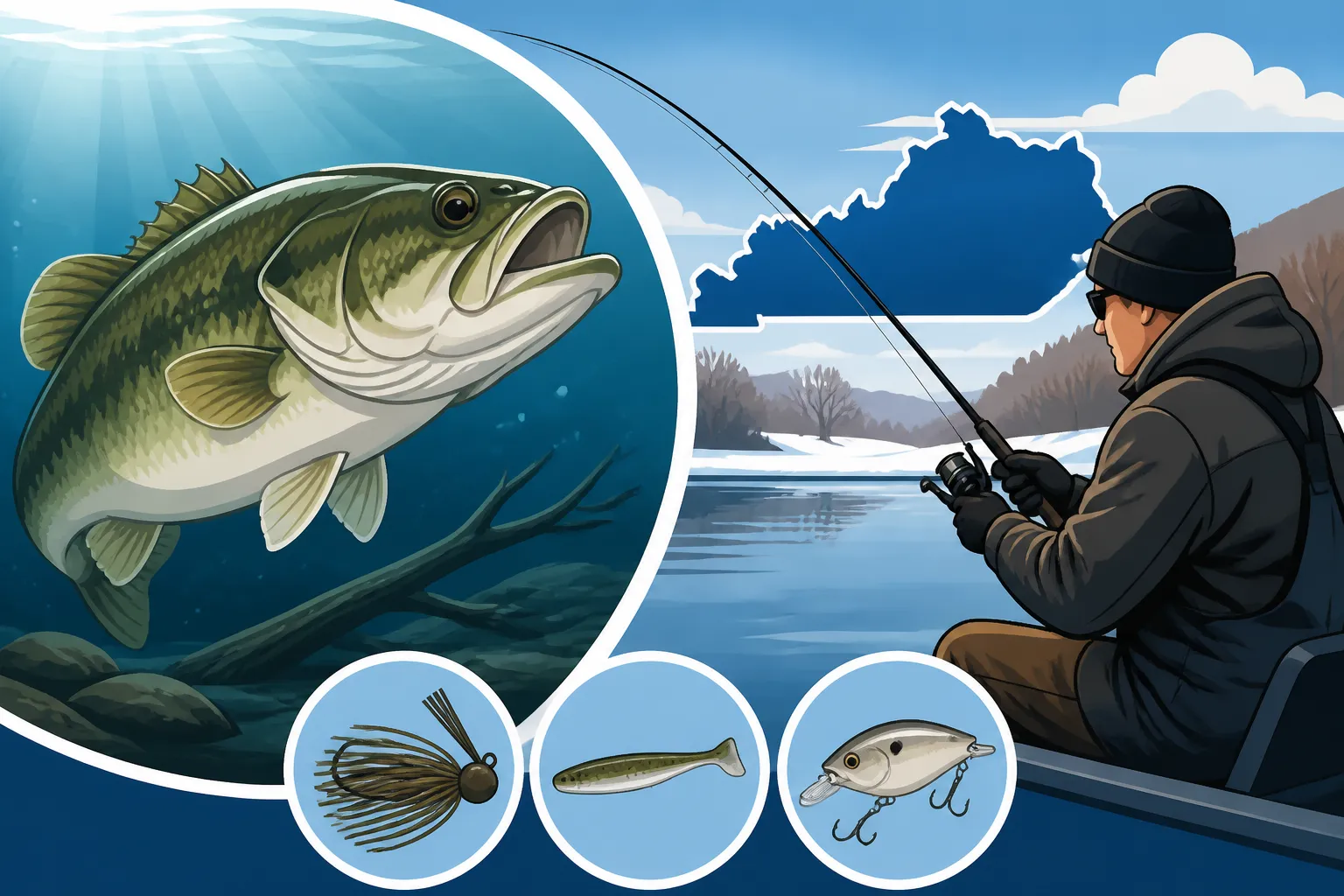
- Jigs: Finesse jigs (1/4 to 1/2 oz) with small trailers, football jigs, or even shaky head jigs are winter staples. Black and blue, green pumpkin, and brown are classic winter colors. The goal is a subtle presentation that mimics a crayfish or a dying baitfish.
- Jerkbaits: Suspending jerkbaits are absolute killers in cold water. Brands like Lucky Craft, Megabass, and Rapala offer models that suspend perfectly in the water column when paused. Cast them out, give them a few twitches, and then pause them for an extremely long time – sometimes 10-30 seconds or even longer. That long pause is often when the bass will strike.
- Blade Baits: Lures like the Heddon Sonar or the Berkley Warpig are fantastic for vertical jigging over bait balls or deep structure. Their vibration and flash can trigger reactionary strikes from sluggish bass.
- Spoons: Jigging spoons (1/2 to 1 oz) are another excellent choice for vertical presentations. Drop them down to the depth where you see bass or bait, then give them short, sharp lifts, letting them flutter back down. Most bites happen on the fall.
- A-Rigs/Umbrella Rigs: While not always considered "finesse," smaller, lighter A-rigs with 2.5-3.5 inch swimbaits can be incredibly effective when bass are schooled up on deep points. This is particularly true if you’re fishing larger bodies of water like Kentucky Lake.
- Deep-Diving Crankbaits: When bass are holding tight to deep ledges or channel swings, a deep-diving crankbait can be effective. Choose ones that can reach depths of 15-25 feet. Slowly crank them down and make sure they're bumping the bottom, stirring up sediment.
When it comes to lures, many anglers find great deals and a wide selection on Amazon, making it easy to stock up on different weights and colors to experiment with. You might even discover some new favorites you wouldn't find locally. For a broader look at bait choices, consider reviewing Best Baits for Late Fall Fishing to see what might still transition into winter.
Dressing for Success: Staying Warm on the Water
This isn't just about comfort; it's about safety and maintaining your focus. Being cold and miserable will destroy your patience and ability to concentrate on those light bites.
- Layering is Key: Start with a moisture-wicking base layer (merino wool or synthetic, not cotton). Add an insulating mid-layer (fleece or down) and finish with a waterproof and windproof outer shell.
- Head, Hands, and Feet: You lose a lot of heat through your head, so a warm beanie or balaclava is essential. Good quality, insulated waterproof gloves are non-negotiable. For your feet, choose insulated, waterproof boots with thick wool socks. Keep extra socks and gloves in a dry bag on your boat, just in case.
- Hand Warmers: These little packets of warmth are game-changers. Stick them in your gloves and pockets to keep your digits functional. You can often find multipacks of these on Amazon for a reasonable price.
- Hydration and Snacks: Even in cold weather, it's easy to get dehydrated. Bring a thermos of hot coffee, tea, or soup, and plenty of high-energy snacks.
Remember, if you're fishing from a boat, you'll be exposed to the elements for hours. Prioritizing your warmth and comfort will directly impact your success and enjoyment. If you're considering a new vessel for cold weather, Best Boats for Kentucky Lake and Lake Barkley Fishing might offer some good ideas.
Top Winter Bass Fishing Techniques
Now that we understand bass behavior and have the right gear, let’s talk about how to actually catch them. The common theme here is slow and deliberate.
Slow and Low: Jigging and Dragging
This is the bread and butter of winter bass fishing. When bass are lethargic and holding tight to the bottom or suspended in deep water, you need a presentation that practically puts the meal in front of their faces.
- Jigging Spoons: As mentioned, jigging spoons are incredibly effective. Find deep points, creek channels, or humps where you see bait and bass on your electronics. Position your boat directly over them. Drop your spoon to the bottom, reel up the slack, and then lift your rod tip sharply about 1 to 2 feet, letting the spoon flutter back down on a semi-slack line. Watch your line like a hawk – many bites occur as the spoon falls. The flash and irregular fall mimic a dying baitfish, which is an easy target for a slow bass.
- Football Jigs and Jigs with Trailers: These are fantastic for dragging along deep ledges, rocky bottoms, or channel edges. Cast them out, let them sink to the bottom, and then slowly drag them back to the boat. You're not hopping or ripping them like in warmer months; you're just maintaining bottom contact and crawling them along. A small, subtle plastic trailer like a chunk or a small creature bait will add just enough action. Bites often feel like your line getting heavy or a slight tick.
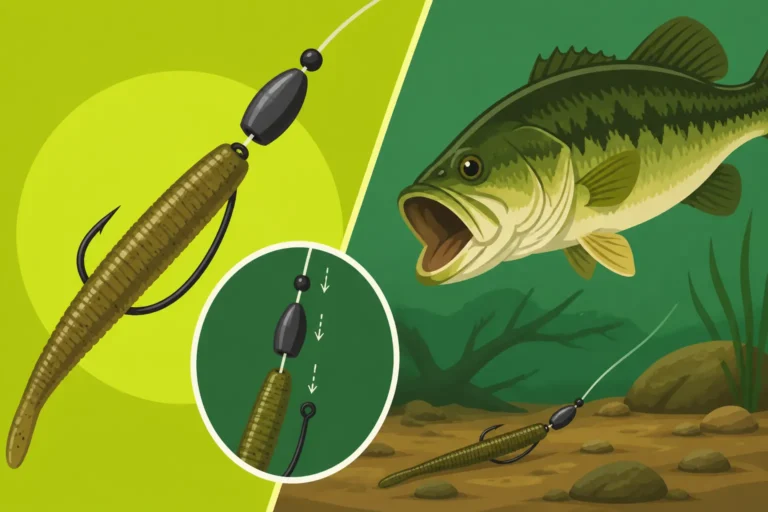
- Shaky Heads: For even more finesse, a shaky head jig with a straight-tail worm can be deadly. It's similar to dragging a football jig but offers a more subtle profile. The worm stands up off the bottom, providing natural action with minimal movement. Work it painstakingly slowly, making sure to feel every rock and stick.
The key to all these methods is an agonizingly slow retrieve. If you think you're going slow enough, slow down even more. Remember, these bass aren't chasing; they're ambushing.
Deep Cranking and Suspending Jerkbaits
While jigs excel at the bottom, suspending jerkbaits and deep-diving crankbaits are perfect for targeting bass suspended in the water column or those that are slightly more active, perhaps during a mild spell or on a sunny afternoon.
- Suspending Jerkbaits: These lures are magic in cold water. Cast them out and retrieve them with a "twitch, twitch, pause" rhythm. The pause is the most crucial part. After twitching, let the bait suspend for 5, 10, even 20 or 30 seconds. Bass will often swim up and just inhale the motionless bait. Experiment with the length of your pauses; some days shorter pauses work, other days longer ones are key. Use fluorocarbon line to help the bait get to its maximum depth and stay there. Many anglers swear by clear, translucent colors or those mimicking shad for clear winter waters.
- Deep-Diving Crankbaits: When bass are holding tight to hard structure in deep water, crankbaits that can hit those depths are excellent search baits. Look for models that dive 15-25 feet. The trick is to slowly retrieve them so they "grind" against the bottom or bounce off rocks and stumps. The deflections often trigger reaction bites from otherwise uninterested bass. Focus on areas like submerged roadbeds, bridge pilings, or deep rock piles. Colors like crawfish patterns or natural shad are usually effective.
These techniques allow you to cover more water than pure jigging, but still require patience and attention to detail.
Vertical Jigging and Blade Baits
Sometimes, bass are stacked up tightly in a specific depth, especially when they're gorging on dense schools of shad. This is when vertical jigging with blade baits or heavy spoons really shines.
- Using Your Electronics: This technique is heavily reliant on your fish finder. idle over likely deep-water areas like channel swings, bluff walls, or deep humps. When you see schools of baitfish, and hopefully some larger arches (bass) nearby, mark your spot.
- The Drop and Lift: Position your boat directly over the fish. Drop a heavy blade bait or jigging spoon straight down to the depth where you see the bass or just above them. Once it hits the target depth, give your rod tip a sharp 1-2 foot lift, then let the lure flutter back down on a controlled slack line. Again, most strikes happen on the fall, so watch your line intently for any jump, twitch, or feeling of added weight.
- Blade Bait Specifics: Blade baits vibrate aggressively on the lift, then shimmy and flash as they fall. This combination of sound, vibration, and visual appeal can irritate even the most sluggish bass into striking. Colors like chrome, gold, or shad patterns are usually winners. You can find a good selection of these effective cold-water lures on Amazon.
This method is incredibly precise and can be highly effective when you've pinpointed the fish's exact location and depth. It’s also one of the few winter techniques where you might get multiple fish from the same spot if you hit a schooling fish population.
Key Winter Bass Fishing Spots in Kentucky
While general patterns apply, specific types of locations tend to hold winter bass more consistently in Kentucky. Knowing where to start your search saves valuable time on those frigid days.
Reservoir Main Lake Points and Deep Channels
Kentucky is blessed with numerous large reservoirs like Lake Barkley, Lake Cumberland, and Kentucky Lake. On these massive bodies of water, winter bass gravitate towards distinct structural features that offer warmth and access to baitfish.
- Main Lake Points: Look for long, tapering main lake points that extend into deep water, especially those with rock or timber. Bass will often position themselves on the sides of these points, following the contours down into the channel. The deeper water offers temperature stability, and the points serve as highways for baitfish.
- Deep Channel Swings: River and creek channels wind their way through these reservoirs, and where they make sharp bends or swing close to bluffs, you'll often find excellent winter bass habitat. These areas create natural current breaks and deeper holes where baitfish congregate, and bass will stack up waiting for an easy meal.
- Bridge Pilings and Roadbeds: Bridges often span deep channels, and their pilings offer vertical cover that bass will relate to. Similarly, old roadbeds that run through the lake can act as underwater highways and subtle depth changes that attract fish. These structures are prime targets for vertical jigging or slow-rolling a deep crankbait. If you're exploring Best Fishing Spots in Kentucky, these features are consistent producers year-round.
River Systems and Backwater Pockets
While reservoirs get a lot of attention, Kentucky's river systems, particularly the Ohio River and larger tributaries, can also be fantastic for winter bass, though the approach is a bit different.
- Current Seams and Eddies: In rivers, bass will seek out areas with reduced current, conserving energy. Look for eddies behind wing dams, submerged boulders, or sharp river bends. Current seams, where slow water meets faster water, are also key feeding lanes.
- Deep Backwater Pockets and Marinas: These areas, often cut off from the main river current, can warm up slightly faster on sunny days and offer crucial refuge. Marinas, with their docks and boat slips, provide excellent overhead cover and vertical structure. These spots can be surprising producers for jigs and suspending jerkbaits.
- Thermal Refuges: Power plant discharge areas or natural springs (if you can find them) can create slightly warmer water pockets that attract both baitfish and bass, making them hotspots. This is less common, but worth noting for experienced anglers.
Fishing rivers in winter requires paying close attention to current and finding those subtle breaks and deeper holes where bass can escape the flow.
Smaller Lakes and Ponds: A Different Approach
Kentucky also has countless smaller lakes and ponds. While they might freeze over more readily in severe cold, during milder winter periods, they can offer some great opportunities, especially for bank anglers.
- Deepest Areas: In smaller bodies of water, bass will usually congregate in the deepest sections of the pond or lake. This might be a dam area, an old creek channel, or a deep hole. Use portable electronics if bank fishing to help locate these spots.
- Structure is Key: Any remaining cover in deep water, such as submerged brush piles, fallen trees, or rock piles, will attract bass. These provide ambush points and thermal stability.
- Patience and Stealth: On smaller waters, fish can be particularly skittish in clear winter conditions. Approach quietly, make long casts, and work your lures very slowly. These waters are often great for those who enjoy Bank Fishing Techniques for Beginners but demand even more precision in winter.
Always check local regulations before fishing, as Kentucky Statewide Bass Limit: 12 Inches, 6 Fish a Day applies to most waters, but some smaller lakes might have special rules.
Mastering the Mental Game and Patience
Winter fishing isn't just a test of skill; it's a test of fortitude. Your mental approach can make or break your success.
The Importance of a Slow Presentation
I cannot stress this enough: slow down. If you're used to power fishing, winter will force you to change your habits. Your retrieve should be glacial. A single cast might take several minutes to work thoroughly.
- Count Your Pauses: When using suspending jerkbaits, literally count to 10, 20, or even 30 seconds during your pauses. It will feel unnatural at first, but it's often the magic number.
- Drag, Don't Hop: When working jigs or worms, focus on a smooth, continuous drag along the bottom rather than aggressive hops. The goal is to make your lure look like an easy, dying meal, not an escaping one.
- Feel for the "Weight": Winter bites are often incredibly subtle. You might not feel a sharp "thump." Instead, your line might just feel heavy, or you might see a slight twitch in your line where it enters the water. Set the hook on anything that feels different. This requires intense focus and a willingness to be patient between those subtle indications.
Reading Your Electronics in Winter
Your fish finder is your best friend in cold weather. It's not just a depth finder; it's a fish locator and a temperature gauge.
- Water Temperature is King: Pay close attention to water temperature. Even a degree or two difference can concentrate baitfish and bass. Look for areas that are slightly warmer, even if it's just by a fraction of a degree.
- Identifying Bait and Bass: Learn to distinguish between bait balls and individual large fish arches. Bass will often be just below, to the side, or directly in the bait. Sometimes, they’ll show up as faint streaks if they’re moving slowly.
- Side Imaging/Down Imaging: If you have these advanced features, use them to scan structure to the sides of your boat and directly below. You can often see individual bass holding near ledges or timber. This ability to scout effectively without disturbing the fish is invaluable. Many modern units from brands like Humminbird or Lowrance offer incredible detail, making them worth the investment.
- Marking Waypoints: When you find a productive area, mark a waypoint. Bass often return to the same deep winter haunts year after year. For serious anglers, detailed fish finders and chartplotters, often available on Amazon, are essential tools.
Don't Forget Safety on Icy Waters
Cold water fishing carries inherent risks that aren't present in warmer months. Safety should always be your top priority.
- Dress Appropriately: As discussed, layering and proper cold-weather gear are essential to prevent hypothermia.
- Life Jackets: Wear your life jacket at all times, especially if you're alone. Cold water shock can quickly incapacitate you if you fall in, and a life jacket is your best chance of survival. For rules on this, check Life Jacket Rules for Boats in Kentucky.
- Tell Someone Your Plans: Let a friend or family member know where you're going and when you expect to return.
- Check Weather Forecasts: Unexpected cold fronts, freezing rain, or heavy winds can make fishing dangerous. Be prepared to reschedule if conditions are too severe.
- Boat Maintenance: Ensure your boat battery is fully charged, your engine is running well, and you have all required safety gear, including a fully stocked first-aid kit. If you're in a smaller craft like a kayak, remember that Kayak Fishing Safety Gear for Kentucky Waters is even more critical.
No fish is worth risking your life over. Enjoy the challenge, but always prioritize your well-being.
Adapting to Weather and Water Conditions
Kentucky winters can be fickle, swinging from mild, sunny days to brutal cold fronts. Learning to adapt your strategy to these changing conditions is crucial for consistent success.
Post-Frontal Blues and How to Combat Them
We’ve all experienced it: a beautiful warm front pushes through, the bite is on fire, and then a brutal cold front slams in, dropping temperatures dramatically. Fishing immediately after a strong cold front can be incredibly tough, as it often causes bass to become even more sluggish and finicky.
- Extreme Slowdown: After a front, bass will often hug the bottom even tighter or suspend very deep. They might not move more than a few feet to eat. This means you need to slow your presentation down to an almost unbearable crawl. Think minute-long pauses on jerkbaits or dragging a jig so slowly you barely feel it move.
- Downsize Your Lures: Sometimes, a smaller profile bait is the key. Instead of a 1/2 oz jig, try a 1/4 oz. Instead of a 4-inch swimbait, go with a 2.5 or 3-inch model. A smaller, less intimidating meal can be more appealing to a stressed-out bass.
- Focus on Steep Drops: After a front, bass often retreat to the steepest drops they can find, such as bluff walls or extreme channel swings. These areas offer immediate access to deep water where they can escape the effects of the surface cold.
- Wait for Stable Weather: Often, the best advice after a severe cold front is to simply wait a day or two for the weather to stabilize. Once the skies clear and a few hours of sun hit the water, the bite can pick up slightly. For more on this, consider reading How Weather Fronts Affect Fishing Times.
The Impact of Water Temperature on Bass Activity
Water temperature dictates nearly everything a bass does in winter. Even small fluctuations are important.
- Targeting "Warmer" Water: In cold water (below 45 degrees F), look for any subtle temperature changes that are even a degree or two warmer. These can be found in north-facing coves that get more sun, dark-bottomed areas that absorb more heat, or near warmer incoming water (like a power plant discharge).
- Temperature Ranges:
- 35-40°F (Extremely Cold): Bass will be extremely lethargic, often suspended tight in deep water or near the deepest available cover. Verticle jigging with spoons or blade baits directly over them is often the only way to get a bite.
- 40-45°F (Typical Winter): This is the sweet spot for many winter techniques. Bass will still be deep but might be more willing to move short distances for a slow-moving jerkbait, jig, or deep-diving crankbait.
- 45-50°F (Late Winter/Early Spring Transition): As temperatures nudge higher, bass might start to venture a bit shallower, especially on sunny days. You might see a slight increase in activity, and they might chase a jerkbait with a bit more aggression.
- Thermaclines are Different in Winter: Unlike summer, where thermoclines represent a comfortable temperature barrier, winter thermoclines (if present) are less distinct. Bass will often position themselves at the most stable temperature they can find, which is usually the deepest, warmest water available.
When to Stay Home (and When to Go Anyway)
This is a personal call, but here are some guidelines.
- Stay Home When: The air temperature is dangerously low (e.g., single digits, or with significant wind chill below zero), there's heavy freezing rain or ice, or if you feel unprepared for the conditions. Extreme ice on boat ramps can also make launching hazardous.
- Go Anyway When: It's a mild, sunny day after a period of stable cold, or if you have specific deep-water targets you want to explore with vertical presentations. Overcast, drizzly days can sometimes be surprisingly good, as low light can make bass a little less wary, provided it’s not freezing rain. Even during the toughest conditions, spending time on the water, honing your skills, and just enjoying the tranquility can be its own reward. Just remember to tell someone where you're going and keep an eye on your equipment and surroundings.
Ultimately, winter bass fishing in Kentucky is about persistence and adapting to a different kind of challenge. It’s a rewarding experience that separates the fair-weather anglers from the true fanatics.
| Lure Type | Ideal Depth | Retrieval Speed | Primary Action | Best Conditions |
|---|---|---|---|---|
| Suspending Jerkbait | 5-15 feet | Twitch & LONG Pause | Stop-and-Go Flutter | Clear water, stable temps |
| Finesse Jig | 10-30+ feet | Slow Drag/Crawl | Bottom Contact | Deep structure, lethargic bass |
| Jigging Spoon | 15-40+ feet | Vertical Lift/Drop | Fluttering Fall | Over deep bait schools |
| Blade Bait | 10-35+ feet | Vertical Lift/Drop | Vibrating Lift | Over deep bait schools, reaction |
| Deep-Diving Crankbait | 15-25 feet | Slow Reel | Bottom Bumping | Deep ledges, channel swings |
| Shaky Head Jig | 10-25 feet | Slow Drag/Shake | Subtle Movement | Rocky bottoms, finesse situations |
Disclaimer
Fishing regulations and conditions can change. Always consult the latest Kentucky Department of Fish and Wildlife Resources regulations before heading out on the water. Stay safe and enjoy your time fishing!