Best Lures for Fall Bass Fishing
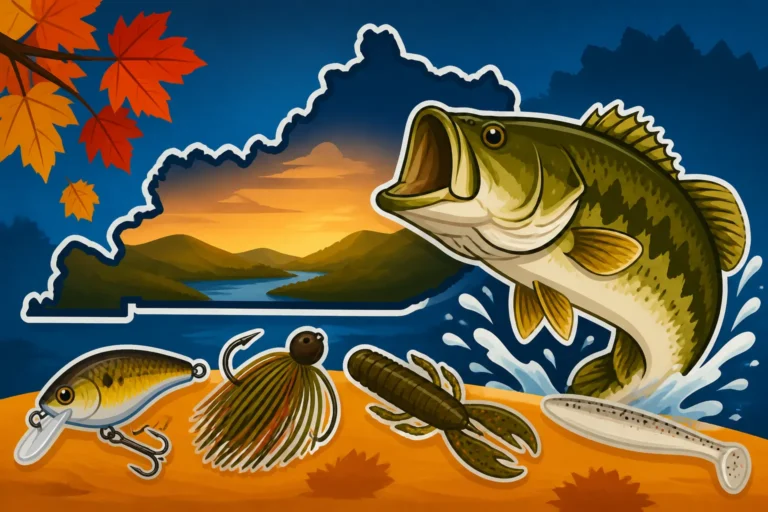
There’s nothing quite like the crisp air and changing leaves of a Kentucky fall, but let’s be honest, it can also be one of the most frustrating times to chase bass. Those fish seem to vanish or get incredibly picky, leaving us scratching our heads. If you’ve been struggling to figure out what they want once the water starts cooling down, you’re in the right place. This guide is all about equipping you with the best lures and techniques to make your fall bass fishing trips successful and, dare I say, enjoyable again.
Understanding the Fall Bass Transition
Fall in Kentucky isn’t just a pretty backdrop; it’s a critical period of transition for bass and their prey. The comfortable patterns of summer are long gone, and the consistent bite of the spring spawn feels like a distant memory. This season brings a whole new set of challenges and opportunities that, once understood, can really help you dial in your approach.
The "Fall Turnover" Phenomenon
One of the biggest factors many anglers overlook is the fall turnover. You see, during the summer, lakes stratify into layers with warm water on top and colder, oxygen-deprived water at the bottom. As the air temperatures drop in late summer and early fall, the surface water cools, becoming denser. Eventually, this cooler, denser water sinks, mixing with the deeper layers. This whole process essentially "turns over" the lake, equalizing water temperatures and oxygen levels from top to bottom.
Now, why does this matter for bass fishing? Well, this mixing can temporarily scatter baitfish and make bass disoriented and less aggressive. Imagine someone shaking up your entire pantry – you wouldn't be in the mood to eat right away, right? This period of turnover usually lasts a week or two and can make fishing tough. Knowing when it’s happening (often when surface temps hit the low 60s) can help you adjust your expectations or even pick a different lake to fish.
Following the Baitfish Migration
Once the turnover settles, a new pattern emerges: the baitfish migration. Shad, bluegill, and other forage species start moving from their deeper summer haunts into shallower coves and creek arms. Why? Because that’s where they find warmer water and more abundant food sources, particularly plankton blooms that thrive in these areas.
And where the bait goes, the bass follow. This is fantastic news for anglers because it means bass can be found in predictable, shallower locations. You might find huge schools of bass herding baitfish against seawalls, in the backs of pockets, or around shallow points. Your job is to locate these baitfish schools, often visible on your electronics or even busting on the surface, and then present lures that imitate their panicked movements. This chase for bait is what makes fall bass fishing so exciting and often leads to explosive bites.
Water Temperature's Role in Bass Behavior
Throughout all of this, water temperature is the unspoken boss. In early fall, when temperatures are still in the 70s, bass are often still aggressive and willing to chase fast-moving baits. As the season progresses and temperatures dip into the 60s and even 50s, their metabolism slows down, and they become less inclined to expend a lot of energy. This means your lure choices and presentation speeds need to adapt.
When the water is still relatively warm, you can throw faster-moving reaction baits. But once it gets colder, you’ll need to switch to slower, more subtle presentations. Think about how a human might behave: on a warm day, you're happy to run a marathon, but on a freezing day, you prefer to stay cozy and exert minimal effort. Bass are similar. Monitoring surface temperatures, especially in the backs of creeks and coves, will be a crucial factor in determining which lures will entice a strike. Knowing when the water temperature triggers changes can also help you predict when the best month to catch trout at Lake Cumberland Kentucky might be, if you’re looking to diversify your fall fishing.
Topwater Action for Early Fall
Don't let anyone tell you topwater fishing is just for summer mornings! Early fall, especially before the full effects of the turnover kick in, can offer some of the most exciting topwater bites of the entire year. When bass are actively chasing baitfish in shallow water, they're often more than willing to smack something on the surface.
Walking Baits and Poppers
When the water is still above 65 degrees and bass are aggressively pursuing schools of shad, a good walking bait like a Heddon Super Spook or a Zara Spook can be absolutely deadly. The "walk-the-dog" retrieve perfectly mimics a distressed baitfish struggling on the surface, and it often draws explosive strikes. I remember a day on Lake Barkley where the bass were just boiling on shad, and every cast with a chrome-colored Super Spook resulted in a vicious blow-up. It's exhilarating!
Poppers, like a Rebel Pop-R or a good old-fashioned Arbogast Hula Popper, also have their place. They excel when bass are a little less aggressive or when you want to make more noise and splash to draw attention. Often, a "pop-pop-pause" retrieve is all it takes to trigger a strike. These are fantastic for targeting bass that are hiding under overhanging trees or around docks in calm water, waiting for an easy meal. Don’t be afraid to throw them on overcast days or in low light conditions when bass are more prone to looking up.
Buzzbaits and Frogs
Buzzbaits are another excellent choice for covering water quickly and generating a reaction strike in early fall. The squeaking and gurgling of a buzzbait on the surface can drive bass absolutely wild, especially in stained or choppy water. They're particularly effective around shallow cover like submerged timber, lily pads, or grass beds where bass might be ambushing bait. The key is to keep them moving, just fast enough to make that blade churn and create commotion.
If you’re fishing in areas with heavy vegetation, like thick mats of lily pads or duckweed, don’t put away your frog lures just yet. While often associated with summer, frogs can still be highly effective in early fall as bass continue to feed in dense cover before it starts to die off. Hollow-bodied frogs, retrieved with short twitches and pauses, can draw incredible strikes from bass hiding beneath the canopy. The beauty of frog fishing is that it allows you to get into places other lures simply can’t, presenting a weedless, irresistible meal to lurking bass.
Crankbaits and Jerkbaits: Covering Water and Triggering Strikes
Once the initial topwater bite wanes or when bass start to hold just below the surface, crankbaits and jerkbaits become absolute fall fishing staples. These lures are fantastic for covering a lot of water quickly and eliciting reaction strikes from bass that might not be actively feeding.
Shallow to Medium Diving Crankbaits
In the early to mid-fall, as baitfish push into shallow creek arms and pockets, shallow to medium diving crankbaits are your best friend. Lures like a Strike King KVD 1.5 or a Rapala DT Series can be cast long distances and retrieved to mimic fleeing shad. The key is to select a crankbait that dives just deep enough to tick the tops of submerged grass, brush piles, or rock piles. Making contact with cover is paramount to triggering those reaction strikes.
Think about fishing shallow points, channel swings, and the mouths of creeks, especially where you see baitfish on your electronics. In clearer waters, natural shad or crawfish patterns work wonders, while in stained water, brighter colors like chartreuse or fire tiger can be more effective. Experiment with retrieve speeds too; sometimes a steady retrieve is best, other times a stop-and-go or a deflection off cover will get the bite. You can find a huge variety of these crankbaits on Amazon, perfect for filling out your fall tackle box.
Suspending Jerkbaits
As water temperatures continue to drop into the 50s and 60s, bass become more lethargic, and suspending jerkbaits really shine. Brands like the Lucky Craft Pointer or Megabass Vision Oneten are legendary for a reason. These lures, unlike their floating or sinking counterparts, literally hang motionless in the water column during pauses, perfectly imitating a stunned or dying baitfish – an easy meal for a sluggish bass.
The retrieve for a suspending jerkbait is all about the cadence: twitch, twitch, pause. The length of that pause is critical and will vary based on water temperature. In warmer water, a 1-2 second pause might suffice, but as it gets colder, you might need to extend that pause to 5, 10, or even 15 seconds. It takes patience, but the rewards can be massive. Focus on areas where baitfish are schooling or where bass are holding near structure on points, humps, or channel edges.
Deep Diving Crankbaits
Later in the fall, when bass start moving out of the shallowest pockets and begin staging on deeper main lake points, channel banks, and humps, it’s time to break out the deep diving crankbaits. Lures that can reach depths of 15-25 feet or more, like a Berkley Dredger or a Rapala DT-20, become essential for reaching those fish.
These lures are all about covering vast amounts of offshore structure. Look for contour changes, submerged timber, or rock piles in deeper water, especially on larger reservoirs like Lake Cumberland or Kentucky Lake. A key technique is "cranking the breaks" – retrieving your lure along the edge of a channel or a depth change. The deflection off the bottom or cover is what often triggers the strike. While they require a bit more effort to retrieve, deep divers can be incredibly productive when fish are holding in deeper water, and you need to get down to them. Just be sure you're using a rod with good action and power for bass fishing to handle the resistance.
Jigs and Soft Plastics: Slowing Down for Cooler Water Bass
As fall progresses and water temperatures plummet into the 50s and even 40s, bass metabolism slows dramatically. They're less inclined to chase a fast-moving meal. This is when jigs and soft plastics truly come into their own, offering subtle presentations that mimic easy, vulnerable prey.
Football Jigs and Casting Jigs
When bass are hanging around deeper rock piles, ledges, or shell beds, especially on lakes like Herrington Lake with its deep-water bass, a football jig is a go-to choice. Its unique head design allows it to crawl over bottom structure without snagging, presenting a tempting crawfish or baitfish imitation. Pair it with a bulky soft plastic trailer that adds to its profile and action. The retrieve is usually a slow drag or hop, letting the jig do the work along the bottom.
For fishing around docks, brush piles, or submerged timber, a casting jig (often called a "flipping" or "pitching" jig) is incredibly effective. These jigs typically have a more compact head and a weed guard, allowing them to penetrate cover. Black and blue, green pumpkin, and brown are classic colors. The idea is to present the jig quietly into tight cover, let it fall, and then give it a few subtle hops or shakes. Often, the bite will be a soft "thump" or simply a feeling of weight when you lift the rod. Remember, in colder water, bass often hold tight to cover, so precise presentations are key.
Texas Rigs and Carolina Rigs
Soft plastics rigged weedless are indispensable for fishing through cover without constant snags. The Texas rig, consisting of a worm, creature bait, or crawfish imitation threaded onto a worm hook with a bullet weight pegged above it, is incredibly versatile. It can be fished effectively in brush, grass, rocks, or open water. As bass become less active, a slow drag or short hops with a Texas-rigged worm or creature bait can be irresistible. Consider using darker colors like junebug, black, or blue flake in stained water, and more natural green pumpkin or watermelon red in clearer conditions. Mastering how to rig a Texas rig for bass fishing will pay dividends throughout the colder months.
For covering broader areas of deeper water, especially on flats, points, or humps where bass might be scattered, the Carolina rig excels. This rig involves a heavy weight (often a ½ to 1 oz bullet or egg sinker), a bead, a swivel, and a leader (typically 18-36 inches) tied to a hook with your favorite soft plastic. The weight drags along the bottom, stirring up sediment and attracting attention, while the bait floats or wiggles enticingly behind it. This rig is fantastic for finding those scattered fish in late fall and early winter.
Drop Shot Techniques
When the bite gets truly tough, and bass are suspended or holding tightly to vertical structure in deep water, the drop shot rig can be a lifesaver. This finesse technique involves tying a hook directly into your line, with a weight tied to the tag end of the line below the hook. This allows your soft plastic bait (often a small worm, minnow imitation, or creature bait) to hover horizontally at a specific depth, directly in the bass's strike zone.
The beauty of the drop shot is its subtlety. You can shake your rod tip, imparting action to the bait, while the weight remains on the bottom, keeping your bait in place. It's perfect for targeting fish visible on your fish finder that are suspended over deep water, or those holding tight to deep points, ledges, or standing timber. Smallmouth bass, in particular, are often suckers for a well-presented drop shot. This is a crucial technique to learn for those truly challenging late fall days. For more on this, check out our guide on the Drop Shot Rig Technique for Bass Fishing.
Spinnerbaits and Bladed Jigs: Versatile Options for Changing Conditions
Sometimes, you need a lure that offers both flash and vibration, a bait that can cut through changing conditions and still trigger a strike. That's where spinnerbaits and bladed jigs come in handy during the fall transition. They offer incredible versatility whether you’re fishing shallow cover or deeper breaks.
Classic Spinnerbait Tactics
The spinnerbait is a quintessential bass lure, and for good reason. It’s highly effective in a variety of conditions that are common in fall, such as stained water, overcast skies, or light wind. The flash of its blades and the thumping vibration it emits make it easy for bass to locate, even when visibility is poor. Learning how to fish a spinnerbait for bass is a must-have skill.
In early and mid-fall, you can burn a spinnerbait over shallow grass beds, around laydowns, or along rocky points to imitate a fleeing baitfish. As the water cools, a slower roll along the bottom or a "yo-yo" retrieve (letting it fall and then reeling up) can be deadly, especially around channel swings or deeper wood. Choose blade combinations and skirt colors that match the forage and water clarity – silver and white for shad, gold and chartreuse for more stained water. A ½ oz or ¾ oz spinnerbait is often a good starting point for fall conditions.
Bladed Jigs (Chatterbaits) for Vibration
Bladed jigs, often referred to as Chatterbaits (a popular brand name), have exploded in popularity for their incredible fish-catching ability, and fall is no exception. These lures combine the vibration of a crankbait with the flash and weedless nature of a jig, creating a unique action that bass find irresistible. The bladed head causes the lure to hunt and shimmy, sending out a strong vibration that can call in fish from a distance.
They are particularly effective when bass are chasing shad or when you need a lure that can be retrieved quickly through shallow cover like grass, submerged timber, or around docks. Pair a bladed jig with a paddle-tail swimbait or a crawfish-imitating soft plastic trailer to enhance its action and profile. Experiment with retrieve speeds; sometimes a steady retrieve is best, other times a stop-and-go or a quick jerk will trigger the bite. Bladed jigs are excellent for covering water quickly and locating active bass, much like a good search bait. You can easily find various brands and colors on Amazon to suit your fall fishing needs.
Local Nuances: How Specific Kentucky Lakes Affect Lure Choice
Kentucky is blessed with an incredible variety of fishing waters, and what works best on one lake might not be the top choice on another, especially in the nuanced fall season. Understanding these local nuances can be the difference between a great day and a frustrating one.
Kentucky Lake and Lake Barkley Strategies
When you’re fishing the vast waters of Kentucky Lake or its sister lake, Lake Barkley, you're often dealing with expansive flats, channel swings, and an abundance of hydrilla or submerged timber. In the fall, baitfish migration is huge here. Bass will push into the backs of major creeks like Big Sandy or Blood River on Kentucky Lake, or the Little River on Lake Barkley, chasing shad.
Early fall means shallow to medium diving crankbaits in shad patterns are fantastic for covering those creek channels and shallow points. Look for busting fish and throw topwaters or bladed jigs into the fray. As the water cools, bass will relate more to those deeper channel edges and humps. This is when deep diving crankbaits and football jigs really shine, especially around structure like old roadbeds or submerged stumps. Knowing the specific nuances of these lakes is key, and our comprehensive Kentucky Lake: The State's Top Bass Fishing Destination and Lake Barkley Fishing Guide for Kentucky Anglers articles provide even more localized detail.
Lake Cumberland and Herrington Lake Deep Water Tactics
Lake Cumberland and Herrington Lake present a different challenge altogether. These are deep, clear, and often steep-sided reservoirs. The fall turnover here can be very pronounced. Once it settles, bass on these lakes often relate to vertical structure like bluff walls, deep points, and standing timber, or they'll follow baitfish into the clearer, deeper sections of creek arms.
Finesse techniques become incredibly important on these clear-water lakes. Drop shot rigs are deadly for targeting suspended bass or those hugging tight to deep structure. Jerkbaits are also incredibly effective here, especially those that suspend perfectly, mimicking a dying shad. Don't overlook jigs either, particularly football jigs dragged along rocky ledges or casting jigs pitched into deep brush piles. Because of the clear water, natural colors are usually preferred. For more insight into these unique waters, check out our guides on Lake Cumberland: Kentucky's Best All-Around Fishing Lake and Herrington Lake Fishing Guide, Kentucky's Deep Water Bass Lake.
Ohio River Backwaters and Creeks
The Ohio River and its associated backwaters and tributary creeks offer yet another distinct fall bass fishing experience. Here, you'll often find more stained water, current, and different types of cover like riprap, wing dams, and barge tie-offs. Fall can be fantastic on the Ohio, especially as bass school up on bait in current breaks.
Spinnerbaits and bladed jigs are excellent choices for covering water along riprap banks and current seams in the main river, or in the often-murkier backwaters. Squarebill crankbaits that deflect off rocks are also highly effective. In the slower-moving tributary creeks, you can often find bass pushing bait into shallow pockets, making jigs and Texas-rigged plastics a great choice for pitching into laydowns and brush. The Ohio River also offers excellent catfish opportunities, but for bass, focusing on current breaks and cover is essential. Our Best Catfish Fishing Spots on Kentucky's Ohio River article can give you context on the river system. Always pay attention to water levels and current when fishing the river, as these factors drastically affect fish location and behavior.
| Lure Type | Best Fall Conditions | Target Depth | Ideal Retrieve | Why it Works |
|---|---|---|---|---|
| Walking Baits | Early Fall, Calm, Clear Water, Busted Bait | Surface | "Walk-the-dog" with pauses | Mimics panicked baitfish, draws explosive strikes |
| Poppers | Early Fall, Calm Water, Around Cover | Surface | Pop-pop-pause | Creates splash & noise, good for ambush predators |
| Buzzbaits | Early Fall, Stained/Choppy Water, Cover | Surface | Steady, fast enough to gurgle | Generates commotion, covers water quickly |
| Shallow Crank | Early-Mid Fall, Shallow Pockets, Cover | 3-8 feet | Steady, deflecting off cover | Mimics fleeing baitfish, triggers reaction strikes |
| Suspending Jerk | Mid-Late Fall, Clear Water, Points | 3-15 feet (suspended) | Twitch-twitch-pause (long pauses in cold) | Imitates stunned/dying baitfish, perfect for lethargic bass |
| Deep Crank | Mid-Late Fall, Deeper Points/Channels | 15-25+ feet | Steady, grinding bottom, "cranking the breaks" | Reaches deeper fish, deflection triggers strikes |
| Football Jig | Mid-Late Fall, Deep Rocks/Ledges | 10-30+ feet | Slow drag or hop along bottom | Mimics crawfish/bottom forage, subtle presentation |
| Casting Jig | Mid-Late Fall, Heavy Cover (Docks, Brush) | 5-20 feet | Pitch/flip into cover, short hops/shakes | Penetrates cover, subtle presentation in tight spaces |
| Texas Rig | Mid-Late Fall, Versatile Cover | Bottom | Slow drag, short hops, shakes | Weedless, mimics crawfish/worms, good for targeting specific cover |
| Carolina Rig | Mid-Late Fall, Deep Flats/Humps, Scattered | 10-40+ feet | Slow drag, sweeps | Covers broad areas, presents bait enticingly above bottom |
| Drop Shot | Late Fall, Tough Bite, Deep/Suspended | 5-40+ feet (specific) | Subtle shakes, minimal movement | Finesse, keeps bait in strike zone, great for finicky fish |
| Spinnerbait | Early-Mid Fall, Stained Water, Overcast | 2-15 feet | Steady, slow roll, yo-yo | Flash & vibration, versatile for various cover & conditions |
| Bladed Jig | Early-Mid Fall, Grass, Active Fish | 2-10 feet | Steady retrieve, occasional jerks | Unique vibration, good for covering water and reaction bites |
Disclaimer
The information provided in this guide is for general informational purposes only. Fishing regulations, license requirements, and local conditions can change frequently. Always consult the official Kentucky Department of Fish and Wildlife Resources (KDFWR) website or publications for the most current rules and regulations before heading out on the water. Fishing can be inherently dangerous; always prioritize safety, wear a life jacket, and be aware of your surroundings.