Bluegill Fishing Techniques for Kids
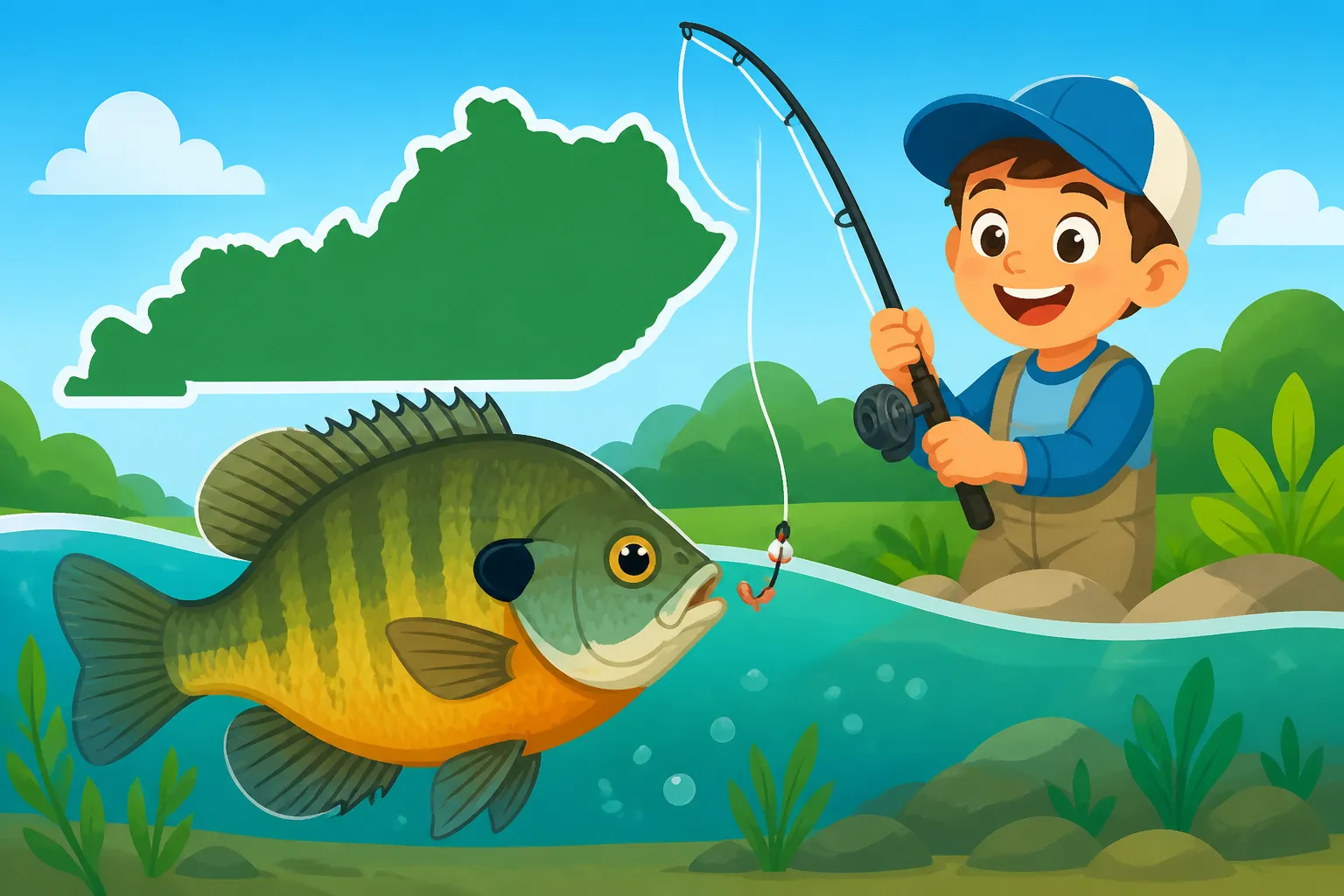
Getting kids excited about fishing can feel like a challenge. You want them to have a great time, make lasting memories, and maybe even develop a lifelong passion for the outdoors, but let's be real – sometimes fishing can be slow, frustrating, or just plain boring for a little one with a short attention span. That's why bluegill fishing is an absolute game-changer. These feisty, abundant panfish are the perfect introduction to the angling world, practically guaranteeing action and making sure your young angler gets to feel that thrilling tug on their line. This guide will walk you through all the ins and outs of making a bluegill fishing trip with your kids an unforgettable success, from picking the right gear to finding the best spots and keeping spirits high, even when the fish are playing hard to get.
Why Bluegill are the Perfect Fish for Kids
When you're trying to spark a love for fishing in a child, you need a fish that cooperates. You don't want them sitting around for hours, bored and losing interest, waiting for that one big bite. Bluegill are the unsung heroes of kid-friendly fishing for a few fantastic reasons that make them practically foolproof.
Bluegill's Eagerness to Bite
Perhaps the most crucial characteristic of bluegill when it comes to fishing with kids is their incredible willingness to bite. These little guys are not shy! Unlike some of the more elusive game fish that require patience, precise lure presentation, and a deep understanding of their habits, bluegill are often eager to gobble up a bait dropped right in front of them. This means less waiting and more action, which is vital for maintaining a child's excitement and engagement. Imagine the pure joy on your child's face as the bobber dips for the first time, then again, and again! That consistent action builds confidence and keeps them focused on the task at hand. You’ll be hard-pressed to find another species that provides such a reliable bite, making them ideal for teaching the basics of setting the hook and reeling in a catch.
Manageable Size for Young Hands
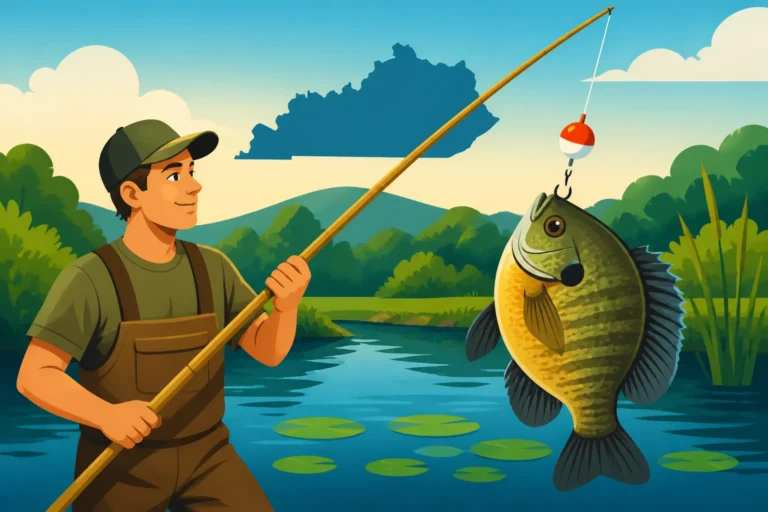
Bluegill typically range from 4 to 10 inches, making them the perfect size for a child to handle independently. They're big enough to put up a fun fight on light tackle, but not so large that they're intimidating or difficult to manage once landed. A child can confidently hold a bluegill for a quick photo, carefully remove the hook (with adult supervision, of course!), and release it back into the water, all without feeling overwhelmed. This hands-on experience is incredibly empowering and fosters a deeper connection to nature. There's a real sense of accomplishment when a young angler manages their own fish from start to finish. Plus, their relatively small mouths mean you can use smaller hooks, reducing the risk of a deep hook-set and making unhooking much easier.
Abundance in Kentucky Waters
Kentucky is absolutely teeming with bluegill, making them accessible to almost anyone, almost anywhere. From small farm ponds to large reservoirs like Lake Barkley and Lake Cumberland, and even many slow-moving streams, you're likely to find a healthy population of bluegill. This widespread availability means you don't have to travel far or find some secret, remote spot to have a successful outing. Many state parks and local community lakes are regularly stocked or naturally hold plenty of bluegill, often with easy bank access or fishing piers that are perfect for families. Knowing that there are plenty of fish around significantly increases your chances of a successful day, reducing the pressure and allowing everyone to relax and enjoy the experience. This abundance also means that even if a few get away, there are always more to catch, preventing disappointment and keeping the fun going.
Essential Gear for Kid-Friendly Bluegill Fishing
You don't need a boatload of expensive, high-tech gear to have a fantastic bluegill fishing trip with kids. In fact, keeping it simple is often the best approach. The goal is functionality, ease of use, and a bit of durability to withstand the inevitable drops and tangles that come with young anglers.
Simple Rod and Reel Combos
For kids, simplicity is key. A traditional spincast rod and reel combo is often the best choice. These reels are incredibly easy to operate: just press a button, cast, and crank. There's no complex bail to flip or lines to manage manually, which can be frustrating for beginners. Look for combos that are relatively short (around 4 to 5 feet) and lightweight, making them easier for smaller hands to hold and maneuver. Many companies make specific "kid's combos" that even come in fun colors or with cartoon characters, which can add to the excitement. While a cane pole offers a truly classic, simple experience and is great for ultra-close quarters, a spincast combo gives them the independence of casting themselves. For those looking for recommendations, brands like Shakespeare and Ugly Stik offer excellent, durable options available widely, including on Amazon. When considering gear, a great resource to check out is Best Rod and Reel Combo for Beginners.
Basic Terminal Tackle Explained
"Terminal tackle" simply refers to the bits and pieces at the end of your fishing line. For bluegill, this can be incredibly basic. You'll need:
- Fishing Line: Stick with light monofilament line, typically 4 to 6-pound test. It’s affordable, easy to tie, and has enough stretch to absorb the shock of a fish biting. Plus, it’s thin enough to be sensitive to those delicate bluegill bites.
- Bobbers: These are essential for visual bite detection and for keeping your bait suspended at the right depth. A classic red and white plastic bobber (the kind you pinch onto the line) is perfect. They're highly visible and signal a bite with a satisfying dip or disappearance. For more in-depth guidance on this, check out How to Rig a Bobber for Bluegill Fishing.
- Hooks: Small hooks are crucial for bluegill’s small mouths. Sizes #8 to #12 are generally ideal. Look for Aberdeen style hooks, which have a long shank that makes them easier to remove from the fish's mouth, especially if it swallows the bait. Barbless hooks are also an excellent choice, as they cause less harm to the fish and are much safer for quick release and for accidental pokes.
- Sinkers: A few small split-shot sinkers will help cast your bait farther and get it down to the fish. Place one or two just above your hook (a foot or so up the line) to provide a little weight without making the presentation too heavy.
Keep it simple, keep it light, and ensure you have a tackle box with a few spare bobbers and hooks, as they inevitably get lost or snagged.
Best Baits for Bluegill
Bluegill are not picky eaters, which is another reason they're perfect for kids! You don't need fancy, expensive lures (though they can work for experienced anglers). Natural baits are usually the most effective and easiest to use.
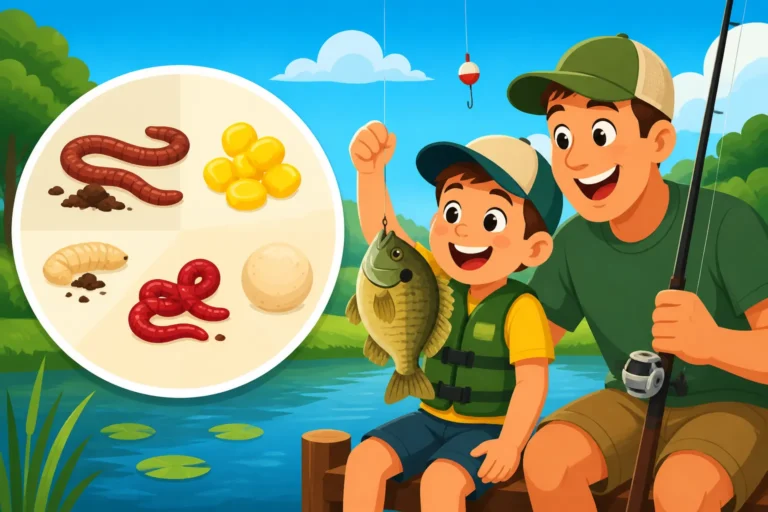
- Worms: Hands down, the number one bluegill bait. Small pieces of nightcrawler or red wigglers are irresistible to bluegill. They stay on the hook well, emit a natural scent, and bluegill just can’t say no. Plus, digging for worms can be a fun activity in itself before the fishing trip even begins!
- Crickets & Grasshoppers: If you can catch them, crickets and grasshoppers are fantastic live baits. Their erratic movements on the surface or just below can trigger aggressive bites.
- Corn & Bread: Believe it or not, plain old canned corn or small balls of bread can catch bluegill. These are easy for kids to handle and bait their own hooks, adding to their sense of independence. Just make sure the bread is kneaded tightly onto the hook to keep it from falling off easily.
- Tiny Jigs: While perhaps a step up from natural bait, a tiny jig (1/32 to 1/64 ounce) tipped with a small piece of worm or a soft plastic grub can also be incredibly effective, especially when paired with a bobber. These allow for a more active fishing style if the kids are getting the hang of casting. For more specific bait recommendations, you might find our guide on Best Bait for Bluegill in Kentucky Ponds helpful.
Top Bluegill Fishing Techniques for Young Anglers
Teaching kids to fish should focus on immediate success and building fundamental skills. The techniques for bluegill fishing are straightforward, making them ideal for beginners and keeping frustration at bay.
Classic Bobber Fishing Setup
This is the quintessential kid-friendly fishing technique, and for good reason. It's simple, visual, and effective. The basic setup involves a small hook, a bit of bait, a split-shot sinker a few inches above the hook, and a bobber clipped onto the line a foot or two above the sinker.
Here's how to guide your child through it:
- Baiting the Hook: Help them thread a small piece of worm onto the hook. Show them how to cover the point of the hook. This is a great opportunity to teach gentle handling of bait.
- Casting: Instruct them to hold the rod with one hand, pressing the button on the spincast reel with their thumb. Guide them to gently sweep the rod forward, releasing the button as the rod comes to a stop at the 10 or 11 o'clock position. The goal isn't distance, but a controlled splash that puts the bait near likely bluegill hiding spots. Remind them to keep their eyes on the bobber once it hits the water.
- Watching the Bobber: This is where the magic happens. The bobber acts as a visual indicator. Any twitch, dip, or sudden disappearance beneath the surface means a fish is biting. This instant feedback is incredibly exciting for kids.
- Setting the Hook: When the bobber goes down, teach them to gently lift the rod tip straight up with a firm but not exaggerated motion. This sets the hook. Over-setting the hook is a common beginner mistake, so emphasize a smooth, upward sweep.
- Reeling In: Once the hook is set, they can start slowly reeling in. Encourage them to keep the rod tip up to maintain tension on the line and prevent the fish from spitting the hook.
This method allows kids to actively participate in every step and get instant gratification when they see that bobber dance! It truly teaches the fundamental rhythm of fishing.
Simple Bottom Rig for Deeper Water
While bobber fishing is fantastic for shallow areas, sometimes bluegill might be holding a little deeper, especially during the hotter parts of the day or in deeper ponds. A simple bottom rig is easy to tie and lets you reach them. This setup foregoes the bobber and uses a heavier weight to get the bait to the bottom.
To set this up:
- Tie a Hook: Start by tying your small hook directly to the end of your fishing line.
- Add a Sinker: About 6-12 inches above the hook, pinch on a heavier split-shot sinker or tie on an egg sinker. The weight needs to be heavy enough to keep the bait on the bottom.
- Casting and Feel: Teach your child to cast this rig out and let it sink until they feel it hit the bottom. Unlike bobber fishing, where you watch for visual cues, here you're teaching them to feel for the bite. This is a more advanced concept, but still manageable for slightly older children.
- Feeling the Bite: When a bluegill bites, they’ll often feel a series of small tugs or a steady pull. Teach them to wait for a firm pull before lifting the rod tip to set the hook. This method is great for developing a more nuanced feel for fishing and understanding that fish aren't always at the surface. It also introduces the idea of fishing different depths.
Mastering the Cast for Kids
Casting can be the most challenging part for young anglers, but with a bit of practice and encouragement, they’ll get the hang of it. Start with an open area, perhaps even in the backyard, without hooks, to practice technique.
- Overhand Cast: For spincast reels, the simple overhand cast is easiest. Teach them to point the rod tip towards their target, press the button, and then bring the rod back to about 1 o’clock, pause, and swing forward to about 10 o’clock, releasing the button as the rod comes forward. The key is a smooth motion, not a jerky one.
- Underhand Flip: For very close targets or tight spots, an underhand flip can be useful. This involves swinging the bait underhand like a pendulum. This is less about distance and more about accuracy, perfect for dropping a bait right next to a lily pad or a submerged log.
- Practice Without Hooks: Before hitting the water, let them practice casting a weighted practice plug or even just a heavy washer in the yard. This removes the pressure of catching a fish and allows them to focus solely on the mechanics of casting. Emphasize safety and always ensure plenty of space around them. Once they get the feel for it, moving to the water will be much less intimidating.
Finding the Best Spots for Bluegill with Kids
Knowing where to find bluegill makes all the difference, especially when you're fishing with children and want to maximize their chances of success. Bluegill are common, but they do have preferred hangouts.
Ideal Public Ponds and Lakes
Kentucky offers a wealth of public access fishing spots that are perfect for bluegill. Think about your local community parks, smaller state park lakes, and even some of the larger reservoirs. Look for places designated for family fishing or those with easy bank access.
- Community Ponds: Many towns and cities have small, accessible ponds that are regularly stocked and managed for recreational fishing. These often have mowed banks, paved paths, and sometimes even fishing piers, making them very kid-friendly. They often have healthy populations of bluegill, as well as other panfish and bass.
- State Park Lakes: Kentucky's State Parks are fantastic resources. Places like Taylorsville Lake State Park or Barren River Lake State Park often have areas with good shore access. Many even feature designated fishing piers, which are ideal because they offer safe, unobstructed casting opportunities and often extend into deeper water where fish might congregate. A good starting point for finding these gems would be Best State Park Fishing Piers in Kentucky.
- Larger Reservoirs (Shallow Coves): While massive lakes like Kentucky Lake or Lake Cumberland might seem overwhelming, their shallow coves and protected bays can be bluegill hotspots. Focus on areas with little boat traffic and plenty of natural cover. These spots are usually calmer and safer for kids.
Before heading out, a quick online search for "family friendly fishing near me" or checking the Kentucky Department of Fish and Wildlife Resources (KDFWR) website can reveal local gems, stocking schedules, and accessibility information.
Targeting Shallow Water Cover
Bluegill love cover and relatively shallow water. These areas provide them with both protection from predators and a ready supply of insects and small aquatic life to feed on.
- Lily Pads and Aquatic Vegetation: The edges of lily pad fields, cattails, and other submerged vegetation are prime bluegill territory. Cast your bobber rig right up against these areas. The bluegill will often be hiding just beneath the plants, waiting to ambush anything that comes by.
- Docks, Piers, and Overhanging Trees: Man-made structures like boat docks and fishing piers offer shade and structure where bluegill can hide. Overhanging trees also create shade and drop insects into the water, attracting fish. Encourage your child to cast near the pilings or under the branches. Remember, these spots are often productive year-round.
- Rock Piles and Submerged Logs: Any kind of underwater structure provides a perfect ambush point for bluegill. If you can see or know of rock piles, brush piles, or fallen trees in the water, these are excellent places to target. A simple bobber setup dropped near these structures can often elicit an immediate bite.
Teaching kids to "read the water" and look for these types of cover will not only increase their catch rate but also deepen their understanding of fish behavior.
Identifying Bluegill Beds
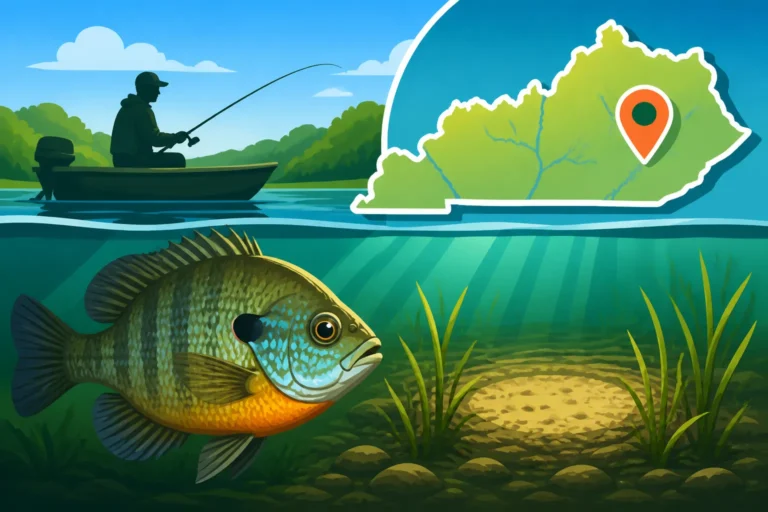
One of the most exciting ways to catch bluegill with kids is to find their spawning beds. Bluegill are nest builders, and during the spring and early summer, they congregate in large numbers in shallow, protected areas to spawn.
- Season: While bluegill can spawn multiple times throughout the warmer months, the peak season is typically late spring to early summer when water temperatures are consistently above 68 degrees Fahrenheit.
- Visual Cues: Look for "beds"—circular depressions in the sandy or gravelly bottom, often clustered together in colonies. From a higher vantage point or a shallow bank, you can often spot these distinctive circles. They usually look like lighter-colored spots on the bottom.
- Smell: Believe it or not, bluegill beds often have a distinct, somewhat fishy or watermelon-like smell, especially if you're downwind from a large bedding area. This is a fun sensory clue to teach kids!
- Fishing the Beds: When you find a bed, it’s usually easy pickings. Drop your bait right into the middle of the bed, and you'll often get an instant bite. This can provide non-stop action, which is perfect for keeping kids engaged. While it’s tempting to keep every fish, consider practicing catch and release, especially when fishing active beds, to help sustain the population. Knowing How to Find Bluegill Beds in Spring can drastically improve your success rate.
Making the Fishing Trip Fun and Engaging for Kids
Let's face it, even with bluegill's eagerness, there might be lulls. Keeping kids entertained and interested is paramount to a successful family fishing trip. It’s about more than just catching fish; it’s about the entire outdoor experience.
Short Attention Spans and Backup Activities
Children, especially younger ones, have notoriously short attention spans. What might be a relaxing wait for an adult can feel like an eternity to a child. Be prepared for this reality.
- Keep Trips Short: Don't plan an all-day epic fishing adventure for their first few trips. An hour or two of focused fishing is often plenty. You can always extend it if they're still having a blast. It’s better to end on a high note, wanting more, than to push them past their limits and create negative associations.
- Bring Diversions: Pack a small bag with backup activities. Bubbles, a small toy, a coloring book, snacks, or even a simple nature scavenger hunt list (find a cool rock, a feather, a uniquely shaped leaf) can be invaluable. If the bites slow down, pivot to a backup activity to keep them engaged with the outdoors, even if not actively fishing. Sometimes, just walking along the bank and looking for interesting bugs or flowers can rekindle their interest.
- Take Breaks: Don't feel like you have to be actively fishing the entire time. Take a snack break, explore a nearby trail, or skip rocks. These small breaks can refresh their focus when you return to the fishing spot.
Celebrating Every Catch No Matter How Small
For a child, every fish is a trophy. It doesn't matter if it's a 4-inch bluegill; it's a monumental achievement!
- Genuine Excitement: When they catch a fish, even if it's tiny, show genuine excitement. High fives, cheers, and enthusiastic praise go a long way. Make them feel like they've just landed a record-breaker.
- Photo Opportunities: Take plenty of pictures! A snapshot of them holding their catch, beaming with pride, will be a cherished memory.
- The "Story" of the Catch: Encourage them to describe how they caught it. "What did the bobber do? How did it feel when you reeled it in?" This helps reinforce the steps and builds their confidence as a storyteller.
- Gentle Handling and Release: This is also a fantastic opportunity to teach them about responsible angling. Show them how to gently hold the fish, remove the hook quickly and carefully (you might do this part for very young children), and release it back into the water to grow bigger. Explain why it's important to protect the fish population. A great resource for this is Easy Bluegill Fishing Tips for Beginners.
Learning and Nature Exploration
Fishing trips are prime opportunities for informal education and fostering an appreciation for the natural world.
- Identify Other Wildlife: Point out birds, squirrels, turtles, and other creatures you see. "Look, a great blue heron! It’s fishing too!" This helps them understand the interconnectedness of the ecosystem.
- Basic Water Ecology: Talk about why fish live where they do. "The bluegill like to hide in those lily pads because it's safe from bigger fish." Or, "The water is warmer here, and that's why the bugs the fish like to eat are here."
- Plant Identification: Point out different trees or aquatic plants. Make it a game to identify things around the lake.
- Weather and Seasons: Discuss how the weather affects fishing or how the seasons change the landscape. A fishing trip is a fantastic classroom without walls, where learning happens organically and excitedly. This broader appreciation for nature can become just as, if not more, impactful than the fishing itself. The overall experience, not just the catch, is what creates those lasting memories.
Safety First: Important Considerations for Fishing with Kids
While fishing is a wonderful outdoor activity, safety should always be your top priority, especially when children are involved. A little preparation and vigilance can prevent mishaps and ensure everyone has a safe and enjoyable time.
Sun Protection and Hydration
Spending hours outdoors, often near reflective water, means exposure to the sun. Children's skin is particularly sensitive, so protecting them is crucial.
- Sunscreen: Apply a broad-spectrum, water-resistant sunscreen with an SPF of 30 or higher generously before you head out, and reapply it every two hours, or more frequently if they're getting wet or sweating. Don't forget often-missed spots like ears, neck, and the tops of their feet.
- Hats and Sunglasses: Wide-brimmed hats offer excellent protection for the face, neck, and ears. Sunglasses not only protect their eyes from harmful UV rays but also help them see into the water better, which can add to the fun.
- Protective Clothing: Lightweight, long-sleeved shirts and pants, especially those made from UV-protective fabric, can be a game-changer on sunny days.
- Water, Water, Water: Dehydration can sneak up on you, especially on hot days. Pack plenty of water and encourage frequent sips, even if they don't feel thirsty. Juice boxes or electrolyte drinks can be a good supplement. Bring a cooler with ice to keep everything chilled.
Hook Safety and First Aid
Hooks are sharp, and accidents can happen. Being prepared and teaching good habits can minimize risks.
- Barbless Hooks: As mentioned before, consider using barbless hooks. They are much easier to remove from fish, clothing, or even skin if an accidental poke occurs. You can also crimp down the barb on a regular hook with pliers.
- Teach Hook Awareness: From the very beginning, teach children to be mindful of hooks. Explain that hooks are sharp and can hurt. Show them how to carry a baited hook carefully and always look before casting.
- Adult Supervision for Hook Removal: Always supervise or handle hook removal, especially with smaller children. If a fish is deeply hooked, it’s often best to cut the line and release the fish rather than cause further trauma.
- First Aid Kit: A basic first aid kit is a must-have for any outdoor adventure. Include band-aids, antiseptic wipes, pain relievers, and any personal medications. For hook incidents, needle-nose pliers can sometimes be helpful for removal, but if a hook is deeply embedded, especially near an eye or joint, seek professional medical attention immediately.
Life Jackets and Water Awareness
Water safety is paramount, especially when fishing near open water or from a boat.
- Life Jackets Are Not Optional: If you are fishing from a boat, or even near a dock or bank where there's a risk of falling in, ensure every child (and adult!) is wearing a properly fitted, Coast Guard-approved life jacket. For children under 12 in Kentucky, wearing a life jacket while on a boat is legally required, as detailed in Life Jacket Requirements for Kids Under 12 in Kentucky. Even strong swimmers can be caught off guard. Look for comfortable options that they won't mind wearing, and ensure it fits snugly. Amazon offers a wide selection of life jackets in various sizes and styles.
- "Reach, Throw, Don't Go": Teach children basic water safety principles, like "reach, throw, don't go." This means if someone falls in, they should try to reach them with a stick or rope, throw them a flotation device, but never jump in after them unless they are a trained rescuer.
- Buddy System: If you have multiple children, implement a buddy system and always ensure an adult is actively supervising near the water.
- Understand Currents and Depths: Be aware of the water conditions. Are there strong currents? Is the bank slippery or steep? Know the depth of the water you are fishing in. Avoid areas with dangerous drop-offs.
- Emergency Plan: Always have a plan in case of an emergency. Know who to call, where the nearest safe shelter is, and how to get help.
By taking these safety precautions, you can focus on the fun and create a secure environment for your young anglers to fall in love with bluegill fishing.
| Gear Item | Why It's Great for Kids | Typical Cost Range (USD) | Where to Find |
|---|---|---|---|
| Spincast Combo | Easy to use, durable | $20 – $50 | Sporting Goods Stores, Walmart, Target, Amazon |
| Bobbers | Visual bite indicator | $3 – $10 (pack) | Any Fishing Tackle Section |
| Small Hooks (#8-#12) | Fits bluegill mouths | $3 – $8 (pack) | Any Fishing Tackle Section |
| Split-Shot Sinkers | Adds casting weight | $3 – $7 (pack) | Any Fishing Tackle Section |
| Monofilament Line | Easy to handle, affordable | $5 – $15 (spool) | Any Fishing Tackle Section |
| Nightcrawlers/Red Wigglers | Irresistible to bluegill | $4 – $8 (dozen) | Bait Shops, Walmart, Some Gas Stations |
| Small Tackle Box | Organizes gear | $10 – $25 | Sporting Goods Stores, Walmart, Target, Amazon |
| Kids' Life Vest | Essential safety | $30 – $70 | Sporting Goods Stores, Walmart, Target, Amazon |
| Hat & Sunglasses | Sun protection | $10 – $30 | Any Apparel Store, Walmart, Amazon |
Disclaimer
The information provided in this guide is for general informational purposes only. While we strive to offer accurate and up-to-date advice, fishing conditions, regulations, and safety requirements can change. Always consult the most current Kentucky Department of Fish and Wildlife Resources (KDFWR) regulations and local guidelines before any fishing trip. Adherence to all applicable laws and safety practices is the responsibility of the angler. Fishing carries inherent risks, and caution should always be exercised, especially when fishing with children.