Best Bait for Bluegill in Kentucky Ponds
There's nothing quite like the feeling of watching a bobber dance and then plunge under the surface, signaling a feisty bluegill has taken the bait. But if you've ever spent a frustrating afternoon at a Kentucky pond with nary a nibble, you know that picking the right bait can feel like a secret code. This guide is here to unravel that mystery, sharing the tried-and-true, as well as some surprisingly effective, baits that will help you fill your cooler with those delicious panfish from our beautiful Kentucky ponds.
The Tried-and-True: Live Bait for Bluegill
When it comes to bluegill, few things beat the natural appeal of live bait. It's what they're accustomed to seeing in their environment, and the scent and movement are often irresistible. This is especially true when the bite is slow or you're fishing in clear, calm waters where fish are more scrutinizing.
Wigglers, Worms, and Wrigglers
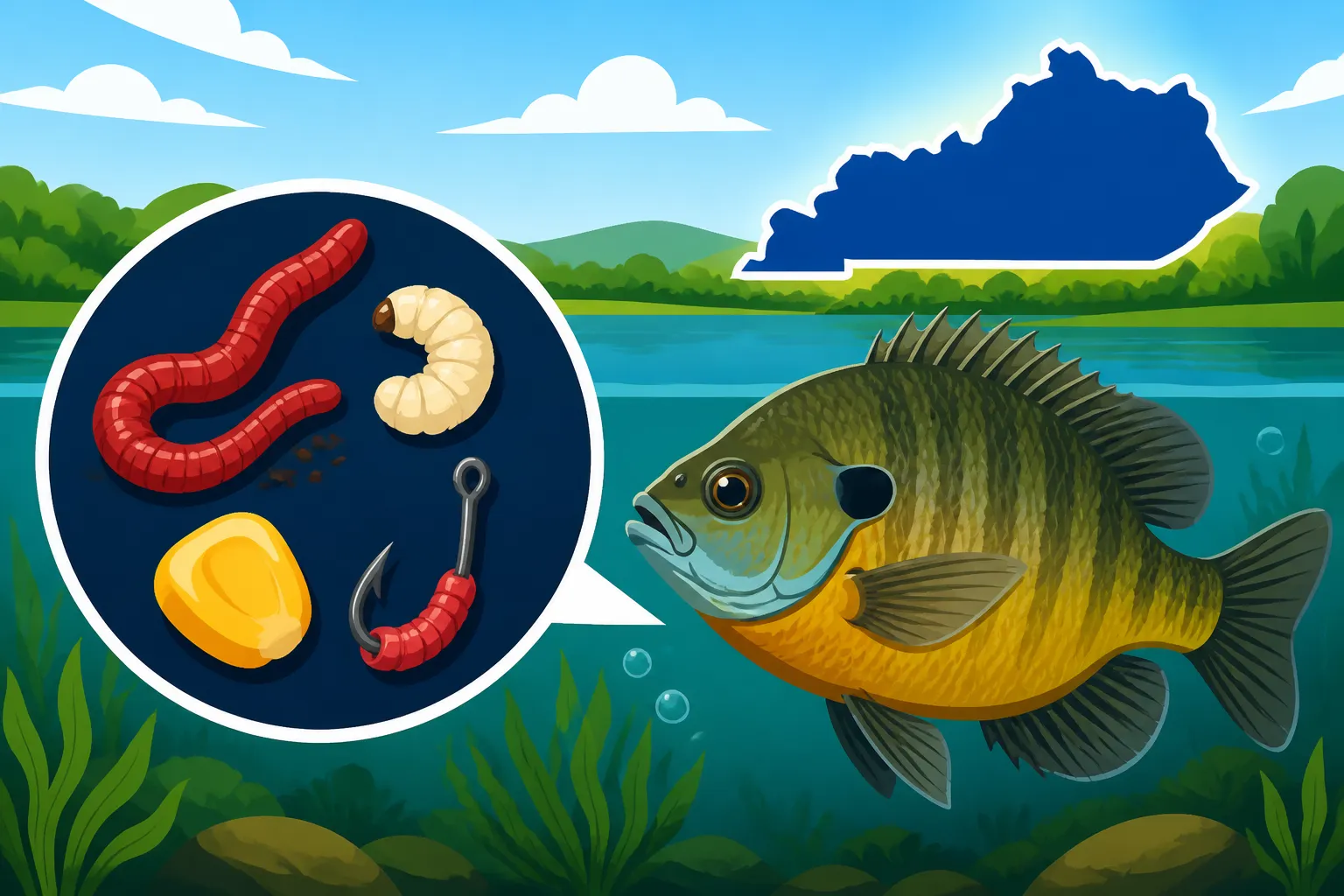
Let's be honest, worms are the quintessential fishing bait, and for good reason: they work! Bluegill absolutely adore them. Red wigglers, in particular, are small enough for bluegill mouths and have a lively action that drives these panfish wild. You can usually find them at any bait shop, or even in your backyard compost pile if you're lucky. Nightcrawlers are also effective, but you might need to pinch off a piece or use smaller sections, as a whole nightcrawler can be a bit much for a small bluegill.
When you're rigging a worm, less is often more. Thread just enough of the worm onto a small hook (size 8 or 10 is usually perfect) to keep it secure, leaving a bit dangling to entice the fish with its natural movement. The natural scent trail worms leave in the water is a huge draw, bringing in bluegill from a distance. It's a fantastic option for new anglers or kids, as it requires minimal technique beyond casting and waiting. Plus, there's something genuinely satisfying about catching a fish on a simple worm. You can grab convenient containers of worms, sometimes even through online retailers like Amazon, if your local bait shop isn't stocked. For more basic tips, check out Bluegill Fishing Tips for Beginners.
Crickets and Grasshoppers: The Leaping Lunch
Another highly effective live bait for bluegill, especially during warmer months, are crickets and grasshoppers. Bluegill are opportunistic feeders, and a cricket that has accidentally fallen into the water is a prime target. Crickets provide a lot of leg-flailing action that triggers their predatory instincts. You can buy crickets by the dozen at most bait and tackle shops, and sometimes even pet stores that cater to reptile owners.
Hooking a cricket or grasshopper can be a little trickier than a worm, as they're more fragile. The best method is to gently thread the hook through the collar behind its head, or lightly through the back. This keeps them alive and kicking for longer, maximizing their appeal. Cast them near lily pads, submerged timber, or weed lines where bluegill often lurk. The subtle splashes and struggles often lead to an instant strike. This bait also works wonders for Kid-Friendly Fish to Catch in Kentucky as the visual aspect of the insect and the quick bites keep attention spans engaged.
Maggots and Wax Worms: Small Wonders
For those days when bluegill are particularly finicky, or when you're targeting smaller fish, maggots and wax worms are an excellent choice. These tiny, protein-rich morsels are packed with scent and are easy for bluegill of all sizes to swallow. They’re often sold in small plastic containers and stay fresh for quite a while in a cool spot.
They're best used on very small hooks (sizes 10 to 14) or tiny jigs. You can use one or two, depending on their size and the hook you’re using. Because of their diminutive size, they offer a very subtle presentation, which can be key in clear water or when the fish are pressured. They also stay on the hook remarkably well, enduring many nibbles before needing to be replaced. These can be particularly effective when fishing with an ultra-light setup, allowing you to feel every bump and bite.
Artificial Allure: When Lures Outperform Live Bait
While live bait is a consistent producer, there are times when artificial lures shine. They offer durability, can be cast further, and allow you to cover more water, effectively searching for active schools of bluegill. Plus, no refrigeration needed!
Micro Jigs and Soft Plastics: Tiny Temptations
Don't let their size fool you; tiny jigs and soft plastics are bluegill powerhouses. These come in a dazzling array of colors and shapes, mimicking everything from small insects to minnows. When you're fishing Kentucky ponds, having a selection of 1/64 to 1/16 ounce jigs is incredibly useful. The best jig heads often have small, sharp hooks that are perfect for bluegill mouths.
Pair these jigs with micro-grubs, tiny tubes, or small plastic worms. Chartreuse, white, black, and pink are often popular colors, but don't be afraid to experiment. The key is to impart subtle action: a slow retrieve, tiny twitches, or letting it fall slowly under a bobber. These lures are particularly effective when bluegill are actively feeding on small aquatic insects or fry. They're also great for targeting larger bluegill that might be more interested in a slightly bigger meal. You can find a huge variety of these online, and many anglers swear by brands available on Amazon for their quality and color selection. This method is a step up from a simple worm but offers a lot of control over presentation, which is detailed further in How to Rig a Jig for Crappie Fishing (many crappie jigs also work for bluegill!).
Spinners and Spoons: Flash and Vibration
Sometimes, bluegill need a little extra encouragement. That's where micro-spinners and tiny spoons come into play. These lures create flash and vibration in the water, mimicking fleeing baitfish or insects, which can trigger aggressive strikes from curious bluegill. Sizes like 1/32 to 1/8 ounce are typically ideal for panfish.
Spinners usually feature a small blade that rotates around a central shaft as you retrieve it, sending out vibrations that fish can detect from a distance. Spoons, on the other hand, wobble and flash as they're retrieved or dropped. Both are fantastic for covering water quickly, especially in ponds where you suspect bluegill are spread out. Cast them out and retrieve steadily, varying your speed until you find what the fish prefer. These work best when bluegill are actively chasing food, rather than passively waiting. They're a fantastic tool for exploring different parts of a pond when you’re not sure where the fish are hiding.
Fly Fishing Feathers: For the Dedicated Angler
For the angler looking for a more refined approach, fly fishing for bluegill in Kentucky ponds can be incredibly rewarding. Small poppers, nymphs, and wet flies are all highly effective. Poppers, fished on the surface, create a tempting "ker-plunk" sound and ripple that can bring bluegill up from surprising depths. Nymphs and wet flies mimic insects underwater, offering a subtle, natural presentation.
A light fly rod (3- or 4-weight) with appropriate line is all you need. Cast to visible structure, weed lines, or even just open water, and let the fly do its work. The satisfaction of catching a bluegill on a hand-tied fly is unparalleled. This method allows for incredible precision and a delicate presentation that can fool even the wariest of panfish.
Unconventional and Budget-Friendly Baits
Sometimes, you don't have a bait shop nearby, or you just want to experiment with what's already in your kitchen. Many everyday items can be surprisingly effective for bluegill, making impromptu fishing trips a breeze.
Bread and Dough Balls: Simple and Effective
Who would have thought a simple piece of bread could catch fish? Bluegill, being omnivores, are often attracted to soft, starchy foods. Bread balls are cheap, easy to prepare, and can be very effective, especially in heavily fished ponds where bluegill might be accustomed to being fed by people.
To make a bread ball, simply tear off a small piece of white bread, moisten it slightly, and roll it into a tight ball around your hook. You want it firm enough to stay on during the cast, but soft enough for the bluegill to bite. Dough balls can be made from flour and water, sometimes with a little flavoring added. These baits are best fished under a bobber in calm water, as they tend to wash off hooks quickly in current or if cast too aggressively. It's an excellent choice for a spur-of-the-moment fishing trip when you realize you're out of worms.
Corn and Other Surprises from the Pantry
Yes, canned corn! It's not just for carp; bluegill will readily take a kernel or two. The bright yellow color and slightly sweet scent seem to appeal to them. It's incredibly easy to use: simply thread a few kernels onto a small hook. It stays on fairly well and is an inexpensive option for a day of fishing. This is particularly great for kids, as it’s clean, easy to handle, and they love seeing fish caught on something from their lunchbox.
Other kitchen staples that have been known to catch bluegill include small pieces of hot dog, cheese, or even cooked pasta. These all offer a unique scent and texture that can pique a bluegill's interest. While not always as reliable as live bait or specialized lures, they can certainly save a trip when you're in a pinch. The key with these baits is experimentation and keeping your expectations realistic – sometimes they’re magic, sometimes not! For more tips on simple approaches, consider How to Catch Bluegill With a Cane Pole.
Making the Catch: Essential Presentation Tips
It's not just what you put on the hook, but how you present it. Even the best bait for bluegill can be ignored if it's not fished effectively.
Bobber Fishing: The Classic Bluegill Method
This is probably the most common and effective way to fish for bluegill, especially in Kentucky ponds. A simple bobber allows you to suspend your bait at a desired depth, keeping it off the bottom and in the bluegill's strike zone. It also acts as a visual strike indicator – when that bobber goes down, it's time to set the hook!
Choosing the right bobber size is crucial. A small, sensitive bobber (like a spring float or slip bobber) is ideal for bluegill, as it shows even the lightest bite. A large, bulky bobber can make bluegill shy away, and they might pick at your bait without pulling it under. Adjust your depth frequently until you find where the fish are holding. Often, bluegill will be found cruising near structure like fallen trees, weed edges, or along drop-offs. Learning how to gauge depth and adjust your bobber is a fundamental skill for successful panfishing.
Bottom Fishing: Targeting Deeper Fish
While bluegill are often found in the shallower parts of ponds, especially during warmer months, they will move to deeper water, particularly in the heat of summer or colder periods. In these situations, bottom fishing can be more effective. This involves using a small weight to get your bait to the bottom, often on a Carolina rig or a simple split shot above your hook.
When bottom fishing, you'll need to pay close attention to your line for subtle tugs or taps, as you won't have a bobber to signal a bite. This method is particularly good for targeting larger bluegill or redear sunfish (shellcrackers) that often feed closer to the bottom on insects and small crustaceans. Ensure your bait is fresh and lively, as it's harder for bluegill to find it by sight alone when it's on the bottom. Understanding how to present your bait in different water columns can significantly increase your catch rate.
Hook Size and Line Test: Don't Overdo It
Bluegill have small mouths, so using appropriately sized hooks is vital. Hooks ranging from size 8 to 12 are generally perfect. Anything larger can be difficult for them to get into their mouths, leading to missed bites. A thin wire hook is also preferable, as it's lighter and easier for them to inhale.
For line, a light monofilament line in the 2 to 4-pound test range is usually sufficient. Heavy line is more visible to fish and can inhibit the natural movement of your bait. Ultra-light spinning gear is fantastic for bluegill, offering sensitivity and making even a small bluegill feel like a trophy. This lighter tackle also helps in casting small baits and detecting those subtle bluegill nibbles. You can explore a wide variety of fishing line options on platforms like Amazon, making it easy to find the perfect match for your bluegill setup. For a more detailed guide on gear, check out Best Rod and Reel Combo for Beginners.
Table of Popular Bluegill Baits
To give you a quick overview, here's a comparison of some of the most popular bluegill baits for Kentucky ponds:
| Bait Type | Pros | Cons | Best Use Cases |
|---|---|---|---|
| Red Wigglers | High scent, lively action, readily available, natural | Can be messy, fragile | All-around, slow bites, clear water, kids fishing |
| Crickets | Great action, natural, visual appeal | Fragile, can be hard to keep alive | Warmer months, near surface, active fish |
| Wax Worms | High scent, small, good for finicky fish | Can be expensive, very small, can go fast | Finesse fishing, small hooks, slow bite |
| Micro Jigs/Plastics | Durable, variety of colors/shapes, cast far | Less natural scent, requires technique | Covering water, active fish, targeting larger bluegill |
| Small Spinners/Spoons | Flash & vibration, covers water quickly | Less effective for finicky fish, can snag | Active fish, searching open water, windy days |
| Bread Balls | Cheap, easy to find, soft | Washes off easily, less durable, messy | Calm water, budget fishing, kids, impromptu trips |
| Canned Corn | Cheap, easy to use, clean | Less durable, limited scent | Impromptu trips, kids fishing, experimenting |
Remember, the bluegill in Best Ponds for Bluegill Fishing in Kentucky might have different preferences than those in a farm pond down the road. The best approach is always to start with a few proven baits and be willing to experiment until you find what they're hitting on that day! Happy fishing!
Disclaimer
This article is for general informational purposes only and does not constitute professional advice. Laws, prices and regulations vary by location and change over time. Consult a qualified professional for guidance on your specific situation.