Black Crappie Vs White Crappie: Key Differences
Black and white crappie identification methods include counting dorsal fin spines, checking body shape, and comparing markings.
Know what’s on the line.
Gamefish and panfish profiles — identification, behavior, feeding habits, and species-specific strategies for every catch.
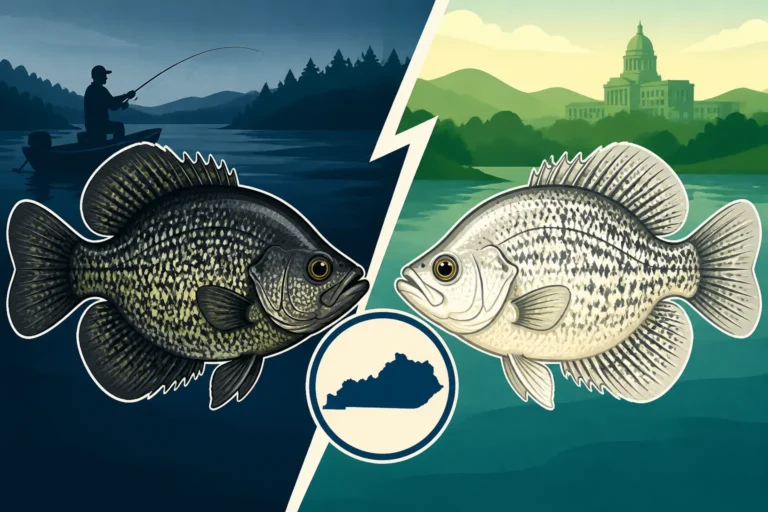
Black and white crappie identification methods include counting dorsal fin spines, checking body shape, and comparing markings.
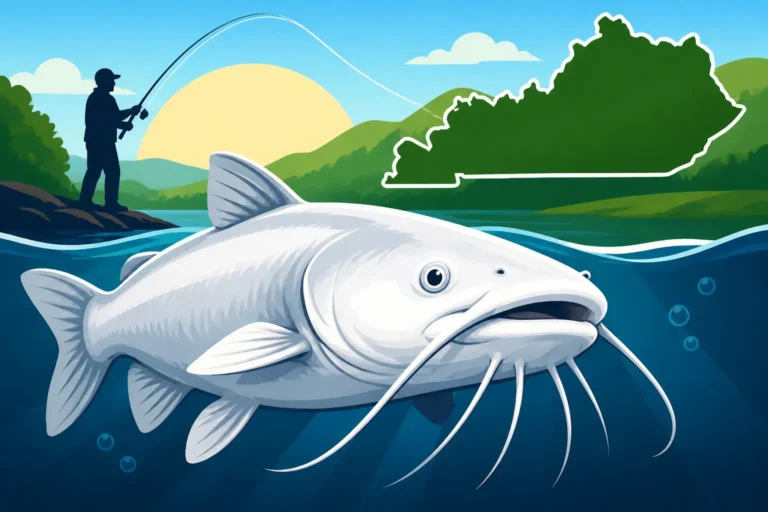
White catfish in Kentucky feature white barbels and a moderately forked tail, reaching sizes between one and three pounds usually.
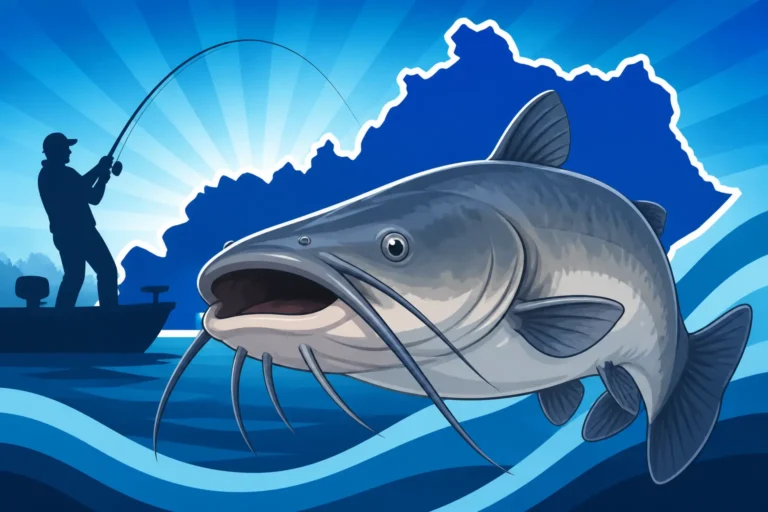
Kentucky’s record blue catfish weighed 106 pounds and 14 ounces in the Ohio River system, requiring certified scales and witnesses.

Flathead catfish fishing tactics and live bait strategies help Kentucky anglers catch elusive apex predators in local waters.
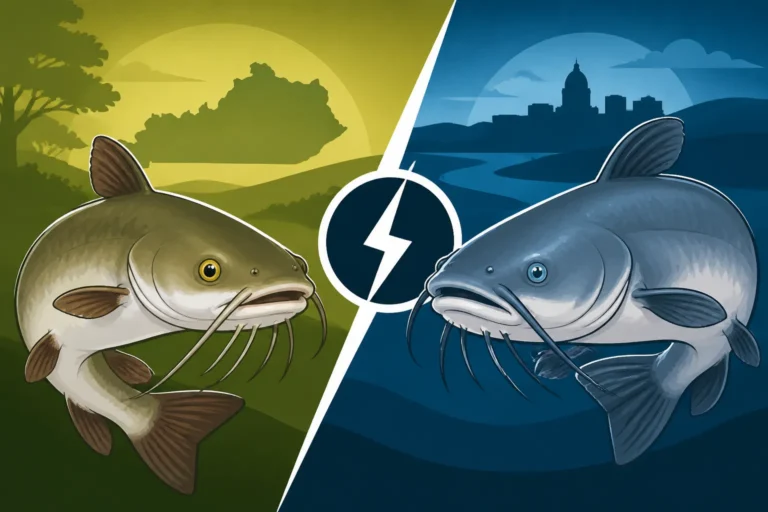
Channel and blue catfish identification differences help anglers follow Kentucky fishing regulations and avoid legal fines.
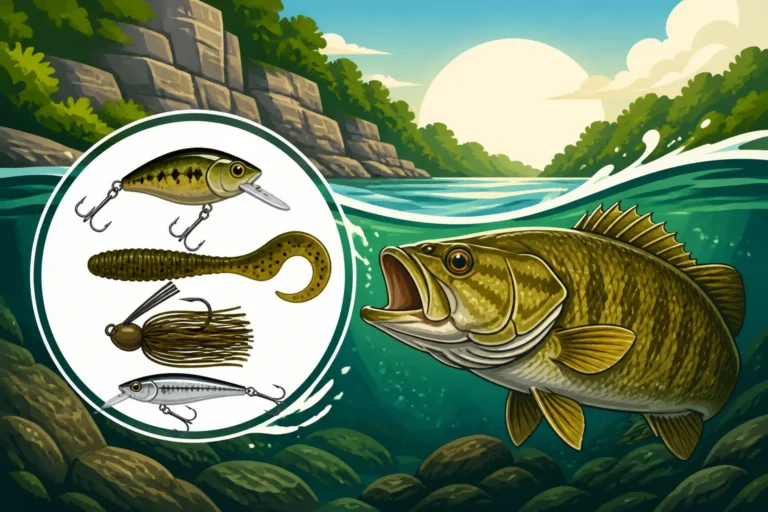
Hard baits and specific lure choices help anglers hook smallmouth bass near rock piles and current seams in Kentucky rivers.

Kentucky Lake largemouth bass fishing features unique geography, historical significance, and seasonal tactics across its massive waters.
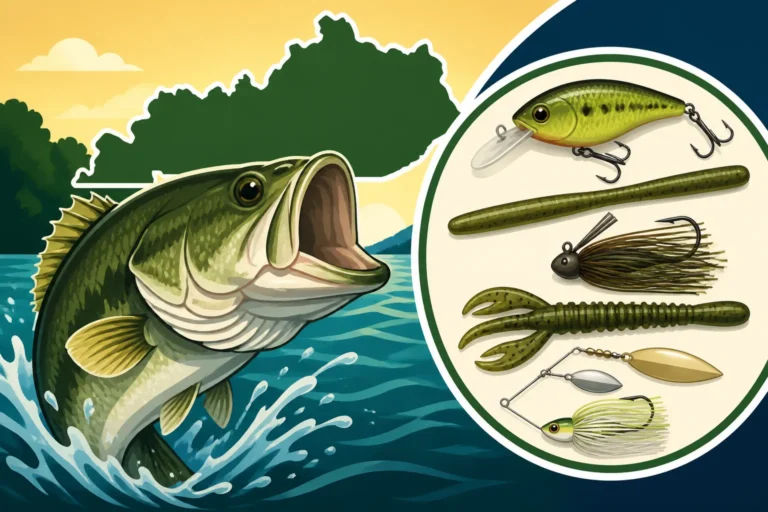
Kentucky Lake largemouth bass bait selections require matching shad, sunfish, and crawfish preferences across seasonal Tennessee River structures.
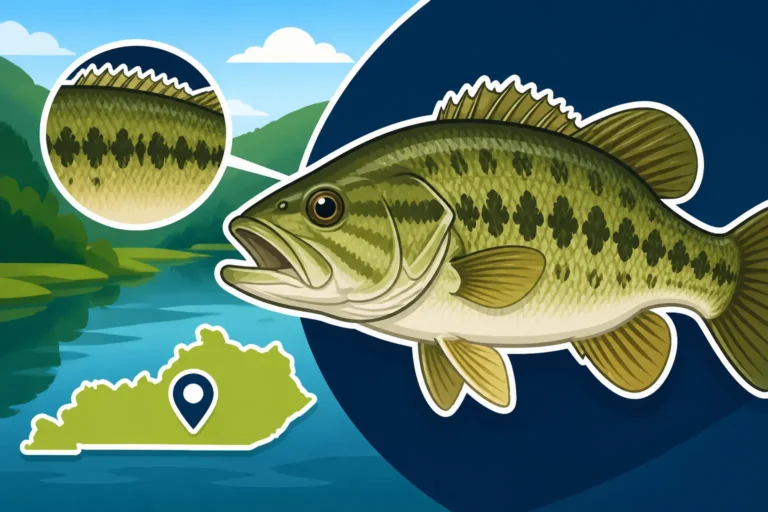
Spotted bass identification in Kentucky helps anglers follow state regulations, avoid potential fines, and protect local fisheries.
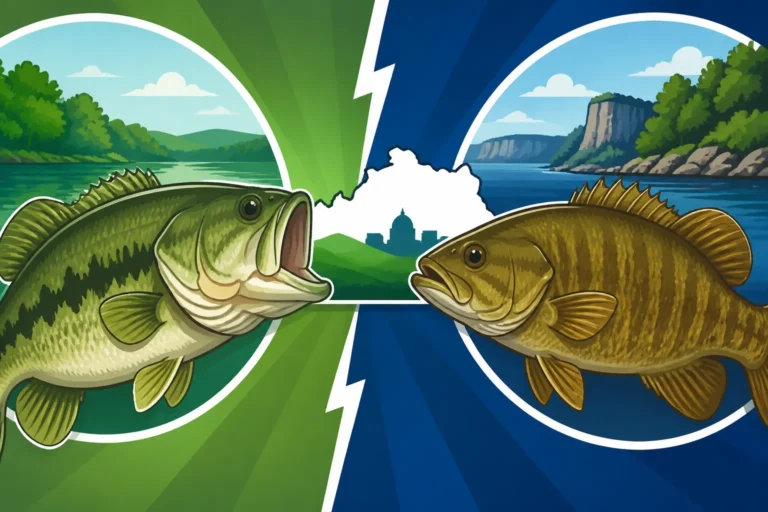
Kentucky anglers compare mouth size, jaw hinges, head shapes, and dorsal fins to accurately identify largemouth and smallmouth bass catches.