Kentucky’s March to February License Year
You've just planned that perfect fishing trip to your favorite Kentucky lake, the gear's packed, the cooler's loaded, and you're dreaming of big bites. But wait – when was the last time you checked your fishing license? It’s a scenario far too many anglers in the Bluegrass State have faced, getting tangled up in confusion over when their Kentucky fishing license actually starts and, more importantly, when it expires. This guide is here to clear the waters, explaining Kentucky’s unique March 1st to February 28th (or 29th!) license year and how to ensure you're always fishing legally.
Decoding the Kentucky Fishing License Year
Unlike many things in life that neatly follow the January to December calendar, your Kentucky fishing license marches to the beat of its own drum. It can be a little confusing, especially if you're used to other states or just expecting things to align with the new year. But once you understand the rhythm, it becomes second nature.
The Calendar vs. The License Year
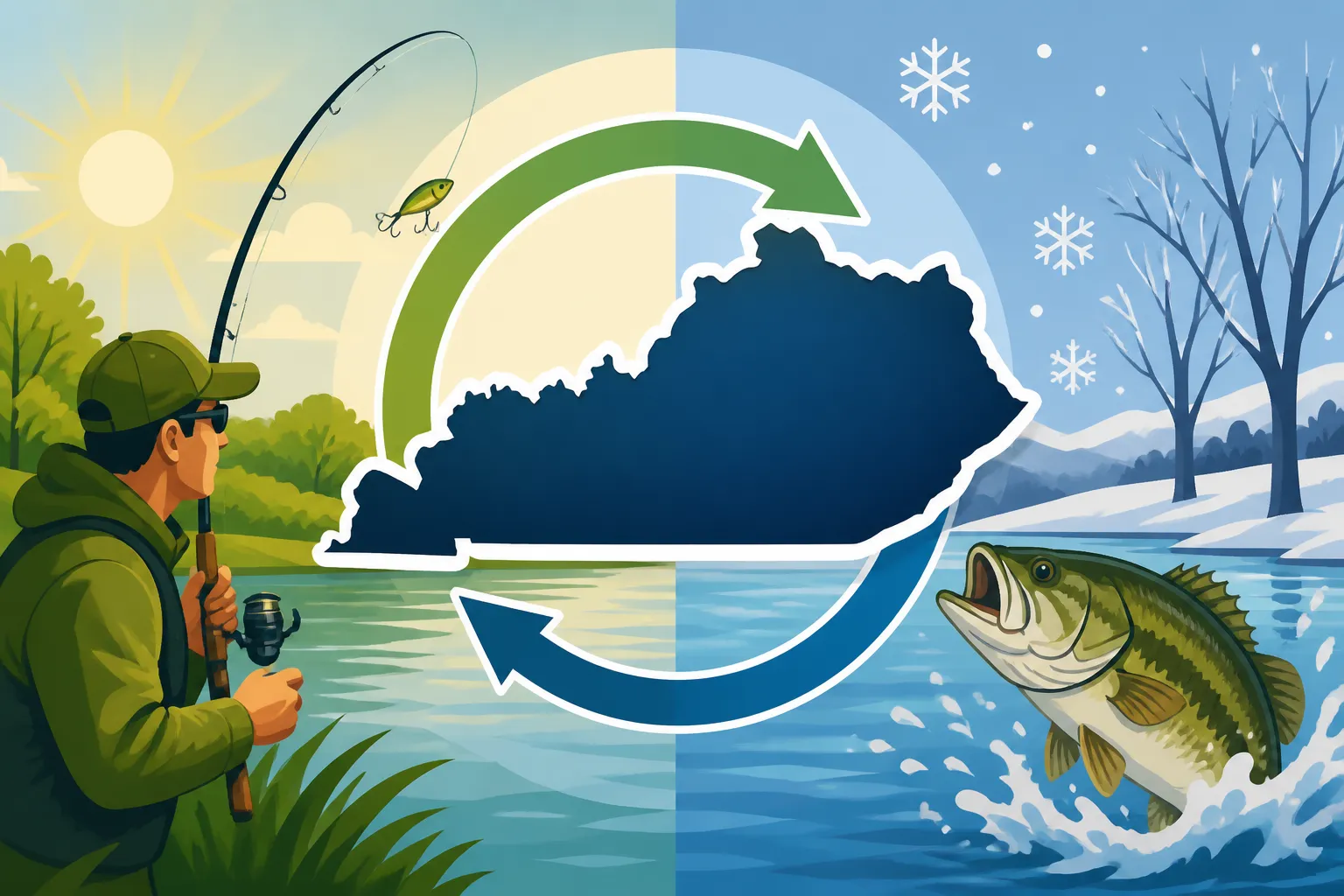
Let's cut right to the chase: a Kentucky fishing license is valid from March 1st of one year through the last day of February of the following year. That means if you bought an annual license on July 15th, 2024, it wouldn't expire on July 14th, 2025. Instead, it would expire on February 28th, 2025. It's a critical distinction that can catch even seasoned anglers off guard if they're not paying close attention.
This specific period is set by the Kentucky Department of Fish and Wildlife Resources (KDFWR) to align with biological cycles and administrative ease for their operations. While it might seem a bit odd at first, thinking of March 1st as the "New Year's Day" for your fishing license can help keep things straight. It's a fresh start for both the fish and the regulations, usually coinciding with significant changes in fish behavior as winter gives way to spring.
For instance, consider an angler who buys their license in May, thinking they're covered for a full 12 months from purchase. They might plan a trip for mid-March the following year, only to discover their license expired weeks ago on February 28th. This common oversight can lead to an uncomfortable conversation with a game warden and potentially a fine. Understanding that fixed end-date, regardless of purchase date, is paramount to staying legal on the water.
Why This Specific Cycle?
The March 1st start date isn't just a random choice; it's a thoughtful decision rooted in both the natural world and practical management. March often marks the beginning of significant changes in fish activity across Kentucky's diverse waterways. As water temperatures rise, many species, from crappie to bass, begin to move out of their deeper winter haunts and prepare for their spring spawning rituals. This surge in activity makes March a prime month for anglers, and having the license year begin then ensures that all anglers are starting fresh with current regulations.
From an administrative standpoint, aligning the license year this way simplifies the process for the KDFWR. It allows them to roll out new regulations, updates, and conservation initiatives annually in a consistent manner. Imagine the complexity if licenses expired on individual purchase dates; it would create a logistical nightmare for tracking and enforcement. By having a universal start and end date, they can streamline everything from printing new license forms to updating their online portal, making it easier for everyone involved.
Moreover, this cycle also coincides with the timing of trout stocking schedules in many cold-water fisheries, including specific areas of Lake Cumberland. As anglers gear up for spring trout opportunities, having their new license ready to go ensures they can participate immediately. It really is about creating a predictable rhythm for both the natural resources and the people who enjoy them.
Impact on Anglers
This specific license year cycle has a profound impact on how Kentucky anglers plan their fishing seasons and manage their licenses. The most obvious effect is the need to renew your license annually, usually in late February or early March, to ensure uninterrupted fishing. If you're a creature of habit and typically renew around your birthday or another personal milestone, you might inadvertently find yourself with an expired license if that date falls outside the March 1st-February 28th window.
The annual renewal becomes a part of your pre-spring ritual. Just as you might check your boat's engine or sharpen your hooks, checking your license validity should be on that list. For folks who only fish occasionally or during specific seasons, it might mean buying a license in the summer, understanding it will still expire the following February, regardless of how many months you've had it. This can sometimes lead to questions like "$7.40 vs $24.31: When a 1-Day License Beats the Annual" if your fishing is truly sporadic and concentrated in one calendar year.
The good news is that once you're aware of it, it's easy to manage. Many anglers even mark their calendars for February to remind themselves to renew. The KDFWR does a decent job of making the renewal process straightforward, whether you're doing it online or in person. It’s all about building that habit around the actual license year, not the calendar year, to keep your angling adventures hassle-free and legal.
Navigating License Purchase and Renewal Deadlines
Understanding when the license year runs is just half the battle; knowing when and how to purchase or renew your license effectively is the other. Many anglers get caught out simply by forgetting or misjudging the timing, leading to unnecessary stress or even penalties.
Best Time to Buy
Given that the Kentucky fishing license year starts on March 1st, the absolute best time to purchase your new annual license is right around that date. Many savvy anglers make it a point to buy their new license in the last few days of February or on March 1st itself. This ensures they have full coverage for the entire upcoming license year, from the early spring crappie runs to the late winter muskie hunts.
Buying your license slightly before or right at the start of March means you're prepared for any spur-of-the-moment trips. Imagine a warm, sunny Saturday in early March, perfect for hitting the water. If you waited until April or May to renew, you'd be missing out on those prime early season opportunities. Plus, getting it done early eliminates the last-minute scramble and the risk of accidentally fishing with an expired license.
Think of it like buying your car tags; you usually get them just before the expiration month. The same principle applies here. If you buy an annual license in August, it will still expire on the last day of February the following year, meaning you're getting fewer than 12 months of coverage for the same price. For most dedicated anglers, an early March purchase maximizes the value of their investment and ensures they're ready for whatever the fishing year brings. For information on specific costs, you might want to check out the details on Kentucky Resident Annual Fishing License Costs $24.31.
Renewing Your License
Renewing your Kentucky fishing license is a straightforward process, designed to be as convenient as possible. The KDFWR provides several avenues for renewal, making it accessible to most anglers. The easiest and most popular method for many is to renew online. Simply head to the KDFWR website, find the licensing portal, and follow the prompts. You’ll need some basic information like your existing license number or personal details to pull up your profile.
Beyond online renewal, you can also renew your license in person at various vendors across the state, including bait and tackle shops, sporting goods stores, and county clerk offices. This can be a great option if you prefer a physical copy of your license right away or need to ask questions. Remember, regardless of how you renew, the goal is to have your new license active by March 1st. Many stores will actually start selling the next year's licenses in mid-February, allowing you to get ahead of the curve.
It's also worth noting that renewing isn't just about paying money; it's about staying informed. When you renew, you're confirming your acceptance of the current year's regulations. Often, the KDFWR will have updated regulations for specific lakes or species, and being a current license holder means you're more likely to receive or seek out this vital information. For a full breakdown, explore How to Renew Your Kentucky Fishing License Online.
Common Pitfalls
Falling into the trap of an expired license is more common than you might think, and it usually boils down to a few key pitfalls that anglers encounter. The primary one, as we've discussed, is assuming your license is valid for a full 12 months from the date of purchase, rather than understanding the fixed February 28th/29th expiration. This often leads to someone thinking their July-purchased license from 2024 is good until July 2025, when in reality, it ran out in February 2025.
Another common mistake is simply forgetting. Life gets busy, and renewing a fishing license might not be at the top of your mind in the late winter months. This is where setting a reminder on your phone or marking your calendar can be incredibly helpful. Don't rely solely on memory! The KDFWR does offer email reminders if you've opted into their communications, which can be a lifesaver.
Finally, some anglers might delay purchasing their new license if they're not planning a trip immediately in March. While a few weeks without fishing might seem harmless, it's easy for those weeks to turn into months, and then a sudden opportunity arises, only to find yourself without a valid license. For example, if you see a great deal on new fishing gear on Amazon in early March and get inspired to hit the water, realizing your license is expired can be a real buzzkill. It's always better to be prepared.
The Perils of an Expired License and How to Avoid Them
Fishing without a valid license in Kentucky isn't just a minor oversight; it's a violation of state law. The consequences can range from an embarrassing conversation with a game warden to significant fines and penalties. Nobody wants their relaxing day on the water to end with legal trouble.
Exact Expiration: February 28th or 29th
Your annual Kentucky fishing license unequivocally expires on the last day of February. This means February 28th in a common year, and February 29th in a leap year. There’s no grace period, no few extra days – once that date hits, your annual license from the previous year is no longer valid. This is a crucial detail to remember, especially if you're an avid angler who likes to hit the water year-round.
Imagine you're out ice fishing on a late February afternoon, enjoying the last vestiges of winter angling. As the sun sets on February 28th, your license is technically expired for any fishing activity on March 1st. While enforcement might be lenient on March 1st if you're actively on your way to renew, it's not a risk worth taking. Game wardens are well aware of the license year change, and they're often out patrolling, especially as the weather warms and more anglers return to the water.
This firm expiration date also applies to any associated permits you might have, like a Kentucky trout permit. If your base fishing license expires, so does the permit that rides on it. Always make sure your primary license is current to avoid any issues with specialized fishing activities. You can find more about the specific dates by checking Kentucky Fishing License Year Runs March 1 to February 28.
Digital vs. Physical Records
In today's digital age, carrying proof of your fishing license has become much more convenient. Kentucky, like many other states, accepts digital proof of your fishing license. This means you can simply have it saved on your smartphone or accessible through an official KDFWR app. This is fantastic for those who forget their wallet or want to minimize what they carry while on the water.
However, relying solely on your phone comes with its own set of considerations. What if your phone battery dies? What if you drop it in the lake? What if you're in an area with no cell service and need to access the KDFWR app or website? These are all real-world scenarios that can complicate presenting your license to a game warden. It’s why many anglers still opt for a printed copy, which you can easily print at home after purchasing online. Keeping a printed copy in a waterproof bag in your tackle box or boat can be a smart backup.
For those who lean into digital, consider investing in a waterproof phone case or a sturdy lanyard from a retailer like Amazon to protect your device and keep it accessible. Whether digital or physical, the key is to have readily verifiable proof of your current, valid license with you at all times while fishing.
Reminders and Notifications
The Kentucky Department of Fish and Wildlife Resources understands that busy schedules can lead to forgotten renewals. To help anglers stay on the right side of the law, they offer various forms of reminders and notifications. When you purchase your license, especially online, you're usually given the option to opt-in for email reminders regarding your license's upcoming expiration. This is a highly recommended step that can save you a lot of hassle.
These email notifications typically go out a few weeks or a month before the February 28th/29th deadline, giving you ample time to renew your license before it expires. It’s like a friendly nudge from the KDFWR, ensuring you don’t accidentally miss out on those crucial early spring fishing days. Make sure the email address associated with your licensing profile is current and that KDFWR emails aren't landing in your spam folder.
Beyond official notifications, many local bait and tackle shops will also put up signs or verbally remind customers about the upcoming license year change. They're often the first point of contact for anglers, and their proactive reminders are invaluable. Still, the ultimate responsibility rests with the angler. Proactively check your license expiry date, set your own calendar reminders, and don't rely solely on external notifications.
Beyond the Annual: Understanding Short-Term and Special Licenses
While the annual license is the bread and butter for most Kentucky anglers, it's important to remember that not everyone fishes year-round, or even for an entire week. Kentucky offers several other license options that cater to different fishing habits, and understanding how they interact with the March to February license year is essential.
1-Day and 7-Day Licenses
For those who are just visiting Kentucky, only fish a couple of times a year, or want to try fishing without committing to an annual pass, 1-day and 7-day licenses are fantastic options. These short-term licenses are valid for a specific duration (24 hours or seven consecutive days) starting from the date and time of purchase. Crucially, they operate independently of the March 1st to February 28th/29th annual license cycle.
For example, if you buy a 1-day Kentucky Resident 1-Day Fishing License Price on July 10th at 8:00 AM, it will be valid until July 11th at 7:59 AM. It doesn't matter what month you purchase it in; its validity is purely based on the clock from your purchase time. This flexibility makes them incredibly convenient for travelers or casual anglers. A nonresident angler planning a week-long trip to Kentucky Lake, for instance, could purchase a 7-day license knowing it would cover their entire stay, regardless of the annual license cycle.
However, even with these short-term options, it’s vital to consider the timing. If you plan a 7-day trip that spans the end of February and the beginning of March, you’ll need to ensure your 7-day license covers those specific dates. It’s typically simpler, as the clock starts ticking the moment you buy it. Just make sure the activation date is correct if you're purchasing it in advance for a future trip. You can find more specific pricing information like Kentucky Nonresident 7-Day Fishing License Costs $37.
Free Fishing Weekend
Kentucky offers a wonderful opportunity each year known as the Kentucky Free Fishing Weekend. During this designated weekend, typically in early June, both residents and nonresidents can fish Kentucky's public waters without a fishing license or a trout permit. It’s an incredible initiative aimed at encouraging new anglers, families, and anyone interested in trying out fishing for the first time without the barrier of a license purchase.
While this weekend is a fantastic exception to the general licensing rules, it's important to understand its limitations. All other fishing regulations, such as size limits, daily creel limits, and specific gear restrictions, still apply. So, while you don't need a license, you still need to be aware of what you can and cannot keep. This is where understanding Kentucky Fishing Regulations Explained comes into play.
The Free Fishing Weekend is a fixed date each year, announced well in advance by the KDFWR. It doesn't shift with the annual license year cycle, but it does offer a unique window where the license requirement is temporarily waived. It’s perfect for introducing kids to fishing or for anyone who just wants a couple of days on the water without the administrative side of things.
Lifetime Licenses
For truly dedicated anglers who are Kentucky residents, a lifetime fishing license can be an incredibly cost-effective and convenient option. As the name suggests, a lifetime license covers you for your entire life, eliminating the need for annual renewals and the worry of the March 1st to February 28th/29th cycle. Once purchased, you’re good to go forever (as long as you remain a Kentucky resident and the license isn't revoked for violations).
This type of license is an investment upfront, but it pays dividends over many years, especially if you fish regularly. It takes away all the stress of remembering renewal dates, processing payments, or accidentally fishing with an expired license. It's often bundled into a "Lifetime Sportsman's License" which covers both hunting and fishing, including required permits like the trout permit.
Even with a lifetime license, it's crucial to keep your personal information updated with the KDFWR, especially your address. While you won't need to renew annually, you'll still need to be able to prove you possess the license if asked by a game warden. This might involve carrying a small, durable card or having access to your digital record. It’s peace of mind for the serious angler, eliminating the annual dance with the license year. You can find more details on Kentucky Senior Lifetime Sportsman's License Cost if you are a senior angler.
Strategic Planning for Year-Round Angling Success
Integrating the nuances of Kentucky's March to February license year into your overall fishing strategy can make all the difference, transforming potential headaches into seamless angling experiences. It's about being proactive and informed, rather than reactive and surprised.
Spring Kick-off: March 1st Opportunities
March 1st isn't just the start of a new license year; it often feels like the true kick-off to the serious fishing season in Kentucky. As winter's chill loosens its grip, waters begin to warm, and fish become more active. This is when species like crappie start to move into shallower waters for their pre-spawn activities, and bass begin to stir from their deep-water winter patterns. Having your license ready by March 1st means you're prepared to capitalize on these exciting early spring opportunities.
Many anglers plan their first major trips of the year right after March 1st. They've spent the winter dreaming of open water and eager bites, and the new license year signals it's time to make those dreams a reality. This is also a fantastic time to get out and explore new spots, as fish patterns are beginning to establish themselves. Whether you're targeting crappie on Kentucky Lake or sauger on Lake Barkley, having that valid license in hand means you won't miss a beat.
It's also a good time to review any changes in statewide or site-specific regulations that might have been implemented with the new license year. The KDFWR often releases updated fishing guides or online resources around this time. Being prepared not only keeps you legal but also ensures you're fishing effectively and responsibly as the season progresses.
Year-Round Angling: Adapting to the Cycle
For those who enjoy fishing throughout all four seasons, adapting to the March-February license cycle becomes a routine part of your angling life. It simply means that your "renewal season" happens in late winter, rather than aligning with a mid-year purchase date. This consistent renewal date across all annual license holders simplifies the entire process.
Consider an angler who enjoys ice fishing in January and February, then transitions to spring bass fishing, summer catfishing, and fall crappie. If their license expired mid-summer, they'd have a gap. But with the fixed February expiration, they know that come March 1st, they need their new license to continue their year-round pursuit. This continuous cycle encourages anglers to view their license as an ongoing commitment rather than a one-off purchase tied to a specific trip.
It also means that if you're purchasing gear online from retailers like Amazon in the off-season, perhaps a new fish finder or some specialized cold-weather tackle, you should also take a moment to confirm your license validity. There’s nothing worse than having all the right equipment for a winter fishing trip, only to realize your license expired last week. Embrace the cycle, and it becomes a natural part of your preparations.
Checking Regulations: Importance of Current Year Info
Perhaps one of the most critical aspects of being an informed and legal angler in Kentucky is the consistent checking of current fishing regulations. While your license covers you generally, the specific rules for size limits, daily creel limits, and even methods of take can vary significantly by species and even by individual body of water. And these regulations can, and do, change with the new license year.
The KDFWR regularly assesses fish populations and adjusts regulations to ensure sustainable fishing for everyone. This means that a rule for bass on Lake Barkley might be different from the statewide limit, or the crappie limit on Barren River Lake could have specific size restrictions not found elsewhere. Relying on old knowledge or outdated fishing guides can lead to unintended violations.
Always make it a habit to check the most current Kentucky Fishing Regulations Explained on the KDFWR website before you head out, especially after March 1st. Many anglers even download the PDF guide to their phone or print out relevant pages for their tackle box. This vigilance ensures you're not only fishing legally but also contributing to the conservation efforts that keep Kentucky's waters abundant for future generations.
| License Type | Validity Period | Renewal Deadline | Best Purchase Time |
|---|---|---|---|
| Annual Fishing | March 1st – Feb 28th/29th | February 28th/29th | Late Feb – Early Mar |
| 1-Day Fishing | 24 hours from purchase | N/A | Just before fishing |
| 7-Day Fishing | 7 consecutive days from purchase | N/A | Just before fishing |
| Lifetime Fishing | For life (KY residents) | N/A | One-time investment |
Disclaimer
Please note that while this guide provides comprehensive information, fishing regulations and license requirements can change. Always refer to the official Kentucky Department of Fish and Wildlife Resources (KDFWR) website or their current printed fishing guide for the most up-to-date and accurate information before heading out on the water.