Kentucky Free Fishing Weekend Family Trip Planning
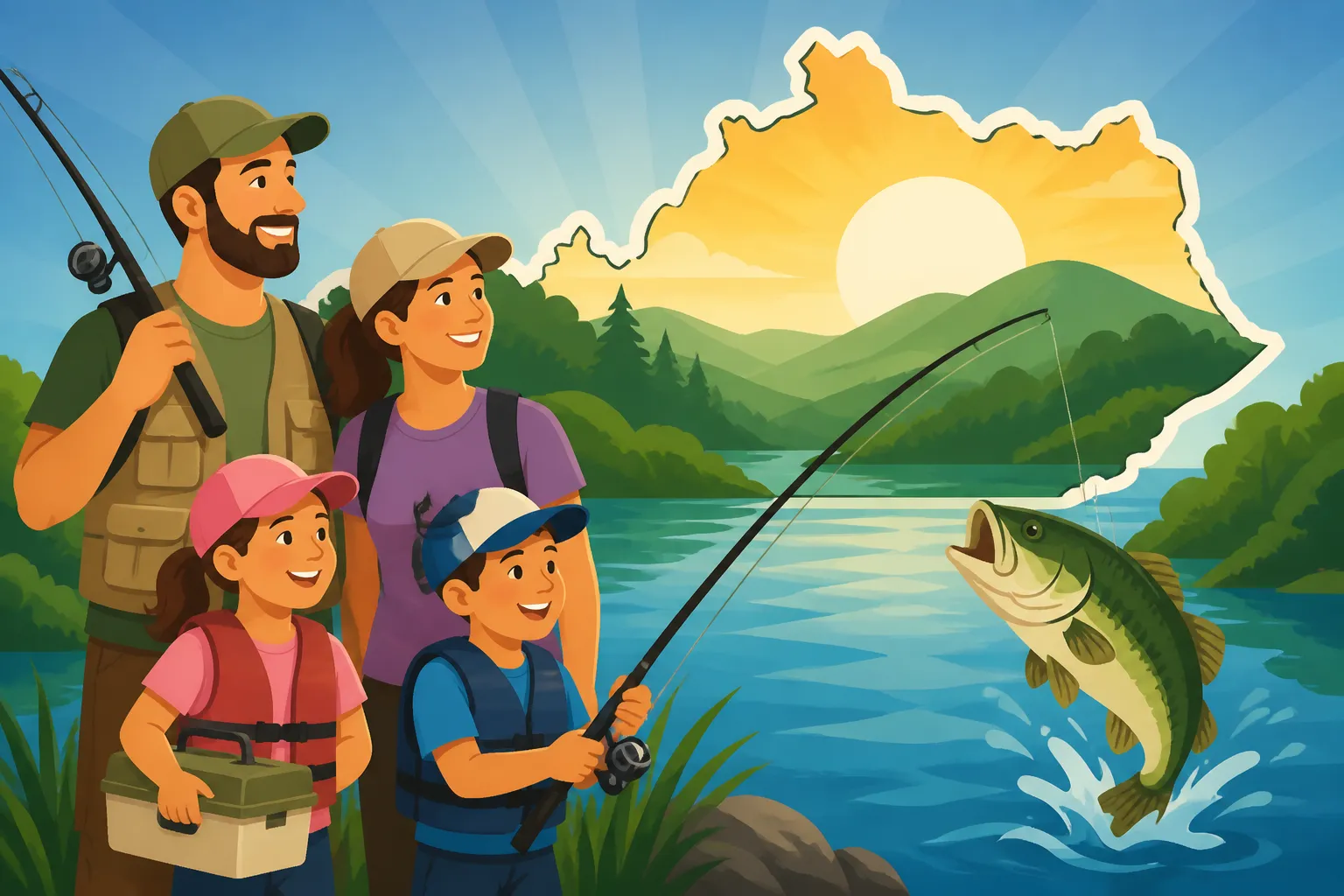
Trying to introduce your kids or grandkids to the wonderful world of fishing can feel like a daunting task, can't it? Between figuring out what licenses everyone needs, navigating all the different rules, and then buying all the gear, it's enough to make you just want to stay home. But what if I told you there's a magical weekend in Kentucky that takes away most of those headaches, making it the perfect opportunity for a stress-free, memory-making family fishing adventure? This guide is all about helping you plan the ultimate family trip for Kentucky's Free Fishing Weekend.
Unlocking the Magic of Kentucky's Free Fishing Weekend
Every year, Kentucky offers a fantastic opportunity for everyone, seasoned anglers and first-timers alike, to enjoy the state's incredible waters without needing a fishing license. It’s an initiative designed to encourage people to discover or rediscover the joys of fishing, and for families, it’s an absolute game-changer. This weekend is tailor-made for creating those cherished outdoor memories without the upfront cost and paperwork of buying licenses for the whole crew.
What is Free Fishing Weekend and Why It's Perfect for Families
Imagine this: no more scrambling to figure out which family member needs an annual license, a 1-day pass, or if grandma needs a senior permit. For two glorious days, typically the first full weekend in June, everyone can fish in Kentucky's public waters completely free of charge. This means that if you've been on the fence about taking your little ones out because of the cost or the complexity of licensing, this is your golden ticket. The dates for Kentucky's Free Fishing Weekend 2026 are scheduled for June 6-7, 2026, offering a perfect early summer escape. You can check out our detailed guide on Kentucky Free Fishing Weekend: No License Needed for Two Days for more specifics.
This event removes a significant barrier to entry for many families. It's not just about saving a few bucks on a license; it's about simplifying the entire experience. It allows you to focus purely on the fun of the outing – teaching a child how to cast, baiting a hook, and the sheer excitement of their first bite. It’s a low-pressure environment where the goal is connection and enjoyment, not necessarily filling a cooler to the brim (though that can be a bonus!). It's a wonderful chance to get your kids unplugged and engaged with nature, fostering a love for the outdoors that could last a lifetime.
Understanding the Rules and Exceptions for Free Fishing
Now, while the "free" part is absolutely fantastic, it's crucial to understand that it doesn't mean all rules go out the window. Think of it more like a "free admission" pass where you still have to follow the park rules. During Kentucky's Free Fishing Weekend, while you won't need a state fishing license, all other statewide and lake-specific fishing regulations remain firmly in place. This includes important details like bag limits, size restrictions for certain species, and even trout permits if you’re fishing in designated trout waters. Our article, Do Bag Limits Still Apply on Kentucky's Free Fishing Weekend?, dives deeper into this, but the short answer is absolutely, yes, they do!
So, before you head out, do a quick check of the Kentucky Department of Fish and Wildlife Resources (KDFWR) regulations. A prime example is if you plan on targeting trout in a stocked stream or lake that usually requires a trout permit; during the Free Fishing Weekend, you generally still need that permit. It’s a specific add-on for a specific type of fishing. Always verify the rules for the exact body of water you plan to visit. This small bit of homework ensures your family fun isn't cut short by an unexpected encounter with a game warden. Remember, ignorance of the rules isn't usually an acceptable excuse, so a quick read-through of the KDFWR site or their printed guide is always a good idea.
Picking the Perfect Water for Your Family Adventure
Choosing the right fishing spot is probably one of the most critical steps, especially when you have kids in tow. You don't want to end up at a remote, difficult-to-access riverbank or a crowded, fast-moving lake. For a family outing, particularly during Free Fishing Weekend, the ideal location strikes a balance between accessibility, safety, and a good chance of catching fish. The goal is to maximize fun and minimize frustration, and a well-chosen spot makes all the difference.
Identifying Kid-Friendly Lakes and Ponds
When planning a family fishing trip, think "easy mode." You're looking for places that are safe, have gentle banks, and, most importantly, are known for a healthy population of easy-to-catch fish. Panfish like bluegill, sunfish, and even smaller bass are perfect targets for kids because they're often abundant, aggressive biters, and relatively easy to reel in. Many Kentucky State Parks and local community lakes are fantastic choices. For instance, you'll often find dedicated fishing piers or easily accessible shorelines at places like General Butler State Resort Park's lake or the smaller ponds at Yellowbank Wildlife Management Area. These spots are often stocked and managed with family fishing in mind.
Consider lakes where you know the fish are plentiful and not too picky. Smaller, calmer ponds are usually better than vast, open reservoirs where the wind can be an issue or fish might be harder to locate. Barren River Lake offers some excellent spots for families, particularly in its quieter coves, and you can find more details on Best Family-Friendly Fishing Spots on Barren River Lake, Kentucky. Look for spots that aren't too deep right off the bank, as this adds a layer of safety for younger children. The key is to set your kids up for success with bites, which keeps their attention and enthusiasm high.
Researching Local Access and Amenities
Beyond just the fish, consider the creature comforts that can make or break a family outing. When you’re bringing kids, questions like "Are there restrooms nearby?" or "Where can we eat lunch?" become paramount. Before you load up the car, take a few minutes to look up your chosen fishing spot online. Check for amenities such as public restrooms, picnic tables, shade structures, and even playgrounds. Having these facilities readily available can turn a potentially challenging day into a relaxing and enjoyable one. Many state park fishing areas or community lakes are equipped with these family-friendly features.
Additionally, consider the type of access. Are you planning to fish from the bank, a pier, or a boat? If bank fishing, look for clear, obstruction-free shorelines. Fishing piers are often ideal for families as they provide a safe, elevated platform with easy access to deeper water without needing a boat. Our guide on Best State Park Fishing Piers in Kentucky can give you some excellent ideas for these accessible locations. If you’re bringing a boat, check for easily navigable boat ramps and ample parking. The easier the access and the more convenient the amenities, the less stress for you, and the more fun for everyone.
Gearing Up Without Breaking the Bank
One of the biggest hurdles for new anglers or families getting into fishing is the perceived cost of equipment. You might envision needing expensive rods, reels, and a tackle box overflowing with lures. But for a successful and enjoyable family fishing trip, especially during the Free Fishing Weekend, you absolutely don't need to empty your wallet. Simplicity and functionality are your best friends here.
Essential Rods, Reels, and Tackle for Beginners
For kids and beginner adults, a simple spincast rod and reel combo is often the best choice. They are affordable, durable, and incredibly easy to use – perfect for learning to cast without tangles. You can often find decent starter combos for around $20-30 each at big box stores or even on Amazon. Look for combos that are about 5 to 6 feet long with light to medium action. Don't worry about fancy gear; the goal is to get a line in the water!
Your tackle box can be equally minimalist. Here’s a basic list of what you’ll need:
- Bobbers: Small, brightly colored bobbers are crucial for visual bite detection.
- Hooks: Size 6 or 8 panfish hooks are perfect for bluegill and other small species. Barbless hooks are great for easy release.
- Sinkers: A few split shot sinkers to get your bait down.
- Live Bait: This is your secret weapon for success with kids! Worms (nightcrawlers or red wigglers) and crickets are irresistible to most panfish and are readily available at bait shops.
- Small Pliers or Hook Remover: Essential for safely removing hooks.
- Small cooler: To keep your bait fresh and any keepers cold.
You absolutely don't need a huge array of artificial lures. For a beginner, live bait is almost guaranteed to get a bite, and that’s what truly sparks the excitement.
Beyond the Tackle Box: Comfort and Safety Gear
Fishing isn't just about catching fish; it's about enjoying the outdoors comfortably and safely. This is especially true when you have children with you. Neglecting these aspects can quickly turn a fun outing into a miserable one. Always remember that even on a beautiful day, weather can change, and accidents can happen.
First and foremost, life jackets are non-negotiable, especially for kids. Even if you're fishing from the bank, having life jackets on hand or worn by younger children near the water's edge is a smart safety measure. Kentucky has strict Life Jacket Requirements for Kids Under 12 in Kentucky, and it's best to adhere to them even when not on a boat. Beyond that, consider:
- Sun Protection: Sunscreen, wide-brimmed hats, and sunglasses are vital to protect against sunburn.
- Insect Repellent: Mosquitoes and other biting insects can quickly ruin a peaceful fishing trip, especially near water.
- First-Aid Kit: A small kit with bandages, antiseptic wipes, and pain relievers for minor scrapes or stings.
- Hydration and Snacks: Pack plenty of water, juice boxes, and easy-to-eat snacks. Happy, hydrated kids are patient kids.
- Comfortable Seating: Portable chairs or a blanket can make bank fishing much more enjoyable.
- Trash Bag: Always pack out everything you pack in, and perhaps a little extra. Let's keep Kentucky beautiful!
Having these items on hand ensures that everyone stays comfortable, safe, and focused on the fun of fishing.
Making Memories: Engaging Your Young Anglers
The success of a family fishing trip, especially with children, isn't measured by the biggest fish caught or the heaviest stringer. It's measured by smiles, laughter, and the desire to go again. Keeping kids engaged and entertained, even when the fish aren't biting constantly, is key to fostering a lifelong love for the sport. It's about the entire experience, not just the catch.
Simple Techniques and Baits for Guaranteed Bites
When fishing with kids, simplicity is your best friend. Forget complicated rigs or advanced lure presentations. Your best bet is to target panfish like bluegill, sunfish, and even smaller crappie, which are abundant in most Kentucky waters and eager to bite. These are often the first fish a child ever catches, and that first tug on the line is pure magic. Our guide, Kid-Friendly Fish to Catch in Kentucky, offers more species ideas for beginners.
Here’s the classic setup:
- A simple bobber rig: Attach a small bobber a foot or two above a small hook (size 6 or 8).
- Add a split shot: Crimp a small lead-free split shot sinker a few inches above the hook to help the bait sink.
- Bait with live bait: A small piece of a worm, a whole cricket, or a mealworm are irresistible to panfish.
Teach your child to cast (or cast for them initially), watch the bobber intently, and when it goes down, give a gentle tug to set the hook. The immediate gratification of catching fish, even small ones, will keep them excited and engaged. Our tips on Easy Bluegill Fishing Tips for Beginners will further help you introduce them to this fun species. Make it a game, count the wiggles, and celebrate every bite, big or small.
Keeping the Fun Going, Even When Fish Aren't Biting
Let's be real, fishing isn't always about non-stop action. There will be lulls, and that's when you, as the trip planner, need to have a few tricks up your sleeve to keep spirits high. The biggest mistake is making the entire outing about catching fish. Instead, broaden the definition of "fun."
During slow periods, turn the focus to other aspects of nature. Point out interesting birds, discuss the different types of plants growing along the shoreline, or look for animal tracks. Bring a pair of binoculars for birdwatching or a small magnifying glass to examine interesting rocks or leaves. Pack a small bucket for collecting "treasures" like cool pebbles or feathers (just make sure they understand not to disturb wildlife or take anything living). Have a few non-fishing activities ready, like a small deck of cards, a drawing pad, or even just some fun riddles to tell. Snacks and drinks are also incredibly effective morale boosters. A well-timed juice box and granola bar can work wonders when patience starts to wane. Most importantly, stay positive and encourage their efforts. Even if no fish are caught, the time spent together in nature is the true prize.
Navigating Regulations and Ethical Angling
While Kentucky's Free Fishing Weekend offers a fantastic reprieve from license requirements, it doesn't mean it's a free-for-all. Every angler, regardless of age or experience, has a responsibility to understand and abide by the established regulations. These rules are in place for a good reason: to protect the state's precious fish populations and ensure healthy fishing opportunities for generations to come. Teaching your family ethical angling practices from the very beginning is a critical part of the experience.
Quick Guide to Statewide Bag and Size Limits
During the Free Fishing Weekend, all statewide and specific lake regulations regarding the number and size of fish you can keep are still in effect. This is a crucial point that many first-timers might overlook, leading to potential issues. For instance, if you're fishing for largemouth bass, there's a statewide minimum size limit and a daily creel (bag) limit that applies. The same goes for crappie, catfish, and other popular species. Before you head out, I highly recommend checking the current KDFWR fishing guide or their website for the most up-to-date rules. This includes understanding the specific regulations for the lake or river you choose, as some waters have unique rules that differ from the statewide standard.
For example, while the statewide crappie limit in Kentucky is 20 fish per day with no size limit, a lake like Barren River Lake has a specific 10-inch minimum size limit for crappie. Similarly, statewide bass limits might be 6 fish at 12 inches minimum, but Lake Barkley has a stricter 15-inch minimum size limit for bass. These site-specific rules are vital to know. Making a quick printout of the regulations for your chosen spot can be a great idea. It’s also an excellent teaching moment for your kids, showing them how important it is to respect wildlife and conservation efforts.
Practicing Catch and Release and Conservation
Beyond the legal limits, teaching your family about responsible angling and conservation is arguably one of the most important lessons they can learn. Catch and release, when practiced correctly, ensures that fish populations remain healthy and provides future opportunities for other anglers. It’s a wonderful way to teach respect for nature and the fish we pursue.
Show your kids how to properly handle a fish you intend to release:
- Minimize handling: Try to keep the fish in the water as much as possible.
- Wet hands: Always wet your hands before touching a fish to protect its slime coat, which is vital for its health.
- Support the fish: Hold it horizontally, supporting its belly, rather than vertically by the jaw or gills.
- Quick release: Remove the hook gently and quickly, using pliers or a hook remover if needed. If the fish is deeply hooked, it’s often best to cut the line as close to the hook as possible.
Instill the "leave no trace" philosophy: pack out all your trash, including any discarded fishing line, which can be incredibly harmful to wildlife. Teach them not to damage vegetation or disturb other wildlife. These practices go a long way in preserving the beauty and health of Kentucky’s waterways for everyone to enjoy for years to come.
After the Catch: Cleaning, Cooking, and Cherishing Moments
The best part about fishing, especially when you’re keeping some fish, is getting to enjoy the fruits of your labor! There’s something incredibly satisfying about cooking and eating a meal caught with your own hands, and for kids, it’s a tangible reward for their patience and effort. But even if you decide to release all your fish, the memories made on the water are treasures worth preserving.
Simple Ways to Handle and Prepare Your Catch
If you decide to keep some fish (always within the legal limits, of course!), proper handling is key to ensuring they taste their best. As soon as you catch a fish you intend to keep, get it on ice in a cooler. This keeps the meat firm and prevents spoilage. Don't just let them sit in a bucket of warm water. The colder you keep them, the better they'll taste.
Cleaning fish might seem daunting if you've never done it, but it's a skill that's easy to learn with a little practice. For panfish like bluegill, filleting them is often the easiest method for kids to enjoy boneless meat. You’ll need a sharp fillet knife, a cutting board, and a bowl of cold water for the fillets. There are countless videos online that can walk you through the process step-by-step. Once filleted, a simple seasoning of salt, pepper, and cornmeal or flour, then pan-frying them in a little oil or butter, makes for a delicious and healthy meal that even picky eaters often enjoy. There's nothing quite like fresh-caught fish cooked over a campfire or in your kitchen after a great day on the water.
Documenting Your Family's Fishing Milestones
Whether you caught a bucketful or just enjoyed the peaceful solitude of the water, documenting these family fishing trips is essential for creating lasting memories. The "first fish" photo is a timeless classic, a moment of pure joy and accomplishment that you’ll look back on for years. Make sure to snap plenty of pictures – not just of the fish, but of the kids casting, laughing, exploring, and even the moments when they’re just gazing out at the water.
Consider keeping a simple family "fishing journal." It doesn't have to be fancy, just a notebook where you jot down the date, where you fished, what you caught (or didn't catch!), what the weather was like, and any funny or memorable moments. Let the kids draw pictures of the fish they saw or write about their favorite part of the day. These journals become incredible keepsakes, allowing you to revisit those special outdoor adventures years down the line. It's not just about the fish; it's about the stories, the shared experiences, and the bonds strengthened by spending quality time together in Kentucky's beautiful outdoors.
Disclaimer
Please be aware that fishing regulations, including those for Kentucky's Free Fishing Weekend, can change. Always consult the most current Kentucky Department of Fish and Wildlife Resources (KDFWR) regulations before heading out to fish. This guide is for informational purposes only and should not be considered legal advice.