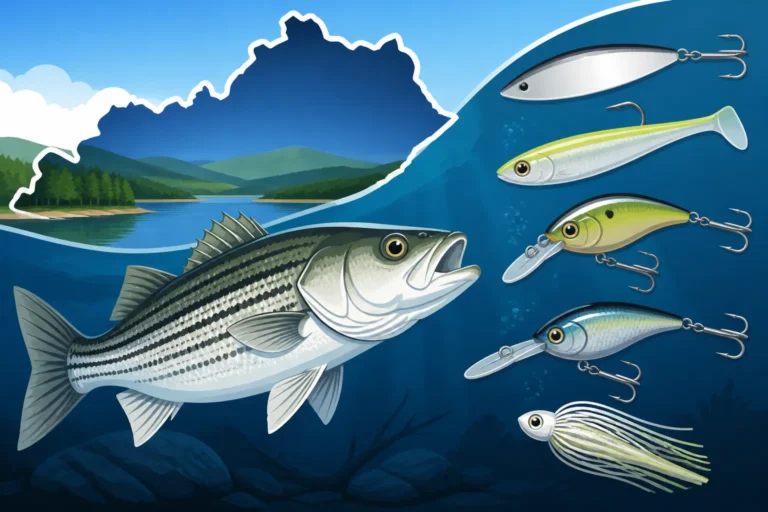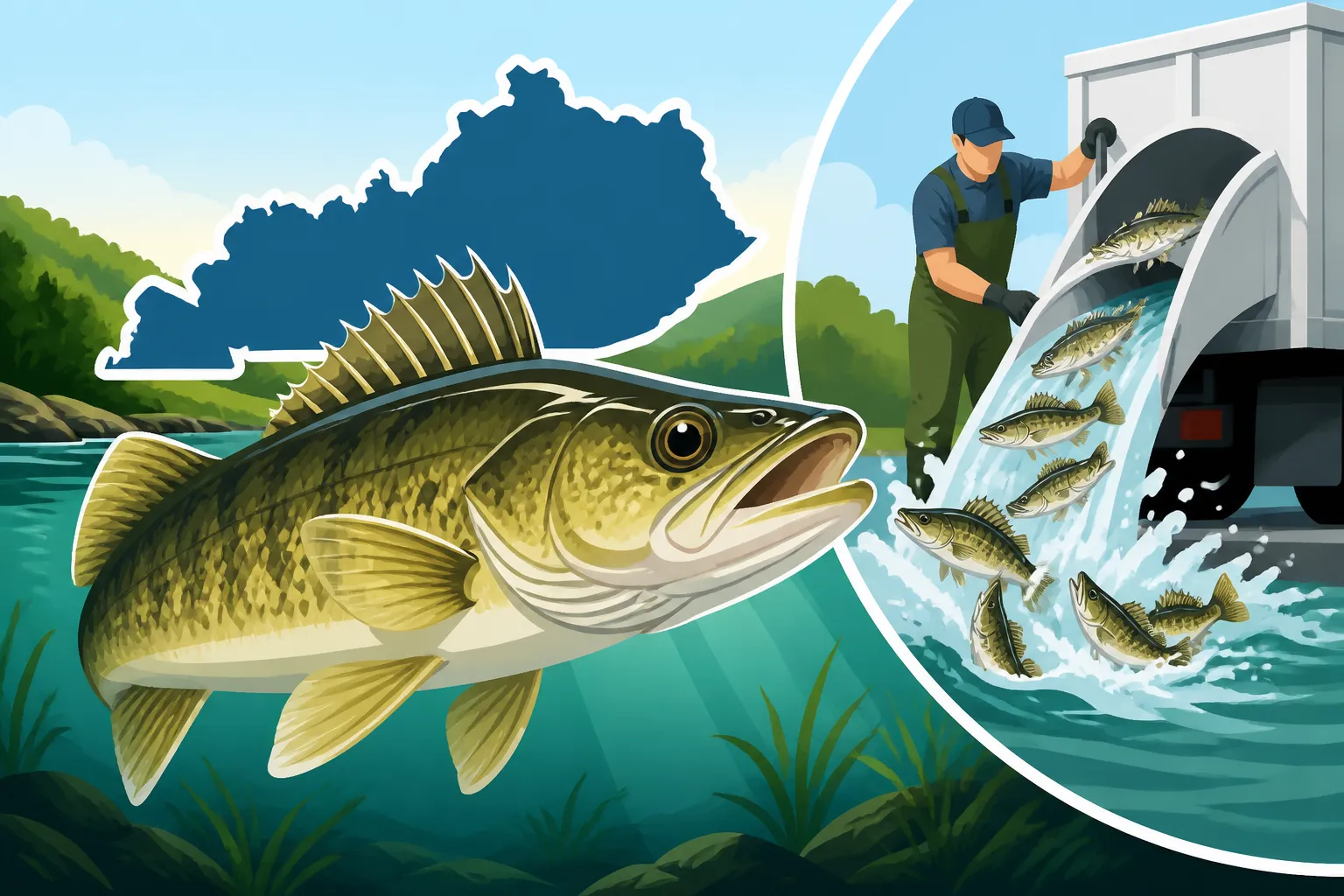
Kentucky’s Saugeye Stocking Program Explained
Many anglers hear the term "saugeye" and scratch their heads, wondering if it's a real fish or just a made-up name. Or maybe they've caught one and loved the fight, but aren't quite sure where it came from or why Kentucky lakes seem to have them. This guide is here to unravel the mystery of Kentucky's saugeye, diving deep into what these unique fish are, why our state's fisheries managers love them, and how the stocking program ensures more of these feisty hybrids end up on your line.
What Exactly is a Saugeye? Understanding the Hybrid Appeal
It's common to hear anglers on the water debate whether they've caught a walleye, a sauger, or something else entirely. The saugeye often throws people for a loop, and for good reason! It’s not a naturally occurring species in most of Kentucky's waters, but rather a carefully managed hybrid that brings together some of the best qualities of its parent fish. Think of it as a super-fish, bred for specific reasons that benefit both our aquatic ecosystems and, most importantly, us anglers!
The Walleye-Sauger Hybrid Explained
At its heart, a saugeye is a cross between a female walleye and a male sauger. These two species, while related and often found in similar waters, have distinct characteristics. Walleye are known for their larger size, delicious flaky white meat, and preference for cooler, clearer waters. Sauger, on the other hand, tend to be smaller but are incredibly hardy and tolerant of more turbid (cloudy) river systems. When you combine them, you get the saugeye: a fish that generally grows faster than a sauger, is more tolerant of warmer, murkier water than a walleye, and offers an exciting fight.
Identifying a saugeye can be a fun challenge, but there are a few tell-tale signs. Unlike a walleye, which has a distinct white tip on its tail fin, a saugeye's tail usually has irregular blotches or spots without a clear white margin. They also typically have more distinct dark spots on their dorsal (top) fin, much like a sauger. However, these spots often form broken, worm-like patterns, not the perfectly aligned stripes you might see on a pure sauger. The body shape tends to be more elongated than a walleye, but still beefier than a typical sauger.
The creation of these hybrids isn't left to chance in the wild. While some natural hybridization can occur, the saugeye in Kentucky are primarily the result of intentional, managed breeding programs. Fisheries biologists collect eggs from walleye and milt from sauger, carefully cross-fertilize them, and then raise the resulting fry in controlled hatchery environments. This ensures a consistent supply of healthy young saugeye ready for stocking. It's a scientific process designed to give us the best of both worlds in our lakes and rivers.
Why Saugeye are So Popular with Anglers
So, why go through all this effort to create and stock a hybrid fish? Simple: anglers absolutely love them, and for very good reasons! Saugeye offer a fantastic blend of sport and table fare that appeals to a wide range of fishing enthusiasts. They grow quickly, often reaching keeper size faster than some other game fish, meaning a quicker return on investment for stocking efforts and more opportunities for anglers to take home a meal.
From a fighting perspective, saugeye are known for their aggressive strikes and strong, sustained runs. They're not shy, and when you hook into one, you know you've got a formidable opponent on the other end of the line. This makes them a thrilling target for both bait anglers and those who prefer casting artificial lures. Whether you're trolling a crankbait, jigging vertically, or casting a soft plastic, a saugeye will often hit with a solid thud, making the experience all the more rewarding.
And let's not forget the dinner plate. Saugeye are highly prized for their mild, flaky, white meat, which many anglers consider on par with, or even superior to, their walleye parents. They're incredibly versatile in the kitchen, lending themselves well to pan-frying, baking, or even grilling. Because of their fast growth and excellent eating quality, saugeye provide a wonderful opportunity for a sustainable harvest, allowing anglers to enjoy their catch without undue pressure on other fish populations. It's truly a win-win situation for recreational anglers across the state.
The Why Behind Kentucky's Saugeye Stocking Program
Kentucky's diverse waterways present both incredible opportunities and unique challenges for fisheries management. From vast reservoirs to winding rivers, each body of water has its own characteristics that dictate what fish species will thrive. The decision to implement and continue a saugeye stocking program isn't arbitrary; it's a strategic move by our wildlife agencies to enhance fishing experiences and maintain healthy aquatic ecosystems where other species might struggle.
Filling a Niche in Diverse Fisheries
One of the primary reasons for stocking saugeye is their ability to thrive in environments that might not be ideal for either pure walleye or sauger. Walleye, while popular, often struggle in some of Kentucky's warmer, more turbid reservoir systems that lack extensive rocky shoals or cooler deep-water habitat. Sauger, on the other hand, do well in rivers but typically don't reach the larger sizes that make for trophy catches or substantial meals. The saugeye bridges this gap beautifully.
These hybrid fish possess a remarkable adaptability, inheriting a bit of their sauger parent's resilience to murkier water and higher temperatures, combined with the walleye's potential for larger growth. This means saugeye can populate lakes and rivers where walleye stocking might prove inefficient due to poor survival rates, or where sauger simply wouldn't grow large enough to be a significant sportfish. They fill an ecological niche, effectively utilizing food sources and habitats that might otherwise be underutilized by other desirable game fish. It's all about making the most of our waters.
By introducing saugeye, fisheries managers can create robust populations in water bodies that might not naturally support a strong walleye or sauger fishery. This intelligent stocking ensures that anglers have a wider variety of exciting fish to target across the state, even in reservoirs with fluctuating water levels or higher summer temperatures. It’s a testament to thoughtful management, turning what could be marginal habitats for some species into vibrant saugeye havens.
Boosting Fishing Opportunities for Anglers
Ultimately, the goal of any stocking program is to provide more and better fishing opportunities for the public, and the saugeye program excels at this. Anglers across Kentucky appreciate the chance to target a fish that offers both a spirited fight and excellent table fare. Without the stocking program, many of our favorite fishing destinations simply wouldn't have a viable walleye or sauger-type fishery, leaving a void for those who enjoy these toothy predators.
Imagine spending a day on a Kentucky lake, patiently working your lures, only to realize that the target species you're hoping for just isn't present in significant numbers due to environmental limitations. This is a frustration our fisheries managers actively work to prevent. By consistently stocking saugeye, they ensure that regardless of a specific lake's characteristics, there's a strong chance of encountering a healthy population of these exciting hybrids. This consistent availability encourages more people to get out on the water, spend time fishing, and enjoy the great outdoors. Check out Kentucky Fishing License Guide to ensure you're ready to hit the water.
Furthermore, the saugeye stocking program often helps to diversify the fishing pressure on other popular species like largemouth bass or crappie. When anglers have multiple desirable species to target, it can spread out the effort, reducing stress on any single fish population. This balanced approach is crucial for maintaining the overall health and sustainability of our fisheries. It's a strategic way to keep everyone happy: more fish for anglers and healthier populations for the long term.
How the Stocking Program Works Behind the Scenes
The saugeye stocking program isn't just a matter of dumping fish into a lake. It's a sophisticated, year-round operation involving skilled biologists, dedicated hatchery staff, and careful planning. From the initial spawning efforts to the final release into Kentucky's waterways, every step is meticulously managed to ensure the highest survival rates and the best outcomes for anglers. It's a remarkable process that often goes unnoticed by those of us simply enjoying the fruits of their labor.
Where Saugeye Come From: Hatchery Operations
The journey of a saugeye destined for a Kentucky lake begins in a state fish hatchery. Here, fisheries biologists and technicians work to collect eggs from walleye and milt from sauger during their spawning seasons. This delicate process ensures the genetic purity of the parent fish and the viability of the future saugeye. The fertilized eggs are then carefully incubated in controlled environments, mimicking the natural conditions necessary for hatching.
Once hatched, the tiny saugeye fry, barely visible to the naked eye, are moved to rearing ponds or specialized tanks. Here, they are fed a nutrient-rich diet and protected from predators, allowing them to grow rapidly in a safe environment. This nursery phase is critical, as young fish are incredibly vulnerable. Hatchery staff monitor water quality, temperature, and fish health constantly to minimize disease and maximize growth. The goal is to get these young fish past their most fragile stage before they're introduced into the wider world.
As the saugeye grow to a fingerling size – typically a few inches long – they become much hardier and better equipped to survive in natural environments. This is the stage when they are ready for release. The entire hatchery operation is a massive undertaking, requiring significant resources and expertise, but it's a vital part of providing sustainable fishing opportunities. For more details on the big picture, see our Kentucky Fishing License Guide.
Key Stocking Locations and Timing
The selection of where and when to stock saugeye is based on extensive scientific research and ecological considerations. Biologists analyze water quality, available habitat, existing fish populations, and angler demand for various lakes and river systems across Kentucky. Not every lake is suitable for saugeye, so decisions are made to optimize the chances of survival and growth. Larger reservoirs with a good mix of open water and structure, and often with some turbidity, tend to be prime candidates.
Stocking typically occurs in the spring or early summer when water temperatures are favorable, and the young saugeye have the best chance of acclimatizing to their new environment. Releasing fish that are a few inches long, rather than just hatched fry, significantly increases their survival rates, as they are less susceptible to predation from larger fish and birds. These fingerlings are transported in specialized tanks with aerated water to their destination lakes, where they are carefully released at multiple access points. You might even see a stocking event happening if you're out fishing at the right time!
Popular lakes that have historically benefited from saugeye stocking include major reservoirs like Taylorsville Lake, Green River Lake, and Guist Creek Lake. These lakes offer the right combination of habitat and food sources for saugeye to thrive and grow into impressive sportfish. Understanding which lakes receive saugeye can significantly inform your fishing plans, giving you a better chance of targeting these exciting hybrids. Knowledge of these specific locations can be a game-changer for your fishing success.
Monitoring and Management for Success
The work doesn't stop once the saugeye are released. A critical component of the stocking program is ongoing monitoring and management. Fisheries biologists regularly conduct surveys using electrofishing, netting, and angler creel surveys to assess the health and size of saugeye populations in stocked waters. They track growth rates, age structure, and overall abundance to determine if the stocking efforts are yielding the desired results. This data is invaluable for fine-tuning future stocking decisions.
For example, if surveys indicate that saugeye are not growing as expected in a particular lake, biologists might adjust stocking numbers, timing, or even consider alternative species. Conversely, if a program is highly successful, they might continue or even increase stocking levels to further enhance the fishery. This adaptive management approach ensures that resources are used effectively and that the program remains responsive to the needs of both the fish and the anglers. You can often find updates on these efforts on the Kentucky Department of Fish and Wildlife Resources website.
Management also extends to setting appropriate fishing regulations, such as size and creel limits. These rules are designed to protect saugeye populations from overfishing while still allowing anglers to harvest fish. Biologists use the monitoring data to inform these regulations, ensuring they are scientifically sound and promote long-term sustainability. For instance, you can find information about specific lake rules in our article Kentucky Fishing Rules by Lake and Water. Without this continuous cycle of stocking, monitoring, and adapting, the saugeye fishery wouldn't be nearly as robust and productive as it is today.
What This Means for Your Next Fishing Trip
Understanding Kentucky's saugeye stocking program isn't just interesting trivia; it's practical knowledge that can genuinely enhance your fishing success. Knowing what these fish are, where they thrive, and why they're stocked allows you to approach your fishing trips with more confidence and a better strategy. If you've been curious about targeting saugeye, or simply want to know if they're in your favorite lake, this information is your guide.
Targeting Saugeye in Stocked Waters
When you know a lake is regularly stocked with saugeye, your entire approach to fishing can change for the better. These fish are predators, and while they might feed differently than a largemouth bass, they are aggressive and respond well to a variety of lures and baits. Given their walleye parentage, they often prefer deeper water and relate strongly to structure, especially during the day. Think humps, points, submerged roadbeds, and creek channels.
Effective techniques for saugeye often include vertical jigging, especially with spoons, blade baits, or soft plastics tipped with minnows. Trolling crankbaits that dive to the depth where saugeye are holding is another highly successful method, particularly in open water. Live bait, such as minnows or nightcrawlers fished on a slip-sinker rig or under a bobber, can also be incredibly effective. Remember, saugeye often have excellent vision in low light, so dawn, dusk, and even night fishing can be prime times. For specific bait suggestions, check out Best Lures for Sauger Fishing Below Dams, many of which apply to saugeye as well.
It's also worth noting that saugeye often school, so if you catch one, there's a good chance more are in the vicinity. Pay attention to your fish finder if you have one; saugeye often show up as distinct arches near the bottom or suspended over structure. Don't be afraid to experiment with different depths and presentations until you crack the code for that particular day. Their aggressive nature means they're usually willing to bite if you present something appealing in their strike zone.
Understanding Regulations for Saugeye
Just like any other game fish in Kentucky, saugeye are subject to specific fishing regulations that anglers must follow. These rules are put in place to ensure the sustainability of the saugeye population and to provide fair opportunities for all anglers. It’s absolutely critical to be aware of the current size and creel limits for saugeye in the waters you plan to fish, as these can vary not only by species but also by specific lake or river system. Getting caught fishing without adhering to these rules can result in penalties. Check Penalties for Fishing Without a License in Kentucky for a sense of potential repercussions for rule breaking.
Generally, you'll find statewide regulations for saugeye, but some lakes might have special regulations due to specific management goals. For instance, a lake known for producing larger saugeye might have a higher minimum size limit, or a lake with a particularly abundant population might have a more liberal daily creel limit. Before you head out, always consult the most current Kentucky Fishing and Boating Guide, available online through the Kentucky Department of Fish and Wildlife Resources or wherever fishing licenses are sold.
Keeping a small ruler or measuring tape handy is always a good idea when fishing for saugeye, or any fish with a size limit. Misjudging a fish's length can lead to unintended violations. Being a responsible angler means not only enjoying the catch but also understanding and respecting the rules that protect our valuable fisheries resources. Your diligence helps ensure that the saugeye stocking program continues to provide fantastic fishing for years to come.
Here's a quick look at some of the key stocked lakes in Kentucky where you might find saugeye:
| Lake Name | Region of Kentucky | Primary Target Species | Notes on Saugeye Fishery |
|---|---|---|---|
| Taylorsville Lake | Central | Bass, Crappie, Saugeye | Known for strong saugeye populations, good for trolling. |
| Green River Lake | South Central | Bass, Crappie, Saugeye | Good saugeye fishing, especially around creek channels. |
| Guist Creek Lake | Central | Bass, Crappie, Saugeye | Smaller lake, but often provides excellent saugeye opportunities. |
| Rough River Lake | West Central | Bass, Crappie, Saugeye | Managed saugeye fishery, popular for boat fishing. |
| Cedar Creek Lake | East Central | Bass, Crappie, Saugeye | Provides saugeye opportunities in a smaller setting. |
| Barren River Lake | South Central | Bass, Crappie, Saugeye | Stocked to diversify the fishery alongside other popular species. |
Disclaimer
This article is for general informational purposes only and does not constitute professional advice. Laws, prices and regulations vary by location and change over time. Consult a qualified professional for guidance on your specific situation.