Best Season for Largemouth Bass Fishing on Kentucky Lake
It can be incredibly frustrating to hit Kentucky Lake with high hopes of reeling in some big largemouth bass, only to find the bite completely shut down. We've all been there, wondering if we chose the wrong day, the wrong spot, or simply the wrong time of year. Knowing the best season for largemouth bass fishing on Kentucky Lake isn't just about calendar dates; it's about understanding the nuances of fish behavior, water conditions, and forage patterns throughout the year. This comprehensive guide will break down what to expect from largemouth bass on Kentucky Lake in every season, helping you plan your trips for maximum success and fewer disheartening days.
Understanding Kentucky Lake's Largemouth Bass Seasons
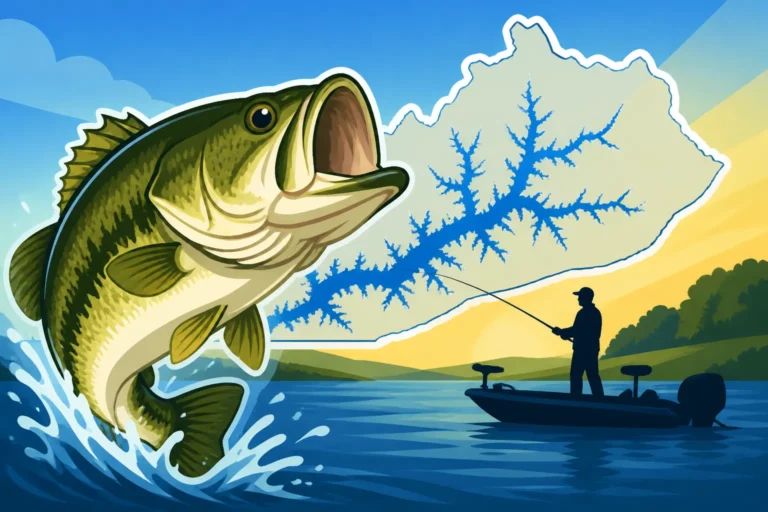
Kentucky Lake, a massive reservoir spanning both Kentucky and Tennessee, is renowned as one of the premier bass fishing destinations in the country. Its expansive waters, diverse cover, and abundant forage create an ideal habitat for largemouth bass, but their behavior changes dramatically with the seasons. What works in April certainly won't work in August, and understanding this annual rhythm is the key to consistent catches.
The Annual Cycle of Bass Activity
Largemouth bass are highly responsive to environmental changes, particularly water temperature and day length. These factors dictate their metabolism, their need to feed, and their reproductive cycles. As the water warms in spring, bass become more active, moving from their deep wintering holes to shallower spawning areas. Summer sees them seeking cooler, deeper water or retreating to dense cover during the heat of the day. In the fall, they go on a feeding frenzy, packing on reserves for the leaner winter months. Come winter, their metabolism slows, and they become more lethargic, often congregating in specific deep-water locations. Ignoring this natural cycle is like trying to guess the winning lottery numbers; you might get lucky, but it's not a reliable strategy.
Every season presents its unique challenges and opportunities. For instance, the sheer size and depth of Kentucky Lake mean that bass might be in different phases of their annual cycle in different parts of the lake simultaneously, depending on localized temperatures and depth. A sheltered bay might warm up faster than the main lake, triggering an earlier spawn, for example. Being aware of these subtle variations can give you a significant advantage. This intimate connection between the seasons and bass behavior is what makes Kentucky Lake such a dynamic fishery.
Factors Influencing the Best Bite
Beyond the general seasonal shifts, several specific factors play a critical role in determining when and where largemouth bass will be most active on Kentucky Lake. Water temperature is arguably the most dominant, signaling everything from feeding frenzies to spawning migrations. Optimal feeding temperatures for largemouth bass typically fall between 65-75 degrees Fahrenheit, though they will feed in colder and warmer water. Lake levels, which can fluctuate on Kentucky Lake due to dam operations, also impact bass location, pushing them into or pulling them out of certain cover and structure. Current, especially around the main river channel, can position bass in ambush points where they wait for baitfish to be swept by.
Baitfish activity is another huge factor. When shad and other forage species are abundant and active, bass will follow them closely. Understanding the seasonal movements of baitfish, whether they're schooling in open water or hiding in shallow cover, is paramount. Weather patterns, including fronts, rainfall, and wind, can also dramatically affect the bite. A strong cold front, for example, can send active bass into a state of shock, making them lethargic and unwilling to bite for days. Conversely, a stable period of warm, cloudy weather can trigger an aggressive bite. Anglers who pay attention to these variables, rather than just the calendar, are often the ones consistently finding fish. For more on the lake itself, check out Kentucky Lake: The State's Top Bass Fishing Destination.
Spring: The Pre-Spawn and Spawn Frenzy
For many Kentucky Lake anglers, spring is hands down the most anticipated and often the most productive season for largemouth bass. The water begins to warm, the fish become increasingly active, and the anticipation of the spawn builds to a fever pitch. This period offers some of the best opportunities for catching both high numbers of bass and trophy-sized fish.
Early Spring Transition and Pre-Spawn Patterns
As winter loosens its grip and water temperatures begin to climb into the upper 40s and 50s, largemouth bass start their migration from deep wintering holes to shallower staging areas. This is the pre-spawn period, a time when bass are actively feeding to build up energy reserves for the upcoming spawn. They'll often stage on points, creek channel bends, and secondary drops leading into spawning coves. Look for areas with a good mix of deeper access and emerging shallow cover.
During this early spring transition, bass can be found anywhere from 5 to 20 feet deep, depending on the water temperature and clarity. They're often grouped up, making it possible to catch multiple fish from one spot if you locate a productive area. Lures that mimic baitfish, like crankbaits, jerkbaits, and Alabama rigs, can be incredibly effective as bass are looking for substantial meals. Jigs and slow-moving plastics are also great choices for coaxing bites from hesitant fish. Don't be afraid to experiment with different depths and retrieve speeds until you dial in what the fish want. Checking the local reports for Best Lures for Early Spring Fishing can give you a head start.
The Excitement of the Spawn Period
Once water temperatures consistently reach the low to mid-60s, typically from April into May, the largemouth bass spawn kicks into high gear on Kentucky Lake. This is arguably the absolute best time for targeting big bass, as they move into shallow, protected coves and pockets to build and guard their nests. You'll find them around docks, submerged timber, brush piles, and shallow weed lines, often in less than 5 feet of water. This is where sight fishing can become a popular tactic if the water clarity allows, letting you spot and target individual fish on their beds.
During the spawn, male bass are aggressively protecting the nest, making them vulnerable to a variety of presentations. Soft plastics like lizards, tubes, and creature baits pitched or flipped into bedding areas can draw powerful strikes. Weightless wacky-rigged worms can also be deadly. While the focus is often on males, some larger females can be caught before or after they drop their eggs. It's crucial during this time to practice ethical angling, releasing bedding bass quickly to ensure they can return to protect their eggs and fry. For more detailed insights, you might want to look at Kentucky Bass Fishing: The April-May Peak Season.
Post-Spawn Recovery and Feeding
After the rigors of spawning, both male and female bass enter a post-spawn recovery phase. Females, especially, are often exhausted and thin, taking some time to recuperate before actively feeding again. They will typically move to slightly deeper water near the spawning areas, such as the first available drop-off or submerged timber, where they can rest and ambush passing baitfish without expending too much energy. This period, usually late May into June, can be a bit tougher than the pre-spawn or spawn, as bass are not as aggressively concentrated.
However, as they recover, bass begin to feed heavily to regain their strength. They'll often target smaller, easy meals. Spinnerbaits, ChatterBaits, and topwater lures fished around cover near deeper water can be very effective. As the water warms further, they'll often follow schools of baitfish, especially shad, out towards main lake points and humps. This is a time when understanding the forage movement is key. The bite can be sporadic, but when you find a group of actively feeding post-spawn bass, the action can be fast and furious.
Summer: Deep Water and Early Morning Bites
When the Kentucky summer truly sets in, bringing with it scorching temperatures and stable high-pressure systems, largemouth bass on Kentucky Lake make a significant shift. The easy shallow water bites of spring become less consistent, and anglers need to adapt their strategies to find success.
Dealing with Summer Heat and Thermoclines
Summer fishing on Kentucky Lake is often characterized by very warm surface temperatures, which can make shallow water less comfortable for bass during the brightest parts of the day. As a result, many bass will retreat to deeper, cooler water. This is where understanding the lake's thermocline becomes crucial. The thermocline is a layer of water where the temperature changes rapidly with depth, and it's often where you'll find the most oxygen and baitfish, making it a prime location for bass. On Kentucky Lake, this thermocline might set up anywhere from 10 to 25 feet deep, varying throughout the summer.
Targeting bass in summer means focusing on offshore structures like ledges, humps, deep points, and submerged roadbeds or creek channels. Electronics become invaluable for locating these subtle breaks and identifying schools of baitfish or bass congregating around them. Drop shots, deep-diving crankbaits, large football jigs, and Carolina rigs are go-to presentations for these deep-water scenarios. Anglers often look to popular online retailers like Amazon to stock up on the heavier weights and specific lures needed for this type of fishing. Don't be afraid to fish slowly and thoroughly, as summer bass can be less willing to chase.
Targeting Structure and Night Fishing Opportunities
While many bass go deep during the day, some will remain in shallower water, particularly if there's dense cover offering shade and ambush points. Docks, thick mats of vegetation, and heavy timber in slightly deeper coves can hold bass even in the summer heat. Flipping and pitching jigs or heavy Texas-rigged plastics into this dense cover can be a highly effective, albeit challenging, technique. These fish are often territorial and will strike aggressively if you put an offering right on their nose.
However, perhaps one of the most exciting aspects of summer largemouth fishing on Kentucky Lake is the opportunity for night fishing. As the sun sets and surface temperatures cool, bass will often move shallower to feed under the cover of darkness. This can lead to explosive topwater action, especially around lighted docks where baitfish are attracted. Jigs, spinnerbaits, and dark-colored soft plastics retrieved slowly can also be very productive. Night fishing offers a break from the heat and can be a fantastic way to catch some of Kentucky Lake's bigger bass when they're most comfortable. Best Catfish and Paddlefish Gear for Kentucky's Ohio River might not be bass-specific, but the principles of night fishing gear can overlap!
Fall: The Feeding Binge Before Winter
As the oppressive heat of summer gives way to cooler temperatures and shorter days, Kentucky Lake's largemouth bass begin their annual autumn feeding binge. This is a fantastic time to be on the water, as bass become incredibly active and aggressive, trying to pack on as much weight as possible before winter arrives.
Autumn Turnover and Forage Migration
The fall season on Kentucky Lake is marked by a process called turnover. As the surface water cools, it becomes denser and sinks, mixing with the deeper, warmer water below. This can temporarily disrupt fish activity as the water column mixes, but once complete, it often revitalizes the lake, distributing oxygen and nutrients more evenly. Following turnover, water temperatures gradually drop, signaling to bass that it's time to feed aggressively.
Crucially, baitfish like shad also begin to school up more tightly and move into creeks and coves, following the changing water temperatures and seeking refuge. Largemouth bass will closely follow these baitfish schools, creating prime opportunities for anglers. Look for schools of baitfish on your electronics, or watch for schooling activity on the surface. Where there are shad, there will almost certainly be bass. This is a time when reaction baits excel, as bass are willing to chase down a meal. Understanding How Fish Behavior Changes From Summer to Fall is key to success.
Locating Active Bass in Cooler Waters
During the fall, bass can be found in a variety of depths, making it important to cover water efficiently. Early fall might still see bass around deeper offshore structure, but as the water continues to cool, they will increasingly push into creek arms, shallow flats, and main lake points where baitfish are abundant. Targeting areas with standing timber, brush piles, and rock piles that offer ambush points along these migration routes can be highly productive.
Lipless crankbaits, spinnerbaits, buzzbaits, and topwater walking baits can all be incredibly effective for enticing aggressive fall bass. For slightly deeper water, a football jig or a swimbait can draw big strikes. This is a season where versatility pays off; you might start the day with a topwater bait in the shallows and end it dragging a jig on a deep point. Keep an eye on the water temperature; as it drops below 60 degrees, bass may start to slow down a bit, signaling the transition towards winter patterns. Anglers often find great deals on a variety of lures for fall fishing from trusted sellers on Amazon.
Winter: Slow and Steady Tactics
Winter fishing for largemouth bass on Kentucky Lake might not offer the same fast-paced action as spring or fall, but it can be incredibly rewarding for those willing to adapt their techniques. While bass are less active, they often congregate in specific areas, making them predictable if you can locate them.
Deep Water Presentation for Cold Bass
As water temperatures on Kentucky Lake drop into the 40s and low 50s, largemouth bass become much more lethargic. Their metabolism slows down significantly, and they are less willing to chase down a meal. During this time, bass will typically move to deep wintering holes, often congregating in large schools around the main river channel, deep creek channels, bluff walls, and submerged structure like old bridge foundations or timber stands. These areas offer stable temperatures and protection from strong currents.
Successful winter fishing demands a slow, methodical approach. Vertical jigging spoons, blade baits, and heavy shaky head or drop shot rigs are excellent choices for presenting a bait directly to sluggish bass holding tight to structure. Often, the strike will feel like a slight "thump" or simply added weight on your line, so paying close attention to your line and rod tip is critical. Patience is a virtue in winter bass fishing; you might not get many bites, but the ones you do get can often be quality fish. For general regulation info, check out Kentucky Fishing Regulations Explained.
Finding Warmer Pockets and Isolated Structure
While deep water is the primary focus for winter bass, there are exceptions. On sunny days, particularly after a few consecutive mild days, some bass might move to shallower, sun-warmed areas, especially dark-bottomed pockets or sheltered coves that receive direct sunlight. These spots can warm up a few degrees more than the main lake, which can be enough to spur a brief feeding window. Small crankbaits, jerkbaits, or even suspending stickbaits can be effective in these situations.
Another key is to look for isolated cover or structure within these deeper wintering areas. A single brush pile on a deep ledge, a lone stump on a channel bend, or a unique rock formation can act as a magnet for cold-water bass. Even though bass are schooled up, they often relate to specific pieces of cover within that school. Electronics are your best friend for pinpointing these nuances. Understanding Best Fishing Rods for Largemouth Bass and pairing them with sensitive lines can help detect those subtle winter bites. It's a challenging but deeply satisfying season for dedicated anglers.
Seasonal Summary Table for Kentucky Lake Largemouth Bass
To help you quickly reference the general patterns for largemouth bass on Kentucky Lake throughout the year, here's a handy table summarizing the key characteristics of each season. Remember, these are general guidelines, and local conditions can always vary.
| Season | Typical Water Temps (F) | Bass Behavior | Primary Locations | Effective Lures/Techniques | Key Challenge |
|---|---|---|---|---|---|
| Spring | 50s-70s | Pre-spawn feeding, spawning, post-spawn recovery | Shallow coves, points, creek channels | Crankbaits, jerkbaits, jigs, plastics, spinnerbaits, topwater | Timing the spawn phase correctly |
| Summer | 70s-90s | Deep structure, seeking cool water, night feeding | Offshore ledges, humps, deep cover, lighted docks | Deep crankbaits, jigs, Carolina rigs, drop shots, topwater (night) | Finding active fish in the heat, dealing with boat traffic |
| Fall | 60s-40s | Aggressive feeding, following baitfish | Creek arms, main lake points, shallow flats | Lipless crankbaits, spinnerbaits, buzzbaits, jigs, swimbaits | Locating moving baitfish schools |
| Winter | 30s-40s | Lethargic, deep schooling | Main river channel, deep creek channels, bluff walls | Vertical jigs, blade baits, shaky heads, drop shots, suspending jerks | Detecting subtle bites, finding concentrated fish |
Ultimately, while each season offers its unique opportunities, spring (especially the pre-spawn and spawn periods) is often considered the best season for largemouth bass fishing on Kentucky Lake due to the high activity levels and concentration of fish. However, consistent success year-round comes from continuously adapting your strategies to the ever-changing conditions of this magnificent fishery.
Disclaimer
This article is for general informational purposes only and does not constitute professional advice. Laws, prices and regulations vary by location and change over time. Consult a qualified professional for guidance on your specific situation.