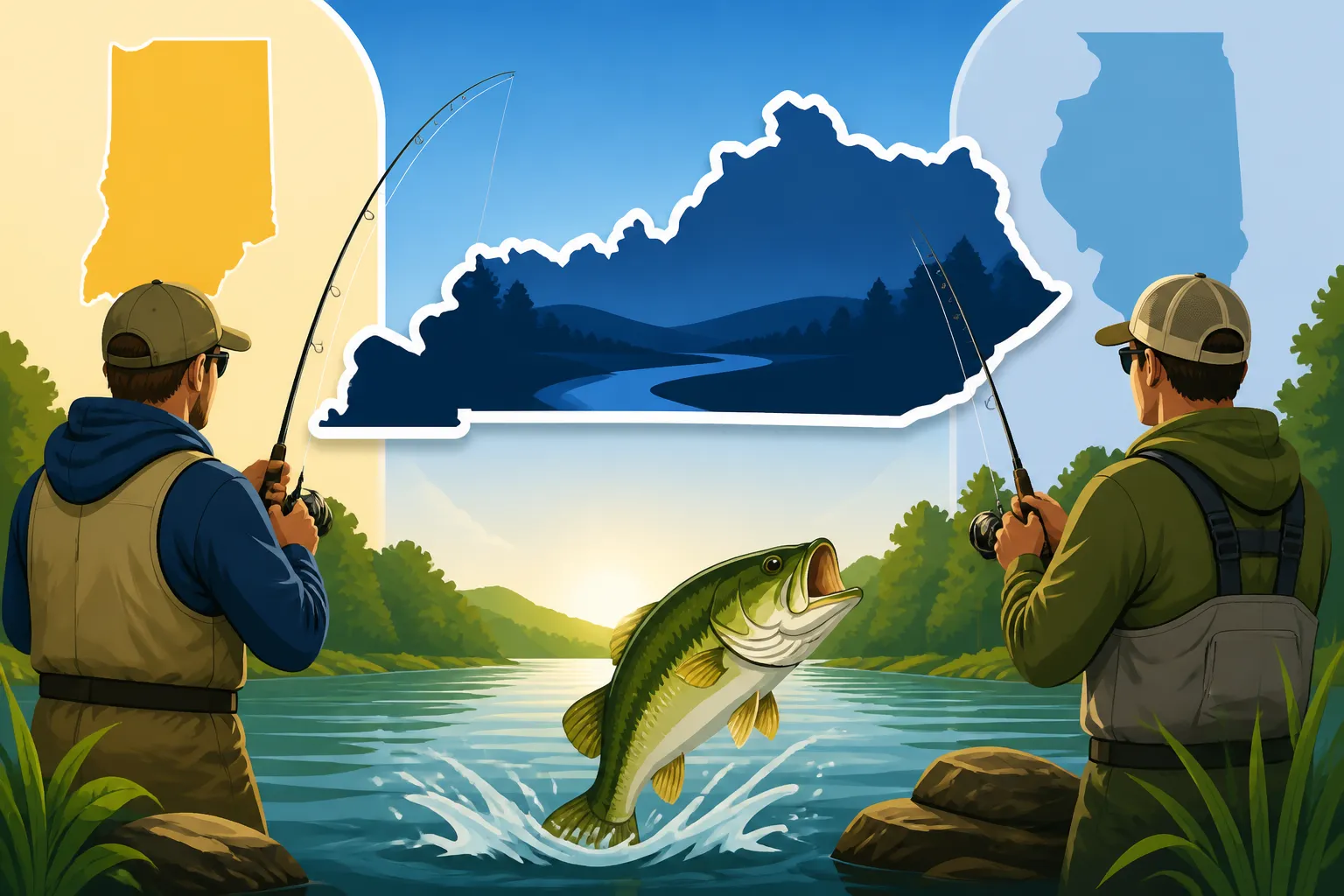
Indiana and Illinois Anglers Fishing Kentucky Waters
It’s a common scenario: you live in Indiana or Illinois, the fish are biting just across the river or lake in Kentucky, and you think, "Surely, my home state license covers me, right?" Or maybe you're planning a trip and are completely bewildered by the different state lines, river boundaries, and whether you need one license, two, or none at all. The truth is, navigating interstate fishing regulations can be incredibly frustrating and confusing, leading to unnecessary stress and even potential fines. This guide is here to untangle that web for Indiana and Illinois anglers, giving you clear, actionable information so you can cast your line in Kentucky waters with confidence.
Understanding Kentucky's Fishing License Requirements for Out-of-State Anglers
Let's cut right to the chase because this is where most of the confusion starts. When you’re an angler from Indiana or Illinois looking to fish in Kentucky, the fundamental rule is pretty straightforward, but it has important nuances, especially on border waters. Kentucky's fish and wildlife resources are managed by the Kentucky Department of Fish and Wildlife Resources (KDFWR), and they have a clear stance on who needs a license to enjoy their abundant waters.
The Basic Rule: Nonresidents Need a Kentucky License
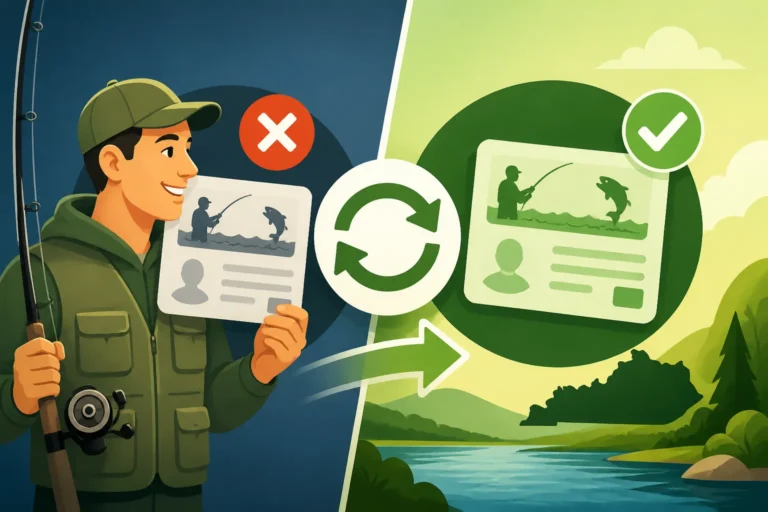
Simply put, if you are not a resident of Kentucky, and you plan to fish in any of Kentucky’s public waters, you are going to need a Kentucky fishing license. This isn't unique to Kentucky; most states operate this way to fund their conservation efforts and manage their fisheries effectively. It doesn’t matter if you're standing on the bank, fishing from a boat, or even using a kayak – if your line is in Kentucky water, you need that license in your pocket, or at least a digital copy easily accessible on your phone.
Imagine you're an Indiana resident on a fishing trip with friends from Louisville. They've got their Kentucky resident licenses, no problem. You, however, need to secure your own Kentucky permit. Thinking your Hoosier state license covers you because you're "close to home" or "only crossing the river for a bit" is a common but costly mistake. The law is quite explicit here. This applies whether you're targeting bass on Kentucky Lake, chasing crappie in Lake Barkley, or casting for catfish on the Ohio River. The same goes for our Illinois friends looking to explore Kentucky's western waters. It's truly about the water you're fishing in, not where you call home. For a complete overview, check out our guide on the Kentucky Fishing License Guide.
Why Border State Agreements are Tricky
This is where the plot thickens, and the frustration for many border-state anglers really sets in. While some states have full reciprocity agreements, meaning your home state license might be valid on shared border waters, Kentucky has very specific, and somewhat limited, agreements. For Indiana and Illinois anglers, particularly concerning the Ohio River, these agreements are often misunderstood or simply don't exist as broadly as one might hope.
Historically, there have been various discussions and limited agreements regarding shared waterways. However, as of now, Kentucky generally requires its own license for fishing within its defined waters, even on sections of shared rivers like the Ohio. This means that even if you’re fishing from the Indiana bank or a boat launched from Illinois, if your lure drifts into what Kentucky considers its jurisdiction, you need a Kentucky license. This can feel like a bureaucratic headache, especially when the river looks the same on both sides, but state boundaries often extend to the midpoint of a river, or even to the low water mark on the opposite shore in some historical cases. It's paramount to understand these jurisdictional lines to avoid penalties. Many anglers assume that because the Ohio River forms a border, it's a free-for-all, but that's simply not the case. It's a key reason why a clear understanding of the Kentucky Fishing Regulations Explained is so vital for anyone crossing state lines.
Specific Scenarios for Indiana Anglers on the Ohio River
For our neighbors in Indiana, the Ohio River is often the main point of interaction with Kentucky waters. It's a fantastic fishery, teeming with catfish, bass, and sauger, but it's also a hotbed for licensing confusion due to the interstate boundary. Let's dive into what you need to know to stay legal while chasing those big river fish.
Navigating the Ohio River: Indiana vs. Kentucky Side
The Ohio River boundary can be a real head-scratcher. For the most part, the boundary between Kentucky and Indiana on the Ohio River is actually the low-water mark on the Indiana side of the river. This means, legally, almost the entire river, from bank to bank, is considered Kentucky water. Yes, you read that right. While you might be able to launch a boat from an Indiana ramp, or fish directly from an Indiana riverfront park, the vast majority of the river itself falls under Kentucky’s jurisdiction.
This setup means that virtually any fishing activity conducted on the water of the Ohio River, between Kentucky and Indiana, requires a Kentucky fishing license. Even if you're anchored right next to the Indiana shoreline, if your lines are in the water, you need a Kentucky license. This often catches Indiana anglers off guard. Imagine you're fishing near Louisville from the Indiana side, say, from Jeffersonville or New Albany. You might think you're safe, but a Kentucky game warden could still approach you and ask for your Kentucky license. This rule has been in place for a long time and is a significant point of contention for many Hoosier State anglers. Therefore, if your fishing plans involve the Ohio River at all, assume you need a Kentucky license. Don't risk a ticket for the sake of an inexpensive daily or annual permit.
Common Misconceptions for Indiana Residents
Many Indiana anglers arrive at the river with incorrect assumptions, leading to unnecessary penalties. One of the biggest misconceptions is that a valid Indiana fishing license grants you reciprocal privileges on the Ohio River. While such agreements exist for other states on different bodies of water, Kentucky does not have a comprehensive reciprocal agreement with Indiana for the Ohio River that allows Indiana license holders to fish Kentucky waters without a Kentucky license.
Another common mistake is believing that if you're only targeting specific species like catfish, the rules might be different. That's simply not true. Kentucky's license requirements apply to all species of fish within its jurisdiction. Furthermore, some anglers assume that if they’re just "recreational fishing" and not "tournament fishing," they might be exempt. Again, this is false. Any angler, regardless of intent or species targeted, must adhere to the state’s licensing laws. The best policy for Indiana residents planning to fish the Ohio River is to always obtain a Kentucky nonresident fishing license beforehand. It eliminates all doubt and ensures a peaceful day on the water, free from the worry of a game warden visit. You can easily find options like a Nonresident 1-Day Fishing License Price in Kentucky if you're just planning a quick trip, or a Nonresident Annual Fishing License Cost in Kentucky if you expect to be a regular visitor.
Specific Scenarios for Illinois Anglers on the Ohio River and Western Waters
Illinois anglers face similar challenges to their Indiana counterparts, particularly on the western stretches of the Ohio River where Kentucky shares a border with Illinois. Additionally, the proximity of iconic fisheries like Kentucky Lake and Lake Barkley, though technically bordering Tennessee, often draws Illinois residents, adding another layer of complexity.
Illinois Anglers on the Ohio River and Mississippi River Confluence
For Illinois anglers, the Ohio River presents the same jurisdictional challenge as it does for Indiana residents. The Kentucky boundary typically extends to the low-water mark on the Illinois side, meaning that for the vast majority of the river, you're fishing in Kentucky waters. This is especially relevant in the confluence area near Paducah, where the Ohio meets the mighty Mississippi. Both are world-class fisheries, but the state lines are crucial.
Consider an angler launching from Fort Massac State Park in Illinois, just across from Paducah. While you're in Illinois when you launch, the moment your boat is on the Ohio River, or you cast your line from the Illinois bank, you are very likely in Kentucky's jurisdiction. Without a Kentucky nonresident fishing license, you would be fishing illegally. This situation often leads to frustration, as the fishing can be phenomenal in these areas, particularly for trophy catfish and paddlefish. Illinois anglers need to be diligent about confirming which state's waters they are in. If there's any doubt, securing a Kentucky license is the safest bet. Remember, ignorance of the law is rarely an excuse that holds up with a game warden.
The Kentucky Lake and Lake Barkley Situation
While Kentucky Lake and Lake Barkley are on Kentucky's western border, they primarily share a border with Tennessee, not directly with Illinois. However, these massive reservoirs are major draws for anglers from Illinois due to their reputation for excellent bass and crappie fishing. If you're an Illinois angler making the drive down to fish these famous waters, the rules are unequivocally clear: you will need a Kentucky fishing license.
There are no special reciprocal agreements for Illinois residents on Kentucky Lake or Lake Barkley. You are entirely within Kentucky's jurisdiction. This means purchasing a standard Kentucky nonresident license is absolutely necessary. Whether you're fishing the countless coves of Kentucky Lake or exploring the expansive waters of Lake Barkley, a Kentucky license is your ticket to a legal and enjoyable trip. These lakes offer incredible opportunities, but don't let a missing license turn your dream trip into a nightmare. You might even consider bundling your license with a specialized permit, like a Kentucky Trout Permit Guide, if you plan on exploring any of the stocked tailwaters or cold-water fisheries in the region. Always check the specific regulations for the body of water you intend to fish, as some lakes, like Lake Barkley, can have unique Lake Barkley Bass Size Limit Exception in Kentucky rules.
Purchasing Your Kentucky Nonresident Fishing License
Alright, so you understand you need a Kentucky fishing license. Now, how do you actually get one? Thankfully, KDFWR has made the process relatively straightforward, offering several convenient ways to secure your permit, whether you're a planner or a last-minute decision-maker.
Online, In-Person, or By Phone: Your Options
Kentucky offers flexibility when it comes to purchasing your fishing license, which is a huge relief for out-of-state anglers.
- Online: This is by far the most convenient option for most nonresidents. You can visit the KDFWR website, navigate to their licensing portal, and purchase your license with a few clicks. You’ll need some basic information, like your name, address, date of birth, and driver’s license number. Once purchased, you can often print a temporary copy immediately or save a digital copy to your phone. This means you can even buy it on your way to the lake if you suddenly decide to fish! Many anglers find this the easiest method, allowing them to get their license from the comfort of their home, even if they're browsing fishing gear on Amazon at the same time. Check out How to Buy a Kentucky Fishing License Online for a step-by-step guide.
- In-Person: If you prefer a more traditional approach or find yourself near a vendor in Kentucky, you can purchase a license at various retail locations. Most bait and tackle shops, sporting goods stores, and even some county clerk's offices are authorized KDFWR license vendors. This option can be helpful if you have questions or need to quickly grab a license once you've arrived in Kentucky. Just look for signs indicating "Kentucky Fishing Licenses Sold Here."
- By Phone: For those who prefer speaking to a person or don't have internet access, KDFWR typically offers a phone purchasing option. You can call their customer service line during business hours, and a representative can assist you with the purchase. This is a good fallback if you encounter issues with the online system or need immediate assistance.
Remember, regardless of how you purchase it, always make sure you have proof of your license with you when fishing. A physical copy, or a digital image on your smartphone, is usually acceptable, but having both is often the safest bet.
License Types and Costs for Nonresidents
Kentucky offers a few different license options for nonresidents, catering to various trip lengths and fishing habits. It's crucial to pick the one that best suits your needs to avoid overspending or, worse, being under-licensed.
Here’s a breakdown of the most common nonresident fishing license types and their general costs (prices are subject to change, so always verify current rates on the KDFWR website):
| License Type | Description | Estimated Cost (as of recent data) | Best For |
|---|---|---|---|
| Annual Nonresident Fishing | Valid for one full license year (March 1 – February 28/29) | ~$58 | Frequent visitors, extended trips, or multiple trips throughout the year |
| 1-Day Nonresident Fishing | Valid for 24 hours from time of purchase | ~$16 | Short, spur-of-the-moment trips, or testing out Kentucky waters |
| 7-Day Nonresident Fishing | Valid for seven consecutive days | ~$37 | Week-long vacations, extended weekend trips, or dedicated fishing excursions |
| Trout Permit | Required in addition to a fishing license for trout fishing | ~$11 | Any angler targeting or possessing trout in designated trout waters |
This table highlights that you have choices. If you're just dipping your toes into Kentucky fishing for a single day on the Ohio River, the Nonresident 1-Day Fishing License Price in Kentucky is a very economical option. However, if you plan on making a week-long trip to Kentucky Lake, a Nonresident 7-Day Fishing License Cost in Kentucky would likely be your best value. And don't forget, if your targets include rainbow trout in places like the Cumberland River below Wolf Creek Dam, you'll need that additional Kentucky Trout Permit Cost and Requirements on top of your base fishing license. Always double-check current prices and regulations on the KDFWR website before you buy, as they can change annually.
Essential Regulations Beyond the License for Border Anglers
Having your Kentucky fishing license in hand is a fantastic first step, but it’s only part of the puzzle. Kentucky has a comprehensive set of fishing regulations that govern everything from how many fish you can keep to the minimum size of certain species. As an out-of-state angler, it's absolutely critical that you familiarize yourself with these rules, as they often differ significantly from what you might be accustomed to in Indiana or Illinois.
Statewide vs. Lake-Specific Bag and Size Limits
This is perhaps one of the most overlooked areas by anglers crossing state lines. Kentucky has a set of statewide bag and size limits for various species, but it also has numerous site-specific regulations that apply only to certain lakes, rivers, or even sections of a river. This means that while the statewide bass limit might be, for example, a 12-inch minimum and 6 fish daily, a particular lake could have a much stricter or different rule.
Take crappie, for instance. Kentucky has a statewide daily limit of 20 crappie. However, if you venture to Barren River Lake, you'll find a site-specific regulation imposing a 10-inch minimum size limit, which is not part of the statewide rule. Similarly, bass anglers need to pay close attention. While the statewide bass limit is generally 12 inches and 6 fish, lakes like Lake Barkley have a specific 15-inch minimum size limit for largemouth bass. These special regulations are put in place by KDFWR to manage specific fisheries for optimal health and trophy potential. Failing to adhere to these site-specific rules can lead to significant fines and even confiscation of your catch. Before every trip, especially to a new body of water, make it a habit to consult the current Kentucky Fishing & Boating Guide or the KDFWR website. It’s like checking the weather; it’s just part of responsible preparation. You can learn more about these nuances in our guide on Statewide Bag and Size Limits by Fish Species.
The Importance of a Kentucky Trout Permit
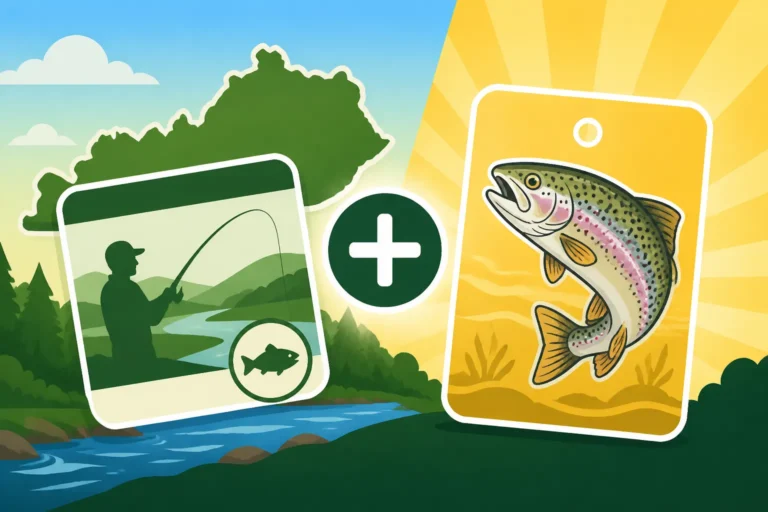
If you're an angler who enjoys the thrill of catching trout, then pay close attention. Simply possessing a general Kentucky fishing license is not enough if you plan to target or keep trout in designated trout waters. Kentucky requires a separate Trout Permit, which must be purchased in addition to your basic fishing license.
Kentucky stocks trout in various waters across the state, including cold-water streams and tailwaters below dams, with Lake Cumberland being a prime example of a fantastic trout fishery. The revenue generated from these permits goes directly towards funding Kentucky’s trout stocking programs and managing these delicate cold-water ecosystems. If you're caught fishing for trout, or possessing trout, without a valid trout permit, you will face penalties, even if you have your general fishing license. This permit costs a small additional fee, but it's a non-negotiable requirement for trout enthusiasts. It’s easily added when you purchase your main fishing license, whether online or in person. Don't let a small oversight ruin your trout fishing adventure; make sure you have all the necessary paperwork. For all the details, including where to purchase it, consult our Kentucky Trout Permit Guide.
What to Expect from Game Wardens and Staying Compliant
Nobody wants their peaceful day of fishing interrupted by a stern conversation with law enforcement, but game wardens are an essential part of maintaining healthy fisheries and ensuring fair play. Understanding their role and how to interact with them respectfully can save you a lot of hassle and potential trouble.
Routine Checks and Required Documentation
Kentucky game wardens, officially known as conservation officers, are highly trained peace officers with the authority to enforce all state laws, with a particular focus on hunting, fishing, and boating regulations. It's not a matter of if you'll be checked, but when, especially on popular fishing waters like the Ohio River or Kentucky Lake. These checks are a routine part of their job and are designed to ensure that anglers are compliant with all licensing, bag, and size limits.
When a game warden approaches you, whether you’re on a boat, a kayak, or fishing from the bank, they will typically identify themselves and politely ask to see your fishing license and, if applicable, your trout permit. They may also ask to inspect your catch to ensure you are adhering to all bag and size limits for the species you possess. Be prepared to show your license, either a physical copy or a digital version on your phone. It's a good idea to keep your license, along with a measuring tape (easily found on Amazon), readily accessible, perhaps in a waterproof wallet or a dedicated slot in your tackle box. Cooperation and courtesy go a long way. Resist the urge to argue or become defensive; simply comply with their requests. These checks are for everyone's benefit, helping to preserve Kentucky's fishing resources for generations to come. More details on this process can be found in Game Warden Enforcement and License Checks While Fishing.
Consequences of Fishing Without a Valid Kentucky License
Fishing without a valid Kentucky fishing license, or without the appropriate permits (like a trout permit), is a direct violation of state law. The consequences can range from a warning to significant fines, and in some cases, even confiscation of your fishing gear or your catch. These penalties are designed to deter illegal fishing and underscore the importance of supporting conservation efforts through license fees.
For an Indiana or Illinois angler, getting caught fishing illegally in Kentucky can be particularly frustrating. Not only do you face the financial penalty, but it can also sour your entire trip and potentially lead to future legal complications. Fines for fishing without a license can vary, but they are often more expensive than the cost of an annual nonresident license itself. Imagine paying a hefty fine for a simple 1-day trip that would have cost you under $20. It's a false economy to try and save a few bucks by not purchasing the proper license. It's simply not worth the risk. Always ensure you are fully compliant with Kentucky's regulations before you cast your line. Remember, the rules are in place to ensure sustainable fishing for everyone, and adhering to them is part of being a responsible angler. Our article on Penalties for Fishing Without a License in Kentucky details what you could face.
Disclaimer
Please note that fishing regulations can change. While every effort has been made to provide accurate and up-to-date information, it is always the angler's responsibility to consult the current Kentucky Department of Fish and Wildlife Resources (KDFWR) regulations before fishing. This guide is for informational purposes only and should not be considered legal advice.