White Catfish in Kentucky: What Anglers Should Know
Many anglers across Kentucky are familiar with the common channel catfish, and maybe even the colossal blue catfish or the elusive flathead. But there's another member of the catfish family that often gets overlooked or even misidentified: the white catfish. This guide is here to unravel the mysteries of the white catfish in Kentucky, helping you understand its unique characteristics, where to find it, and how to successfully target this often-underappreciated species, so you can expand your fishing horizons.
Understanding the White Catfish
The white catfish (Ameiurus catus) is a fascinating species that sometimes flies under the radar. While it shares the "catfish" name with its more famous cousins, it possesses distinct features and habits that make it a unique and rewarding target for anglers. Many assume "white catfish" is just a light-colored channel catfish, but it's its own distinct species with its own set of characteristics.
What Makes a White Catfish Unique
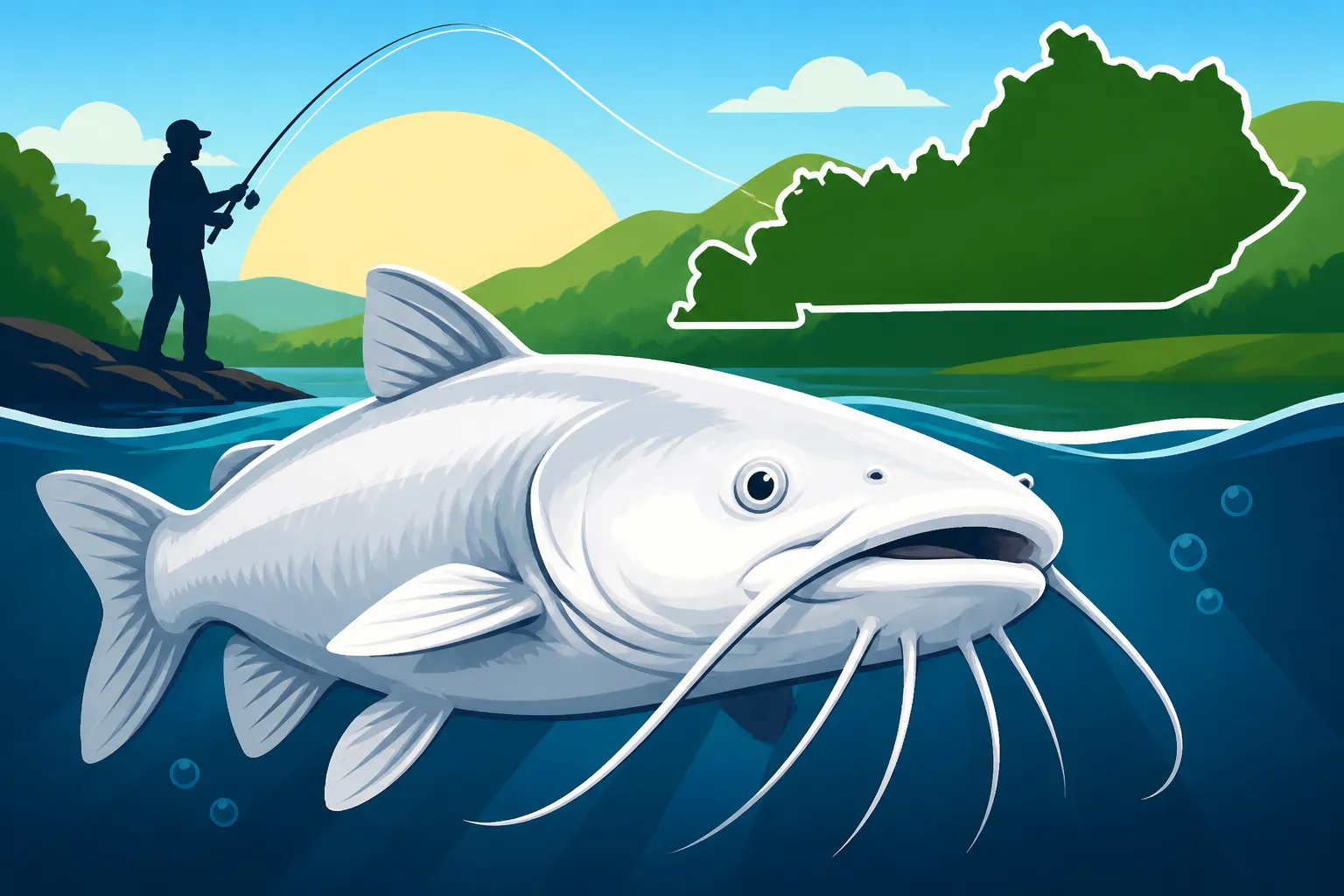
Visually, the white catfish has a few key traits that set it apart. Its most striking feature, often making identification easy, is its moderately forked tail. While not as deeply forked as a channel catfish, it's definitely more so than the rounded or slightly notched tail of a bullhead. Another critical identifier is the number and color of its barbels, those whisker-like sensory organs around its mouth. White catfish typically have white or pale barbels on their chin, distinguishing them from the dark or black chin barbels found on channel catfish. Their overall body color can range from a pale olive-green to bluish-grey on the back, fading to white on the belly, which gives them their common name. They usually lack the distinct spots that are often, but not always, present on juvenile channel catfish. The head of a white catfish also tends to be broader and more bullhead-like compared to the sleeker, more triangular head of a channel catfish. This combination of tail shape, barbel color, and head profile is your best bet for a positive identification.
Common Misidentifications: White Catfish vs. Channel Catfish
It’s incredibly easy to confuse a white catfish with a channel catfish, especially for new anglers. Both species can inhabit similar waters and share a general catfish appearance. However, knowing the subtle differences can help you correctly identify your catch and appreciate the diversity in Kentucky's waters. The key differences, as mentioned, really come down to the barbels and the tail. Channel catfish have a deeply forked tail, almost like a swallow's tail, and their chin barbels are almost always dark, ranging from grey to black. White catfish, in contrast, have that less deeply forked, almost V-shaped tail, and those pale or white chin barbels. White Catfish Vs Channel Catfish: What's the Difference? delves deeper into these distinctions, but essentially, if you see white barbels on a catfish with a moderately forked tail, you've likely caught a white catfish.
Size and Growth Potential in Kentucky
White catfish typically don't reach the immense sizes of blue catfish or even the larger channel catfish specimens found in Kentucky. They are generally smaller, often topping out in the 5-10 pound range, though larger individuals pushing 15-20 pounds are certainly possible in favorable conditions. Most white catfish you'll encounter will be between 1 to 3 pounds, making them a fun catch on lighter tackle. While they may not be the giants of the catfish world, their fighting spirit can be surprising for their size. Their growth rate is influenced by factors like food availability, water temperature, and population density, but they are generally slower growing than channel catfish. Don't go looking for state records in the same class as those for blue or channel catfish, but a hefty white catfish is still a fantastic catch for any angler.
Where to Find White Catfish in Kentucky
Knowing what a white catfish looks like is one thing, but knowing where to wet a line for them is another entirely. These fish have preferences, just like any other species, and understanding their typical haunts can dramatically increase your chances of a successful outing.
Preferred Habitats and Water Conditions
White catfish show a strong preference for slow-moving or still waters. You're most likely to find them in the calmer sections of larger rivers, backwater areas, oxbow lakes, ponds, and reservoirs. Unlike channel catfish which can thrive in a wide range of environments, white catfish tend to favor slightly warmer water and are often found in areas with soft, muddy bottoms. They appreciate structure, so look for them around submerged logs, brush piles, rocky outcrops, and even weed beds. They are less tolerant of strong currents compared to blue or flathead catfish, so avoid the main channels of swift rivers. Look for deeper pockets within these calmer areas, especially during the heat of the day or in colder months, as they might seek refuge from temperature extremes.
Notable Kentucky Waters for White Catfish
While not as widely distributed or abundant as channel catfish, white catfish can be found in various bodies of water throughout Kentucky. They are particularly common in the lower Ohio River and its tributaries, often frequenting the calmer, muddier sections rather than the main channel. Some of the larger lakes and reservoirs with extensive shallow, weedy, or backwater areas might also hold good populations. While specific hotspots can change, general areas to consider include some of the smaller impoundments and ponds managed by Kentucky Fish and Wildlife, as well as the more stagnant parts of larger river systems. Always check the latest local regulations and stocking reports, if available, for specific water bodies you plan to fish. You might find them in areas less fished for the "big three" catfish species, making them a pleasant surprise catch.
Seasonal Movements and Patterns
Like most fish, white catfish exhibit seasonal patterns that influence their location and feeding behavior.
- Spring: As water temperatures begin to rise in early spring, white catfish will start to become more active, moving into shallower areas to feed and eventually spawn. This is a prime time to target them, as they're actively looking for food after a period of reduced activity. Look for them in bays, coves, and areas where the water warms up first.
- Summer: During the warm summer months, white catfish remain active, often moving into slightly deeper water during the hottest parts of the day, but returning to shallower feeding grounds during dawn, dusk, and even at night. They'll relate to submerged structures and weed lines for cover. Best Baits for Summer Catfish Fishing might offer some ideas that also work well for white catfish.
- Fall: As water temperatures cool in the fall, white catfish will increase their feeding activity to build up fat reserves for winter. They can often be found in transitional areas between shallow and deep water, especially near baitfish concentrations.
- Winter: In winter, their metabolism slows down, and they'll retreat to deeper holes, channels, and humps where water temperatures are more stable. While not as active, they can still be caught by anglers employing slower, more subtle techniques.
Understanding these patterns will help you adjust your fishing locations and methods throughout the year.
Fishing for White Catfish: Tips and Techniques
Catching white catfish isn't drastically different from catching other smaller catfish species, but a few tailored approaches can make all the difference. These fish aren't always as aggressive as a hungry blue cat, so patience and the right presentation are key.
Best Baits and Rigs for White Catfish
White catfish are omnivores and scavengers, meaning they aren't particularly picky eaters. This makes bait selection fairly straightforward.
- Natural Baits: Live or dead minnows, shrimp, worms (nightcrawlers or red wigglers), and pieces of cut bait (such as shad or bluegill) are excellent choices. Chicken livers are another classic catfish bait that works wonders for white catfish, emitting a strong scent trail they can easily follow. You can find a wide variety of these baits at local tackle shops or even purchase specialized catfish baits on platforms like Amazon if you're looking for convenience or specific formulations.
- Prepared Baits: Stink baits, punch baits, and cheese baits formulated for catfish can also be effective. Their strong odor helps attract fish from a distance.
- Rigs: A simple bottom rig is usually all you need.
- Carolina Rig: A sliding egg sinker above a swivel, with an 18-30 inch leader (8-12 lb test monofilament or fluorocarbon is usually sufficient for these smaller cats) tied to a hook, is highly effective. A size 1 or 1/0 circle hook or J-hook is typically appropriate. The sliding sinker allows the fish to pick up the bait without feeling immediate resistance, which can be crucial for less aggressive bites.
- Slip Bobber Rig: If fishing shallower areas or over submerged cover, a slip bobber rig can be excellent. It allows you to present your bait at a precise depth just above the structure, preventing snags while keeping the bait visible to cruising catfish. This is particularly effective in ponds or calmer backwater areas.
Ideal Times and Conditions to Target White Catfish
Much like their catfish cousins, white catfish are often most active during periods of low light.
- Dawn and Dusk: These transitional times are prime feeding windows as they feel safer moving out from cover.
- Night Fishing: White catfish have an excellent sense of smell and touch, making them adept night hunters. Night Fishing Techniques for Catfish will give you a good starting point, and many of those principles apply perfectly to white catfish. Using a strong-smelling bait under a glow stick or illuminated bobber can be very productive.
- Overcast Days: During the day, heavily overcast skies or periods of light rain can also trigger a feeding bite, as the reduced light penetration makes them feel more comfortable.
- Stable Weather: Generally, stable weather conditions without drastic temperature or pressure changes lead to more consistent fishing. Following a cold front, the bite can slow down considerably.
Bank Fishing vs. Boat Fishing Strategies
White catfish are accessible to both bank and boat anglers, depending on the body of water.
- Bank Fishing: For bank anglers, target areas with access to deeper water near drop-offs, submerged cover like logs or rocks, and the edges of weed beds. Casting your bait out to these features and letting it sit on the bottom with a Carolina rig is a classic and effective method. Ponds and calmer riverbanks with soft bottoms are ideal. How to Fish for Catfish From the Bank provides many foundational techniques that apply well to white catfish. A good, sturdy rod holder is essential, especially if you're fishing with multiple rods. You can find various rod holders, ranging from simple bank sticks to more elaborate designs, available on Amazon.
- Boat Fishing: From a boat, you have the advantage of mobility. Use your depth finder to locate channels, humps, and submerged structures in calm bays or river sections. Anchor upstream from a promising spot and cast your baits down current, letting the scent trail spread. You can also slowly drift, dragging baits along the bottom in a technique similar to drift fishing for channel catfish. This allows you to cover more water and locate active schools.
Regulations and Conservation for White Catfish
Understanding and adhering to fishing regulations isn't just about avoiding penalties; it's about preserving the resource for future generations of anglers. Kentucky has a robust framework for managing its fish populations, and white catfish are part of that system.
Kentucky's Statewide Catfish Limits and How They Apply
In Kentucky, white catfish are generally included under the statewide regulations for "catfish" unless a specific water body has a unique regulation for them. This means they contribute to the aggregate daily creel limits for catfish species. For instance, the statewide daily limit for catfish (which includes channel, blue, and white catfish combined) is often generous, but anglers need to check the current Kentucky Fishing Regulations Explained guide for the most up-to-date information. Typically, there isn't a specific size limit for white catfish, but again, always verify the most recent regulations as they can change. For example, Kentucky Catfish Daily Limit and Trophy Fish Rule outlines the general rules, but it's crucial to consult the Kentucky Department of Fish and Wildlife Resources official guide before each fishing trip to ensure compliance. It’s rare for white catfish to have specific limits different from other species, but local exceptions can exist, particularly in smaller lakes or ponds.
Responsible Angling and Catch-and-Release Practices
Even though white catfish are not a threatened species, practicing responsible angling is vital for maintaining healthy populations and habitats.
- Adhere to Limits: Only keep what you can realistically consume, and never exceed the daily creel limits. Releasing healthy fish helps ensure a strong population for years to come.
- Handle Fish Carefully: If you plan to release a fish, minimize its time out of water. Use wet hands to handle the fish to protect its slime coat, and support its body weight, especially for larger specimens. Remove hooks gently; if a fish is deeply hooked, consider cutting the line as close to the hook as possible rather than tearing at its gills or throat.
- Leave No Trace: Always pack out everything you pack in. Dispose of fishing line, bait containers, and other trash properly. Leaving a clean fishing spot ensures it remains enjoyable for everyone and protects the environment.
- Report Violations: If you witness illegal fishing activity or pollution, report it to the Kentucky Department of Fish and Wildlife Resources. Protecting our waterways and fish populations is a community effort.
White Catfish on the Table: Culinary Aspects
So you've caught a few white catfish – now what? While they might not be as huge as a trophy blue cat, white catfish are actually renowned for their excellent flavor and are considered a top-tier table fish by many who know them.
Flavor Profile and Texture
The flesh of a white catfish is often described as firm, white, and flaky, with a mild, sweet flavor. It generally lacks the "muddy" taste that some people associate with other catfish species, especially those caught from murky waters. This clean flavor makes them incredibly versatile in the kitchen. Their smaller size often means the flesh is less oily and more delicate than that of a very large channel or blue catfish. If you've been hesitant about eating catfish due to past experiences with stronger-tasting fish, the white catfish might just change your mind. Is White Catfish Good to Eat? is a resounding yes from most anglers who've tried it!
Simple Preparation and Cooking Methods
The mild flavor and firm texture of white catfish lend themselves well to a variety of cooking methods.
- Frying: This is arguably the most popular way to prepare any catfish, and white catfish are no exception. Fillet the fish, season generously with your favorite fish fry mix (cornmeal-based coatings work wonderfully), and deep fry until golden brown and flaky. The mild flavor really shines through.
- Baking or Broiling: For a healthier option, white catfish fillets can be baked or broiled. Brush with olive oil or melted butter, season with lemon pepper, garlic powder, and paprika, and bake at 375°F (190°C) until cooked through, or broil for a few minutes per side until the edges are nicely browned.
- Grilling: Thicker fillets can be grilled. Marinate in a light dressing or simply season with salt, pepper, and herbs. Place on a well-oiled grill over medium heat, cooking a few minutes per side until done.
- Stewing or Soups: Their firm flesh holds up well in fish stews, gumbos, or chowders, absorbing the flavors of the broth without falling apart.
No matter how you prepare them, white catfish offer a delicious culinary experience that many anglers find superior to their larger relatives. So, next time you hook into one, consider bringing it home for dinner!
| Feature | White Catfish | Channel Catfish | Blue Catfish | Flathead Catfish |
|---|---|---|---|---|
| Tail Shape | Moderately forked (V-shaped) | Deeply forked (swallow's tail) | Deeply forked | Square or slightly notched |
| Chin Barbels | White or pale | Dark (grey to black) | Dark | Dark |
| Body Color | Pale olive-green to bluish-grey, white belly, no spots | Olive to grey, often spotted when young | Slate blue to grey-blue, white belly | Mottled brown/yellow, dark brown/black |
| Head Shape | Broader, more bullhead-like | Sleeker, more triangular | Broad, prominent | Flat, broad, shovel-like |
| Max Size | Typically 5-10 lbs (up to 20 lbs) | Typically 10-20 lbs (up to 50+ lbs) | Can exceed 100 lbs | Can exceed 100 lbs |
| Preferred Habitat | Slow-moving rivers, ponds, reservoirs, warmer water | Rivers, lakes, ponds, wide range of habitats | Large rivers, reservoirs, deep channels | Large rivers, woody cover, strong current |
| Diet | Omnivorous, scavengers | Omnivorous, scavengers | Omnivorous, primarily fish | Piscivorous (live fish) |
| Edibility | Excellent, mild, firm white flesh | Good, mild white flesh | Excellent, firm white flesh | Excellent, firm white flesh |
This table provides a quick reference to help distinguish white catfish from Kentucky's other common catfish species. While all are great eating, understanding their unique characteristics can enhance your fishing experience. Many of these species, including the white catfish, are discussed in more detail in our comprehensive Kentucky Fish Species Guide: 265 Types You Can Catch.
Disclaimer
This article is for general informational purposes only and does not constitute professional advice. Laws, prices and regulations vary by location and change over time. Consult a qualified professional for guidance on your specific situation.