Where to Find Longnose Gar in River Backwaters
There's a unique thrill in fishing for something a little different, something ancient and powerful that calls Kentucky's diverse waters home. While many anglers chase bass and crappie, a whole world of excitement awaits those who seek out the formidable Longnose Gar, especially in those quiet, often-overlooked river backwaters. Finding these prehistoric beauties can feel like a bit of a mystery, but once you understand their preferred haunts, you'll unlock some incredibly rewarding fishing experiences. This guide will take you deep into the heart of Kentucky's river backwaters, showing you exactly where Longnose Gar love to lurk, what makes these spots their perfect hunting grounds, and how you can gear up to tangle with one.
The Allure of River Backwaters for Longnose Gar
Longnose Gar aren't your typical panfish. They're ambush predators, perfectly adapted to lie in wait for unsuspecting prey, and river backwaters provide the ideal stage for their hunting strategies. These areas offer a combination of calmer waters, abundant food sources, and plenty of cover, creating a gar paradise.
Why Gar Gravitate to Quieter Waters
Think about the main channel of a big river: currents can be strong, boat traffic is often constant, and the water might be deeper and more open. While gar certainly navigate these main channels, they thrive in the reprieve offered by backwaters. These slower-moving or nearly stagnant sections conserve their energy, allowing them to patiently stalk prey rather than constantly fighting a current. This means they can spend more time focusing on feeding and less on simply holding their position. For anglers, this translates into more predictable locations where gar are likely to be found. It's a classic case of working smarter, not harder, by understanding the fish's natural tendencies.
Moreover, these quieter areas often have slightly warmer water temperatures, especially during cooler months or early mornings. This thermal advantage can make backwaters more comfortable and productive for gar, which are cold-blooded and influenced by water temperature. They're looking for that sweet spot where baitfish are active, and the conditions are just right for them to excel as predators.
Identifying the Characteristics of Prime Gar Backwaters
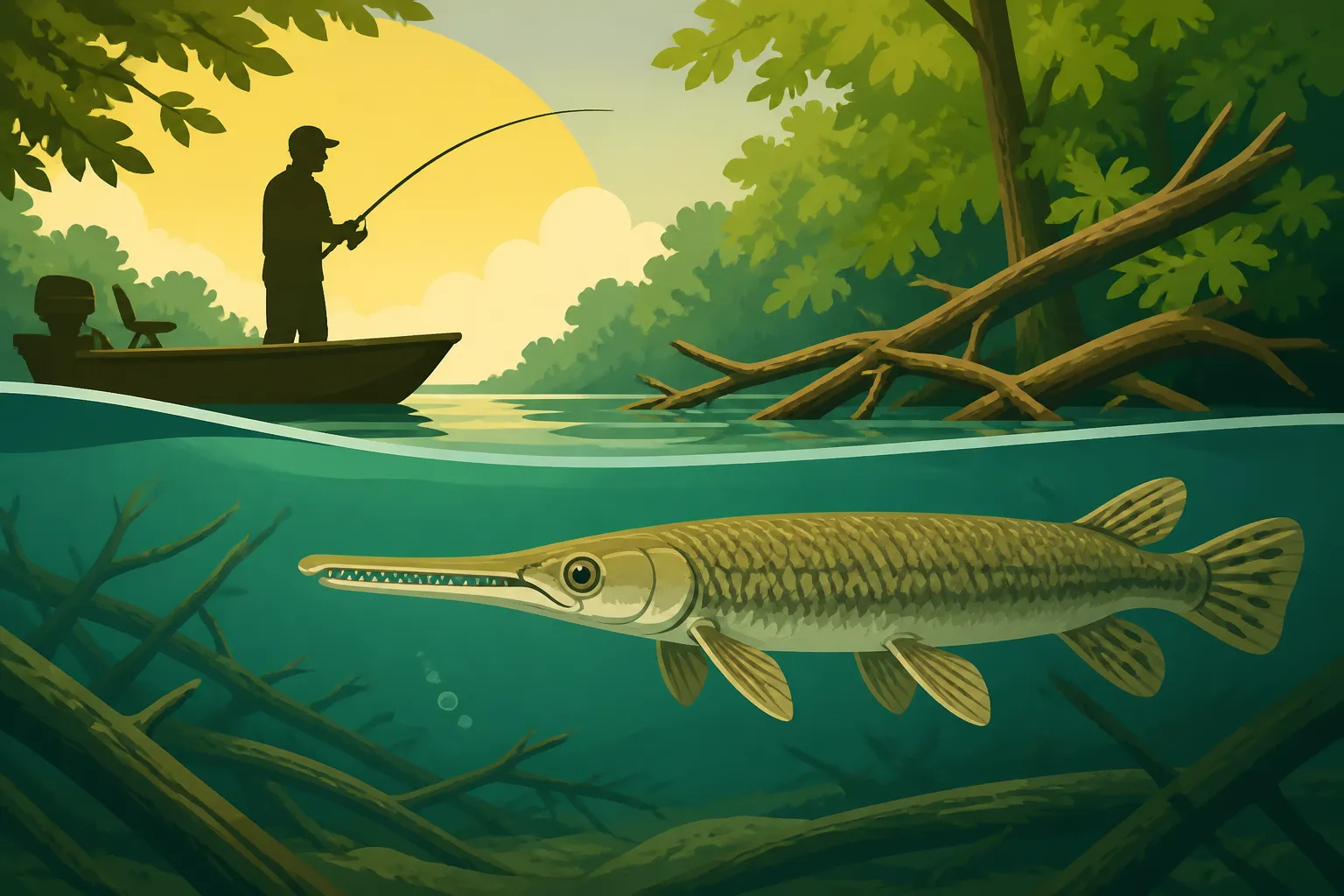
So, what exactly defines a "prime" gar backwater? It's not just any stagnant puddle. Look for areas that offer a mix of specific features. Debris is a huge indicator. We're talking about fallen trees, log jams, submerged brush piles, and even thick mats of floating vegetation. These features provide crucial cover, allowing gar to blend into their surroundings and ambush prey. It also offers protection from larger predators and harsh sun.
Shallow, murky water is another key characteristic. While gar can tolerate clear water, they often prefer the reduced visibility that murky conditions provide. This helps them stay hidden from prey and also gives them an advantage when hunting. Think about a small cove off the main river that has a muddy bottom stirred up by minimal current or even recent rains. That's gar territory. These areas also tend to hold a higher concentration of the smaller baitfish, frogs, and insects that make up a gar's diet. How Big Do Longnose Gar Get in Kentucky Rivers? can give you a better idea of the size of these fish and why they need such prime hunting grounds.
Pinpointing Top Backwater Locations in Kentucky
Kentucky is blessed with numerous rivers and tributaries that boast excellent backwater potential for Longnose Gar. Knowing what to look for is one thing, but knowing where to start applying that knowledge is key.
Tributary Mouths and Oxbow Lakes
The points where smaller creeks and tributaries meet larger rivers are absolute hotspots for gar. The influx of new water often carries food downstream, and the transition zone between the main river's current and the calmer tributary creates a natural holding pattern for baitfish. Gar will stack up in these areas, especially where the current begins to slow down as it enters the backwater. Think of the mouths of smaller creeks along the Ohio River or the lower reaches of major river systems before they spill into a larger body.
Oxbow lakes, formed when a river's bend is cut off from the main channel, are another goldmine. These crescent-shaped bodies of water are essentially permanent backwaters, often silting in and developing dense aquatic vegetation. They are typically shallow and teeming with various aquatic life, making them ideal habitats for Longnose Gar. Access to these can sometimes be challenging, requiring a kayak or a small boat, but the rewards can be incredible. A quick search on a mapping app, looking for old river channels or isolated ponds adjacent to a main river, can reveal numerous potential oxbows. Best Boats for Ohio River Catfishing in Kentucky might offer some insight into suitable vessels for these types of waters.
Shallow Flats and Submerged Structure
Don't overlook expansive shallow flats, particularly those with a soft, muddy bottom. These flats, often found adjacent to deeper channels in backwater areas, heat up quickly in the sun, attracting schools of baitfish, turtles, and frogs – all prime targets for gar. Look for subtle depressions, old creek channels that wind through the flat, or changes in bottom composition. Gar will often cruise these flats, sunning themselves near the surface or lying perfectly still, waiting for a meal to swim by.
Submerged structure, as mentioned before, is paramount. This isn't just about single logs; it's about complex systems. Think about old dock pilings that have fallen into disrepair, submerged fence lines, brush piles placed by anglers for other species, or even rock formations that break up the current flow. These provide excellent ambush points. The more intricate the structure, the better. Gar are masters of camouflage, and they use these underwater labyrinths to their full advantage. If you're bank fishing, these areas might be identified by subtle ripples on the surface or by observing where other debris naturally accumulates. Consider checking out Best Bank Fishing Access on the Ohio River in Kentucky for tips on reaching these kinds of spots.
Essential Gear and Techniques for Backwater Gar Success
Fishing for Longnose Gar isn't like fishing for bluegill. Their unique biology, particularly their bony mouths and aggressive nature, requires a specific approach to gear and technique. You'll want to be prepared to avoid frustration.
Rods, Reels, and Lines for Fighting Gar
Gar can grow quite large and put up a surprisingly strong fight, especially when hooked in the right spot. You'll want a medium-heavy to heavy action spinning or baitcasting rod, typically in the 7 to 8-foot range. This length gives you good casting distance and leverage for battling these long, powerful fish. The extra backbone is crucial for driving a hook into their tough, bony mouths.
Pair your rod with a sturdy reel spooled with strong line. Braided line, in the 30-50 pound test range, is highly recommended. Its no-stretch property allows for better hook sets and its abrasion resistance is a huge advantage when fishing around snags and their sharp teeth. You might even consider using a heavy monofilament or fluorocarbon leader, 50-80 pound test, for added abrasion resistance. Some anglers forego a conventional leader and use a short section of heavy wire leader, especially if they are getting bitten off. When browsing fishing gear on a site like Amazon, look for "heavy-duty" or "catfish gear" as a starting point, as much of that equipment crosses over well for gar fishing.
Baits, Lures, and Unique Rigs for Gar
Gar are primarily piscivorous, meaning they eat other fish. Live bait is often the most effective way to entice them. Smaller live minnows, shiners, or even small panfish (check local regulations on using game fish as bait) rigged under a bobber or free-lined near cover work exceptionally well. They're also not shy about hitting cut bait, particularly fresh strips of shad or other oily fish.
For artificial lures, reaction baits are key. Spinnerbaits, swimbaits, and even topwater plugs can draw aggressive strikes. However, due to their bony mouths, hooking gar on traditional treble hooks can be challenging, leading to many missed strikes. This is where specialized gar rigs come in. The "rope lure" is a popular choice: it's essentially a bundle of frayed nylon rope or twine tied to a hook shank. When a gar bites it, their teeth get tangled in the fibers, allowing you to land them without a traditional hook set. These can often be homemade or found from specialty tackle vendors on Amazon. Another effective setup is a standard single hook (not a treble) snelled to a wire leader, giving the bait more natural movement and a better chance to embed in their jaws.
Strategies for Approaching and Presenting to Gar
Patience is a virtue when gar fishing. They are not always fast-moving or aggressive. Often, they will slowly approach a bait, mouth it, and then swim away. If you're using live bait under a bobber, watch the bobber carefully. Instead of immediately setting the hook when it goes down, wait a few seconds, let the gar "eat" the bait and turn its head before gently tightening the line and applying steady pressure. A hard, fast hook set often rips the bait right out of their mouth.
When casting lures, retrieve them erratically to mimic a struggling baitfish. Pause the retrieve near submerged structure or weed lines to give gar a chance to react. If you spot a gar cruising or sunning near the surface, a well-placed cast can often draw a strike. Remember, their vision is excellent, so try to keep your distance and cast quietly. Beginner Mistakes to Avoid When Fishing can offer some general advice that applies to not spooking fish.
Best Times to Target Longnose Gar in Kentucky Backwaters
Timing plays a significant role in successful gar fishing. Understanding their seasonal movements and daily activity patterns will greatly increase your chances of finding them in those prime backwater locations.
Seasonal Movements and Activity Peaks
While Longnose Gar can be caught year-round in Kentucky, certain seasons offer peak opportunities, especially in backwaters.
- Spring: As water temperatures rise in late spring (think April and May), gar become very active. This is often their spawning season, and they'll move into shallower, warmer backwaters and vegetated areas. They're often seen in large groups, making them easier to spot and target. The warmer water also means baitfish are more active, leading to more feeding opportunities. This is arguably the best time to target them in backwaters.
- Summer: During the heat of summer, gar will still be in backwaters, but they might seek out slightly deeper pockets within those areas or hold tight to dense cover to escape the intense sun. Early mornings and late evenings become prime fishing times, as the water cools slightly and they become more active feeders. Night fishing can also be incredibly productive for gar, as they are strong nocturnal predators.
- Fall: As water temperatures begin to drop, gar will often have a strong feeding binge to prepare for winter. They can still be found in backwaters, particularly on sunny days when the shallow water warms up. Their activity will gradually slow down as winter approaches.
- Winter: Gar are less active in colder water and will often retreat to deeper, more stable water in the main river channels. While you might still find an occasional gar in a deeper backwater hole during a mild spell, it's generally not the prime season for backwater targeting.
Optimal Times of Day for Gar Encounters
Like many fish, Longnose Gar tend to be most active during specific times of the day, particularly when in backwater areas.
- Early Morning and Late Evening: These are prime times. The lower light conditions provide gar with a predatory advantage, and cooler temperatures make them more comfortable. Baitfish are often more active during these periods as well.
- Overcast Days: On days with heavy cloud cover, gar might be active throughout the day. The reduced sunlight can make them less shy about cruising shallow areas.
- Night Fishing: As mentioned, gar are strong nocturnal hunters. Fishing after dark in backwaters can be incredibly productive, especially during warmer months. Use powerful spotlights or headlamps to scan the water for their tell-tale eyes glowing above the surface. You might be surprised at how many you spot! Best Time of Day to Catch Catfish After Dark offers some related advice on night fishing.
Here's a quick reference table for Longnose Gar backwater fishing:
| Season | Typical Water Temperature | Gar Activity | Best Times to Fish | Key Backwater Features |
|---|---|---|---|---|
| Spring | 60-75°F (15-24°C) | Very High | All Day, especially afternoon | Spawning flats, shallow coves, emergent weeds |
| Summer | 75-85°F (24-29°C) | High | Early Morning, Late Evening, Night | Heavy cover, shade, deeper backwater pockets |
| Fall | 55-70°F (13-21°C) | Medium-High | Mid-Day to Afternoon | Sunny flats, tributary mouths, baitfish schools |
| Winter | Below 55°F (13°C) | Low | Mild, Sunny Afternoons | Deeper backwater channels, main river transition |
Remember, observation is your best tool. Spend time watching the water in these backwater areas. Look for subtle movements, a ripple on the surface, or the distinctive snout of a gar breaking the water. Once you start recognizing their presence, you'll be well on your way to thrilling encounters with these amazing fish. Happy hunting in Kentucky's backwaters!
Disclaimer
This article is for general informational purposes only and does not constitute professional advice. Laws, prices and regulations vary by location and change over time. Consult a qualified professional for guidance on your specific situation.