Chain Pickerel Fishing in Kentucky: A Beginner’s Guide
Have you ever been fishing in Kentucky, landed a long, slender, toothy fish, and wondered if it was a pike, a muskie, or something else entirely? Many anglers, especially those new to our beautiful state's waters, often get a little stumped by the "pike family" fish, and the chain pickerel is a prime example. This guide is all about shining a light on this spirited, often overlooked sport fish, helping you understand what chain pickerel are, where to find them, and how to successfully target them, making your next fishing adventure in Kentucky even more exciting and fruitful.
Unmasking the Chain Pickerel: Identification and Habitat
Let's be honest, distinguishing between pike, muskie, and pickerel can feel like trying to solve a riddle, especially when they're all part of the same Esox family! But the chain pickerel, while sharing that classic torpedo shape and toothy grin, has some unique characteristics that make it stand out. Understanding these differences and knowing where they like to hang out is your first big step toward becoming a successful pickerel angler.
How to Spot a Chain Pickerel: The Distinctive Markings
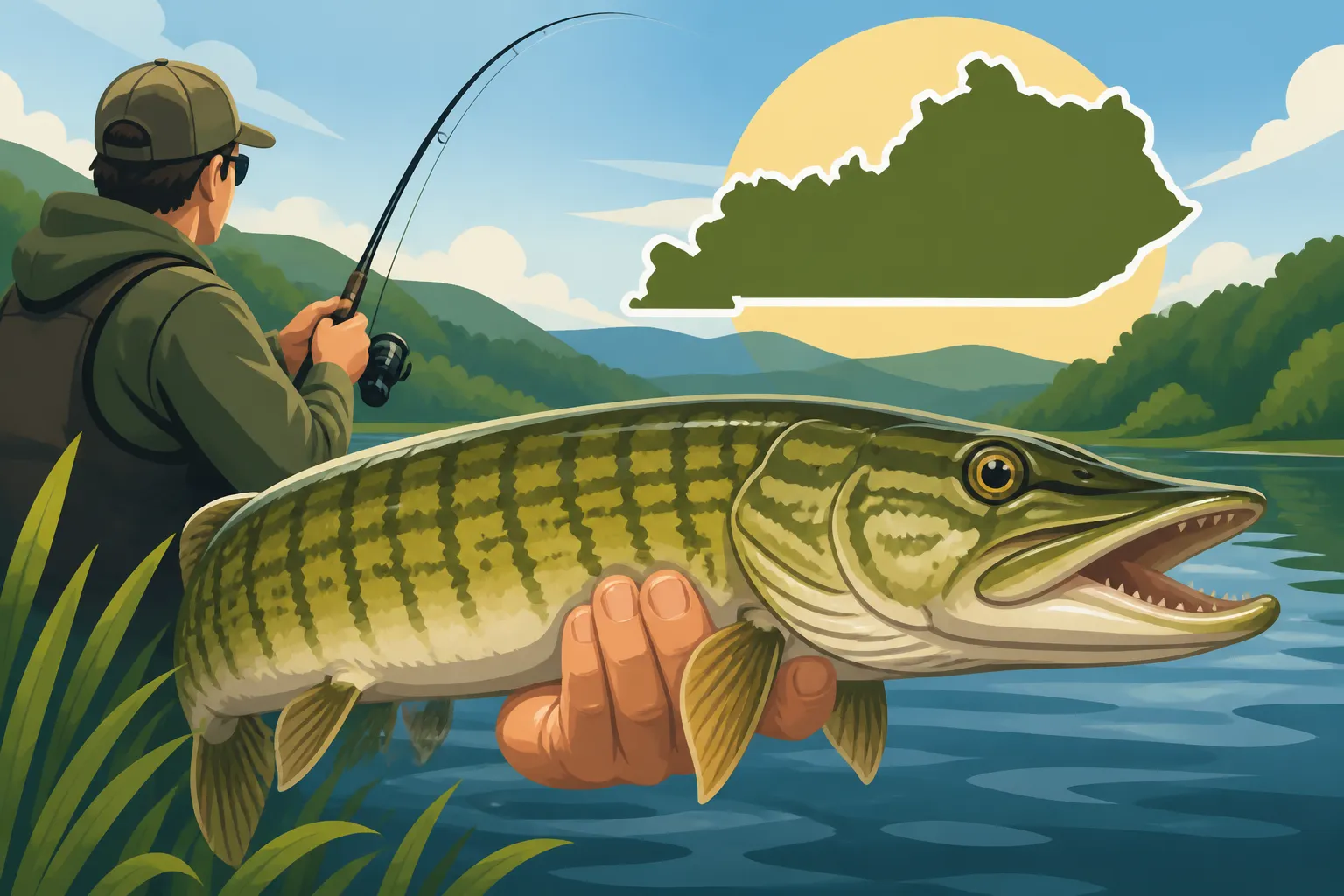
The most defining feature of the chain pickerel, and the one that gives it its name, is the intricate, chain-like pattern adorning its sides. This isn't just a random splotch; it's a series of interconnected, worm-like markings that truly resemble links in a chain, set against a background that can range from yellowish-green to olive. It's truly quite beautiful once you learn to recognize it. You'll often notice a prominent dark, vertical bar or "teardrop" mark directly beneath their eyes, which is another helpful identifier. Their cheeks and gill covers are fully scaled, a key differentiator from northern pike (which have scales only on the upper half of their gill covers) and muskellunge (which have no scales on the lower half of both). This might seem like a small detail, but when you've got one in hand, it's a dead giveaway!
Beyond the markings, chain pickerel typically don't grow as large as their muskie or northern pike cousins. In Kentucky, a pickerel measuring 18 to 24 inches is a really nice fish, and anything over 20 inches can put up a surprisingly strong fight for its size. Their snout is elongated and duck-bill shaped, full of razor-sharp teeth that are perfectly designed for ambushing prey. Trust me, you'll want to remember those teeth when you're trying to unhook one! Knowing these visual cues means you'll confidently identify your catch and avoid any confusion with other species in the water. For a broader overview of all the species you might encounter, you might want to check out our Kentucky Fish Species Guide: 265 Types You Can Catch.
To help you keep these distinctions straight, here's a quick comparison of the three Esox family members you might encounter:
| Feature | Chain Pickerel | Northern Pike | Muskellunge |
|---|---|---|---|
| Body Markings | Interconnected, chain-like pattern | Light spots on a dark background | Dark bars/spots on a lighter background |
| Snout Shape | Long, duck-bill shaped | Long, duck-bill shaped | Often more elongated, can be more rounded |
| Cheeks/Gills | Fully scaled | Cheeks fully scaled, gill cover half | Cheeks and gill covers partially scaled |
| Teardrop Mark | Prominent dark bar under eye | Absent or faint | Absent or faint |
| Typical Size | Up to 2-3 lbs, 18-26 inches in Kentucky | Can reach 15-20 lbs, 30+ inches | Can exceed 30 lbs, 40+ inches and much larger |
Where to Find Chain Pickerel in Kentucky's Waters
When it comes to real estate, chain pickerel are pretty specific in their preferences. They are true ambush predators, and their ideal home is typically shallow, clear, heavily vegetated water. Think about those quiet coves or backwaters where the lily pads are thick, or areas with dense submerged grass beds. These places offer them the perfect camouflage to hide and dart out at unsuspecting baitfish or frogs. They love these types of environments because they can blend in perfectly with their surroundings, waiting for a meal to swim by. This means you're unlikely to find them in the middle of a vast, open lake, or in fast-moving, turbulent river currents.
In Kentucky, you'll often find chain pickerel in the quieter sections of some of our larger reservoirs, especially those with extensive shallow flats and abundant aquatic vegetation. They are also prevalent in many of the smaller, lesser-known lakes, ponds, and slow-moving streams throughout the state. Places with clear to slightly stained water and lots of natural cover are prime pickerel territory. When you're scouting a new fishing spot, keep an eye out for these visual cues – thick weed lines, lily pads, standing timber, or even submerged brush piles along the edges of channels. These are the "pickerel neighborhoods" where you're most likely to get a strike. Don't be afraid to explore some of the state's smaller bodies of water; these hidden gems often hold surprisingly healthy populations of chain pickerel. For more general advice on where to cast your line, our Best Fishing Spots in Kentucky guide is a fantastic resource.
Gearing Up for Pickerel: Rods, Reels, and Terminal Tackle
One of the great things about chain pickerel fishing, especially for beginners, is that you don't need highly specialized or expensive gear. A simple, versatile setup that you might already have for bass or crappie fishing will often do the trick. However, there are a few considerations, mainly related to their sharp teeth, that can save you a lot of frustration (and lost lures!).
Choosing Your Rod, Reel, and Fishing Line
For chain pickerel, a medium-light to medium power spinning rod, around 6 to 7 feet long, is usually ideal. This setup gives you enough backbone to cast lures effectively and handle the feisty fight of a pickerel, while still being sensitive enough to detect subtle strikes. Pair it with a 2500- or 3000-series spinning reel, which is a common and versatile size for many freshwater applications. This reel size will hold enough line and provide a smooth drag for those unexpected runs. When it comes to line, a good quality monofilament line in the 8 to 12-pound test range works well, offering a bit of stretch for forgiveness and good knot strength. However, many anglers, myself included, prefer braided line for its sensitivity and lack of stretch, especially when fishing around heavy cover. If you go with braid, a 15- to 20-pound test is usually sufficient.
Now, here's the crucial part: those teeth! Chain pickerel have mouths full of sharp, needle-like teeth that can easily slice through monofilament or fluorocarbon line like butter. To prevent heartbreaking break-offs and lost lures, you absolutely need a leader. A short, about 6- to 12-inch, steel or heavy fluorocarbon leader (30-50 lb test) tied to the end of your main line will make all the difference. While steel leaders offer maximum bite protection, some anglers find them a bit stiff or visible. Heavy fluorocarbon leaders are a good compromise, being nearly invisible underwater while still offering significant abrasion resistance. You can tie these directly to your main line using a strong knot like an Albright or double uni, or use a small, strong swivel to attach the leader. Don't skip this step; it's the most common mistake beginners make when targeting toothy critters like pickerel! For more general advice on picking out your setup, our Best Rods and Reels for Kentucky Fishing article can offer some excellent insights.
Essential Lures and Baits That Entice Pickerel
Chain pickerel are aggressive predators, and they respond well to a variety of lures that mimic injured baitfish or provoke a reaction strike. Here's a rundown of some of the most effective options:
- Spinnerbaits: These are pickerel magnets! The flash and vibration of the spinning blades are incredibly enticing, and they're relatively weedless, making them perfect for fishing the heavy cover pickerel love. White, chartreuse, or combinations of these colors are often very effective.
- Inline Spinners: Think classic Mepps or Rooster Tail style spinners. Their simple, consistent rotation and flash are irresistible. Again, bright colors or natural baitfish patterns work wonders. These can be found in a wide variety of sizes and colors on Amazon, making it easy to experiment with what works best on your local waters.
- Spoons: Casting spoons that wobble and flash on the retrieve are excellent for pickerel. Gold, silver, or painted spoons with red accents are particularly good. They cast a mile and have an irresistible erratic action.
- Jerkbaits: Erratic, darting jerkbaits that suspend or slowly float are fantastic, especially in clear water. Work them with a "twitch, twitch, pause" retrieve, mimicking a struggling baitfish. The pause is often when the pickerel will strike!
- Soft Plastics: Flukes, swimbaits, or even simple paddle-tail grubs rigged weedless can be very effective, especially when fished slowly around cover.
- Live Bait: If all else fails, live minnows are a classic pickerel bait. Rig them under a bobber near weed lines or slowly troll them. Pickerel can rarely resist an easy meal.
When you're loading up your tackle box, make sure you have a good selection of these. Pickerel often have preferences based on water clarity, light conditions, and even their mood, so having options is key. And remember, because of their teeth, even the toughest lure can get chewed up over time, so having some backups isn't a bad idea! For ideas on how to organize your gear for different species, take a look at our Best Tackle Box Setup by Species guide.
Effective Strategies for Catching Chain Pickerel
Knowing what gear to use is one thing, but knowing how to use it effectively to draw a strike from a chain pickerel is another. These fish are masters of ambush, so your tactics need to play into their natural hunting instincts. It's all about presentation, patience, and knowing where they're hiding.
Reading the Water and Targeting Productive Areas
As we touched on earlier, chain pickerel are cover-oriented predators. This means your primary strategy should be to cast to and around any available structure or vegetation. Think about it from the pickerel's perspective: where would you hide if you were a slender, camouflaged hunter waiting for prey? Look for dense weed beds, patches of lily pads, submerged brush, fallen trees, or even dock pilings in shallow water. These areas provide both cover from predators and ambush points for their own hunting.
When you approach a promising area, start by casting to the edges of the cover, then work your way into the thicker stuff. Often, the pickerel will be holding just on the outside edge, waiting for something to swim past. If you're fishing a long weed line, make parallel casts along the edge, then fan casts into the pockets and openings within the weeds. Don't be afraid to cast directly into lily pads or thick grass with weedless setups; pickerel are often buried deep within this cover. Pay attention to changes in water depth near cover – sometimes a slight drop-off at the edge of a weed bed can be a prime holding spot. On sunny days, pickerel might push deeper into the densest cover for shade, while on overcast days, they might be more active on the fringes. The key is to be methodical and cover the water thoroughly, making sure your lure passes close enough to their hiding spots to trigger a strike.
Retrieving Lures and Handling the Catch Safely
Once you've identified your target area and made your cast, the retrieve is where you bring your lure to life. Chain pickerel are fast and aggressive, so they often respond best to a quick, erratic retrieve. This mimics a fleeing or injured baitfish, which triggers their predatory instincts. For spinnerbaits and inline spinners, a steady, medium-to-fast retrieve is usually effective. For spoons and jerkbaits, incorporate pauses and twitches. Cast it out, let it sink for a second or two (especially if the water is a bit deeper around the cover), then start your retrieve with a few quick jerks, followed by a pause. Vary your retrieve speed and cadence until you find what the fish are responding to that day. Sometimes a super-fast, almost burning retrieve is what it takes to get their attention, while other times a slower, more deliberate action with longer pauses will do the trick.
When a pickerel strikes, it's often sudden and violent! They hit hard. Set the hook firmly with a quick, upward sweep of the rod. Once hooked, they're known for their energetic fight, often making acrobatic jumps and head shakes. Keep your rod tip up and apply steady pressure to keep them from throwing the hook. Remember, their mouths are full of sharp teeth, so never handle a pickerel with your bare hands, especially near its mouth. Always use a pair of long-nosed pliers or forceps for hook removal. A lip gripper can also be a valuable tool for safely holding the fish while you work on extracting the hook. Be gentle but firm, and support the fish horizontally. If you plan to release the fish, get it back in the water as quickly as possible. These creatures are an important part of the ecosystem, so practicing good catch and release is vital. If you're new to knots, our How to Tie a Fishing Knot for Beginners guide is a good place to start to ensure your gear stays connected.
When to Target Chain Pickerel: Seasonal and Daily Patterns
Unlike some fish that go completely dormant in certain seasons, chain pickerel can offer consistent action throughout much of the year in Kentucky. However, understanding their seasonal and daily patterns can significantly increase your chances of success. They're often a great option when other popular game fish are in a slump, making them a reliable target for anglers seeking year-round excitement.
Best Seasons for Chain Pickerel Action in Kentucky
Chain pickerel are often thought of as a cool-water species, and for good reason! They remain active and feed aggressively even when water temperatures drop, making them an excellent target during late fall and winter when many other species become sluggish.
- Spring: As water temperatures begin to rise after winter, pickerel become very active, often moving into shallower areas to feed and eventually spawn. This is a prime time for fast action, as they're hungry and consolidating in accessible areas. Lure presentations that mimic baitfish waking up from their winter lethargy are highly effective.
- Summer: While they are still catchable in summer, pickerel will often retreat to deeper, cooler water, or bury themselves in the densest, shadiest vegetation they can find. Fishing early morning or late evening can be more productive during the hotter months, or targeting those truly dense weed beds where they seek refuge from the sun. Look for pockets within large lily pad fields or shadowed areas under overhanging trees.
- Fall: This is arguably one of the best times to target chain pickerel. As the water cools, they become incredibly active again, feeding heavily to build up reserves for winter. They can be found in shallower water, often in the same areas they inhabited in spring. The cooler temperatures invigorate them, leading to aggressive strikes.
- Winter: Don't put your rods away just because it's cold! Chain pickerel are one of the few species that remain very active throughout the winter in Kentucky. On mild winter days, they can provide some incredible fishing, especially in areas where ice doesn't form thickly, or if you're comfortable ice fishing. Their metabolism slows down a bit, but they still feed readily, and often you'll have the waters largely to yourself. They can be a fantastic way to cure the winter fishing blues. Many anglers find their aggression is still quite high, even in cold water. You might find some useful insights on what to target during the colder months in topics like What Fish Are Biting in Kentucky in February.
Understanding Daily Cycles and Weather Influence
Just like most fish, chain pickerel have preferred times of day and react to changing weather conditions. While they can be caught throughout the day, certain periods offer better chances:
- Time of Day: Early morning and late afternoon/dusk tend to be the most productive times. These low-light periods give pickerel a natural advantage in ambushing prey. On bright, sunny days, they might be more reluctant to venture far from heavy cover, making those shaded areas and deep weed beds even more critical targets. On heavily overcast days, however, pickerel might remain active and aggressive throughout the middle of the day. They are not as sensitive to light as some other species, but prime feeding windows are still often dictated by the sun's position.
- Weather Conditions: Overcast skies and light rain can actually trigger a good pickerel bite. The reduced light penetration makes them feel more secure in open areas and can increase their activity. A steady drizzle, for example, often turns on a strong bite. However, extreme weather changes, like a sudden cold front, can temporarily slow them down. After a cold front, they might hug cover even tighter and require a slower, more deliberate presentation. Steady, stable weather patterns (even if consistently cold) usually mean more predictable and consistent fishing. Always keep an eye on the forecast and adjust your approach accordingly. You'll find that their activity is often closely tied to these subtle environmental shifts.
Understanding Kentucky's Regulations and Conservation
Before you even make your first cast, it's absolutely critical to understand the rules and regulations governing fishing in Kentucky. Not only is it the law, but it's also about being a responsible angler and contributing to the health of our fisheries. Ignorance of the law is no excuse, and wardens are out there making sure everyone plays by the rules. Our Kentucky Fishing License Guide is a great place to start to make sure you have everything in order.
Navigating Fishing Regulations for Chain Pickerel
In Kentucky, chain pickerel are typically covered under the general statewide fishing regulations, though it's always wise to double-check for any specific exceptions or site-specific rules that might apply to the particular body of water you're fishing. The Kentucky Department of Fish and Wildlife Resources (KDFWR) is the definitive source for all current regulations. Generally, this means there might be a statewide creel limit (how many you can keep per day) and potentially a size limit (a minimum length requirement for keeping a fish).
However, due to their less popular status compared to bass or crappie, chain pickerel often have very liberal or no specific size and creel limits, encouraging anglers to harvest them if they choose. This can vary, so always consult the latest KDFWR fishing guide or their website before heading out. It's easy to overlook a less common species' rules, but getting caught unaware can lead to a fine, and nobody wants that! For comprehensive information on all the rules, refer to our Kentucky Fishing Regulations Explained article. You also need to ensure you have a valid fishing license, as fishing without one can lead to Penalties for Fishing Without a License in Kentucky.
Practicing Responsible Angling and Conservation
While chain pickerel might not garner the same conservation spotlight as, say, a trophy largemouth bass or a muskie, they are still a valuable part of Kentucky's aquatic ecosystems. They are an important predatory fish, helping to control populations of smaller baitfish and contributing to the overall balance of the food web. As responsible anglers, it's our duty to ensure their populations remain healthy for future generations.
If you choose to harvest pickerel for the table (many people do, though they can be quite bony if not filleted properly), adhere strictly to any creel and size limits that might be in place. However, if you're primarily fishing for sport, practicing catch and release is highly encouraged. When releasing fish, minimize handling time, use wet hands if you must touch the fish directly, and ensure the fish is revived and can swim away strongly before letting it go. Use those long-nosed pliers to remove hooks quickly and cleanly. By taking these simple steps, you help ensure that these feisty predators continue to thrive in Kentucky's waters, providing exciting fishing opportunities for everyone. It's about respecting the fish and the resource, and ensuring we can all enjoy these thrilling encounters on the water for years to come.
Disclaimer
This article is for general informational purposes only and does not constitute professional advice. Laws, prices and regulations vary by location and change over time. Consult a qualified professional for guidance on your specific situation.