What Fish Are Biting in Kentucky in February
February fishing in Kentucky? Oh, trust me, I hear the skepticism already. Most folks pack up their gear after deer season, figuring the cold weather means the fish have tucked themselves away for a long winter’s nap, leaving nothing but ice and empty hopes. But that couldn't be further from the truth! While it’s certainly not the spring spawn frenzy, there are absolutely fish biting in Kentucky during February, and with the right approach, you can have some incredibly rewarding days on the water. This guide is all about cutting through that winter myth, showing you exactly what's active, where to find them, and how to tempt them into biting.
Don't Let the Cold Fool You: February Fishing is ON
It's a common misconception that once the temperatures drop, all fishing ceases. Many anglers, especially those new to the game or those used to the warmer months, see the frigid air and assume every fish in Kentucky is in some kind of suspended animation. But that's just not how it works! Fish are cold-blooded creatures, and while their metabolism certainly slows down, they still need to eat. February in Kentucky might mean chilly mornings and colder water, but it also means less boat traffic, often clearer water, and some truly fantastic opportunities for certain species if you know what you’re doing.
The Reality of Kentucky's Winter Weather Fluctuations
Kentucky weather in February is famously unpredictable. You might wake up to snow one day, and by the end of the week, it could be sunny and 50 degrees. These little warm spells, even if they only last a day or two, can significantly impact fish behavior. A slight bump in air temperature or a few hours of sunshine warming up shallow banks can make a big difference in the feeding patterns of cold-blooded fish. They're constantly reacting to these subtle shifts.
Understanding Fish Metabolism and Cold Water Behavior
In cold water, fish are much less active than they are during the spring or summer. Their metabolism slows down, meaning they don’t need to eat as often, and when they do, they're not going to chase a fast-moving bait very far. This is crucial to understand because it dictates your entire approach. Think slow, think subtle, and think about presenting your bait directly to where the fish are holding. They conserve energy, so you need to make it as easy as possible for them to get a meal.
Top Fish Species That Are Biting in February
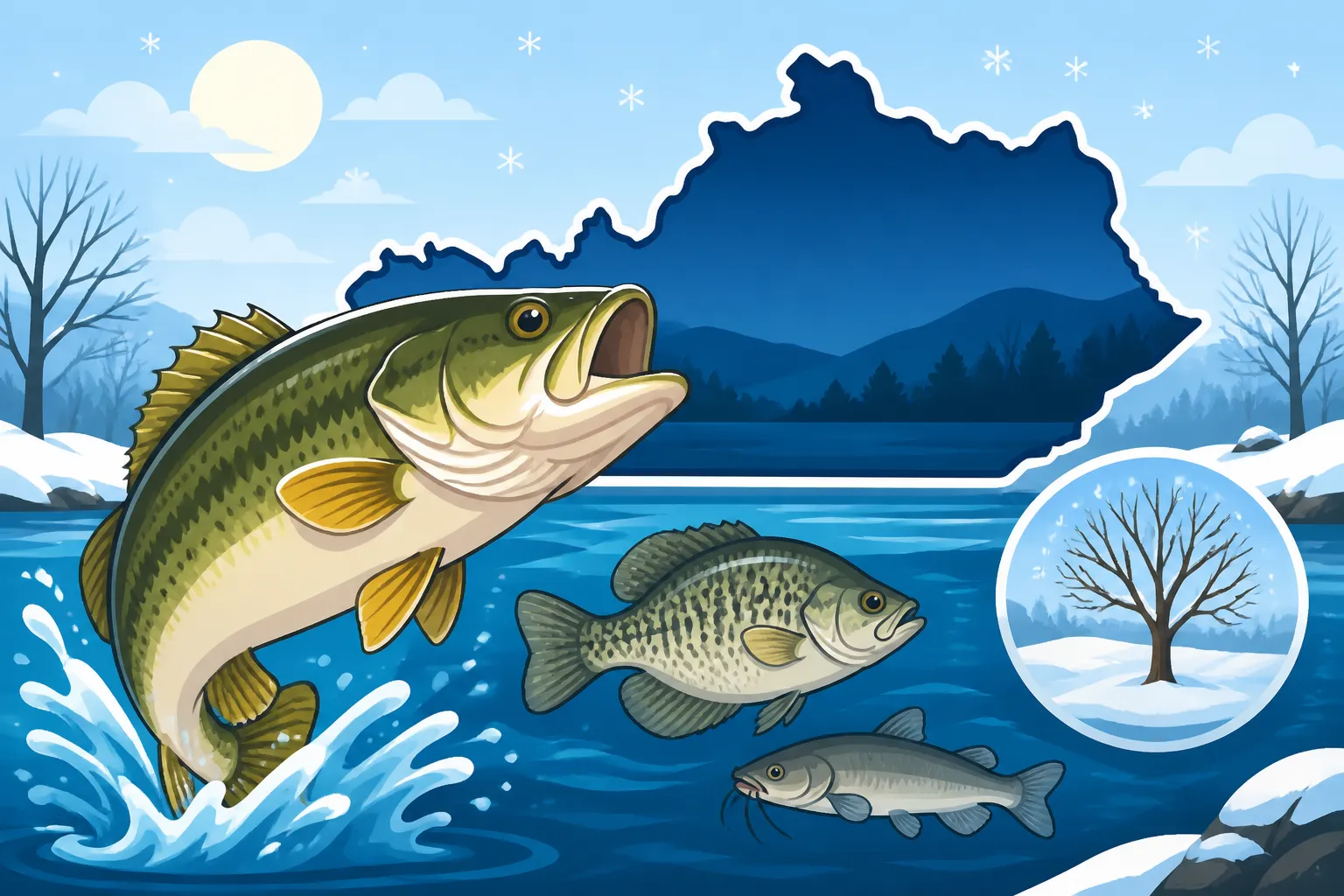
So, who's still playing ball when the mercury dips? While you might not be breaking any records for the sheer numbers of fish, the quality of the catch can be exceptional. Certain species actually thrive in colder conditions or become more concentrated, making them prime targets for a savvy angler.
Crappie: Still a Winter Favorite
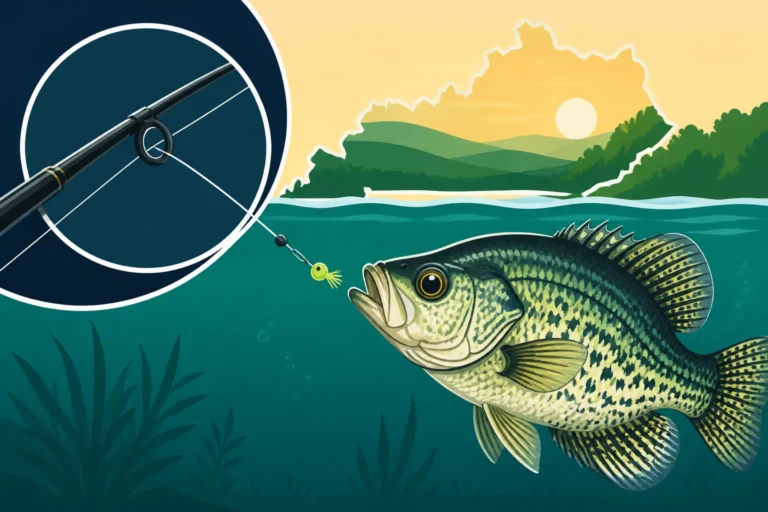
Oh, the humble crappie! These panfish are often overlooked in winter, but they offer some of the most consistent action in February. They don't mind the cold as much as some other species. The key is finding them. During this time, crappie will typically hold in deeper water, often suspending over or within brush piles, submerged timber, and creek channel drop-offs in major reservoirs like Kentucky Lake and Lake Barkley. They're conserving energy, so they group up in these areas. You might find a whole school suspended at 15-25 feet over a 30-foot bottom.
When you do find them, the bite can be subtle – sometimes just a slight tick on the line. Fishing jigs and minnows are your best bet. You might even find success on Lake Barkley Crappie Fishing Guide by using a spider rigging setup, dropping multiple baits at various depths until you pinpoint their strike zone. Understanding what water temperature triggers the crappie spawn in Kentucky later in the spring can also help you anticipate their pre-spawn movements, even in February.
Sauger and Walleye: Cold Water Specialists
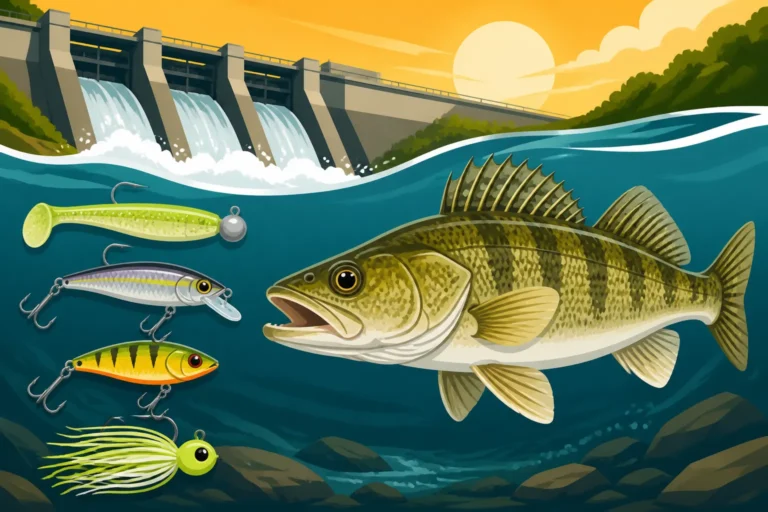
If there's one fish that truly shines in the cold, it's the sauger. And its cousin, the walleye, isn't far behind. These fish absolutely love cold, moving water. February is prime time for sauger, especially in the tailwaters below major dams and in the main channels of larger rivers like the Ohio River. The Ohio River near Paducah, for instance, is renowned for its sauger fishing this time of year. They migrate upstream in the fall and winter, congregating in deep holes, current breaks, and eddy lines.
Walleye, while less common than sauger in many Kentucky waters, can also be found in similar habitats, especially in Lake Cumberland or specific river stretches. The key to catching sauger and walleye is often vertical jigging with blade baits, jigging spoons, or lead head jigs tipped with minnows. You’ll be fishing directly beneath the boat, often in 20-40 feet of water, feeling for that distinctive tap. If you're looking for more detailed strategies, consider checking out resources on how to fish for sauger in cold water.
Catfish: The Often Overlooked Winter Bite
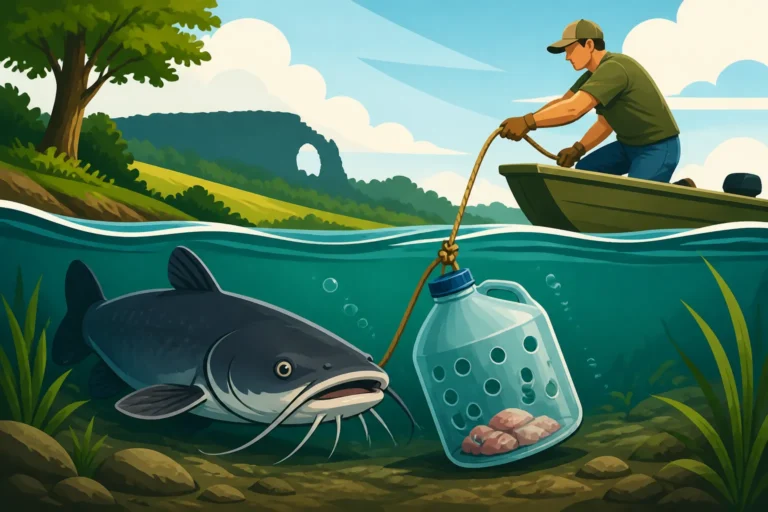
"Catfish in February?" you might ask, incredulously. Yes! While they won't be as aggressive as their summer counterparts, the three main species in Kentucky – channel, blue, and flathead – are still catchable. During February, catfish will typically retreat to their deepest winter haunts, often in the main river channels, deep holes, and slow-moving stretches of the Ohio River or the lower reaches of major lakes. They're sluggish, but they're still there.
The best approach is a patient one. Bottom fishing with fresh cut bait (shad is a local favorite) or a strong-smelling prepared bait can be effective. Drop your bait into deep holes and simply let it soak. Don't expect aggressive takes; often, it will just feel like your line is getting heavy. The beauty of winter catfishing is that you often catch larger, more mature fish that are less pressured. For specific locations, Best Catfish Fishing Spots on Kentucky's Ohio River is an excellent resource.
Trout: Always an Option in Stocked Waters
Kentucky has a fantastic trout program, and February is absolutely a great month to target them, especially in waters like Lake Cumberland. The Kentucky Department of Fish and Wildlife Resources regularly stocks rainbow trout, and these fish thrive in the colder water. Lake Cumberland is particularly known for its winter trout fishery, where they can be found cruising deeper breaks and along bluff walls.
You don't need fancy gear either. A light spinning rod with 4-6 lb test line, small inline spinners, spoons, or even PowerBait fished off the bottom with a slip sinker rig can be incredibly effective. Small jigs tipped with a piece of worm can also work wonders. Remember that you’ll need a Kentucky Trout Permit Guide in addition to your standard fishing license when targeting trout in designated trout waters.
Essential Techniques and Gear for February Fishing
Fishing in February isn't just about knowing what to fish for, but how. Your approach needs to change dramatically from warmer months to account for the fish's slower metabolism and the colder conditions.
Slow and Low Presentation: The Golden Rule
This cannot be stressed enough: slow is the way to go. Forget fast retrieves, erratic jerks, or anything that requires fish to expend a lot of energy to chase. Fish in cold water are lethargic. Your baits need to be presented slowly, often directly in their strike zone, and allowed to sit there for an extended period. Think of it like a buffet: they'll pick up what's easy to grab. Whether you're jigging, trolling, or still fishing, reduce your speed dramatically. If you think you're going slow enough, go even slower.
For crappie, this means delicate vertical jigging directly over brush piles. For sauger, it's a slow drag along the bottom. For catfish, it's simply letting your bait sit in a deep hole.
Vertical Jigging and Bottom Bouncing: Effective Methods
These two techniques are often the most productive in February.
- Vertical Jigging: This involves positioning your boat directly over a concentration of fish or structure and dropping a jig or bait straight down. With a sensitive rod, you can feel even the lightest bites. This is incredibly effective for crappie suspended in timber and for sauger and walleye holding in deep river channels. You'll literally be watching your electronics to place your bait directly in front of the fish.
- Bottom Bouncing/Dragging: This technique is fantastic for sauger and walleye in current. It involves using a heavier weight or a special bottom-bouncer rig to keep your bait (often a jig and minnow or a crankbait) in contact with the riverbed as you slowly drift or troll downstream. The goal is to imitate a baitfish struggling in the current or resting on the bottom.
Bait and Lure Choices for Cold Water
Choosing the right bait is critical. Live bait often outperforms artificial lures in cold water because of its natural scent and subtle movement.
- Live Minnows: These are hard to beat for crappie, sauger, and even smaller walleye. Shiners or fathead minnows are excellent choices. Hook them lightly through the lips or dorsal fin. You can find good quality minnows at most local bait shops.
- Jigs: Small jigs (1/16 to 1/8 oz) in dark colors (black, blue, chartreuse) or natural colors (white, pearl) are effective for crappie and sauger. Tipping them with a minnow or a piece of Berkley Gulp! Alive! minnow can add extra appeal.
- Blade Baits and Jigging Spoons: These metal lures have a lot of flash and vibration even with minimal movement, making them ideal for triggering reactionary strikes from sauger and walleye. Cast them out and let them sink, then rip them up a few feet and let them fall again.
- Cut Bait: For catfish, fresh cut shad or skipjack herring are excellent. The scent trail they emit in the cold water can draw in sluggish cats. You might even find some excellent options for these baits on Amazon if your local bait shop doesn't carry them.
- PowerBait: For stocked trout, various colors of PowerBait (chartreuse, orange, rainbow) are highly effective when fished on the bottom.
Proper Cold Weather Gear: Staying Comfortable on the Water
Let's be realistic: February fishing means you're going to be out in the cold. Being uncomfortable makes for a short, miserable trip. Investing in proper cold-weather gear is not just about comfort; it's about safety.
- Layering: This is key. Start with a moisture-wicking base layer, add insulating layers (fleece, down), and finish with a waterproof and windproof outer shell.
- Headwear: A warm hat or balaclava is essential, as you lose a lot of heat through your head.
- Gloves: Look for waterproof, insulated gloves that still allow for dexterity, or consider fingerless gloves with a fold-over mitt.
- Footwear: Insulated, waterproof boots are a must. Pair them with wool socks.
- Life Jacket: Always wear a Coast Guard-approved life jacket. In cold water, a fall overboard can be life-threatening within minutes. Many modern life jackets are thin and comfortable, even insulated, and can be easily found on Amazon.
- Hand Warmers: These little packets can be a game-changer on frigid days.
Don't let the cold be an excuse! Being warm and dry allows you to focus on fishing, which increases your chances of success and enjoyment.
Best Fishing Locations to Target in February
Kentucky is blessed with an abundance of fantastic waterways, and many of them offer excellent February fishing opportunities. Knowing where to focus your efforts can save you a lot of time and lead to better results.
Major Reservoirs: Deep Water Holds the Key
Lakes like Kentucky Lake, Lake Barkley, Lake Cumberland, and Taylorsville Lake are prime winter fishing destinations. In February, the fish in these large impoundments will generally be in the deeper sections of the lake. Focus on:
- Creek Channels and River Bends: Fish, especially crappie and catfish, will often stack up in the deepest parts of these channels, particularly where they intersect with submerged timber or brush piles. Use your electronics to find these concentrations.
- Bluff Walls and Drop-offs: Steep bluff walls that plunge into deep water provide consistent cover and access to different depth zones, attracting bass, crappie, and even some walleye or sauger in certain areas.
- Structure: Any kind of deep-water structure – humps, ledges, old roadbeds, brush piles – can hold fish. These are places they use to ambush prey or seek refuge. A good fish finder is invaluable for locating these spots. If you're planning a trip to the region, our Lake Barkley Fishing Guide for Kentucky Anglers offers a lot of insights into winter strategies for that body of water.
River Systems: The Current is Your Friend
The Ohio River, as well as the lower reaches of rivers like the Cumberland and Tennessee, can be phenomenal for February fishing, particularly for sauger, walleye, and larger catfish.
- Tailwaters: Below major dams (e.g., those on the Ohio River), the moving water provides a consistent flow of oxygen and often concentrates baitfish, attracting predatory species. This is typically a sauger hotspot.
- Deep Holes and Eddies: Look for the deepest holes in the river, especially those with current breaks or large eddies where fish can rest out of the main flow but still access food. These are classic spots for winter catfishing.
- Bridges and Rock Piles: Man-made structures that disrupt current can create holding areas for fish. The Ohio River near Louisville often has good fishing around bridge pilings and locks.
Tailwaters and Dam Areas: Consistent Action
I've mentioned tailwaters a few times, but it's worth emphasizing. The consistent flow of water, often warmer than the main lake or river upstream, and the oxygenation in these areas create a vibrant ecosystem even in the dead of winter. Fish from both upstream and downstream can congregate here, making them reliable spots. Just be sure to check Kentucky Fishing Regulations Explained, as specific rules can sometimes apply to these areas, including no-fishing zones directly below dams.
Remember, fishing in February requires patience, persistence, and a willingness to adapt. The fish are there, they're just not as eager to chase. Slow your presentation, use the right baits, stay warm, and focus on those deep, structured areas. You might just find that some of the most memorable catches of the year happen when most other anglers are still dreaming of spring.
| Fish Species | Typical February Location | Recommended Baits/Lures | Key Techniques |
|---|---|---|---|
| Crappie | Deep brush piles, creek channels, timber | Small jigs (1/16-1/8 oz), live minnows | Vertical jigging, slow retrieve, spider rigging |
| Sauger | River tailwaters, deep current breaks, main river channels | Blade baits, jigging spoons, jigs tipped with minnows | Vertical jigging, slow bottom bouncing, tightlining |
| Walleye | Deeper lake basins, river channel ledges | Jigging spoons, blade baits, crankbaits, live minnows | Vertical jigging, slow trolling |
| Catfish | Deep holes, slower currents, main river channels | Fresh cut bait (shad), prepared stink baits | Bottom fishing, soaking bait, drift fishing (slow) |
| Trout | Stocked lakes (e.g., Lake Cumberland), cold-water streams | PowerBait, small spinners, spoons, small jigs | Still fishing, light tackle retrieve |
Disclaimer
Fishing involves inherent risks. Always prioritize safety on the water, be aware of weather conditions, and wear appropriate safety gear, including a Coast Guard-approved life jacket. Always consult the most current Kentucky Department of Fish and Wildlife Resources regulations before fishing, as rules and conditions can change. This guide is for informational purposes only.