Best Tackle Box Setup by Species
There's nothing quite as frustrating as finally getting out on the water, only to spend half your precious fishing time fumbling through a disorganized mess, desperately searching for that one specific lure or hook size you know you need. It's a common dilemma, especially when Kentucky's diverse waters offer such an incredible array of fish to chase. This guide will help you cut down on that bankside or boat deck chaos by showing you how to set up tackle boxes specifically for the species you love to target, making your trips much more efficient and enjoyable.
The Foundation: Why a Species-Specific Tackle Box?
You might be thinking, "A tackle box is a tackle box, right?" But here's the thing: trying to fit every single jig, worm, crankbait, hook, weight, and swivel you own into one giant container for every species you might encounter is a recipe for disaster. You end up with tangled lines, crushed plastics, and missing components when you need them most. A species-specific setup isn't about buying more gear; it's about smart organization, ensuring you have the right tools readily available for the job at hand.
Efficiency on the Water
Imagine you're out on Kentucky Lake, the bass are biting, and you need to switch from a topwater frog to a jig quickly. If you have a dedicated bass tackle box, everything is right there: your flipping jigs, trailer plastics, extra hooks, and even a pair of pliers are organized and accessible. This saves precious minutes, and those minutes can mean the difference between landing a lunker and missing the bite entirely. It minimizes distractions and maximizes your time fishing.
Conversely, if you've got your tiny crappie jigs mixed in with heavy catfish weights, or delicate trout flies mingling with robust bass spinnerbaits, you're going to waste a lot of time digging. This isn't just about saving time; it's about reducing stress and keeping your focus where it should be – on the fish. Plus, it helps protect your gear from damage. Delicate soft plastics don't fare well when crushed by a heavy lead weight, and sharp hooks can easily get tangled and dull.
Tailoring to Tackle Requirements
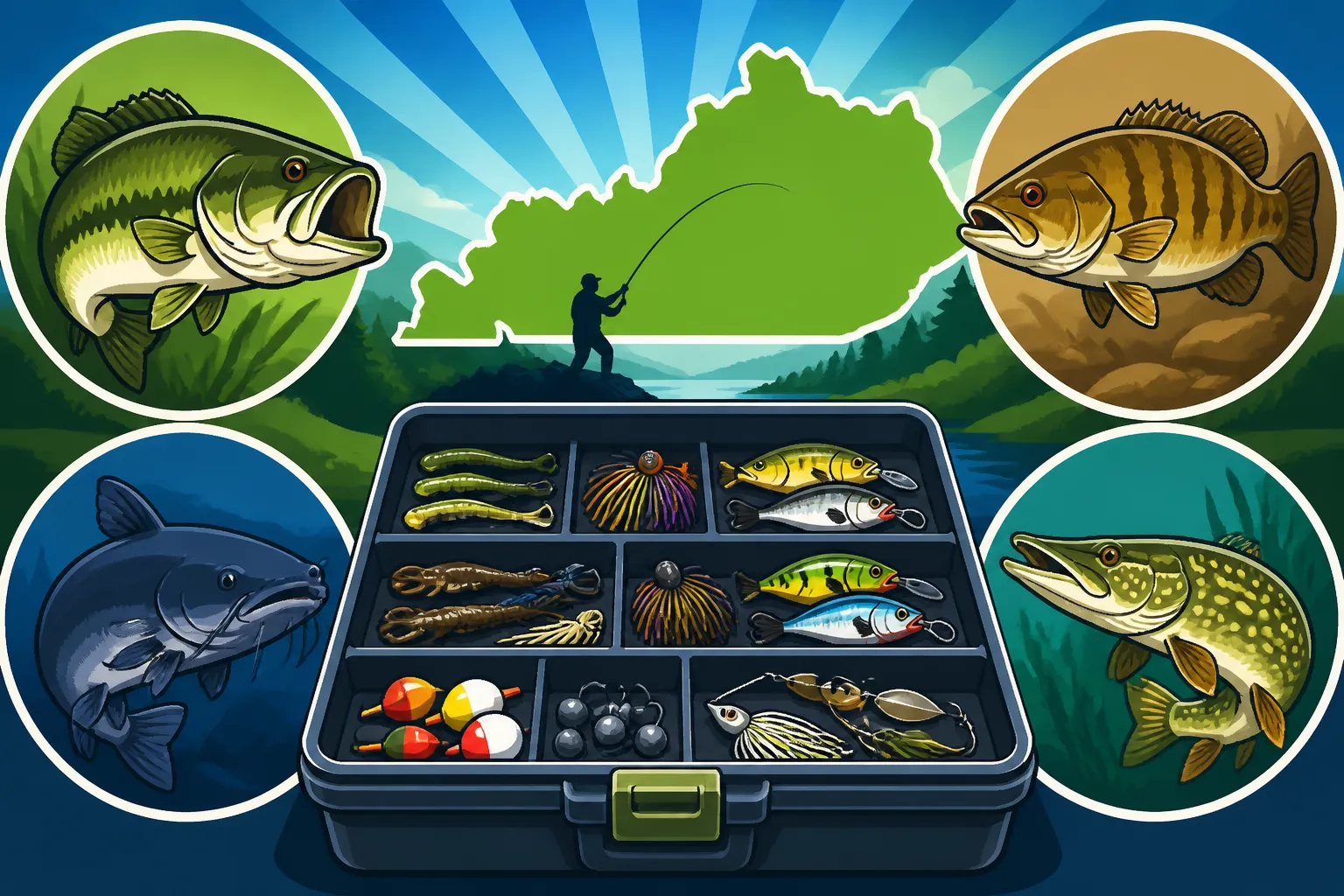
Every fish species has its preferred baits, lures, hook sizes, and line weights. What works for a feisty largemouth bass is often completely different from what a finicky rainbow trout will strike, or what's needed to haul in a monstrous blue catfish. By creating separate tackle boxes, you ensure that the specific items for your target species are always within reach and aren't compromised by other, unrelated gear.
For instance, Best Rods and Reels for Kentucky Fishing will tell you that the rod and reel combos change dramatically by species, and so should your tackle. You wouldn't use a heavy baitcasting setup designed for big bass when targeting panfish, and similarly, you wouldn't keep the same array of tackle in the same box. A crappie box needs small jigs, bobbers, and light line. A bass box needs an assortment of plastics, crankbaits, and heavier hooks. A catfish box requires robust hooks, heavy weights, and durable line. This intentional segregation simplifies restocking, keeps inventory clear, and ensures you're never caught off guard because the right bait is buried under the wrong ones.
Largemouth and Smallmouth Bass Tackle Box Essentials
Kentucky is a bass angler's paradise, from the vast expanses of Kentucky Lake to the deeper, clearer waters of Lake Cumberland. A dedicated bass tackle box is probably the first specialty box many anglers set up. It needs to hold a variety of lures to match different conditions, water depths, and fish moods.
Soft Plastics and Jigs
When it comes to bass, soft plastics are arguably the most versatile bait. Your bass box should have a wide assortment: creature baits for flipping and pitching into cover, various worms (senkos, trick worms, ribbon tail worms) for Texas rigging, Carolina rigging, or wacky rigging, and swimbaits for open water. Different colors are crucial, so have natural greens and browns for clear water, and black, blue, or junebug for stained or muddy conditions. Don't forget extra hooks: wide gap hooks for plastics, EWG (Extra Wide Gap) hooks, and straight shank hooks in sizes ranging from 3/0 to 5/0. A variety of bullet weights and screw-in weights, from 1/8 oz for lighter presentations to 1/2 oz or more for punching through heavy cover, are also a must.
Jigs are another bass fishing staple. Keep an assortment of jig types and weights: football jigs for dragging on rocky bottoms, casting jigs for pitching to structure, and swim jigs for fishing through grass. Match your jig colors to your soft plastics – black and blue, green pumpkin, and brown are excellent starting points. Don't forget an array of jig trailers, which can be craw-style, grub-style, or minnow-style, to add extra action and bulk to your presentation. You can find excellent bulk packs of hooks and weights, along with a vast selection of soft plastics, on Amazon to keep your bass box well-stocked without breaking the bank.
Hard Baits and Terminal Tackle
Your hard bait selection for bass should cover different depths and actions. Include crankbaits that dive shallow, medium, and deep, with both wide-wobbling and tight-wiggling actions. Squarebill crankbaits are fantastic for bouncing off wood and rocks in shallow water without getting hung up. Lipless crankbaits are essential for covering water quickly and generating reaction strikes, especially in cooler water. Spinnerbaits and chatterbaits (bladed jigs) are also critical for covering water and fishing through various types of cover, with different blade configurations (Colorado, willow leaf, Indiana) and skirt colors. Topwater lures like frogs, poppers, and walking baits are indispensable for exciting surface strikes, particularly during low light conditions or over matted vegetation.
Beyond the lures themselves, a well-appointed bass box needs robust terminal tackle. Keep a supply of heavy-duty swivels, snap swivels, and perhaps some heavy-duty split rings for changing out hooks on hard baits. You’ll also want a good pair of pliers or split ring pliers, a line cutter, and maybe a hook file or sharpener. Many dedicated bass anglers also like to carry scent attractants and line conditioner. Stores like Bass Pro Shops are a treasure trove for these specialized bass fishing items, offering a huge selection of brands and types to match any fishing scenario on Kentucky's major lakes.
Crappie and Panfish Tackle Box Setup
There's something universally appealing about crappie and panfish – they're abundant, fun to catch, and delicious to eat. But they also require a finesse approach, meaning smaller baits, lighter lines, and delicate presentations. Your crappie and panfish box should reflect this.
Jigs and Soft Baits for Crappie
For crappie, small jigs are king. Stock up on a variety of jig heads in weights from 1/32 oz to 1/8 oz. Assorted colors are key, with chartreuse, white, black, and various two-tone combinations being perennial favorites. Pair these jig heads with an assortment of small soft plastic bodies: tube jigs, curly-tail grubs, minnow imitations, and spider grubs. These soft plastics typically range from 1 inch to 2.5 inches in length. Having a good selection means you can match the hatch or find what the crappie are biting on any given day. Consider carrying some scented soft plastics too, as they can sometimes make a difference.
Live bait, especially minnows, is also a highly effective crappie catcher. While you won't store live minnows in your tackle box, you should have the appropriate hooks and rigs for them. Small, sharp Aberdeen hooks (sizes 4, 6, 8) are perfect for minnows, as they are light and less likely to harm the bait while being strong enough to hold a crappie. Don't forget tiny split shot weights to get your minnows down to the desired depth, and an assortment of small bobbers, from slip bobbers for deeper presentations to fixed bobbers for shallow water. How to Jig for Crappie in Shallow Water and Tightlining Techniques for Crappie Fishing will give you more specific ideas on how to use these items effectively.
Panfish: Bluegill and Sunfish Supplies
Bluegill, redear sunfish, and other panfish are often found in similar waters as crappie, and they also respond well to small, subtle presentations. Your panfish section of the tackle box should overlap with your crappie gear but with an even greater emphasis on tiny offerings. Think micro-jigs, small beetle spins, and tiny inline spinners. Flies, even for spin fishing, can be incredibly effective when paired with a casting bubble.
For bait fishing, small hooks (sizes 8 to 12) are crucial. Crickets, worms (especially red wigglers), and pieces of corn are classic panfish baits. You'll need more small split shot weights and an array of tiny bobbers, as panfish often hold to specific depths near cover. A small pair of forceps or needle-nose pliers is incredibly useful for safely unhooking these smaller fish, as their mouths can be quite delicate. Remember that having a small, dedicated container for these miniature hooks and weights will save you a lot of headache.
Catfish Tackle Box: Power and Durability
Kentucky's rivers and lakes, particularly the Ohio River and Kentucky Lake, are famous for their robust catfish populations, including channel, blue, and flathead species. These fish require heavy-duty gear that can withstand powerful runs and the challenging environments they inhabit. Your catfish tackle box needs to be built for strength and resilience.
Heavy-Duty Hooks and Weights
When targeting catfish, especially the bigger blues and flatheads, you need hooks that are strong and sharp. Circle hooks are a favorite among catfish anglers because they typically hook the fish in the corner of the mouth, leading to fewer gut-hooked fish and easier release if desired. Sizes can range from 2/0 for smaller channels up to 8/0 or even larger for trophy-sized blues. J-hooks are also an option, particularly for flatheads, but require a quicker hook set. Have an assortment of these in various sizes. The type of bait you prefer will influence your hook choice as well.
Catfish often hug the bottom, so heavy weights are essential to get your bait down and hold it in current. Pyramid, no-roll, and coin sinkers are popular choices, ranging from 1 oz up to 6 oz or more, depending on the current and depth. You'll want a good supply of these, along with heavy-duty swivels (barrel swivels or three-way swivels for specific rigs) and sturdy leader material, often fluorocarbon or monofilament in 30-80 lb test. Some anglers also carry glow-in-the-dark beads or floats to add attraction, especially for night fishing. Catfish Species in Kentucky: Channel, Blue, Flathead and White details the different types of catfish you might encounter and helps inform your tackle choices.
Specialized Catfish Rigs and Accessories
Catfishing often involves specific rigs designed to present bait effectively on the bottom. Having components for basic Carolina rigs (often called slip sinker rigs for catfish) and three-way swivel rigs pre-tied or ready to assemble can save valuable time. For flatheads, live bait is often preferred, so ensure you have appropriate hooks and possibly a small aerator if you're keeping baitfish alive on the bank before rigging.
Jug fishing and trotlining are popular methods for catfish in Kentucky, and while the main components won't fit in a typical tackle box, you might keep repair kits, extra hooks, and lead weights for these methods in a dedicated accessory box. A robust pair of pliers, a heavy-duty line cutter (braid scissors are great for cutting thick lines), and a sturdy fish gripper or landing net are indispensable for handling big catfish safely. Many serious catfishermen also carry a large, waterproof box just for their cut bait or pre-made stink baits. You can find robust tackle storage solutions perfect for these heavier items at any Bass Pro Shops location.
Trout and Walleye/Sauger Tackle Box Strategy
While Kentucky might not be known as a traditional trout state compared to some mountainous regions, Lake Cumberland offers excellent trout fishing, and numerous cold-water streams are stocked with rainbow, brook, and brown trout. Meanwhile, walleye and sauger provide thrilling action in many of our larger reservoirs and rivers. These species demand a specific tackle approach.
Trout Fishing Gear
Trout are often wary, requiring finesse and natural presentations. Your trout tackle box should contain small inline spinners (like Rooster Tails or Mepps), tiny spoons, and small crankbaits in natural colors. For bait fishing, small Aberdeen or treble hooks (sizes 8 to 14) are ideal for presenting corn, salmon eggs, powerbait, or small pieces of worm. You'll need a range of light split shot weights, tiny swivels, and a selection of small bobbers.
Fly fishing for trout is also popular in Kentucky's streams, so if you're a fly angler, your fly box will be your primary tackle organizer. Even if you spin fish, carrying a few small nymphs, dry flies, or streamers and a casting bubble can be incredibly effective when other baits fail. A small net with a rubber mesh is excellent for safely landing trout, and a pair of forceps is great for careful hook removal. Don't forget your Kentucky Trout Permit Guide before heading out for these beautiful fish.
Walleye and Sauger Specifics
Walleye and sauger are often found in similar habitats and respond to similar techniques. Your tackle box for these species should emphasize jigs, crankbaits, and live bait rigs. For jigs, keep an assortment of 1/8 oz to 1/2 oz jig heads paired with curly-tail grubs, paddle-tail swimbaits, or minnow imitations. Bright colors like chartreuse, orange, and white are often effective, as are natural baitfish colors. Vertical jigging is a prime technique, especially in cold water.
Crankbaits that mimic baitfish are also essential, with different diving depths to match the specific structure or thermocline where walleye and sauger might be holding. Long, slender jerkbaits can also be very productive. For live bait, ensure you have robust hooks (sizes 1/0 to 2/0) for minnows or shiners, along with bottom-bouncing rigs or slip sinker rigs. Often, walleye and sauger will relate to current, so slightly heavier weights might be necessary than for trout. Walleye, Sauger and Saugeye Fishing in Kentucky offers more in-depth information on targeting these delicious fish.
General Principles for Organizing Your Species-Specific Boxes
Now that we've covered the species-specifics, let's talk about the overarching organization principles that will make all your tackle boxes, regardless of the species, work seamlessly. A good system isn't just about having the right gear; it's about being able to find it instantly.
Compartmentalization and Labeling
This is the golden rule of tackle box organization. Utilize every divider, tray, and small container your tackle box offers. Dedicate specific compartments to different categories: hooks, weights, swivels, soft plastics (by type and color), hard baits (by diving depth or action). For soft plastics, consider keeping them in their original bags or in small, clear plastic resealable bags within a larger compartment to prevent colors from bleeding and to keep them organized by type.
Labeling is your best friend. Use a permanent marker to label the outside of trays or the lids of smaller containers with their contents (e.g., "3/0 EWG Hooks," "1/4 oz Bullet Weights," "Green Pumpkin Worms"). This saves you from opening every single compartment to find what you need. For hard baits, consider organizing them by type (crankbaits, jerkbaits, topwaters) and then by diving depth or size within those categories. The more detailed your labeling, the quicker you'll find that elusive lure when the bite is on.
Essential Tools and Maintenance
Every tackle box, regardless of the species, should have a few universal tools. A good pair of needle-nose pliers (with a built-in line cutter is a bonus), a reliable pair of braid scissors (if you use braided line), and a hook sharpener are non-negotiable. A small first-aid kit with band-aids and antiseptic wipes for minor hook punctures is also a smart addition.
Regular maintenance is key to keeping your tackle in top shape. After each trip, especially if you've been fishing in brackish or muddy water, inspect your hooks for rust or dullness. Sharpen or replace as needed. Check your hard baits for bent split rings or dull treble hooks. Air out your soft plastics if they've gotten wet. A clean and well-maintained tackle box ensures that your gear is always ready for the next adventure.
Here’s a quick overview of primary tackle components by popular Kentucky species:
| Species | Primary Lure Types | Recommended Hook Sizes (Approx.) | Typical Line Weight | Key Accessories/Bait |
|---|---|---|---|---|
| Largemouth/Smallmouth Bass | Soft plastics (worms, craws), jigs, crankbaits, spinnerbaits, topwater | 3/0 – 5/0 (EWG), 1/0 – 4/0 (jig) | 10-20 lb mono/fluoro, 30-65 lb braid | Bullet weights, swivels, pliers, scent, trailers |
| Crappie | Small tube jigs, curly-tail grubs, minnow imitations, small spoons | 4 – 8 (Aberdeen), 1/0 – 2 (jig) | 4-8 lb mono/fluoro | Light jig heads (1/32-1/8 oz), bobbers, minnows (live) |
| Panfish (Bluegill, Sunfish) | Micro-jigs, tiny spinners, small flies | 8 – 12 (Aberdeen) | 2-6 lb mono | Small split shot, tiny bobbers, worms, crickets |
| Catfish | Cut bait, live bait, stink bait, large plastics | 2/0 – 8/0 (Circle, J-hook) | 15-40 lb mono/fluoro, 40-100 lb braid | Heavy weights (pyramid, no-roll), heavy swivels, pliers, fish grippers |
| Trout | Inline spinners, spoons, small crankbaits, flies | 8 – 14 (Aberdeen, treble) | 2-6 lb mono/fluoro | Light split shot, bobbers, PowerBait, salmon eggs |
| Walleye/Sauger | Jigs with plastics, crankbaits, blade baits, live bait rigs | 1/0 – 2/0 (jig/minnow) | 8-12 lb mono/fluoro, 10-20 lb braid | Bottom bouncers, vertical jigs, minnows (live) |
The Art of the Grab-and-Go Bag
While species-specific boxes are fantastic for comprehensive organization, sometimes you just need to grab a smaller selection for a quick trip or a specific scenario. This is where the concept of a "grab-and-go" bag or a smaller, specialized box comes into play.
Quick Trip Essentials
For those times you're just running down to the local pond for an hour after work, or fishing a specific spot where you know exactly what the fish are hitting, a smaller, pared-down kit is perfect. This might be a single utility box filled with only your favorite bass jigs and trailers, or a small soft-sided bag with just crappie tubes, jig heads, and bobbers. The key is to keep it light and focused.
Think about the absolute essentials for that specific type of outing. If you're going for bluegill, you might just need a small selection of hooks, weights, a bobber, and a container for worms. For bass, perhaps a few crankbaits, some Texas rigs, and a topwater. This avoids lugging your entire arsenal when it's not necessary and ensures you still have key tools at hand. It's a great strategy for spur-of-the-moment trips or when you want to explore new, unfamiliar waters without the burden of too much gear. Choosing the Right Fishing License Length for a Weekend Trip might even influence how many species you plan to target on a short outing, and thus how much gear you need.
Situational Add-ons
Beyond species-specific boxes, you might also consider small "situational" boxes. For example, a "night fishing" box for catfish could contain glow sticks, headlamps, bells for your rod tips, and specialized glow baits. Or a "river fishing" box for sauger might contain extra heavy jigs and specific current-friendly crankbaits.
These add-on boxes don't replace your main species-specific setups but act as supplementary kits that you can quickly add to your gear for specialized situations. This modular approach to tackle organization gives you immense flexibility and ensures you're prepared for anything Kentucky's waters throw at you, from the biggest fish in the Ohio River to the smallest bluegill in a farm pond.
Organizing your tackle by species might seem like an extra step, but trust me, it’s one of the best investments you can make in your fishing enjoyment. No more frantic searching, no more tangled messes—just smooth, efficient fishing, letting you focus on what really matters: that next exciting bite!
Disclaimer
This article is for general informational purposes only and does not constitute professional advice. Laws, prices and regulations vary by location and change over time. Consult a qualified professional for guidance on your specific situation.