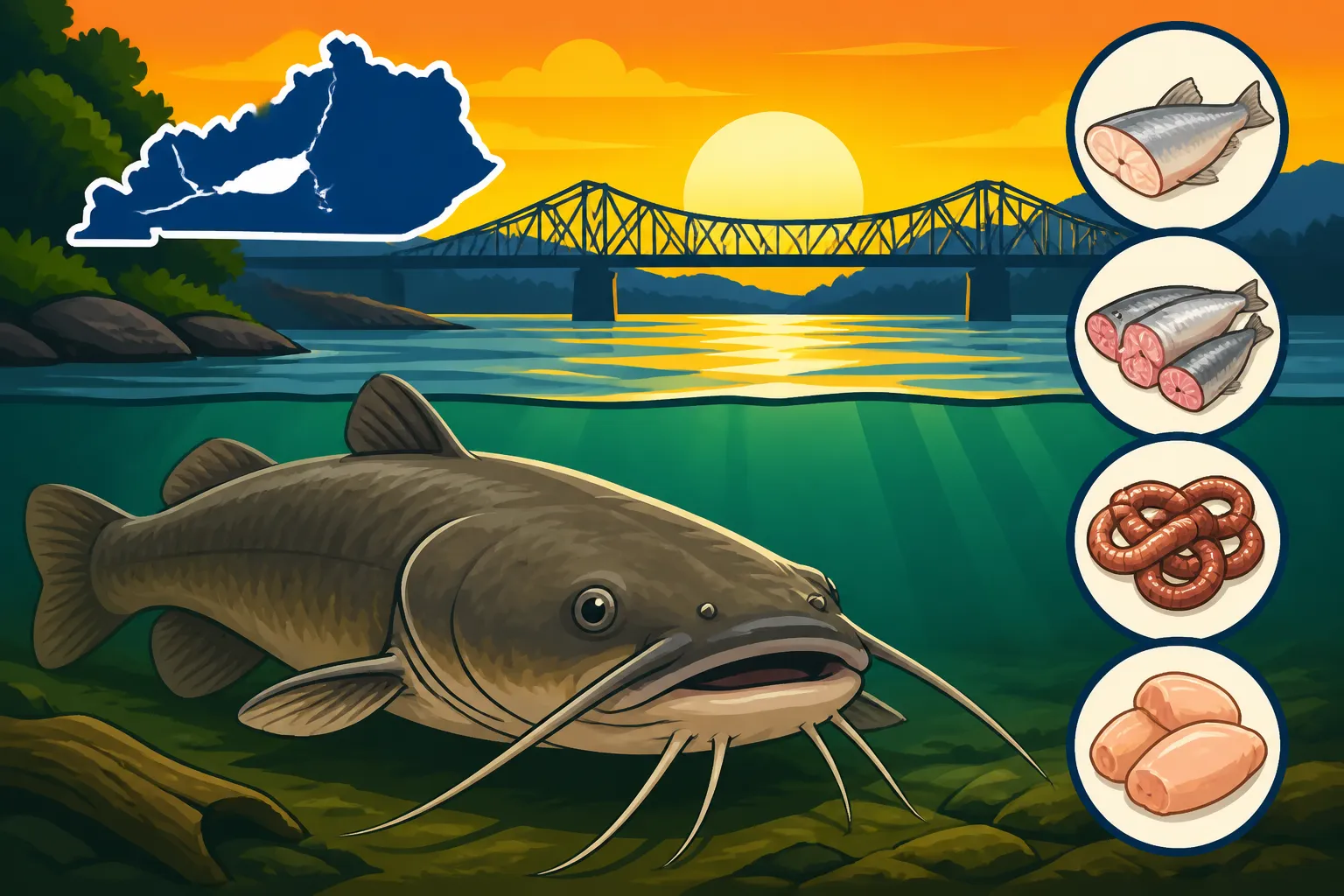
Best Bait for Flathead Catfish on the Ohio River
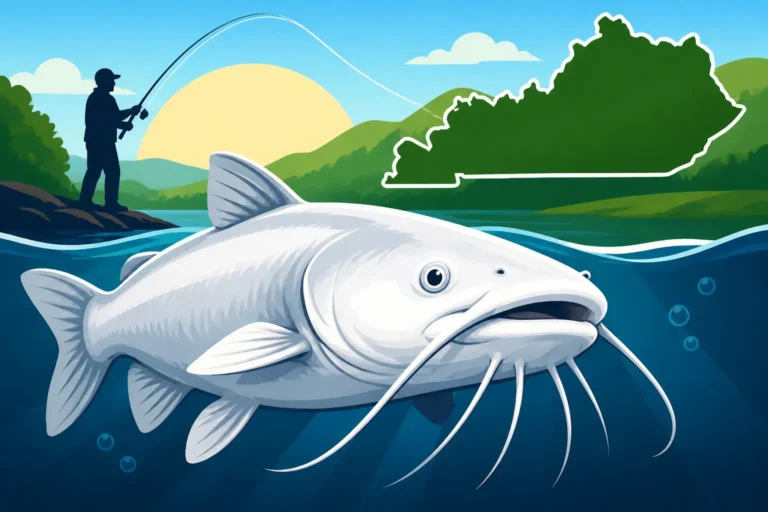
If you've ever battled a truly massive flathead catfish on the mighty Ohio River, you know there's nothing quite like it. These powerful, ancient-looking fish are a true test of an angler's skill and patience. But finding that perfect, irresistible bait can often feel like a puzzle, especially with the Ohio's vast and diverse ecosystem. This guide is all about helping you crack that code, diving deep into the best baits that consistently tempt those monster flatheads lurking in the depths of Kentucky's Ohio River.
Understanding the Flathead Catfish Diet on the Ohio River
Before we even talk about bait, let's get into the mind of a flathead catfish. These aren't your average scavenger catfish that will eat anything and everything. Flatheads are apex predators, pure and simple. They prefer fresh, live prey, which is a crucial distinction if you want to be successful on the Ohio. They're opportunistic, yes, but their primary instinct is to hunt.
The Predatory Nature of Flatheads
Flathead catfish are built for ambush. Their broad, flattened heads and wide mouths are perfect for engulfing unsuspecting fish. They typically hide in structure—think logjams, submerged trees, rock piles, and deep holes—waiting for a meal to swim by. This means your bait needs to be alive, kicking, and presented in a way that mimics natural prey movement. They're not going to chase down a dead piece of shad nearly as readily as they'll pounce on a struggling bluegill or a lively skipjack herring.
On a river as big and powerful as the Ohio, with its strong currents and diverse underwater landscape, flatheads have a smorgasbord of natural prey. This includes everything from various sunfish species to shad, skipjack, and even smaller carp. Understanding this natural diet gives us a huge advantage in choosing the most effective bait. It's about matching the hatch, as fly fishermen say, but for big, toothy catfish.
Why Live Bait Reigns Supreme
Given their predatory instincts, it's no surprise that live bait is overwhelmingly the most effective choice for flathead catfish. A live baitfish, properly hooked, sends out distress signals and vibrations that flatheads are finely tuned to detect. It moves naturally with the current, drawing attention, and offers a juicy, irresistible meal that a flathead doesn't have to work hard for. This is why seasoned flathead anglers will spend just as much time catching their bait as they do fishing for the catfish themselves.
The challenge on the Ohio is often in acquiring and keeping this live bait healthy. You're dealing with a large river, sometimes strong currents, and often hot summer days that can stress baitfish. Investing in a good aerated bait tank is non-negotiable if you plan on using live bait effectively. You want your bait to be as lively as possible when it hits the water to maximize its allure.
The Gold Standard: Live Bait for Monster Flatheads
When it comes to flathead fishing on the Ohio River, live bait is not just an option; it's practically a requirement for consistent success, especially if you're targeting those truly massive fish. The key is finding bait that is native to the river and lively enough to attract attention.
Skipjack Herring
If there's one bait that Ohio River flathead anglers swear by, it's the skipjack herring. These silvery, hard-fighting baitfish are a natural food source for big flatheads, and they have an incredible ability to stay lively on the hook, even in strong currents. Catching skipjack can be an adventure in itself, often requiring casting small jigs or sabiki rigs below dams or in swift current areas.
Their oil content and vigorous swimming action make them irresistible to flatheads. A skipjack in the 6-10 inch range is perfect for targeting trophy-sized fish. You'll want to hook them through the back, just in front of the dorsal fin, being careful not to hit their spine. Keeping them alive in a large, well-aerated bait tank is paramount, as a healthy skipjack will draw in big fish from a distance. Many anglers believe that if skipjack are present, they are the number one bait choice.
Bluegill and Other Sunfish
Bluegill are another incredibly popular and effective live bait for flatheads, and for good reason. They are hardy, readily available in most Kentucky waters, and flatheads absolutely love them. A 4-7 inch bluegill is often the perfect size, big enough to deter smaller catfish but not so large that a trophy flathead can't engulf it. Bluegill Fishing Tips for Beginners can help you catch your own bait efficiently.
Other sunfish species like green sunfish or even small rock bass can also be highly effective. The key is their hardiness and their natural presence in the flathead's environment. Hooking them through the lip or the back allows them to swim naturally and stay alive for a long time. They're easier to keep alive than skipjack for many anglers, making them a fantastic go-to option when skipjack are hard to come by. Their vibrant colors and active swimming are a siren call to hungry flatheads.
Carp and Suckers
For those truly seeking a behemoth, larger baitfish like small common carp (often referred to as 'silver carp' when they are small and shiny, but don't confuse with invasive silver carp), goldfish, or various types of suckers can be incredibly effective. These baits are generally tougher and can withstand being bumped or toyed with by a flathead before it commits. A 6-12 inch carp or sucker is a substantial meal, targeting only the biggest fish in the river.
These larger baits are usually hooked through the back or tail to ensure maximum liveliness. While they might not be as universally available as bluegill, if you have access to areas where you can catch small carp or suckers, they are well worth the effort. They provide a bigger profile and a lot of movement, signaling a substantial meal to any flathead in the vicinity. Remember, a larger bait often means waiting longer for a bite, but the reward can be immense.
Rigging and Presenting Your Live Bait Effectively
Having the right bait is only half the battle; knowing how to rig and present it effectively on the Ohio River's diverse bottom is just as crucial. The goal is to keep your bait lively and in the strike zone, while also being able to withstand the powerful current and the raw strength of a flathead.
Choosing the Right Terminal Tackle
For flathead fishing, your terminal tackle needs to be robust. Think heavy-duty hooks, strong line, and appropriate weights.
- Hooks: Circle hooks are the undisputed champion for flathead fishing. They are designed to hook fish in the corner of the mouth, which is much safer for the fish if you plan on releasing it, and helps prevent gut hooking. Sizes typically range from 7/0 to 10/0, depending on the size of your bait and the target fish. Brands like Gamakatsu, Owner, and Mustad offer excellent options designed for heavy-duty catfishing. You can often find great deals on bulk packs of these hooks on Amazon if your local shop is running low.
- Line: You'll need heavy mono or braided line for flatheads on the Ohio River. Many anglers prefer 50-80 lb test braided line for its strength and sensitivity, especially when fishing in heavy current and around structure. A leader of heavy monofilament or fluorocarbon (60-100 lb test) can be used to provide abrasion resistance against sharp rocks and logs.
- Weights: The Ohio River current can be strong, so you'll need substantial weights to keep your bait in place. Sinker styles like no-roll, pyramid, or coin sinkers are popular because they resist tumbling in the current. Weights can range from 3-12 ounces or even more, depending on the depth and speed of the water. Best Rigs for Catfish Fishing in Current often incorporate these heavier weights.
Popular Flathead Rigs for the Ohio River
Two primary rigs dominate flathead fishing on the Ohio: the Carolina Rig and the Santee Cooper Rig. Both are designed to keep your bait near the bottom but allow it some freedom of movement.
The Carolina Rig
The Carolina Rig is a classic for a reason. It's simple, effective, and allows your bait to swim freely.
- Thread a heavy sinker (3-8 oz, depending on current) onto your main line.
- Tie on a heavy barrel swivel (at least 80 lb test) to act as a stopper for the sinker.
- Attach a monofilament or fluorocarbon leader (2-4 feet, 60-100 lb test) to the other end of the swivel.
- Tie your circle hook to the end of the leader.
This rig allows the fish to pick up the bait and move off without immediately feeling the weight of the sinker, giving them time to fully engulf the bait before the circle hook sets in the corner of their mouth. It's particularly effective in areas with less snags.
The Santee Cooper Rig
The Santee Cooper Rig is a variation of the Carolina Rig that's particularly useful for keeping your bait off the immediate bottom, especially in areas with softer mud or lots of snags.
- Start with a Carolina Rig setup.
- Before tying on your hook, add a small, inline cigar or peg float (about 1-2 inches long) to your leader, positioned a few inches above the hook.
This float lifts your live bait slightly off the bottom, making it more visible and keeping it out of debris, while still allowing it to swim and attract attention. It’s a great choice for muddy bottoms or when you want your bait to be just above a brush pile where flatheads might be hiding.
Proper Bait Presentation and Placement
Once rigged, where you place your bait on the Ohio River is key. Flatheads are structure-oriented fish. Look for:
- Logjams and Brush Piles: These provide ambush points and cover. Cast your bait upstream of the structure and let it drift naturally into the zone.
- Deep Holes and Eddies: Areas where the current slows down, often behind points or submerged features, can hold big fish. Flatheads will conserve energy in these spots and wait for food to drift by.
- Rock Piles and Ledges: These offer excellent cover and temperature breaks.
- Channel Edges: The transition areas from the main river channel to shallower flats are often productive, especially at night.
When fishing heavy current or structure, keep a tight line but ensure your drag is set properly. You want to feel the subtle taps of a flathead investigating, but you need to be ready for the explosive run when they commit. Best Catfish Fishing Spots on Kentucky's Ohio River provides more specific location ideas.
Tips for Success on the Ohio River
Fishing for flatheads on the Ohio is an experience that combines patience with thrilling action. To consistently put big fish in the boat, you need more than just good bait and a solid rig; you need strategy and an understanding of the river itself.
Timing is Everything
Flatheads are primarily nocturnal feeders. While you can certainly catch them during the day, your chances for trophy fish significantly increase after sunset and into the pre-dawn hours. This is when they become more active, moving out of their daytime hiding spots to hunt. Planning overnight trips or targeting the twilight hours can make a huge difference.
Water temperature also plays a role. Flatheads are more active in warmer water, typically from late spring through early fall. The summer months, when the Ohio River water temperatures are at their highest, often offer the most consistent big flathead bite. Be sure to check out Best Time of Year to Catch Catfish on the Ohio River for more detailed seasonal insights.
Using Electronics for Flathead Locating
Modern fish finders and GPS units are invaluable tools for flathead fishing on a river as vast as the Ohio. They help you identify those crucial pieces of structure—like submerged trees, deep holes, and channel edges—where flatheads ambush their prey. Side-imaging and down-imaging technologies can reveal detailed underwater landscapes, allowing you to pinpoint exactly where you want to drop your bait.
Marking promising spots on your GPS after you've found them or had success is a game-changer. This allows you to return to those productive areas with precision, even in the dark. While not strictly necessary, good electronics can significantly reduce your search time and increase your fishing efficiency.
Patience and Persistence
Flathead fishing is not for the faint of heart or the impatient angler. These fish are often solitary, and you might go long stretches without a bite. It's not uncommon to fish an entire night for just one or two bites, but those bites usually come from quality fish. Unlike channel catfish that might pick at your bait, a flathead bite often starts as a subtle tap or a slow, deliberate pull, followed by a powerful run. Resist the urge to set the hook too early; let the fish take the bait and turn away, allowing the circle hook to do its job.
Being prepared for long nights, having comfortable seating, good lighting, and plenty of snacks can help you endure the waiting game. The reward of wrestling a giant flathead from the Ohio River is well worth the persistence.
Keep Your Bait Healthy
We've touched on this, but it bears repeating: the livelier your bait, the better your chances. A struggling, half-dead baitfish simply won't have the same appeal to a flathead as a vibrant, active one.
- Aerated Bait Tank: This is essential. Invest in a large tank with a powerful aerator, especially if you're using skipjack or larger baitfish.
- Water Quality: Keep the water in your bait tank cool and clean. Add ice (made from purified water) on hot days and change a portion of the water periodically, especially if you're keeping a lot of bait.
- Avoid Overcrowding: Don't put too many baitfish in one tank. This stresses them out and depletes oxygen quickly.
- Gentle Handling: Handle baitfish as little as possible. Use a net to transfer them to your hook to minimize stress.
A healthy baitfish is your best advertisement to a hungry flathead. You can find quality aerators and bait buckets on Amazon or at most local fishing tackle stores.
Other Bait Considerations
While live bait is king, there are other considerations and occasional exceptions for flathead catfish on the Ohio River. Knowing these can help in a pinch or when conditions are challenging.
Cut Bait: When it Might Work
Unlike channel catfish and blue catfish, flatheads are generally not keen on cut bait. They are predators that prefer to hunt live prey. However, there are rare occasions when a fresh piece of cut bait might entice a flathead, especially if it's from a highly oily species like fresh skipjack herring or shad, and it's presented in an area with a strong current that disperses scent.
If you do use cut bait for flatheads, ensure it's absolutely fresh—ideally, cut from a fish caught minutes before. Don't use anything frozen or store-bought. A large strip of skipjack belly with the skin on, for example, might get some attention due to its strong scent and visual appeal in the current. But always remember, this is an exception, not the rule. If you're specifically targeting flatheads, stick to live bait first. For a general overview, Cut Bait vs Live Bait for Catfish Fishing details the pros and cons.
Prepared Baits and Stink Baits
Forget about prepared baits, punch baits, or stink baits for flathead catfish. These baits are designed for channel catfish and, to a lesser extent, blue catfish, which are more scavengers or opportunistic feeders that rely heavily on scent. Flatheads are visual hunters that respond to movement and the distressed vibrations of live prey. You'll be wasting your time and money trying to entice a flathead with anything resembling a dough ball or a smelly commercial concoction.
Save those special channel cat baits for channel cats. For flatheads, the mantra is always "live, lively, and fresh."
Bait Comparison Table
Here's a quick look at the top live baits for flathead catfish on the Ohio River:
| Bait Type | Pros | Cons | Ideal Flathead Size | How to Obtain |
|---|---|---|---|---|
| Skipjack Herring | Extremely lively, very oily, flathead favorite. | Hard to catch, delicate, requires excellent bait keeping. | Large to Trophy | Cast netting/jigging below dams and in current |
| Bluegill | Hardy, readily available, stay lively, natural prey. | Can be smaller, might attract smaller catfish too. | Medium to Large | Catching with small hooks, traps, local bait shops |
| Suckers | Very hardy, large profile, good for big fish. | Can be harder to find, slower moving than skipjack. | Large to Trophy | Traps, minnow traps, some bait shops |
| Small Carp | Hardy, good size for trophy fish, readily available. | Can be slower moving, might not be as active as skipjack. | Large to Trophy | Cast netting, small hooks, some bait shops |
Remember that local bait shops along the Ohio River often have a pulse on what's biting and what live bait is available. Locations like those near Paducah or Louisville might have specific regional favorites. For gear like heavy-duty bait nets or aerators, checking online retailers like Amazon can provide a wider selection if local options are limited.
Choosing the best bait for flathead catfish on the Ohio River really boils down to understanding their predatory nature. Live, lively, and locally sourced bait like skipjack herring, bluegill, or suckers will always be your best bet. Combine that with strong tackle, effective rigging, and a good dose of patience, and you'll be well on your way to tangling with one of Kentucky's most challenging and rewarding freshwater fish. Happy fishing out there!
Disclaimer
This article is for general informational purposes only and does not constitute professional advice. Laws, prices and regulations vary by location and change over time. Consult a qualified professional for guidance on your specific situation.