Is Bowfin Good to Eat?
Let's talk about bowfin, shall we? If you've spent any time fishing Kentucky's murky backwaters, slow-moving rivers, or even some of our larger lakes, chances are you've tangled with one of these ancient, toothy creatures. And if you're like most anglers, your first thought probably wasn't, "Hmm, I wonder how that would taste?" There's a persistent rumor out there that bowfin are inedible, a "trash fish" not worth the effort. But is that truly the case, or are we missing out on a unique culinary experience? This guide dives deep into the world of bowfin as table fare, separating fact from fiction and giving you the real scoop on whether these feisty fish can make a delicious addition to your dinner plate.
Understanding Bowfin: More Than Just a "Trash Fish"
Before we even get to the dinner table, it's important to understand what a bowfin is. These aren't your typical panfish or popular game species. They are survivors, a living fossil, if you will, that has been around for millions of years. Their unique characteristics often lead to misconceptions, especially when it comes to their edibility.
What Exactly is a Bowfin?
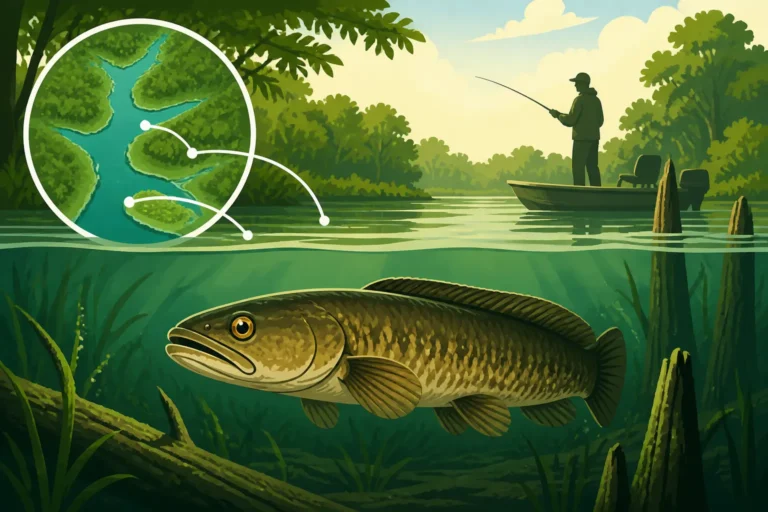
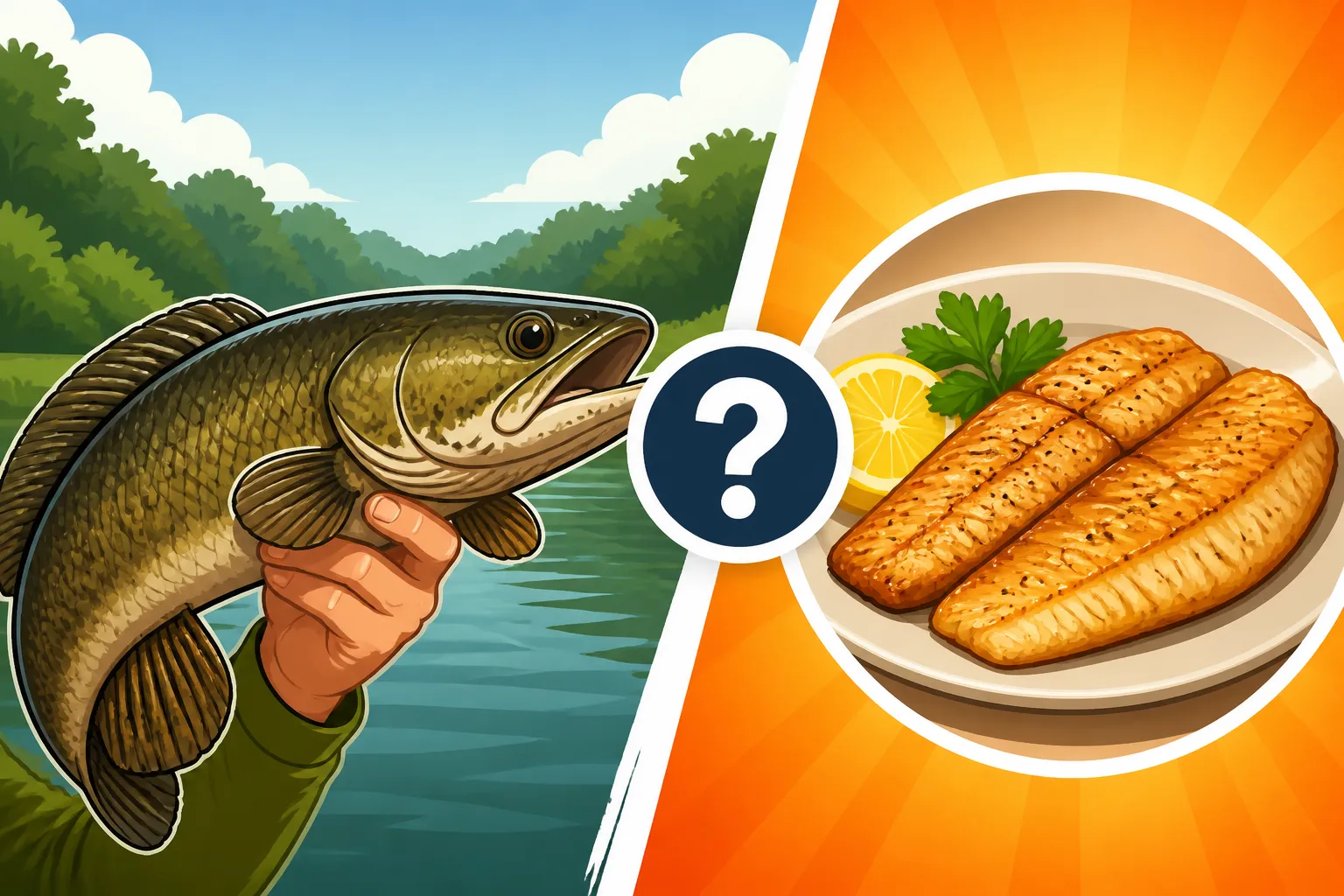
Bowfin, sometimes called "dogfish" (though not actually a dogfish shark), "mudfish," or "grinnel," are truly distinctive. They have a long, cylindrical body, often mottled green or brown, a long dorsal fin that runs almost the entire length of their back, and a nasty set of sharp teeth. You can usually identify them by the large, dark spot on their tail fin, often ringed in orange, particularly noticeable on males. They thrive in sluggish, weedy waters, often found lurking in oxbow lakes, river backwaters, and swamps, especially those connected to the Mississippi River drainage and, of course, our own Ohio River system here in Kentucky.
They're incredibly hardy, able to breathe air thanks to a primitive lung-like swim bladder, allowing them to survive in oxygen-depleted waters where other fish would perish. This resilience often leads anglers to believe they're a nuisance species. Catching one often feels like battling a prehistoric monster, putting up a surprisingly strong fight. While they might not be on everyone's target list like largemouth bass or crappie, they are undeniably a fascinating part of Kentucky's diverse aquatic ecosystem. You can learn more about the variety of fish in our waters by checking out our Kentucky Fish Species Guide: 265 Types You Can Catch.
The "Trash Fish" Stigma and Why It Persists
So, why the bad rap? The "trash fish" label for bowfin largely stems from a few factors. Historically, they weren't considered a sport fish or a commercially viable species, leading to a general dismissal by many anglers. Their aggressive appearance, sharp teeth, and the fact that they're often caught when targeting other species contribute to this perception. Some folks might even be a little intimidated by them!
Another major reason for the stigma is directly related to their perceived culinary quality. There's a widespread belief that bowfin meat is mushy or has a "jelly-like" consistency, especially if not handled correctly. This misconception often comes from improper cleaning or allowing the fish to spoil before preparation. Like many fish, particularly those from warmer waters, immediate and proper handling is absolutely crucial. If you just toss a bowfin in a warm bucket all day, you're absolutely going to end up with a less-than-appetizing result. Plus, their incredibly tough, slimy skin and bony structure can make cleaning a bit of a chore for the uninitiated, further deterring people from giving them a fair shake on the dinner plate.
The Culinary Side of Bowfin: Is It Worth the Effort?
Alright, let's cut to the chase: can bowfin actually be good to eat? The answer, unequivocally, is yes, but with a big asterisk: if prepared correctly. This isn't a fish you can just toss in a pan whole and expect gourmet results. It demands a little extra care and attention, but many anglers who've taken the time swear by its flavor.
Texture and Flavor Profile
When properly prepared, bowfin meat is firm, flaky, and has a mild, sweet flavor. It's often compared to some freshwater white fish, perhaps a bit like a denser channel catfish or even a firm crappie, but with its own unique character. The key to avoiding that "jelly" texture is bleeding the fish immediately upon capture and keeping it on ice. This step is non-negotiable. If the fish is not bled, blood can pool in the muscle tissue, leading to an off-flavor and a softer texture when cooked. Think of it like dressing any other game; proper care from the moment of harvest makes all the difference.
The flavor isn't overpowering or "fishy" in the way some bottom feeders can be. It's clean and takes well to various seasonings and cooking methods. This versatility is actually one of its strengths, allowing you to experiment with different culinary approaches.
Preparation Challenges: The Slimy Skin and "Jelly" Meat Myth
Now, let's address the elephant in the room: the infamous slimy skin and the "jelly" meat myth. The skin of a bowfin is incredibly tough and indeed quite slimy. It's not something you'll want to leave on for cooking, like you might with some trout or salmon. This means a thorough skinning process is required, which can be a bit more challenging than filleting a typical scaled fish. You'll need a sharp knife and a good technique, perhaps even a pair of pliers for gripping the skin.
The "jelly" meat myth largely comes from two places:
- Improper Handling: As mentioned, failure to bleed the fish immediately and keep it cold will result in a soft, undesirable texture. The meat fibers break down quickly if not chilled.
- The "Worm" Misconception: Some people claim bowfin meat has "worms." What they're often seeing are small, harmless parasites that can be found in many wild fish species, not just bowfin. These are typically killed by cooking and are not dangerous. However, the visual can be off-putting. Proper filleting and inspection of the meat can alleviate this concern. If you're particularly sensitive, thorough cooking always addresses any potential issues.
It's a shame that these challenges and myths have overshadowed the potential of bowfin. If you're willing to put in a little extra work, you'll be rewarded with surprisingly good table fare.
Best Ways to Prepare and Cook Bowfin
So, you've caught a bowfin, and you're ready to give it a shot. Fantastic! Now comes the crucial part: preparing it right. This isn't a fish for the faint of heart when it comes to cleaning, but once you get the hang of it, you'll find it's well worth the effort.
Cleaning and Filleting Bowfin Properly
This is where many people get discouraged, but it’s essential for a good eating experience.
- Bleed Immediately: As soon as you land the fish, cut the gill arches to allow it to bleed out. This is perhaps the most critical step for good-tasting bowfin.
- Ice Down: Get that fish on ice immediately. Don't let it sit in a livewell or on a stringer in warm water. A cooler packed with ice is your best friend.
- Skin, Don't Scale: Bowfin have ganoid scales, which are incredibly tough and almost armor-like. You don't scale a bowfin; you skin it.
- Lay the fish on its side on a cleaning board.
- Make a cut behind the pectoral fin, down to the backbone.
- Make another cut along the top of the backbone, from head to tail, through the skin only.
- Using pliers and a sharp, sturdy knife, carefully peel the skin off the fillet. This requires some force and a good grip.
- Repeat on the other side.
- Fillet and Remove the Bloodline: Once skinned, you'll fillet the meat off the backbone, just like any other fish. However, bowfin often have a noticeable dark red bloodline running down the middle of the fillet. It's vital to cut this out. This bloodline contributes to any "off" flavor or softer texture. You'll be left with clean, white, firm fillets.
- Address the Y-bones (Optional): Like pike, bowfin can have Y-bones in the anterior part of the fillet. You can either cut these out (which reduces the amount of usable meat) or score the meat over them before cooking, which allows them to soften and become less noticeable. For frying or grinding, removing them is usually best.
This process might sound like a lot, but a fresh, properly bled, and iced bowfin that is then skinned and had its bloodline removed will yield firm, clean-tasting meat. For specialized tools to make cleaning easier, a good filleting knife or even a pair of fish skinning pliers can be found on Amazon.
Popular Cooking Methods
Once you have those clean, white fillets, the world is your oyster! Or, in this case, your bowfin. Here are some of the most popular and successful cooking methods:
- Frying: This is arguably the most common and delicious way to prepare bowfin. Cut your fillets into chunks, dredge them in seasoned cornmeal or a fish fry batter, and deep-fry until golden brown and flaky. The high heat helps crisp up the exterior and ensures a firm, cooked interior. It's a classic for a reason.
- Grilling/Broiling: Marinate the fillets in a zesty marinade (lemon, garlic, herbs) and grill or broil until cooked through. The firm texture holds up well to grilling, and the marinade complements the mild flavor.
- Smoking: For those who love smoked fish, bowfin is an excellent candidate. The smoking process dries out the meat slightly and infuses it with a deep, smoky flavor, transforming it into something truly special. This is particularly good for larger, thicker fillets.
- Cajun-Style: Given their prevalence in Southern waters, it's no surprise that Cajun and Creole cooking methods are perfect for bowfin. Think blackened bowfin, or using chunks in a gumbo or jambalaya. The bold spices stand up well to the fish's robust nature.
For anglers looking to explore different species beyond bass or catfish, understanding these methods can open up new culinary doors. You might even find some crossover with techniques for Kentucky Catfish Fishing: Ohio River and Kentucky Lake Guide.
Recipes and Tips for Success
Here are a few specific ideas to get you started:
1. Classic Crispy Fried Bowfin Bites
- Ingredients:
- 1-2 lbs bowfin fillets, cleaned, bloodline removed, and cut into 1-inch chunks
- 1 cup yellow cornmeal
- 1/2 cup all-purpose flour
- 2 tsp salt
- 1 tsp black pepper
- 1 tsp garlic powder
- 1/2 tsp cayenne pepper (optional, for a kick)
- 1 egg, beaten
- 1/4 cup milk
- Vegetable oil for frying
- Instructions:
- In a shallow dish, combine cornmeal, flour, salt, pepper, garlic powder, and cayenne. Mix well.
- In another shallow dish, whisk together egg and milk.
- Pat bowfin chunks dry. Dip each chunk into the egg wash, then dredge thoroughly in the cornmeal mixture, pressing to coat.
- Heat about 2-3 inches of oil in a heavy-bottomed pot or deep fryer to 350-375°F.
- Carefully fry the bowfin chunks in batches, turning occasionally, until golden brown and cooked through (about 3-5 minutes depending on size).
- Remove with a slotted spoon and place on paper towels to drain excess oil. Serve hot with tartar sauce or hot sauce.
2. Smoked Bowfin Dip
This is an incredible way to use bowfin, particularly if you have a smoker.
- Ingredients:
- 1 lb smoked bowfin fillets (seasoned with salt, pepper, and a touch of brown sugar before smoking)
- 8 oz cream cheese, softened
- 1/2 cup mayonnaise
- 2 tbsp sour cream
- 2 tbsp chopped green onion
- 1 tbsp fresh lemon juice
- 1 tsp Worcestershire sauce
- Dash of hot sauce
- Salt and pepper to taste
- Instructions:
- Flake the smoked bowfin meat into a bowl, ensuring no bones remain.
- Add softened cream cheese, mayonnaise, sour cream, green onion, lemon juice, Worcestershire, and hot sauce.
- Mix everything together thoroughly until well combined. You can use a fork or a hand mixer on low speed for a smoother consistency.
- Taste and adjust seasoning with salt and pepper.
- Chill for at least an hour to allow flavors to meld. Serve with crackers, pita chips, or fresh vegetables.
Key Tip: Don't overcrowd your frying pan or smoker. This lowers the temperature and can lead to soggy or unevenly cooked fish. Cook in batches for the best results. A reliable food thermometer is also invaluable for ensuring your oil is at the right temperature for frying or your smoker is holding steady. For essential gear that every angler needs, from basic tackle to advanced electronics, check out our guide on Best Tackle for Big Lake Bass Fishing, which also offers advice on selecting versatile equipment.
Nutritional Value and Safety Considerations
Beyond taste, it’s always smart to consider what you’re putting into your body. Bowfin, like many other wild-caught fish, offers a good source of nutrition, but there are also general safety points to keep in mind for any wild game.
Health Benefits of Eating Bowfin
When it comes to nutritional benefits, bowfin holds its own. Like most fish, it's an excellent source of lean protein. Protein is essential for muscle growth and repair, and for keeping you feeling full and energized, especially after a long day on the water.
Furthermore, bowfin can contribute to your intake of Omega-3 fatty acids. While perhaps not as rich as salmon or mackerel, freshwater fish still offer these beneficial fats, which are known for supporting heart health, brain function, and reducing inflammation. Eating fish regularly as part of a balanced diet is recommended by health professionals, and incorporating species like bowfin can help diversify your protein sources.
Bowfin also provides essential vitamins and minerals, including B vitamins, phosphorus, and selenium, which play various roles in maintaining overall health. So, from a purely nutritional standpoint, a properly prepared bowfin meal is a healthy choice!
Mercury and Contaminant Concerns
Whenever you're eating wild-caught fish, it's natural and responsible to consider potential contaminants like mercury or PCBs. Bowfin, being a predatory fish at the top of its food chain and often living in slower, potentially more contaminated waters, does have the potential to accumulate higher levels of mercury than some smaller, shorter-lived species.
However, this is not unique to bowfin. Many larger, longer-lived predatory fish – both freshwater and saltwater – can accumulate mercury. The key is to be aware of local consumption advisories. Kentucky, like most states, issues guidelines for fish consumption from specific bodies of water. These advisories are typically put out by the state's Department of Fish and Wildlife Resources or environmental protection agencies. They usually recommend limits on how much of a certain species from a particular lake or river pregnant women, young children, or the general population should consume.
Here's what you should always do:
- Check Local Advisories: Before planning to eat any fish, especially from a new-to-you body of water, always check the current fish consumption advisories for that specific lake or river. These are easily found on the Kentucky Department of Fish and Wildlife Resources website.
- Practice Catch and Release: If you're concerned about consumption but still enjoy the fight, simply practice catch and release for larger or older bowfin.
- Diversify Your Diet: Don't eat large quantities of any single type of fish exclusively. A varied diet helps minimize exposure to any one potential contaminant.
For general fishing rules and to stay informed, always refer to the Kentucky Fishing Regulations Explained. Understanding your local environment and its resources is part of being a responsible angler and consumer.
So, after all this, is bowfin good to eat? Absolutely, yes! But it's not a beginner-friendly fish to prepare. It requires respect, proper handling, and the right culinary approach. If you're an adventurous angler who appreciates unique flavors and isn't afraid of a little extra effort in the kitchen, then by all means, give bowfin a try. You might just discover a new favorite!
Disclaimer
This article is for general informational purposes only and does not constitute professional advice. Laws, prices and regulations vary by location and change over time. Consult a qualified professional for guidance on your specific situation.