How Big Do Crappie Get in Kentucky Lakes?
Anglers in Kentucky, we've all been there: you're out on the lake, you feel that tell-tale tap, and you pull in a crappie, only to find it's a little smaller than you hoped. It's easy to wonder, "Just how big do crappie get in Kentucky lakes, anyway?" This guide is going to dive deep into the world of Kentucky crappie, exploring their typical sizes, what factors help them grow to impressive lengths, and how you can increase your chances of landing a true slab.
Understanding Crappie Growth in Kentucky Lakes
Crappie are a beloved species across the Bluegrass State, prized for both their sporting qualities and their delicious fillets. But like any fish, their growth isn't uniform. Understanding what factors contribute to their size can help you set realistic expectations and even improve your chances of catching bigger fish.
Average Size Expectations: What's Typical?
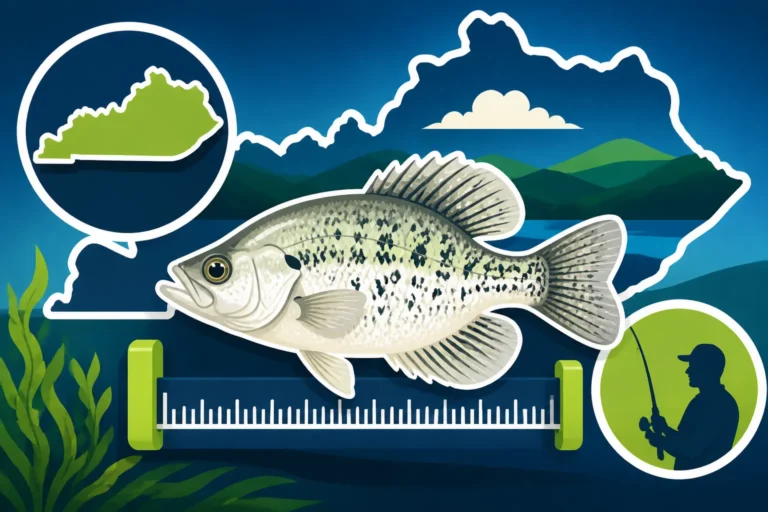
When you're out fishing a typical Kentucky lake or reservoir, you'll most often encounter crappie in the 8- to 12-inch range. These are your bread-and-butter fish, perfect for a good meal. Many anglers consider a 10-inch crappie a respectable catch, and anything over 12 inches often starts getting called a "slab" or a "plate-sized" fish. These fish are typically a few years old, having matured past their juvenile stages and found enough forage to put on some serious weight.
However, it's not uncommon to pull out fish that are a little smaller, especially during certain times of the year or in waters with very high crappie populations and limited food sources. Conversely, some of Kentucky's premier crappie fisheries can consistently produce fish in the 13- to 15-inch range, which are truly fantastic catches and the kind that make you want to brag a little. These larger fish are often older, wiser, and have benefited from good forage and optimal habitat.
Think of it like this: if you're consistently catching 8-9 inch crappie, you're doing fine. If you're consistently hitting double-digits, you're in a great spot or have some excellent techniques working for you! The "average" will shift slightly depending on the specific body of water you're fishing, its overall health, and how well it's managed for crappie populations. It’s always a thrill to see that tape measure stretch past the usual marks. You can learn more about general regulations in our Kentucky Crappie Daily Limit Rules guide.
Factors Influencing Crappie Size and Health
A crappie's size isn't just a random act of nature; it's a complex interplay of several environmental and biological factors. One of the most significant influences is the food source availability. Lakes rich in threadfin shad, minnows, and aquatic insects provide a buffet for crappie, allowing them to grow faster and larger. If a lake has an abundance of food but a relatively low crappie population, those fish will have less competition and grow quicker.
Water quality and habitat also play crucial roles. Clean, well-oxygenated water, coupled with diverse habitats like submerged timber, brush piles, rock formations, and healthy aquatic vegetation, provides both feeding grounds and protection from predators. Lakes with plenty of brush piles and standing timber, for example, often hold bigger crappie because these structures offer ambush points for feeding and refuge for smaller fish. Conversely, poor water quality or a lack of suitable habitat can stunt growth, making it harder for crappie to reach their full potential.
Population density is another key factor. In lakes where crappie are overpopulated, there's fierce competition for food, leading to a higher number of smaller, "stunted" fish. Fishery managers often implement size and creel limits to help balance populations and promote the growth of larger fish. The genetics of the crappie strain in a particular lake can also play a subtle role, though this is less common for the average angler to consider. Additionally, the length of the growing season in Kentucky, with its generally warm climate, provides ample time for crappie to feed and put on size before colder months slow their metabolism. The statewide daily limit is 20 crappie per angler, as detailed in Kentucky Crappie Daily Limit: 20 Fish Statewide.
Chasing Trophy Crappie: Kentucky's Record Books
Every angler dreams of landing a trophy, and with crappie, that means a fish that truly pushes the limits of what's possible. Kentucky has a rich history of producing some truly massive crappie, and understanding these benchmarks can inspire your next outing.
Kentucky's State Record Crappie
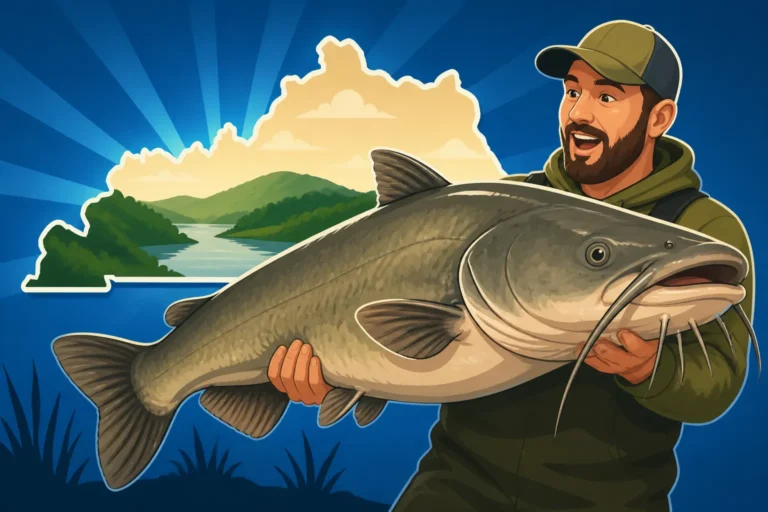
When we talk about "how big do crappie get," we're not just talking about your average catch; we're talking about those monumental, once-in-a-lifetime fish that make the record books! Kentucky has a proud history of producing some truly impressive crappie. The state record for white crappie stands at a whopping 4 pounds 14 ounces, a true monster that would dwarf most of what we typically catch. The black crappie record is also substantial, coming in at 4 pounds 8 ounces. These fish weren't caught by accident; they're the result of perfect conditions, abundant food, and a bit of angler luck.
Imagine pulling in a fish like that! It's the stuff of legends around the fishing camp. These record fish are usually very old, perhaps 7-10 years old or even more, having managed to evade predators and anglers for a long time while consistently finding enough food to pack on the pounds. They are the apex crappie in their respective waters, a testament to the potential of Kentucky's fisheries. They also highlight the slight difference in potential size between the two species, a topic we explore further in Is Black Crappie Bigger Than White Crappie?.
While most of us won't break a state record, knowing what's possible fuels the dream every time we cast a line. It reminds us that there's always a chance for that absolute slab to be lurking just beneath the surface, waiting for our offering.
Where Do the Biggest Crappie Hide?
So, if you're serious about targeting bigger crappie, you need to think like a big crappie. These aren't the fish you'll find schooling en masse in open water, although their smaller counterparts might be there. Trophy crappie are often more solitary, territorial, and prefer deeper, more secluded cover. They're looking for prime ambush points where they can easily snap up a passing baitfish without expending too much energy.
Consider areas with standing timber, deep brush piles, and submerged creek channels in major lakes like Kentucky Lake, Lake Barkley, or Lake Cumberland. These spots offer both depth and structure, which are irresistible to larger crappie. During the spawn, they might move shallower, but even then, they'll often hold on the edges of deeper water or find more isolated cover than their smaller brethren. These are often the same areas highlighted in our guide to the Best Crappie Fishing Lakes in Kentucky.
Another key location is near dam structures or deeper bridge pilings, especially where current creates eddies that concentrate baitfish. These areas can be challenging to fish, but they often hold some of the biggest and most aggressive crappie. Don't be afraid to explore new spots or to spend more time meticulously working known deep-water structure. Sometimes, it's about patience and persistence in those hard-to-reach honey holes.
Black Crappie vs. White Crappie: Do They Grow Differently?
Kentucky's waters are home to both black and white crappie, and while they're both fantastic fish to catch, they do have some distinct characteristics, including subtle differences in their growth patterns.
Distinguishing Between Black and White Crappie
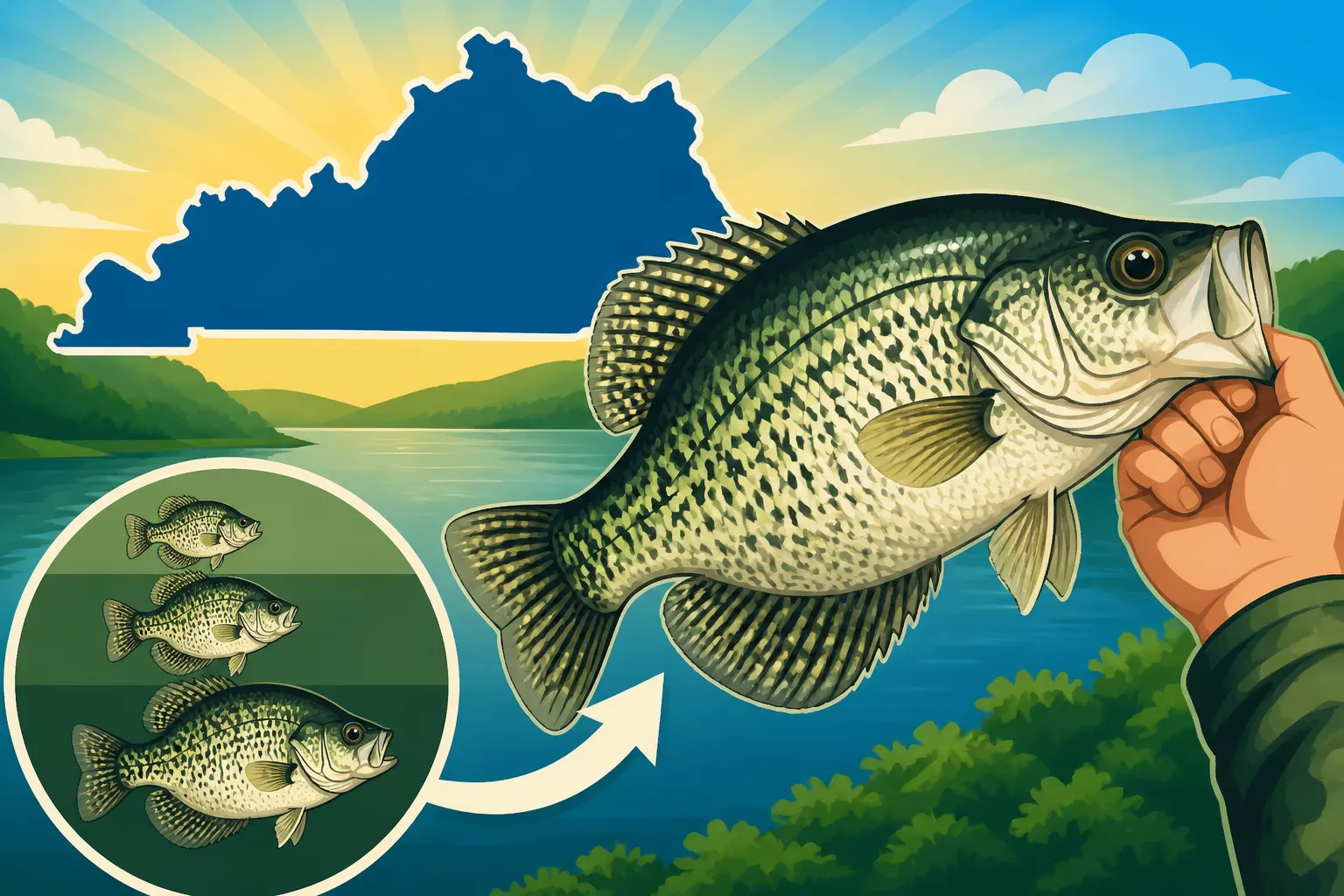
It's easy to lump all crappie into one category, but Kentucky waters are home to two distinct species: black crappie and white crappie. While they share many similarities, understanding their differences can help you identify what you've caught and even inform your fishing strategy. The easiest way to tell them apart is by counting the dorsal fin spines. Black crappie typically have 7 or 8 dorsal spines, giving their dorsal fin a more rounded appearance. White crappie, on the other hand, usually have 5 or 6 dorsal spines, making their fin appear more pointed or elongated.
Beyond the spines, black crappie tend to have more irregular, scattered dark spots all over their body, giving them a "peppered" look. White crappie usually have more organized vertical bars or stripes along their sides, although these can sometimes be faint. Black crappie also tend to have a slightly deeper, more rounded body shape, while white crappie are often a bit more elongated.
Both are beautiful fish and fantastic table fare, but their subtle differences in appearance and preferred habitat can be interesting for the keen angler. Sometimes you'll catch both in the same brush pile, other times you'll find one species dominant in a particular area. For a deeper dive into telling them apart, check out Black Crappie Vs White Crappie: Key Differences.
Size Comparisons Between the Two Species
Now, to the million-dollar question: does one species grow bigger than the other? Generally speaking, white crappie tend to grow slightly larger and often reach their maximum size faster than black crappie in similar conditions. The state records reflect this, with the white crappie record slightly heavier than the black crappie record. However, this isn't a hard and fast rule, and both species are capable of reaching impressive sizes, especially when conditions are optimal.
White crappie are often found in more turbid (murky) waters and prefer larger rivers and reservoirs, thriving in open water around submerged structure. This habitat can sometimes offer them more diverse feeding opportunities to bulk up due to the abundance of baitfish. Black crappie, conversely, tend to prefer clearer water with more aquatic vegetation and submerged timber, often in smaller lakes or the backwaters of larger systems. Their preferred habitat might limit their overall food intake compared to the white crappie's more open-water, shad-rich diet.
Because white crappie often inhabit larger, more nutrient-rich open water systems with abundant shad, they can have a slight edge in terms of overall maximum size potential. However, a big black crappie from a pristine, well-managed lake is every bit as much a trophy. Ultimately, both are excellent game fish, and both can make for an incredible day on the water, especially when you're pulling in those 12-inch-plus slabs. No matter the species, the thrill of a big crappie on the line is undeniable, especially when using the right offerings, as detailed in Best Bait for Crappie on Lake Barkley.
Tips for Targeting Bigger Crappie in Kentucky
Catching crappie is one thing, but consistently landing those bigger, slab-sized fish requires a bit more intentionality and strategy. From your bait choices to where and when you fish, every decision can impact your success.
Best Lures and Baits for Larger Fish
If you want to catch bigger crappie, sometimes you need to think big – or at least different – with your bait and lure selection. While small jigs and minnows will always catch crappie, trophy fish often prefer a heartier meal. Consider upsizing your jigs slightly; instead of a 1/32 or 1/16 ounce, try a 1/8 ounce or even a 1/4 ounce jig head, especially when fishing deeper water or in current. The larger profile and weight help the bait get down faster and present a more substantial target.
When it comes to soft plastics, don't be afraid to experiment with slightly larger profiles. Crappie tubes or grub bodies in the 2- to 3-inch range can be very effective. Colors like chartreuse, white, pearl, or combinations with glitter are perennial favorites, as they mimic baitfish or attract attention in various water conditions. If you're looking for a good selection, you can often find great multi-packs of crappie jigs and soft plastics on Amazon that offer a wide array of colors and sizes, perfect for experimenting to find what the crappie are hitting on that day.
Live bait remains king for many trophy hunters. While small minnows are good, try larger minnows or even shiners when specifically targeting bigger fish. A larger bait often deters smaller crappie, allowing the bigger, more aggressive ones to find your offering. Presenting these baits on a slip bobber or tightlining them vertically over structure can be incredibly effective. Don't forget small crankbaits or blade baits, especially during cooler water temperatures, as these can trigger reaction strikes from bigger, more lethargic fish that might ignore a slower presentation. For specific recommendations, consult our guide on the Best Crappie Jigs for Kentucky Waters.
Locating Larger Crappie in Various Seasons
The secret to consistent crappie success, especially with bigger fish, lies in understanding their seasonal movements and preferred hangouts. Crappie are constantly on the move, chasing baitfish and seeking comfortable water temperatures. Knowing where they're likely to be at different times of the year is half the battle.
Spring (Pre-spawn/Spawn): This is arguably the most popular time. Crappie move to shallower waters to spawn. Look for them around brush piles, submerged logs, and docks in 2-10 feet of water. Bigger crappie might still be slightly deeper, staging on the first break lines before moving all the way in. Fishing vertically with jigs or minnows around cover is key. The Kentucky Crappie Fishing: Spring Spawn Run Guide offers more in-depth seasonal strategies.
Summer (Post-spawn/Deep Water): After the spawn, crappie typically retreat to deeper, cooler water. They'll relate to submerged timber, creek channels, and humps in 15-30 feet, sometimes even deeper, depending on the lake's thermocline. Spider rigging or slow trolling multiple baits at different depths can be very effective for covering water and finding active fish. This is also when night fishing for crappie can be fantastic, as they move up in the water column to feed under lights, attracted by the congregation of baitfish.
Fall (Turnover/Feeding Frenzy): As water temperatures cool, crappie become highly active, feeding heavily to prepare for winter. They'll often be found suspended over baitfish schools in creek channels or around bluff walls. Look for them in 10-20 feet, but they can be anywhere bait is concentrated. Casting small crankbaits or vertical jigging can be productive. The "fall turnover" can sometimes make fishing challenging as the water column mixes, but once fish settle, the bite can be excellent.
Winter (Deep & Lethargic): Crappie are usually in their deepest haunts during winter, often congregating in large schools in creek channels, river bends, or over deep brush piles. They'll be lethargic, so slow presentations are crucial. Vertical jigging small jigs or minnows directly over their heads is often the only way to entice a bite. Even a slight current can make a huge difference in these deep spots, bringing food to them with minimal effort required from the crappie.
Crappie Regulations and Their Impact on Size
Effective fishery management is crucial for ensuring that Kentucky's lakes continue to produce healthy populations of crappie, including those coveted slab-sized fish. Regulations play a direct role in this, sometimes varying significantly from one body of water to another.
Statewide vs. Lake-Specific Size Limits
Kentucky's Department of Fish and Wildlife Resources (KDFWR) plays a vital role in managing our crappie populations, and their regulations directly influence the size of fish you'll encounter. While there's a statewide daily limit of 20 crappie per angler, it's the size limits that really get interesting. Most waters in Kentucky have no minimum size limit on crappie, meaning you can keep any legal crappie you catch up to your daily limit. This helps to reduce overcrowding in some lakes, allowing remaining fish to grow faster by reducing competition for food.
However, some specific lakes have special regulations designed to produce larger, trophy-sized crappie. For example, Barren River Lake Crappie Size Limit in Kentucky is one of those places, imposing a 10-inch minimum size limit. This means any crappie under 10 inches must be immediately released. These special regulations are put in place after extensive biological surveys and are tailored to the unique conditions of that particular body of water. They aim to protect juvenile fish and ensure that a good number of crappie reach a larger, more desirable size before they can be harvested. Understanding these specific rules is vital, especially when fishing a lake like Barren River, where Barren River Lake's 10-Inch Crappie Size Limit directly impacts your catch.
It's absolutely critical to always check the specific regulations for the lake you plan to fish before you head out. A quick check of the KDFWR fishing guide (which you can usually find online or pick up at a bait shop) will save you potential fines and ensure you're fishing responsibly. Not knowing the rules isn't an excuse, and game wardens do check!
The Role of Conservation in Growing Bigger Crappie
Conservation isn't just about protecting endangered species; it's about sustainable management that allows our beloved game fish, like crappie, to thrive. The KDFWR uses a variety of tools to ensure healthy crappie populations, including stocking programs, habitat improvement projects, and, of course, fishing regulations. By maintaining balanced ecosystems, they help ensure there's enough food and suitable habitat for crappie to reach their full growth potential, benefiting anglers for years to come.
As anglers, we have a responsibility to contribute to these efforts. Practicing selective harvest, where you keep a few fish for dinner but release the larger, breeding-size crappie (especially if there's no size limit on that body of water), can significantly impact the future quality of the fishery. Catch-and-release, when done properly with minimal stress to the fish, allows those big slabs to continue spawning and contributing to the gene pool. Using proper fish handling techniques, such as wet hands and quick release, also helps improve survival rates.
Participating in local clean-up efforts or supporting organizations dedicated to aquatic habitat improvement also makes a difference. Every brush pile sunk, every piece of trash removed, contributes to a healthier environment where crappie can grow bigger and stronger. Ultimately, the quest for bigger crappie isn't just about what you catch, but about what we collectively do to protect and enhance Kentucky's incredible fishing resources. You can even find tools like grabbers and trash bags for shoreline clean-up on Amazon to help make a difference. Always remember to check Checking Current Regulations Before a Fishing Trip for any updates.
Average Crappie Sizes and Growth Factors
Here's a quick overview of what influences the size of crappie you might encounter in Kentucky and the factors that contribute to their growth potential.
| Factor | Impact on Crappie Size | Examples |
|---|---|---|
| Food Availability | High food abundance (shad, minnows) leads to faster growth and larger size. | Lakes with healthy shad populations like Kentucky Lake often produce bigger crappie. |
| Water Quality & Habitat | Clean, oxygenated water and diverse cover (timber, brush) support healthier, larger fish. | Lakes with extensive submerged timber provide ideal conditions for trophy crappie. |
| Population Density | Lower density means less competition for food, leading to larger individual fish. | Overpopulated ponds may have many small, stunted crappie due to limited resources. |
| Species (Black vs. White) | White crappie can generally grow slightly larger and faster than black crappie. | State record white crappie is heavier than the black crappie record in Kentucky. |
| Age of Fish | Older fish (7-10+ years) have had more time to grow, often reaching trophy sizes. | A 15-inch crappie is likely several years old, having survived numerous seasons. |
| Fishing Regulations | Minimum size limits protect juvenile fish, allowing them to grow larger. | Barren River Lake's 10-inch minimum size helps ensure larger crappie for anglers. |
| Angler Practices | Selective harvest and proper catch-and-release aid in maintaining healthy populations. | Releasing larger breeding fish helps ensure future generations of big crappie. |
Disclaimer
This article is for general informational purposes only and does not constitute professional advice. Laws, prices and regulations vary by location and change over time. Consult a qualified professional for guidance on your specific situation.