Where to Catch Walleye in Kentucky
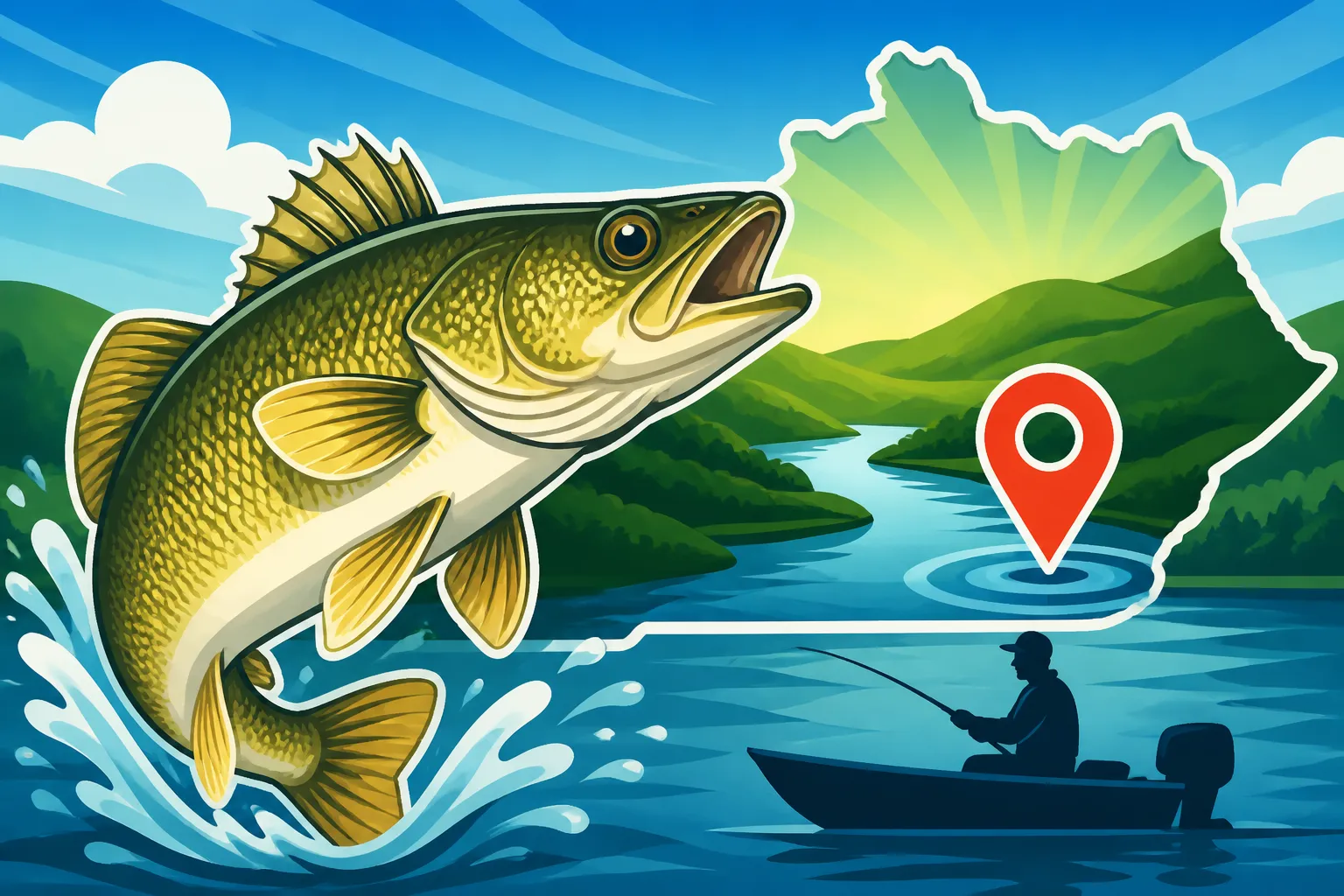
If you're an angler in Kentucky, you know that while bass and crappie get a lot of attention, there's a certain thrill that comes with chasing walleye. They're elusive, they fight hard, and they make for some incredible table fare. But finding them in the Bluegrass State can feel like a bit of a mystery, especially if you're used to fishing for them up north. This guide is going to strip away the guesswork and point you directly to the waters where these toothy predators lurk and equip you with the knowledge to make your next walleye trip a success.
Prime Walleye Waters in Kentucky: Where to Focus Your Efforts
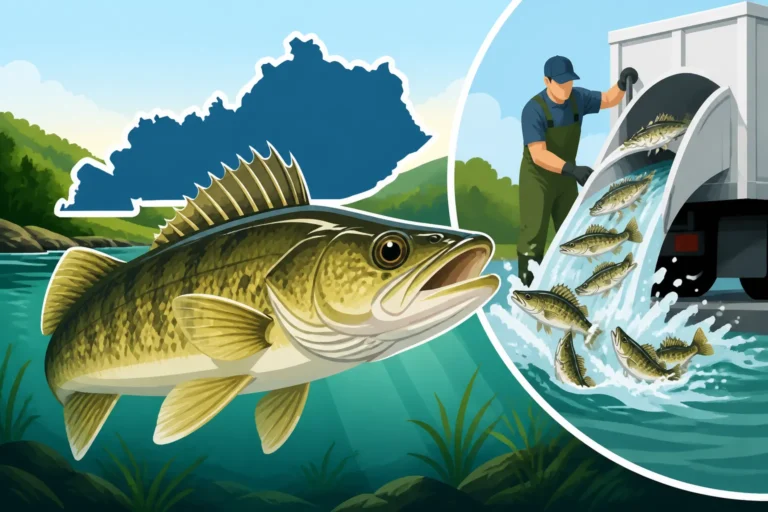
Walleye aren't as widespread in Kentucky as some other species, but don't let that discourage you! We have some truly fantastic fisheries where these coveted game fish thrive, often thanks to dedicated stocking programs by the Kentucky Department of Fish and Wildlife Resources. Knowing where to go is half the battle, and these spots consistently produce quality walleye catches for those who know how to target them.
Lake Cumberland: A Walleye Stronghold
When you talk about walleye in Kentucky, Lake Cumberland is almost always the first place mentioned, and for good reason. This massive reservoir, with its deep, clear waters and abundant forage, provides an ideal habitat for walleye. It's truly a gem, not just for its beauty but for the diverse fishing opportunities it offers, including some impressive trout and bass. Lake Cumberland: Kentucky's Best All-Around Fishing Lake is a great resource if you want to explore all it has to offer.
The walleye population here is robust, fueled by consistent stocking, and anglers regularly pull out fish in the 3 to 7-pound range, with bigger trophies certainly possible. The key to Cumberland walleye is often finding the thermocline in summer, or targeting main lake points and humps during cooler months. The steep rocky banks and deep channels hold walleye, especially around the major creek arms. Early mornings and evenings are prime times, but night fishing can be exceptionally productive, especially under the full moon. Don't overlook the areas around the dam, as current can concentrate baitfish and, consequently, walleye.
Dale Hollow Lake: Border Water Walleye Opportunities
Straddling the Kentucky-Tennessee border, Dale Hollow Lake is another premier walleye destination that Kentucky anglers can enjoy. Renowned for its smallmouth bass, Dale Hollow also boasts a healthy walleye population, offering a different experience from Cumberland. The lake's clear water and rocky structure are perfect for walleye, particularly during the spawning runs and post-spawn periods.
While it shares similarities with Lake Cumberland in terms of depth and clarity, Dale Hollow often requires a slightly different approach. Look for walleye congregated around submerged timber, deep points, and rock piles. Trolling crankbaits or fishing jigs vertically over structure are popular and effective methods here. The inflow areas from rivers and major creeks can be hot spots, particularly when there's a good current bringing in food. Remember that since it's a border lake, it's always wise to be aware of the specific regulations for both states, though a Kentucky license will cover you in the Kentucky portions. Dale Hollow Lake Fishing Spots and Access Points can give you even more insights into this incredible body of water.
River Systems: The Ohio River and Its Tributaries
While the major reservoirs are known for their walleye, don't overlook Kentucky's river systems, especially the Ohio River. While not as consistently a walleye fishery as areas further north, the Ohio River does produce walleye, particularly in the tailwaters below dams and in deeper pools. These areas provide consistent current and oxygenated water, which walleye favor.
Tributaries flowing into the Ohio River can also hold migratory walleye, especially during cooler months when they might move upstream to spawn. Focusing on areas with current breaks, submerged structure, and deeper channels will increase your chances. Vertical jigging or casting current-deflecting crankbaits are go-to techniques here. It's a different kind of walleye fishing, often requiring heavier tackle and a boat capable of handling river conditions, but the reward of a river walleye is certainly worth the effort for many anglers.
Understanding Walleye Behavior and Habitat Preferences
To consistently catch walleye in Kentucky, you've got to think like a walleye. They are notoriously light-sensitive, preferring low-light conditions, deep water, or stained water. Understanding their seasonal movements and preferred habitats is crucial, as they aren't going to be sitting out in the open waiting for you. This knowledge will help you narrow down your search and present your bait where they're most likely to be feeding.
Seasonal Movements and Feeding Patterns
Walleye behavior changes dramatically with the seasons, driven largely by water temperature and spawning cycles.
- Spring: This is prime time! As water temperatures climb into the 40s and 50s, walleye move to shallower, rocky areas to spawn. Post-spawn, they often remain relatively shallow, feeding aggressively to recover. This is when they are most accessible to anglers, often found near riprap, rocky points, and shallow gravel flats.
- Summer: As waters warm further, walleye retreat to deeper, cooler water, often near the thermocline in stratified lakes like Cumberland. They'll relate to deep structure such as humps, submerged islands, and channel edges. Low light conditions at dawn, dusk, and throughout the night become key feeding windows.
- Fall: As water temperatures drop, walleye become more active again, feeding heavily to prepare for winter. They'll often move back to shallower depths during certain times of the day, congregating around points, flats, and baitfish schools. This can be another fantastic time for aggressive feeding.
- Winter: Walleye generally hold in deep water during the coldest months, often near channel swings or deep holes. While they are less active, they still feed, and persistent anglers can find success with slower presentations, especially vertical jigging. Kentucky Fishing Seasons: What to Catch Each Month delves deeper into seasonal patterns for all species.
Preferred Habitat and Structure
Walleye are masters of camouflage and use their surroundings to ambush prey. Knowing their preferred "hiding spots" is key to success.
- Deep Water and Structure: Walleye gravitate towards deep water, particularly areas with abrupt depth changes. This includes steep drop-offs, underwater humps, ledges, and channel edges. These features offer cover, ambush points, and access to both shallow and deep feeding grounds.
- Rocky Bottoms: Rock is gold for walleye. Spawning often occurs on rocky or gravel bottoms, and these areas also attract baitfish and provide cover. Riprap on dam faces and bridge abutments are always worth investigating.
- Submerged Timber and Brush Piles: While not always associated with walleye, especially in very clear lakes, submerged timber can hold fish, particularly in reservoirs with standing timber or areas where brush piles have been placed. These areas offer cover and ambush points.
- Current Breaks: In river systems and areas below dams, walleye will often position themselves just out of the main current, in an eddy or behind an obstruction, waiting for baitfish to be swept past.
Essential Gear and Techniques for Kentucky Walleye
Having the right tools and knowing how to use them can make all the difference between a frustrating outing and a successful walleye haul. While walleye aren't generally thought of as gear-intensive to catch, having the right rod, reel, line, and lures tailored to their preferences will certainly stack the odds in your favor.
Rods, Reels, and Line
For walleye, a sensitive medium-light to medium-action spinning rod, typically 6'6" to 7' in length, is a good all-around choice. This provides enough backbone to handle a fighting fish but enough sensitivity to detect those subtle walleye bites, which can often feel like just a slight pressure or a tick. For reels, a 2000-3000 series spinning reel spooled with 6-10 lb fluorocarbon or braided line is ideal. Fluorocarbon offers excellent sensitivity and low visibility, while braid provides incredible strength and no stretch, which is great for feeling light bites in deep water, especially when paired with a fluorocarbon leader. You can find a wide range of quality rods, reels, and lines on Amazon that fit these specifications. Best Rods and Reels for Kentucky Fishing provides a broader overview if you're looking to update your entire arsenal.
Top Lures and Baits
Walleye can be finicky eaters, but there are a few consistent performers that every Kentucky walleye angler should have in their tackle box.
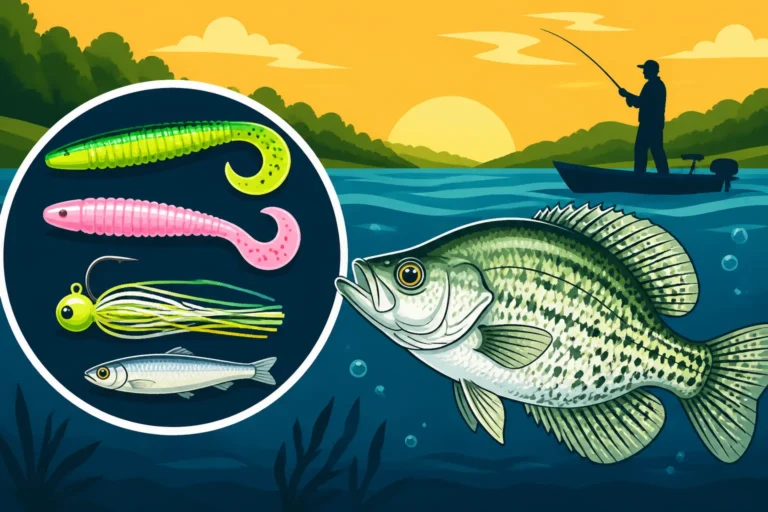
- Jigs: Jigs are perhaps the most versatile walleye lure. From hair jigs to soft plastic paddle tails or grubs rigged on a lead head, they can be fished vertically, cast and retrieved, or trolled. Experiment with jig head weights (1/8 oz to 1/2 oz depending on depth and current) and colors (chartreuse, white, natural browns, and greens are popular). Tipping a jig with a minnow or piece of nightcrawler can often entice hesitant fish.
- Crankbaits: Trolling crankbaits is a highly effective method, especially in large reservoirs like Lake Cumberland and Dale Hollow. Deep-diving crankbaits that mimic shad or alewives are excellent choices. Match the size and color to the local forage and experiment with different diving depths until you find where the fish are holding. Brands like Rapala, Berkley, and Strike King offer excellent walleye crankbaits. You can easily stock up on a variety of colors and sizes through Amazon for convenience.
- Live Bait Rigs: Live bait, particularly minnows, shiners, or nightcrawlers, is often irresistible to walleye. A simple Carolina rig or a slip bobber rig are highly effective. For a Carolina rig, use a sliding sinker above a swivel, with a 12-24 inch fluorocarbon leader to a small hook. For slip bobbers, this allows you to present bait at precise depths, especially over structure or along drop-offs.
- Blade Baits and Spoons: These can be very effective for vertical jigging, especially in colder water or when fish are holding tight to bottom structure. Their flash and vibration can trigger strikes from sluggish walleye.
Techniques for Success
- Vertical Jigging: This is a go-to technique, especially in deeper water or when fish are concentrated on specific structure. Drop your jig or blade bait directly down to the bottom, lift it a foot or two, and let it fall on a controlled slack line. The strike often comes on the fall.
- Trolling: Covering water with crankbaits is an excellent way to locate scattered fish. Use a boat with a reliable trolling motor and a good fish finder to monitor depth and identify structure and baitfish schools. Experiment with trolling speeds and lure depths until you start getting bites.
- Drifting: Similar to trolling but often slower, drifting with jigs or live bait rigs, especially with wind or current, can be highly effective. This allows for a very natural presentation and covers areas thoroughly.
- Night Fishing: Walleye have excellent low-light vision, making them active predators after dark. Trolling shallow-running crankbaits or casting jigs and spinnerbaits near lighted docks or shallow points can be incredibly productive, especially in the summer.
- Checking Regulations: Always double-check the current Kentucky Fishing Regulations Explained before you head out, as limits and sizes can vary by lake and species. A Kentucky Fishing License Guide is also essential to ensure you're compliant.
| Lake/River System | Primary Walleye Habitat | Best Seasons | Common Techniques | Key Forage |
|---|---|---|---|---|
| Lake Cumberland | Deep structure, points, humps, main lake | Spring, Fall, Night Summer | Trolling crankbaits, vertical jigging, live bait | Alewives, shad |
| Dale Hollow Lake | Rocky points, submerged timber, deep channels | Spring, Fall, Winter | Trolling crankbaits, jigs, live bait, deep diving | Shad, shiners |
| Ohio River | Tailwaters, deep pools, current breaks, tributaries | Spring, Fall, Winter | Vertical jigging, casting crankbaits, bottom bouncing | Shad, various minnows |
Kentucky offers some fantastic walleye fishing for those willing to put in the time and understand these incredible fish. Whether you're chasing them in the deep clear waters of Lake Cumberland, the rocky stretches of Dale Hollow, or the mighty Ohio River, the thrill of a walleye on the line is an experience every angler should have. Remember, patience and persistence are your best friends when targeting walleye, and don't be afraid to try new spots or techniques. The resources you need, from licenses to lures, are readily available, whether you're purchasing gear from local shops or conveniently browsing selections on Amazon. Get out there, explore, and tight lines!
Disclaimer
This article is for general informational purposes only and does not constitute professional advice. Laws, prices and regulations vary by location and change over time. Consult a qualified professional for guidance on your specific situation.