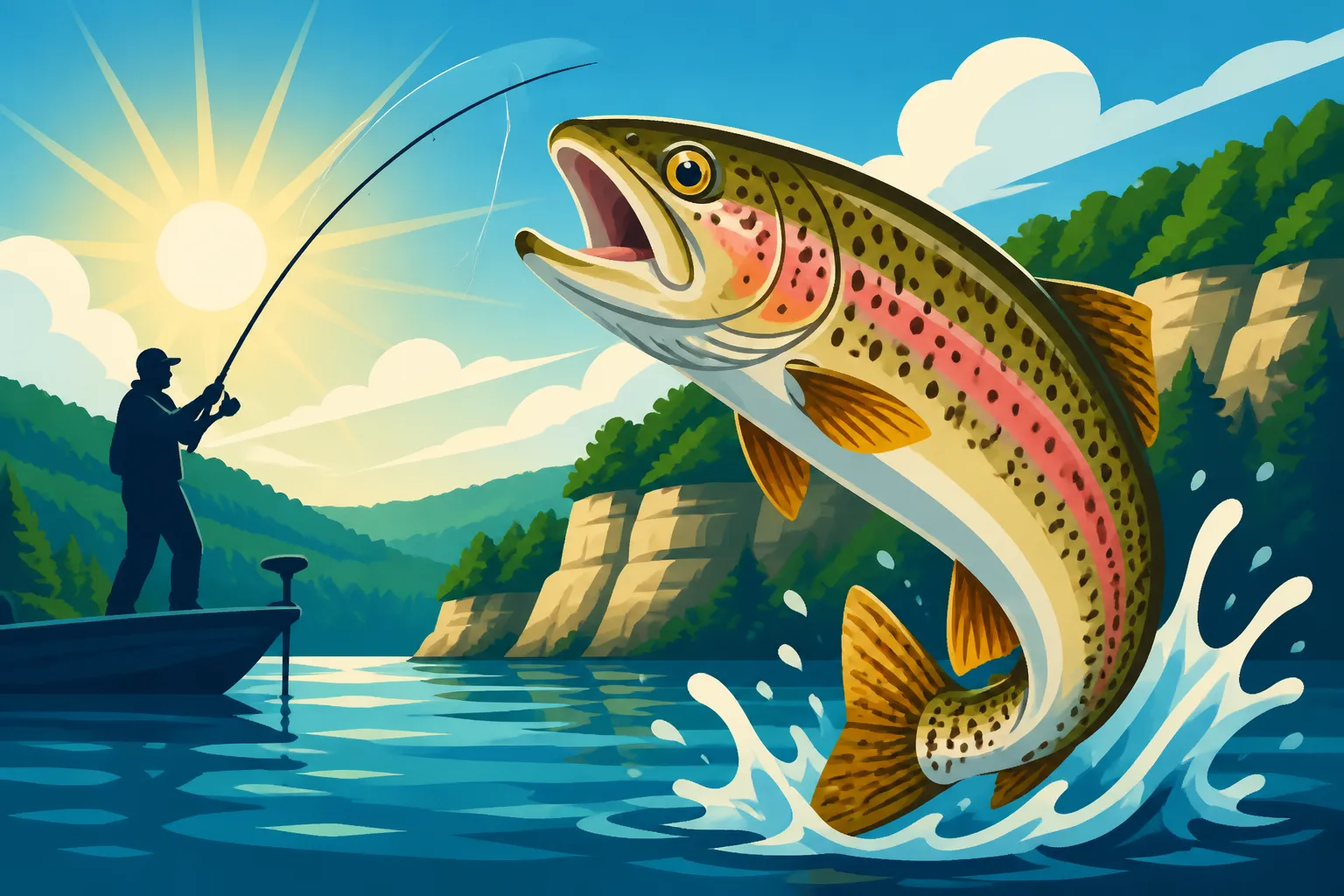
Is Lake Cumberland the Region’s Best Trout Fishery?
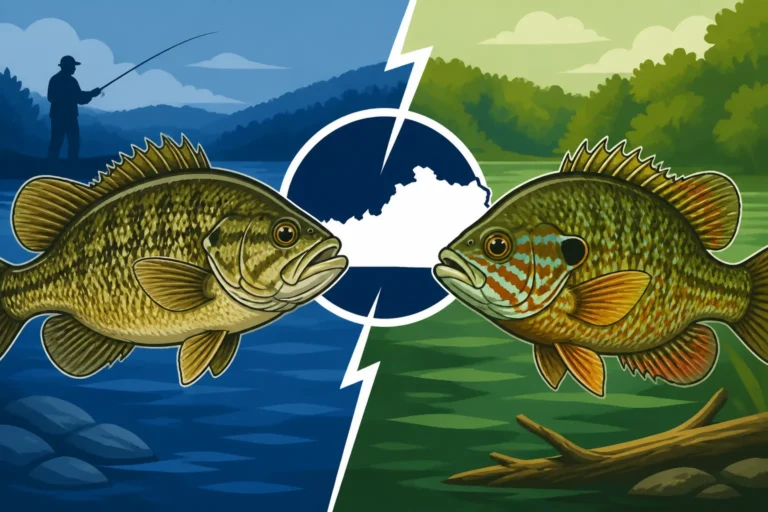
For many anglers, the question isn't just if Lake Cumberland has good trout fishing, but if it truly holds the crown as the region's best trout fishery. It's a sentiment I've heard echoed around bait shops and boat ramps across the Commonwealth. This guide aims to unpack that claim, looking at what makes Lake Cumberland so special for trout, how it stacks up against other fantastic fishing spots, and what "best" truly means when you're talking about chasing these cold-water beauties.
The Allure of Lake Cumberland for Trout Fishing
Lake Cumberland isn't just a big lake; it's a unique ecosystem that has become a genuine haven for trout, drawing anglers from all over. There's a reason it holds such a special place in the hearts of those who love chasing rainbows and browns.
A Legacy of Cold Water and Deep Habitat
The sheer size and depth of Lake Cumberland, particularly its origins as a dammed river, are the primary reasons it can sustain a robust trout population. The water released from the depths of Wolf Creek Dam is consistently cold, even during the scorching Kentucky summers. This is absolutely crucial for trout, as they are a cold-water species and simply cannot thrive in warmer temperatures. Imagine trying to run a marathon in a sauna – that's how trout feel in warm water! This cold, oxygen-rich tailwater creates an ideal environment downstream from the dam, a stretch of water that feels more like a mountain stream than a massive reservoir.
This constant influx of cold water allows trout to not only survive but also to grow to impressive sizes, finding deep pockets and thermal refuges throughout the lake. Without this unique characteristic, Lake Cumberland would simply be another warm-water fishery, no matter how much effort was put into stocking. It's the combination of human engineering and natural hydrology that creates this special habitat, giving anglers a fantastic opportunity to target fish that might otherwise be found hundreds of miles away in true mountain country.
Robust Stocking for Sustained Fishing
While the cold water provides the habitat, the consistent and thoughtful stocking programs by the Kentucky Department of Fish and Wildlife Resources (KDFWR) are what ensure there's always a healthy population of trout for anglers to pursue. Lake Cumberland isn't a native trout stream; these fish are introduced, and their survival and growth are a testament to the KDFWR's efforts. They meticulously plan their stocking schedules, releasing thousands upon thousands of rainbow and brown trout throughout the year.
This regular stocking means that even with significant fishing pressure, the lake can maintain excellent numbers of catchable trout. It also provides a consistent opportunity for anglers of all skill levels, from beginners looking for their first trout to seasoned veterans hoping for a trophy. The management of this fishery is top-notch, with biologists monitoring the health and growth of the trout, and adjusting stocking strategies as needed to keep the lake vibrant. Knowing that these efforts are ongoing provides a lot of confidence for anglers planning a trip, as you're not just hoping for a lucky break, but fishing in a well-managed system designed for success. You can often find out about these stocking efforts and learn more about Kentucky's Lake Cumberland Trout Season Explained.
Diverse Trout Species
When you talk about trout fishing on Lake Cumberland, you're primarily talking about rainbow trout, which are the most frequently stocked and caught species. Rainbows are known for their vibrant colors and spirited fights, making them a favorite among many anglers. They readily hit a variety of baits and lures, offering a fun experience for everyone. However, Lake Cumberland also receives significant stockings of brown trout, especially in the tailwater section below the dam.
Brown trout are often more elusive and grow to larger sizes, making them a prized catch for trophy hunters. They're typically more wary and require a bit more finesse, but the reward of landing a big brown is immense. While less common, there's always the exciting possibility of encountering other species, depending on what the KDFWR might be experimenting with or accidental introductions. This diversity adds an extra layer of excitement to fishing Lake Cumberland – you never quite know what might be on the end of your line, adding to its reputation as a premier destination for What Trout Are Stocked at Lake Cumberland Each Season.
How Lake Cumberland Stacks Up Against Other Regional Trout Fisheries
To truly assess if Lake Cumberland is the "best" trout fishery, it's helpful to compare it to other types of trout fishing opportunities you might find in Kentucky and the surrounding region. Each fishery has its own unique charm and challenges.
Contrasting with Cold-Water Streams
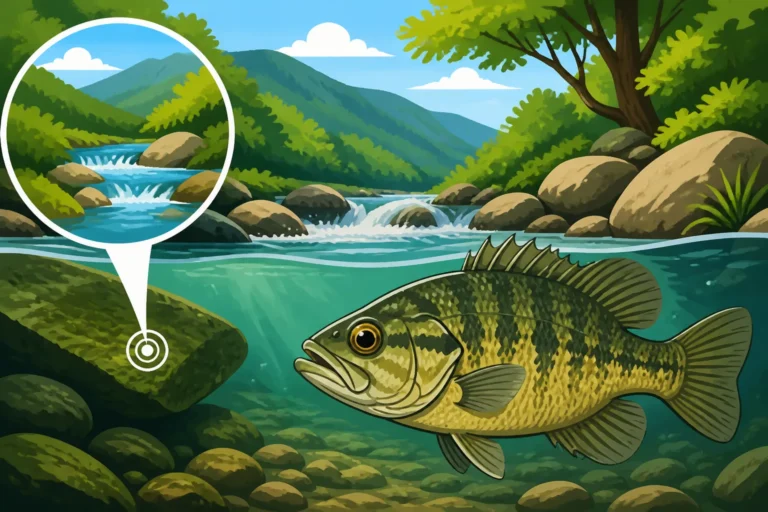
Kentucky does have some beautiful cold-water streams, particularly in its eastern mountainous regions, that hold wild or stocked trout. Places like the Cumberland River below Wolf Creek Dam (the actual river, distinct from the lake itself) or some of the smaller, spring-fed creeks are prime examples. These streams offer a completely different experience. You're often wading, casting into riffles and pools, and the fish, whether wild or stocked, tend to be more spread out and require a stealthier approach. The beauty of a small stream, surrounded by trees and the sound of rushing water, is undeniably appealing.
However, these streams often mean smaller fish populations (especially for wild trout), more challenging access, and a reliance on specific techniques like fly fishing or ultralight spin fishing. While intensely rewarding, the sheer volume of fish and the potential for larger trout that Lake Cumberland offers in its main body and tailwater below the dam can't be matched by most smaller streams. Stream fishing is an intimate experience, but Lake Cumberland offers a grander scale of trout action. For those interested in stream fishing, understanding Brown Trout and Brook Trout in Kentucky's Cold-Water Streams is key.
Comparing to Other Tailwaters and Reservoirs
Kentucky has other tailwater fisheries, such as the Dix River below Herrington Lake, and some other reservoirs that receive trout stockings. These can offer excellent fishing and often share some characteristics with Lake Cumberland, like consistent cold water. For instance, the Dix River provides good opportunities for trout, but it's on a much smaller scale and perhaps less renowned for consistently producing trophy-sized fish compared to Lake Cumberland.
What sets Lake Cumberland apart is its combination of massive size, sustained cold-water flow, and long-standing, robust stocking program. While other tailwaters are fantastic in their own right, Lake Cumberland has earned a reputation for its consistent productivity and the potential for truly memorable catches. It's a powerhouse, a testament to what a large, deep lake fed by a cold-water discharge can become when managed effectively for trout. When considering Lake Trout Fishing in Kentucky: What to Know – Lake Cumberland definitely comes to mind as one of the few places with any potential.
Beyond Lake Cumberland: Smaller Stocked Waters
All across Kentucky, you'll find numerous smaller lakes and ponds that receive periodic trout stockings, often part of the KDFWR's "Fishing in Neighborhoods" (FINs) program. These are wonderful resources, especially for beginners, families, or those looking for a quick, accessible fishing trip close to home. They offer a fantastic opportunity to catch trout without needing a boat or specialized gear, and they're invaluable for introducing new anglers to the sport.
The trade-off, however, is that these smaller waters are usually "put-and-take" fisheries. The trout are stocked for immediate catch, and due to warmer water temperatures and heavy fishing pressure, they generally don't survive long-term or grow to significant sizes. They offer a fun day out but rarely compare to the sustained, diverse, and trophy-potential fishing found at Lake Cumberland. If you're looking for a relaxed outing where catching a few stocker trout is the goal, these are perfect. If you're looking for a serious trout fishing challenge or the chance at a lunker, Lake Cumberland is where you'll head.
Defining "Best": What Anglers Seek in a Trout Fishery
The term "best" is always subjective, especially in fishing. What one angler values, another might not. However, when it comes to trout fisheries, there are common criteria that most seasoned anglers consider.
Quantity and Quality of Catch
For many, a "best" fishery means consistent action and the chance to land a good number of fish. Lake Cumberland certainly delivers on quantity, thanks to the continuous stocking. Anglers often report catching multiple trout in a single outing, making for an exciting and productive day on the water. But it's not just about numbers; it's also about the quality of the fish.
Lake Cumberland, particularly in its tailwater, has a reputation for producing surprisingly large trout, especially brown trout. These fish have access to abundant forage and cold, stable water conditions, allowing them to grow past typical stocker sizes. The thrill of hooking into a strong, acrobatic rainbow or a hefty, hard-fighting brown trout is what keeps anglers coming back, hoping for that personal best or even a potential state record. This balance of consistent bites and the possibility of a trophy fish is a major factor in its high regard.
Accessibility and Infrastructure
A truly great fishery also needs to be accessible and well-supported. Lake Cumberland excels here. It boasts numerous public boat ramps, marinas, and access points along its vast shoreline, making it easy for anglers with boats of all sizes to launch. For those who prefer bank fishing, especially below the dam, there are designated areas that offer good opportunities. The sheer amount of shoreline also means that even on busy days, you can often find a quiet spot to fish.
Beyond the water access, the surrounding region offers plenty of amenities – lodging, bait and tackle shops (including online options like those found on Amazon for specialized gear), restaurants, and other services that make a fishing trip comfortable and convenient. This robust infrastructure takes a lot of the logistical stress out of planning a trip, allowing anglers to focus more on the fishing itself. The ease of getting there, launching your boat, and having resources nearby significantly enhances the overall fishing experience.
Year-Round Opportunity and Variety of Techniques
Another hallmark of a "best" fishery is its ability to provide good fishing throughout the year, catering to various techniques. Lake Cumberland is exceptional in this regard. While spring and fall often see peak activity, the cold-water releases mean that trout can be caught even in the heat of summer. Winter fishing, while requiring a bit more grit, can also be productive, especially for deeper-holding fish. This year-round potential means anglers aren't limited to a short season.
Furthermore, Lake Cumberland is versatile for fishing methods. You can troll with downriggers and planer boards in the main lake, cast jigs and spoons from the bank or boat in the tailwater, or even fly fish the current seams below the dam. Bait fishing with corn, power bait, or worms is also incredibly effective, especially for freshly stocked rainbows. This flexibility means that whether you're a fly fishing purist, a spin-casting enthusiast, or someone who prefers a simple bait setup, you can find success and enjoy your preferred method. You can learn more about Best Time of Year to Catch Rainbow Trout on Kentucky's Lake Cumberland to plan your trip accordingly.
Essential Tips for Trout Success on Lake Cumberland
Alright, so you're convinced that Lake Cumberland is the place to be for trout. Now, let's talk about how to make your trip a success and maximize your chances of hooking into some beautiful fish.
Gear Up for Deep Water and Diverse Techniques
Fishing Lake Cumberland requires a bit of thoughtful gear selection, especially given its size and the various methods you might employ. For boat anglers targeting deeper water, a medium-light spinning rod paired with a reel spooled with 6-8 pound fluorocarbon or monofilament line is a great all-around choice. You'll want an assortment of small spoons, spinners, and crankbaits, especially those designed for trout. Brands like Panther Martin, Roostertail, and inline spinners are always solid choices. Don't forget some small jig heads and soft plastic grub bodies, which can be incredibly effective when jigged vertically.
If you're fishing from the bank or wading the tailwater below the dam, a similar setup works well, perhaps leaning towards a slightly longer rod for better casting distance. For bait fishing, PowerBait (in various colors and forms), corn, and small worms are perennial favorites. Make sure you have an adequate selection of small hooks (sizes 8-12), split shot, and bobbers. A good pair of waders can be invaluable if you plan to explore the wading opportunities in the tailwater. You can find a fantastic selection of all these items, often with helpful reviews, on Amazon, making it easy to get ready for your trip. Considering a fish finder is also a good idea for boat anglers; there are many quality options available on Amazon that can help you locate those deeper-holding trout.
Timing and Location
Knowing when and where to fish can significantly impact your success on Lake Cumberland. The tailwater directly below Wolf Creek Dam is a hot spot year-round due to the constant cold-water flow. Many anglers focus their efforts here, whether from the bank or a boat, casting into the seams and eddies where trout often congregate. This area is consistently productive, especially after stocking events.
In the main lake, trout tend to suspend in deeper, cooler water, especially during warmer months. This is where a good fish finder becomes your best friend, helping you locate schools of baitfish and the trout that follow them. Trolling with downriggers or lead core line can be very effective for covering water and presenting lures at the correct depth. Early mornings and late evenings are often the most productive times, as trout can be more active near the surface or along shallower ledges during these periods. Don't overlook tributary mouths or areas with natural springs, as these can provide cooler water and concentrate fish. Knowing the Kentucky Fishing License Year Runs March 1 to February 28 helps you plan when to get your annual license.
Respecting the Resource and Regulations
Finally, to ensure Lake Cumberland remains a fantastic trout fishery for generations to come, it's vital to know and follow all regulations. This includes having a valid Kentucky Fishing License Guide and, crucially, a Kentucky Trout Permit Guide. These permits directly fund the stocking and management efforts that make this fishery so great. Always be aware of the daily creel limits and any size restrictions, as these can vary for different species and sometimes even specific sections of the lake.
Practice catch-and-release whenever possible, especially for larger brown trout, to help sustain the population of trophy fish. Handle fish gently, minimize their time out of water, and use proper release techniques. Be mindful of other anglers, especially in crowded areas like the tailwater, and always leave no trace behind. Pack out everything you pack in, and help keep Lake Cumberland beautiful. By being a responsible and informed angler, you contribute to the continued success and enjoyment of what many consider the region's best trout fishery.
| Feature / Fishery Type | Lake Cumberland | Cold-Water Streams | Smaller Stocked Ponds |
|---|---|---|---|
| Primary Trout Species | Rainbow, Brown | Rainbow, Brown, Brook (wild or stocked) | Rainbow |
| Typical Size Range | Stocker to Trophy | Small to Medium (wild), Stocker (stocked) | Stocker |
| Fishing Pressure | Moderate to High | Low to Moderate | Moderate to High |
| Accessibility | High (boat ramps, bank access) | Variable (some easy, some remote) | High (often urban/suburban) |
| Year-Round Potential | Excellent | Good (seasonal peaks) | Limited (put-and-take) |
| Trophy Potential | High | Low (except select wild brown trout) | Very Low |
| Primary Techniques | Trolling, Jigging, Bait, Fly | Fly Fishing, Ultralight Spin, Bait | Bait, Ultralight Spin |
| Scenery/Experience | Big lake views, vast | Intimate, natural stream | Park-like, convenient |
Disclaimer
This article is for general informational purposes only and does not constitute professional advice. Laws, prices and regulations vary by location and change over time. Consult a qualified professional for guidance on your specific situation.