Is Kentucky Lake the Best Largemouth Bass Fishery in the Country?
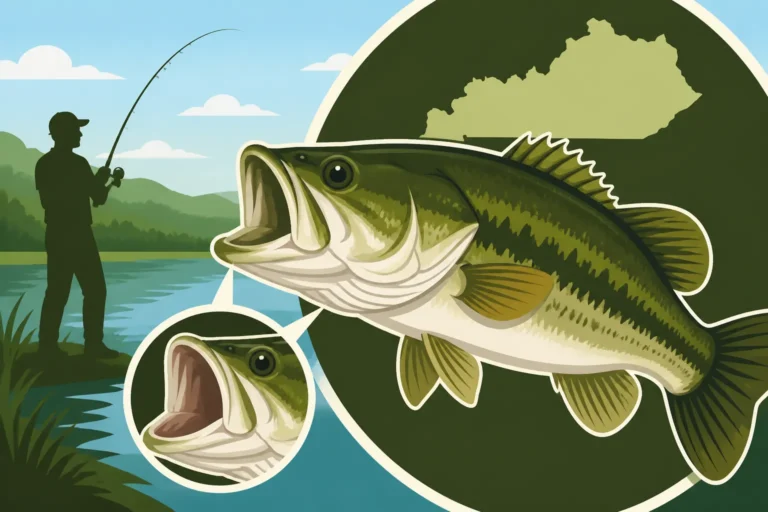
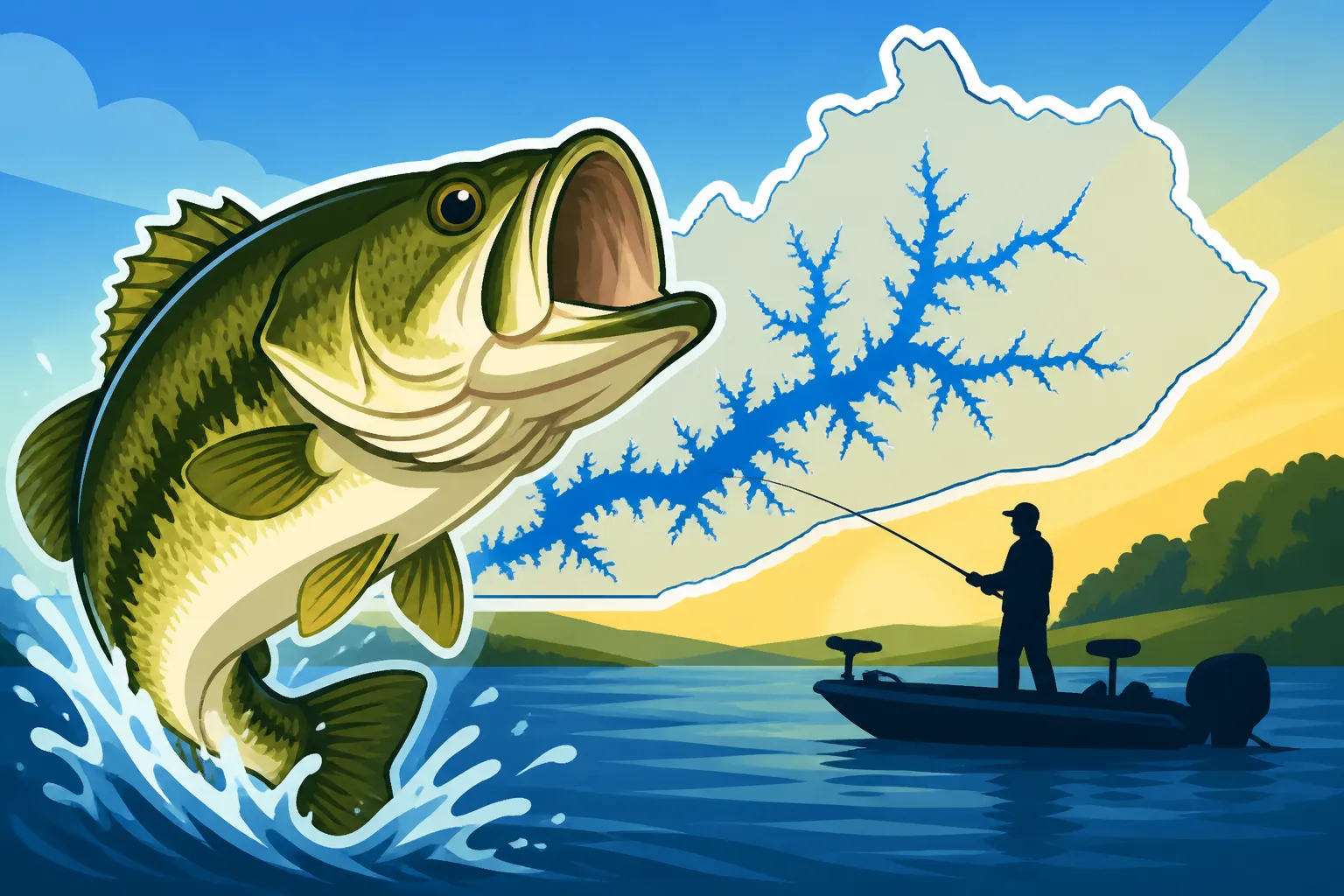
Every serious angler has that one lake, that legendary spot, that they believe might just be the best place on earth to chase their favorite fish. For many passionate bass enthusiasts, especially those who know the magic of the Bluegrass State, that conversation often turns to Kentucky Lake and its incredible largemouth bass fishery. It's a question that sparks lively debates at bait shops and boat ramps: is Kentucky Lake truly the best largemouth bass fishery in the country? Let's dive deep into what makes this sprawling reservoir a true gem and whether it lives up to such a monumental claim.
Why Kentucky Lake is a Largemouth Bass Powerhouse
Kentucky Lake isn't just a body of water; it's an ecosystem perfectly designed for largemouth bass. Its sheer size, diverse habitat, and abundant forage all contribute to a fishery that has consistently produced trophy fish and unforgettable angling experiences for generations. When you consider what goes into making a "best" fishery, Kentucky Lake checks a lot of boxes.
Expansive and Diverse Habitat
One of the biggest factors in Kentucky Lake's success as a bass fishery is its immense size and incredibly diverse underwater landscape. Stretching over 160,000 acres, this reservoir offers an almost endless array of cover and structure that largemouth bass absolutely thrive in. You've got vast shallow flats choked with hydrilla and milfoil, perfect for topwater action and flipping jigs. Then there are the deep creek channels, rocky banks, and submerged timber that provide crucial hideouts and ambush points, especially during colder months or when the fish move offshore. The lake's irregular shoreline, peppered with countless coves, points, and pockets, gives bass ample room to roam and anglers endless spots to explore. This variety means that no matter the season or the bass's mood, there's usually a type of cover or structure where they can be found. It’s this complex underwater world that allows a healthy population of largemouth to flourish and grow to impressive sizes.
Imagine spending a morning working a spinnerbait through lily pads in a quiet backwater cove, only to switch to a crankbait later that day, targeting submerged stumps along a channel swing. That kind of versatility in habitat is what sets Kentucky Lake apart and keeps anglers coming back, always discovering new honey holes. The lake's ability to maintain such diverse environments, year after year, even with fluctuating water levels, is a testament to its robust ecosystem and the ongoing efforts of wildlife management.
Abundant Forage Base
A healthy bass population, particularly one known for trophy fish, needs a robust and consistent food supply. Kentucky Lake delivers this in spades, boasting an incredibly rich forage base that fuels the growth of its largemouth bass. The primary diet for these bass largely consists of threadfin and gizzard shad, which proliferate in the lake's fertile waters. These baitfish are readily available in massive schools, providing an easy and energy-rich meal for growing bass. This abundance of protein allows bass to put on weight quickly and reach those desirable double-digit sizes that anglers dream about.
Beyond shad, Kentucky Lake also hosts a variety of other baitfish, like bluegill and other panfish, which further diversify the bass's diet. This variety isn't just about food; it's about resilience. Even if one baitfish population fluctuates, others are there to pick up the slack, ensuring a stable food chain. This consistent, high-quality nutrition is a critical ingredient in the recipe for a premier largemouth bass fishery, and it’s something Kentucky Lake's Largemouth Bass Fishery Explained truly excels at. When you see those fat, healthy bass pulled from Kentucky Lake, you know they've been eating well.
A Rich Fishing History and Culture
Kentucky Lake isn't just famous for its fish; it's legendary for its history in the angling world. For decades, it has been a proving ground for professional and amateur bass anglers alike, hosting countless tournaments that have showcased its incredible potential. This rich history has fostered a vibrant fishing culture around the lake, with generations of local guides, tackle shops, and avid anglers sharing knowledge, techniques, and a deep passion for largemouth bass. The sheer number of major bass tournaments that have taken place here speaks volumes about its consistent quality and ability to produce big catches under pressure.
Walking into any bait shop near the lake, you can feel the history. Stories of record catches, local legends, and shared wisdom are part of the daily conversation. This culture isn't just about nostalgia; it continuously pushes the fishery forward, as anglers constantly innovate and adapt their techniques. The knowledge passed down through the years, combined with modern technology and conservation efforts, helps maintain Kentucky Lake's status. It's not just a lake; it's a living legacy in the bass fishing community, drawing anglers from all over who want to experience a piece of that history and perhaps make some of their own.
Comparing Kentucky Lake to Other Top Fisheries
When you ask if Kentucky Lake is the best largemouth bass fishery in the country, you're inevitably inviting comparisons to other renowned destinations. While "best" is subjective and often depends on what an individual angler prioritizes, it's worth looking at how Kentucky Lake stacks up against some of the other giants in the bass fishing world.
What Sets it Apart from Other Lakes
Kentucky Lake truly stands out for a few key reasons. First, its sheer size combined with its unique river-run reservoir characteristics means it fishes differently than many natural lakes or smaller impoundments. The current, especially near the dam, influences fish behavior, creating distinct patterns that reward anglers who understand these dynamics. This isn't your typical stagnant lake; it's a dynamic, ever-changing environment. Secondly, the balance of both quantity and quality of fish is remarkable. Many lakes might produce a high number of smaller bass, or a few truly giant fish, but Kentucky Lake often offers the chance to catch both in the same day. You can fill your livewell with solid keepers and still have a legitimate shot at that elusive trophy.
Furthermore, the accessibility and infrastructure around Kentucky Lake are top-notch. With numerous marinas, boat ramps, and lodging options, it's set up to host anglers from casual weekenders to large tournament circuits. The community truly embraces its fishing heritage, making visitors feel welcome and supported. While other lakes might excel in one particular aspect, Kentucky Lake offers a comprehensive package: vast fishable waters, diverse structure, robust forage, and a historical fishing culture that is hard to beat. It’s an all-around fantastic experience that few other places can consistently deliver.
Common Features with Other Elite Bass Lakes
Despite its unique characteristics, Kentucky Lake shares many fundamental qualities with other elite largemouth bass fisheries across the country. Like Florida's Lake Okeechobee or Texas' Lake Fork, it benefits from a long growing season that allows bass to reach impressive sizes. These lakes also typically feature extensive shallow-water cover, whether it's vegetation, cypress trees, or flooded timber, providing ideal habitat for largemouth. They all boast incredibly healthy forage bases, often dominated by shad or similar baitfish, ensuring a constant food supply for rapid bass growth.
Another shared trait is the presence of significant structure, both natural and man-made. Deep channels, ledges, humps, and brush piles are common features in top bass fisheries, offering staging areas and wintering grounds for bass. Finally, these lakes often have a storied history of producing trophy fish and hosting major tournaments, cementing their reputations. While the exact blend of these factors varies, the underlying principles of abundant food, diverse habitat, and consistent management are universal among the best bass fisheries. Whether you're fishing Kentucky Lake or another premier destination, understanding these core elements is key to success.
The Challenges and Rewards of Fishing Kentucky Lake for Bass
While Kentucky Lake offers incredible opportunities for largemouth bass, it's not without its quirks and challenges. Any angler heading to these waters should be prepared for both the frustrations and the exhilarating rewards that come with fishing such a dynamic and vast reservoir.
Navigating Fluctuating Water Levels and Current
One of the biggest realities of fishing Kentucky Lake is dealing with its fluctuating water levels and the constant presence of current. As a Tennessee River impoundment, its water levels are managed, which means they can change significantly, sometimes daily, and certainly throughout the seasons. This can make finding fish a real puzzle. A brush pile that was in perfect depth yesterday might be high and dry today, or submerged much deeper. Anglers need to be adaptable, constantly adjusting their strategies and seeking out new patterns based on the current conditions. Kentucky Fishing Seasons: What to Catch Each Month will tell you that the lake can present a very different face from spring to fall.
The current, especially in the main river channel and near the dam, also plays a huge role. Bass will often position themselves to ambush baitfish being swept past, requiring precise lure placement and retrieval. It can also make boat control more challenging, especially on windy days. Mastering the art of using the current to your advantage, or knowing when to seek out calmer waters, is a skill honed over many hours on Kentucky Lake. It’s a love-hate relationship; the current creates incredible fishing opportunities but also demands respect and constant attention from the angler.
Fishing Pressure and Competition
Because Kentucky Lake is such a renowned fishery, it naturally attracts a lot of attention. This means you're likely to encounter significant fishing pressure, especially during peak seasons or major tournaments. Weekends can see boat ramps packed, and popular spots might have several boats working the same area. This competition can sometimes make it harder to find unpressured fish, forcing anglers to think outside the box, explore less obvious spots, or fish during off-peak times.
However, this challenge also brings its own rewards. The presence of so many experienced anglers means there's a vibrant exchange of information (sometimes guarded, sometimes freely given!). It also pushes you to become a better angler. You learn to read boat traffic, understand subtle nuances of presentations, and develop your own unique strategies to stand out from the crowd. While it can be frustrating to see another boat on your favorite spot, it's also a testament to the lake's quality and an opportunity to elevate your own game. Learning to deal with pressure is part of the Kentucky Lake experience, making those successful days even sweeter.
Unforgettable Catch Opportunities
Despite the challenges, the rewards of fishing Kentucky Lake for largemouth bass are truly spectacular. This is a lake where you genuinely have the chance to catch the fish of a lifetime. The consistent availability of large, healthy bass means that every cast holds potential, and hooking into a five, six, or even eight-pound largemouth is a very real possibility. Beyond the individual trophy fish, Kentucky Lake is also known for producing incredible numbers, allowing anglers to have days where they catch dozens of quality bass.
The thrill of a Kentucky Lake bass smashing a topwater bait at dawn, or feeling that satisfying thud as a jig gets inhaled off a deep ledge, is an experience that stays with you. The fight these powerful bass put up, especially in the strong current, is exhilarating. It's a place where memories are made, stories are born, and your passion for bass fishing is reignited with every bending rod. The sheer joy of landing a fat, healthy Kentucky Lake largemouth makes all the early mornings, long drives, and challenging conditions completely worth it.
Tips for Maximizing Your Largemouth Bass Success on Kentucky Lake
If you're planning a trip to Kentucky Lake with your sights set on largemouth bass, a little preparation and strategy can go a long way. This isn't a pond; it's a massive body of water that demands respect and a thoughtful approach.
Seasonal Strategies and Patterns
Understanding the seasonal patterns of largemouth bass on Kentucky Lake is paramount. The fish behave very differently from early spring to dead of winter, and adapting your approach is key.
- Spring (March-May): This is often prime time! Bass move shallow for the spawn. Look for them in backwater coves, protected bays, and along shallow points with cover like submerged bushes or grass. Crankbaits, spinnerbaits, and soft plastics (like Texas-rigged worms or creature baits) are excellent choices. As the water warms, topwater lures can be explosive. Best Lures for Largemouth Bass in Kentucky Lake can provide more specific recommendations.
- Summer (June-August): As temperatures rise, bass often move deeper, seeking cooler water and offshore structure. Focus on main lake ledges, channel swings, humps, and brush piles using deep-diving crankbaits, football jigs, and Carolina rigs. Early morning and late evening can still produce shallow bites, especially around dense grass beds. Night fishing for bass can also be incredibly productive during the heat of summer.
- Fall (September-November): The "fall turnover" can make fishing tricky initially, but as the water cools and stabilizes, bass will follow baitfish into creeks and coves, feeding aggressively before winter. Squarebill crankbaits, lipless crankbaits, and jerkbaits can be deadly as bass chase shad. Look for active schools of baitfish on your Fish Finders and Electronics for Kentucky Lake Fishing.
- Winter (December-February): Don't count winter out! Bass will often be congregated in deeper main lake areas, often relating to channel swings, steep banks, and rock piles. Slow presentations with jigging spoons, shaky heads, or blade baits can entice bites from sluggish but often large bass.
Always remember that weather fronts, rain, and sudden temperature drops can dramatically alter fish behavior, regardless of the season. Fishing Techniques After a Cold Front can be a lifesaver in these situations.
Essential Gear and Lure Selection
Having the right gear is crucial for tackling Kentucky Lake's largemouth. Given the potential for big fish and heavy cover, sturdy rods and reels are a must. Medium-heavy to heavy casting rods (7 to 7'6" feet) paired with baitcasting reels are standard for most techniques, offering the power to pull bass out of cover. Spool your reels with quality fluorocarbon or braided line, especially when fishing around grass or timber. Check out Best Rods and Reels for Kentucky Fishing for detailed suggestions.
Lure selection should be diverse. On any given day, you might need:
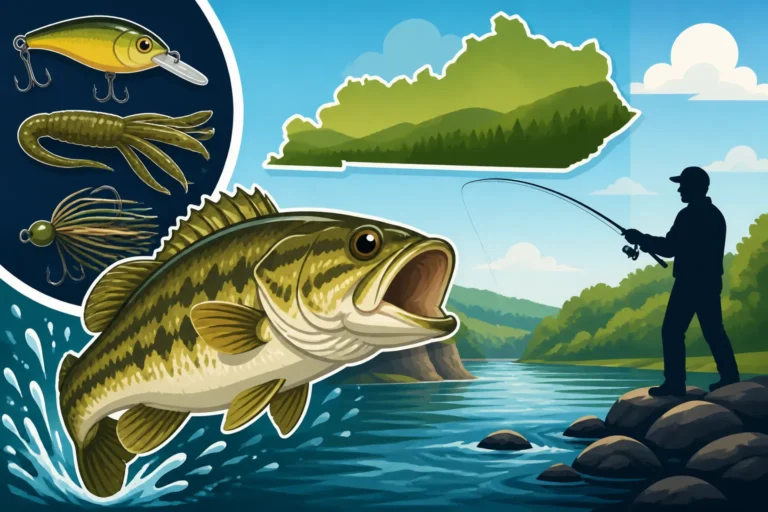
- Soft Plastics: Senkos, creature baits, flukes, and worms in various sizes and colors (green pumpkin, black and blue, junebug are popular).
- Crankbaits: Squarebills for shallow cover, medium-diving for ledges, and deep-diving for offshore structure.
- Spinnerbaits & Chatterbaits: Excellent for covering water, especially around grass or stained conditions.
- Jigs: Football jigs for deep water, flipping jigs for heavy cover, and swim jigs.
- Topwater Lures: Poppers, walk-the-dog baits, and frogs for exciting shallow water action.
Remember, you can find a huge variety of tackle for Kentucky Lake bass fishing on Amazon, from specific lure brands to essential accessories like hooks and weights. Don't be afraid to experiment with colors and sizes until you find what the bass are biting on that particular day.
Utilizing Electronics and Mapping
Kentucky Lake is vast, and without good electronics, you're essentially fishing blind in much of it. A quality fish finder with GPS and mapping capabilities is an invaluable tool. Use your side imaging and down imaging to scan ledges, brush piles, and humps for baitfish schools and bass. Pay attention to contour lines on your mapping to identify subtle changes in depth that might hold fish. How to Read a Fish Finder for Bass Fishing can teach you how to interpret those images effectively.
Mark waypoints on your GPS for productive spots, especially offshore structure, and use your mapping to navigate safely and efficiently. Many anglers also use advanced mapping chips that offer highly detailed contours and even identify submerged roads or foundations. When fishing main lake points or ledges, electronics allow you to stay on structure and present your lure accurately. They truly transform Kentucky Lake from an overwhelming expanse into a series of identifiable, fishable targets. Investing in good electronics is arguably one of the best decisions you can make for consistent success on this lake.
The Verdict: Is Kentucky Lake the Best?
So, after all this, is Kentucky Lake the best largemouth bass fishery in the country? The honest answer is that "best" is subjective and often depends on what an individual angler is looking for. However, what we can definitively say is that Kentucky Lake is undeniably one of the elite largemouth bass fisheries in the nation, consistently ranking among the top contenders.
It offers an unparalleled combination of vast, diverse habitat, an incredibly rich and stable forage base, and a deep-rooted fishing culture that celebrates its trophy largemouth. While it presents challenges like fluctuating water levels and fishing pressure, these are often the very things that forge skilled anglers and make the eventual rewards even more satisfying. For many, the sheer potential for both numbers of fish and true trophy-class bass, year after year, makes it a perennial favorite.
Whether it’s the absolute best or not, Kentucky Lake provides an exceptional experience for anyone passionate about largemouth bass. It's a place where you can refine your skills, test your tackle, and create fishing memories that will last a lifetime. If you've never wet a line there, you owe it to yourself to experience the magic of Kentucky Lake's largemouth bass fishery.
Disclaimer
This article is for general informational purposes only and does not constitute professional advice. Laws, prices and regulations vary by location and change over time. Consult a qualified professional for guidance on your specific situation.