Redear Sunfish: Why Anglers Call It a Shellcracker
You're out on the water, maybe at Barren River Lake or a quiet pond, and you hear someone excitedly call out, "I got another shellcracker!" If you're new to the panfish world, you might scratch your head, wondering what kind of strange, armored creature they just pulled from the water. It’s a common moment of confusion for many anglers, but this guide is here to clear up the mystery and introduce you to one of Kentucky's most fascinating and delicious sunfish: the Redear Sunfish, affectionately known as the shellcracker.
Unpacking the Identity of the Redear Sunfish
Before we dive into their unique nickname, let's get to know the Redear Sunfish a little better. These aren't just any sunfish; they're a distinctive member of the sunfish family, often found lurking in the warmer, clearer waters across Kentucky's diverse aquatic landscapes. They might look somewhat similar to their bluegill cousins at a glance, but spend a moment observing, and their unique characteristics will quickly become apparent.
What Makes a Redear Sunfish Distinct?
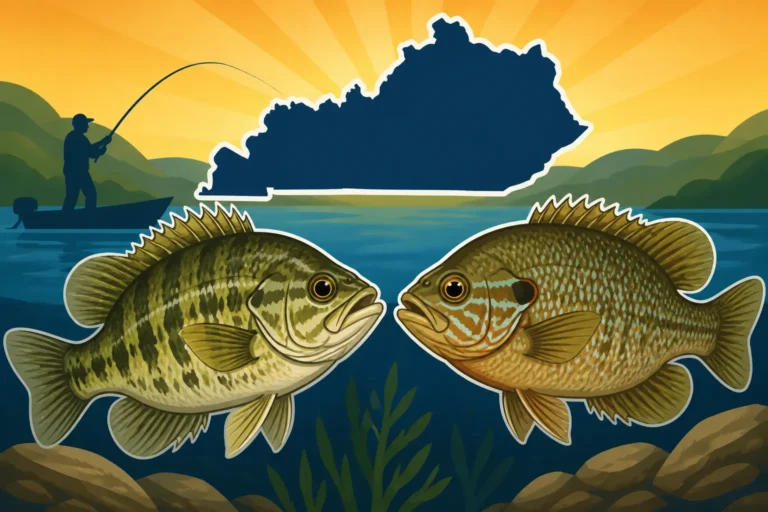
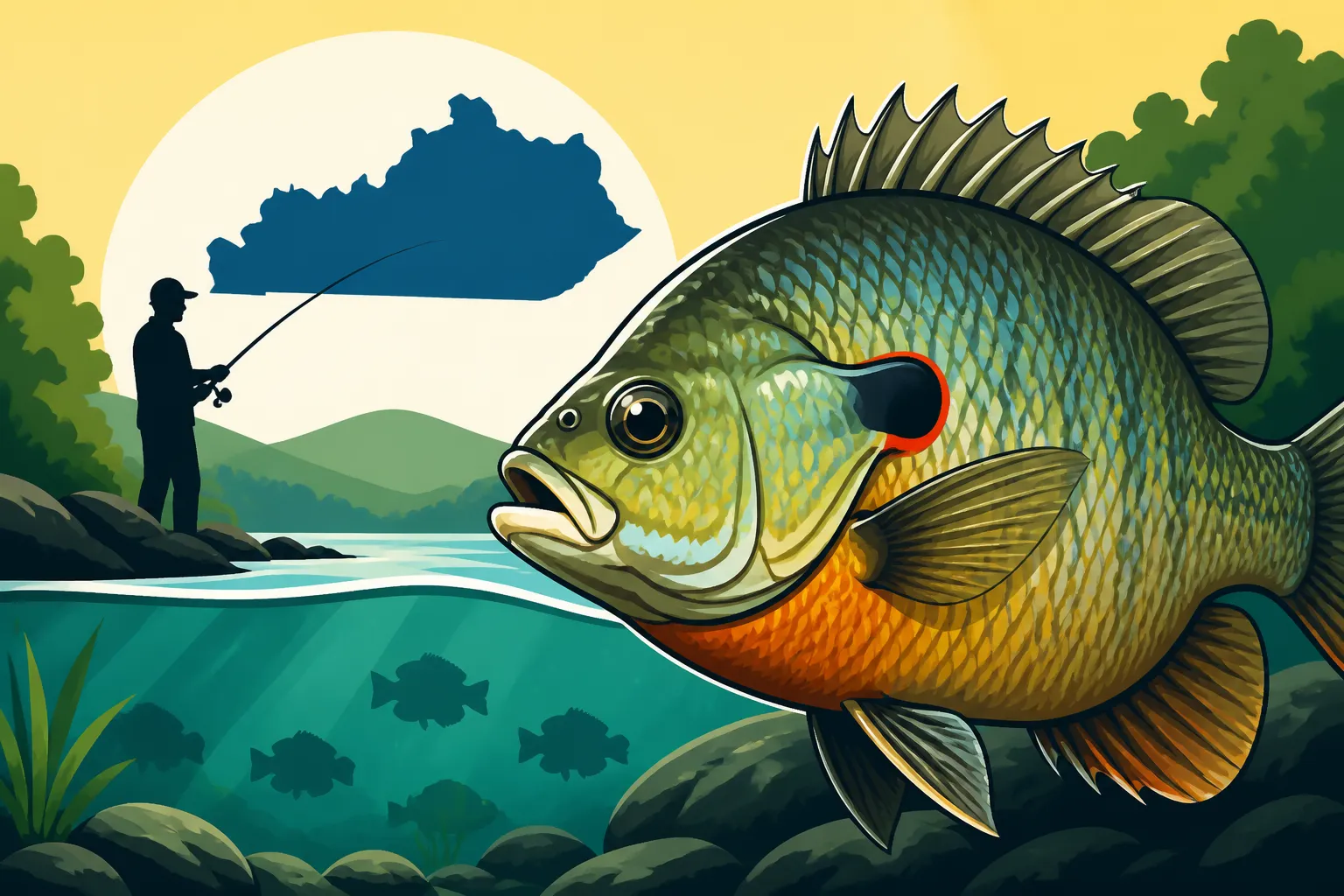
Imagine holding one in your hand. Redears typically have a deeper, more compressed body shape, giving them a somewhat disc-like appearance. Their coloration varies depending on the water clarity and substrate, but generally, you'll see olive-green backs fading into yellowish-green sides, often adorned with faint vertical bars or spots. What truly sets them apart, and gives them part of their scientific name (macrochirus, meaning "large hand," referring to their pectoral fins), is that signature splash of color. They sport a distinctive, often bright red or orange-red spot or margin on the operculum flap – that's the hard cover over their gills. This vibrant mark is usually more pronounced on males, especially during the spawning season, making them quite striking.
When you're sorting through a mixed bag of panfish, that red ear flap is your dead giveaway. They also tend to have a slightly more pointed snout compared to a bluegill's rounder profile. While their size can vary, Redear Sunfish can grow quite a bit larger than some of their sunfish brethren, often reaching impressive sizes, especially in lakes with abundant food sources. It's not uncommon to pull out a Redear weighing over a pound, and these larger specimens can put up a surprisingly strong fight on light tackle, making them a joy to catch for anglers of all skill levels. You can learn more about other similar species in our comprehensive Panfish and Sunfish Species Found in Kentucky guide.
Where You'll Find Redear Sunfish in Kentucky
Redear Sunfish aren't picky about all waters, but they do have preferences that distinguish them from other panfish. They generally favor clear, warm water with plenty of aquatic vegetation, such as submerged grasses, lily pads, and brush piles. These areas provide both cover from predators and a rich hunting ground for their favorite food. You'll often find them in shallow flats during the spring spawn, then moving to slightly deeper edges of weed beds or brush piles as the water warms up in summer.
In Kentucky, many of our major reservoirs and smaller farm ponds offer excellent Redear fishing. Lakes like Barren River Lake, Green River Lake, and even the quieter coves of larger bodies of water like Kentucky Lake can hold thriving populations. They love those softer bottom areas where snails and other invertebrates thrive. If you're looking for a new spot to try, focus on areas with clean water and good habitat, away from heavy current. Knowing where these fish like to hang out is half the battle when you're trying to fill your cooler with these tasty panfish.
The "Shellcracker" Nickname: A Deep Dive into Their Diet
Now for the main event: why on earth are these fish called "shellcrackers"? It's not because they enjoy a good joke or have a peculiar laugh. The name comes directly from their incredible ability to crack open and consume shelled invertebrates, particularly snails and small mussels. This specialized feeding habit is what truly makes the Redear Sunfish unique among its kin.
Nature's Built-In Nutcracker
Unlike most other sunfish that primarily feed on insects, small fish, and larvae, Redear Sunfish possess a specialized set of bony plates in their throat, known as pharyngeal teeth. These aren't like the sharp, conical teeth you might see in a bass; instead, they are flat, molar-like structures perfectly designed for crushing. When a Redear finds a snail or a small clam, it doesn't just swallow it whole. It brings the shelled prey into its mouth, moves it back to these powerful pharyngeal grinders, and with a few well-placed crunches, pulverizes the shell to get to the soft, nutritious meat inside.
This unique adaptation gives them a significant advantage in environments where snails and other shelled creatures are abundant. While other fish might struggle to access this food source, the Redear Sunfish makes quick work of it, filling a niche that helps them thrive. It’s truly amazing to think about the evolutionary journey that led to this specific, effective feeding strategy. It’s also why, when you clean a Redear, you might find bits of crushed shell in its stomach – definitive proof of its "shellcracking" prowess!
Ecological Role and Forage Preference
Beyond just being a cool party trick, the Redear Sunfish's shell-cracking diet plays an important ecological role. By consuming large quantities of snails, they can actually help control snail populations, which can sometimes be vectors for parasites that affect other fish species. They are nature's little clean-up crew, converting an otherwise inaccessible food source into tasty fish meat.
Their preference for shelled invertebrates also means they often congregate in areas where these food items are plentiful. Think about muddy or silty bottoms where snails burrow, or areas with dense aquatic vegetation where snails cling to plants. Knowing this helps you understand not just why they're called shellcrackers, but where to look for them, and even what baits might tempt them. Their forage preference is so strong that even when other food sources are abundant, they'll often still target snails and mussels if available, showcasing a true specialist's diet.
Landing a "Shellcracker": Tips for Anglers
Now that you know what a Redear Sunfish is and why it earned its unique moniker, let's talk about how to get them from the water to your cooler. Fishing for shellcrackers is a rewarding experience, offering consistent action and a delicious meal at the end of the day.
Best Baits and Techniques
Since their diet primarily consists of snails, worms are naturally one of the most effective baits for Redear Sunfish. Nightcrawlers, red wigglers, or even pieces of earthworms are highly attractive to them. You can present these on a small hook (size 6 or 8 works well) under a slip bobber or as a simple bottom rig with a small split shot weight. The key is to get your bait down to where the snails are, which is typically on or near the bottom.
Beyond worms, crickets and small pieces of shrimp can also be effective. Some anglers even have success with tiny artificial jigs or spinners, especially those mimicking small invertebrates. When it comes to fishing for any type of sunfish, live bait often reigns supreme, but having a few artificial options on hand, perhaps some soft plastic grub tails, can occasionally surprise you. You can find a wide array of options for both live and artificial baits for Redear Sunfish on Amazon, ensuring you're well-stocked for your next trip. For a deeper dive into bait selection for similar species, check out our guide on Best Bait for Bluegill in Kentucky Ponds.
Prime Locations and Times
As mentioned, look for Redear Sunfish in clear, calm waters with plenty of submerged vegetation and soft bottoms. During the spring, usually around late April to June in Kentucky, they move into shallow water to spawn. This is arguably the best time to target them, as they become concentrated in easily accessible "beds" – circular depressions in the bottom where they lay their eggs. These beds are often in 2-5 feet of water, near shorelines or around points. You can often spot these beds if the water is clear enough, or by smelling their distinctive cucumber-like odor.
During the warmer summer months, after the spawn, Redears tend to move a bit deeper, often settling around the edges of weed lines, submerged brush piles, or deeper humps, still preferring areas with that soft, snail-rich bottom. Early mornings and late evenings are generally the most productive times, especially during the summer heat, but they can be caught throughout the day if you find an active school. Understanding How to Read Water for Fish Location can give you a significant advantage in pinpointing these productive spots.
Essential Gear for Shellcracker Success
You don't need heavy-duty equipment to catch Redear Sunfish. An ultralight spinning rod and reel combo spooled with 4-6 pound test monofilament line is ideal. This setup provides excellent sensitivity to detect their often subtle bites and makes even a modest-sized Redear feel like a trophy. A lightweight setup also allows for accurate casting to those tight pockets in vegetation.
A small tackle box filled with an assortment of small hooks (sizes 6-10), various split shot weights, and a few slip bobbers will cover most of your needs. Don't forget a pair of needle-nose pliers for hook removal and a small cooler to keep your catch fresh. Many anglers also find a stringer invaluable for keeping their fish alive in the water until they're ready to head home. You can easily stock up on these essentials and even explore new rod and reel options from brands available on Amazon. For more detailed gear recommendations, explore our Best Tackle and Gear for Bank Fishing guide, as many of those tips apply perfectly to shellcracker fishing.
The Joy of Catching and Eating Redear Sunfish
Beyond the unique challenge of targeting a fish with such a specialized diet, catching Redear Sunfish offers several other compelling reasons to dedicate a fishing trip to them. They are a genuinely fun fish to pursue, and arguably one of the best-tasting panfish available in Kentucky waters.
A Feisty Fight on Light Tackle
Don't let their relatively small size fool you; Redear Sunfish are tenacious fighters, especially on ultralight gear. Once hooked, they pull hard and make strong runs, often diving for cover in nearby vegetation. This feisty nature makes them incredibly enjoyable for all ages and skill levels. For kids, the consistent action and strong fight can be exactly what hooks them into a lifelong love of fishing. It's truly a great feeling to feel that solid thud on your line and then experience the spirited tug-of-war that a good Redear can provide.
Delicious on the Dinner Plate
If you ask any seasoned panfish angler, they'll likely tell you that Redear Sunfish are among the very best-tasting freshwater fish. Their white, flaky meat has a mild, sweet flavor that's simply superb. Whether you prefer them pan-fried, baked, or grilled, they make an excellent meal. Cleaning them is relatively easy, and their generous fillet size for a panfish means you get a good amount of meat from each catch.
Imagine a warm summer evening, sitting on your porch, enjoying perfectly cooked Redear fillets, perhaps with a side of hushpuppies and coleslaw. It's a classic Kentucky experience, and these "shellcrackers" are often the star of the show. So, while you're out there enjoying the fight, remember that you're also harvesting some truly prime table fare. If you're looking for more general panfish tips or family-friendly fishing ideas, our Kid-Friendly Fish to Catch in Kentucky and Easy Bluegill Fishing Tips for Beginners articles are excellent resources.
Redear Sunfish: A Kentucky Panfish Gem
The Redear Sunfish, or "shellcracker," is much more than just another sunfish. It's a testament to nature's incredible adaptations, a feisty fighter, and a delicious meal all rolled into one. Understanding their unique diet and the "why" behind their intriguing nickname not only makes you a more informed angler but can also help you become a more successful one. So, the next time you're planning a trip to a quiet Kentucky lake or pond, consider targeting these fascinating fish. You might just find yourself calling them "shellcrackers" with the same excited enthusiasm as a seasoned local, all while enjoying some of the best fishing and eating our state has to offer.
| Characteristic | Redear Sunfish (Shellcracker) | Bluegill |
|---|---|---|
| Primary Diet | Snails, small mussels, aquatic invertebrates | Insects, larvae, small crustaceans, some algae |
| Appearance (Key) | Red/orange spot on operculum flap, pointed snout | Black operculum flap, rounder body/snout |
| Preferred Habitat | Clear, warm water with submerged vegetation & soft bottom | Wide range, often near structure, less specific bottom |
| Average Size | Often larger for panfish (up to 1-2 lbs) | Generally smaller (0.5-1 lb) |
| Fighting Style | Strong, deep pulling, tenacious | Spirited, often circles |
Disclaimer
This article is for general informational purposes only and does not constitute professional advice. Laws, prices and regulations vary by location and change over time. Consult a qualified professional for guidance on your specific situation.