Where Spotted Bass Are Commonly Found
It’s a common frustration for anglers across Kentucky – you pull in a beautiful bass, and while you know it’s some kind of bass, you can’t quite put your finger on whether it’s a largemouth, a smallmouth, or that often-elusive spotted bass. These feisty fighters offer a unique challenge and can be found in a variety of waters, but knowing their preferred haunts is key to a successful outing. This guide is going to break down exactly where you can typically find spotted bass thriving in Kentucky, helping you distinguish them and zero in on the best spots to reel them in.
Understanding the Spotted Bass: A Distinct Kentucky Fighter
Before we dive into specific locations, let’s make sure we're all on the same page about what a spotted bass actually is. It’s easy to confuse them with their more famous cousins, the largemouth and smallmouth, especially when they’re young or in waters where all three species coexist. But once you know what to look for, spotting a spotted bass becomes much easier, and understanding their unique characteristics helps in figuring out where they like to hang out.
Key ID Features: Spotting the "Spots"
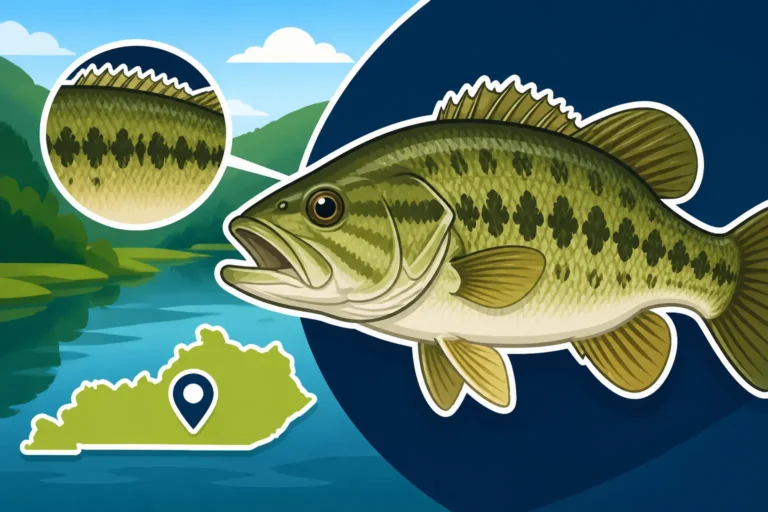
The most obvious clue, as their name suggests, are the rows of small, dark spots found on their lower flanks, below the lateral line. Now, I know what you’re thinking, “Don’t largemouth have spots too?” And yes, they do, but the spots on a spotted bass are usually much more pronounced and often form distinct horizontal rows, almost like stitching. These spots are less like random specks and more like a consistent pattern.
Another major identifier is the patch of teeth on their tongue. If you're brave enough to stick a finger in their mouth (carefully, please!), or if you can get a good look, a spotted bass will typically have a small, rough patch of teeth right in the middle of its tongue. This is a dead giveaway that sets them apart from largemouth bass, which lack this feature. Smallmouth bass can also have a similar tooth patch, which is why you need to look at other characteristics too. Check out Spotted Bass Vs Largemouth Bass: How to Tell Them Apart for a deeper dive into these differences.
Not Your Average Largemouth: Size and Mouth Differences
When it comes to size, spotted bass generally don't grow as large as the biggest largemouth bass you'll find in Kentucky, but they do tend to be bulkier and more muscular than a smallmouth of similar length. They're often described as having a "football" shape. A 3-pound spotted bass can feel like a 5-pound largemouth on the end of your line due to their incredible fight!
The mouth is another critical indicator. For a largemouth bass, if you close its mouth, the jaw extends well past the back of its eye. On a spotted bass, the jaw typically extends to about the middle of the eye or just slightly beyond it, but rarely past the back edge. This is a subtle but consistent difference. Their overall body shape is usually a bit more streamlined than a largemouth, but not as torpedo-like as a smallmouth. They often have a greenish-gold hue with darker blotches along their sides, giving them a distinct look that some anglers find very appealing. If you're still scratching your head, How to Identify a Largemouth Bass Vs a Smallmouth Bass can help round out your bass identification skills for other species too.
Here's a quick comparison table to help you identify the common black bass species in Kentucky:
| Feature | Largemouth Bass | Smallmouth Bass | Spotted Bass |
|---|---|---|---|
| Max Jaw Ext. | Extends past the rear of the eye | Does not extend past the rear of the eye | Extends to about the middle of the eye, sometimes slightly beyond |
| Dorsal Fins | Deep notch between spiny and soft dorsal fins | Shallow notch between spiny and soft dorsal fins | Fairly shallow notch, similar to smallmouth |
| Body Color | Green with dark, irregular lateral band | Brown, bronze, or olive with vertical bars/blotches | Greenish-gold with distinct rows of spots below lateral line |
| Tongue Patch | Absent (smooth) | Sometimes present (rough) | Always present (rough) |
| Overall Shape | Stout, heavy-bodied | Streamlined, torpedo-like | Moderately stout, often described as "football" shaped |
Preferred Habitats: Where Spotted Bass Love to Live
Now that we know how to identify them, let's talk about their preferred real estate. Spotted bass aren’t as picky as some fish, but they definitely have a preference for certain types of environments, often acting as a bridge between the largemouth’s love for shallow cover and the smallmouth’s preference for rocky, cool waters. They adapt well, which is why you find them in a good mix of rivers and reservoirs across the state.
River Systems and Flowing Waters
Unlike largemouths who prefer the slow, stagnant backwaters, spotted bass absolutely thrive in river systems and waters with a noticeable current. They love the challenge of flowing water and will often position themselves behind current breaks like submerged logs, boulders, or even bridge pilings, waiting for an easy meal to be swept by. This makes them a fantastic target for river anglers, especially on larger rivers where other bass species might struggle to maintain a strong presence.
When you're fishing a river, look for areas where the current creates eddies or slack water pockets. These are prime ambush points. Also, don't overlook areas below dams or rapids where the water is highly oxygenated and creates natural feeding lanes. These conditions provide both cover and a conveyor belt of food, which is precisely what a spotted bass is looking for. They're strong swimmers and use the current to their advantage, conserving energy while staying ready to strike.
Clear to Moderately Stained Reservoir Environments
While they love rivers, many of Kentucky's large reservoirs are also fantastic spotted bass havens. They tend to prefer lakes with a bit more clarity than what a largemouth might seek out, but they can adapt to moderately stained conditions too. They don't typically hang out in the super shallow, vegetated coves that largemouths dominate. Instead, you'll find them gravitating towards steeper banks, rocky points, bluff walls, and deep timber.
These fish are often found suspended over deeper water, especially when baitfish are present, or relating tightly to structure that drops off quickly into depth. They are less about the thick weeds and more about hard structure – rock, gravel, and wood. This makes them a bit more challenging to locate sometimes, but incredibly rewarding when you do. If you're exploring new waters, definitely grab a good sonar unit – there are plenty of excellent options on Amazon, and it will save you a lot of time on the water finding those key structures.
Depth Preferences and Structure Affinities
Spotted bass are often found deeper than largemouths but shallower than where you might typically target smallmouths in the summer. They have a particular fondness for ledges, humps, and submerged creek channels. These underwater highways and abrupt changes in depth provide them with easy access to both shallow feeding grounds and deeper, cooler refuge. They use these depth changes to their advantage, moving up to feed during active periods and retreating deeper during less favorable conditions.
Look for areas where points extend far out into the lake, particularly those with a mix of rock and timber. These transitional zones are ideal for spotted bass. They also love vertical structure, like standing timber in inundated lakes or sheer rock walls. They'll hug these structures, using them as cover and ambush points. When fishing for them, pay close attention to your electronics for suspended fish or bait schools near structure. Sometimes, a subtle drop-off or a small rock pile is all it takes to hold a school of hungry spotted bass. You might want to get a waterproof map or download a mapping app for your phone (plenty of good ones available on Amazon) to help identify these underwater structures before you even cast a line.
Top Kentucky Hotspots for Spotted Bass
Kentucky is blessed with an abundance of fantastic fishing opportunities, and many of its waters hold thriving populations of spotted bass. While you might stumble upon them almost anywhere, some places are particularly renowned for their consistent spotted bass action.
Central and Eastern Kentucky Lakes
For some of the best spotted bass fishing in Kentucky, you'll want to set your sights on a few key reservoirs in the central and eastern parts of the state.
- Lake Cumberland: This massive lake, known for its deep, clear waters and steep rock bluffs, is an absolute powerhouse for spotted bass. The sheer amount of rocky structure, deep points, and standing timber make it ideal habitat. Anglers often find spotted bass schooled up on main lake points, humps, and ledges. They're often found chasing schooling baitfish, so keeping an eye on the surface for activity can be a big clue. Lake Cumberland is also famous for its trout, so anglers need a Kentucky Trout Permit Guide if they plan on chasing them.
- Herrington Lake: Kentucky's deepest lake is another fantastic spotted bass fishery. Its steep, rocky banks and deep channels provide perfect cover for these fish. Herrington Lake often has a good population of smaller spotted bass, but trophy-sized ones are certainly present, especially around its abundant bluff walls and deep creek bends. Early mornings and late evenings can be particularly productive as they move shallower to feed. This lake's depth can make fishing a bit more challenging, but the rewards are there. For a comprehensive guide, check out Herrington Lake Fishing Guide, Kentucky's Deep Water Bass Lake.
- Barren River Lake: Located in south-central Kentucky, Barren River Lake offers a slightly different habitat but still holds excellent numbers of spotted bass. While it has some shallower areas, the main lake channels, rocky points, and submerged timber are key spots. Anglers often find great success here targeting spots that drop off into the old river channel. The lake's clear to slightly stained water clarity suits them well. For more specific info, see Barren River Lake Fishing Guide for Kentucky Anglers.
Western Kentucky Rivers and Reservoirs
Don't think spotted bass are only an eastern Kentucky affair. The western part of the state also offers some prime opportunities, particularly in its extensive river systems and larger reservoirs.
- Kentucky Lake and Lake Barkley: While these twin lakes are famous for their largemouth bass and crappie, they also have healthy populations of spotted bass, particularly in the lower, deeper sections of the lakes closer to the dams and in areas with more current. They can often be found along riprap banks, main lake points, and deeper structure where current funnels baitfish. These lakes are huge, so covering water and using your electronics effectively will be crucial. Remember, the Kentucky Statewide Bass Limit: 12 Inches, 6 Fish a Day applies here too, unless there's a specific lake exception.
- Ohio River Tributaries and Backwaters: The Ohio River itself, with its vast stretches of flowing water, can hold spotted bass, especially in areas with rock bars, wing dams, and riprap. However, many of the larger tributaries that feed into the Ohio River can be fantastic spots for them. These smaller rivers often have a good mix of rock and current, creating ideal spotted bass habitat without the overwhelming size of the main Ohio River. Look for river bends with deeper outside turns and structure that breaks the current.
Targeting Spotted Bass in Mixed Species Waters
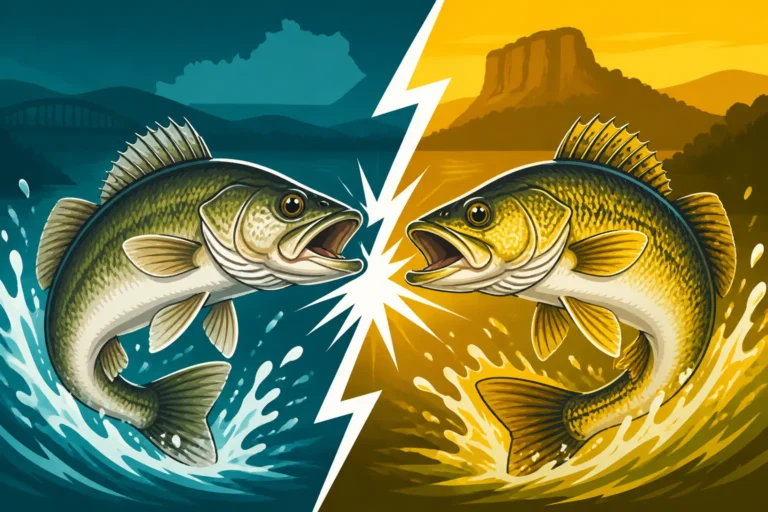
One of the interesting aspects of spotted bass is their ability to coexist with largemouth and smallmouth bass. This means you might be fishing for one species and catch a spotted bass, or vice versa. In lakes like Cumberland or Herrington, you might catch all three black bass species in the same day. The key is to recognize their preferred habitat within these mixed waters.
If you're in a lake with clear water and a good mix of rock and timber, and you're catching both largemouth and smallmouth, chances are good that spotted bass are also present. Focus on transitional areas – points that drop off quickly, humps, or standing timber near channel swings. While largemouth might be in the very shallow coves, and smallmouth deeper on rocky reefs, spotted bass often occupy the middle ground, using similar structures but perhaps at slightly different depths or in areas with more current. Your strategy might need to adapt slightly if you're specifically targeting spots in these mixed environments, but often, the same lures and techniques will entice them all.
Gear and Techniques for Spotted Bass Success
Spotted bass are aggressive feeders and powerful fighters for their size, so having the right gear and knowing a few key techniques can make all the difference. While they'll hit many of the same baits as largemouth, understanding their preferences can lead to more consistent hookups.
Lures and Baits That Get Their Attention
When it comes to lures, spotted bass have a few favorites. Their diet often consists of baitfish and crayfish, so anything that mimics these will typically work well.
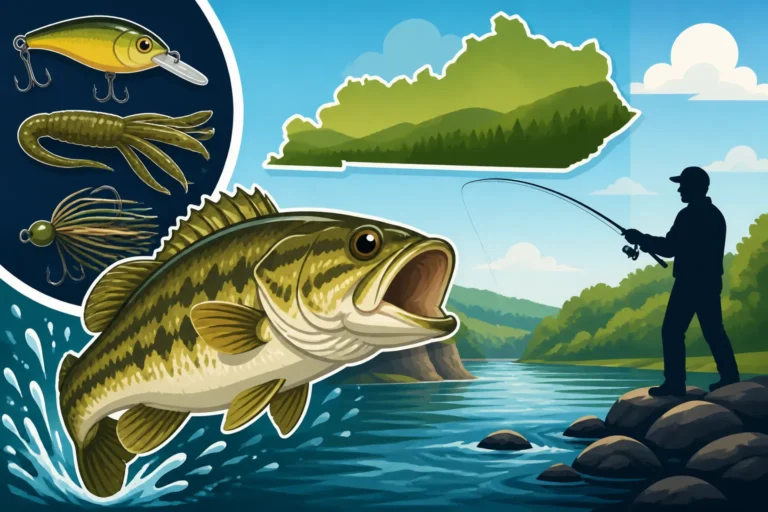
- Soft Plastics: One of the most effective ways to catch spotted bass, especially in deeper water, is with soft plastics. A shaky head worm or a jig with a soft plastic trailer can be deadly. The subtle action of these baits on the bottom mimics a crayfish or a struggling baitfish, which spotted bass find irresistible. Look for baits in natural colors like green pumpkin, watermelon, or shades of brown. You can find a fantastic selection of soft plastics for your tackle box on Amazon.
- Jigs: Football jigs are excellent for working rocky bottoms and ledges where spotted bass often hold. Pair them with a craw-style trailer for added bulk and action. Again, natural colors are usually best.
- Crankbaits and Jerkbaits: When spotted bass are actively chasing baitfish, crankbaits that dive to the depth where they're feeding can be incredibly effective. Jerkbaits are also fantastic, especially in clear water, as their erratic action can trigger reaction strikes. Medium-diving crankbaits that bump the bottom or deflect off structure are often key. For some specific recommendations, check out Best Bass Lures for Spring Fishing.
- Topwater Lures: Don't count out topwater action for spotted bass, especially during low-light conditions like dawn and dusk, or on overcast days. Poppers, walking baits, and prop baits can all draw explosive strikes from aggressive spots.
- Live Bait: If all else fails, live bait is almost always a winner. Small shiners or crayfish, fished on a Carolina rig or under a slip bobber, can be incredibly effective, particularly when fish are finicky.
Rods, Reels, and Line for the Fight
Spotted bass are known for their strong runs and headshakes, so your gear needs to be up to the task.
- Rods: A medium-heavy spinning rod or casting rod, typically in the 6'6" to 7'2" range, is a versatile choice. This rod action provides enough backbone to set the hook and fight larger fish, but still has enough tip sensitivity to detect subtle bites from soft plastics. Look for a fast action tip for better feel.
- Reels: For spinning setups, a 2500-3000 series reel is usually sufficient, spooled with 8-10 pound test fluorocarbon or braided line with a fluorocarbon leader. For casting setups, a good quality baitcasting reel with a moderate gear ratio (around 6.x:1) is ideal, spooled with 12-15 pound fluorocarbon. Fluorocarbon is a great choice because it's virtually invisible underwater and has excellent sensitivity.
- Line: As mentioned, fluorocarbon is a favorite for its low visibility and sensitivity. If you prefer braided line, make sure to use a fluorocarbon leader of at least 15-20 feet, especially in clear water. This will help with stealth and prevent fish from seeing your main line. Investing in quality fishing line from a reputable brand (often found on Amazon) can really make a difference in your hookup ratio. For more general advice on tackle, refer to Best Rods and Reels for Kentucky Fishing and Best Tackle Box Setup by Species.
When you're out there, remember to respect the Kentucky Fishing Regulations Explained. Have your Kentucky Fishing License Guide readily available, and most importantly, enjoy the hunt for these spirited Kentucky fighters! Tight lines!
Disclaimer
This article is for general informational purposes only and does not constitute professional advice. Laws, prices and regulations vary by location and change over time. Consult a qualified professional for guidance on your specific situation.