Best Bait for Redear Sunfish in Kentucky Lakes
It can be incredibly frustrating to head out to your favorite Kentucky lake, expecting to fill a cooler with delicious panfish, only to find the redear sunfish playing hard to get. These sneaky 'shellcrackers' have a particular palate, and if you’re not presenting the right meal, you might as well be talking to a brick wall. This guide is all about cutting through the guesswork and showing you exactly what baits will have those redear sunfish biting in Kentucky's waters.
Understanding the Redear Sunfish Diet and Preferences
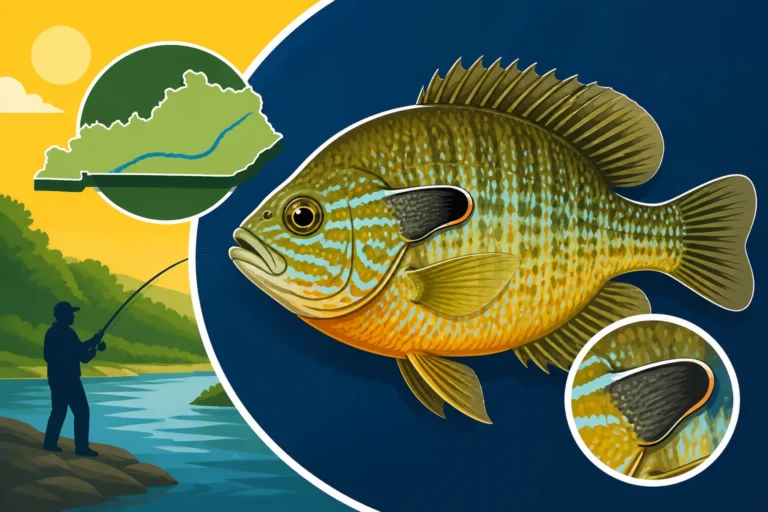
Before we even talk about specific baits, let's dive into what makes a redear sunfish tick. Unlike some of their sunfish cousins who are more opportunistic feeders, redear sunfish have a specialized diet. Their nickname, "shellcrackers," isn't just for show – it's a direct reference to their strong throat teeth, designed to crush the shells of snails and other mollusks. This crucial detail tells us a lot about what they prefer to eat and, consequently, what baits will be most effective. They're bottom feeders, often grubbing around in the substrate, looking for these crunchy treats.
What Makes Redear Sunfish Unique Feeders?
Most panfish will happily gobble up worms, insects, or tiny bits of bread, but redear sunfish have evolved to exploit a niche food source: snails. This means they are often found in areas where aquatic vegetation is abundant, as these weeds provide prime habitat for snails. Knowing this, we can deduce that baits that either mimic or are actual snails, or other small, bottom-dwelling invertebrates, will be highly attractive to them. They're not usually chasing fast-moving prey; instead, they're slowly cruising the bottom, looking for their next crunchy snack. Think about how they feed: deliberately, often sucking in their food rather than striking aggressively. This impacts how you present your bait.
Where to Find Redear Sunfish in Kentucky Lakes
Since snails and other invertebrates are their primary diet, redear sunfish tend to congregate in specific habitats. You'll often find them around weed beds, lily pads, submerged timber, and other forms of cover where these small critters thrive. Shallow flats with a mix of sand and gravel, especially if there's some detritus for bottom-dwelling organisms, are also prime spots. In Kentucky lakes like Lake Barkley, Lake Cumberland, or Barren River Lake, look for areas with emergent vegetation in the spring and early summer. As temperatures rise, they might move slightly deeper to cooler waters, but they'll still be near structure or vegetation that holds their food. Paying attention to these locations can significantly increase your chances of success, even before you cast a line. For more general advice on these fish, check out Redear Sunfish Fishing Tips for Kentucky Anglers.
Top Natural Baits for Redear Sunfish
When it comes to consistently catching redear sunfish, natural baits are almost always the most effective. These are the things they encounter in their everyday lives and are hardwired to recognize as food. If you want to put fish in the cooler, this is where you should start your bait selection.
The Undisputed King: Worms
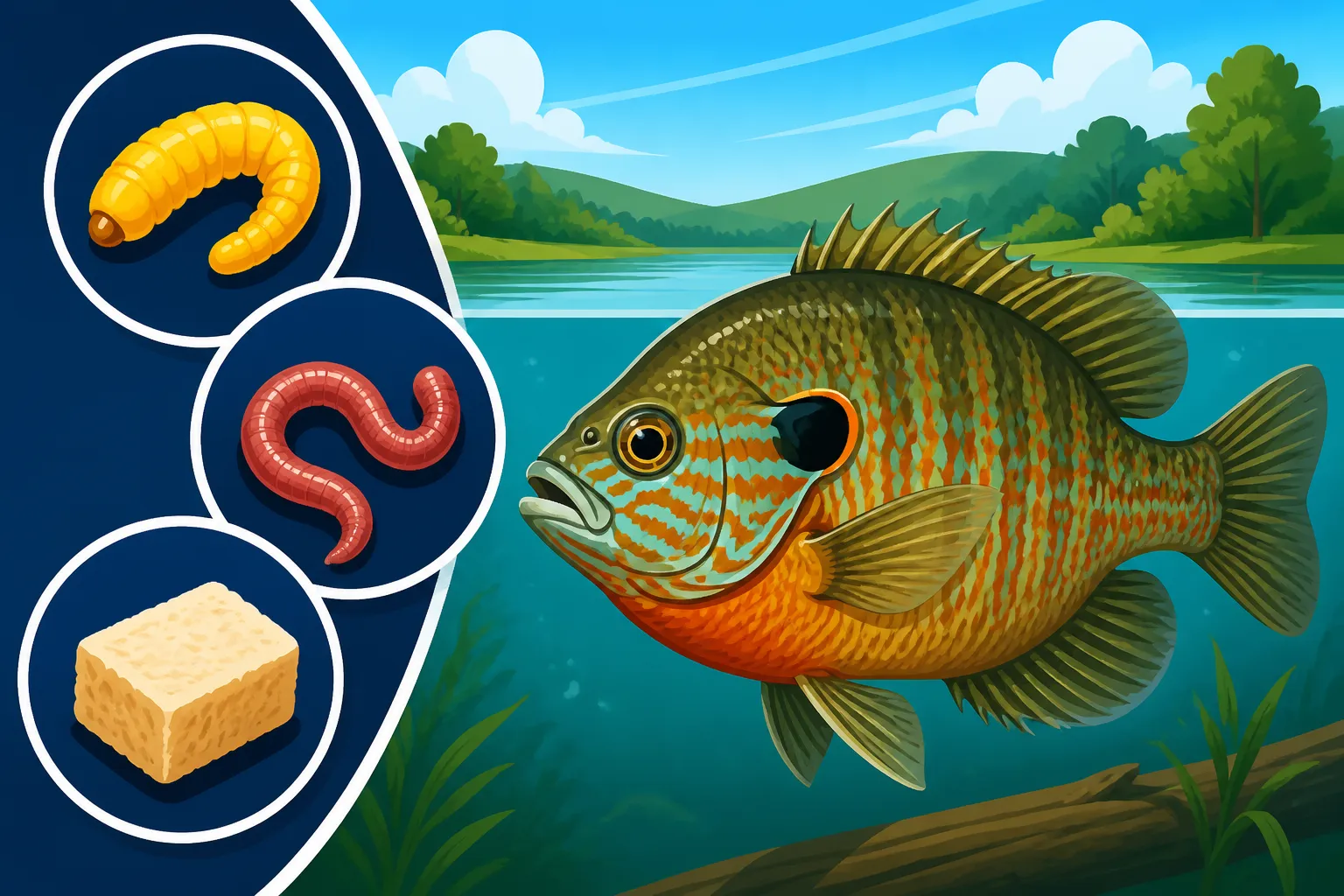
You simply cannot go wrong with worms for redear sunfish. Nightcrawlers, red wigglers, and even pieces of larger earthworms are incredibly effective. The scent and natural movement of a worm in the water are irresistible to a redear.
Red Wigglers: A Perennial Favorite
Red wigglers are a classic for a reason. They're small, lively, and have a natural scent that fish love. Hooking one or two small red wigglers through the head or middle allows them to wriggle, creating enticing vibrations and scent trails that redear sunfish pick up on. I've seen countless times how a small cluster of red wigglers on a tiny hook can turn a slow day into a productive one. They’re easy to keep, too, making them a convenient bait to have on hand. You can pick them up at most bait shops, or even order them through retailers like Amazon if you're planning ahead and want a bulk supply for multiple trips.
Nightcrawlers: Bigger Bite, Bigger Fish
While red wigglers are great for numbers, if you're targeting larger redear sunfish, consider using pieces of a nightcrawler. A whole nightcrawler might be too big for their small mouths, but a half or quarter piece, still wiggling, offers a substantial, attractive meal. The key is to keep the piece of worm lively and presenting naturally. You don't want a static, dead-looking piece of bait. Threading it carefully on a small hook, making sure the hook point is exposed, will ensure a good hookset. For fishing worms, a simple bobber rig or a bottom rig with a small split shot weight usually does the trick.
Cracking the Shell: Snails and Crickets
Remember their "shellcracker" nickname? Snails are literally what they're built to eat. If you can get your hands on small pond snails, they are an absolute goldmine for redear. Crickets, while not mollusks, are also a fantastic natural insect bait that panfish, including redear, find hard to resist.
Pond Snails: The Ultimate Redear Bait
If you really want to target redear sunfish, finding small aquatic snails is arguably the best bait you can use. They are literally designed to eat them! This can be a bit more effort than simply buying worms, as you might need to collect them from shallow waters or purchase them from specialized bait suppliers. When you do use them, hook them carefully through the foot, making sure the shell is intact. The crunch of a snail shell is what they love, and the effort it takes to get them often pays off with bigger, more aggressive bites from discerning redear. This is where really understanding the fish's natural diet gives you an edge.
Crickets: A Versatile Panfish Treat
Crickets are another excellent choice, especially when redear are feeding near the surface or around overhanging vegetation where insects might fall into the water. While they don't have the "shell-cracking" appeal of snails, their erratic movement and leg-kicking on the surface or just below can trigger a strike. Crickets are easily found at most bait shops. Just like with worms, a small hook and a light line are essential for a natural presentation. For targeting other panfish, you might also find success with Best Bait for Bluegill in Kentucky Ponds.
Artificial Lures and Alternative Baits
While natural baits often outperform artificials for redear, there are times and situations where lures can be effective, especially if you're looking for an active approach or can't easily source live bait. Plus, sometimes it’s just more fun to get a strike on something you’ve actively presented.
Small Jigs and Micro Plastics
When redear are feeding aggressively, or if you're trying to cover more water than you would with a static live bait, small jigs paired with tiny plastic trailers can entice strikes. The key here is small – think 1/32 or 1/64 ounce jigs.
Tiny Jigs with Grub Tails
A tiny jig head, perhaps 1/32 ounce, tipped with a small plastic grub tail (1-2 inches) can mimic a variety of small aquatic insects or crustaceans. Colors like white, chartreuse, olive, or brown often work well, especially if they resemble local baitfish or insects. The retrieve should be slow and subtle, perhaps a slow drag along the bottom or a gentle lift-and-drop. You're trying to imitate something slowly moving or struggling on the bottom, not a fleeing baitfish. These types of micro jigs are often readily available on Amazon, making it easy to stock up before a trip.
Soft Plastics Mimicking Critters
Beyond grub tails, there are tiny soft plastic baits designed to imitate worms, larvae, or even small crustaceans. Brands like Berkley PowerBait or Gulp! offer scented options that add an extra layer of attraction. These can be fished on a bare jig head or even under a small bobber for a suspended presentation. The scent can be a game-changer when fish are finicky, giving them that extra reason to hold onto the bait longer. Remember, the presentation is key: gentle twitches, slow retrieves, letting the bait spend time in the strike zone.
Scented Baits and Paste Baits
For those who prefer not to deal with live worms or insects, scented artificial baits or paste baits can offer a convenient and sometimes effective alternative. These rely heavily on scent to draw in the fish.
PowerBait and Gulp! Options
Products like Berkley PowerBait (often used for trout but effective for panfish) or Gulp! come in various forms, from small maggots and worms to corn shapes. The strong scent is designed to make fish bite and hold on, giving you more time to set the hook. These are particularly good for still-fishing situations where the scent can disperse in the water. For example, if you're bank fishing and have multiple rods out, a scented bait can be a low-maintenance option while you're actively fishing with live bait on another rod. You can find a wide array of these products, including various sizes and colors, on Amazon.
Dough Balls and Corn
While not as universally effective for redear as worms or snails, dough balls (especially homemade ones with added garlic or anise scent) and canned corn can sometimes trigger bites. These are more often associated with carp or catfish, but opportunistic redear might take them, especially if they are heavily pressured or in ponds where they are accustomed to such offerings. These baits are best presented on a small hook on the bottom, perhaps with a tiny split shot to keep them anchored.
Presentation Techniques and Seasonal Adjustments
Having the right bait is only half the battle; knowing how to present it effectively and adjusting your approach based on the season makes all the difference. Redear sunfish can be finicky, and a subtle adjustment can unlock a hot bite.
Optimal Rigging for Redear Sunfish
Redear sunfish have relatively small mouths and are often found near the bottom. This dictates certain rigging strategies to maximize your chances of a hookup.
Bobber and Split Shot Rig
This is perhaps the most classic and effective rig for redear. A small, sensitive bobber (like a slip bobber for deeper water) allows you to present your bait at a specific depth, usually just above or directly on the bottom. A small split shot a few inches above the hook helps sink the bait quickly and keeps it in the strike zone. The key is to use the smallest bobber that will support your bait and split shot, as this provides maximum sensitivity to detect those subtle redear bites. A tiny #8 or #10 hook is ideal to match their mouth size. For more on getting set up, check out Best Rod and Reel Combo for Beginners.
Bottom Rig with a Small Weight
When fishing deeper water or in areas with current, a simple bottom rig works wonders. Tie a small barrel swivel to your main line, then add a 6-12 inch leader to a small hook. Above the swivel, use a small bell sinker or an egg sinker. This allows your bait to rest naturally on the bottom while the weight holds it in place. This rig is particularly effective when you're targeting those deeper weed lines or brush piles where redear might be hiding. Just be sure not to use too heavy a weight, as you still want to feel those light bites.
Here's a quick comparison of common redear sunfish baits:
| Bait Type | Effectiveness for Redear | Ease of Sourcing | Cost (Relative) | Ideal Presentation | Notes |
|---|---|---|---|---|---|
| Red Wigglers | Excellent | Very Easy | Low | Bobber, Bottom Rig | Wiggling action, natural scent, versatile. |
| Nightcrawlers (pieces) | Excellent | Very Easy | Low | Bobber, Bottom Rig | Good for bigger fish, strong scent. |
| Pond Snails | Exceptional | Difficult | Variable | Bottom Rig (crushable shell) | Mimics natural diet, highly effective. |
| Crickets | Good | Easy | Medium | Bobber (surface/sub-surface) | Great for active surface feeders. |
| Micro Jigs/Grubs | Good | Easy (Amazon) | Low-Medium | Slow Retrieve, Lift-Drop | Active fishing, mimics insects/larvae. |
| Scented Baits (Gulp!) | Fair to Good | Easy (Amazon) | Medium | Still Fishing, Slow Drag | Scent attraction, convenient. |
Seasonal Considerations for Redear Fishing
The time of year significantly impacts where redear sunfish will be and what they'll be most interested in eating. Adjusting your tactics to the season is crucial for consistent success.
Spring: Spawning and Shallow Water Feeding
Spring is often the easiest time to catch redear, as they move into shallower waters for spawning. This is when you'll find them congregated in large numbers, often around beds in 2-5 feet of water, especially in areas with gravel or shell bottoms. During this period, they are aggressive feeders, and worms or snails presented on a simple bobber rig will often lead to fast action. Look for them in protected coves and sun-warmed flats. Many panfish, including redear, are active in spring. For broader advice, look into When Does Crappie Spawning Start in Kentucky or How to Find Bluegill Beds in Spring.
Summer: Deeper and Cooler Retreats
As summer temperatures rise, redear sunfish will typically move to deeper, cooler waters, often congregating around submerged structure, deeper weed lines, or brush piles. They might still come shallow during low-light hours (dawn and dusk) to feed, but during the heat of the day, you’ll need to target them in 8-15 feet of water or deeper. Bottom rigs with worms or small jigs slowly dragged along the bottom are effective during this time. Using electronics can be a huge advantage here to pinpoint schools of fish and locate submerged cover. Many anglers enjoy What Fish Are Biting in Kentucky in July during this time.
Fall and Winter: Transition and Slower Bites
Fall sees redear sunfish transitioning as water temperatures drop. They might be found anywhere from shallow to moderately deep water, often feeding heavily to prepare for winter. The bite can be good, but they might be more scattered. As winter sets in, their metabolism slows significantly, and they become much less active. You'll need to present baits very slowly and directly to them, often suspending a small worm or jig just above them in deeper water. The bite will be light, so a sensitive rod and line are essential.
Knowing the redear sunfish's preference for snails and other bottom-dwelling invertebrates, coupled with a solid understanding of how to present your bait effectively, will drastically improve your catch rate in Kentucky's lakes. So grab some worms, maybe even try to find some snails, and get out there!
Disclaimer
This article is for general informational purposes only and does not constitute professional advice. Laws, prices and regulations vary by location and change over time. Consult a qualified professional for guidance on your specific situation.