Are Sunfish Good Bait for Bigger Fish?
It's a question as old as fishing itself: you're out on the lake, maybe you've caught a few small bluegill or sunfish, and the thought inevitably crosses your mind – "Could one of these little guys be the ticket to catching that monster bass or catfish I've been dreaming of?" It’s a natural instinct, wanting to use what's readily available and seems like perfect forage. This guide is here to unravel the complexities and provide a realistic look at whether sunfish make good bait for bigger fish in Kentucky, helping you understand the rules, the ethics, and the practicalities involved.
The Allure of Sunfish as Live Bait in Kentucky
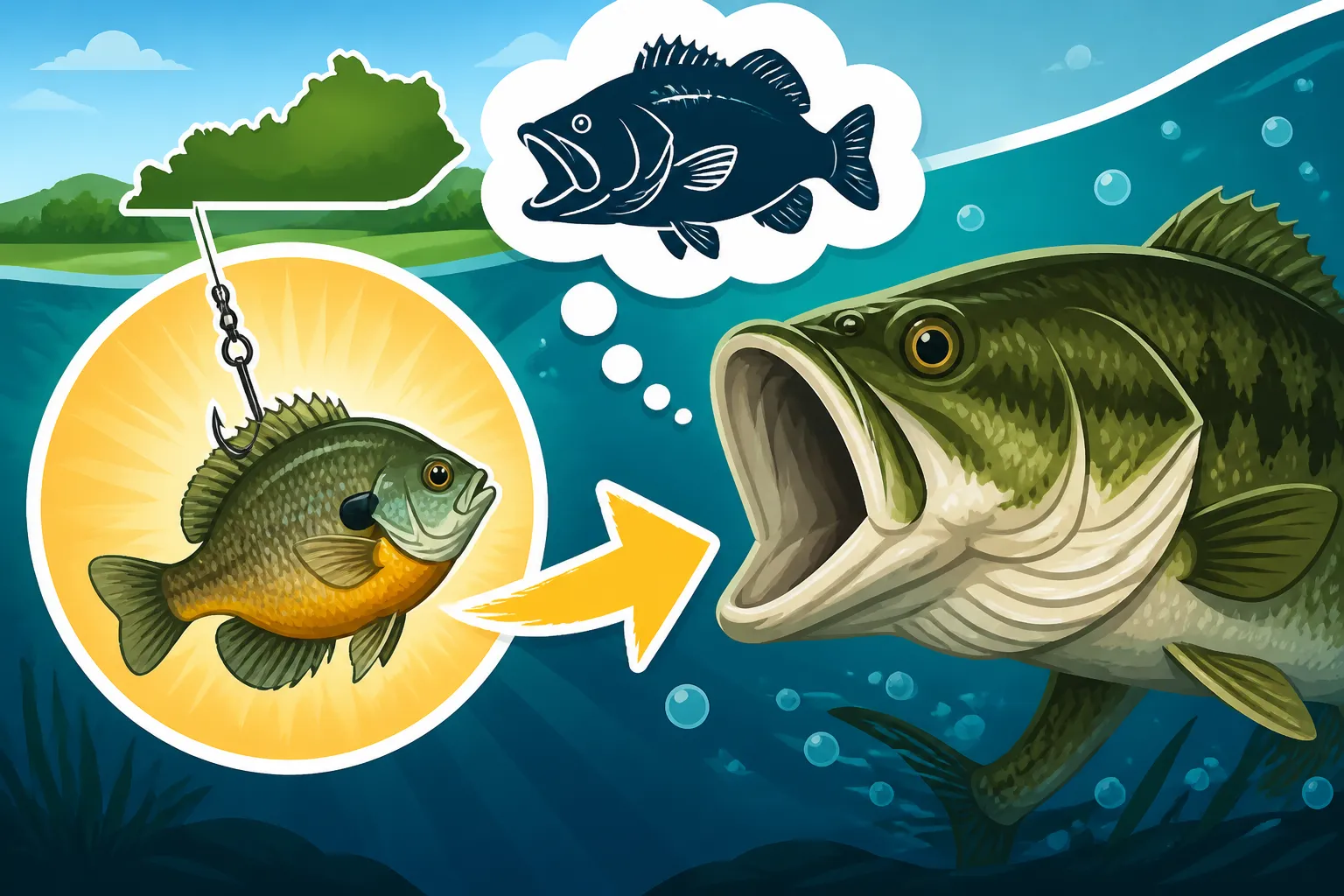
There’s a reason this question pops up so often among anglers. The idea of using a lively, natural bait that predatory fish already recognize as food is incredibly appealing. It feels like you’re truly "matching the hatch" and giving yourself an unfair advantage.
Why Anglers Consider Sunfish
Think about it: wherever you find bigger game fish in Kentucky, you almost always find sunfish. They're ubiquitous, hardy, and a natural part of the food chain in nearly every lake, pond, and river system. Species like bluegill, green sunfish, and longear sunfish are practically everywhere, making them seem like the perfect, readily available bait. They're tough little fish that can stay alive on a hook for a good while, constantly wiggling and sending out those distress signals that bigger predators can't resist. If you've ever spent an afternoon Bluegill Fishing Tips for Beginners, you know just how abundant and feisty these panfish can be. They're easy to catch, often right off the bank or from a dock, leading many anglers to think, "Why buy bait when I've got a bucket full of this natural gold?"
What "Bigger Fish" Are We Talking About?
When we talk about using sunfish as bait, the target species are generally the apex predators of Kentucky's waterways. These are the fish that regularly dine on smaller forage, including various sunfish species.
- Largemouth Bass: The undisputed king of many Kentucky lakes, largemouth bass absolutely gorge on sunfish. A fat bluegill swimming near a submerged log is an irresistible meal for a hungry bucketmouth.
- Smallmouth Bass: While perhaps not as prone to eating larger sunfish as their largemouth cousins, bigger smallmouth in deeper, clearer waters will certainly ambush a sunfish if the opportunity presents itself.
- Catfish (Blue and Flathead): This is where sunfish really shine as bait – if you're targeting big blue and flathead catfish. Flatheads, especially, are notorious for preferring live bait, and a feisty sunfish is often their meal of choice. Big blue catfish, while also scavenging, will readily take a live sunfish. Channel catfish are less likely to go for a large live bait, preferring smaller live offerings or prepared baits.
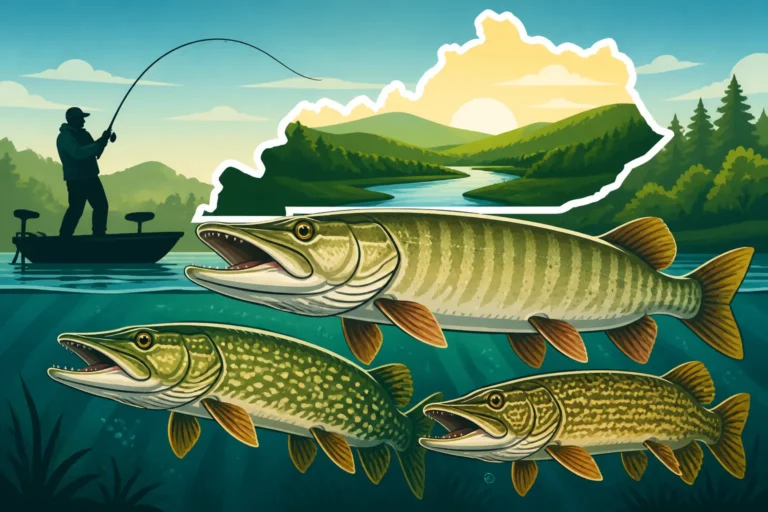
- Muskie: Known as the "fish of 10,000 casts," muskie are apex ambush predators that eat anything they can fit in their cavernous mouths, including substantial sunfish.
Understanding what fish eat sunfish naturally helps us narrow down the potential effectiveness of this bait. However, the appeal alone isn't enough; we need to dive into the important stuff: the rules.
Legality and Regulations: Don't Get Fined!
Alright, let’s get down to brass tacks because this is where a brilliant idea can quickly turn into a costly mistake. Using sunfish as bait in Kentucky isn't as simple as just catching one and putting it on a hook. Kentucky has specific regulations regarding the use of live bait, especially when it comes to game fish. This isn't just bureaucratic red tape; it's about protecting our fisheries and preventing the spread of disease.
Kentucky's Live Bait Rules
Here’s the deal: many of the sunfish species you might consider using as bait, like bluegill or even green sunfish, are classified as game fish in Kentucky. This is a critical distinction. Generally, using game fish as bait, alive or dead, is either prohibited or comes with very strict limitations. The intent behind this rule is multifold:
- Preventing Over-Harvest: If everyone could use small game fish as bait without limits, it could significantly impact the population dynamics, especially for popular panfish.
- Disease Prevention: Transporting live fish from one body of water to another, even within the same state, carries a significant risk of spreading aquatic invasive species or diseases. Think about it: if you catch a bluegill in a pond that has a certain parasite and then use it as bait in a different lake, you could unknowingly introduce that parasite to a new ecosystem.
- Fair Chase: Some regulations are designed to ensure fair chase and prevent methods that are deemed overly effective or unsporting.
You absolutely must consult the current Kentucky Fishing and Boating Guide, published by the Kentucky Department of Fish and Wildlife Resources (KDFWR), before you even think about putting a sunfish on a hook. Regulations can change, and what was permissible last year might not be this year. Ignoring these rules can lead to hefty fines and confiscation of your gear. Trust me, explaining to a game warden that you "didn't know" isn't going to cut it. Always remember to check Kentucky Fishing Regulations Explained before heading out.
Identifying Legal Baitfish vs. Game Fish
How do you tell the difference? It can be tricky, especially for new anglers. The KDFWR guide will list all regulated game fish species. Sunfish species are typically listed there. For instance, bluegill, redear sunfish, green sunfish, and longear sunfish are all considered game fish, subject to daily creel and possession limits. This means if you catch a bluegill, it counts towards your daily limit, even if your intention is to use it as bait.
Here’s a general guideline for what’s often legal baitfish:
- Minnows: Small baitfish like shiners, fatheads, or dace are commonly sold as bait.
- Shad: Certain species of shad are also often legal baitfish, especially for catfish or striped bass.
- Suckers: These bottom-dwelling fish can also be legal live bait in some contexts.
The key is that these are generally not considered game fish and are typically either commercially raised or caught in specific ways for bait purposes.
A crucial rule of thumb: Never transport live fish from one water body to another unless they are from an approved commercial source and you have documentation, or you caught them from the same water body where you intend to use them, and they are legal bait species. Even then, using a game fish as bait, regardless of where it was caught, often carries specific restrictions or outright prohibitions.
For example, if you catch a small bluegill in Lake Barkley, you might think it’s okay to use it as bait for a big bass in that same lake. However, if bluegill is a game fish with a daily limit, using it as bait still counts against that limit and might even be explicitly forbidden as a bait method for that species. The KDFWR regulations are very clear on what you can and cannot use. Take the time to identify the fish you catch. Our Kentucky Fish Species Guide: 265 Types You Can Catch can be a great resource for identification.
Practical Considerations and Techniques for Using Sunfish as Bait (If Legal)
Let’s assume, for a moment, that you’ve thoroughly checked the regulations and have found a specific, legal scenario where using a sunfish as bait is permitted (perhaps in a private pond with owner's permission, or if specific regulations have changed to allow a particular species in a particular way). If you find yourself in such a rare and permissible situation, here's how you might approach it to be effective.
Sourcing Your Sunfish
First, you need the bait itself.
- Catching Them Yourself: If allowed, you'd typically catch them with a small hook, tiny jig, or even a cast net (check cast net regulations too!). The key is to keep them healthy. A good bait bucket with an aerator is essential. You want lively bait that will attract attention, not a sluggish, dying fish. Size matters here; a sunfish that’s too large might intimidate your target, while one too small might not be worth the effort for a trophy fish. Generally, 3-6 inches is a good range for bass, and up to 8-10 inches for truly massive catfish or muskie.
- Buying from Bait Shops: This is the safer and often only legal option for acquiring live baitfish for many situations. Reputable bait shops will sell species that are legal to use as bait and often have a variety of minnows, shiners, or even small shad. They typically source their bait ethically and ensure it meets health standards. You can usually find bait shop recommendations with a quick online search, or by asking local anglers in Kentucky. While sunfish are generally not sold as bait due to their game fish status, other legal baitfish are readily available. Many anglers order essentials like aerators, bait buckets, and even specific types of minnow traps from sites like Amazon to ensure they have healthy bait.
Rigging Live Sunfish for Maximum Effectiveness
If you're in a scenario where it's legal, proper rigging is crucial for keeping the sunfish alive and presenting it naturally.
- Lip-Hooking: A single hook through both lips, from bottom to top, is a common method. This allows the fish to breathe and swim fairly naturally, but it can make it harder for the fish to "inhale" the bait.
- Back-Hooking: Placing a hook just in front of the dorsal fin, above the lateral line, is another option. Be careful not to pierce the spine, which would quickly kill the fish. This rigging allows the sunfish to swim more frantically, which can be a strong attractant.
- Circle Hooks: When using live bait, especially for larger predatory fish, circle hooks are your best friend. They significantly reduce gut-hooking, meaning the hook is more likely to catch in the corner of the fish's mouth, making for a healthier release if you're not keeping your catch. You can find a variety of circle hooks on Amazon that are perfect for this application. Learn how to use them effectively – usually, you let the fish take the bait, then slowly reel in until the hook sets itself.
- Bobbers, Weights, and Leader Lines: Depending on whether you’re fishing suspended, near the bottom, or in cover, you'll need the right terminal tackle. A heavy-duty bobber can keep the sunfish from swimming into snags, while a slip sinker rig will get it down to the bottom for catfish. A strong fluorocarbon or monofilament leader will provide abrasion resistance and stealth. Mastering your knots is also key; nobody wants to lose a trophy fish to a bad knot. Our guide on How to Tie a Fishing Knot for Beginners can help you get started.
Where and When to Deploy Sunfish Bait
Assuming, once again, that it's permissible, targeting the right spots and times is paramount.
- Targeting Structure and Cover: Larger predatory fish are almost always associated with some kind of structure – submerged timber, rock piles, ledges, brush piles, or weed lines. These are ambush points where they wait for unsuspecting prey like sunfish. Placing your live bait near these features maximizes your chances.
- Drop-offs and Channels: For big catfish, especially blue and flatheads, fishing deep river channels, creek mouths, or abrupt drop-offs in lakes is often the most productive strategy. They patrol these areas for food.
- Seasonal Considerations:
- Spring/Early Summer: Bass will be shallower during the spawn and post-spawn, making areas near their nesting sites prime. Catfish are also active and feeding heavily.
- Summer: Bass often move deeper during the heat of summer, heading to thermoclines or deep cover. Catfish remain active, often feeding more at night.
- Fall: Bass feed aggressively in the fall, stocking up for winter. This can be a fantastic time for live bait. Catfish also have a strong fall bite.
Remember that Best Fishing Spots in Kentucky will vary based on the species you're targeting and the time of year, so always do your homework on local conditions.
The Ethical Angler: Balancing Opportunity with Conservation
Even with the excitement of potentially landing a trophy fish, a responsible angler always considers the broader implications of their actions. This isn't just about following the law, but about respecting the resource and ensuring healthy fisheries for generations to come.
Why Regulations Exist
It’s easy to feel frustrated by regulations when you're just trying to catch a fish. But imagine a scenario where everyone used small game fish as bait, without limits. The impact on populations could be devastating, especially for species that are already popular with anglers like crappie and various panfish. Regulations, like those outlined in the Kentucky Fishing License Guide, are put in place by wildlife agencies precisely to prevent these kinds of scenarios. They're based on scientific research into fish populations, spawning habits, and ecosystem health.
Consider the risk of disease. One of the biggest threats to healthy fisheries is the spread of aquatic pathogens. Many regulations, particularly those restricting the movement of live bait from one water body to another, are designed to minimize this risk. Even seemingly harmless organisms can wreak havoc on an ecosystem that isn't naturally equipped to handle them. When you purchase live bait from a licensed dealer, you're buying bait that has been legally sourced and, often, inspected for health.
Alternatives to Live Sunfish
The good news is that you don't need live sunfish to catch big fish in Kentucky. Anglers have a vast array of effective alternatives that are both legal and highly successful.
- Artificial Lures Mimicking Sunfish: Modern tackle technology is incredible. There are soft plastic swimbaits, hard-bodied crankbaits, and glide baits designed to perfectly imitate the size, shape, and swimming action of a bluegill or other sunfish. These lures come in a dazzling array of colors and sizes, making them perfect for "matching the hatch" without breaking any rules. Check out the selection of swimbaits and crankbaits on Amazon – you might be surprised at how realistic some of them are. Our guide on Best Lures for Largemouth Bass on Big Water can provide excellent starting points for artificial options.
- Other Live Bait Options: For species like catfish, legal options abound. Live or cut shad are incredibly effective for large blue and flathead catfish. Large shiners or even commercially available large minnows are also great choices. For channel catfish, worms, chicken livers, or various prepared "stink baits" are often irresistible. Learn more about effective catfish baits in Best Baits for Channel Catfish Fishing.
- Dead Bait: For some species, particularly large flathead and blue catfish, fresh dead bait (like shad, skipjack, or legal cut bait) can be just as effective as live bait, and it often has fewer legal restrictions depending on the species and source.
Making Informed Choices
Ultimately, the decision of what bait to use comes down to balancing effectiveness with legality and ethics. As anglers, we have a responsibility to be good stewards of the environment and respect the regulations designed to protect our natural resources.
Before any fishing trip, especially if you're considering a less common bait, take a few minutes to:
- Check Current Regulations: Always verify the latest KDFWR fishing guide. Don't rely on old information or what someone told you years ago. Regulations change!
- Identify Your Catch: Know the difference between game fish and legal baitfish. If you're unsure, err on the side of caution.
- Consider the Impact: Think about how your actions might affect the fishery.
By staying informed and making responsible choices, you can enjoy fantastic fishing opportunities in Kentucky while contributing to the health and sustainability of its incredible waterways.
Disclaimer
This article is for general informational purposes only and does not constitute professional advice. Laws, prices and regulations vary by location and change over time. Consult a qualified professional for guidance on your specific situation.