Muskie, Pike and Pickerel Fishing in Kentucky
It's no secret that Kentucky is a phenomenal state for fishing, offering everything from trophy bass to delicious crappie. But for a certain breed of angler, the real thrill lies in pursuing the toothy, elusive giants that lurk in our cooler, weedier waters: the muskie, pike, and pickerel. These ambush predators demand a different approach, specialized gear, and a whole lot of patience, often leaving newcomers feeling overwhelmed. This guide is dedicated to pulling back the curtain on these fascinating fish, helping you understand their habits, find their haunts, and ultimately, land one of these incredible freshwater titans in Kentucky.
Understanding Muskie, Pike, and Pickerel in Kentucky Waters
When we talk about "esox" species – the family of fish known for their elongated bodies and sharp teeth – in Kentucky, we're primarily focused on three distinct but related predators. While they share a fearsome appearance, understanding their individual characteristics is crucial for successful angling. They each have their preferred habitats, sizes, and behaviors, and confusing one for another can lead to frustration on the water.
The Elusive Muskie: Kentucky's Apex Freshwater Predator
The muskellunge, or muskie as it's affectionately known, is truly the undisputed king of Kentucky's freshwater predators. These are big, powerful fish, capable of reaching impressive lengths and weights. When a muskie hits your lure, it's not just a bite; it's an explosion of raw power that will test your tackle and your resolve. Anglers often spend countless hours, or "10,000 casts," in pursuit of a single muskie, a testament to their challenging nature and the immense reward of catching one. Their solitary habits and preference for specific, often hard-to-reach cover make them a formidable opponent, but the sheer size and ferocity of a hooked muskie make every effort worthwhile.
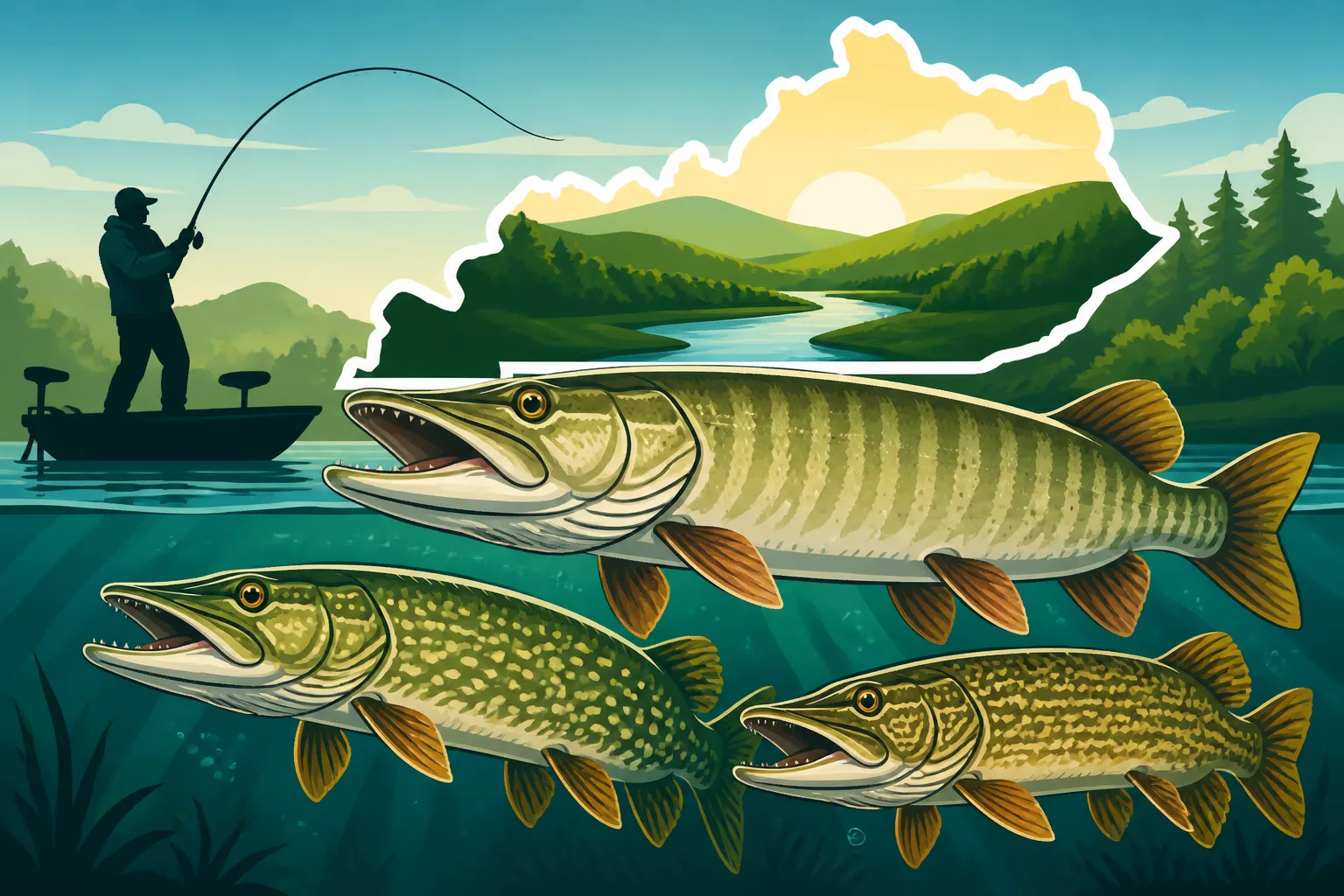
Muskie are characterized by their long, cylindrical bodies, flattened heads, and a mouth full of razor-sharp teeth. Their coloration typically ranges from light silver to greenish-brown, often adorned with dark spots, bars, or blotches, which can vary greatly depending on the water body and local genetics. They are ambush predators, often holding perfectly still amidst submerged timber, weed lines, or rock piles, waiting for an unsuspecting meal to swim by. It's this stealth and sudden burst of speed that makes them such effective hunters and such a thrill to encounter. Knowing their general appearance is important, but distinguishing them from their close relatives, especially the tiger muskie, can sometimes be a challenge. If you're curious about identifying these fish, check out Tiger Muskie Vs Muskie: How to Tell Them Apart.
In Kentucky, muskie populations are primarily sustained through stocking efforts, making certain lakes and rivers renowned muskie destinations. These fish require large, clear bodies of water with plenty of forage and structure, which limits their presence to specific, well-managed fisheries. They are sensitive to water quality and temperature, often preferring cooler, oxygen-rich environments. The thrill of a muskie chase is not just about the catch, but about immersing yourself in the wild, untamed corners of Kentucky where these magnificent fish thrive. It's an addiction for many, a lifelong pursuit that constantly challenges and rewards.
Northern Pike: A Rare Sight in Kentucky
While Northern Pike are a widespread and popular game fish across much of North America, they are genuinely rare in Kentucky waters. Unlike muskie, which have established, albeit stocked, populations, Northern Pike sightings in Kentucky are typically sporadic and often attributed to accidental introductions or individuals moving in from connecting waterways, such as the Ohio River. Anglers hoping to specifically target Northern Pike in Kentucky will find themselves on a very difficult quest, as there are no known self-sustaining populations or targeted stocking programs for them here.
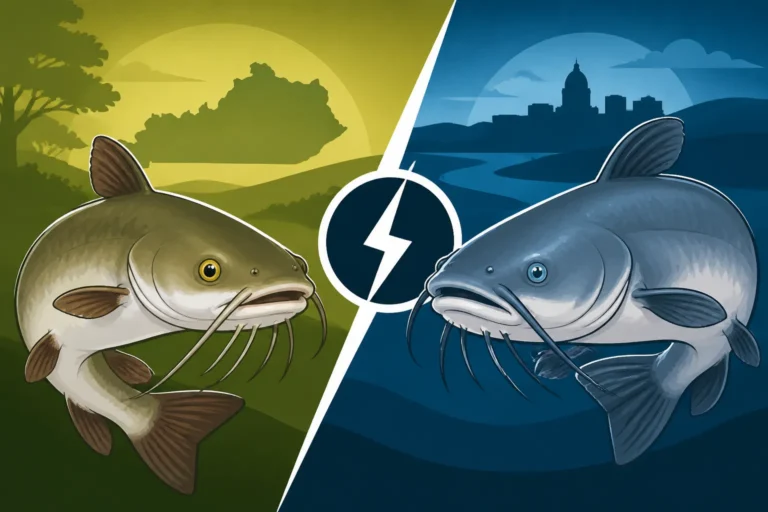
Northern Pike are easily identifiable by their duck-bill shaped snout, long, slender bodies, and a distinctive pattern of light, bean-shaped spots on a dark background. They possess a single dorsal fin positioned far back on their body, close to the tail fin, which aids in their explosive bursts of speed. Compared to muskie, their cheeks are fully scaled, whereas a muskie's lower half of the cheek and gill cover are typically bare. While they share the same predatory instincts as muskie, they generally don't grow as large in most of their native ranges, and certainly not to the sizes muskie can reach in Kentucky.
If you happen to encounter a Northern Pike in Kentucky, consider yourself quite lucky – it's an unusual catch for these parts. Such catches are most likely to occur in areas near the Ohio River or in lakes connected to it, where an individual might have migrated. For dedicated pike anglers, traveling north to states with established populations would be a much more fruitful endeavor. Here in Kentucky, our focus for large esox species remains firmly on the muskie and, to a lesser extent, the more abundant chain pickerel.
Chain Pickerel: The More Common, Smaller Cousin
The chain pickerel is the smallest of the esox species you're likely to encounter in Kentucky, but don't let its size fool you. These fish are feisty, aggressive, and offer fantastic sport, especially for anglers who enjoy fishing lighter tackle in thick cover. They are far more widespread and abundant in Kentucky than Northern Pike and can be found in many lakes, ponds, and slow-moving rivers across the state. They are often a welcome surprise catch for anglers targeting bass or panfish, though dedicated pickerel anglers know how to consistently find and hook these voracious eaters.
Chain pickerel are easily recognized by their distinctive chain-like pattern of dark markings on a greenish-gold body, which is how they earned their name. Like muskie and pike, they have a long, torpedo-shaped body and a mouth full of sharp teeth. However, unlike muskie, both their cheeks and gill covers are fully scaled. They also tend to have a more elongated snout compared to the broader, duck-billed snout of a Northern Pike. Their smaller size, typically ranging from 12 to 24 inches in Kentucky, makes them a great target for anglers looking for consistent action without the intense commitment required for muskie.
These fish are absolute ambush predators, favoring dense aquatic vegetation, lily pads, submerged brush, and logs. They will lie in wait, perfectly camouflaged, ready to dart out and snatch any unsuspecting prey that ventures too close. Because of their preference for heavy cover, fishing for chain pickerel often involves casting into tight spaces and retrieving lures through thick weeds. They are incredibly aggressive and will readily strike a variety of lures, making them a fun and accessible target for many Kentucky anglers. If you're looking for a challenging but rewarding fight without needing to invest in heavy-duty muskie gear, the chain pickerel is an excellent option.
| Feature | Muskie (Muskellunge) | Northern Pike (Rare in KY) | Chain Pickerel |
|---|---|---|---|
| Average Size (KY) | 30-50+ inches, 10-40+ lbs | 20-30 inches, 2-10 lbs (if found) | 12-24 inches, 1-4 lbs |
| Appearance | Dark spots/bars on light body; lower half of cheek/gill cover bare of scales | Light spots on dark body; fully scaled cheeks/gill covers; duck-bill snout | Chain-like pattern on greenish-gold body; fully scaled cheeks/gill covers |
| Habitat | Larger, cooler lakes and rivers with good forage and structure | Weedy areas in cooler lakes/rivers (if present) | Weedy, shallow lakes, ponds, slow rivers, marshes |
| Predation | Apex predator, solitary, ambush hunter | Aggressive ambush predator | Aggressive ambush predator |
| Primary Target in KY | Yes, dedicated fishery | No, extremely rare | Yes, common and widespread |
| Fight | Explosive, powerful, long runs | Aggressive, strong initial run | Feisty, quick strikes, good fight on light tackle |
Where to Find Muskie, Pike, and Pickerel in Kentucky
Finding these toothy critters isn't always as simple as dropping a line into any body of water. Each species has its preferred haunts, dictated by factors like water temperature, depth, cover, and forage availability. Knowing where to focus your efforts is half the battle won, especially when you're hunting for a trophy muskie that might call a particular log jam or weed bed home.
Prime Muskie Lakes and Rivers
Kentucky boasts some truly fantastic muskie fisheries, largely thanks to dedicated stocking programs by the Kentucky Department of Fish and Wildlife Resources. These aren't fish you'll stumble upon in every farm pond; they require specific environments to thrive and grow to their impressive sizes. For serious muskie anglers, these are the destinations that quickly become legendary.
One of the most renowned muskie destinations is Cave Run Lake, often hailed as the "Muskie Capital of the South." This eastern Kentucky reservoir offers vast expanses of water with submerged timber, deep channels, and plenty of forage fish. Anglers often focus on areas with standing timber, creek channels, and points where baitfish congregate. The North Fork of the Licking River, flowing into Cave Run, also holds muskie, especially during certain times of the year. Another prime location is the Green River, particularly the stretches below Green River Lake dam, which offers a riverine muskie experience distinct from reservoir fishing. These river fish can be incredibly powerful and often hold in current breaks and around large rock formations or downed trees. The physiography of these areas provides the perfect blend of cover, depth, and cool water that muskie crave. If you're interested in some of the best muskie waters, you can find more information in Kentucky's Best Lakes for Muskie Fishing.
Other notable muskie waters include Buckhorn Lake in southeastern Kentucky and the Kinniconick Creek, which is another excellent stream fishery known for its muskie population. These locations, while perhaps not as famous as Cave Run, offer unique challenges and opportunities for anglers willing to explore. Success in these waters often comes down to understanding the local topography and how muskie relate to specific structures, such as deep weed lines, rock shelves, or sharp drop-offs. Always remember that muskie fishing is a game of patience and persistence; you might spend hours working a specific area without a bite, only to have a massive fish strike when you least expect it. That's part of the enduring allure of the muskie.
Occasional Northern Pike Sightings
As mentioned earlier, actively targeting Northern Pike in Kentucky is an exercise in futility due to their extreme rarity. However, if you were to encounter one, it would most likely be in specific environments. These fish prefer cool, clear, and shallow waters with abundant aquatic vegetation where they can ambush prey. Think of areas like slow-moving backwaters, shallow bays, or flooded timber sections in large reservoirs or river systems.
Any potential sightings would likely be in large systems connected to states where Northern Pike are more common, such as portions of the Ohio River drainage. For instance, a pike might migrate downriver from a state like Ohio, where they are more prevalent, into Kentucky's shared border waters. Therefore, anglers fishing the main stem of the Ohio River or its lower tributaries might have the slim chance of encountering one. This is truly a "needle in a haystack" scenario, and it's important for anglers to manage expectations. Don't plan a trip specifically for Northern Pike in Kentucky; instead, focus your esox efforts on the muskie and chain pickerel, which offer much more consistent opportunities.
While a chance encounter with a Northern Pike would certainly be an exciting and memorable event, it's not something Kentucky anglers can reliably plan for. If you do happen to land one, take note of the location and consider reporting it to the Kentucky Department of Fish and Wildlife Resources; such data can be valuable for tracking rare species movements or potential introductions. Otherwise, consider it a very special bonus while you're out pursuing Kentucky's more common and thriving game fish.
Chain Pickerel Hotspots
In stark contrast to the Northern Pike, chain pickerel are quite common and can be found in a wide variety of waters across Kentucky, particularly in the western and central parts of the state. These aggressive little predators love shallow, weedy environments, making them accessible to bank anglers and those with smaller boats or kayaks. They offer a fantastic opportunity for consistent action and are a great entry point for anglers interested in targeting toothy species without the specialized gear often needed for muskie.
Look for chain pickerel in waters that have extensive submerged vegetation, lily pad fields, cattails, or dense weed lines along the shore. They also frequent areas with abundant fallen timber, brush piles, and shallow coves in lakes and ponds. Small to medium-sized lakes, farm ponds, and slow-moving rivers and creeks with plenty of cover are prime pickerel habitat. Many state park lakes and public fishing lakes, which might not be known for muskie, can hold healthy populations of chain pickerel. Their preference for shallow, vegetated areas means they are often found where bass and panfish also reside, so don't be surprised if you catch one while targeting other species.
Some specific areas known for good chain pickerel fishing include Lake Malone in western Kentucky, as well as various smaller impoundments and sloughs off the main river systems. Anglers targeting areas like bays of Kentucky Lake or Lake Barkley with thick weed growth might also encounter them, though these larger lakes are more famous for their bass and crappie. Even urban park lakes with good weed cover can surprise you with a feisty pickerel. The key is to think "shallow and weedy" – if you see that kind of habitat, there's a good chance a chain pickerel is lurking there, ready to ambush its next meal.
Essential Gear and Tackle for Muskie, Pike, and Pickerel
Chasing toothy predators like muskie, pike, and pickerel demands specific gear. You can't just head out with your everyday bass or crappie setup and expect to succeed, or worse, risk losing a trophy fish or damaging your equipment. These fish are powerful, aggressive, and their teeth can wreak havoc on inadequate lines and lures. Investing in the right tackle isn't just about catching fish; it's about being prepared for the fight of a lifetime and ensuring the safety of both yourself and the fish.
Heavy-Duty Rods, Reels, and Line for These Toothy Fish
For muskie, you're going to need heavy-duty equipment, plain and simple. Think about casting large, heavy lures all day and fighting a fish that can weigh upwards of 30-50 pounds and pull like a freight train. Muskie rods are typically long and stout, often ranging from 8 to 10 feet in length, with a heavy power and fast action. This length helps with casting those big baits, managing line, and absorbing the shock of a muskie's headshakes. Pair this with a heavy-duty baitcasting reel, often a low-profile model built for power, or a round-profile reel designed for larger line capacity and torque. Brands like Shimano, Abu Garcia, and Daiwa offer excellent options. You'll want a reel with a strong drag system and robust gearing to handle the intense stress of a muskie battle. Many anglers find good deals on this specialized gear on Amazon.
Line choice is equally critical. Forget about anything under 50-pound test braided line for muskie. Many anglers opt for 65, 80, or even 100-pound braid. This heavy braid has no stretch, allowing for solid hooksets with large hooks and the power to pull fish out of heavy cover. Crucially, you absolutely need a heavy fluorocarbon or wire leader, typically 80 to 150-pound test and 12-18 inches long, connected with strong snaps and swivels. This leader is your primary defense against their razor-sharp teeth severing your main line. Using an inadequate leader is a surefire way to lose a fish and an expensive lure. You can read more about selecting appropriate tackle in Best Rods and Reels for Kentucky Fishing.
For chain pickerel, you can scale down significantly, but don't go too light. A medium-heavy to heavy power spinning or baitcasting rod, around 6 to 7.5 feet, paired with a matching reel is usually sufficient. Your line can be 10 to 20-pound test braid or fluorocarbon, and a wire or heavy fluorocarbon leader (20-40 pound test) is still a non-negotiable must-have to prevent bite-offs. Even though they're smaller, pickerel still have formidable teeth. If you're using live bait or fishing in very heavy cover, you might even consider bumping up the leader strength a bit. Remember, even a small pickerel can be a lot of fun on appropriately matched gear, and having a leader means you won't lose your favorite lure.
Lures and Baits: What Gets Their Attention
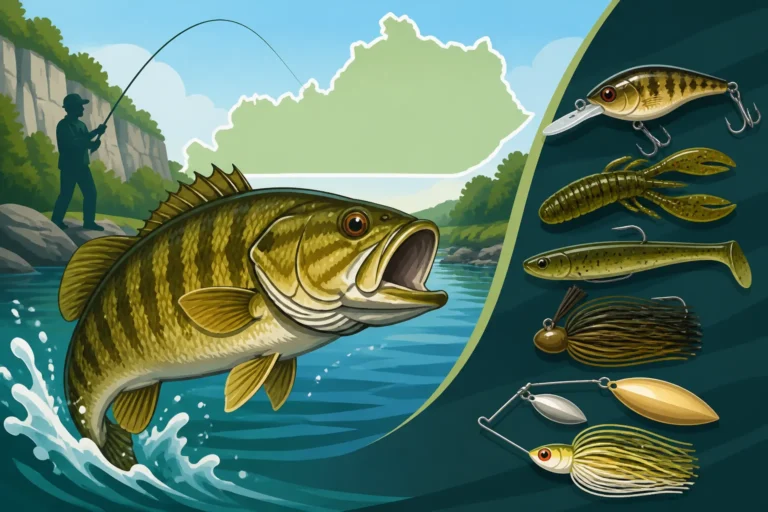
Muskie, being the top predators they are, are attracted to large, aggressive presentations that mimic their primary forage. This means big baits – sometimes very big. Common muskie lures include large inline spinners, bucktails, crankbaits (both shallow and deep divers), jerkbaits, glide baits, and soft plastic swimbaits. Spinnerbaits and bucktails, often adorned with flashy blades and flowing skirts, are excellent for covering water and triggering reactionary strikes. When choosing lures, consider their size; many popular muskie lures are 8-12 inches long, or even larger. Color patterns often mimic common forage fish like shad, perch, or suckers, but bright, flashy colors can also be effective, especially in stained water.
For Northern Pike (should you encounter one), the same principles apply, just often with slightly smaller lures. Medium to large spoons, spinnerbaits, crankbaits, and jerkbaits are all effective. Pike are generally less picky than muskie and will often hit a wide variety of flashy, erratic lures. Their aggressive nature means they're often willing to chase down a fast-moving bait.
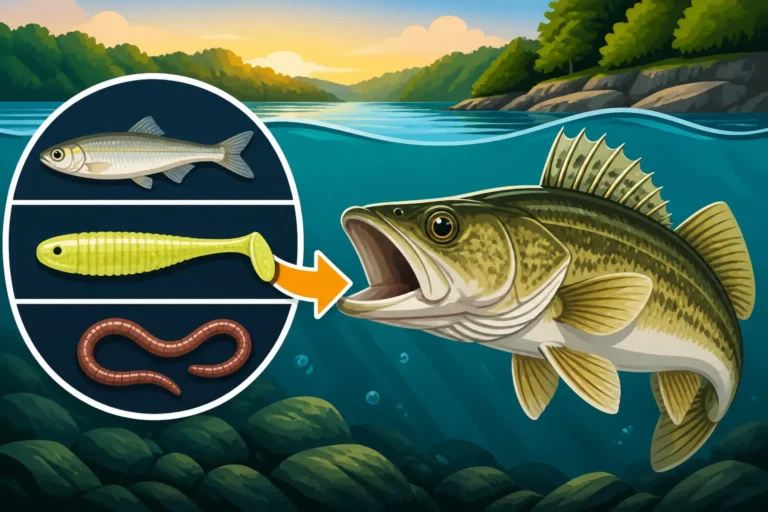
Chain pickerel are less particular about lure size but still prefer aggressive presentations. Small spinnerbaits, inline spinners, spoons, lipless crankbaits, and soft plastic jerkbaits or swimbaits are highly effective. Bright colors like chartreuse, white, and firetiger are often top producers, especially in weedy, stained water. Live bait, such as shiners or minnows, fished under a bobber or on a slow retrieve, can also be deadly for pickerel, particularly in ponds and smaller lakes. For any of these species, ensure your hooks are sharp and strong enough to handle their tough mouths and aggressive fights. Finding a good selection of specialized lures can sometimes be a challenge, but online retailers like Amazon offer a vast array of options.
Essential Safety Gear and Accessories
Beyond the rods, reels, and lures, several critical accessories are absolutely essential when targeting muskie, pike, or pickerel, not just for landing the fish, but for your safety and the fish's well-being. These fish have mouths full of sharp teeth and can be extremely powerful and difficult to handle, especially a large muskie thrashing boatside. Being unprepared can lead to serious injury for the angler or unnecessary harm to the fish.
First and foremost, you need a heavy-duty landing net with a large, rubberized mesh. This type of net protects the fish's slime coat and fins, minimizing damage during landing. The large opening is essential for scooping up a big muskie, which often won't fit into a standard bass net. Wire or thin mesh nets can strip a fish of its protective slime, making it more susceptible to disease after release. Along with a net, long-nosed pliers or specialized jaw spreaders are crucial for safely removing hooks from their toothy mouths. Never, ever stick your hand in a muskie or pike's mouth. These tools allow you to safely extract hooks without getting your fingers near their formidable teeth.
Another indispensable item is a pair of heavy-duty, long-handled bolt cutters. While it might seem extreme, if a fish is deeply hooked in a way that risks its life or your safety during removal, cutting the hook can be the quickest and safest solution for both parties. It's an emergency tool you hope you never have to use, but you'll be glad to have it if the situation arises. Additionally, a bump board or measuring tape is vital for accurately measuring your catch if you plan to keep it or just want bragging rights for a catch-and-release photo. Finally, a pair of cut-resistant gloves can provide an extra layer of protection when handling these slippery, powerful fish. Always prioritize safe handling techniques to ensure a healthy release, especially for muskie, which are often catch-and-release trophies. These specialized items can often be found readily on Amazon or at dedicated tackle shops.
Effective Techniques for Catching Muskie, Pike, and Pickerel
Catching these aggressive predators isn't just about throwing a lure and hoping for the best. While they are indeed fierce, they are also intelligent and wary, especially the larger muskie. Employing specific techniques that cater to their predatory instincts and preferred habitats will significantly increase your chances of success. It's a blend of skill, patience, and understanding how these fish hunt.
Trolling and Casting for Muskie
Muskie fishing is often described as "hours of boredom punctuated by moments of terror." This adage speaks to the intense focus and persistence required. The two primary methods for covering water and enticing these elusive giants are trolling and casting. Each has its place, and often, successful muskie anglers will employ both strategies throughout a day on the water.
Trolling is an excellent way to cover large expanses of water, especially in big reservoirs like Cave Run Lake. It allows you to present large crankbaits or swimbaits at consistent depths and speeds, mimicking baitfish moving through open water or along contours. When trolling, you'll want to target specific areas such as deep main lake points, creek channels, submerged humps, or the edges of deep weed lines. Varying your speed, making sharp turns, and using different lure depths can often trigger a follow or strike. Pay close attention to your electronics, looking for baitfish schools or submerged structure that might hold muskie. Trolling can be particularly effective when fish are scattered or holding deeper in the water column.
Casting, on the other hand, is a more active and targeted approach. It's ideal for fishing specific pieces of cover like shallow weed beds, rock piles, fallen trees, or boat docks. When casting, you're looking to put your lure precisely where a muskie might be ambushing prey. Large bucktails and inline spinners are popular casting lures because they create a lot of flash and vibration, calling fish from a distance. Jerkbaits and glide baits require a more nuanced retrieve, mimicking injured baitfish with their erratic movements. The "figure eight" at the end of a cast, where you quickly sweep your rod tip in a figure-eight motion boatside, is a classic muskie technique. This often triggers follows that were just inspecting your lure to strike at the last second. Remember, muskie can follow a lure for a long time before deciding to commit, so staying focused until the very last second is crucial. For specific lure choices, you might find some crossover tips in Best Lures for Largemouth Bass on Big Water, but remember to scale up significantly for muskie.
Targeting Pickerel in Weedy Cover
Chain pickerel, with their affinity for dense aquatic vegetation, demand a different tactical approach compared to muskie in open water. Their ambush predator nature means you need to present lures directly into their hiding spots or along the edges where they lie in wait. This often involves precise casting and a good understanding of how to work lures through heavy cover without constantly getting snagged.
One of the most effective techniques for pickerel is casting small spinnerbaits, inline spinners, or weedless spoons into and around thick weed beds, lily pads, or submerged brush. These lures are designed to either shed weeds or have a single, upward-pointing hook that minimizes snagging. Work your lure with a steady retrieve, perhaps with occasional twitches or pauses, to mimic a distressed baitfish. Pickerel are incredibly aggressive and will often dart out from cover with impressive speed to strike. Don't be afraid to cast into seemingly impenetrable cover; that's often exactly where they're hiding.
Another effective strategy involves using soft plastics, such as fluke-style jerkbaits or swimbaits, rigged weedless on an EWG (Extra Wide Gap) hook. This allows you to present a very natural-looking bait that can be retrieved through the weeds without snagging. Varying the retrieve speed, from a slow twitch to a fast rip, can trigger strikes. For slower, more deliberate presentations, live minnows or shiners fished under a bobber can be deadly. Position your bait just above the weed line or along its edge. Given their abundance and aggressive nature, pickerel offer a great opportunity to hone your casting skills and experience consistent action, making them a fantastic target for a fun day on the water.
Best Practices for Catch and Release
Given that muskie, Northern Pike, and chain pickerel are often caught for sport rather than for the table, especially muskie which have strict regulations and are valued for their trophy status, proper catch and release techniques are paramount. These fish are powerful and their mouths are full of teeth, making safe handling crucial for both the angler and the fish. Mishandling can lead to serious injury for the angler or mortality for the fish.
The most important rule is to minimize the fish's time out of water. Every second counts, especially for large muskie. Once you've landed the fish in a large, rubberized net, keep it in the water as much as possible while you prepare for hook removal. Use long-nosed pliers or specialized hook removers to carefully extract the hooks. If the fish is deeply hooked and cannot be easily removed, consider cutting the hook with bolt cutters as a last resort. This is often less traumatic than trying to force a deeply embedded hook out. Avoid using your hands inside the fish's mouth; their teeth are designed for tearing flesh, and even a slight slip can cause a deep laceration.
For photos, support the fish horizontally with both hands, one hand under the gill plate (but never by the gills themselves, as this can damage their delicate structures) and the other supporting the tail. Keep the fish close to your body, over the water, and get the shot quickly. Avoid hanging the fish vertically by its jaw or gills, as this can severely damage its internal organs and jaw structure. After the photo, gently release the fish, often by holding it upright in the water and allowing it to recover before swimming off. If it's slow to revive, gently rock it back and forth to force water over its gills, but avoid dragging it backwards. By practicing careful catch and release, you help ensure these magnificent predators continue to thrive in Kentucky's waters for future generations of anglers.
Seasonal Strategies for Success
Just like any other fish species, the behavior and location of muskie, pike, and pickerel are heavily influenced by the changing seasons and corresponding water temperatures. What works in the spring might be completely ineffective in the heat of summer or the cold of winter. Understanding these seasonal shifts is key to consistently finding and catching these fish throughout the year.
Spring and Fall Muskie Action
Spring and fall are generally considered the prime seasons for muskie fishing in Kentucky. During these transitional periods, water temperatures are ideal, and muskie are often more active and aggressive as they feed heavily.
In spring, after the ice recedes and water temperatures begin to climb into the 50s Fahrenheit, muskie move to shallower areas, often near spawning grounds. They become very active, chasing baitfish that are also moving into shallower, warmer waters. This is a great time to target muskie with casting presentations like bucktails, spinnerbaits, and glide baits fished along shallow weed lines, rocky points, and submerged timber. The post-spawn period can also be excellent, as hungry muskie will aggressively feed to regain energy. Pay attention to water clarity and current, as muskie will often position themselves to ambush prey in these conditions.
Fall is arguably the most anticipated season for muskie anglers, often referred to as "the fall feed." As water temperatures begin to drop from the summer highs, muskie enter a period of intense feeding, gorging themselves on baitfish to build up fat reserves for the lean winter months. This is when muskie are at their heaviest and most aggressive, making it a prime time to catch a true trophy. Large crankbaits, jerkbaits, and even larger soft plastic swimbaits are excellent choices. Muskie can be found both shallow and deep, often following baitfish concentrations. Trolling can be very effective in the fall, allowing you to cover vast areas and present big baits to actively feeding fish. The cooler temperatures and vibrant fall foliage make for a truly spectacular time to be on the water chasing these magnificent fish. For more on what to target throughout the year, refer to Kentucky Fishing Seasons: What to Catch Each Month.
Summer and Winter Approaches for Pickerel
While muskie can be challenging in the dog days of summer, chain pickerel often remain quite active, especially if you know where to look. Their preference for weedy, shallower habitats means they are less affected by extreme depth changes. In summer, pickerel will retreat deeper into the densest parts of aquatic vegetation to find cooler water and ambush shaded prey. Think thick lily pad fields, dense weed mats, and submerged brush in shaded coves.
During summer, slow-rolling spinnerbaits, weedless spoons, or even topwater frogs across the top of matted vegetation can be highly effective. The key is to present your lure right over their heads or into small pockets within the weeds. They are opportunistic and will often strike anything that invades their shaded sanctuary. Early mornings and late evenings, when temperatures are slightly cooler, can also offer better action. During the heat of the day, focus on fishing slower and deeper within the cover.
Winter presents a different challenge, but pickerel can still be caught. As water temperatures plummet, pickerel will often move to slightly deeper, but still vegetated, areas or hold along channel edges near weed beds. Their metabolism slows down, so you'll need to present lures much more slowly. Small jigs tipped with minnows, slow-moving spoons, or blade baits can entice a bite. Ice fishing, if conditions allow in Kentucky, can also be productive for pickerel, jigging small spoons or tip-ups with live minnows near structures. While the action won't be as furious as in spring or fall, dedicated winter anglers can still find success by slowing down their approach and targeting key winter holding areas.
Understanding Water Temperature and Fish Behavior
Water temperature is perhaps the single most influential factor in understanding the behavior of muskie, pike, and pickerel. Each species has a preferred temperature range where they are most active, and knowing these ranges can inform your fishing strategy throughout the year. These fish are cold-blooded, meaning their metabolism and activity levels are directly tied to the temperature of the water around them.
Muskie, for instance, tend to be most active in water temperatures ranging from the low 50s to the mid-70s Fahrenheit. In spring, as water warms into the 50s, they move shallow. As it approaches the 70s in summer, they often retreat to deeper, cooler water or seek out thermoclines where temperatures are more stable. In the fall, as water cools back down into their preferred range, they become highly active again. Understanding these temperature thresholds will help you predict where muskie will be holding and how aggressively they might feed. A fish finder with a temperature gauge is an invaluable tool for this. You might even find some useful information about weather effects on fish behavior in What Weather Fronts Affect Fishing Times.
Chain pickerel are a bit more tolerant of warmer water than muskie, thriving in temperatures from the 60s well into the 80s Fahrenheit, which is why they do so well in many Kentucky ponds and shallow lakes during summer. However, extremely cold water in winter will slow them down considerably. They also react strongly to changes in light and oxygen levels, often using dense cover to escape bright sunlight or find oxygenated water in warmer periods. Always observe the prevailing conditions, measure the water temperature, and adjust your tactics accordingly. By paying close attention to these environmental cues, you'll be able to unlock more consistent success when pursuing these captivating, toothy predators.
Kentucky Regulations for Muskie, Pike, and Pickerel
Fishing in Kentucky, especially for specific game species, comes with a set of rules and regulations designed to protect fish populations and ensure sustainable angling for everyone. These aren't just arbitrary guidelines; they are carefully crafted by the Kentucky Department of Fish and Wildlife Resources (KDFWR) based on scientific data and conservation goals. Ignoring these regulations can lead to fines, confiscation of gear, and other legal troubles, not to mention harming the very fishery we all enjoy. Before you even think about casting a line for muskie, pike, or pickerel, you need to be familiar with the current rules.
Size and Creel Limits You Need to Know
For muskie, Kentucky has very specific size and creel limits. These limits are typically designed to protect trophy-sized fish and allow younger fish to grow to maturity and reproduce. You might find statewide regulations, but often, specific lakes like Cave Run Lake or the Green River will have their own, more stringent rules. For instance, a common statewide minimum size limit for muskie is 30 inches, with a daily creel limit of one fish. However, Cave Run Lake, being a premier muskie fishery, often has a larger minimum size limit, such as 40 inches, to further promote trophy growth. Always check the most current KDFWR fishing guide for the specific water body you plan to fish, as these regulations can change. These tight limits reflect the conservation efforts aimed at maintaining Kentucky's world-class muskie fishing. You can find comprehensive details in Statewide Bag and Size Limits by Fish Species.
Northern Pike, being exceedingly rare, typically fall under a general "no open season" or a catch-and-release only designation in Kentucky. If by some extraordinary chance you hook a Northern Pike, the safest and most recommended action is to release it immediately and unharmed. There are no specific creel or size limits because they are not an established game fish in the state.
Chain pickerel are generally more abundant and therefore have more generous limits. While exact figures can vary, a typical statewide regulation for pickerel might be no minimum size limit and a daily creel limit of 10 or 20 fish. This allows anglers to keep a few for the table, as pickerel, despite their bony nature, can be quite tasty when prepared properly. However, it's still crucial to confirm the current regulations with the KDFWR. Even with more liberal limits, practicing selective harvesting and releasing larger, healthier fish can contribute to a stronger population over time. Always respect the limits, as they are there for a reason – to ensure healthy fisheries for generations to come.
Licensing Requirements and Trout Permits
Before you can even think about chasing muskie, pike, or pickerel in Kentucky, you absolutely need a valid Kentucky fishing license. This is not optional for most anglers and is the cornerstone of funding for conservation efforts, fish stocking programs, and habitat management across the state. Without a license, you are fishing illegally and risk significant penalties if caught. The good news is that obtaining a license is straightforward and can be done online, at a county clerk's office, or at many sporting goods retailers.
For most Kentucky residents, an annual statewide fishing license is the most common option. Non-residents also need a license, with options typically including annual, 7-day, or 1-day licenses, depending on the length of their stay. Children under a certain age (often 16) are usually exempt from needing a license, but it's essential to verify the exact age requirement as it can vary. While a general fishing license covers muskie, pike, and pickerel, it's worth noting that if you're fishing in waters that also contain trout and you plan to target or possess trout, you will also need a Kentucky Trout Permit in addition to your fishing license. Although muskie and trout are very different species, some muskie waters might also contain stocked trout. Check out Kentucky Fishing License Guide for more information on how to get yours, and Kentucky Fishing License Costs and Types for pricing details.
It's important to remember that the fishing license year in Kentucky runs from March 1st to the end of February of the following year. So, if you buy your license in July, it will still expire the following February. Always ensure your license is current before heading out. Carrying a physical or digital copy of your license while fishing is also usually required so that you can present it to a conservation officer if requested. These officers are out on the water specifically to ensure compliance with regulations, and they perform routine license checks. Being prepared ensures a smooth and enjoyable fishing experience, free from legal worries.
Important Conservation Efforts
The presence of species like muskie in Kentucky is a testament to dedicated conservation efforts. Muskie are not naturally widespread in all Kentucky waters; their populations in many of our premier lakes and rivers are sustained through extensive stocking programs by the KDFWR. These programs involve raising muskie in hatcheries and then releasing them into designated waters, ensuring a healthy and thriving population for anglers. This is a costly and time-intensive endeavor, and the revenue generated from fishing license sales directly supports these crucial initiatives.
Beyond stocking, conservation also involves habitat protection and restoration. Maintaining water quality, protecting spawning areas, and managing aquatic vegetation are all vital for the survival and growth of muskie, pike, and pickerel, as well as their forage base. Anglers play a critical role in these efforts, not only by purchasing licenses but also by practicing responsible angling techniques, especially catch and release for muskie. By handling fish carefully, minimizing stress, and ensuring a healthy release, anglers directly contribute to the long-term sustainability of the fishery.
Participating in angler surveys or reporting unusual catches (like a Northern Pike) can also provide valuable data to fishery biologists, helping them monitor populations and adjust management strategies. Becoming a member of muskie-specific clubs or conservation organizations can also be a way to support these efforts directly and connect with like-minded anglers. Ultimately, successful fishing for these magnificent predators relies on a collaborative effort between wildlife agencies and the angling community to protect and enhance Kentucky's precious natural resources.
Disclaimer
This article is for general informational purposes only and does not constitute professional advice. Laws, prices and regulations vary by location and change over time. Consult a qualified professional for guidance on your specific situation.