What’s the Biggest Fish Ever Caught in Kentucky?
Every angler dreams of that moment: the line screams, the rod bends double, and you know, just know, you've hooked into something truly legendary. In Kentucky, where our lakes and rivers teem with diverse species, the question often arises: what's the biggest fish ever pulled from our waters? This guide will dive deep into the impressive catches that hold Kentucky's state records, exploring the stories behind these giants and what it takes to land a truly monumental fish.
Kentucky's Giants: Unveiling the State Record Holders
Kentucky's waterways are renowned for producing some truly massive fish, and the state record book is a testament to the dedication and skill of its anglers. While every catch is exciting, there's a special thrill in knowing you've landed a fish that pushes the boundaries of size for its species. These records aren't just numbers; they represent incredible battles and unforgettable moments on the water.
The Reigning King: Kentucky's Blue Catfish Record
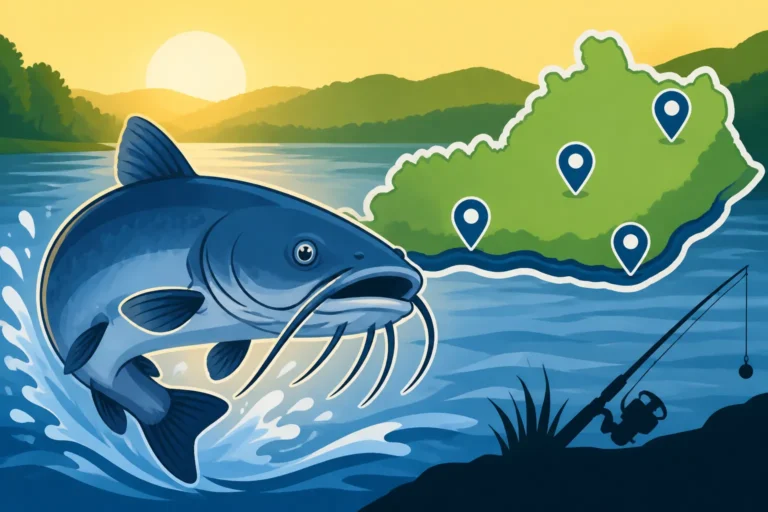
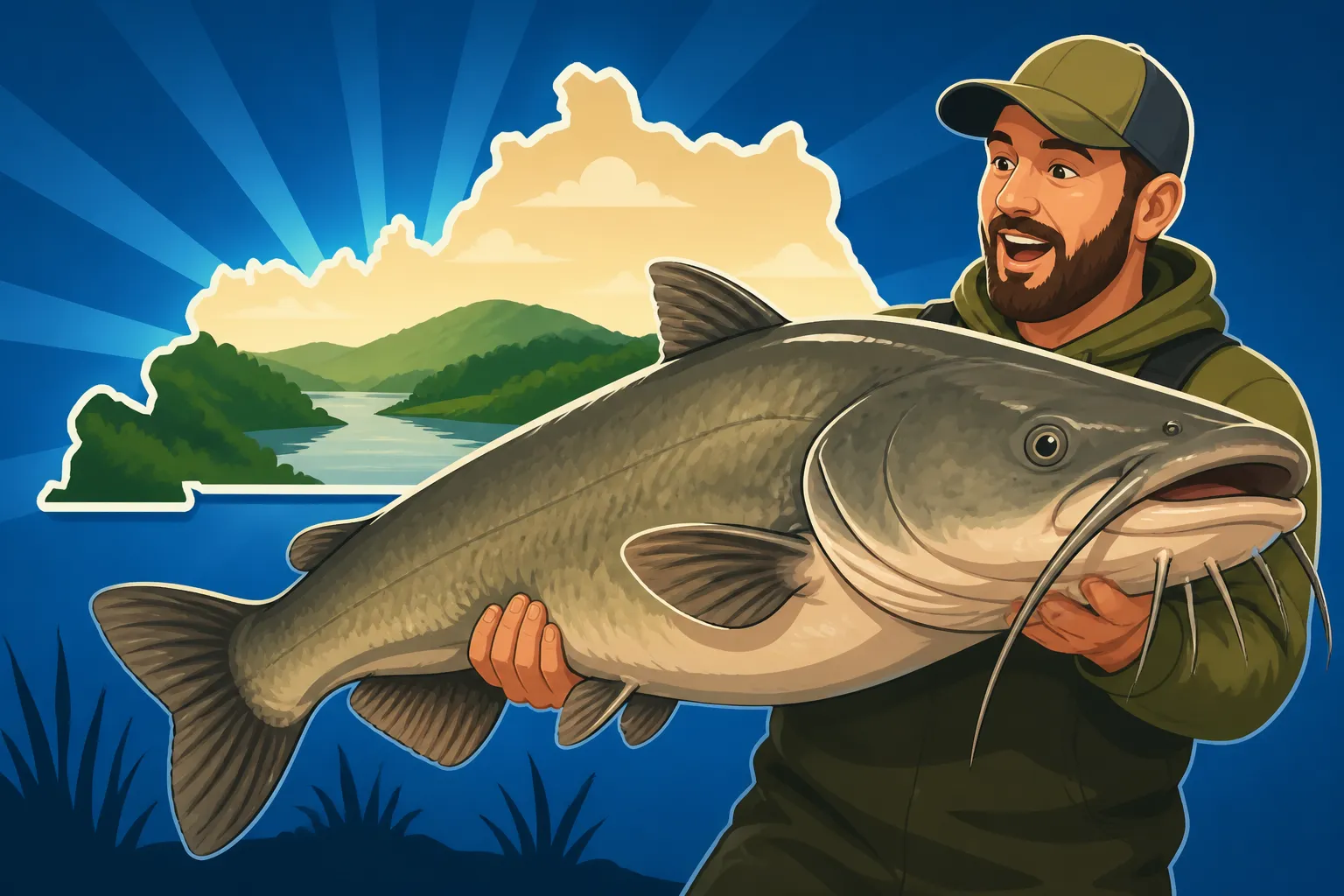
When we talk about sheer size and weight in Kentucky's freshwater giants, the blue catfish often comes to mind first. These magnificent bottom-dwellers can grow to astounding proportions, making them a prime target for trophy anglers. The current state record blue catfish is an absolute beast, tipping the scales at an incredible 106 pounds and 14 ounces. Just imagine battling a fish heavier than many people! This monumental catch truly highlights the potential of Kentucky's big rivers, particularly the Ohio River, which is known for its incredible Kentucky's Three Ohio River State Fish Records Explained and harbors a healthy population of these colossal whiskered wonders. Landing a fish of this magnitude requires specialized gear, immense patience, and often, a dedicated crew. Many anglers will spend countless hours seeking out these giants, using heavy-duty rods, stout lines, and large baits, often found through dedicated fishing suppliers or even online at retailers like Amazon, which offers a wide array of heavy tackle.
Other Monster Catches: Bass, Paddlefish, and More
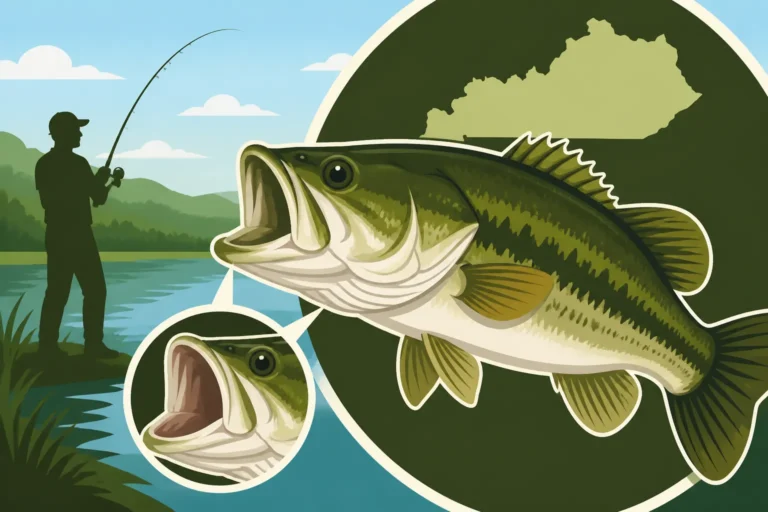
While the blue catfish often dominates the "biggest fish" conversation by weight, Kentucky boasts impressive state records across a wide range of species. For bass anglers, the dream of a true trophy largemouth is very real. The state record largemouth bass is a formidable 14 pounds, 9 ounces – a true bucketmouth that would make any angler's year. This record speaks volumes about the rich forage and habitat available in Kentucky's premier bass lakes. Largemouth Bass Fishing in Kentucky: The Complete Guide covers some of the best strategies for pursuing these impressive fish.
Then there's the unique and ancient paddlefish, another species known for its remarkable size. The Kentucky state record paddlefish weighed a staggering 106 pounds. These filter feeders are often caught by snagging in major river systems, especially during their spring migrations. Paddlefish Fishing on the Ohio River: A Complete Guide reveals the best practices for targeting these pre-historic giants. Not to be outdone, the channel catfish also holds an impressive record, with a record catch of Kentucky's Record Channel Catfish Weighed 32 Pounds. Even crappie, a favorite panfish for many, can reach surprising sizes in Kentucky, with state records exceeding four pounds for both black and white crappie, a testament to the rich ecosystems of our lakes like Kentucky Lake and Lake Barkley.
Where These Giants Lurk: Prime Kentucky Waters
So, where do these record-breaking fish come from? It's no secret that certain waters are simply more productive for growing big fish. For the monstrous blue catfish, the Ohio River is undeniably a hotspot. Its vastness, deep channels, and abundant food sources provide the perfect environment for these fish to thrive and reach incredible sizes. Similarly, major reservoirs like Kentucky Lake: The State's Top Bass Fishing Destination, Lake Barkley, and Lake Cumberland are famous for their trophy potential for species like largemouth and smallmouth bass. These large bodies of water offer diverse habitats, from shallow flats and timber to deep ledges and humps, providing everything a trophy fish needs to grow big and old.
Smaller lakes and even some rivers, however, shouldn't be overlooked. While they might not produce the same sheer weight, they can hold state records for other species like various panfish or even trout, especially in our cold-water fisheries that are regularly stocked. The key is to understand the specific habitat requirements of the fish you're targeting and to focus your efforts on waters known for producing quality specimens. This often means doing your homework, checking local fishing reports, and sometimes even investing in detailed mapping tools or fish finders, which you can easily research and purchase from online retailers like Amazon.
The Quest for a Record: More Than Just Luck
Catching a state record fish isn't usually a fluke. While there's always an element of luck involved in fishing, landing a truly monumental fish often comes down to preparation, knowledge, and sheer persistence. It's a journey that many dedicated anglers embark on, hoping to etch their name into the annals of Kentucky fishing history.
Understanding Kentucky's Record Program
Before you even dream of catching a state record, it's crucial to understand how Kentucky's fish record program works. The Kentucky Department of Fish and Wildlife Resources (KDFWR) has specific guidelines and procedures for certifying a potential state record. These rules are in place to ensure fairness, accuracy, and the integrity of the records. It's not enough to simply catch a huge fish; you have to follow the steps meticulously to have it officially recognized. This includes proper weighing, measurement, and verification. Knowing these rules beforehand can save you a lot of heartache if you ever do land that fish of a lifetime. The KDFWR website is an invaluable resource for this, outlining every step from the initial catch to the final certification. This is part of the broader Kentucky Fishing Regulations Explained that every angler should be familiar with.
The Importance of Proper Documentation and Certification
Let's say you just pulled in what looks like the biggest fish you've ever seen! Your adrenaline is pumping, but you need to keep a clear head. The first step is often to get it accurately weighed on a certified scale, usually at a local tackle shop or marina that is equipped for such measurements. The scale must be calibrated and accessible to the public. You'll also need clear photographs, both of the fish and with the fish alongside a ruler or measuring device to show its length and girth. Witnesses are often required, and their statements can be critical. The KDFWR will then review all documentation. It's a rigorous process, but it's what protects the integrity of the state record list. Imagine the disappointment of catching a record-breaker only to have it disqualified due to an oversight in the documentation process. It’s why having a plan, even a mental one, for how to handle a potential record catch is so important.
The Right Gear and Persistence
Catching a record fish often demands the right tools for the job. You wouldn't use a panfish rod to target a 100-pound blue catfish, right? Heavy-duty rods, reels spooled with strong line, and robust tackle are essential for tangling with true giants. This might mean using specialized catfish rods with high pound-test line for big blues and flatheads, or stout baitcasting setups for wrestling trophy largemouth from dense cover. Best Rods and Reels for Kentucky Fishing dives into the specifics.
Beyond the gear, persistence is probably the most significant factor. Record-breaking fish are rare, and finding them requires countless hours on the water. It means enduring slow days, changing weather, and often fishing at unconventional times, like Night Fishing Techniques for Catfish. Many record holders will tell you about the years they spent honing their skills, learning the specific waters, and experimenting with different baits and techniques before their big moment arrived. It's a journey of passion and dedication, not a sprint. You can often find reviews and specialized gear like extra-heavy leader line or oversized hooks on Amazon, which helps many anglers prepare for their quest for giants.
Here's a quick look at the typical steps involved in certifying a state record fish:
| Step | Description | Key Requirement |
|---|---|---|
| Catch & Land | Safely land the fish using legal methods. | Adherence to all Kentucky Fishing Regulations Explained. |
| Immediate Weighing | Weigh the fish as soon as possible on a state-certified scale (e.g., at a marina or tackle shop). | Scale must be certified and available for public use. |
| Measurement | Accurately measure total length and girth. | Photos with measuring device (ruler/tape) are crucial. |
| Photographic Proof | Take clear, high-quality photos of the entire fish from various angles, including scale readings. | Fish should be clearly visible and identifiable. |
| Witness Verification | Have at least one, preferably two, credible witnesses present during the weighing and measuring. | Witnesses provide written statements confirming details. |
| Species Identification | Confirm the species with an expert, if there's any doubt. | Often requires a KDFWR biologist's confirmation, especially for rare species. |
| Application Submission | Complete and submit the official state record application form to KDFWR with all supporting documentation. | Timely submission is often required (e.g., within 30 days of catch). |
| Review & Approval | KDFWR staff review the application, photos, and witness statements for compliance. | Final approval rests with the KDFWR. |
Beyond the Records: Chasing Your Own Personal Best
While setting a new state record is an incredible feat, for most of us, the real joy of fishing comes from setting and achieving our own personal bests. Whether it's the biggest bass you've ever caught, your first five-pound catfish, or just a memorable day on the water, those experiences are what truly matter. The pursuit of a trophy fish, regardless of whether it makes the record book, is a rewarding challenge that pushes your skills and deepens your appreciation for Kentucky's rich aquatic environments.
Targeting Trophy Fish: Strategies and Seasons
If you're serious about catching a trophy-sized fish, whether it's a giant bass or an enormous catfish, you need to adjust your approach. This often means focusing on quality over quantity. Instead of trying to catch dozens of smaller fish, you'll employ tactics designed to attract and hook larger specimens. For bass, this might involve throwing bigger swimbaits, deep-diving crankbaits, or slow-rolling jigs in areas with ample cover and deep-water access. For catfish, it's all about using large cut bait or live bait on strong circle hooks, often left in prime feeding lanes for extended periods.
Understanding the seasonal movements and feeding patterns of your target species is also critical. Big fish often behave differently from their smaller counterparts. They might be more solitary, inhabit deeper water, or only feed during specific times, like during the Kentucky Crappie Spawn Timing by Water Temperature or the intense summer catfish bite on the Ohio River. Researching these patterns will significantly increase your odds. Resources like the Kentucky Fish Species Guide: 265 Types You Can Catch can help you understand the habits of various species.
The Thrill of the Catch, Regardless of Size
Let's be real: not every outing is going to produce a record breaker, or even a personal best. And that's perfectly okay! The true beauty of fishing lies in the entire experience. It's the tranquility of being on the water, the anticipation of a bite, the challenge of reading the water, and the camaraderie with fellow anglers. Catching a state record is a dream for many, but the simple joy of feeling that tug on your line, the bend in your rod, and successfully landing a fish – any fish – is often enough. For many, just getting outdoors and enjoying nature, perhaps even with family during events like the Kentucky Free Fishing Weekend Guide, is the biggest prize of all. Finding accessible gear and tackle, whether it's a simple combo from a local store or an online purchase from Amazon, makes the hobby approachable for everyone, no matter their ambition for record-setting.
Preserving the Legacy: Catch and Release for Giants
For many trophy anglers, especially those targeting bass and other game fish, catch and release is a crucial practice. These large, older fish are vital to the health and genetic diversity of the fishery. Releasing them back into the water ensures they can continue to spawn and contribute to future generations of big fish, giving other anglers a chance at their own trophy. If you do catch a potential record, consider quickly weighing and measuring it on the boat, snapping a few photos, and then carefully releasing it. A replica mount can be made from measurements and photos, allowing you to celebrate your catch without harming the fish. This practice contributes to the overall sustainability of our precious Kentucky Fishing License Guide and its incredible fish populations.
Disclaimer
This article is for general informational purposes only and does not constitute professional advice. Laws, prices and regulations vary by location and change over time. Consult a qualified professional for guidance on your specific situation.