Do Kids Have to Wear a Life Jacket on a Boat in Kentucky?
One of the biggest concerns for any parent heading out onto the beautiful waters of Kentucky, whether it's a placid lake or a winding river, is the safety of their children. There's often a lot of confusion and even some misinformation floating around about when and where kids need to wear a life jacket. It's not just about avoiding a ticket; it's about safeguarding precious lives. This comprehensive guide will clear up all the nuances of Kentucky's life jacket laws for children, ensuring you can enjoy your boating adventures with peace of mind.
Kentucky's Mandatory Life Jacket Rule for Young Boaters
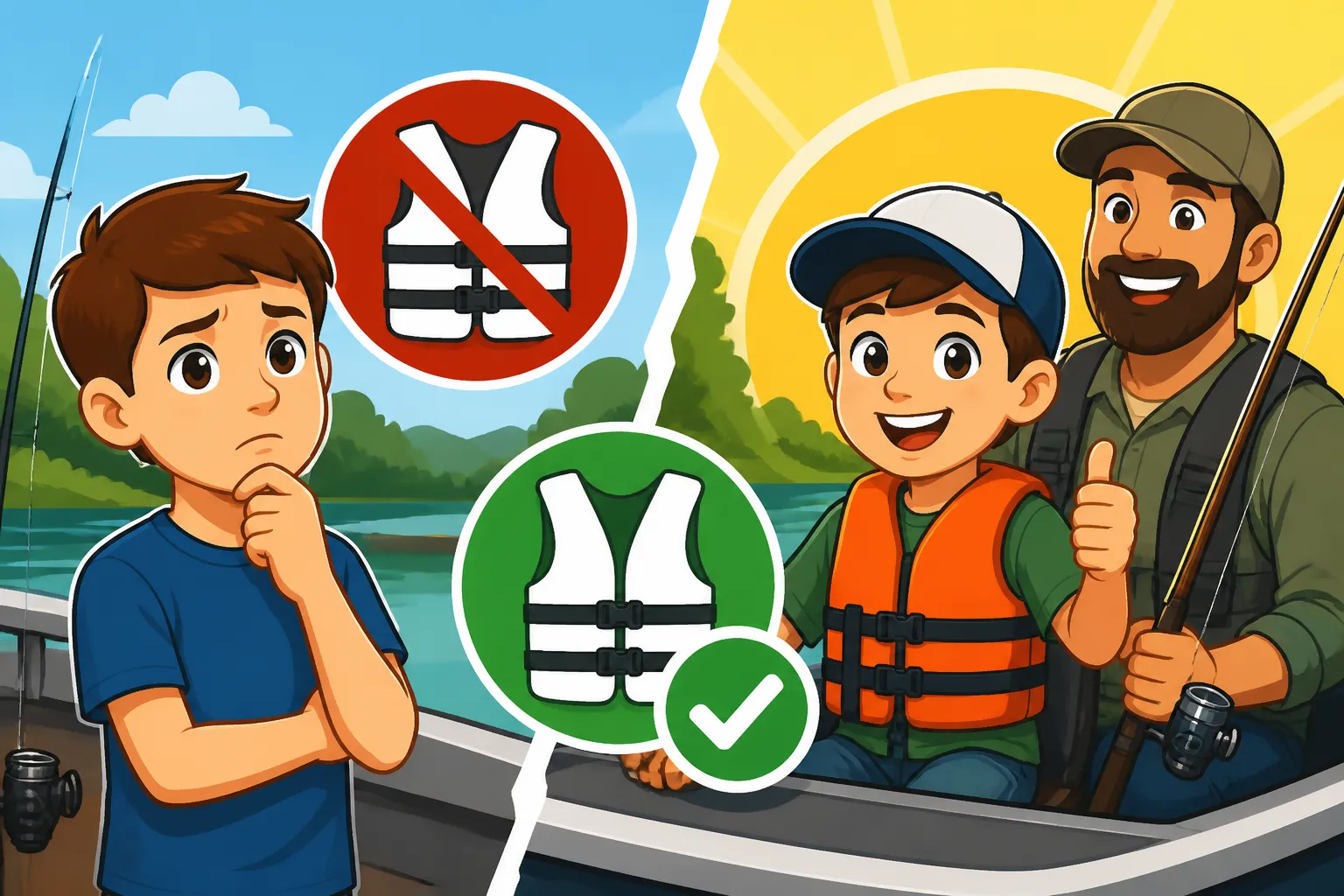
Let's get straight to the heart of the matter because this is where many parents find themselves scratching their heads. In Kentucky, there’s a very clear and non-negotiable rule when it comes to children and life jackets on boats: any child under the age of 12 must wear a U.S. Coast Guard-approved life jacket whenever they are on the open deck of a vessel that is underway.
Think about that for a moment. This isn't just a suggestion; it's the law. It applies whether you're cruising on a big pontoon boat on Lake Cumberland, zipping across Kentucky Lake in a bass boat, or even paddling a small canoe or kayak on a quiet stream. The key phrases here are "under the age of 12," "open deck," and "underway." If your child fits that age bracket and you're moving on the water, they need to be buckled into a properly fitting life jacket. It's all about preventing tragic accidents and ensuring that if an unexpected bump or wake sends them overboard, they have the best possible chance of staying afloat and being recovered safely.
Decoding "Open Deck" and "Underway"
These two terms are crucial to understanding the full scope of Kentucky's life jacket regulation for children. Let's break them down because they dictate exactly when that life jacket needs to be on and secured.
First, "open deck." This refers to any part of the boat that is not enclosed. So, if your child is out on the bow of the boat, sitting on an open bench seat, or standing near the railings, they are considered to be on an open deck. What about a fully enclosed cabin on a larger cruiser or house boat? If they are inside an enclosed cabin with solid walls and a roof, they would not be on an "open deck." However, the moment they step out onto an area exposed to the elements, like a flybridge, cockpit, or bow area, the rule kicks in. It's a common-sense measure: if there's a risk of falling out of the boat into the water, a life jacket is required.
Second, "underway." This term simply means that the boat is not anchored, moored, or aground. In other words, if your boat is actively moving, being propelled by an engine, sail, or even just drifting with the current, it is considered "underway." If you've stopped to fish, dropped anchor for a swim, or pulled your boat up onto a sandbar, then technically the vessel is not "underway." However, even in these situations, many seasoned boaters will keep life jackets on their kids, especially if they are near the water or prone to sudden movements. Remember, laws set the minimum standard, but good judgment and an abundance of caution are always recommended when it comes to child safety on the water. For more details on these vital safety guidelines, check out Kentucky Life Jacket Law for Kids Under 12.
Choosing the Right Life Jacket: Beyond Just the Law
It's one thing to know the law, but it's another to actually pick out the right life jacket for your child and ensure it's doing its job. A life jacket that doesn't fit properly is almost as bad as no life jacket at all. It can ride up around their ears, slip off, or fail to keep their head above water. This section will walk you through making the best choices for your little anglers and boaters.
The U.S. Coast Guard (USCG) classifies life jackets into different types, and knowing these can really help you choose wisely. For most recreational boating with children in Kentucky, you'll likely be looking at Type II or Type III personal flotation devices (PFDs).
- Type II PFDs (Near-Shore Buoyant Vests): These are designed to turn an unconscious person face-up in the water. They're good for calm, inland waters where rescue is likely. They often have a collar for head support, which is excellent for infants and toddlers who might not be able to hold their heads up if they fall into the water.
- Type III PFDs (Flotation Aids): These are often more comfortable for continuous wear, allowing for more freedom of movement. They are designed for conscious wearers in calm, inland waters or where there is good chance of a quick rescue. They will not turn an unconscious person face-up. These are popular for older children actively participating in boating or watersports.
Regardless of the type, the most critical factor is the fit. A child's life jacket should fit snugly but comfortably. When you put it on your child, lift them by the shoulders of the life jacket. If it slides up past their ears, it's too big! It needs to be snug enough that it doesn't ride up, but not so tight it restricts their breathing or movement. Always check the weight rating on the label as well; it's a non-negotiable safety specification.
Practical Tips for Sizing and Comfort
Finding the perfect life jacket can sometimes feel like a quest, especially with growing kids. Here are some practical tips to make sure you get it right:
- Buy by Weight, Not Age: Manufacturers size life jackets primarily by weight. Don't assume a "child size" will fit all children. Always check the weight range on the label.
- Test the Fit: Have your child try it on. Fasten all zippers, buckles, and straps. The jacket should feel snug, not loose. For small children, lift them by the shoulders of the PFD; if their chin or ears slip through the opening, it's too big.
- Consider Comfort: A comfortable life jacket is one your child will actually wear. Look for features like soft materials, flexible designs, and proper armhole sizing. If it's itchy or rubs, they'll complain, and you'll be constantly fighting them to keep it on.
- Bright Colors are Best: Opt for bright, visible colors like orange, yellow, or neon green. These make it much easier to spot your child in the water, especially in choppy conditions or low light.
- Check for USCG Approval: This is non-negotiable. Always ensure the life jacket has a U.S. Coast Guard approval stamp. You can often find a great selection of these at local retailers like Bass Pro Shops or online at Amazon, where descriptions clearly state their approval status. Don't compromise on this.
Here's a quick comparison of common USCG life jacket types suitable for children:
| Life Jacket Type | Buoyancy (Minimum) | Purpose/Use Case | Best For | Key Feature |
|---|---|---|---|---|
| Type II | 15.5 lbs | Near-shore, calm waters, quick rescue | Children in calm waters, especially those who may be unconscious | Designed to turn wearer face-up; often has a head cushion |
| Type III | 15.5 lbs | General recreational use, conscious wearer | Older children, watersports, active boating where comfort is key | More comfortable, less bulky; won't necessarily turn face-up |
| Inflatable | Varies | Not generally recommended for children under 16 | None (unless USCG-approved for specific child weight and activity) | Requires inflation, can be easily punctured; generally for adults |
It's also worth noting that while some inflatable PFDs are approved for adults, they are generally not approved for children under 16 years old. This is because they require the wearer to be conscious and often to activate the inflation, which younger children may not be able to do. For comprehensive information on selecting PFDs, consider reading How to Choose the Right Life Jacket Size for Kids. And for adult options, you might find Coast Guard-Approved Life Jackets for Adults in Kentucky helpful.
Beyond the Law: Prioritizing Safety in All Situations
While Kentucky's law specifically mandates life jackets for children under 12 who are on the open deck of an underway vessel, true water safety goes far beyond the letter of the law. As parents and responsible boaters, we have a higher duty of care. There are many scenarios where keeping a life jacket on your child, even if not legally required, is simply the smartest and safest thing to do.
Consider situations where you've stopped to swim. Even if your boat is anchored and not "underway," if your child is jumping into the lake or playing in the water near the boat, a life jacket can be a literal lifesaver. Accidents can happen in an instant: a slip on a wet deck, a sudden loss of balance, or a strong current you didn't anticipate. Having that PFD on provides an immediate layer of protection.
Think about fishing from the bank or a dock, especially if it's an unfamiliar area or near deep water. While not a "vessel underway," the risk of a fall is still present. Many public fishing piers are popular spots for families, and having kids in life jackets there just makes good sense. When browsing for life jackets, whether you're at Bass Pro Shops or scrolling through options on Amazon, always look for that U.S. Coast Guard approval stamp, even for those "just in case" scenarios.
The Role of Responsible Adult Supervision
No matter how well-fitted or USCG-approved a life jacket is, it's never a substitute for active, vigilant adult supervision. Kids are curious, energetic, and sometimes unpredictable. An adult should always be designated to keep a constant eye on children whenever they are near or on the water. This means putting down the phone, engaging with the kids, and understanding that things can go wrong very quickly.
It's also a great idea to lead by example. If adults wear life jackets, especially during active boating or in situations with higher risk (like cold water or rough conditions), children are much more likely to accept and wear theirs without a fuss. Make it a family rule, not just a child's rule. Educate your children about water safety in an age-appropriate way. Teach them about currents, boat traffic, and the importance of staying close to an adult. Discussing safety openly can empower them and make them more aware of potential dangers. For a more complete overview of what you should carry, refer to Kentucky Boating Safety Gear Checklist.
Enforcement and What to Expect from Game Wardens
Nobody wants their family outing disrupted by a run-in with law enforcement, but Kentucky's conservation officers and game wardens are out on the water for a reason: to ensure everyone's safety and uphold regulations. Understanding what they're looking for when it comes to life jackets can help you avoid fines and keep your day stress-free.
When a Kentucky Fish and Wildlife Resources game warden approaches your vessel for a routine safety check, one of the first things they'll likely assess is whether all occupants, particularly children, are in compliance with the life jacket laws. They're not out to ruin your fun; they're ensuring that basic safety standards are met.
If your child under 12 is on the open deck of an underway boat without a USCG-approved life jacket, you could face a citation. While the exact fine amount can vary, it’s certainly an unnecessary expense and an uncomfortable situation that can easily be avoided. More importantly, it signals a lapse in judgment regarding safety, which is something no parent wants. Game wardens might also check for other required safety equipment, such as fire extinguishers, visual distress signals, and proper registration. Having all your ducks in a row ensures a smooth interaction. It's a good habit to keep all necessary documents and safety gear readily accessible. Check Kentucky Game Warden Checks: What to Have on Hand for a detailed list.
Educate Yourself and Be Prepared
The best defense against any issues with law enforcement on the water is education and preparation. Before every boating trip, take a few minutes to:
- Review the rules: A quick refresh of Kentucky's boating regulations, especially regarding life jackets, is always a good idea. Laws can sometimes have minor updates, and staying informed is crucial.
- Check your gear: Ensure all life jackets are in good, serviceable condition. Look for rips, tears, or signs of mildew that could compromise their buoyancy. Make sure all buckles and zippers work correctly.
- Assign responsibilities: If there are multiple adults on board, make sure everyone knows who is responsible for keeping an eye on the children and ensuring their life jackets remain on.
- Have your paperwork ready: Keep your boat registration and any required boating education certificates easily accessible. This will streamline any safety checks.
Remember, the goal of these laws and the wardens who enforce them is not to be punitive, but to create a safer environment for everyone enjoying Kentucky's beautiful waterways. By prioritizing safety and understanding the requirements, you can ensure that your family's time on the water is memorable for all the right reasons. Make sure your family is prepared for any outing on the water; a quick stop at Bass Pro Shops for essential safety gear can make all the difference. For more information on what to expect, read What Wardens Check When They Stop an Angler?.
Disclaimer
This article is for general informational purposes only and does not constitute professional advice. Laws, prices and regulations vary by location and change over time. Consult a qualified professional for guidance on your specific situation.