Kentucky Game Warden Checks: What to Have on Hand
There’s a moment every angler experiences – that slight flutter in your stomach when you see a Kentucky Department of Fish and Wildlife Resources boat approaching, or a game warden step out of their truck on the bank. It's not usually because you're doing anything wrong, but the thought of being unprepared or missing a crucial piece of documentation can definitely cast a shadow over an otherwise perfect day on the water. This guide is all about helping you understand exactly what Kentucky game wardens are looking for, so you can confidently handle any check and get back to enjoying your fishing.
Understanding the Role of a Kentucky Game Warden
First off, let's clear up any misconceptions. Game wardens, officially called Conservation Officers in Kentucky, aren't out there just to ruin your day or hand out tickets willy-nilly. Their primary role is to protect the state's natural resources and ensure everyone is playing by the rules, which ultimately helps maintain healthy fish populations and safe recreational environments for all of us. They're often passionate outdoorspeople themselves, and a polite, cooperative interaction can sometimes turn into a helpful conversation about local fishing conditions or tips. They're checking to make sure our lakes, rivers, and streams remain vibrant for future generations, and that includes enforcing regulations like the statewide bag and size limits by fish species.
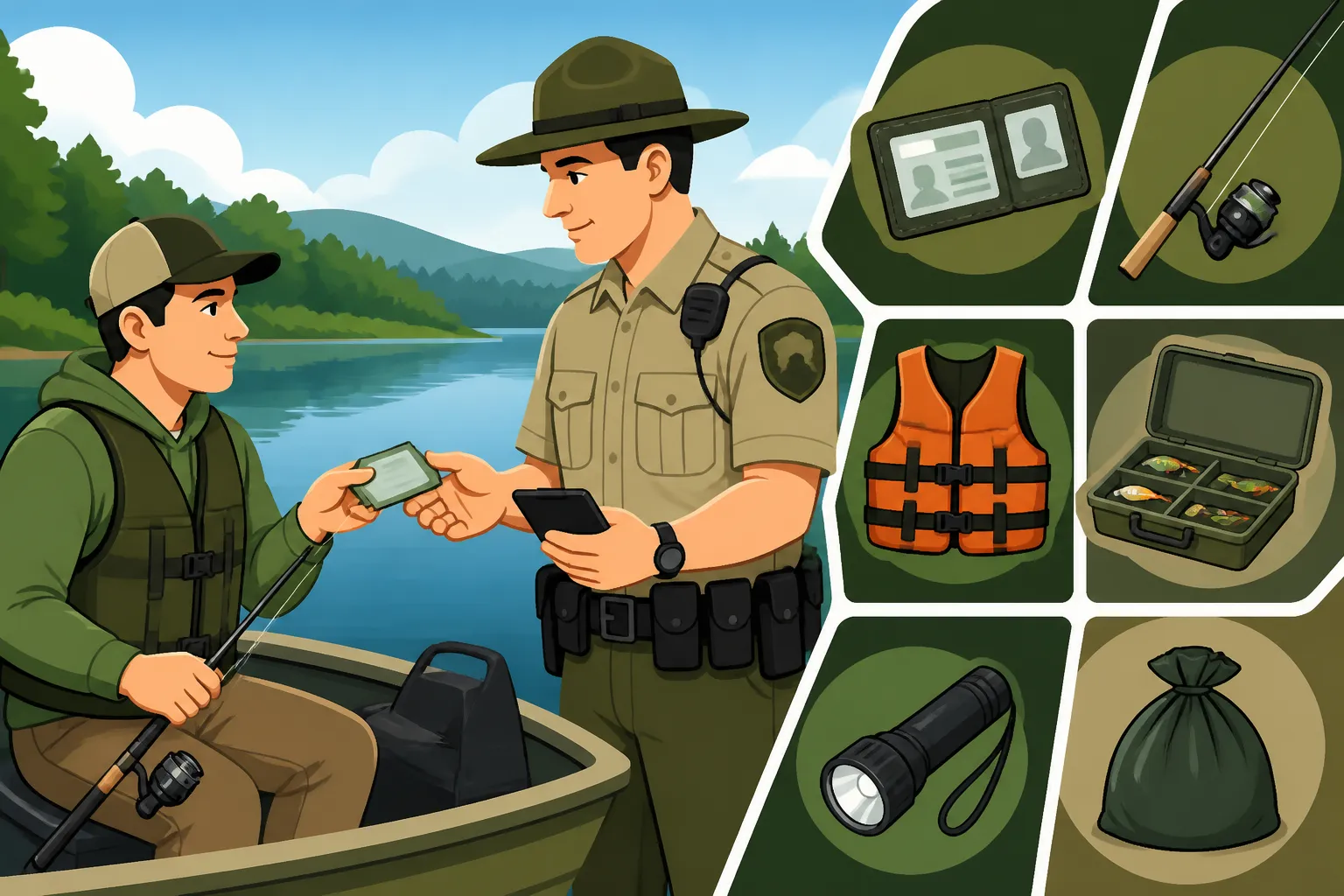
When a warden approaches, they're typically looking for a few key things: proof you're legally allowed to fish, that you're adhering to all relevant regulations, and that your vessel (if applicable) is safe and properly equipped. They're the front-line protectors of our beautiful Kentucky waterways, from the mighty Ohio River to the tranquil coves of Lake Cumberland.
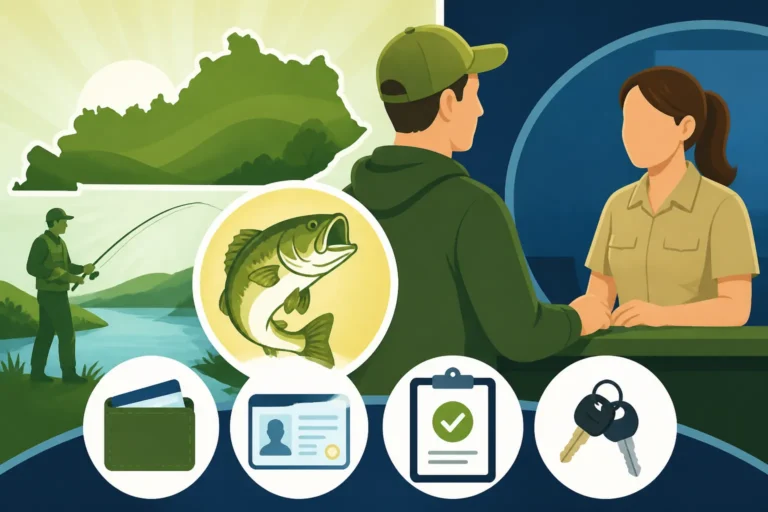
Your Essential Documents and Licenses
This is often the first thing a game warden will ask for, and for good reason. Having your license readily available is the quickest way to show you're a responsible angler.
Your Valid Kentucky Fishing License
This is non-negotiable. Every angler aged 16 and over needs a valid Kentucky fishing license to fish in public waters. This includes lakes, rivers, and even many streams. The only exceptions are during the annual Kentucky Free Fishing Weekend Guide, or if you're fishing on private waters with permission where a license isn't typically required. It’s critical to understand that even if you're just dipping a line for an hour, you need that license.
You have a couple of options for carrying your license:
- Physical Copy: Many anglers prefer to print out their license and keep it in a waterproof wallet or tackle box. This is a reliable method, especially if you're in an area with spotty cell service. A laminated copy can withstand the elements much better.
- Digital Copy: Kentucky allows you to carry your license on your smartphone or other electronic device. This is super convenient, but remember the "spotty cell service" caveat. Make sure your phone is charged! It's usually a good idea to have a screenshot of your license saved, just in case you lose signal or data. If you're concerned about having your phone out near water, a clear, waterproof phone pouch from a brand like Amazon can be a lifesaver, protecting your device while still allowing you to display your license.
Special Permits and Endorsements
Depending on what you're targeting and where, your basic fishing license might not be enough.
- Kentucky Trout Permit: If you're planning on fishing for trout in any designated trout waters, you'll need a Kentucky Trout Permit Guide in addition to your regular fishing license. This permit is required regardless of your age, unless you're exempt from needing a basic fishing license entirely (like during free fishing weekend or under 16). Anglers often overlook this, assuming their regular license covers everything, but trout populations are specifically managed, requiring this additional endorsement.
- Other Potential Permits: While less common for recreational anglers, certain activities like commercial fishing or special tournament participation might require additional specific permits. Always double-check the Kentucky Department of Fish and Wildlife Resources (KDFWR) regulations if you're engaging in anything outside standard recreational fishing.
Personal Identification
While not explicitly required just to fish, a game warden will almost certainly ask for your personal identification to verify that the name on your fishing license matches you. A driver's license or state-issued ID is usually sufficient. This helps them ensure that licenses aren't being shared or used fraudulently. It’s also important for confirming residency if you purchased a Kentucky Resident Annual Fishing License Cost.
Table: Essential Items for Your Kentucky Fishing Trip
| Item | Purpose | Recommended Format/Storage | Why it's Important |
|---|---|---|---|
| Valid Kentucky Fishing License | Legal authorization to fish | Printed, laminated copy in waterproof wallet OR digital copy (screenshot) on charged smartphone in waterproof pouch | Required by law for most anglers aged 16+ on public waters; failure to produce results in Penalties for Fishing Without a License in Kentucky. |
| Kentucky Trout Permit (if applicable) | Legal authorization to fish for trout | Printed, laminated copy in waterproof wallet OR digital copy (screenshot) on charged smartphone in waterproof pouch | Required in addition to a fishing license for all trout waters; critical for protecting managed trout fisheries. |
| Valid Photo ID | Verification of identity and residency | Driver's License, State ID, or Passport | Confirms your identity matches your license and residency status (for resident licenses). |
| Appropriate Safety Gear (boaters) | Ensures personal and vessel safety | Coast Guard-approved life jackets (for all on board, especially kids under 12), fire extinguisher, sound-producing device, lights | Mandatory for vessel operation; prevents accidents and complies with marine law. |
| Knowledge of Regulations | Adherence to size and bag limits | KDFWR guide, smartphone app, or printed summary | Prevents illegal harvesting of fish, protecting species populations and ensuring fair angling for everyone. |
Beyond the License: Safety Gear and Regulations
While licenses are paramount, game wardens also have a keen eye for adherence to safety regulations and fish limits. These are equally important for a safe and sustainable fishing experience.
Boating Safety Equipment
If you're fishing from a boat, kayak, or canoe, there's a whole other layer of items you need to have on hand. These aren't just for avoiding a ticket; they're genuinely about keeping you and your passengers safe on the water.
- Life Jackets (PFDs): This is perhaps the most crucial safety item. You must have a U.S. Coast Guard-approved life jacket for every person on board your vessel. Furthermore, children under the age of 12 are required to wear a life jacket while on the open deck of a boat that is underway. Don't just stash them away; make sure they're easily accessible and fit properly. Carrying an extra, small life jacket just in case you pick up a young passenger is a thoughtful move. You can find excellent options for various sizes, including those specific for kids, on sites like Amazon.
- Fire Extinguisher: If your boat has an enclosed engine compartment or permanently installed fuel tanks, you'll need a marine-rated fire extinguisher. Ensure it's charged and easily accessible.
- Sound-Producing Device: A whistle or air horn is required to signal in case of distress.
- Navigation Lights: If you're out on the water between sunset and sunrise, or during periods of restricted visibility, your boat needs proper navigation lights.
- Throwables: Many boats are also required to carry a throwable personal flotation device (like a cushion or ring buoy) for emergencies.
These are just the basics. For a comprehensive list, you'll want to review the Kentucky Boat Safety Certificate Requirements and the KDFWR boating regulations. Being prepared not only shows respect for the law but also for your own well-being.
Adhering to Bag and Size Limits
This is where knowing your local regulations truly comes into play. Game wardens will often check your cooler or livewell to ensure you're complying with the rules.
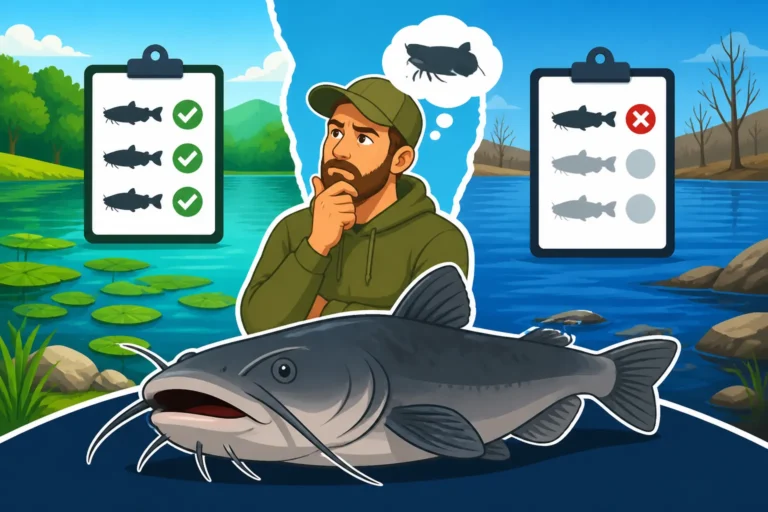
- Statewide Limits: Kentucky has general statewide regulations for popular species like bass, crappie, and catfish. For example, the Kentucky Statewide Bass Limit: 12 Inches, 6 Fish a Day is pretty standard in most places.
- Site-Specific Exceptions: This is where it can get tricky! Many lakes and rivers have specific regulations that differ from the statewide rules. For instance, you'll find that Lake Barkley Bass Size Limit Exception in Kentucky means you can't just assume statewide rules apply everywhere. The same goes for crappie on Barren River Lake Crappie Size Limit in Kentucky. Always check the KDFWR fishing guide or app for the specific body of water you're fishing before you cast your first line. It's a small step that can save you a lot of headache.
- Measuring Fish: Make sure you have a reliable measuring device on hand. A simple bump board or measuring tape is fine, but make sure it's accurate and easy to use. Knowing how to properly measure your catch is key to staying within the legal limits.
A Smooth Interaction: Tips for a Stress-Free Check
Having a game warden stop you doesn't have to be intimidating. A little preparation and a good attitude go a long way.
Be Prepared and Knowledgeable
The best way to feel confident is to be genuinely prepared.
- Have Everything Accessible: Don't make the warden wait while you dig through five different compartments for your license. Keep all your essential documents in one easy-to-reach, waterproof spot.
- Know the Rules: Spend a few minutes reviewing the current KDFWR fishing guide, especially for the specific body of water you're visiting. Ignorance of the law is not a valid excuse, and wardens appreciate anglers who clearly know their stuff. Understanding the nuances of Kentucky Fishing Regulations Explained can prevent a simple misunderstanding from escalating.
- Use Tools: There are great apps and websites available that can quickly pull up current regulations for any lake or stream in Kentucky. Keep them bookmarked or downloaded for quick reference.
Be Courteous and Cooperative
Treat the game warden with the same respect you'd expect from them.
- Pull Over/Stop: If you're on a boat, safely stop your vessel. If you're on the bank, stop fishing and acknowledge their presence.
- Follow Instructions: Listen to their requests and follow them promptly. If they ask to see your fish, open your cooler or livewell. If they ask to see your life jackets, point them out.
- Answer Questions Truthfully: Honesty is always the best policy. If you made an honest mistake, admit it. Sometimes, a cooperative attitude can lead to a warning instead of a citation, especially for minor infractions.
- Don't Argue: If you disagree with something, you can politely state your case, but do so respectfully. Arguing or becoming defensive rarely helps and can make the situation worse.
- Ask Questions: If you're unsure about a specific regulation or something they're asking, it's perfectly fine to ask for clarification. They're there to enforce the rules, but also to educate the public.
By being polite and cooperative, you're helping them do their job efficiently, and you'll likely find the interaction to be quick and professional, allowing you to get back to enjoying your time on the water. Remember, they often have a lot of helpful insight into local fishing conditions or even new regulations that might be coming down the pike. It's a chance to learn!
Staying Up-to-Date with Regulations
Fishing regulations aren't static; they can change from year to year to reflect conservation needs and population management. It's truly your responsibility as an angler to stay informed.
Annual Regulation Changes
Every year, the KDFWR publishes its updated fishing guide, usually around March 1st, coinciding with the start of the Kentucky Fishing License Year and Renewal Dates. New regulations, changes to bag limits, or alterations to specific lake rules can all occur.
- Check the KDFWR Website: The official KDFWR website is the most reliable source for the latest regulations. You can download the current fishing and boating guide there.
- Pick Up a Physical Guide: Many bait shops, sporting goods stores, and KDFWR offices offer free printed copies of the annual fishing guide. It's handy to keep one in your tackle bag or vehicle.
- KDFWR App: The KDFWR often has a mobile app that provides real-time access to regulations, stocking schedules, and more. This can be incredibly useful, especially when you're on the go.
Don't rely solely on what you remember from last year or what your buddy told you. A quick check of the current guide before each season, or even before a trip to a new lake, can save you from an unintended violation. For instance, knowing when to renew your fishing license online is important, as is understanding the various Kentucky Fishing License Costs and Types to ensure you're always covered.
Reciprocity and Border Waters
If you plan on fishing border waters, such as portions of the Ohio River shared with states like Ohio, Indiana, or Illinois, understanding reciprocity agreements is crucial. Generally, for the Ohio River, a license from either Kentucky or the bordering state is often sufficient when fishing the main stem of the river. However, this is not always universally true for all border waters or tributary streams. Always verify specific reciprocity rules, such as Tennessee-Kentucky Fishing License Reciprocity Rules, to avoid unknowingly violating regulations. When in doubt, carrying both state licenses is the safest bet.
Disclaimer
Please remember that while this guide provides comprehensive information, fishing regulations can change. Always refer to the most current Kentucky Department of Fish and Wildlife Resources (KDFWR) official regulations guide or website for the most up-to-date and accurate information before heading out on your fishing trip. This content is for informational purposes only and does not constitute legal advice.