Do You Need a Boating Certificate If You Were Born After 1975 in Kentucky?
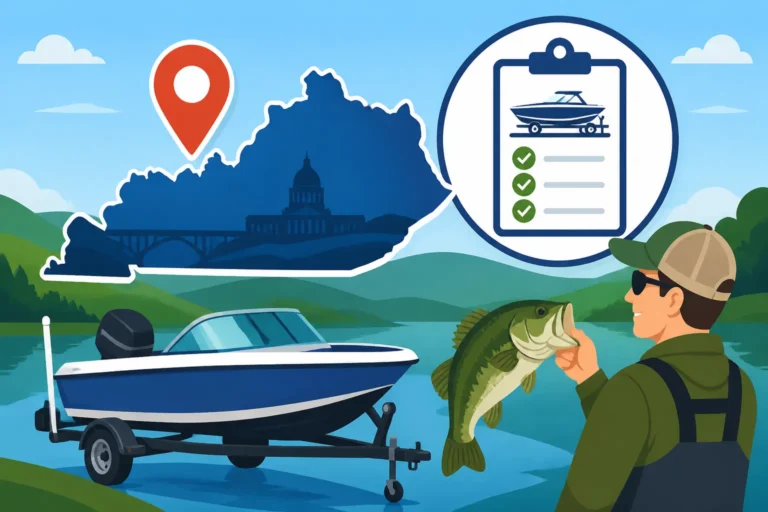
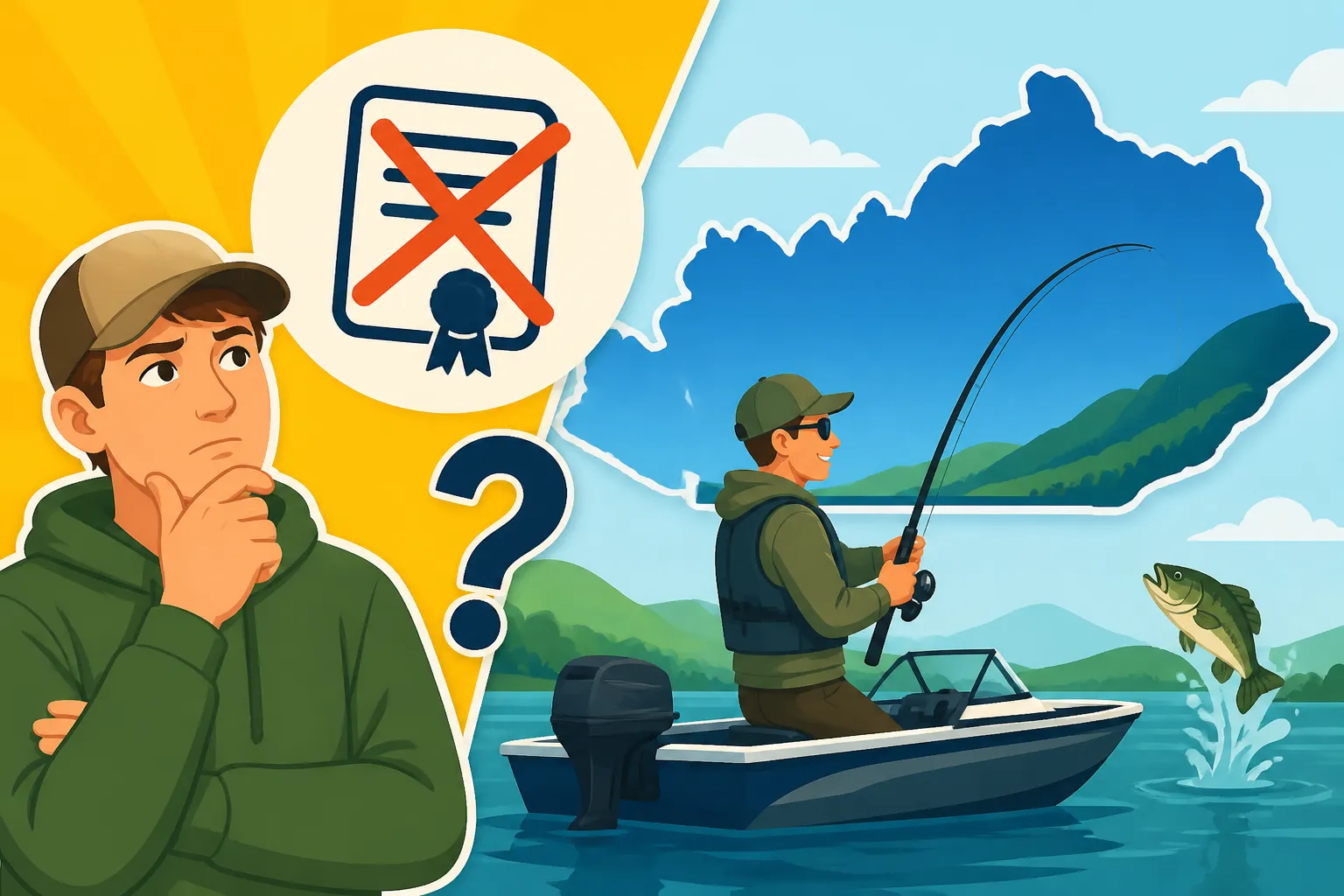
It's completely understandable to feel a little lost when it comes to boating regulations in Kentucky. Many folks assume that once you get your boat registered and your fishing license in hand, you’re all set to hit the water. But there's a specific question that pops up a lot, especially for those of us who weren't around for the good old days: "Do you need a boating certificate if you were born after 1975 in Kentucky?" This guide will clear up all that confusion, outlining exactly who needs what, why these rules are in place, and how to easily get certified so you can enjoy Kentucky's beautiful lakes and rivers worry-free.
Understanding Kentucky's Boating Safety Education Law
Kentucky is blessed with incredible waterways, from the vast expanses of Kentucky Lake and Lake Barkley to the winding curves of the Ohio River and the deep, clear waters of Lake Cumberland. With so many people enjoying these resources, ensuring everyone's safety becomes paramount. That's where boating safety education comes into play. The state's regulations are designed to minimize accidents, protect our natural resources, and ensure a more enjoyable experience for everyone on the water.
The Rationale Behind the "Born After 1975" Rule
You might wonder why a specific birth year like 1975 is used. It's not arbitrary; many states, including Kentucky, adopted these regulations as part of a nationwide effort to standardize boating safety education. The idea is that individuals born before a certain date likely grew up with different boating environments and perhaps learned the ropes in a less regulated era, or simply have decades of experience under their belt. Those born after that date, however, are generally considered to have grown up in a time when recreational boating was exploding in popularity, leading to more traffic on the water and a greater need for formal instruction on safe operating practices. It's about ensuring a baseline level of knowledge and responsibility for a generation of boaters. It's not a judgment, but a practical measure to help keep everyone safe as our waters get busier.
The Role of the Kentucky Department of Fish and Wildlife Resources
The Kentucky Department of Fish and Wildlife Resources (KDFWR) is the agency tasked with overseeing these boating safety laws. They're not just about fishing and hunting; they're deeply invested in the safety of all recreational users of Kentucky's waterways. They set the standards for approved courses, manage the certification process, and provide resources to help boaters understand and comply with the regulations. Think of them as the guardians of our outdoor adventures, making sure we can all enjoy them responsibly. They work hard to strike a balance between allowing people to enjoy our natural resources and putting common-sense rules in place to prevent tragedies.
Who Exactly Needs the Boating Safety Certificate in Kentucky?
This is where the rubber meets the road, and it's probably the most common point of confusion for many Kentucky boaters. Let's break down the specific requirements so you know exactly where you stand.
The Core Requirement: If You Were Born On or After January 1, 1975
Alright, let's get right to it. If you were born on or after January 1, 1975, you absolutely do need to possess a Kentucky Boating Safety Certificate to operate any motorized vessel on Kentucky public waters. This includes everything from a powerful bass boat slicing across Kentucky Lake to a small jon boat with an outboard motor puttering along a creek, and definitely personal watercraft (PWCs) like jet skis.
Imagine you're planning a weekend trip to Lake Cumberland with your family. You've got your fishing gear ready, the boat is gassed up, and the kids are excited. If you, as the operator, were born in, say, 1982, and you get pulled over by a game warden for a routine check, you'll be asked to show your certificate. If you don't have it, you could face penalties for fishing without a license in Kentucky, though it's specifically a boating certificate violation in this case. It’s a pretty simple rule, but one that’s often overlooked until it’s too late. The law isn't there to trick you; it's genuinely about ensuring you know the rules of the road on the water.
Specifics for Personal Watercraft (PWCs)
When it comes to personal watercraft, often called jet skis, the rules are even stricter, reflecting the unique nature and higher speeds associated with these vessels. Regardless of your birthdate, if you are under 18 years of age, you cannot legally operate a PWC in Kentucky unless you have the Boating Safety Certificate.
Let's say your teenage son or daughter, born in 2008, wants to take the PWC out for a spin on Lake Barkley. Even if they're otherwise a responsible driver, they must complete an approved boating safety course and carry that certificate with them. If you, as a parent born in 1970, are letting them operate it without the certificate, both of you could be in hot water. The intent here is to ensure young operators, who might be more prone to taking risks, have a thorough understanding of safe operation, collision avoidance, and the specific rules that apply to PWCs. This applies to borrowing a PWC from a friend or renting one from a marina; the operator's age and certificate are key. For more detailed information, check out Kentucky Boating Certificate for PWC Operators.
Operation Under Supervision: A Clarification
There's often a misconception that if you're with an adult who has a certificate or who is exempt, you don't need one yourself. This is generally true for those under 12 operating a motorboat with an adult present. However, for those born on or after January 1, 1975, the requirement applies to anyone operating the vessel, regardless of supervision.
Consider a scenario: you, born in 1990, are on a fishing trip with your uncle, born in 1960. Your uncle is perfectly exempt from the certificate requirement. If he lets you take the helm for a while, you must still possess your own Boating Safety Certificate because of your birth year. It’s not enough for the supervising adult to be compliant; the actual operator must meet their individual requirements. This ensures that every person actively controlling a motorized vessel has demonstrated knowledge of boating safety.
How to Get Your Kentucky Boating Safety Certificate
The good news is that obtaining your Kentucky Boating Safety Certificate is a straightforward process, designed to be accessible and convenient. You have a few options, so you can choose what works best for your schedule and learning style.
Online Boating Safety Courses
For many busy individuals, online courses are the most popular route. These courses are self-paced, allowing you to learn the material on your own time, from the comfort of your home. They typically cover all the essential topics: navigation rules, emergency procedures, environmental responsibilities, safe vessel operation, and relevant Kentucky-specific regulations.
Approved online providers are plentiful. Many are nationally recognized and certified by the National Association of State Boating Law Administrators (NASBLA). You can usually find a list of these providers directly on the KDFWR website. Once you complete the course material, you'll take a final exam. Pass that, and you'll typically be able to print a temporary certificate immediately, with a permanent card mailed to you shortly after. This flexibility is a huge plus for those who can't commit to a fixed in-person schedule. You can even find study guides or practice tests online, sometimes even at retailers like Amazon, to prepare yourself before diving into the full course.
In-Person Classes and Workshops
If you prefer a more traditional classroom setting, or if you learn better with direct interaction with an instructor, in-person classes are also available. These are often taught by KDFWR officers, U.S. Coast Guard Auxiliary volunteers, or other certified instructors. These classes provide a fantastic opportunity to ask questions, engage in discussions, and get hands-on with some of the safety equipment you might encounter.
These courses are usually scheduled over a weekend or a few evenings, offering a concentrated learning experience. They're particularly beneficial if you’re a completely new boater and appreciate the direct guidance. Check the KDFWR website or local community centers and marinas for schedules. Sometimes retailers like Bass Pro Shops might host or promote these types of community safety events. The atmosphere can be very engaging, and you'll often meet other local boaters, which is a nice bonus.
What to Expect on the Exam
Whether you take the course online or in person, the final exam will test your knowledge of the material covered. Don't worry, it's not designed to trick you, but rather to confirm you've absorbed the critical safety information. Topics will include things like:
- Aids to Navigation: Understanding buoys and markers.
- Rules of the Road: How to avoid collisions, right-of-way rules.
- Legal Requirements: Vessel registration, required safety equipment like Life Jacket Requirements for Kids Under 12 in Kentucky, and what to do in case of an accident.
- Safe Operation: Speed limits, proper lookout, overloading, fueling safety.
- Emergency Procedures: What to do if someone falls overboard, fire, severe weather.
- Environmental Responsibility: Preventing pollution, respecting wildlife.
It's a comprehensive overview, but all the information will be presented clearly during the course. Taking practice tests, if available, can be a great way to gauge your readiness and identify any areas where you might need to brush up.
Exceptions and Special Cases
While the "born after 1975" rule is quite broad, there are a few specific situations where the Boating Safety Certificate might not be required. It’s crucial to understand these exceptions to avoid misunderstandings on the water.
Non-Motorized Vessels and Private Ponds
This is probably the most straightforward exception. If you're enjoying Kentucky's waters in a non-motorized vessel—think canoes, kayaks, stand-up paddleboards, or sailboats without an auxiliary motor—the Boating Safety Certificate is not required. These types of craft operate under different safety considerations and don't fall under the same regulatory umbrella as powerboats. However, even with paddlecraft, it’s still smart to know the rules of the water, and always wear your life jacket!
Similarly, if you’re fishing or boating exclusively on a private pond that is not connected to any public waters, the certificate requirement typically does not apply. This is because these waters are considered private property, and state boating laws primarily govern public waterways. However, general safety practices should always be followed, and you still need to be aware of Kentucky Fishing License Rules for Private Ponds if you're fishing.
Out-of-State Visitors and Reciprocity
Kentucky recognizes boating safety education certificates or cards issued by other states, U.S. territories, or by the U.S. Coast Guard, provided those courses are approved by NASBLA. This is a common reciprocity agreement among states to facilitate recreational boating tourism.
So, if you're visiting Kentucky from, say, Ohio, and you completed an approved boating safety course in your home state (and were born after 1975), your Ohio certificate should be valid here. Always carry your physical certificate with you, just as you would your driver's license. While reciprocity is generally understood, a game warden will still expect you to produce proof of your certification if you meet the age requirement. This is especially important for non-residents who might be vacationing on Kentucky Lake or Dale Hollow Lake.
Rental Boats and Supervised Operation
There are a couple of nuances when it comes to rental boats and supervised operation that are worth noting.
If you are renting a boat and were born on or after January 1, 1975, you will still need to show proof of your Kentucky Boating Safety Certificate. Rental operators are typically very diligent about verifying this before they hand over the keys. They might even offer a temporary, short-term certification course if you don't have one, but it's best to get your full certification beforehand.
For those operating a motorized vessel while being supervised by a certified or exempt operator, it’s important to remember the individual responsibility aspect. If the person at the helm falls within the "born after 1975" category, they need their own certificate. The exception here would be very young operators, usually under 12, who are operating under direct supervision of an adult who is legally able to operate the vessel. But for the vast majority of cases, if you're the one steering the boat, you're the one responsible for meeting the certificate requirement based on your birth year.
| Operator's Birth Year | Vessel Type (Motorized) | Boating Safety Certificate Required? | Notes |
|---|---|---|---|
| Before January 1, 1975 | Any motorized vessel | No | Experience often assumed; still encouraged to take a course. |
| On or After January 1, 1975 | Any motorized vessel | Yes | Applies to all operators, regardless of supervision. |
| Under 18 (any birth year) | Personal Watercraft (PWC) | Yes | Specific age restriction for PWCs for younger operators. |
| Any Age | Non-motorized vessels | No | Canoes, kayaks, paddleboards, sailboats (without motor) are exempt. |
| Any Age | Private Ponds (no public access) | No | Public water regulations do not apply. |
Why Boating Safety Education Matters (Beyond the Law)
Okay, so we've covered the legal ins and outs of the Kentucky Boating Safety Certificate. But let's be real: these regulations aren't just about avoiding a fine or checking a box. They're fundamentally about making sure everyone has a safer, more enjoyable, and more responsible experience on our beautiful Kentucky waterways.
Enhancing Personal and Passenger Safety
First and foremost, a boating safety course equips you with the knowledge and skills to keep yourself and your passengers safe. Accidents happen, often unexpectedly, and being prepared can make all the difference. Learning about proper lookout techniques, understanding how to read navigational aids, and knowing what to do in an emergency situation (like a person overboard or a sudden storm) are invaluable. It’s not just theory; it’s practical life-saving information.
Think about a sudden squall rolling in on Lake Cumberland. If you’ve taken a course, you’ll understand the importance of monitoring weather, heading for safe harbor, and how to properly don Coast Guard-Approved Life Jackets for Kentucky Boaters for everyone aboard. This knowledge isn't just a requirement; it's a safety net. It can prevent a fun day on the water from turning into a nightmare.
Protecting Our Waterways and Wildlife
Beyond human safety, boating education also instills a deeper appreciation and understanding of our environment. A good course will cover topics like preventing pollution, avoiding damage to sensitive habitats, and understanding how your wake affects shorelines and other vessels. It teaches you how to be a responsible steward of Kentucky's natural beauty.
For example, learning about no-wake zones near nesting areas or understanding how to properly dispose of trash and fuel helps protect the fish and wildlife we cherish. It also covers things like invasive species prevention, which is crucial for maintaining the ecological balance of lakes like Herrington Lake. When you consider the sheer number of boaters, these small, educated actions collectively have a huge positive impact on preserving our state's aquatic ecosystems for future generations.
Increased Confidence and Enjoyment on the Water
Finally, there’s the often-overlooked benefit of increased confidence. Knowing the rules, understanding your vessel, and being prepared for various scenarios makes you a much more confident operator. You'll feel more in control, less anxious, and ultimately, you'll enjoy your time on the water even more.
This confidence can translate into more adventurous trips, whether it's exploring new fishing spots or simply relaxing without constantly worrying about what you don't know. It’s about being a knowledgeable, capable boater, not just someone driving a boat. This confidence is especially helpful for new boat owners. Getting your Kentucky Boat Registration Requirements Explained and then your boating safety certificate means you’re truly ready to hit the water responsibly. So, while the law might prompt you to get certified, the benefits for safety, the environment, and your personal enjoyment far outweigh the effort. It's an investment in better boating for everyone.
Disclaimer
This article is for general informational purposes only and does not constitute professional advice. Laws, prices and regulations vary by location and change over time. Consult a qualified professional for guidance on your specific situation.