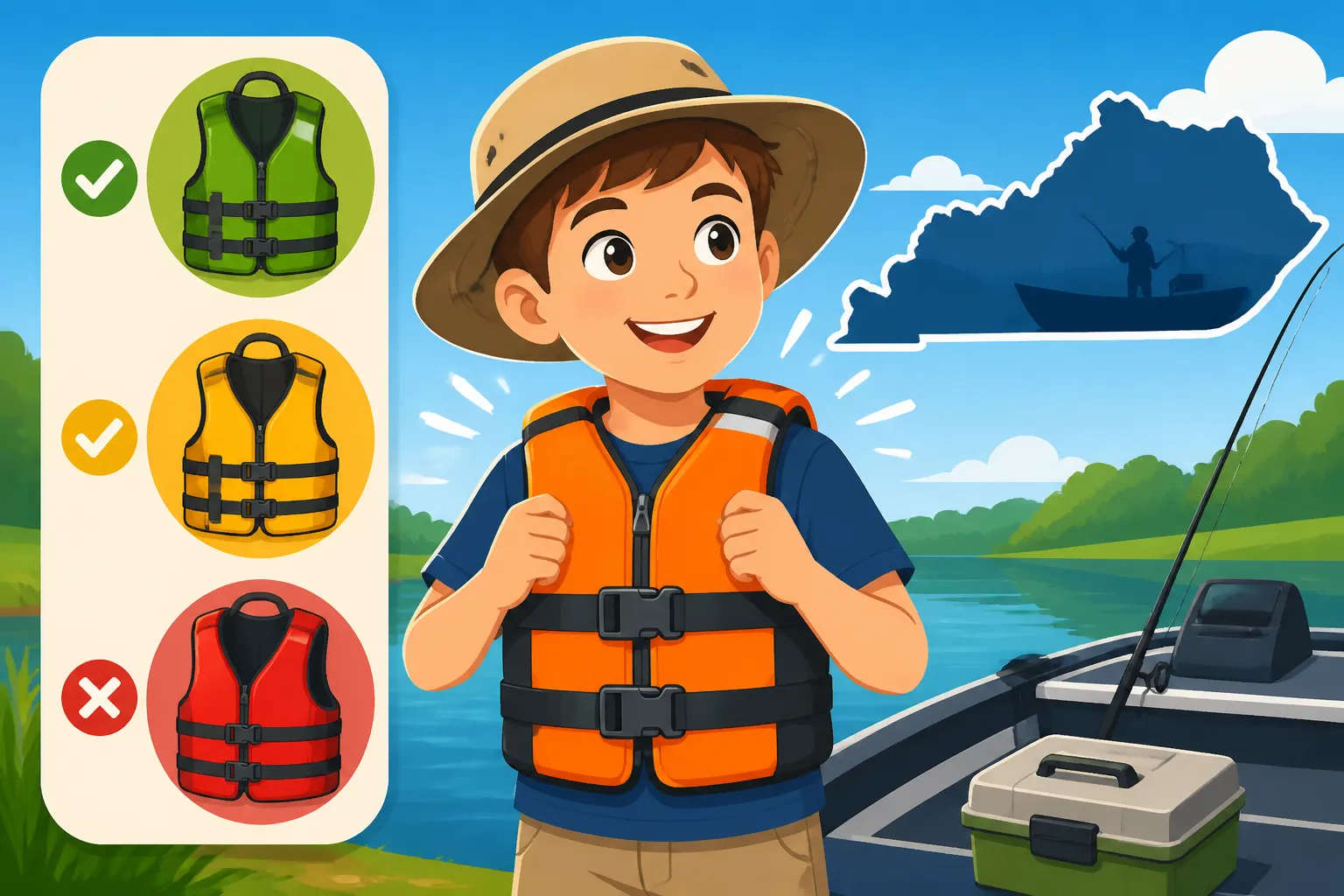
How to Choose the Right Life Jacket Size for Kids
It’s a common scenario: you’re packing up the boat or heading to your favorite fishing spot along a Kentucky lake, and suddenly you realize that your child's life jacket from last season looks a little… small. Or maybe you're a first-time parent navigating the confusing world of child safety on the water. Choosing the right life jacket isn't just about grabbing the cutest color; it's a critical safety decision that can literally be the difference between a fun day and a terrifying emergency. This guide will walk you through everything you need to know to ensure your child is safe and comfortable on the water.
Why Correct Sizing Isn't Just a Suggestion, It's Your Child's Lifeline
When it comes to water safety, there's no room for guesswork, especially when children are involved. An improperly sized life jacket is, quite frankly, just as dangerous as not wearing one at all. Many parents assume "bigger is better" so a child can "grow into it," but that's a mistake that can have serious consequences. A life jacket that's too large will ride up around their ears and face, pushing their head down and potentially hindering their ability to breathe or keep their airway clear in the water.
Conversely, one that's too small might not provide enough buoyancy, or it could be so uncomfortable and restrictive that your child refuses to wear it, leading to constant battles and an eventual loss of vigilance. We've all been there, trying to convince a squirming toddler or a resistant pre-teen that something is "for their own good." Making sure the fit is perfect from the start removes a huge hurdle and promotes a positive attitude toward water safety. Remember, a life jacket only works if it's worn, and if it fits correctly.
The Critical Role of Proper Fit
Think about it: a life jacket's primary job is to keep a person's head above water, especially if they are unconscious or unable to swim. For children, who might panic, struggle, or even become disoriented in the water, this buoyancy is absolutely non-negotiable. If the jacket allows them to slip out, or if it doesn't support their head properly, it's failing at its most basic function. It's not just about floating; it's about floating safely.
A properly fitted life jacket will feel snug but not constricting. It should stay in place when a child is lifted by the shoulders of the jacket, without riding up past their chin or ears. This ensures that when they hit the water, or if they need assistance, the jacket provides the intended support. Without this snug fit, a child can easily slip out of the jacket or have it shift in a way that impedes their movement or, worse, pushes their face into the water. This is why the "lift test," which we'll discuss later, is so crucial.
Kentucky's Life Jacket Laws for Children
Navigating state regulations can sometimes feel like trying to untangle a particularly stubborn fishing line, but when it comes to life jackets, the rules are clear and designed for safety. In Kentucky, as in many states, there are specific legal requirements concerning life jacket usage, particularly for younger passengers. It's not just a recommendation; it's a law, and ignoring it can lead to fines or, more importantly, put your child at undue risk.
Generally, all children of a certain age or weight are required to wear a U.S. Coast Guard-approved life jacket while on a boat that is underway. In Kentucky, this applies to children under the age of 12. They must wear a properly sized, Coast Guard-approved life jacket whenever a vessel is in motion. This means whether you're cruising on Kentucky Lake: The State's Top Bass Fishing Destination or just enjoying a calm float on the Ohio River, your little ones need to be securely outfitted. Being familiar with these rules ensures you're not only compliant but also proactive in protecting your family. You can find more detailed information in our guide on Kentucky Life Jacket Rules for Kids Under 12 in Kentucky.
Understanding Life Jacket Types and Their Sizing
Stepping into an outdoor store or browsing online for life jackets can be overwhelming. You'll see different "Types" (I, II, III, IV, V) and various weight categories, each designed for specific activities and levels of buoyancy. While all U.S. Coast Guard-approved life jackets are designed to save lives, their features, comfort, and performance vary significantly, especially for children. Understanding these distinctions is the first step toward making an informed choice for your little angler.
For most recreational boating and fishing activities in Kentucky, you'll primarily encounter Type II and Type III life jackets. Type I (Off-Shore) offers the most buoyancy and is designed to turn an unconscious person face-up, even in rough waters, but they are bulky. Type IV (Throwable Devices) are not worn. Type V (Special Use Devices) are for specific activities, like kayaking, and must be worn to be considered legal. For kids, the focus is almost always on Type II and Type III, as they offer a good balance of safety and comfort for typical lake and river adventures.
Infant, Child, and Youth: The Weight-Based Categories
The most critical factor in choosing a child’s life jacket is their weight. Life jackets are specifically designed to provide enough buoyancy for a certain weight range. You’ll typically see categories like these, though exact ranges can vary slightly by manufacturer:
- Infant: Generally for children weighing less than 30 pounds. These often have a large head cushion to provide extra head support and a crotch strap to prevent the jacket from riding up.
- Child: For children weighing between 30 and 50 pounds. These also often feature head support and always include a crotch strap for security.
- Youth: For children weighing between 50 and 90 pounds. At this stage, head support might be less prominent, but a crotch strap remains essential for a secure fit.
It is absolutely crucial to stick within these weight guidelines. A jacket rated for 50-90 pounds will not provide adequate buoyancy for a 35-pound child, and a jacket for under 30 pounds will be far too restrictive and small for a 40-pound child. Always check the label for the specific weight range it's approved for. This weight-based sizing is the foundation upon which all other fit considerations are built.
Beyond Weight: Chest Size and Other Fit Factors
While weight is paramount, it's not the only factor. Think of it like buying shoes: you need the right size, but you also need a comfortable width and a good overall feel. After weight, chest size becomes the next most important measurement for a snug fit. A life jacket should fit snugly around the child's torso, preventing it from riding up when they are in the water. Many jackets will provide a chest circumference range on the label, which can be easily measured with a soft tape measure.
Beyond these measurements, several design features contribute to a safe and comfortable fit:
- Crotch Strap (Leg Strap): This is non-negotiable for infant, child, and often youth life jackets. The strap goes between the legs and clips to the back of the jacket, preventing it from riding up over the child's head. Without it, even a perfectly weighted jacket can become dangerous.
- Head Support/Flotation Collar: Especially important for infants and smaller children, these collars help keep the child's head face-up and out of the water.
- Multiple Adjustment Straps: Look for jackets with several adjustable straps (shoulders, sides, waist) that allow you to customize the fit for your child's specific body shape. These straps are key to getting that crucial snugness.
- Zippers and Buckles: Ensure all zippers are heavy-duty and buckles are secure and easy for an adult to operate but difficult for a child to undo accidentally.
- Bright Colors: While not a fit factor, bright, high-visibility colors like orange, yellow, or neon green are strongly recommended for children's life jackets to make them easier to spot in the water.
Here's a quick look at common child life jacket types and their key characteristics:
| Life Jacket Type | Weight Range (General) | Buoyancy (Minimum) | Key Features for Kids | Best Use Cases |
|---|---|---|---|---|
| Infant | < 30 lbs | 7 lbs | Head pillow, crotch strap, grab handle, high visibility | General boating, calm waters, active supervision |
| Child | 30-50 lbs | 6.5 lbs | Head pillow (often), crotch strap, grab handle, multiple straps | General boating, fishing, calm to moderate waters |
| Youth | 50-90 lbs | 11 lbs | Crotch strap (highly recommended), multiple adjustment straps | General boating, watersports, fishing, varied water conditions |
| Adult Small | > 90 lbs | 15.5 lbs | Multiple adjustment straps, comfortable fit | Older children >90 lbs, watersports, active boating |
Step-by-Step Guide to Fitting a Child's Life Jacket
Okay, you've got a U.S. Coast Guard-approved life jacket in hand, matched to your child's weight and hopefully with a good chest size range. Now comes the most important part: actually fitting it. This isn't a "slap it on and go" situation. It requires a few simple steps and a crucial test to ensure it will perform as intended should an emergency arise. Don't rush this process; your child's safety depends on it.
Always make sure the life jacket is worn over light clothing, not bulky sweaters or jackets, as this can affect the fit and buoyancy in the water. If your child will be wearing a swimsuit, fit the jacket over their swimsuit. Explain to them why it's important to wear it and how it will keep them safe. Getting their buy-in, even if reluctant, makes the process much smoother and reinforces good safety habits. For additional tips on essential gear, check out our Kentucky Boating Safety Gear Checklist.
The "Lift Test" and Other Essential Checks
This is the golden standard for ensuring a child's life jacket fits properly. It's simple, quick, and incredibly effective.
- Put the jacket on your child: Make sure all zippers are zipped and all buckles are fastened.
- Tighten all straps: Start from the bottom straps (including the crotch strap, if present) and work your way up. Pull them snug, but not so tight that they cause discomfort or restrict breathing. You should be able to slide your hand flat, but not easily, under the straps. The crotch strap, in particular, should be very snug to prevent ride-up.
- Perform the "Lift Test": Stand your child up and lift them by the shoulders of the life jacket. Gently, but firmly, lift straight up.
- Proper Fit: If the life jacket fits correctly, it should not ride up past their chin or ears. Their chin and ears should remain clear of the jacket's top edge. The jacket should feel secure and move with their body.
- Bad Fit: If the jacket slides up over their chin, or if their ears pop through the armholes, it's too big or not tightened enough. In this case, adjust the straps further. If after full adjustment it still rides up, the jacket is simply too large for your child and you need a smaller size.
In addition to the lift test, have your child try sitting, bending, and reaching while wearing the jacket. It should allow for a full range of motion without pinching or chafing, especially under the arms. If they complain of discomfort in these positions, it might be too small or poorly designed for their body shape, even if the lift test is acceptable. Comfort is key to compliance, so don't overlook it.
What to Look For: Red Flags of a Bad Fit
Even after the lift test, sometimes a life jacket can seem "okay" but still have subtle issues that could compromise safety. Knowing these red flags can help you make a better decision and avoid potential hazards:
- Excessive Ride-Up: This is the biggest red flag. If, during the lift test, the jacket consistently rides up past your child's chin, or if their ears come out through the armholes, it's a definite no-go. This means in the water, their head would not be properly supported, and they could easily slip out or have their face pushed into the water.
- Gaps Around the Arms or Chest: Large gaps under the armpits or around the chest indicate the jacket is too big. This allows water to enter and displace buoyancy, and also makes it easier for the child to slip out. The jacket should hug their body without being constrictive.
- "Growing Room" Mentality: While we all want our gear to last, a life jacket is not something to buy with "room to grow." It needs to fit now. An oversized jacket is a dangerous jacket. If you're debating between two sizes, always lean towards the smaller one if your child is at the lower end of its weight range, ensuring it passes the lift test.
- Child Complaining of Pinching or Chafing: If your child immediately starts complaining about the jacket pinching, rubbing, or feeling too tight in certain areas, particularly under the arms or around the neck, it's likely too small or poorly designed. An uncomfortable jacket is one they'll resist wearing, or one that might cause skin irritation during a long day on the water.
- Worn or Damaged Straps/Buckles: Before every outing, inspect the life jacket for any signs of wear and tear. Frayed straps, cracked buckles, or tears in the fabric can compromise the jacket's integrity and effectiveness. A damaged life jacket should be replaced immediately. This simple check is part of your Essential Safety Gear for Every Boat in Kentucky routine.
Where to Find and What to Consider When Buying
Now that you know what to look for, the next step is actually finding the right life jacket. You have several options, each with its own advantages, from browsing online to visiting brick-and-mortar stores. The key is to prioritize safety and fit above all else, keeping in mind that the best life jacket is the one your child will wear and that will genuinely protect them.
When budgeting for a life jacket, remember that this is an investment in safety. While there are budget-friendly options, sometimes spending a little more for a well-made, comfortable, and highly adjustable jacket is worth it for peace of mind and your child's willingness to wear it. Think of it as purchasing assurance for your family's water adventures on Kentucky's beautiful lakes and rivers. Consider integrating items from Best Life Jackets for Kids on Big Lakes into your selection process.
Shopping Online vs. In-Store
Both online retailers and physical stores offer a wide selection of children's life jackets, but each has distinct pros and cons when it comes to finding the perfect fit.
Shopping Online (e.g., Amazon):
- Pros: Online marketplaces like Amazon offer an unparalleled selection, often with competitive pricing and detailed product descriptions. You can read reviews from other parents, compare different brands and features side-by-side, and have the jacket delivered right to your door. This can be super convenient, especially if you live far from a large outdoor retailer or have a busy schedule.
- Cons: The biggest drawback is the inability to try the life jacket on before purchasing. This makes the "lift test" impossible until it arrives, potentially leading to returns if the fit isn't right. You have to rely heavily on sizing charts, which can sometimes be generic, and customer reviews for fit accuracy. Our article on Kentucky Fishing License Requirements for Kids is another important resource to review before your trip.
Shopping In-Store (e.g., Bass Pro Shops):
- Pros: Visiting a physical store like Bass Pro Shops allows your child to try on various life jackets immediately. This is invaluable for performing the lift test, checking for comfort, and ensuring all straps adjust properly. Knowledgeable staff can often offer advice and help guide you through the options. Seeing and feeling the materials can also help you assess quality.
- Cons: The selection might be more limited than online, and prices could be slightly higher. It also requires a dedicated trip and your child's cooperation for trying on multiple options. However, for something as critical as a life jacket, the ability to test the fit in person often outweighs these minor inconveniences.
Ultimately, if possible, combining both approaches can be effective. Research online to narrow down your choices, then visit a store to try on your top contenders. If you have to buy online, be prepared for potential returns if the fit isn't spot-on.
Maintenance and Inspection for Ongoing Safety
Buying the right life jacket is only half the battle; maintaining it properly ensures it will be ready to perform year after year. Life jackets aren't indestructible, and exposure to sun, water, and general wear and tear can degrade their effectiveness. Regular inspection and proper care are crucial for extending their lifespan and, more importantly, ensuring continued safety.
After each use:
- Rinse: Always rinse the life jacket thoroughly with fresh water after use, especially if it's been in saltwater or chlorinated pool water. This removes salt, chemicals, dirt, and fish slime that can break down the fabric and stitching over time.
- Air Dry: Hang the life jacket in a well-ventilated area away from direct sunlight to air dry completely. Never put it in a dryer, as high heat can damage the flotation material inside. Make sure it's completely dry before storing to prevent mildew growth.
Before each season or major trip:
- Inspect for Damage: Check for tears, punctures, frayed straps, cracked buckles, or broken zippers. Pay close attention to stitching around stress points. Even small tears can compromise buoyancy over time.
- Check Buoyancy: Over many years, the flotation material can degrade. If a life jacket feels noticeably less buoyant or waterlogged, it's time for a replacement. A simple test in shallow water (under supervision) can reveal if it's still performing as expected.
- Confirm Fit: Children grow, and what fit perfectly last season might be too small this year. Always re-check the fit with the lift test at the start of each boating season or if your child has had a growth spurt. This ensures they still have a safe and comfortable fit.
- Storage: Store life jackets in a dry, cool, well-ventilated area away from extreme temperatures and direct sunlight. Avoid storing them in cramped spaces where they might be compressed, as this can damage the flotation material.
Remember, a life jacket is a piece of safety equipment, not just another accessory. Treating it with care and performing regular checks will ensure it remains a reliable tool for keeping your loved ones safe on the water for many seasons to come.
Disclaimer
This article is for general informational purposes only and does not constitute professional advice. Laws, prices and regulations vary by location and change over time. Consult a qualified professional for guidance on your specific situation.