Kentucky Life Jacket Law for Kids Under 12
Anglers and boaters in Kentucky often worry about staying safe on the water, especially when their little ones are onboard. It's not just about common sense; there are specific rules you need to follow to keep children safe and avoid fines. This guide will meticulously break down Kentucky's life jacket law concerning kids under 12, helping you understand the regulations, choose the right gear, and ensure everyone has a safe and enjoyable time out on the water.
Understanding Kentucky's Mandatory Life Jacket Law for Young Children
Navigating the waters of Kentucky is a joy for many, but it comes with the serious responsibility of ensuring everyone on your vessel is safe. When children are involved, that responsibility is even greater, and the law reflects it. Many states have specific regulations for young passengers, and Kentucky is no exception. It’s a common point of confusion for new boaters or those visiting from out of state, but the rules are designed with the most vulnerable passengers in mind.
The Core Requirement: Who, When, and Where
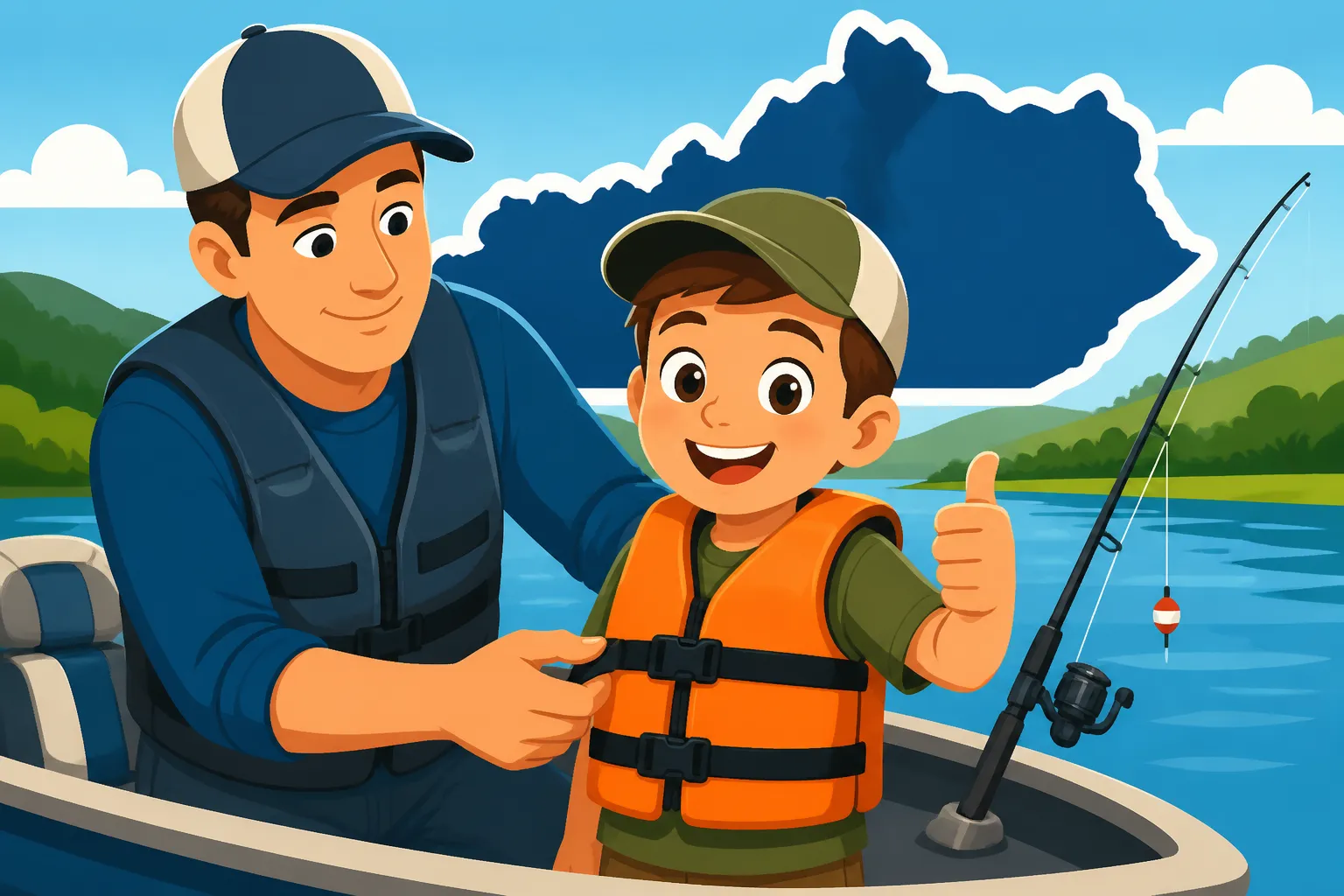
Let's cut right to the chase: Kentucky law mandates that any child under 12 years of age must wear a Coast Guard-approved life jacket whenever they are on the deck of a vessel that is underway. This isn't about having a life jacket stowed somewhere on the boat; it means the child must have it on their person, properly fastened, at all times the boat is in motion. This applies across all public waters in Kentucky, from the vast expanses of Kentucky Lake to the winding stretches of the Cumberland River.
Think about a typical family fishing trip on Lake Barkley. Your kids, maybe 6 and 9 years old, are excited, pointing out birds or watching the shoreline pass by. If your boat is moving, whether you're cruising at full throttle or just idling along to a new fishing spot, those children need to be wearing their life jackets. Even if they're sitting calmly inside the boat, if they step onto the open deck, they need the jacket on. The moment the engine starts and the boat leaves its mooring, the law kicks in.
The definition of "underway" is crucial here. A vessel is considered "underway" any time it is not anchored, moored, or aground. So, if you're drifting, trolling, or even temporarily stopped with the engine off but not anchored, the boat is still technically underway. This distinction can sometimes catch people off guard, so it's always best to err on the side of caution. For more details on the broader context, you can check out Life Jacket Rules for Boats in Kentucky.
Distinctions Between Wearing and Having a Life Jacket
This is where a lot of people run into trouble, and it's a critical difference. For adults, and often for children over the age of 12, Kentucky law typically requires that a USCG-approved life jacket be readily accessible for every person on board. This usually means it can be quickly retrieved, perhaps from under a seat or in a storage compartment, in case of an emergency. However, for children under 12, this "readily accessible" rule is superseded by the "must wear" rule.
The rationale behind this strict "must wear" rule is all about immediate safety and preventing tragedies before they happen. If a child unexpectedly falls overboard, especially in cold water, rough conditions, or if they hit their head, there's simply no time to don a jacket. A sudden wave, an unexpected lurch, or a moment of lost balance can send a child into the water in an instant. Having the life jacket already on provides immediate flotation and can make the difference between a quick retrieval and a desperate search. This specific requirement is designed to provide maximum protection for our youngest and most vulnerable boaters, emphasizing the proactive measure of constant wear over reactive retrieval.
What "Coast Guard-Approved" Really Means for Your Child's Life Jacket
It's not enough for a life jacket to simply float. To be compliant with Kentucky law and, more importantly, to be genuinely effective in a real emergency, the life jacket must be approved by the U.S. Coast Guard (USCG). This isn't just a fancy label; it signifies that the device has undergone rigorous testing and met strict safety standards for buoyancy, construction quality, and performance.
Navigating USCG Approval and Labeling
When you're shopping for a life jacket, the first thing you should look for is a clear, official label inside the jacket confirming its USCG approval. This label will also typically indicate the type of personal flotation device (PFD) it is. The USCG categorizes PFDs into five main types, and understanding these can help you pick the right one for your child's needs and the conditions you'll be boating in.
For children, you'll primarily be looking at Type II and Type III PFDs:
- Type I (Off-Shore PFD): These are designed for extended survival in rough, open water. They are bulky but offer excellent buoyancy and are designed to turn an unconscious person face up in the water. While effective, they are often too uncomfortable and cumbersome for continuous wear by children in typical Kentucky boating scenarios.
- Type II (Near-Shore Buoyant Vest): These are still designed to turn an unconscious person face up in the water, but they are less bulky than Type I. They're excellent for calm, inland waters where quick rescue is probable. Many children's life jackets fall into this category, offering a good balance of safety and comfort.
- Type III (Flotation Aid): These are the most comfortable for continuous wear and are often seen in recreational boating and watersports. They are designed to keep a conscious person in a vertical or slightly reclined position but may not turn an unconscious person face up. For older children who are strong swimmers and for various active watersports, these are a popular choice due to their flexibility and comfort.
- Type IV (Throwable Device): These are cushions or ring buoys designed to be thrown to a person in the water, not worn. They are not suitable as the primary PFD for children.
- Type V (Special Use Device): These are designed for specific activities, like whitewater rafting vests or work vests. They must be used according to their label instructions to be considered USCG-approved.
When purchasing, always verify that the USCG approval information is intact and legible. It's also critical to check the weight range indicated on the label. A life jacket is only effective if it fits the wearer's weight. A jacket that's too big will ride up and could hinder breathing or even slip off, while one that's too small won't provide adequate buoyancy. For a deeper dive into PFD types, consider reading Coast Guard-Approved Life Jackets for Kentucky Boaters.
Choosing the Right Size and Fit for Optimal Safety
Choosing the right size and ensuring a proper fit is paramount, even more so than the jacket's color or brand. A common, yet dangerous, mistake parents make is buying a life jacket that's too large, thinking their child will "grow into it." A poorly fitting life jacket is almost as dangerous as not wearing one at all, as it can easily ride up around the child's ears or even come off in the water.
Here’s a simple checklist for ensuring a good fit:
- Check the Label: First and foremost, ensure the jacket matches your child's current weight. Most children's life jackets are sized by weight range (e.g., infant, child, youth).
- Try it On: Have your child put on the life jacket and fasten all zippers, buckles, and straps. The jacket should feel snug but not restrictive.
- The "Lift Test": With the jacket on, lift your child by the shoulders of the life jacket. If the jacket rides up over their ears or chin, it's too big. The child's chin and ears should not slip below the top of the PFD.
- Crotch Straps: For infants and toddlers, look for life jackets with a crotch strap. This is a critical feature that prevents the jacket from riding up around their head when they are in the water, ensuring their head stays above the waterline. Many youth jackets also benefit from this feature.
- Comfort and Wearability: While safety is primary, comfort helps ensure compliance. A child is more likely to wear a life jacket without complaint if it's comfortable. Look for features like soft materials, adjustable straps, and designs that allow for freedom of movement.
You can find a vast selection of USCG-approved life jackets at retailers like Bass Pro Shops or online marketplaces like Amazon, offering a variety of sizes and styles to fit every child and preference. Don't hesitate to spend a little extra for a quality, well-fitting life jacket; it's an investment in your child's life. For more specific guidance, see How to Choose the Right Life Jacket Size for Kids.
Practical Considerations and Enforcement for Boating Families
Understanding the letter of the law is one thing, but knowing how it applies in real-world situations and what to expect from enforcement officers is equally important for any boating family in Kentucky. Compliance isn't just about avoiding a ticket; it's about fostering a culture of safety.
What to Expect During a Game Warden Check
In Kentucky, the Department of Fish and Wildlife Resources (KDFWR) conservation officers, often called game wardens, regularly patrol the state's lakes, rivers, and waterways. Their job is to ensure that everyone is abiding by fishing, hunting, and boating regulations, including life jacket laws. If you're out on the water, there's a good chance you'll encounter one of these officers at some point.
If a game warden stops your boat, they'll typically perform a routine safety check. This will involve verifying your Kentucky Fishing License Guide if you're fishing, checking boat registration, and, crucially, inspecting your safety equipment. For boats with children under 12, the first thing they'll look for is whether those children are actively wearing properly fitted, USCG-approved life jackets while the vessel is underway. They are trained to spot violations quickly and will not hesitate to address safety concerns.
Non-compliance with the life jacket law for children can lead to citations and fines. These penalties are not just minor inconveniences; they serve as a serious reminder of the importance of the law. While the ultimate goal of the law is protection, enforcement is a necessary tool to underscore that importance and deter negligence. It's far better to invest in the right gear and ensure compliance than to face a fine and, more importantly, risk a child's safety. Beyond just the little ones, remember that Life Jacket Requirements for Every Boat Occupant in Kentucky states every person on board must have an accessible PFD.
General Boating Safety and Parental Responsibility
While the law specifically targets children under 12, it's a wise practice for all children, and indeed any non-swimming adult, to wear a life jacket whenever the boat is underway. Accidents can happen quickly and without warning. A life jacket provides precious seconds—or even minutes—that can be vital for rescue, especially in conditions where cold water shock or injury might incapacitate even a strong swimmer.
Consider the dynamic conditions on Kentucky's waterways. Large bodies of water like Lake Cumberland can get rough quickly, and strong currents are common on rivers like the Ohio. If someone goes overboard in cold water, hypothermia can set in rapidly. A life jacket can significantly extend survival time. Encourage your entire family to practice wearing life jackets so it becomes second nature. Make sure to have a comprehensive Kentucky Boating Safety Gear Checklist that goes beyond just life jackets.
Parents play a pivotal role in instilling boat safety habits. Engage your children in the process: let them pick out their own USCG-approved life jacket (within safety parameters), explain why it's important to wear it, and demonstrate proper fit. Turn it into a positive habit rather than a dreaded chore. Many excellent, comfortable life jackets are available from reputable brands, including those you can find at Bass Pro Shops or browse on Amazon, specifically designed for kids and active wear. For personal watercraft riders, the rule is even stricter: everyone must wear a life jacket, regardless of age, as highlighted in Kentucky Life Jacket Rules for Personal Watercraft Riders.
Beyond the Basics: Advanced Safety and Gear Choices
Taking your family out on the water is an amazing experience, and making sure everyone is safe should always be the top priority. Beyond simply following the law, there are additional steps and considerations that can elevate your family’s safety and comfort on the water.
Exploring Different Types of Life Jackets for Kids
While Type II and Type III life jackets are the most common and generally recommended for children in recreational boating, understanding the nuances can help you make an even more informed decision.
- Type II (Near-shore Buoyant Vest): These PFDs are fantastic for general boating on Kentucky's lakes and calmer rivers. They are designed to turn an unconscious person face up in the water, a critical feature for young children who might not have the motor skills to do so themselves. They are moderately comfortable but prioritize safety.
- Type III (Flotation Aid): Often seen in more active settings like waterskiing, tubing, or even serious fishing, these jackets offer greater comfort and range of motion. They are designed for conscious wearers who can help themselves in the water. For older children who are strong swimmers and participate in activities where flexibility is key, a well-fitting Type III can be a great option. However, remember they may not turn an unconscious person face up.
- Infant and Child-Specific Designs: For your littlest boaters, specialized infant PFDs are a must. These often feature a large flotation collar to cradle the head, keeping it well above the water, and a grab handle for easy retrieval. The mandatory crotch strap prevents the vest from riding up and ensures a snug, secure fit. These specific designs are non-negotiable for the smallest passengers.
When you're shopping for life jackets, whether you're browsing the aisles at Bass Pro Shops or scrolling through options on Amazon, always prioritize the USCG label, the correct weight range, and the intended use. Don't overlook the importance of proper maintenance; regularly inspect life jackets for tears, mildew, or damage that could compromise their buoyancy. A damaged life jacket is a compromised life jacket and needs to be replaced. For excellent choices specifically designed for larger water bodies, you can refer to Best Life Jackets for Kids on Big Lakes.
Integrating Life Jacket Use with Overall Boating Safety
A life jacket is a vital piece of equipment, but it's part of a larger safety ecosystem on your boat. Think of it as one layer of protection in a multi-layered approach to water safety.
Always have a complete Essential Safety Gear for Every Boat in Kentucky checklist on board. This often includes a readily accessible fire extinguisher, a sound-producing device (like a whistle or horn), visual distress signals, and a well-stocked Best First Aid Kits for Boaters. Being prepared for various emergencies means you're ready for more than just an accidental fall overboard.
Consider taking a boating safety course. While Kentucky Boat Safety Certificate Requirements might only apply to certain operators based on age, everyone can benefit from formal boating education. These courses cover everything from navigation rules and understanding Kentucky Fishing Regulations Explained to emergency procedures and basic seamanship. They can significantly enhance your confidence and competence as a boaters, making your time on the water safer and more enjoyable for everyone, especially your family. Knowledge and preparation are your best allies for a safe day of Kentucky fishing and boating.
| Life Jacket Type (USCG) | Key Features for Kids | Best for Kids? | Buoyancy Characteristic | Common Activities |
|---|---|---|---|---|
| Type I (Off-Shore) | High buoyancy, bulky, designed to turn unconscious wearer face up. | Yes, but less comfortable for active kids. Ideal for rough, remote waters. | High; turns most unconscious wearers face up. | Open ocean, remote areas, emergency preparedness. |
| Type II (Near-Shore) | Good buoyancy, less bulky than Type I, designed to turn unconscious wearer face up. | YES (Highly Recommended for young children) | Medium; turns some unconscious wearers face up. | Inland waters, general boating, close to shore. |
| Type III (Flotation Aid) | Most comfortable, allows freedom of movement, will not turn unconscious wearer face up. | YES (Good for active, conscious children & teens) | Medium; designed for conscious wearers. | Waterskiing, kayaking, fishing, recreational boating. |
| Type IV (Throwable) | Not worn. Designed to be thrown. | NO (Supplemental device only). | N/A | Emergency throw device for conscious victims. |
| Type V (Special Use) | Designed for specific activities (e.g., whitewater). | Varies by specific design. | Varies | Specific watersports or work conditions. |
Disclaimer
This article is for general informational purposes only and does not constitute professional advice. Laws, prices and regulations vary by location and change over time. Consult a qualified professional for guidance on your specific situation.